© Chanel Beauty
© Chanel Beauty
© Chanel Beauty
Chanel Fragrances
In 1921, Gabrielle Chanel told Ernest Beaux: "I want my perfume to smell like a woman, not flowers." Beaux gave her ten numbered samples. She chose N°5 — not for its name, which was simply the bottle's label, but for the smell, which was unlike anything the world had produced before. A century later, it still is.
Ernest Beaux · 1921 · The Invention Of Modern Perfumery
N°5 was not a perfume refined from what already existed. It was a structural rupture with everything that had come before. Ernest Beaux — the Russian-born perfumer working in Grasse — was the first to use synthetic aldehydes at significant concentration in a fine fragrance, molecules that amplify natural florals — rose, jasmine, ylang-ylang — to a scale and diffusion that no natural material could achieve. The result smelled simultaneously like a woman in a room and like the flowers she had passed through on the way there. Abstract, bodily, architectural. Gabrielle Chanel presented the perfume to her clients on August 5, 1921 — her birthday, the fifth of August, in rooms sprayed with N°5 so that women would ask what they were smelling before they were told.
Jacques Polge spent forty years as Chanel's in-house perfumer, from 1978 to 2015, producing Coco, Égoïste, Allure, Allure Homme, Chance, and Coco Mademoiselle. His son Olivier Polge succeeded him — the first father-to-son transmission in the history of haute parfumerie — and has produced every Chanel fragrance since: Gabrielle, Bleu de Chanel Parfum, Les Exclusifs Comète, Chance Eau Splendide, and Bleu de Chanel L'Exclusif. Two men, one name, more than half a century of the same house's olfactory memory between them.
N°5 · The Permanent Presence
N°5 has been in continuous production since 1921 without modification to its fundamental structure. The formula uses Grasse jasmine — one of the most labor-intensive raw materials in perfumery, harvested by hand in the early morning before the heat dissipates the essential oil — alongside Grasse rose, ylang-ylang, neroli, sandalwood, vetiver, and oakmoss, the whole structure lifted and amplified by the aldehyde concentration that Beaux first introduced. Chanel owns its jasmine and rose fields in Grasse through direct supply contracts that predate any contemporary conversation about sustainable sourcing — a vertical integration established because the house understood, very early, that the quality of a fragrance depends absolutely on the quality of its raw materials, and that quality cannot be guaranteed at arm's length. Margot Robbie became the face of N°5 in 2024. The fragrance she represents has been worn by Marilyn Monroe, Catherine Deneuve, Nicole Kidman, and Audrey Tautou before her. The campaign changes every decade. The perfume does not.
N°5 exists across multiple concentrations, each one presenting a different facet of the same olfactory structure. The Parfum — the most concentrated, the most bodily, the closest to Beaux's original — is the most intimate. The Eau de Parfum is the version most widely worn, most recognizable, most documented in photographs. The Eau de Toilette, relaunched in a new bottle inspired by the 1924 minimalist design, is described as "more luminous" — the aldehyde structure opening brighter, the floral heart more airy. N°5 L'Eau, introduced in 2016, is the most transparent expression: a light, fresh interpretation for a generation that wears fragrance as a second skin rather than a declaration. Each concentration is the same perfume, experienced from a different distance.
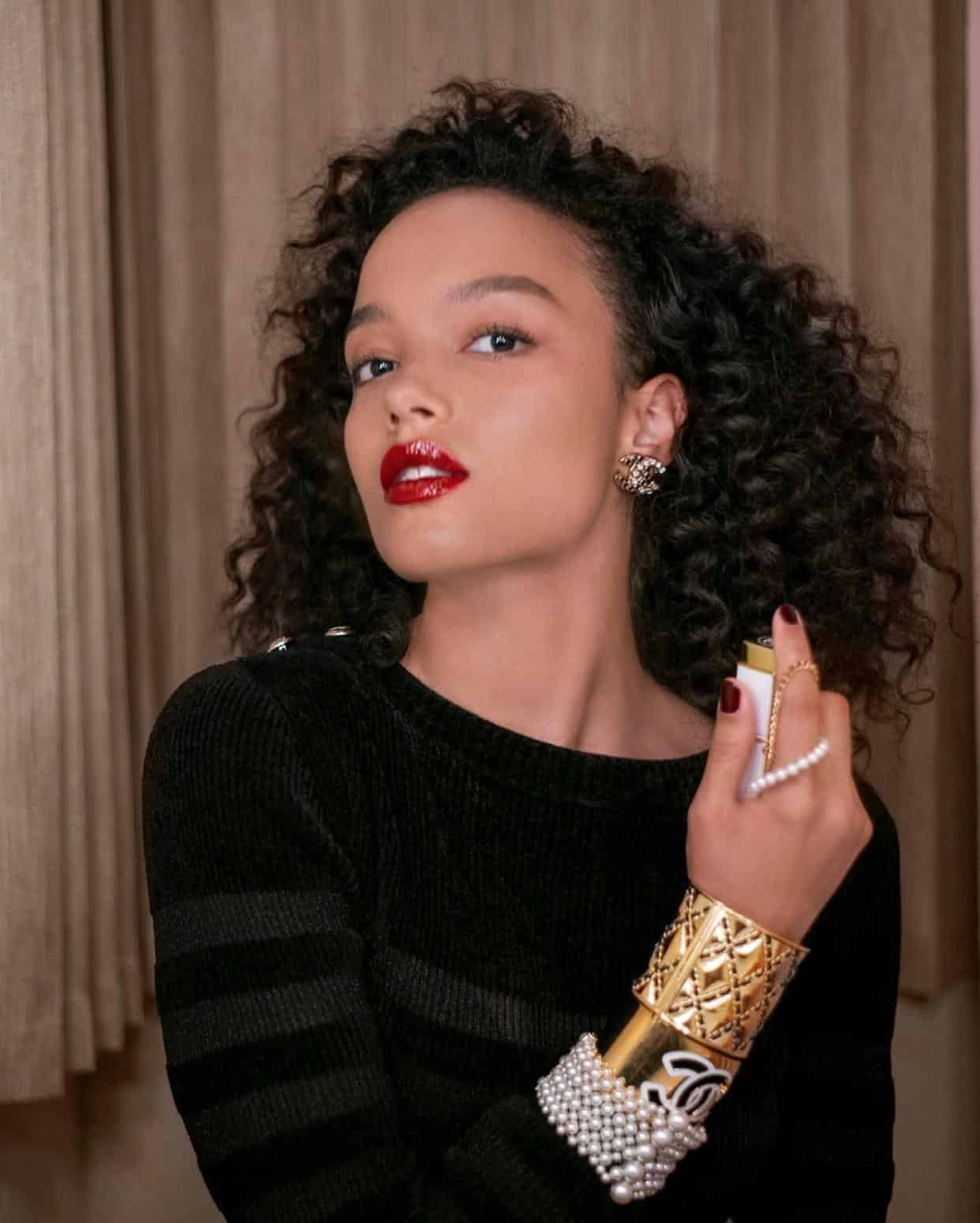
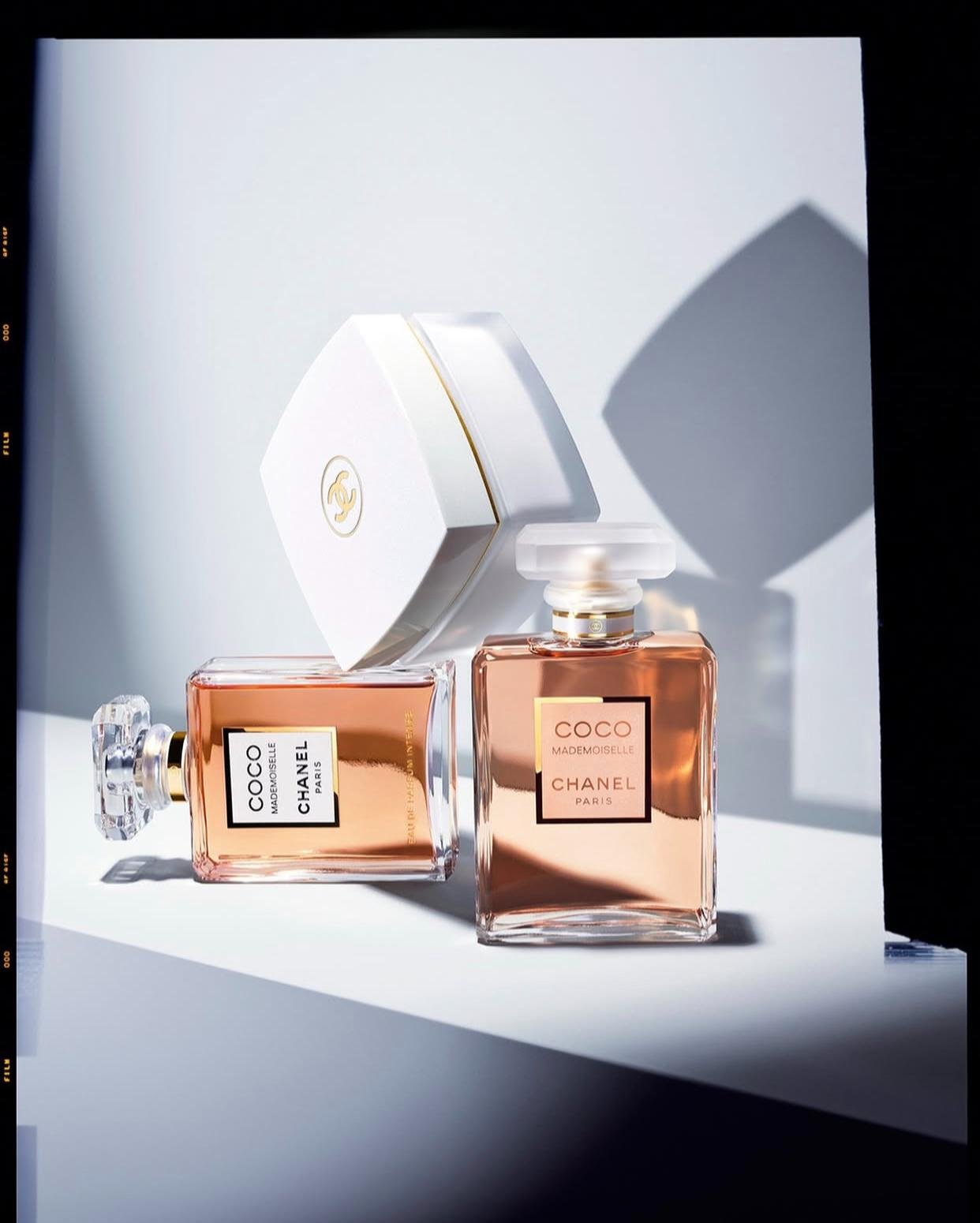
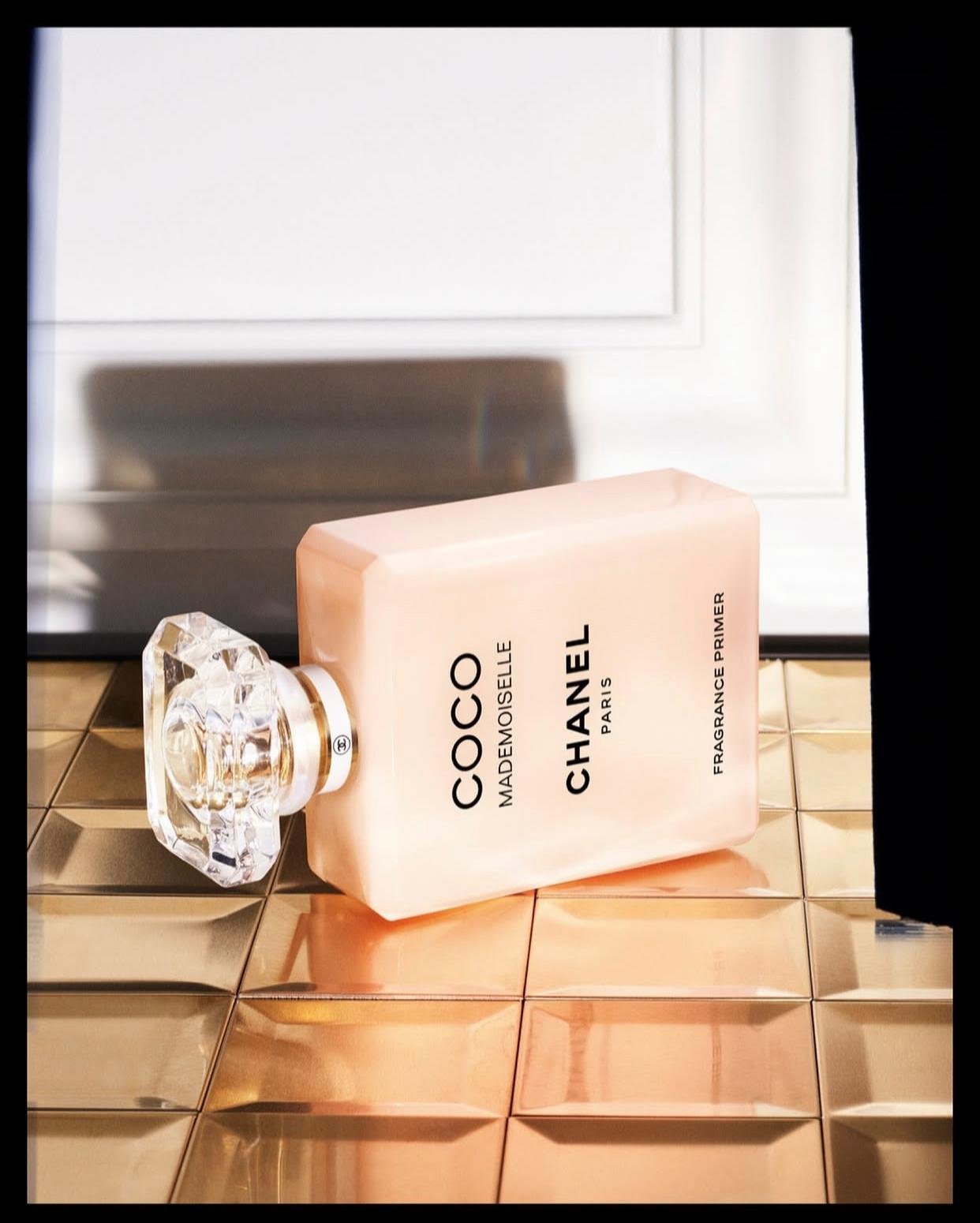
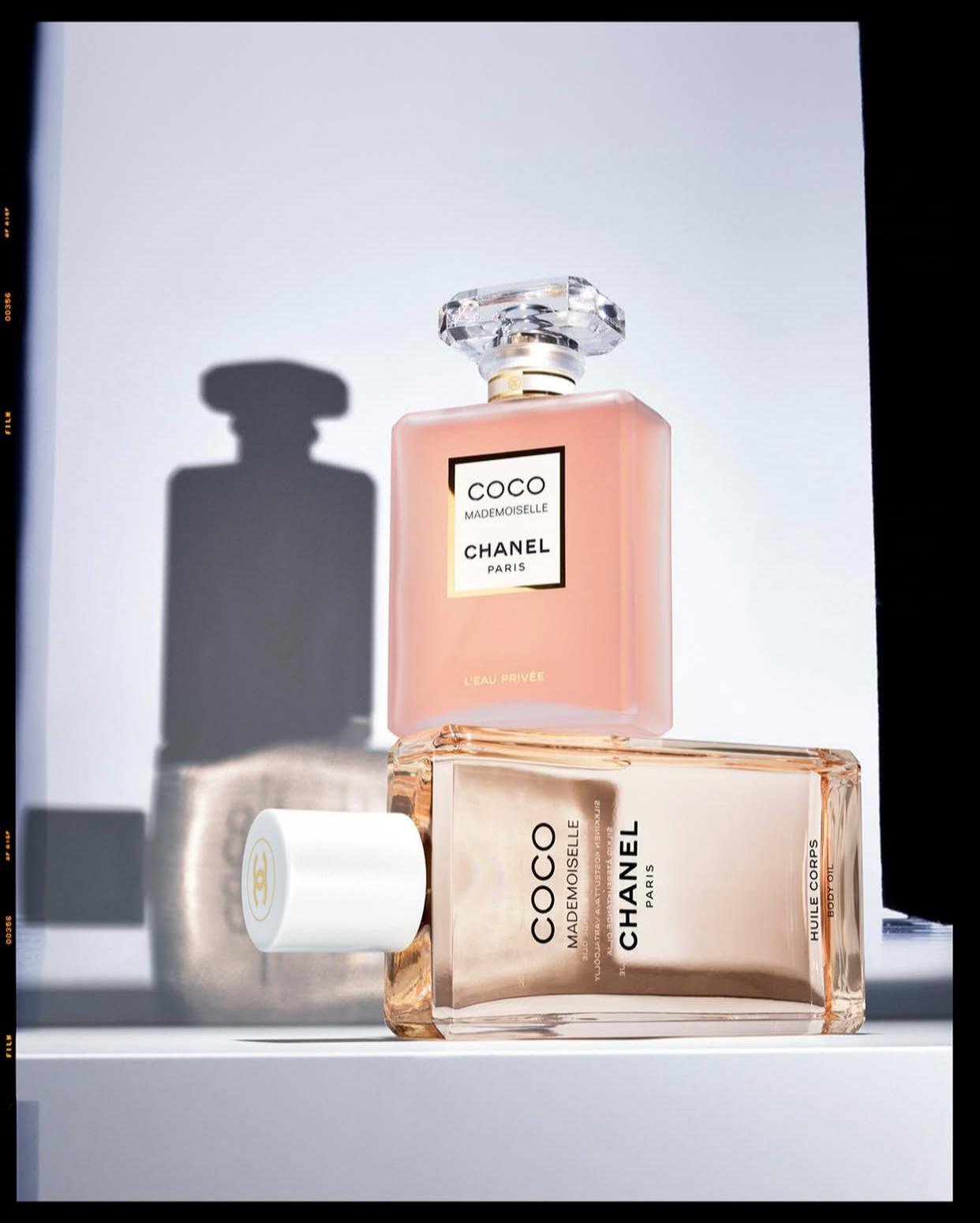
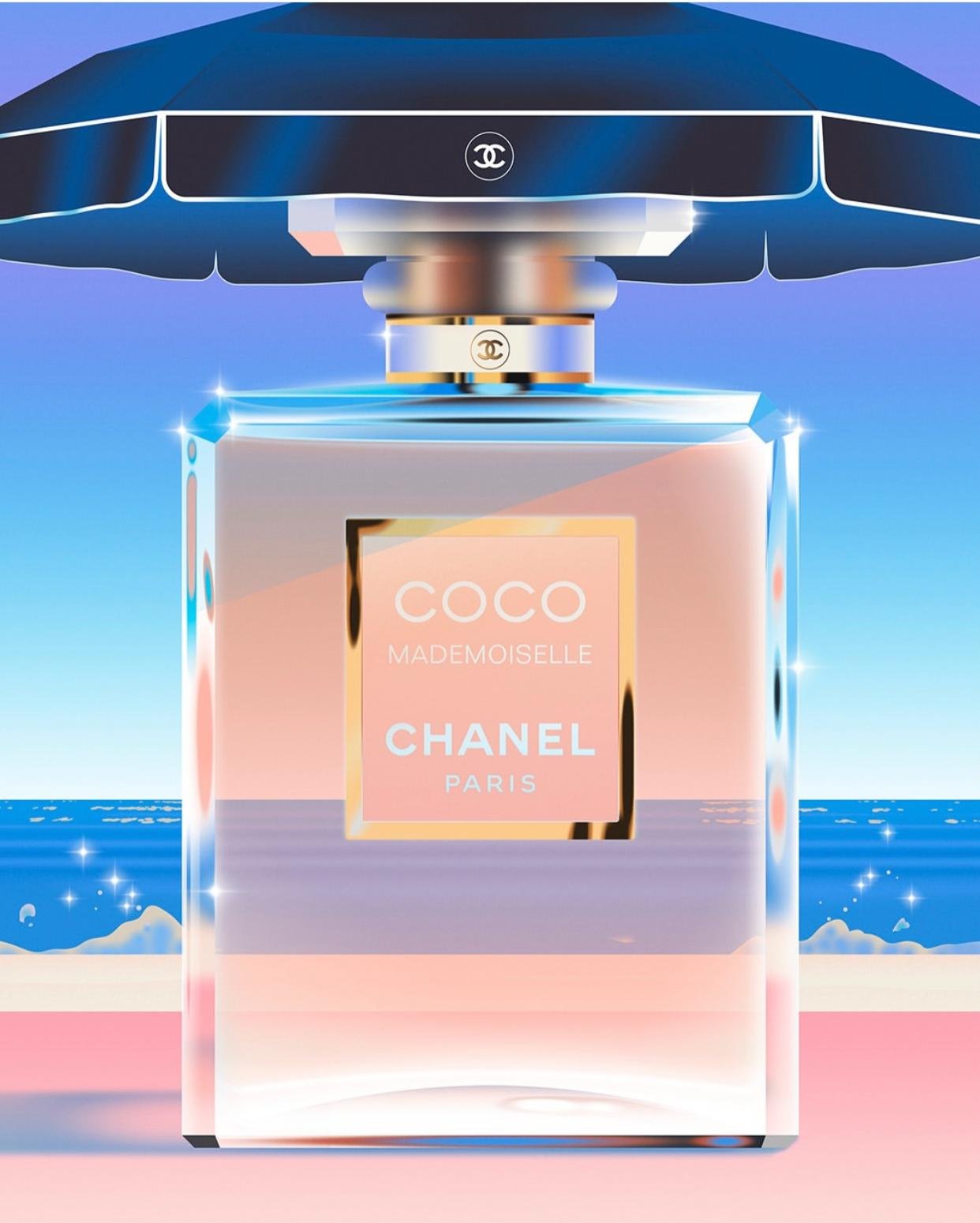
Coco Mademoiselle — created by Jacques Polge in 2001 — is the house's other permanent pillar: a fresh oriental structured around a bright citrus opening, a heart of rose and jasmine, and a base of patchouli, vetiver, and white musk that gives the fragrance its particular quality of warmth without heaviness. It was conceived as a portrait of a younger Gabrielle Chanel — independent, clear-eyed, uncompromising — and it has been the house's most consistently commercially successful fragrance for two decades. In early 2024, Canadian actress Whitney Peak was announced as the new face of Coco Mademoiselle — described by Chanel as "marking a new dawn for the fragrance." The structure has not changed. The woman it portrays is being reinterpreted for each generation that encounters her.
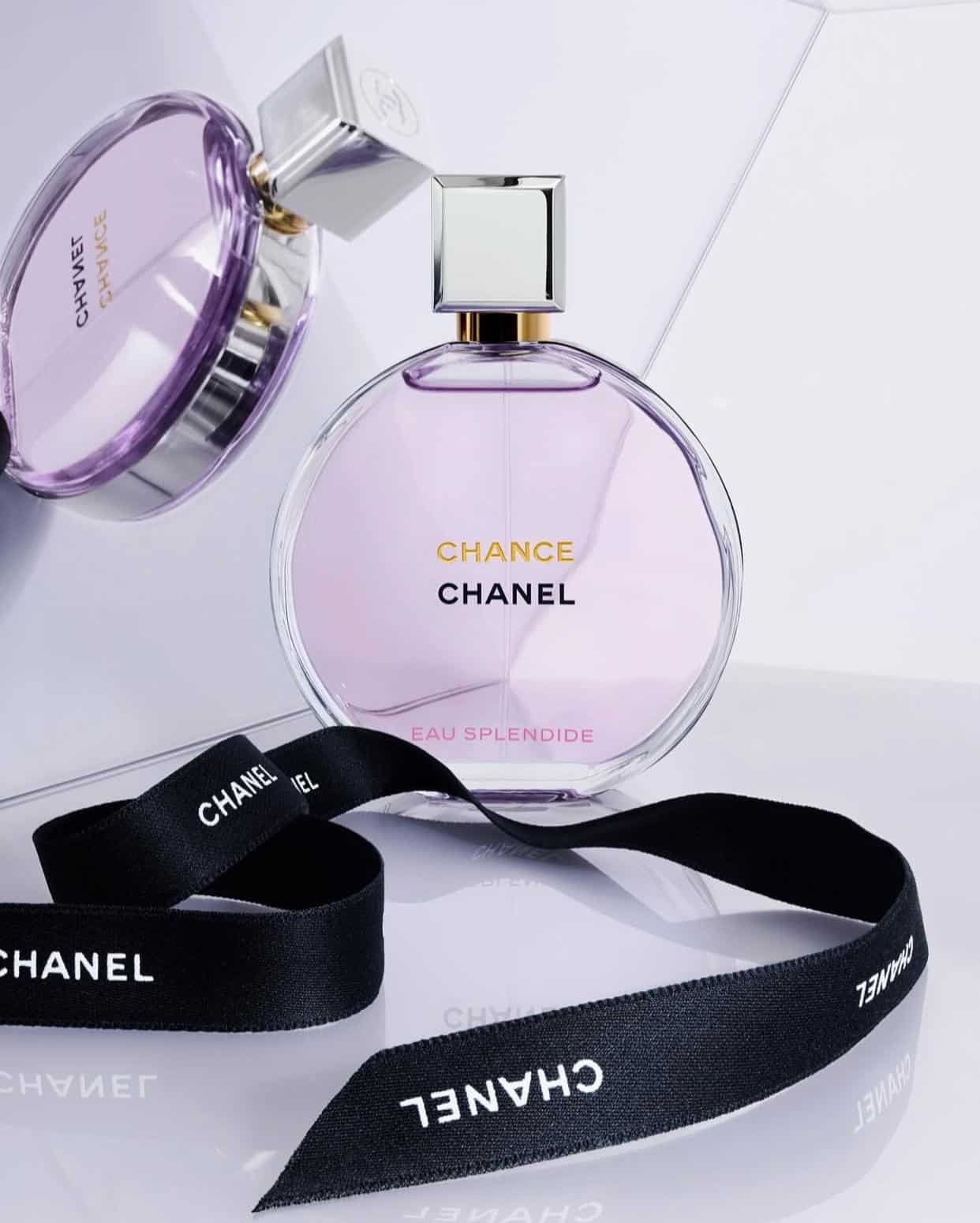
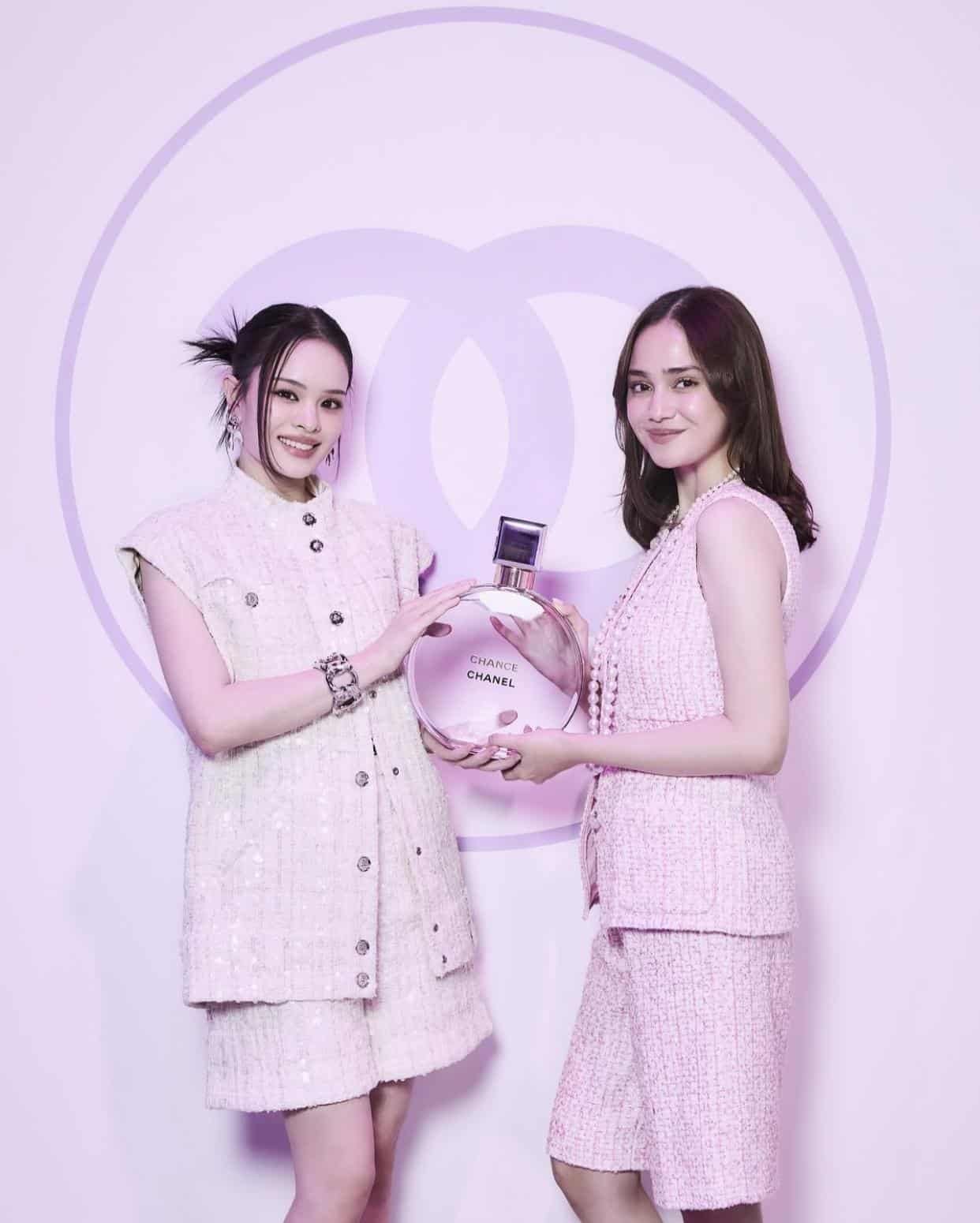
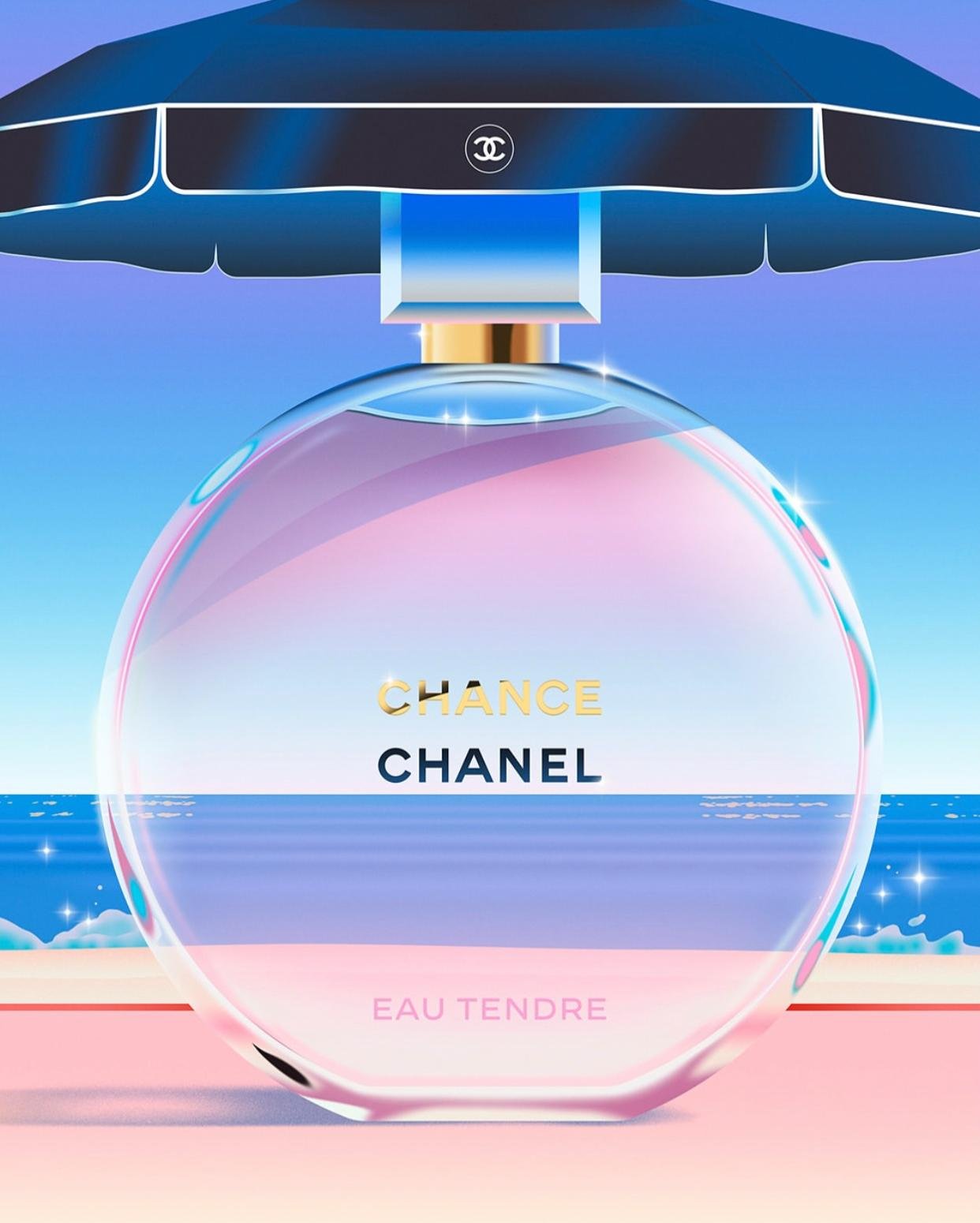
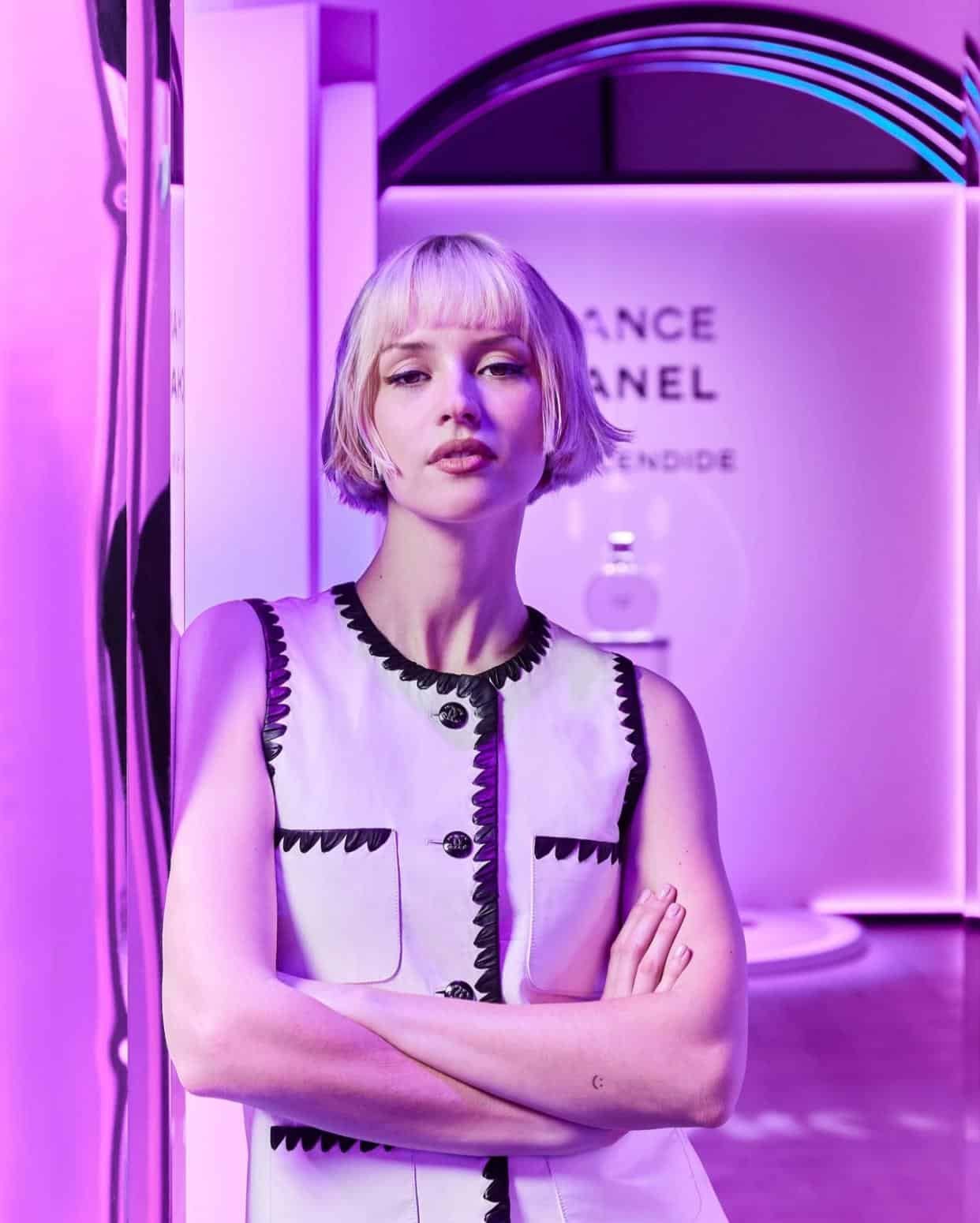
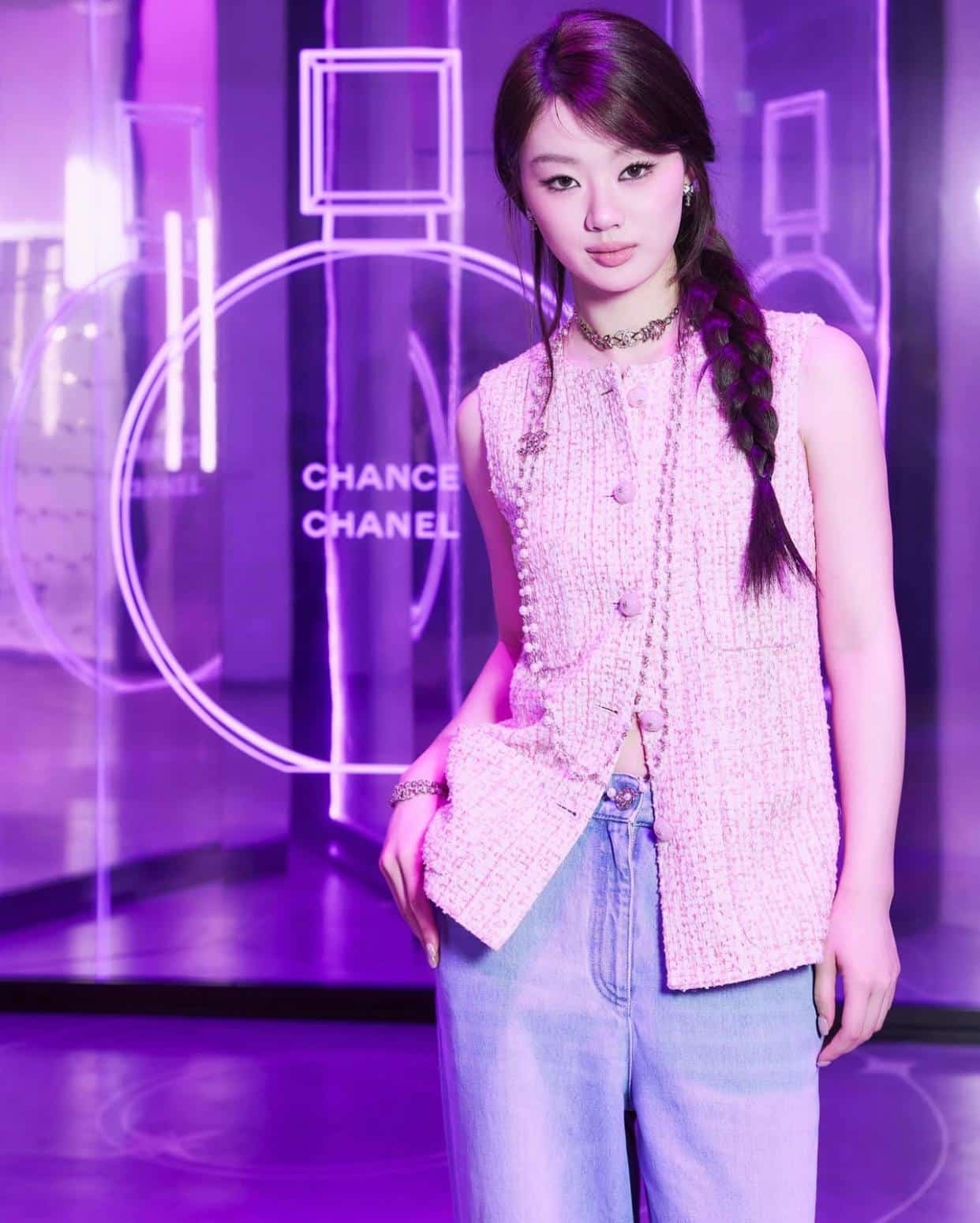
Chance was created by Jacques Polge in 2002 as a departure from the biographical perfumery that defined the house's earlier launches — a fragrance not about Gabrielle Chanel but about an abstract quality, the sensation of a lucky encounter, a moment of unexpected possibility. The original Chance — fresh, floral, with a white musk depth — has produced several significant flankers: Chance Eau Tendre, Chance Eau Vive, and in 2024, Chance Eau Splendide, which Chanel described as the first entirely new fragrance from the house in eight years. Olivier Polge conceived Eau Splendide around a rare and distinctive material — a fragrance of particular luminosity and optimism, positioned as an olfactory statement about beauty as something found rather than imposed. The house does not launch frequently. When it does, the decision is final.
Les Exclusifs de Chanel is the house's most private vocabulary — nineteen fragrances available exclusively in Chanel boutiques, each one a chapter from Gabrielle Chanel's personal biography or olfactory obsessions. Sycomore — a dry, smoky vetiver inspired by the woods of her Aubazine childhood. Coromandel — the dark lacquer of the Coromandel screens she collected obsessively. Bois des Îles — the sandalwood and iris that evoke the scented breezes of her imagination. Boy de Chanel — named for Boy Capel, her first love. 1957 — the year she received the Neiman Marcus Award in Dallas, her American rehabilitation. And Comète — launched on May 3, 2024 — the nineteenth fragrance in the collection, named for the 1932 necklace from Bijoux de Diamants, its formula evoking the sensation of stardust on skin. Olivier Polge noted with pleasure that Comète is the nineteenth Exclusif, and Gabrielle Chanel was born on the nineteenth of August. "I believe in magical things," he said.
Bleu de Chanel — created by Jacques Polge in 2010 — is the house's dominant masculine fragrance: a woody aromatic built around cedarwood, sandalwood, and a citrus-fresh opening that defines the category of clean, sophisticated masculinity it helped establish. In 2025, Olivier Polge launched Bleu de Chanel L'Exclusif — a deeper, denser, more resinous interpretation of the original, built around New Caledonian sandalwood, cistus labdanum, amber, and leather, described by its creator as "a concentrate of exceptional raw materials — the most magnetic facet of Bleu de Chanel." Timothée Chalamet continues as the face of the collection. The L'Exclusif campaign, shot in a new series of short films, reflects the fragrance's more intense, more nocturnal character.
Olivier Polge became Chanel's in-house perfumer in 2015, succeeding his father Jacques — the only father-to-son transmission in the history of the position. He is the fourth person to hold the role in the house's history. His approach differs from his father's in degree rather than direction: where Jacques Polge built the major pillars — N°5 in its current form, Coco Mademoiselle, Allure, Chance — Olivier Polge has been deepening and extending them, while launching entirely new works such as Comète and Chance Eau Splendide. "I believe in magical things," he told Wallpaper* in 2024. The statement is not mystical. It is a description of what perfumery requires: the ability to find, in the relationship between rare materials, something that had not existed before, and to recognize it when it arrives.
Gabrielle Chanel told Ernest Beaux:
"I want my perfume to smell like a woman, not flowers."
Beaux gave her ten samples.
She chose the fifth.
Not for its number — simply because
it smelled like what she had asked for.
A century later, nothing has changed that answer.
Chanel owns jasmine and rose fields in Grasse — the Provençal hilltown that has supplied the finest raw materials for French perfumery for centuries — through long-term direct supply contracts that guarantee both quality and exclusivity. Grasse jasmine, harvested by hand before dawn, is more expensive and more labor-intensive than any synthetic substitute, and no synthetic has fully replicated its particular depth and warmth. The rose from Grasse — a centifolia, different in character from the Bulgarian rose that many houses use — has a softness and liquidity that is specific to the soil and microclimate of the region. These two materials are the olfactory heart of N°5 and appear, in different proportions and relationships, across multiple Chanel fragrances. The house protects them not as a marketing gesture but as a manufacturing condition: without the right raw material, the right fragrance cannot be made. This is not a philosophy. It is a supply chain decision made in the 1920s that is still governing production today.
15 East 57th Street · The Chanel Boutique · New York
The full Chanel fragrance range — N°5 in all its concentrations, Coco Mademoiselle, Chance and its flankers, Bleu de Chanel, and Les Exclusifs de Chanel — is presented at the Chanel boutique at 15 East 57th Street. The Les Exclusifs are available exclusively in the boutique rather than through department store counters, maintaining the intimacy and deliberate discovery that the collection requires: a fragrance that a customer encounters in a boutique, after a conversation with an advisor who understands its olfactory logic and its place in Gabrielle Chanel's biography, is a different experience from a fragrance encountered on a department store tester strip. The house understands this. The boutique is the mechanism by which that understanding is enacted.
15 East 57th Street · New York, NY 10022
N°5 · Coco Mademoiselle · Chance · Chance Eau Splendide 2024
Bleu de Chanel · Bleu de Chanel L'Exclusif 2025
Les Exclusifs de Chanel — boutique exclusive · Comète 2024 · Sycomore · Coromandel
Olivier Polge — in-house perfumer since 2015
Founded Paris 1910 · chanel.com/en-us/fragrance
Ernest Beaux presented ten numbered samples
to Gabrielle Chanel in 1921.
She chose the fifth.
Olivier Polge has been the fourth nose
to care for that choice since 2015.
A century of the same house,
the same Grasse fields,
the same refusal to let flowers
speak louder than the woman who wears them.
© Chanel Beauty
© Chanel Beauty
© Chanel Beauty
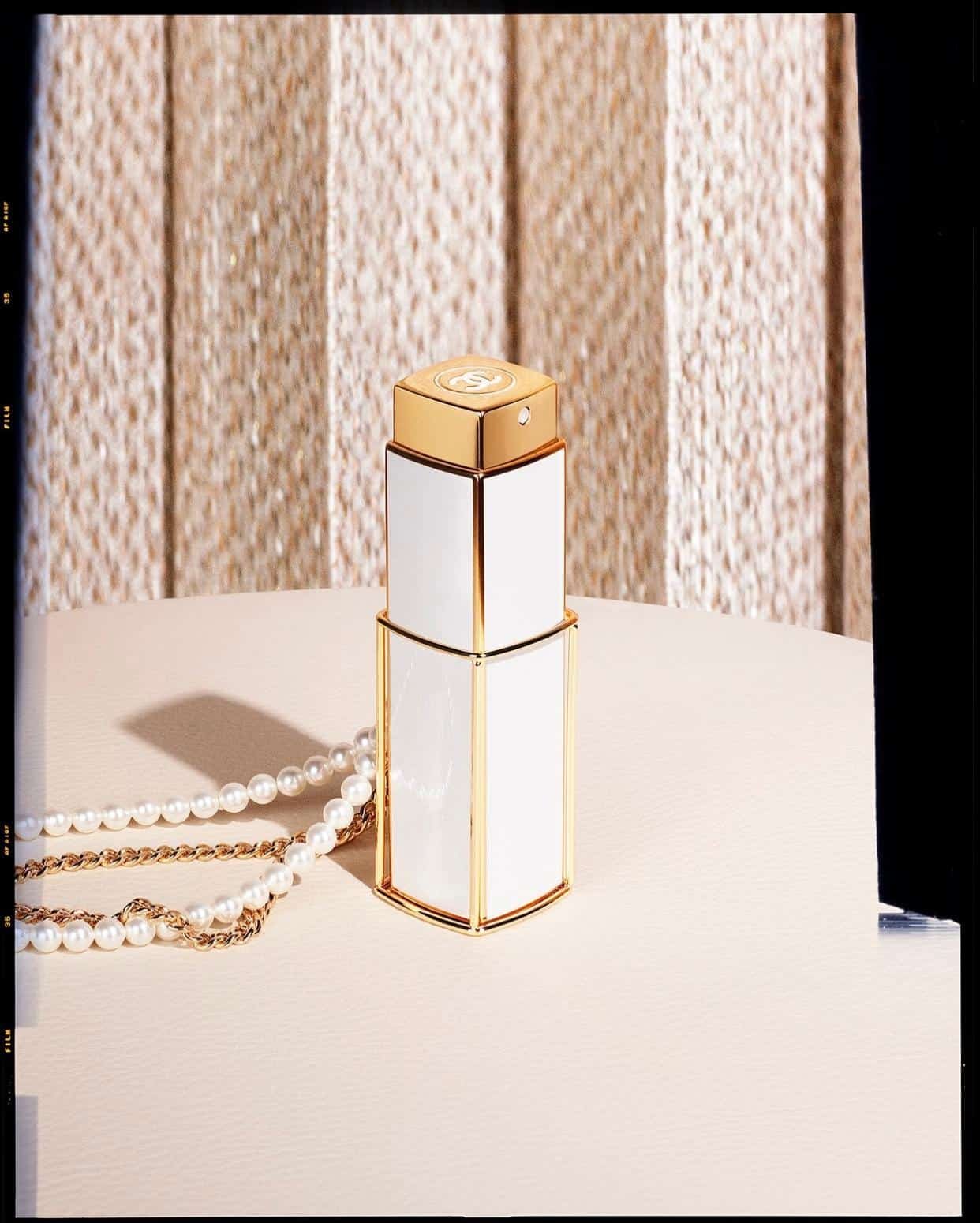
© Chanel Beauty
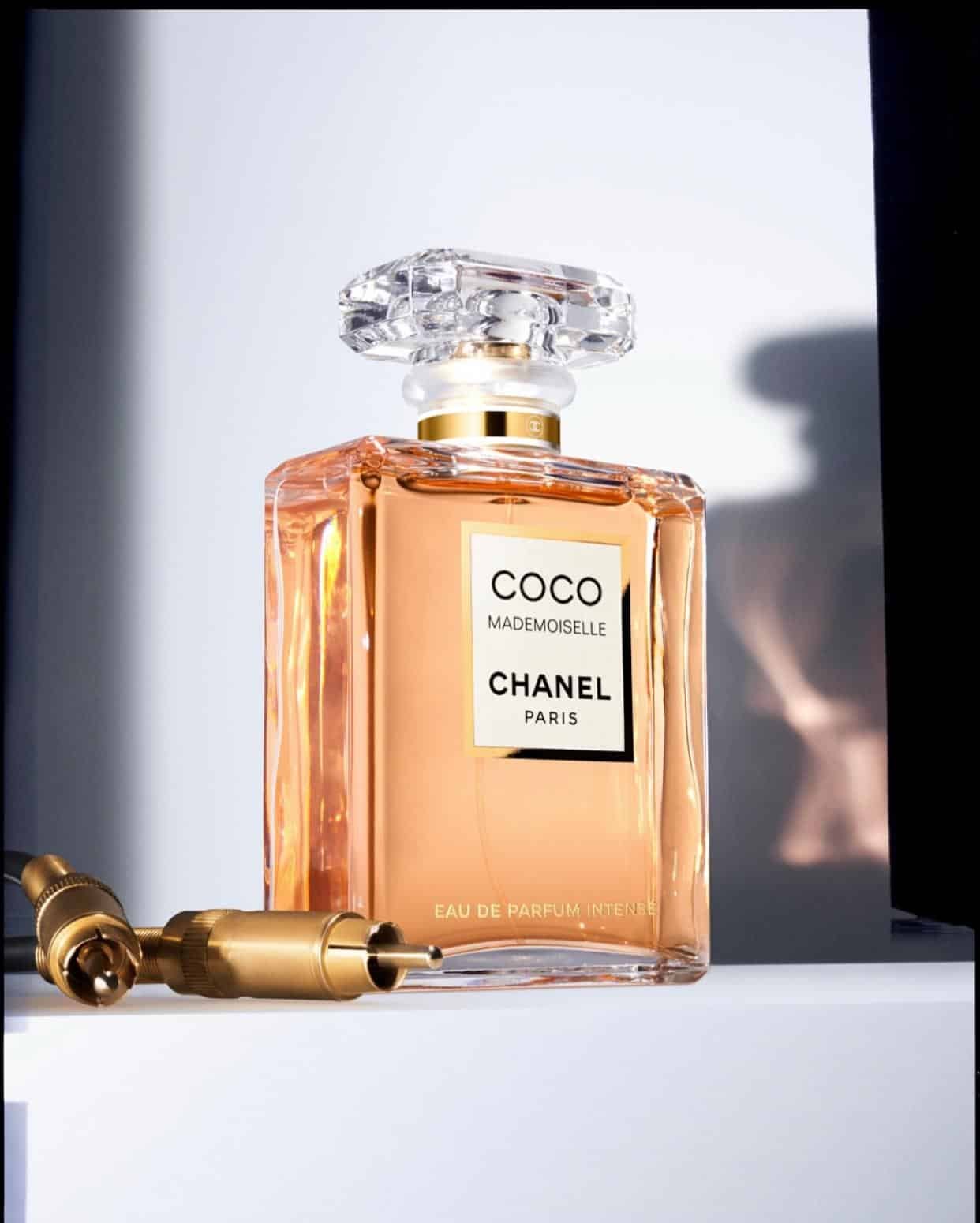
© Chanel Beauty
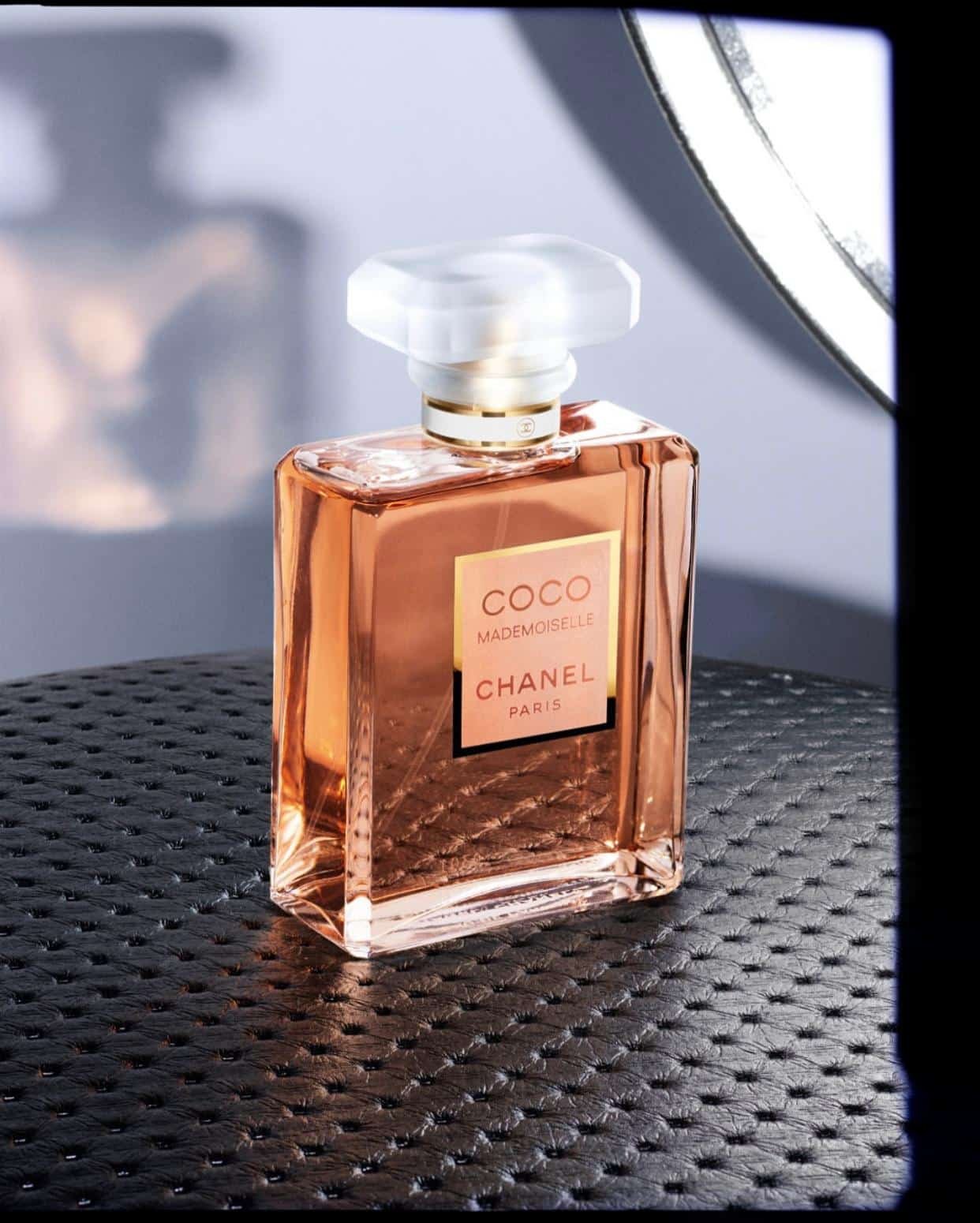
© Chanel Beauty
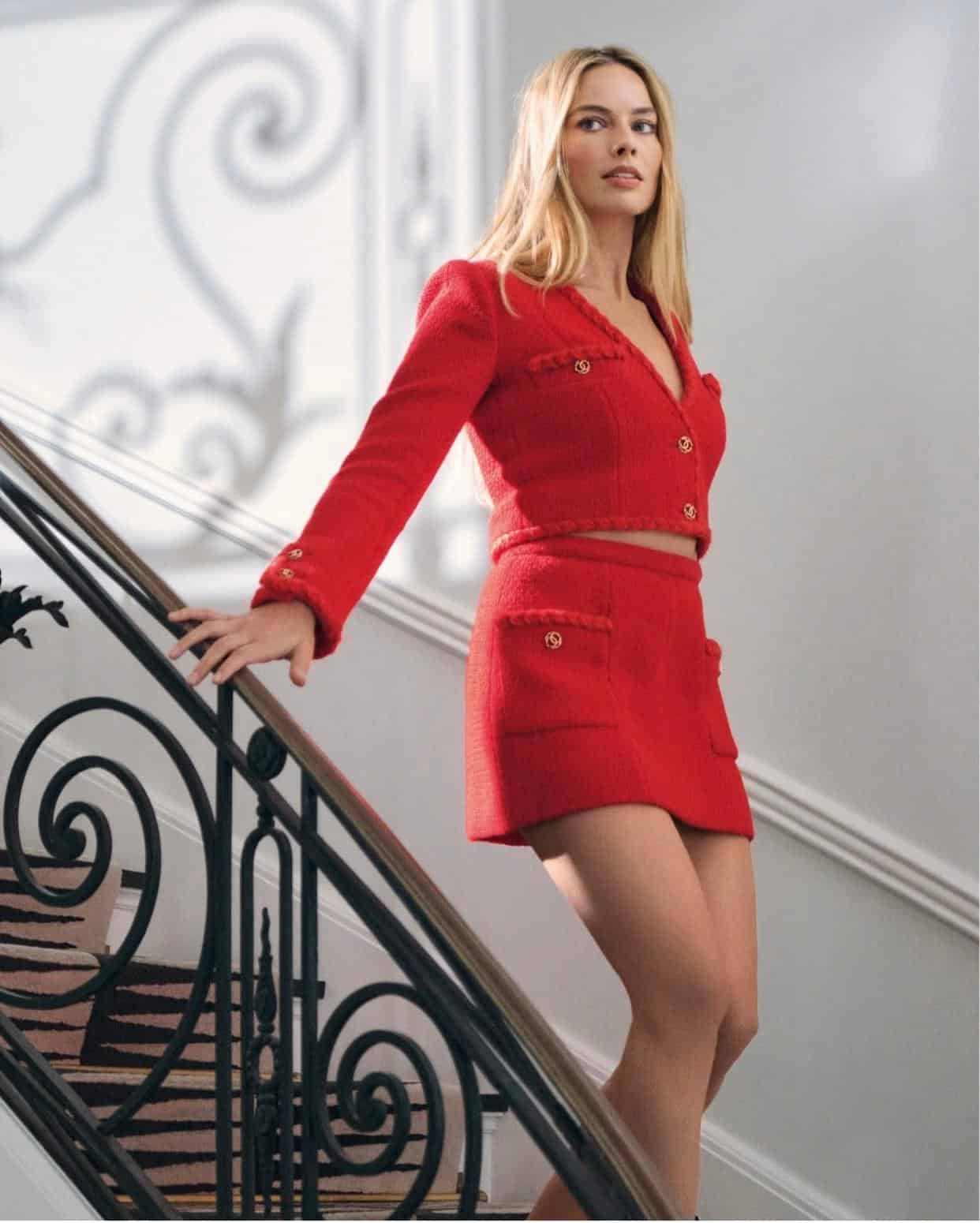
© Chanel Beauty

© Chanel Beauty
© Chanel Beauty
© Chanel Beauty
© Chanel Beauty
© Chanel Beauty
© Chanel Beauty
© Chanel Beauty
© Chanel Beauty
© Chanel Beauty
CHANEL
© Chanel Beauty