© Louis-Vuitton
© Louis-Vuitton
© Louis-Vuitton
Louis Vuitton
Handbags
The greatest bags in the Louis Vuitton archive were not designed — they were requested. Coco Chanel asked for a bag small enough for the city. A champagne producer asked for something to carry five bottles without breaking them. Audrey Hepburn asked for a Keepall that would fit her frame. The house obliged, each time. That is how Louis Vuitton works: someone wanted something precise, and the answer became a permanent object.
1925 · 1932 · 1965 · The Art Of The Commission
The Louis Vuitton bag archive begins not with a designer at a drawing table but with a client making a request. In 1925, Gabrielle Chanel — who had spent a decade watching women carry clutches and elbow bags — approached Georges Vuitton for something different: a structured dome-shaped bag for daily use, not travel. The house made it for her. Nine years later, with her blessing, the bag entered production as the Alma. In 1932, a champagne producer approached Gaston-Louis Vuitton with a specific engineering problem: a bag that could transport five bottles without shattering them. Gaston-Louis designed a bucket form in pale leather — quatre bouteilles à plat, une cinquième renversée au centre — and named it the Noé, after the biblical Noah, first man to plant a vineyard. The Noé was the world's first bucket bag. Its drawstring closure, its reinforced base, its generous volume: all designed for champagne, adopted by everyone. In 1965, Audrey Hepburn — who carried the Speedy 30 regularly — asked the house for a smaller version that would suit her proportions. The Speedy 25 was created for her alone, then entered permanent production. Three women. Three problems. Three objects that have not changed in fifty years.
The Monogram · 1896 · The Lock That Cannot Be Copied
The LV monogram was created in 1896 by Georges Vuitton, the founder's son, as a direct response to counterfeiting. Louis Vuitton's earlier trunks — striped, then Damier check — had been copied so widely by competitors that Georges designed a pattern that was both a trademark and an anti-forgery device: the interlocking L and V, the four-pointed star, the curved diamond, the fleur-de-lis, set on a warm brown canvas coated to resist water and wear. It became the most copied pattern in luxury history — which is the precise irony of its creation. The monogram did not prevent imitation. It became the thing most worth imitating. Today the canvas is produced in the Asnières workshop north of Paris, one of the oldest operating luxury manufacturing sites in France, on looms that have been running since the 19th century. The Speedy. The Neverfull. The Noé. The Alma. All carry the same canvas, the same pattern, the same proportion. What has changed is the silhouette that holds it.
The Speedy debuted in 1930 as the Express — a soft-sided travel bag, lighter than a trunk, faster to open. It entered production in Monogram canvas in 1931. It became an icon in 1965, when Audrey Hepburn asked the house to create a smaller version to suit her frame: the Speedy 25 was born as a special commission, then immediately entered permanent production. The numerical system — 20, 25, 30, 40 — refers to the width in centimeters of the bag's front panel. For Spring 2026, Nicolas Ghesquière has treated the Speedy as what he calls a blank canvas: a version in printed silk textile, referencing the collection's theme of the domestic interior, has arrived alongside the Speedy Trunk, elevated with heritage trunk details in gold-tone finish on Monogram canvas reverse. The Speedy Bandoulière — introduced in 2011, adding a removable shoulder strap to the top-handle original — remains the most versatile interpretation. A bag that has been carried by Hepburn, by Rihanna, by Sofia Coppola, by several generations of women who understood that its proportions are simply correct.
The Neverfull arrived in 2007 as a modern answer to an old problem: a bag spacious enough to carry everything, structured enough to stand, lightweight enough to forget you are carrying it. Its name is its promise. The side-lace cinch system — leather thongs that pull to shape the tote or release for maximum volume — is the single most intelligent detail in the Louis Vuitton bag vocabulary: function made visible, adjustment made elegant. For Spring 2026, the Neverfull MM arrives in Monogram Eden canvas, a bold floral pattern drawn from the collection's garden-interior theme. The result is the house's most recognized silhouette reimagined as something botanical, almost soft. Carried as a work bag, a travel bag, a market bag — the Neverfull does not distinguish. It accepts everything and remains itself. The MM is the most requested size in every Louis Vuitton boutique worldwide. At 6 East 57th Street, it is the bag most likely to have a line attached to it.
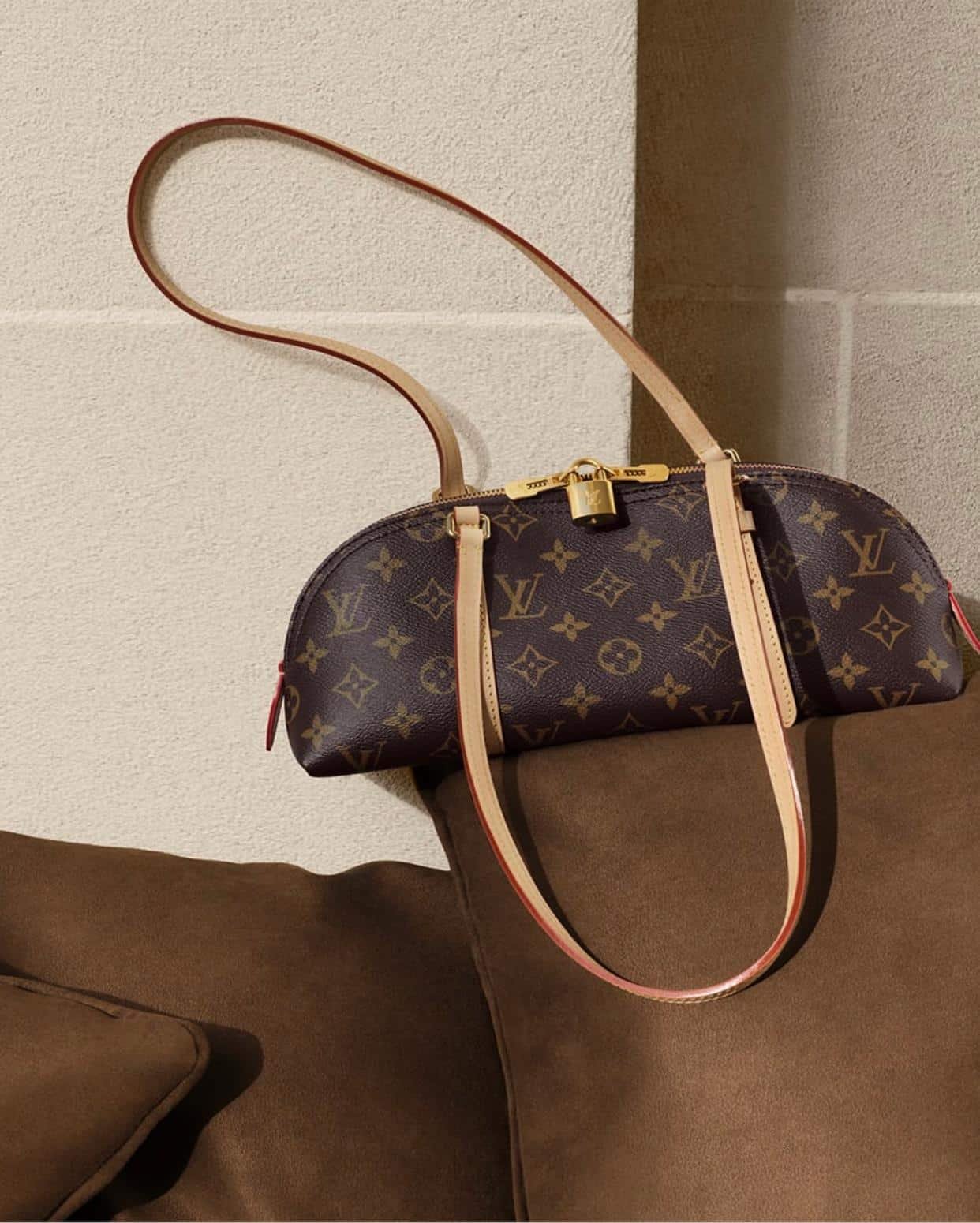
The Alma began as a private commission. In 1925, Gabrielle Chanel — who had spent her career dressing women for movement — asked Georges Vuitton for a structured day bag: dome-shaped, hand-held, without the travel associations of the Keepall or the trunk. The house produced it for her alone. Nine years later, Chanel gave her blessing for production. The bag was named the Alma after the Pont de l'Alma in Paris — an address Gaston-Louis Vuitton passed daily. Its form has not changed: the smooth dome, the two flat handles, the brass lock, the interior that opens completely flat. Ghesquière, who joined the house in 2013, has cited the Alma as one of the silhouettes he returned to in his first season — studying its geometry and producing the Dora, a softer, more architectural interpretation. For Cruise 2026, the Alma appears in tapestry motifs and metallic leathers drawn from the season's medieval-glam-rock axis. The archival reference, updated without distortion.
A champagne producer came to Gaston-Louis Vuitton in 1932 with a precise request: a bag sturdy and stylish enough to carry five bottles of champagne as a gift to clients, without breaking them in transit. Gaston-Louis designed a bucket form in pale leather — the color of champagne itself — with a reinforced rectangular base, a generous opening, and a drawstring that secured four bottles upright and a fifth inverted in the center. He named it the Noé, after Noah: first planter of vines, first man to carry wine across difficult terrain. The Noé was the world's first bucket bag — a shape so logical that every luxury house eventually produced its version. The NéoNoé, introduced later, is the most contemporary interpretation: structured body, adjustable strap, contrasting lining. The original Noé in Monogram canvas, with its pure drawstring and unrestricted volume, remains in permanent production. A bag commissioned for champagne, carried for everything else.
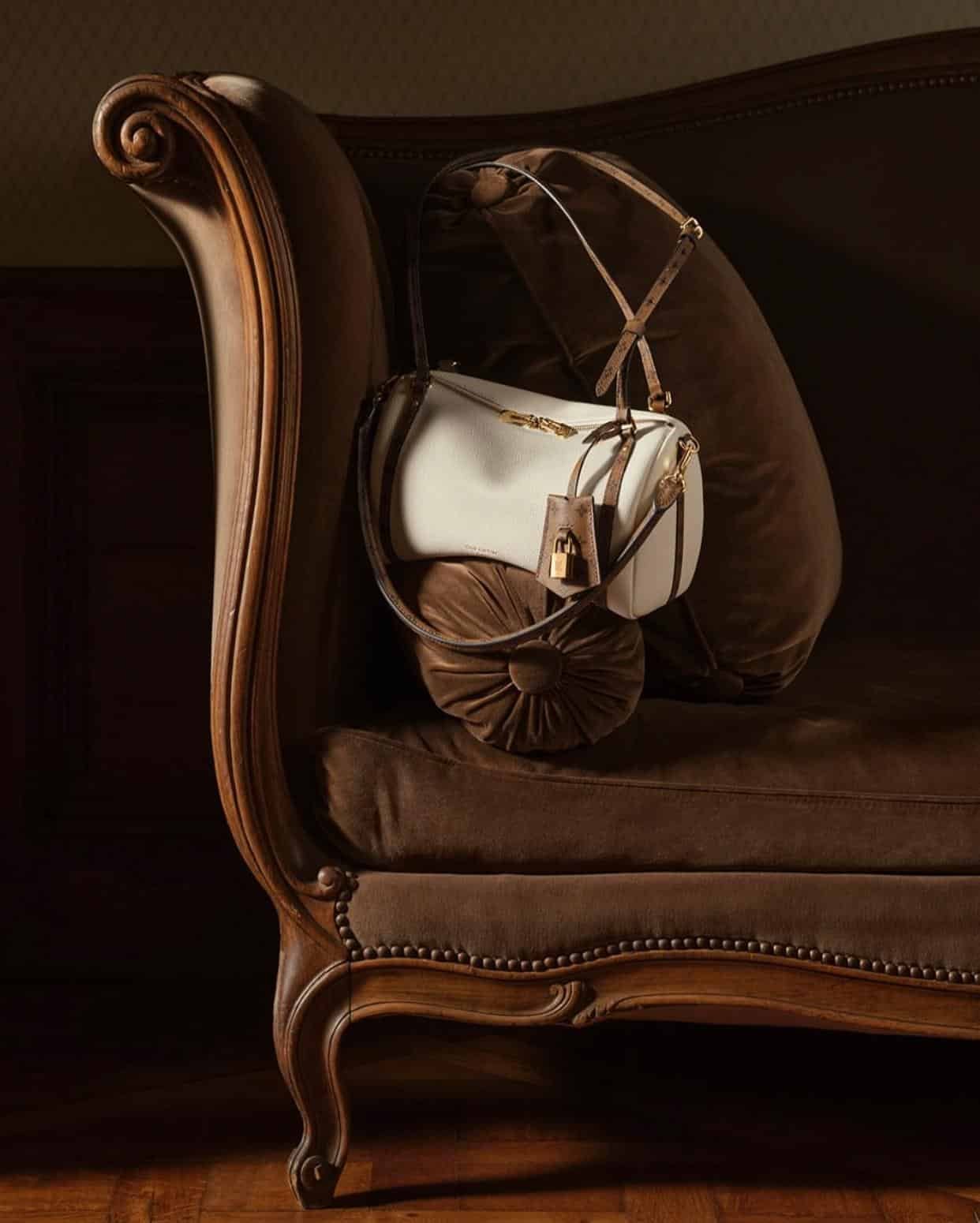
The Capucines, introduced in 2013 by Ghesquière in his first season, is named for the Rue des Capucines in Paris — the street where Louis Vuitton opened his first workshop in 1854. It is the house's highest-tier leather bag: no canvas, no monogram on the surface, the LV initials tucked beneath the curved flap. A quiet-luxury object before the term existed. The Side Trunk — the most significant new silhouette of Ghesquière's decade at the house — draws directly from the heritage of the malletier: a miniaturized trunk worn crossbody, its hardware referencing the original corner protectors and clasps. For Spring 2026, the Squire arrives — a domed top-handle silhouette that deliberately rhymes with the Alma's geometry, proposed in silk and leather versions. The Express bag, introduced for Fall-Winter 2025, is the newest permanent addition: supple leather, structured frame, the house's founding travel vocabulary compressed into a contemporary day format.
The Louis Vuitton small leather goods carry the full vocabulary of the house — Monogram canvas, Damier check, Empreinte leather, Epi — into objects that fit in a coat pocket. The Zippy Wallet, with its wide zip opening and organized interior, is the most requested piece in the category. The Pochette Accessoires — a flat envelope in Monogram canvas with a ring attachment — functions as a clutch, a bag insert, or a crossbody worn on the wrist chain. Card holders and key holders in Monogram canvas are, for many clients, the beginning of a longer relationship with the house: the first object, the one carried until it develops a patina unique to the person carrying it. At Louis Vuitton, the small leather goods are not afterthoughts. They are the same canvas, the same stitching, the same hallmarks — at the scale of a daily pocket. The vachetta leather trims — raw, untreated cowhide — will darken over months of use into a honey tone that no two pieces share.
The Alma: Coco Chanel's commission, 1925.
The Noé: a champagne producer's problem, 1932.
The Speedy 25: Audrey Hepburn's proportions, 1965.
The Neverfull: a modern tote with a cinch, 2007.
The Side Trunk: a malletier's heritage, miniaturized.
The Monogram: designed to stop counterfeiting.
It became the most counterfeited pattern in history.
Louis Vuitton does not invent its bags.
It answers a question precisely,
then makes the answer permanent.
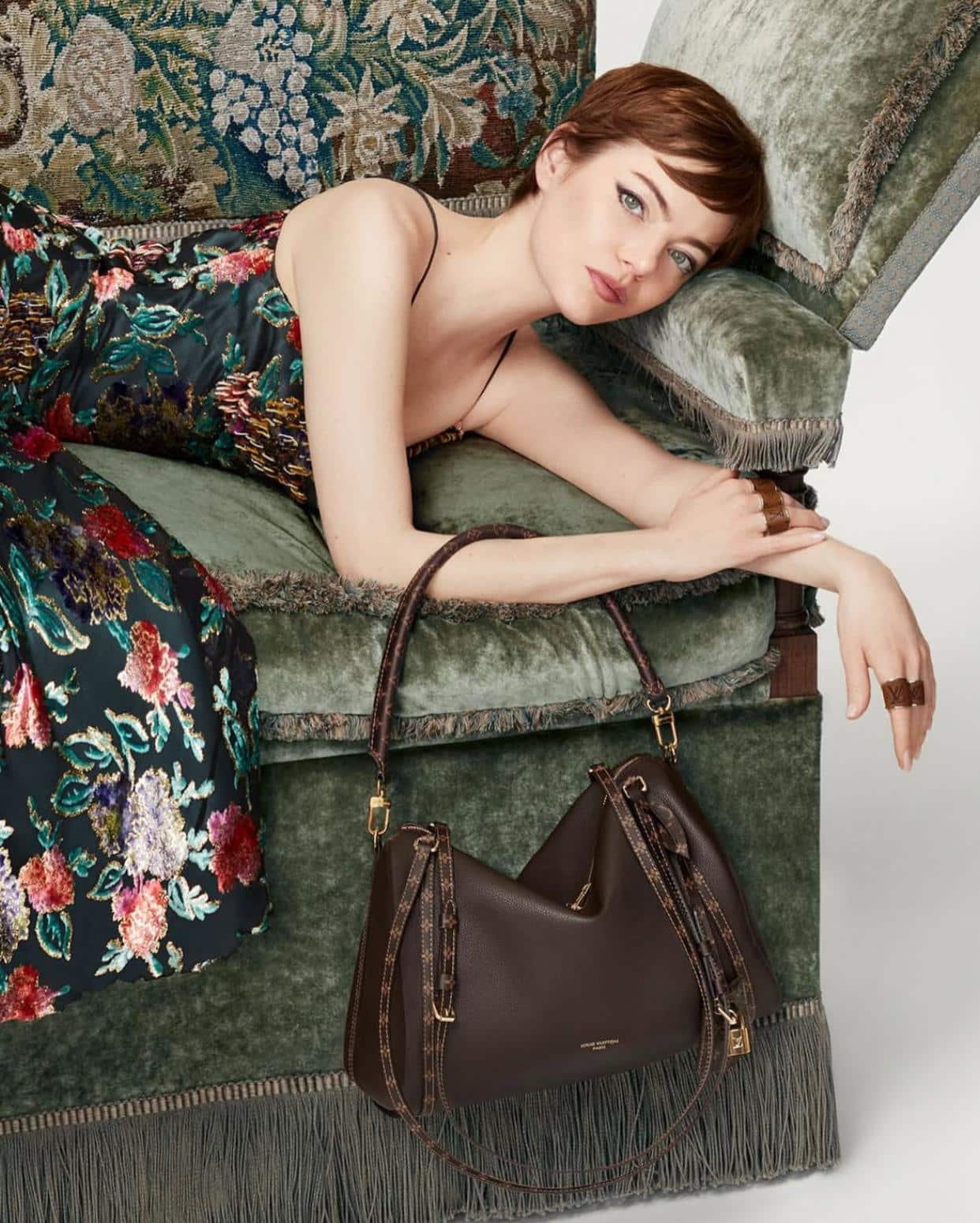
Nicolas Ghesquière joined Louis Vuitton as artistic director of women's collections in 2013. In the decade since, he has introduced the Capucines, the Petite Malle, the Side Trunk, the Twist, the Coussin, the Loop, the LV Biker, the Express, and the Squire — each becoming a permanent element of the house vocabulary within one or two seasons of its debut. His method is architectural: he studies the founding objects of the house — trunks, malles, the Keepall — and compresses their hardware logic and proportion into a contemporary bag silhouette. The Petite Malle is a miniaturized trunk with four corner protectors. The Side Trunk is a Keepall worn sideways across the body. The Capucines hides the LV monogram under its flap, legible only on the interior. Ghesquière's Spring 2026 collection — shown at the Musée du Louvre, in the summer apartment of Anne of Austria — extended this compression further, producing bags in silk textiles that reference the domestic interior of a Parisian apartment: curtain weights, printed drapes, jacquard cushions translated into bag surfaces. The LV Icons program, launched in 2024, formalized the house's permanent bag vocabulary: ten silhouettes, always available, in all sizes and materials. The Speedy. The Neverfull. The Noé. The Alma. The Side Trunk. The Coussin. Each of these was once a response to a specific need. None of them is finished.
6 East 57th Street · New York · The Temporary Flagship
Louis Vuitton currently operates at 6 East 57th Street — its largest American location, opened in November 2024 as a temporary flagship during the multi-year reconstruction of the Fifth Avenue store. Across the street, the original building at 1 East 57th Street is wrapped in a scaffolding installation designed by Shohei Shigematsu of OMA: 240 feet of custom-built trunks in Trianon Grey canvas with Monogram Flower motif, 5,000-pound handles, 840 rivets. The building looks like a stack of malles growing out of the Midtown sidewalk. It is the most accurate description of what the house is. At number 6, five floors hold the complete handbag collection — Speedy to Capucines, Monogram to Empreinte — alongside a dedicated travel room, private salons for watches and high jewelry, and Le Café Louis Vuitton, the house's first library café in North America. The relationship between Louis Vuitton and New York is over a century old: the house sold in the United States from 1898 and opened its first independent American boutique in 1980. The current temporary address carries that history without referencing it. What matters, as it has always mattered, is the bag on the counter.
6 East 57th Street · New York, NY 10022
Monday – Saturday 10am – 8pm · Sunday 11am – 7pm
Speedy · Neverfull · Alma · Noé · Capucines · Side Trunk · LV Biker
Spring 2026 Collection · Squire · Express · Silk Textile Editions
Small Leather Goods · Monogram Canvas · Empreinte · Epi
Nicolas Ghesquière — Artistic Director, Women's Collections · Founded Paris 1854
louisvuitton.com/us
Louis Vuitton began as a trunk maker
on the Rue Neuve des Capucines in 1854.
Coco Chanel came with a request.
A champagne producer came with a problem.
Audrey Hepburn came with her proportions.
The house answered each time,
and made the answer permanent.
At 6 East 57th Street,
across from a building wrapped in giant trunks,
the same conversation continues.
Someone will ask for something precise.
The house will oblige.
© Louis-Vuitton
© Louis-Vuitton
© Louis-Vuitton
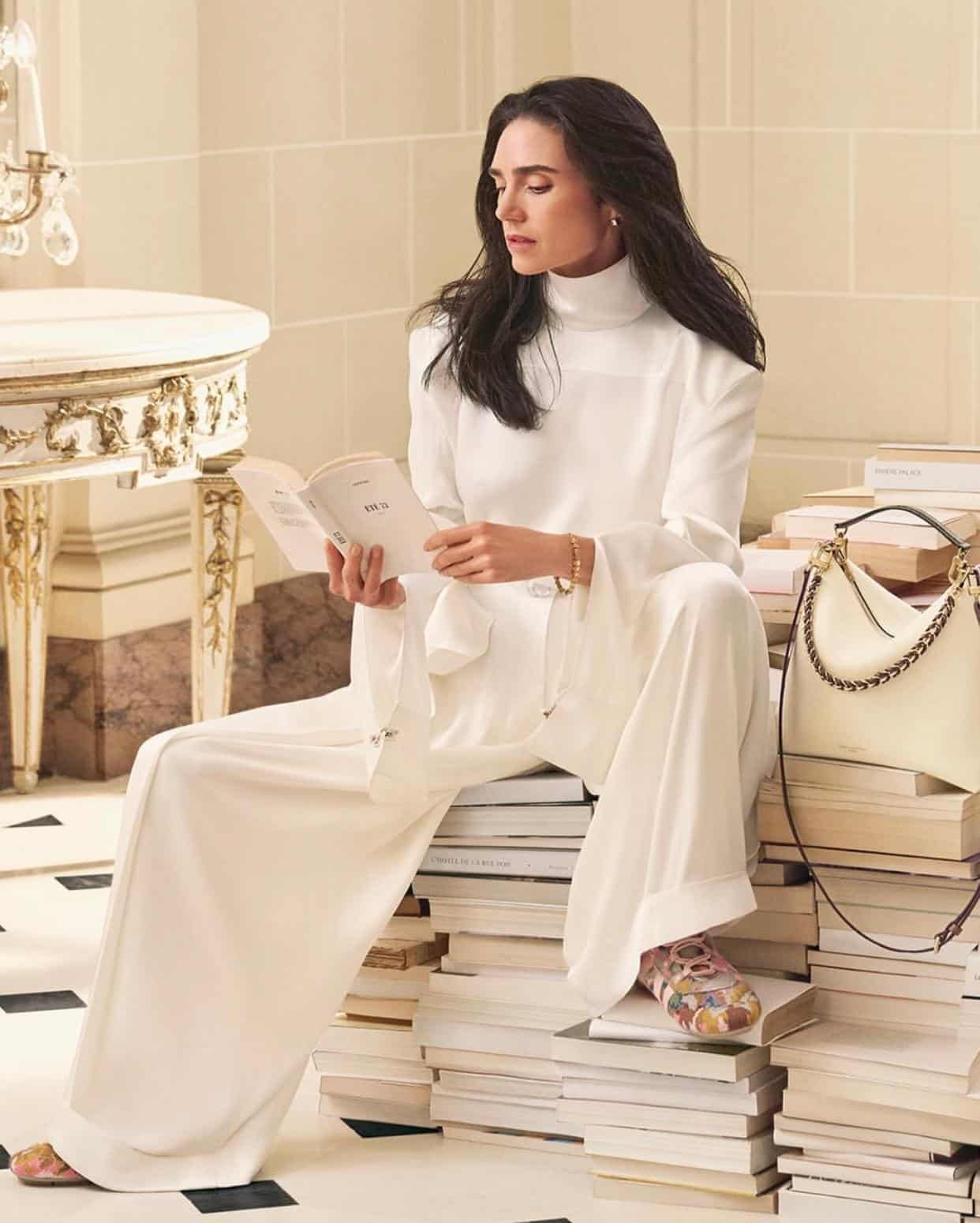
© Louis-Vuitton
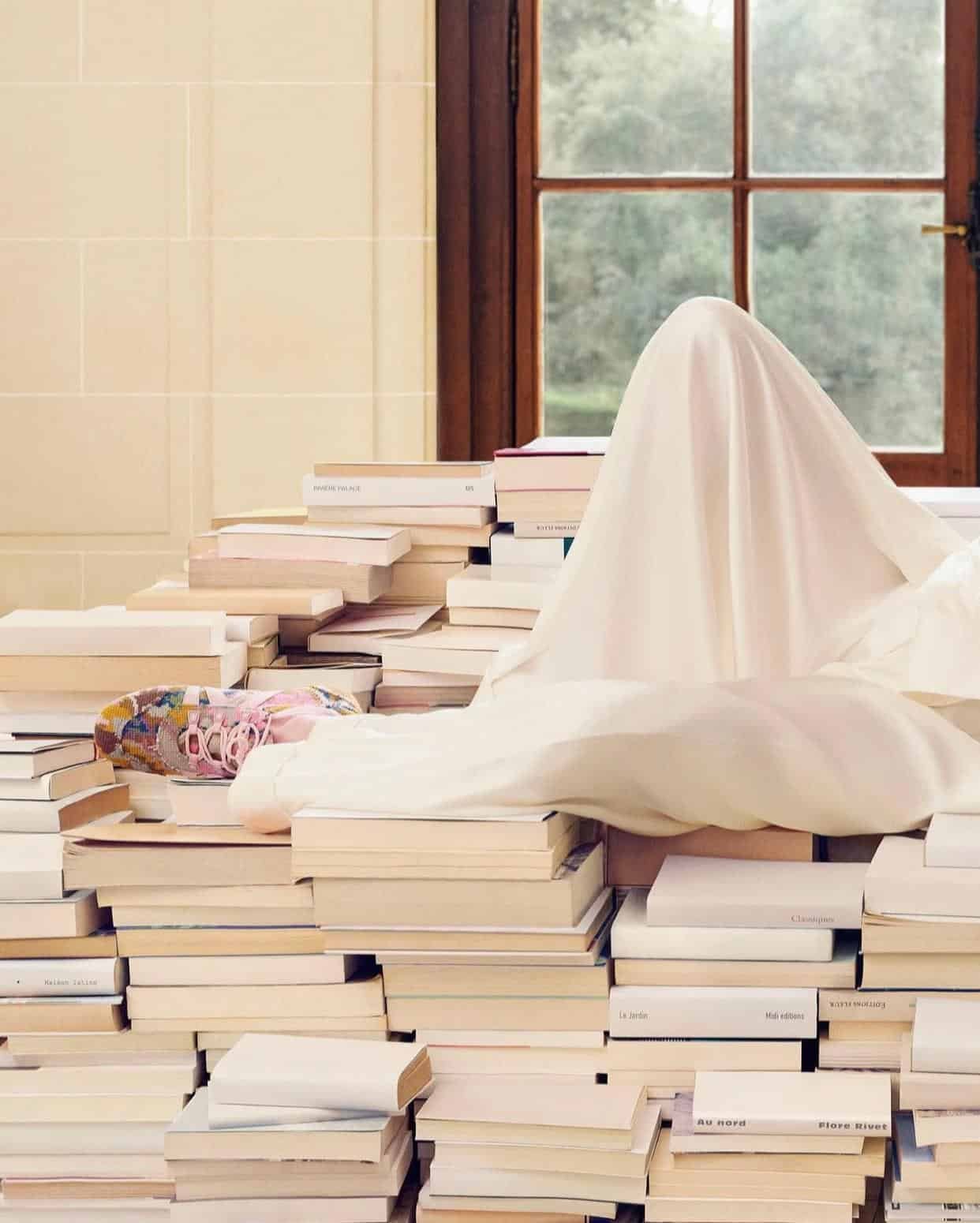
© Louis-Vuitton
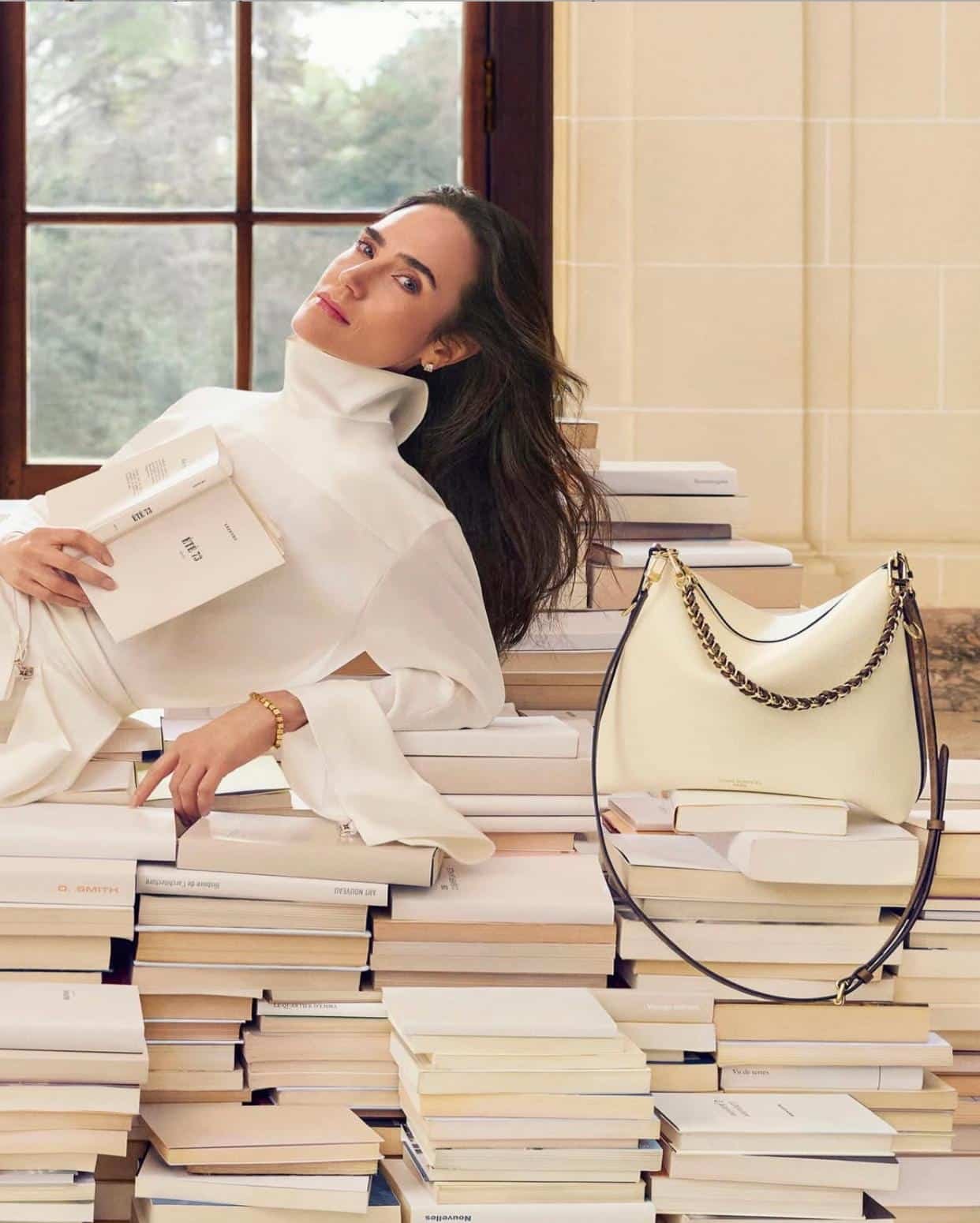
© Louis-Vuitton
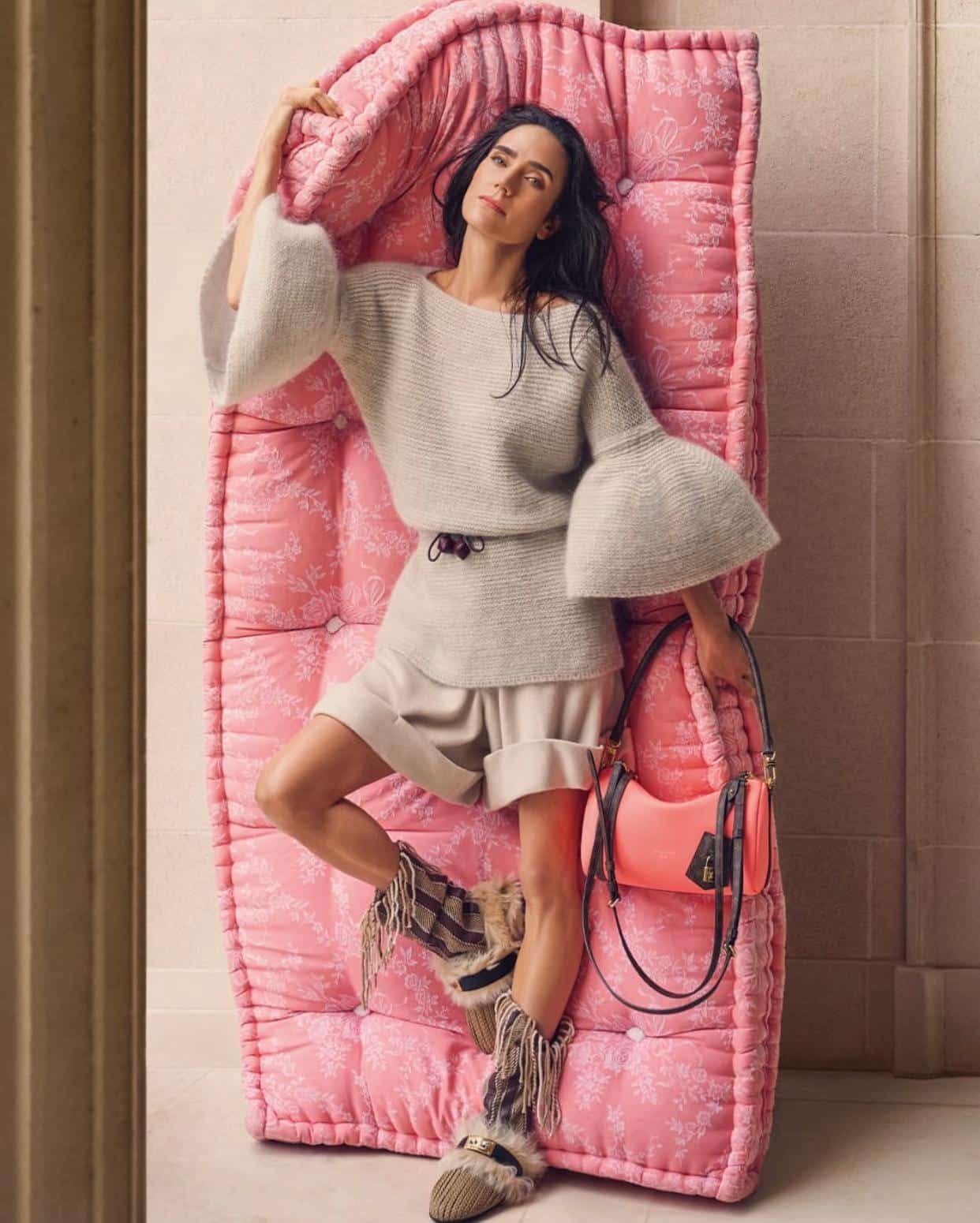
© Louis-Vuitton
© Louis-Vuitton
© Louis-Vuitton
© Louis-Vuitton
© Louis-Vuitton
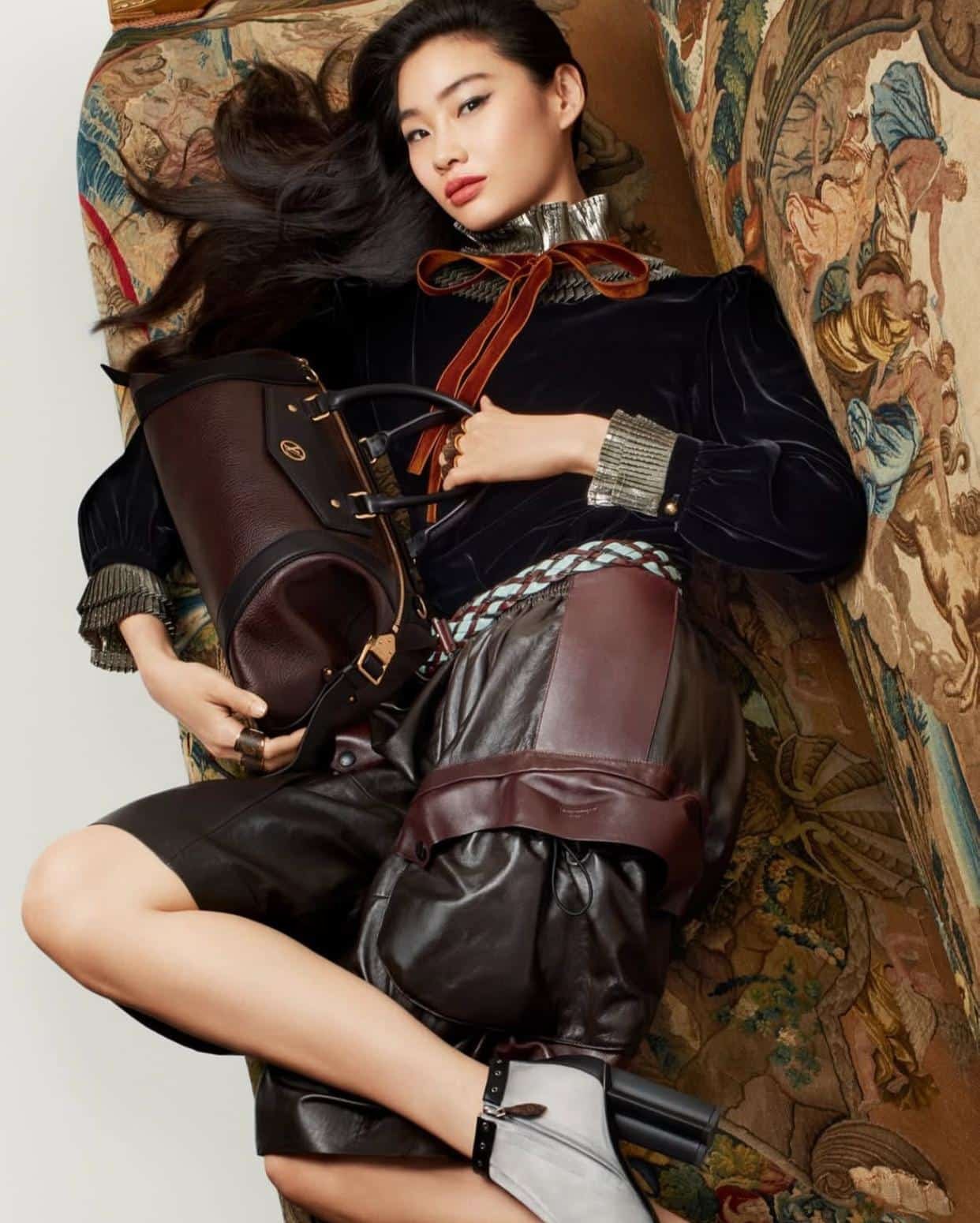
© Louis-Vuitton
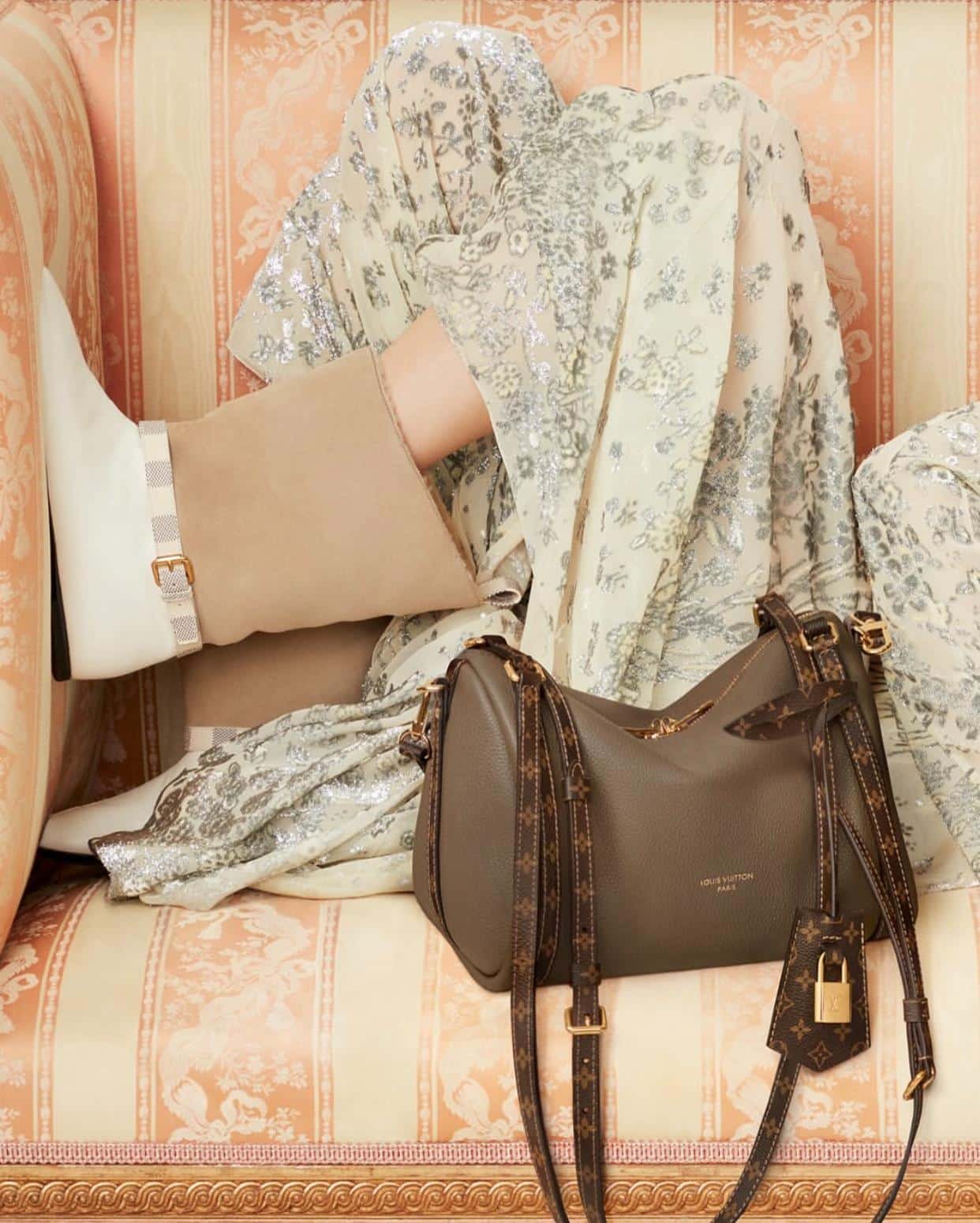
© Louis-Vuitton
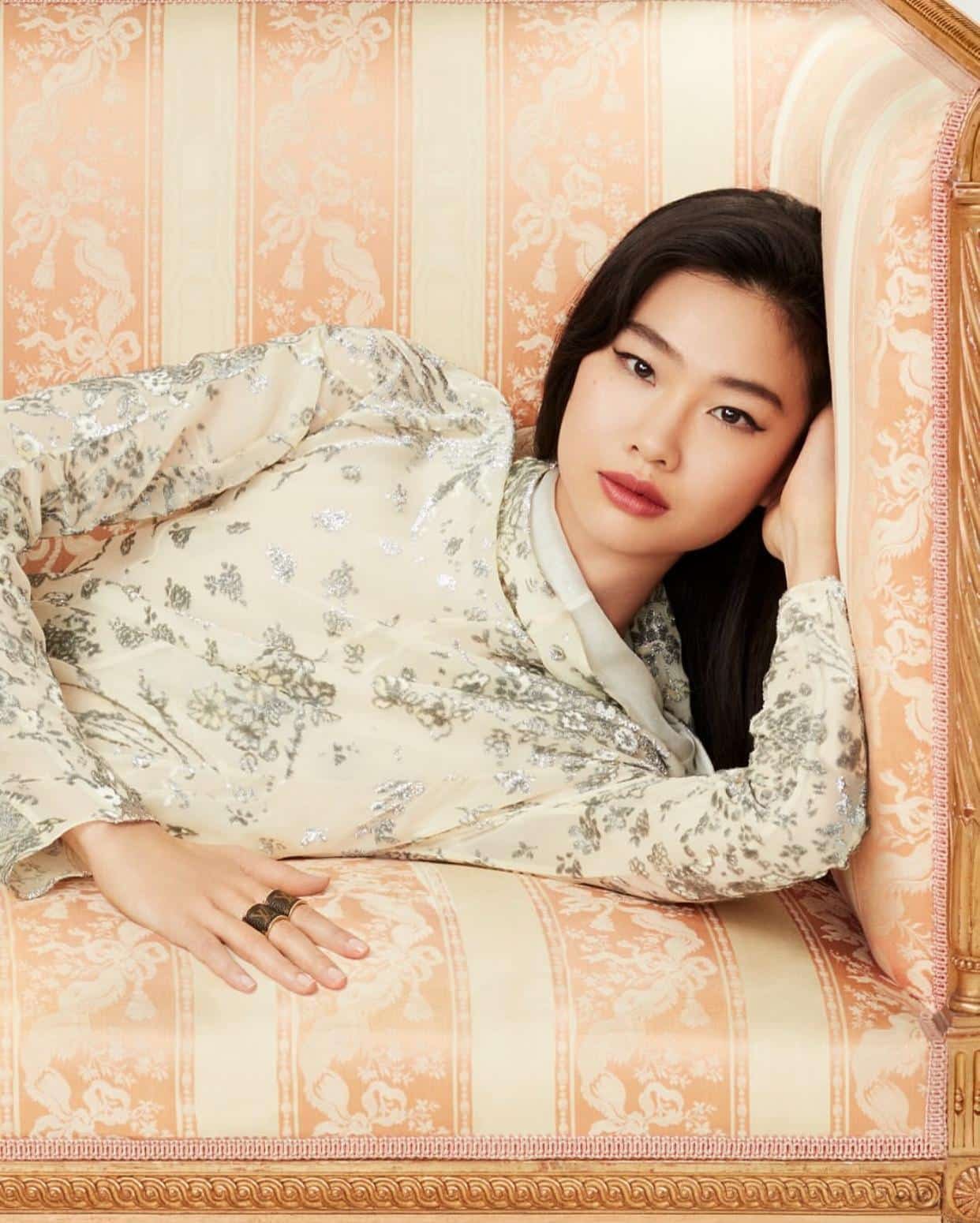
© Louis-Vuitton
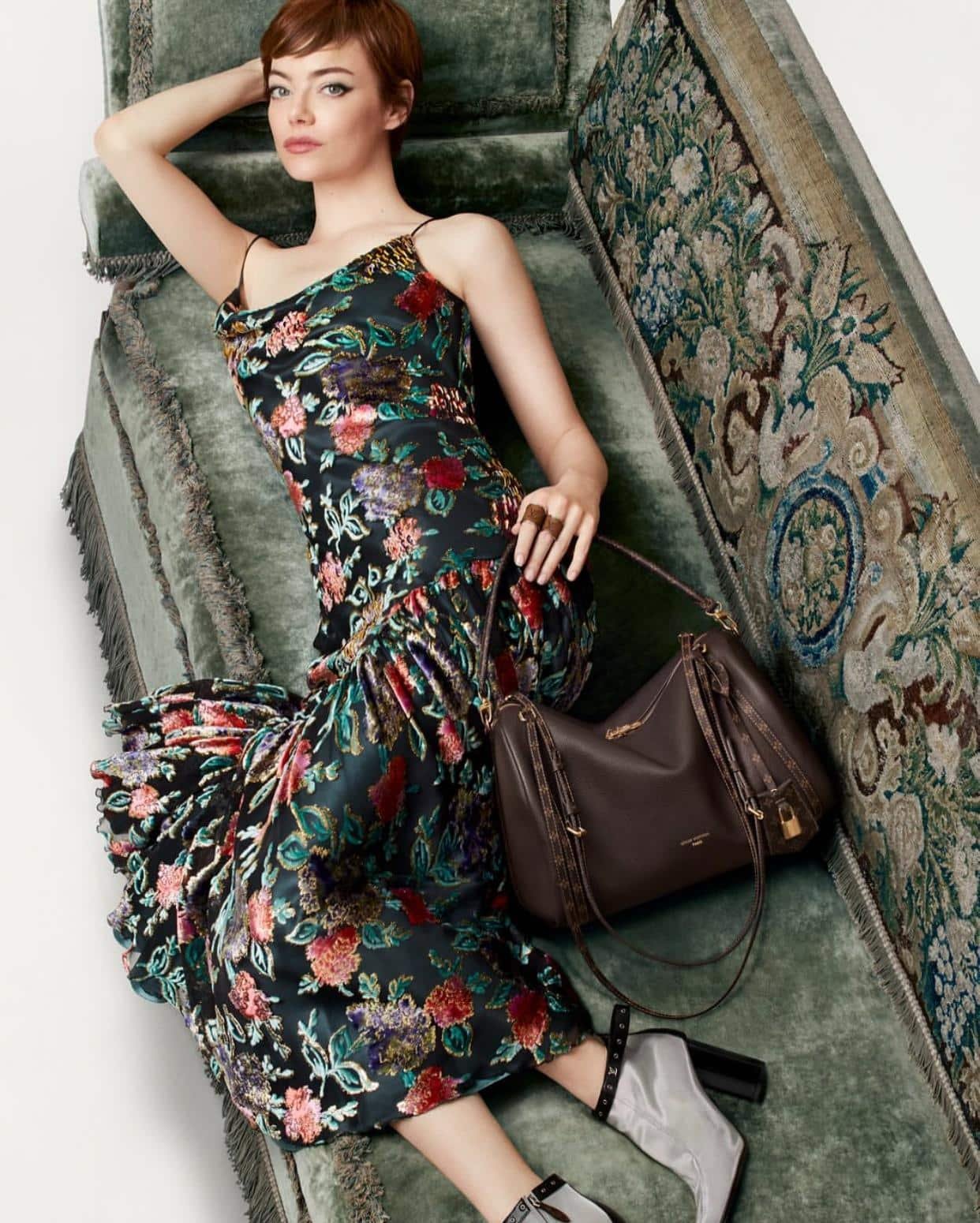
© Louis-Vuitton
© Louis-Vuitton
© Louis-Vuitton
© Louis-Vuitton
LOUIS-VUITTON
© Louis-Vuitton