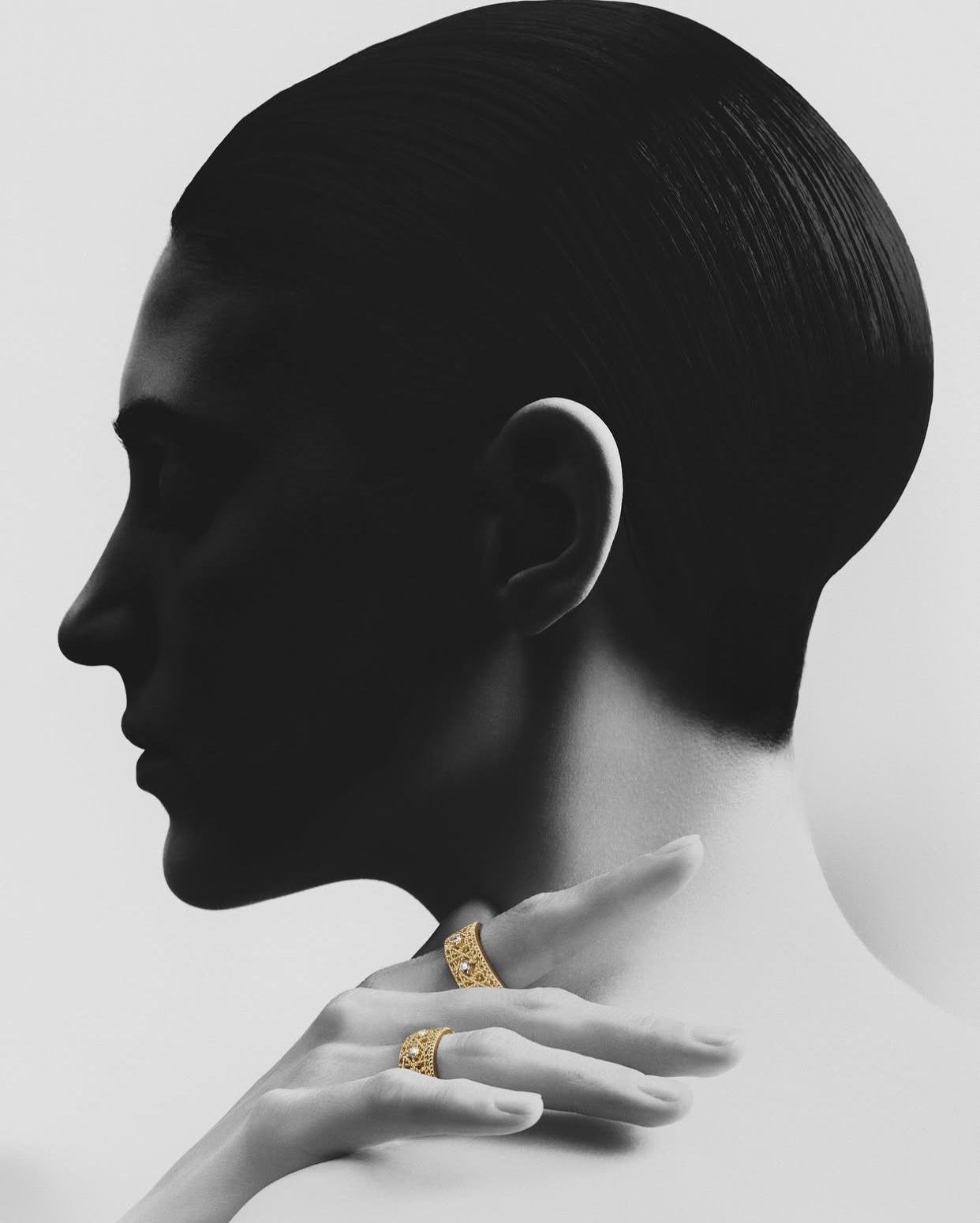
© Dior

© Cartier

© Dior
Fine Jewelry
New York
Ninety percent of the diamonds entering the United States pass through New York. Most of them arrive within a single block — West 47th Street between Fifth and Sixth Avenues — where Orthodox Jewish merchants in black overcoats conduct transactions worth billions of dollars annually, sealed by a handshake and a word in Yiddish. Three blocks north, in the windows of Tiffany, Harry Winston, Cartier, and Van Cleef & Arpels, those same stones are presented in platinum and gold under carefully calibrated light. The distance between the rough and the finished is three blocks. The distance between the worlds is everything.
West 47th Street · The Diamond District · Where Antwerp Came To Rest
The Diamond District on West 47th Street traces its origin to a specific moment of catastrophe. When Nazi Germany invaded Belgium and the Netherlands in 1940, the diamond centers of Antwerp and Amsterdam — which had been the world's principal diamond trading communities for centuries, dominated by Jewish merchants who had worked in the trade since the 15th century, when it was one of the few professions not controlled by the guilds — ceased to function. The merchants who escaped brought their knowledge, their networks, and their stones to New York. They settled on 47th Street, which had been a rag district and then a small publishing hub, attracted by cheaper rents than downtown Maiden Lane, where the jewelry trade had previously concentrated. By the 1940s the block had transformed. It has not changed since in any essential way. Today, an estimated $400 million in diamonds changes hands here on an average business day. The transactions are conducted in Yiddish, Hebrew, Russian, Hindi. Deals are sealed by handshake — a trust mechanism so embedded in the community's religious and social fabric that the New York Times has called it "the real treasure of 47th Street." The rough diamonds that eventually appear in the windows of Fifth Avenue's jewelry houses often begin their American lives on this block, in the workshops above the showrooms where polishers, sorters, and bench jewelers work unseen.
Charles Lewis Tiffany · 1837 · The American Jeweler
In 1837, a twenty-five-year-old man named Charles Lewis Tiffany borrowed one thousand dollars from his father and opened a stationery and fancy goods store at 259 Broadway in Lower Manhattan with his partner John B. Young. On the first day, sales totaled $4.98. By 1853, Tiffany had bought out his partners and renamed the company Tiffany & Co. By 1878, he had purchased the 287-carat Tiffany Yellow Diamond — a fancy intense yellow stone from the Kimberley mines of South Africa, cut to 128.54 carats and still on permanent display at 727 Fifth Avenue — and been named "the King of Diamonds" by the press. By 1886, he had introduced the Tiffany Setting for the diamond solitaire engagement ring: six prongs, elevated stone, maximum light — a design so precisely functional that it remains the standard engagement ring setting nearly a hundred and forty years later. Tiffany moved to its current Fifth Avenue flagship in 1940. It became the only jewelry store in the world to be made famous by a film: Breakfast at Tiffany's, 1961, Audrey Hepburn in a black Givenchy dress, eating a danish and looking in the window before the store opened. The blue box — trademarked as Pantone 1837 Blue, after the founding year — has never been sold separately. Charles Tiffany said he would give anyone a Tiffany box, as long as they bought a piece of jewelry to put in it. That policy has not changed.
Tiffany & Co. is the only great jewelry house founded in New York and still headquartered there — a distinction that gives it a relationship to the city that the European houses, however magnificent, do not share. Its designers have been the defining voices of American jewelry: Jean Schlumberger, whose Bird on a Rock brooch of 1965 set a gemstone in an enamel bird on a rock crystal — whimsical, precise, immediately recognizable — joined the house in 1956. Elsa Peretti, whose Bone Cuff of 1974 and Diamond by the Yard of the same year brought a sculptural, body-conscious sensibility to fine jewelry that had not existed before. Paloma Picasso, whose Graffiti collection applied her father's visual intelligence to gold and precious stones. Each of these designers worked from New York, for a house that had always understood American women's relationship to jewelry as different from the European one: more daily, more direct, less ceremonial. The Tiffany flagship at 727 Fifth Avenue — the Atlas clock above the door, the Robin's egg blue boxes in every window — is one of the most recognized retail addresses in the world. The jewelry inside it is not the most expensive in the city. It is the most beloved.
Harry Winston opened his first New York salon in 1932 with a conviction that would define his career: that a diamond, properly cut and properly presented, was the most beautiful object a human being could own, and that the woman wearing it deserved to know exactly what she was holding. Winston hunted extraordinary stones globally — the Hope Diamond, the Jonker Diamond, the Portuguese Diamond — purchasing rough stones from the mines, cutting them to his own specifications, and presenting them to private clients in a salon environment that felt more like a private apartment than a retail store. He dressed the actresses of Hollywood's golden era in borrowed diamonds for the Academy Awards, creating the red carpet jewelry culture that still operates today. Winston died in 1978; the House of Harry Winston continues at 718 Fifth Avenue, still operating by private appointment for its highest-value pieces, still sourcing the category of diamond that requires a specialist rather than a counter.
The great European jewelry houses have maintained Fifth Avenue presences for decades — some, like Cartier, since the early twentieth century when the house's New York presence was established as the American outpost of the Place Vendôme original. Van Cleef & Arpels, whose Mystery Set technique — stones set with no visible prongs, the mounting hidden beneath, taking over 300 hours per piece — remains the most technically demanding proprietary setting in high jewelry, arrived on Fifth Avenue in the 1940s after its Palm Beach debut. Bvlgari, the Roman house whose colored-stone boldness and serpentine forms were the defining aesthetic of the dolce vita era, holds its New York address at 730 Fifth Avenue. These houses carry their full high jewelry collections in New York — the same pieces shown at Place Vendôme, available in the city whose auction rooms at Sotheby's and Christie's provide the secondary market for the objects that do not stay with their first owners. Fifth Avenue is not a satellite of Place Vendôme. It is a parallel address, serving a client who shops both.
New York is one of the two or three most important fine jewelry auction markets in the world — alongside Geneva and Hong Kong — and its Sotheby's and Christie's salesrooms are where the great stones return after their first owners. The records set at New York auction — for colored diamonds, for signed pieces by Cartier or Van Cleef, for the category of untreated ruby or unheated sapphire that commands premiums no retail environment can replicate — are among the most closely watched in the luxury world. Sotheby's Global Head of Fashion and Handbags, Morgane Halimi, has noted that while vintage pieces have long had appeal in the US and Europe, sales have been growing globally with what she describes as "an appeal for any piece with a strong story." New York's auction market provides that story with documentation, provenance research, and gemological certification. The stone that entered the United States through 47th Street, was set by a Fifth Avenue house, and appears twenty years later in a York Avenue salesroom has completed the full New York fine jewelry circuit. The city is the beginning, the middle, and the end of the same object's life.
The Gloss New York fine jewelry selection covers the houses whose high jewelry and fine jewelry collections are available in New York across the full seasonal and permanent range — American houses with Fifth Avenue roots and European Maisons whose jewelry departments operate within their flagship boutiques alongside ready-to-wear and accessories. The category distinction matters: fine jewelry, produced in precious metals with genuine gemstones, represents a different order of object from fashion jewelry — one designed not for a season but for a lifetime, potentially several. Each house in the selection is presented through its founding object, its signature technique, and its specific New York address. The standard for inclusion is the same one the Diamond District has applied since the 1940s: that the object be genuinely extraordinary, constructed with verifiable precision, and worth carrying across any distance.
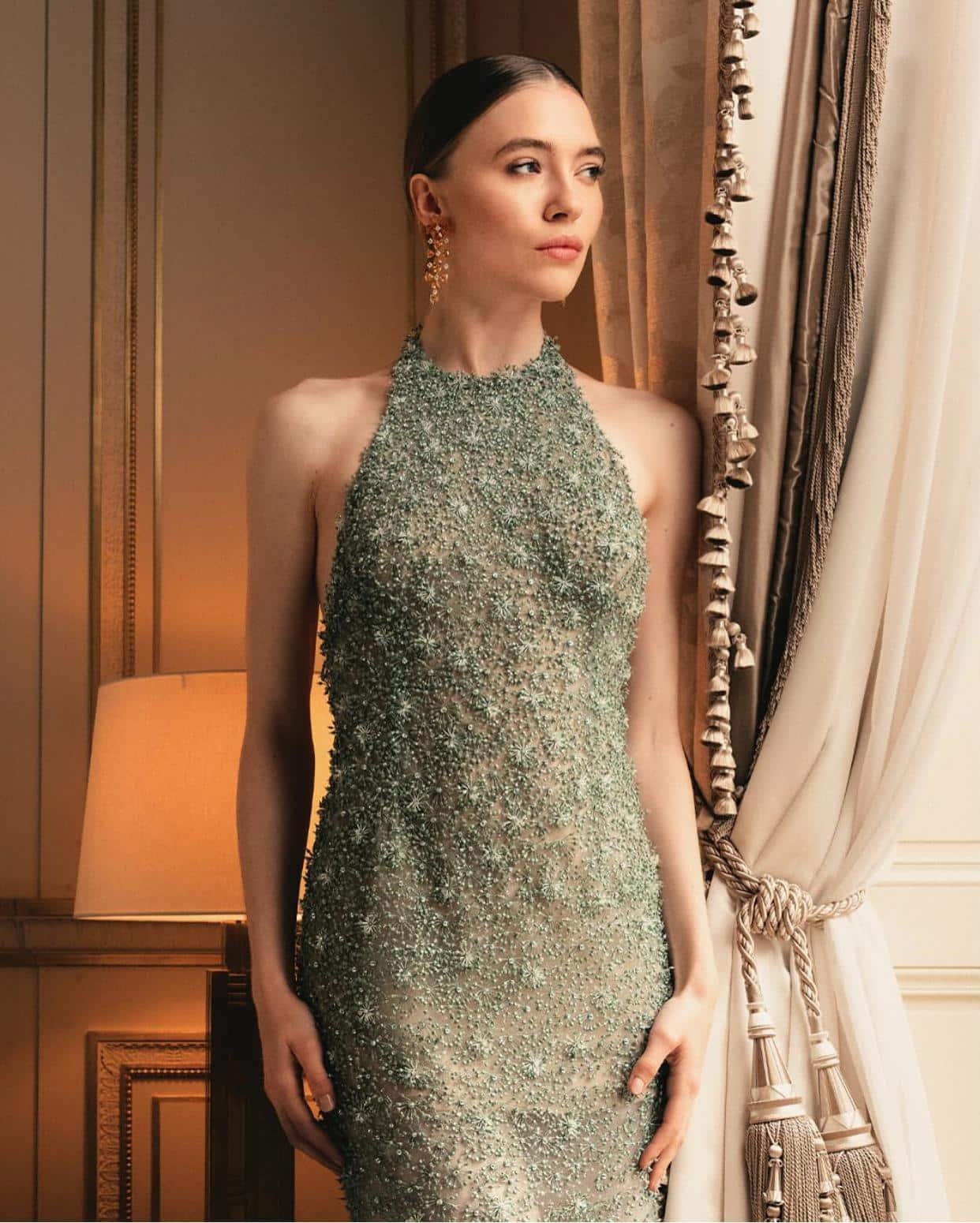
The great fashion houses have developed fine jewelry departments that carry the house codes — the Chanel camellia, the Dior lucky star, the Louis Vuitton monogram — into precious metal and gemstone with the same seriousness applied to a haute couture gown. Chanel Joaillerie, drawing on Gabrielle Chanel's lifelong passion for pearls and her revolutionary mixing of costume and real jewelry, produces pieces that translate the house's visual vocabulary into 18-carat gold and pavé diamonds. The Dior Joaillerie collection at the House of Dior New York, opened in August 2025 at 23 East 57th Street, presents the house's high jewelry alongside ready-to-wear on the boutique's upper floors — the Victoire de Castellane designs, the Christian Dior lucky symbols in precious stones, the Bois de Rose fine jewelry line in pink and blue sapphires created exclusively for the New York flagship. At Louis Vuitton, the Bravery and Deep Time high jewelry collections bring the house's trunk-making heritage and travel vocabulary into an entirely different material register. These are not fashion accessories. They are fine jewelry objects that happen to be made by fashion houses — a distinction the New York market, which has always understood both categories simultaneously, recognizes precisely.
Ninety percent of the diamonds entering the United States
pass through New York.
Most of them through a single block on 47th Street
where deals are sealed by handshake in Yiddish.
The merchants who built this block
came from Antwerp and Amsterdam
fleeing the Nazis,
carrying stones that were portable
when nothing else was.
Three blocks north,
in the windows of Tiffany and Harry Winston,
the same stones are set in platinum
and presented under calibrated light.
The distance between the rough and the finished
is three blocks.
New York holds both ends of the same diamond.
New York's relationship to fine jewelry is unique among the world's luxury capitals for a reason that has nothing to do with fashion: it is a market city before it is a taste city. The diamonds pass through here not because New York has the finest goldsmiths — that distinction belongs to Paris and Florence and the Veneto — but because New York has the densest concentration of buyers, sellers, cutters, appraisers, and brokers in the Western Hemisphere, operating within a trust network built over generations that makes the movement of high-value objects faster and more secure than any formal institution could guarantee. When Cartier designs a necklace in Paris, it is often set with a stone that was cut on 47th Street. When Tiffany presents its Blue Book collection — the annual catalogue of extraordinary pieces that began publication in 1845, the first direct-mail catalog in American history — the stones in it have been sourced through a market that runs simultaneously wholesale and retail, rough and finished, ancient and completely contemporary. New York did not choose to be the center of the diamond trade. The trade chose New York because the city's particular combination of immigrant expertise, commercial infrastructure, and transactional trust was — and remains — unmatched anywhere else in the world.
In 1940, the diamond traders of Antwerp
came to a block between Fifth and Sixth Avenues
with stones sewn into their clothing.
They built a market on a handshake
in a language most of the city did not speak.
In 1837, a man borrowed a thousand dollars
and opened a stationery store on Broadway.
He became the King of Diamonds.
His blue box is still the most recognized
jewelry packaging in the world.
Between 47th Street and Fifth Avenue,
New York holds the full arc
of what a stone becomes —
from the rough to the finished,
from the handshake to the window,
from the exile to the heirloom.
BVLGARI

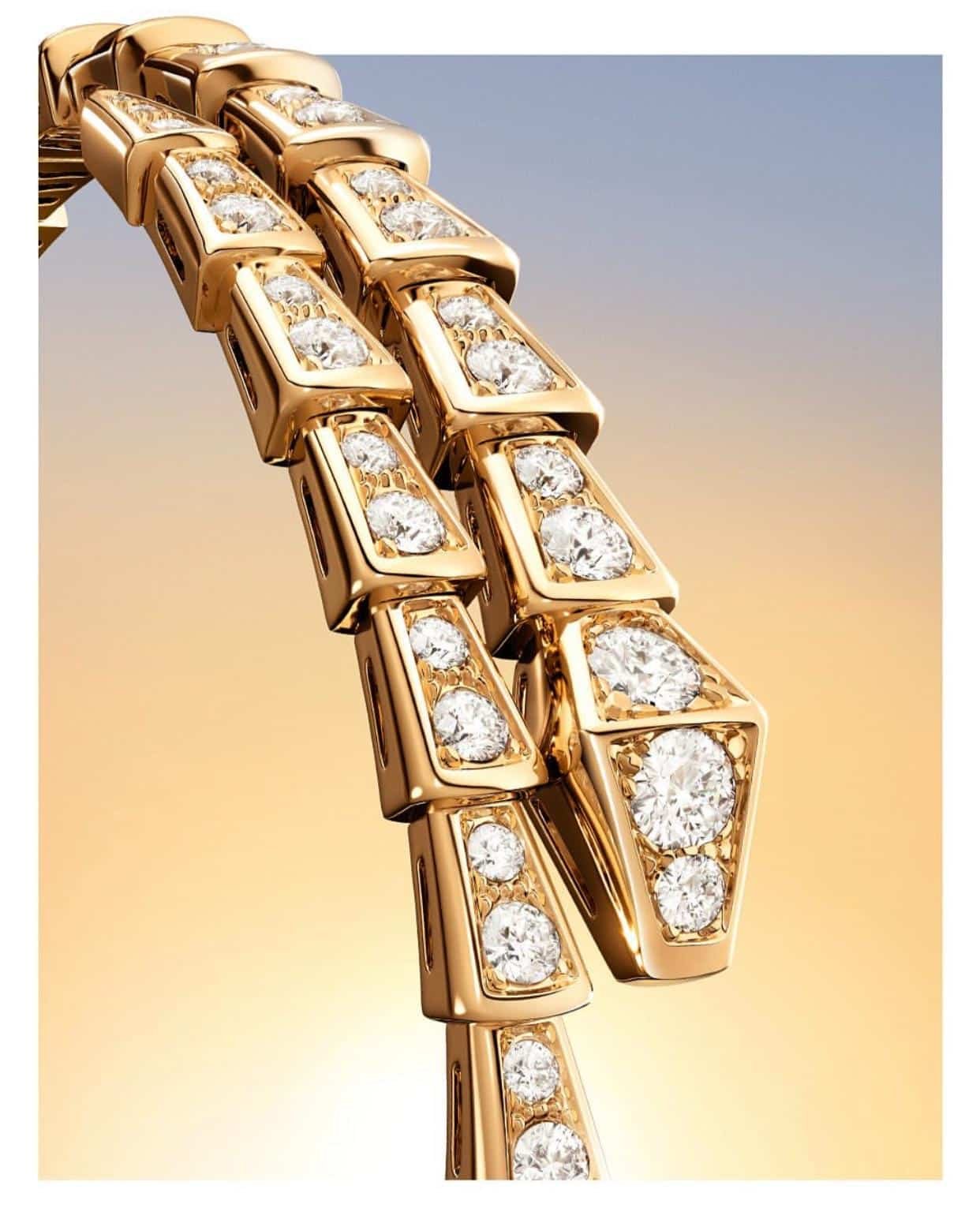

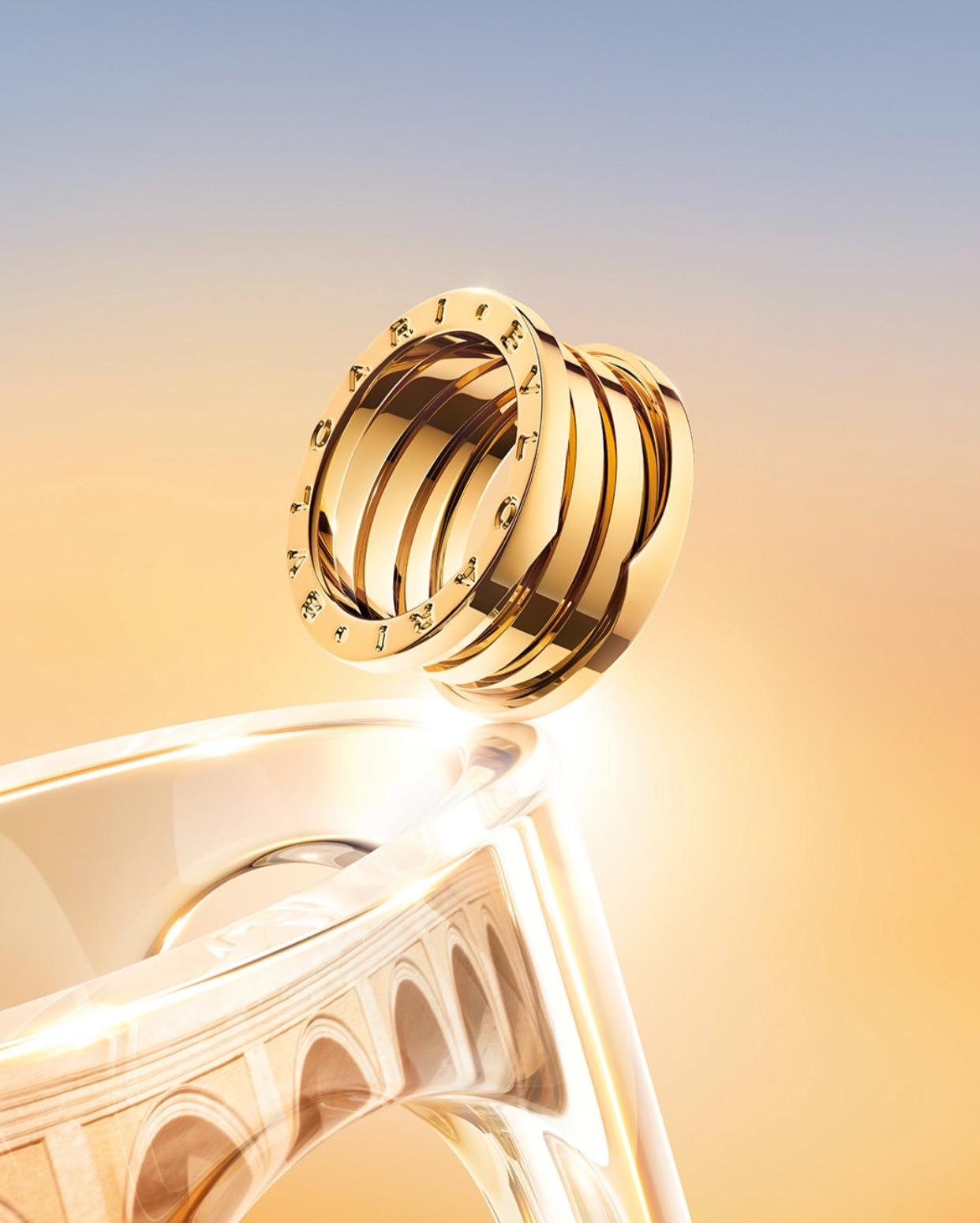
© Bvlgari
CARTIER

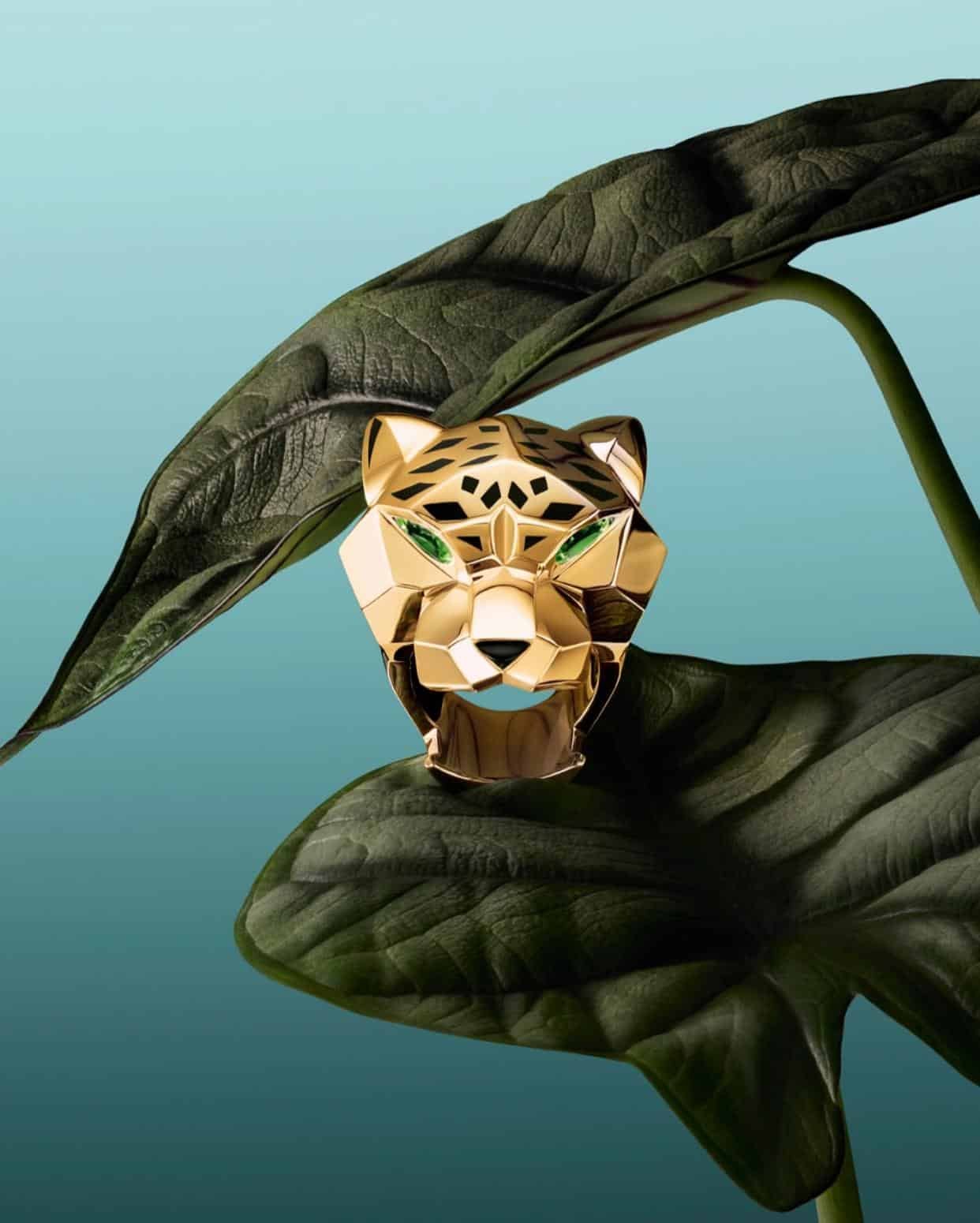
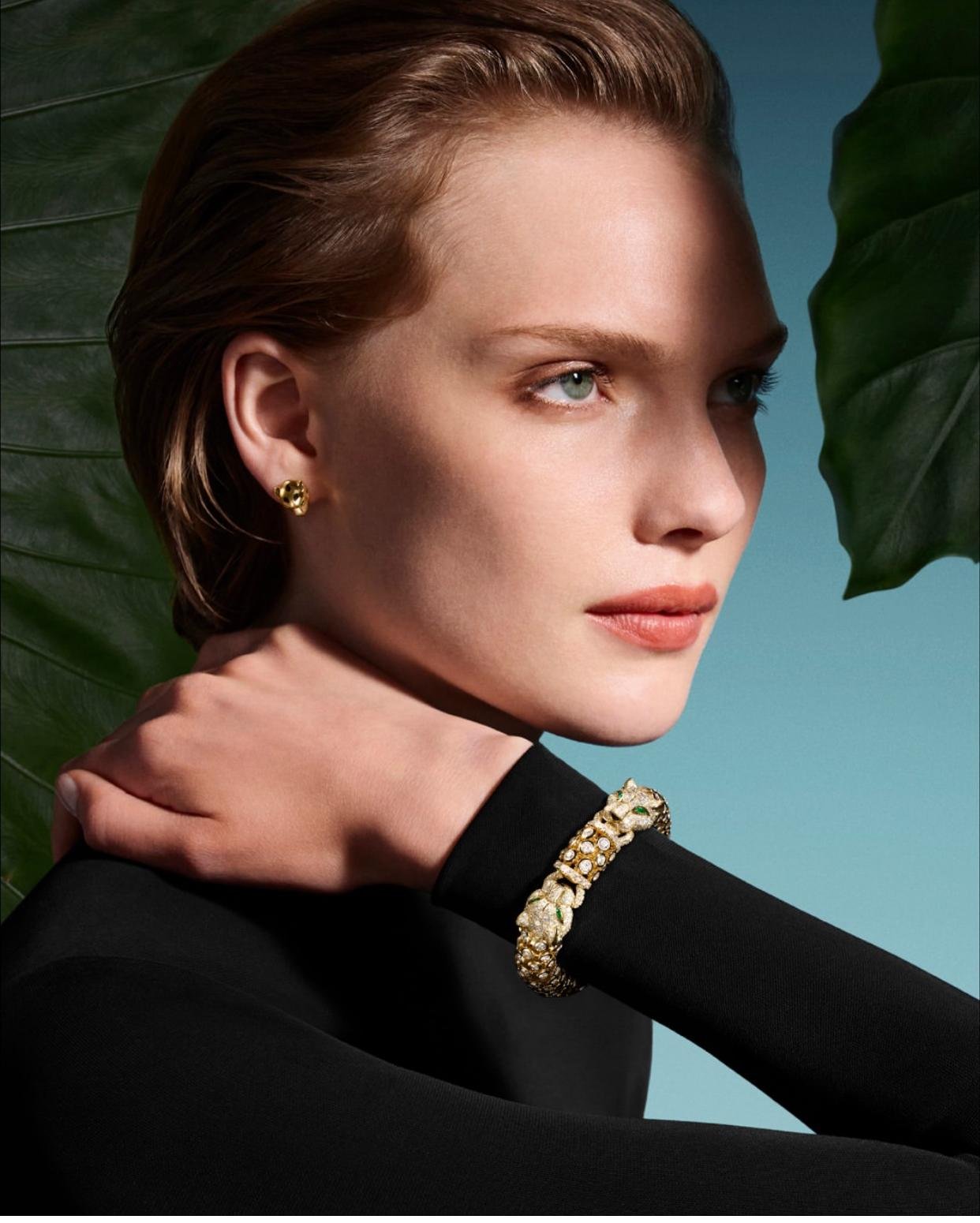
© Cartier
CHANEL

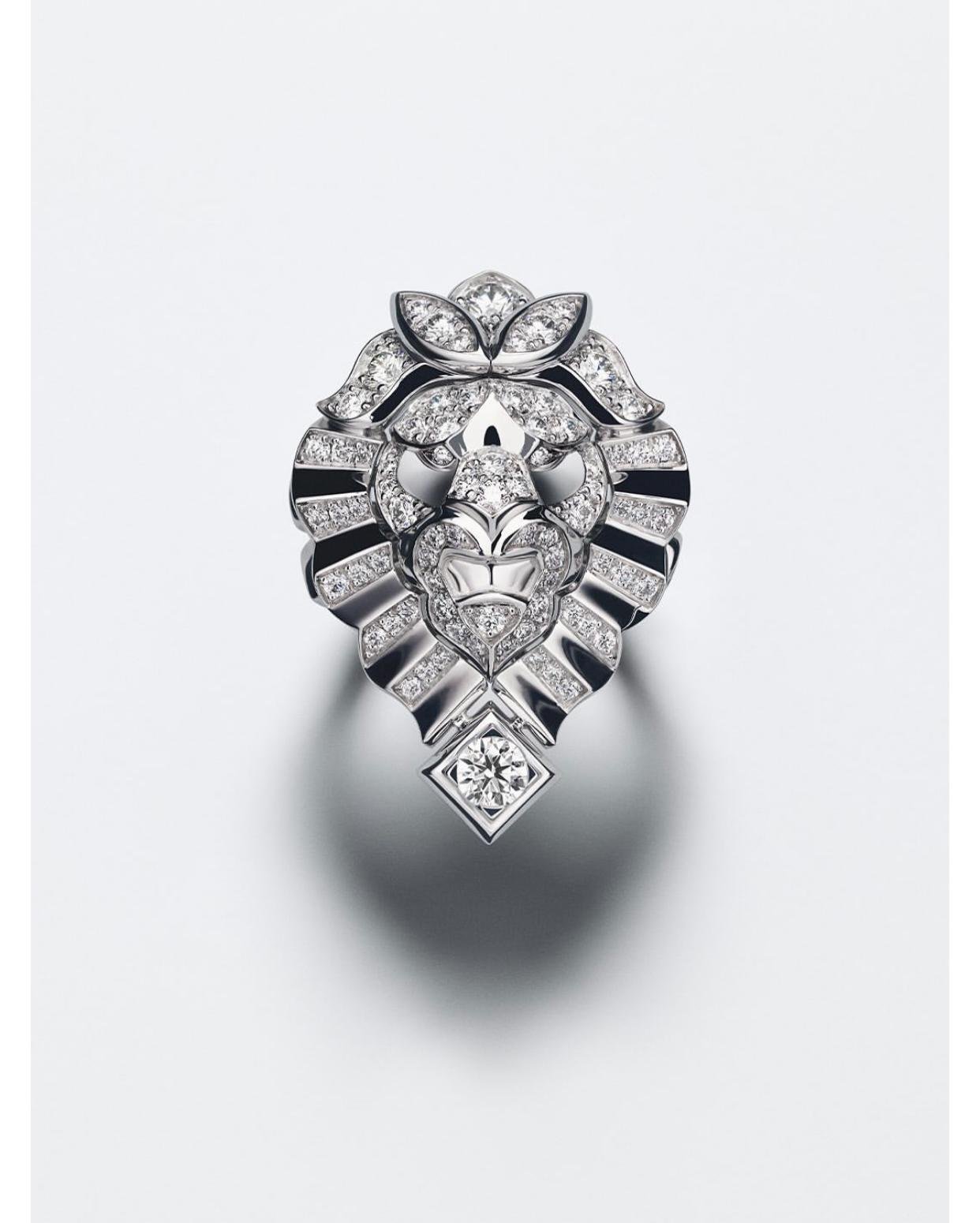

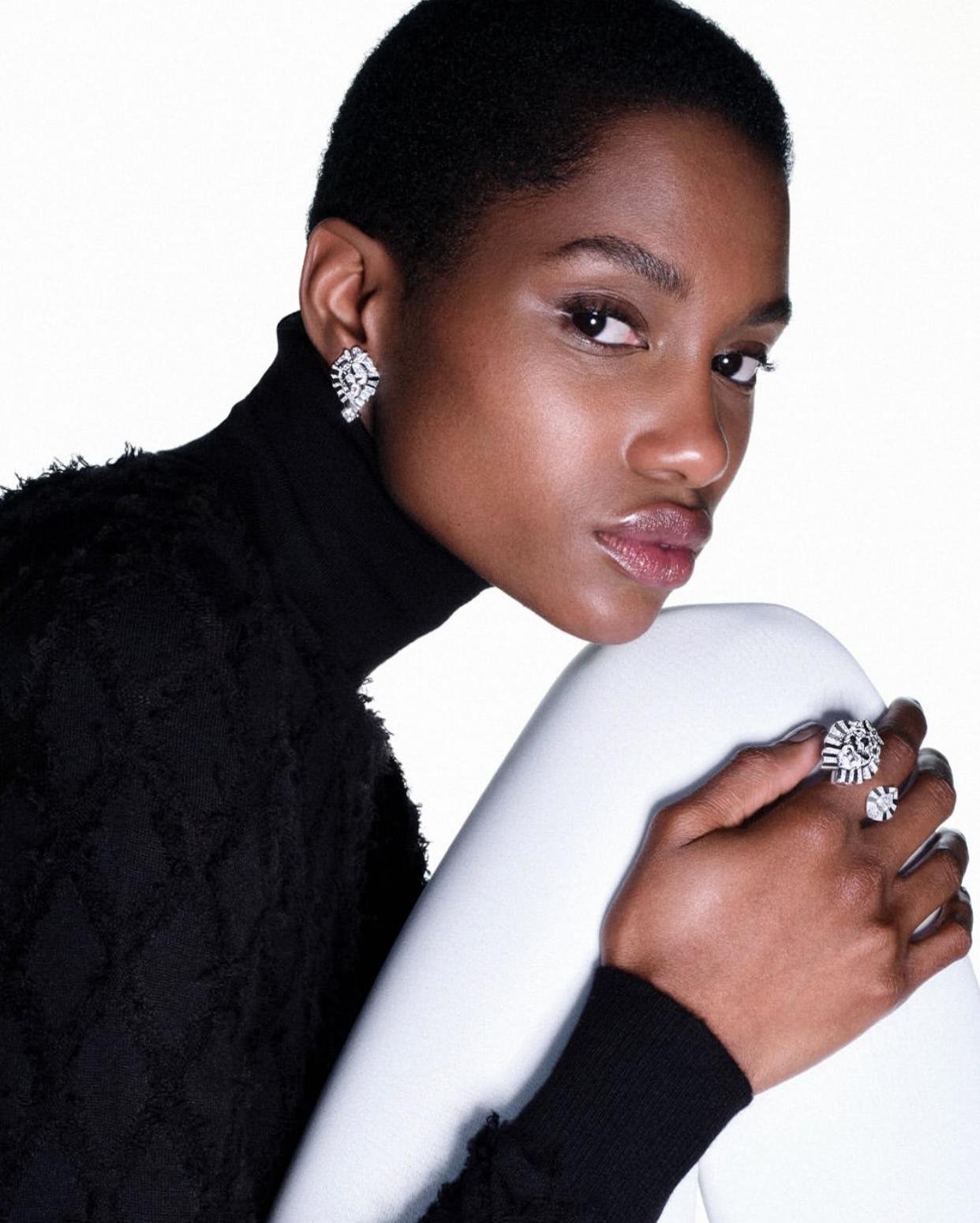
© Chanel
CHOPARD
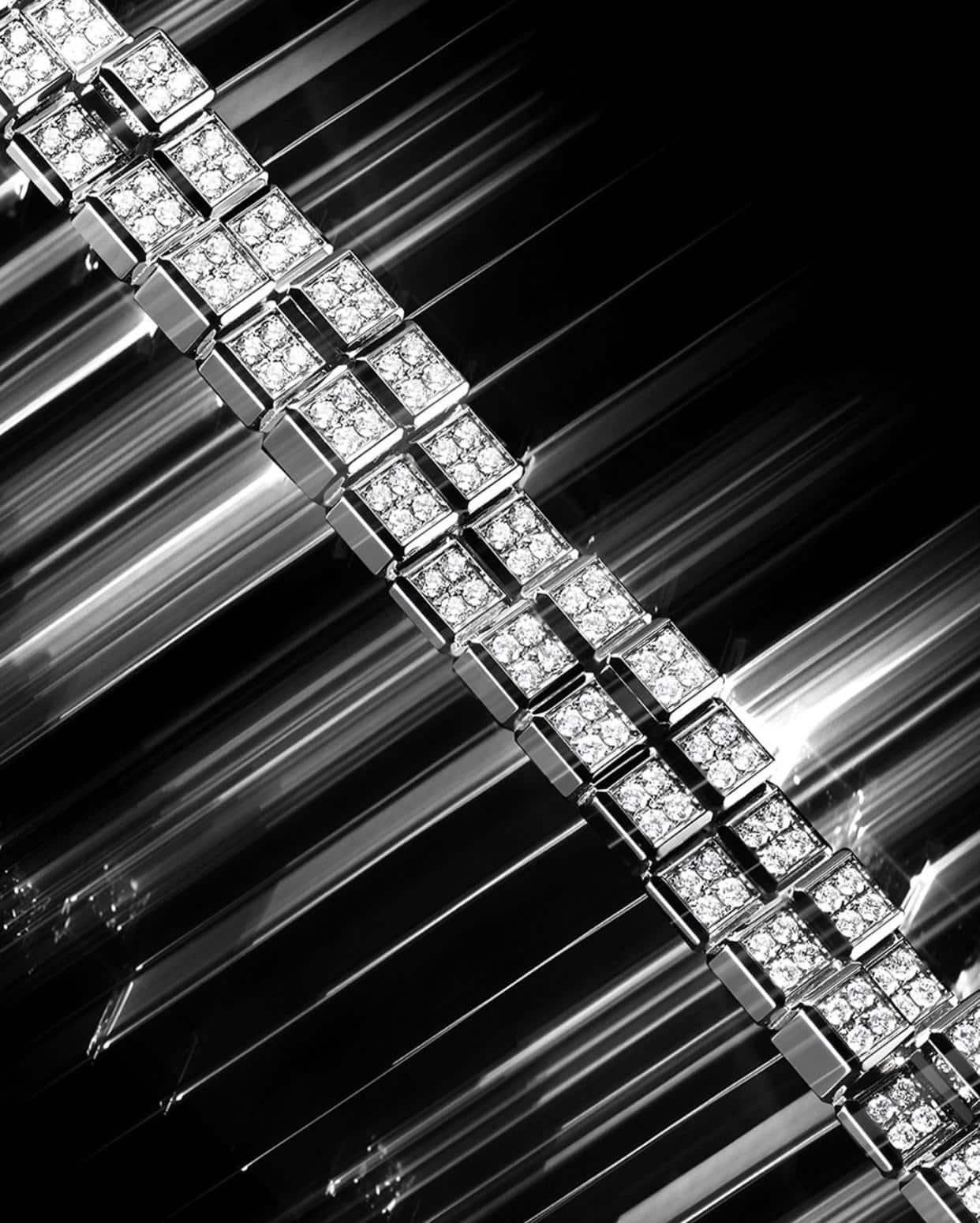
© Chopard
DAVID YURMAN

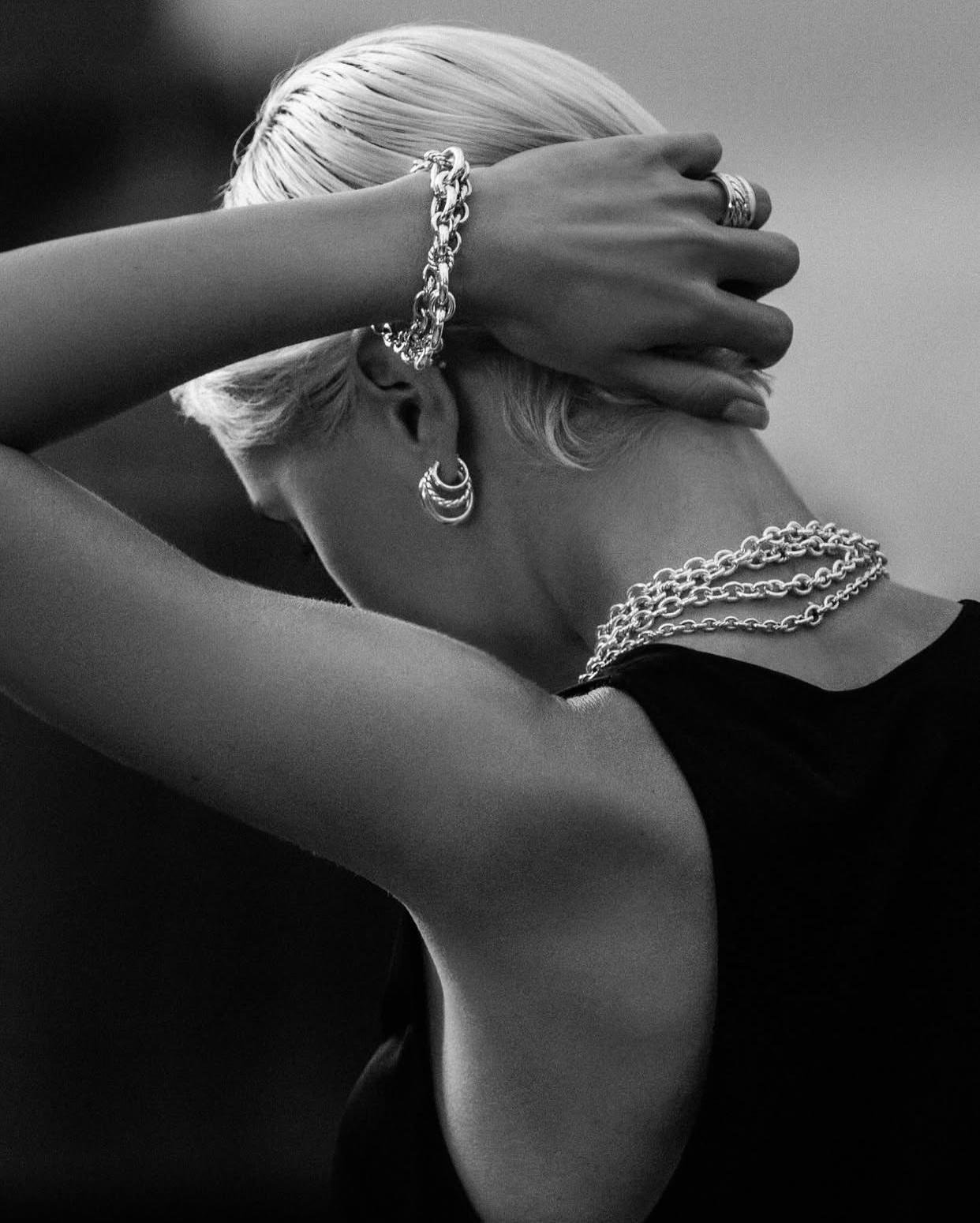
© David Yurman
DIOR
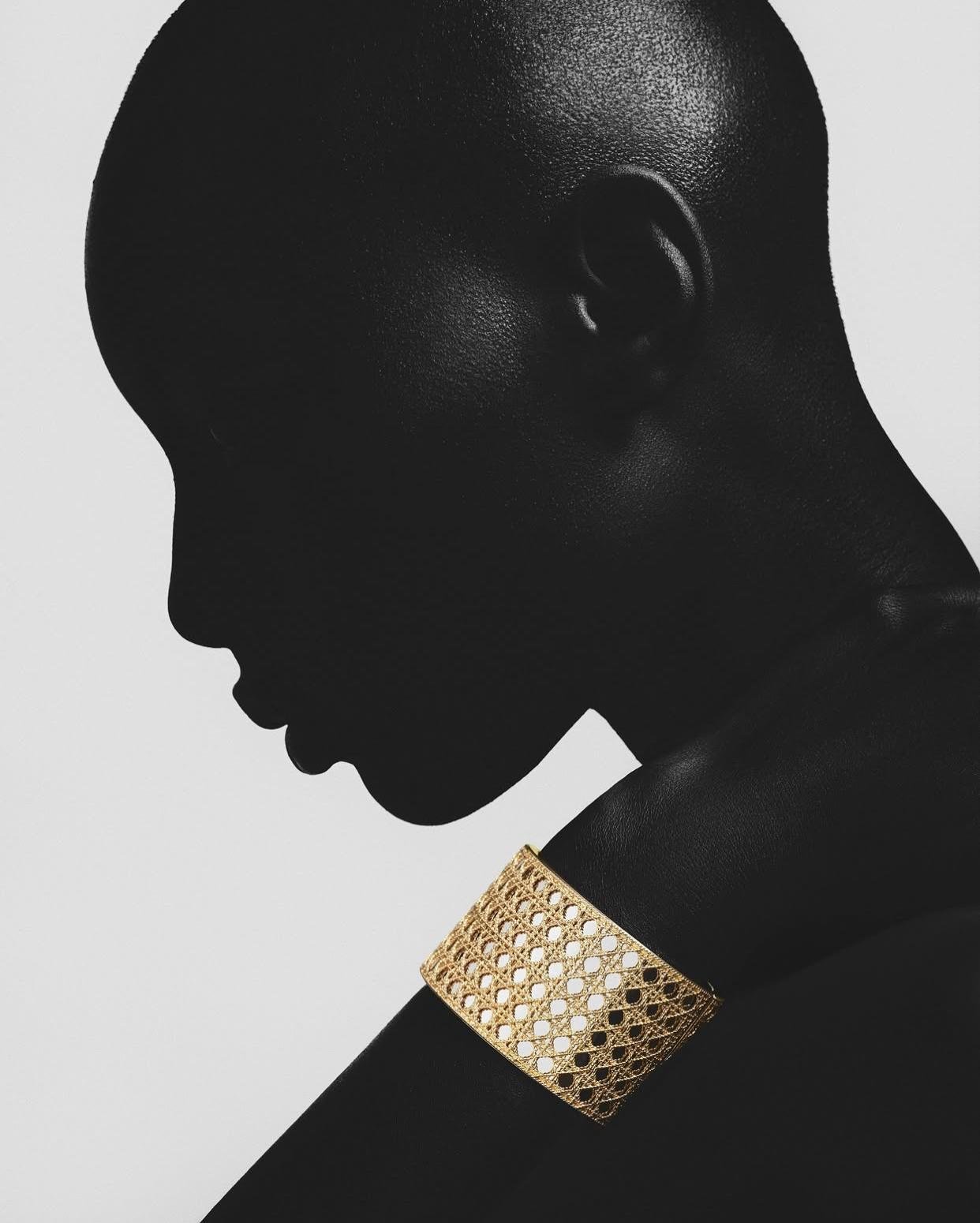
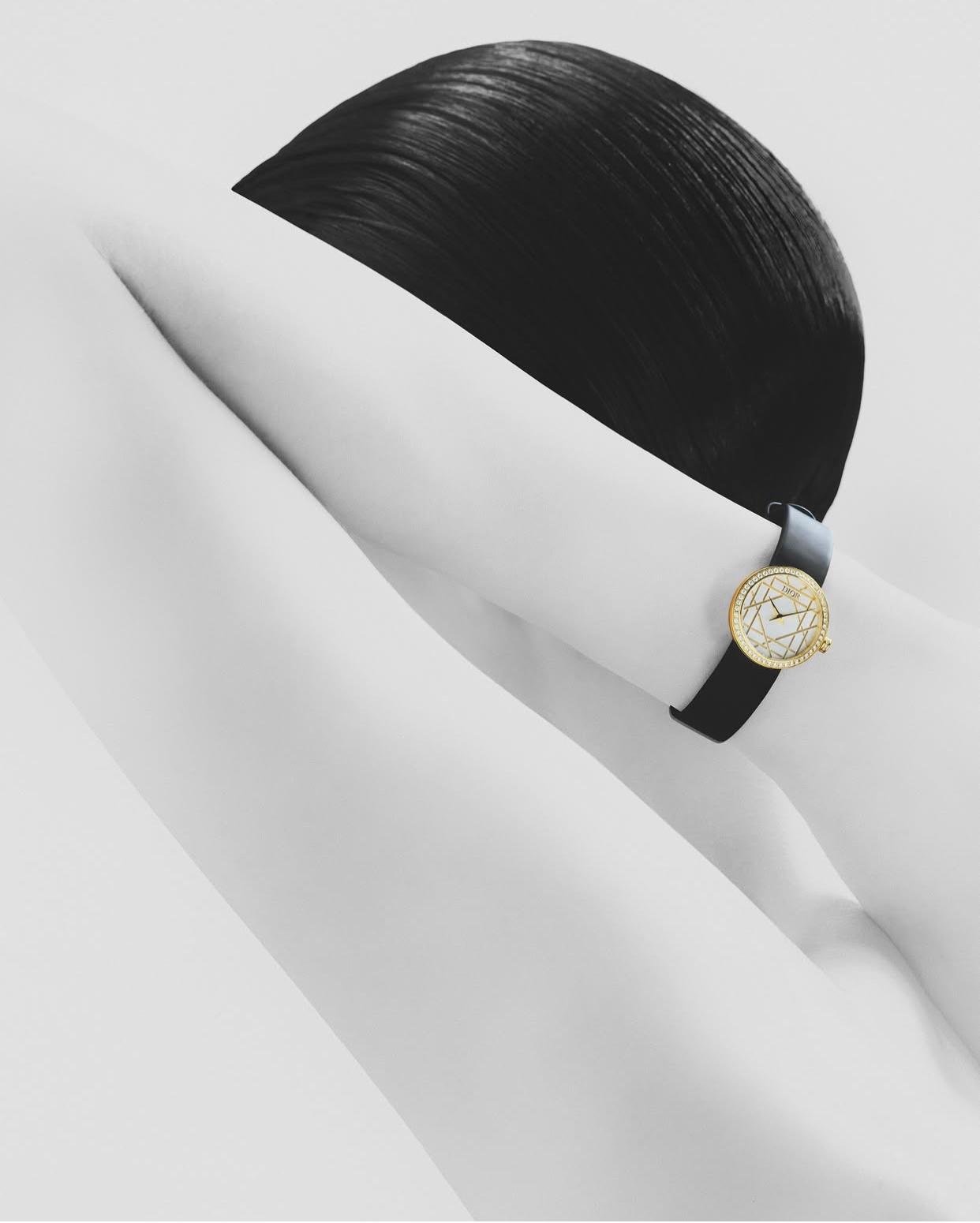
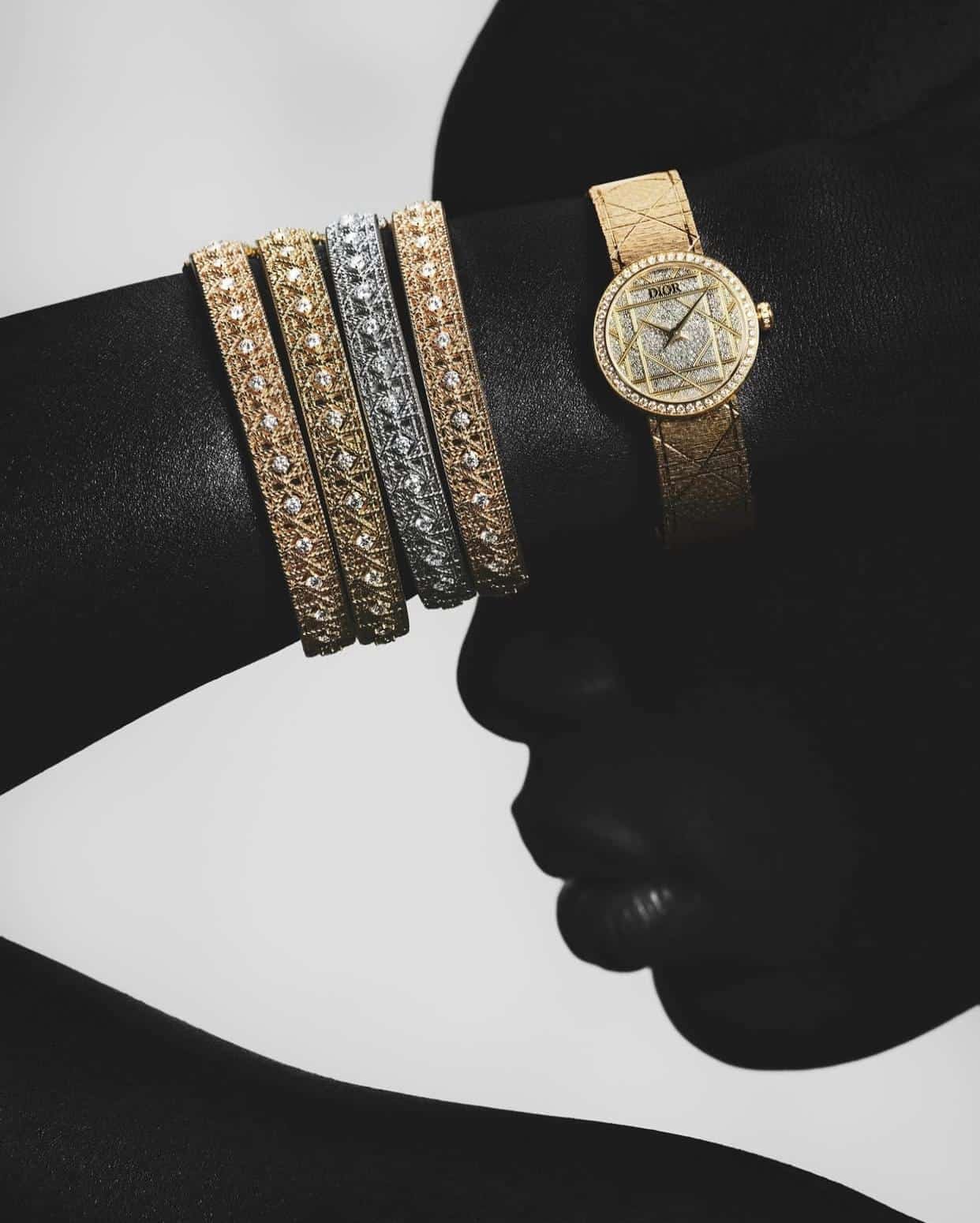
© Dior
HARRY WINSTON
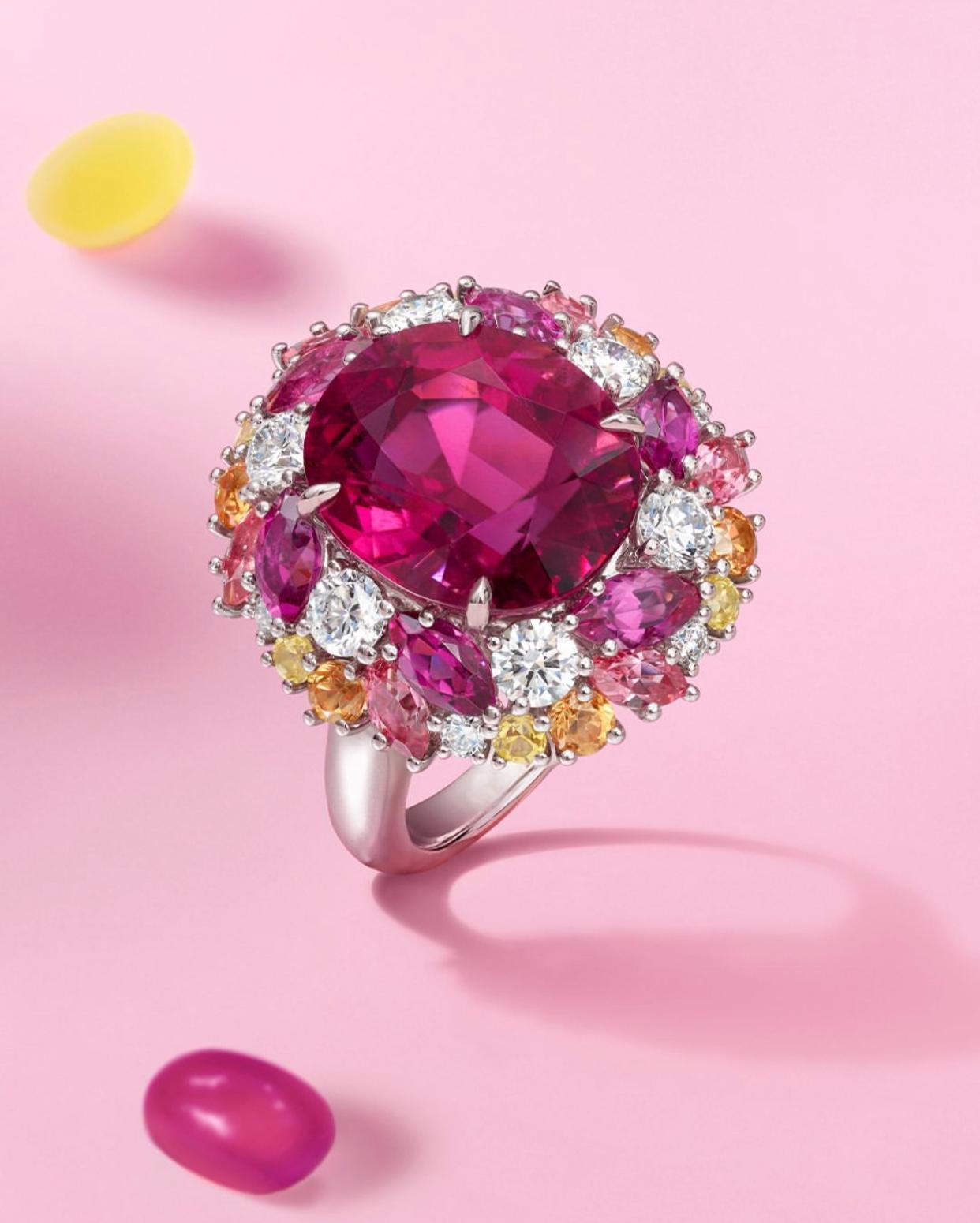
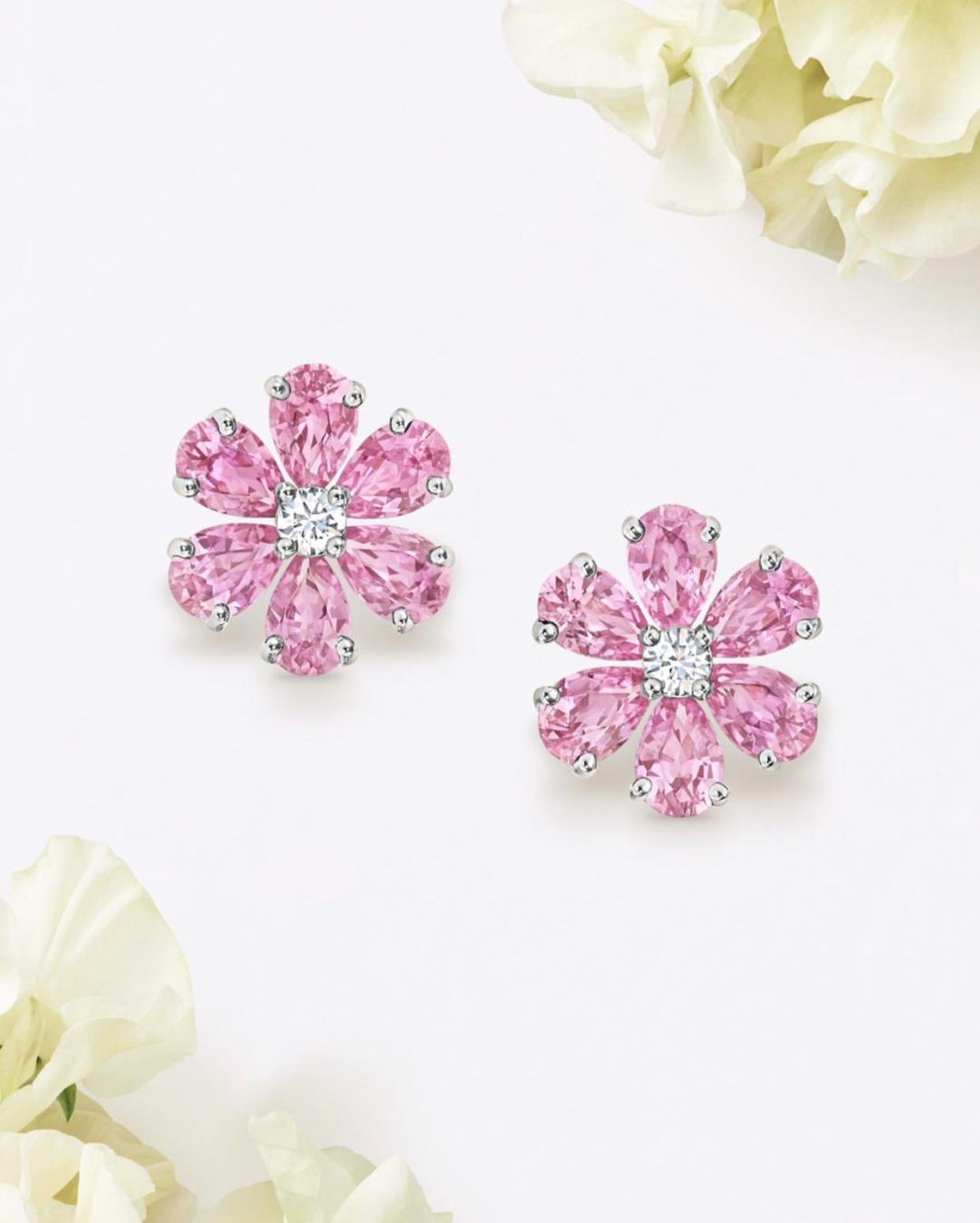
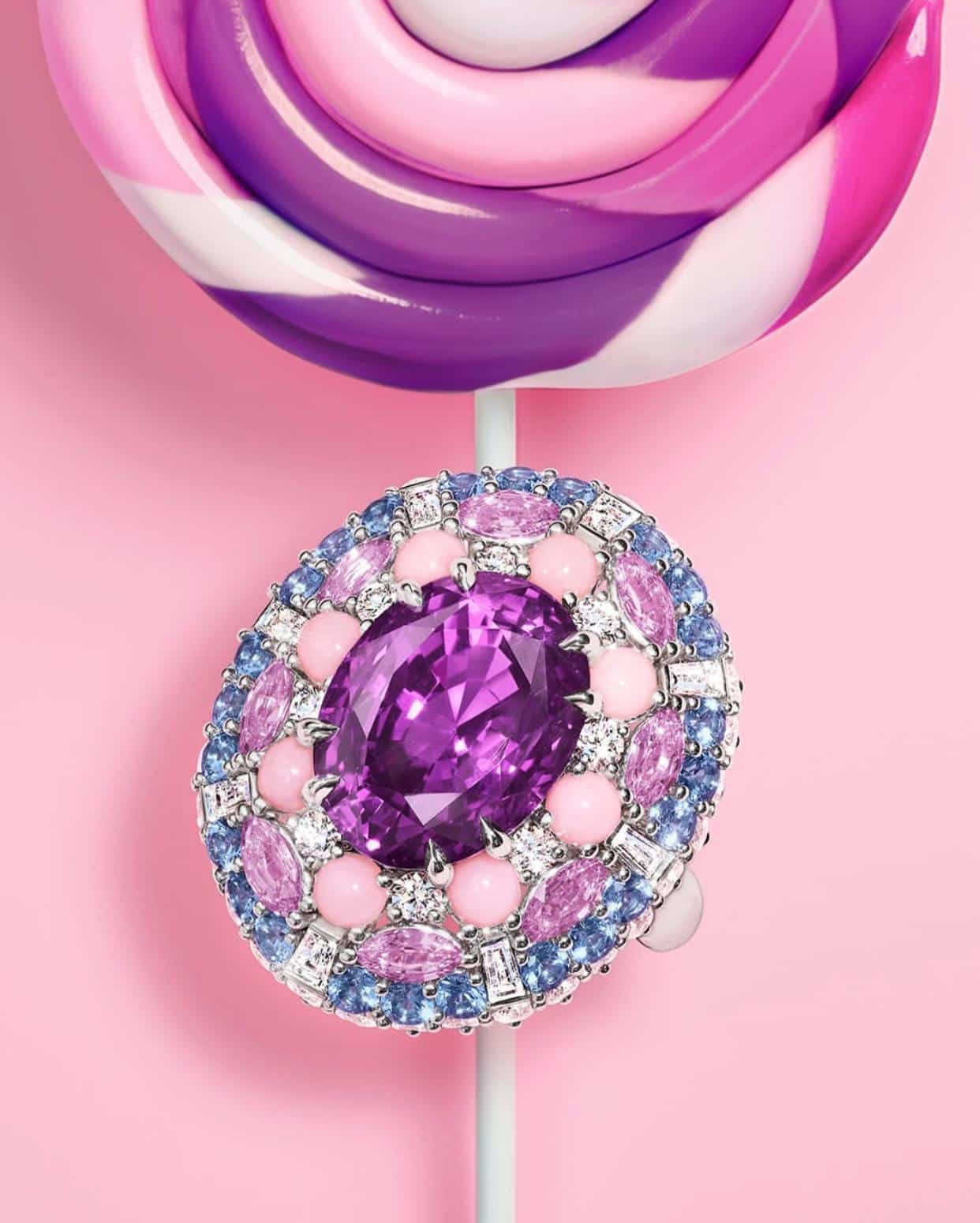
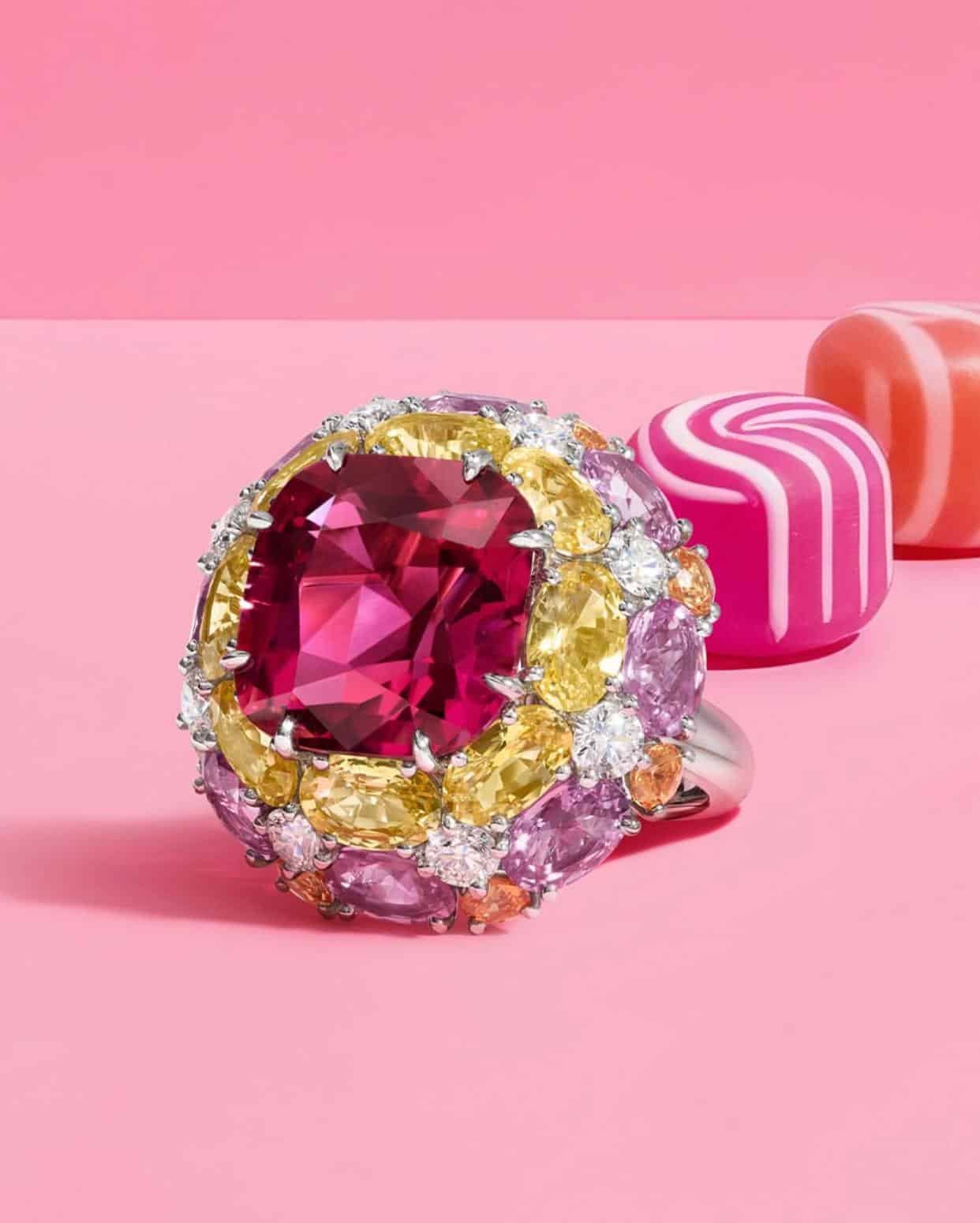
© Harry Winston
TIFFANY & CO
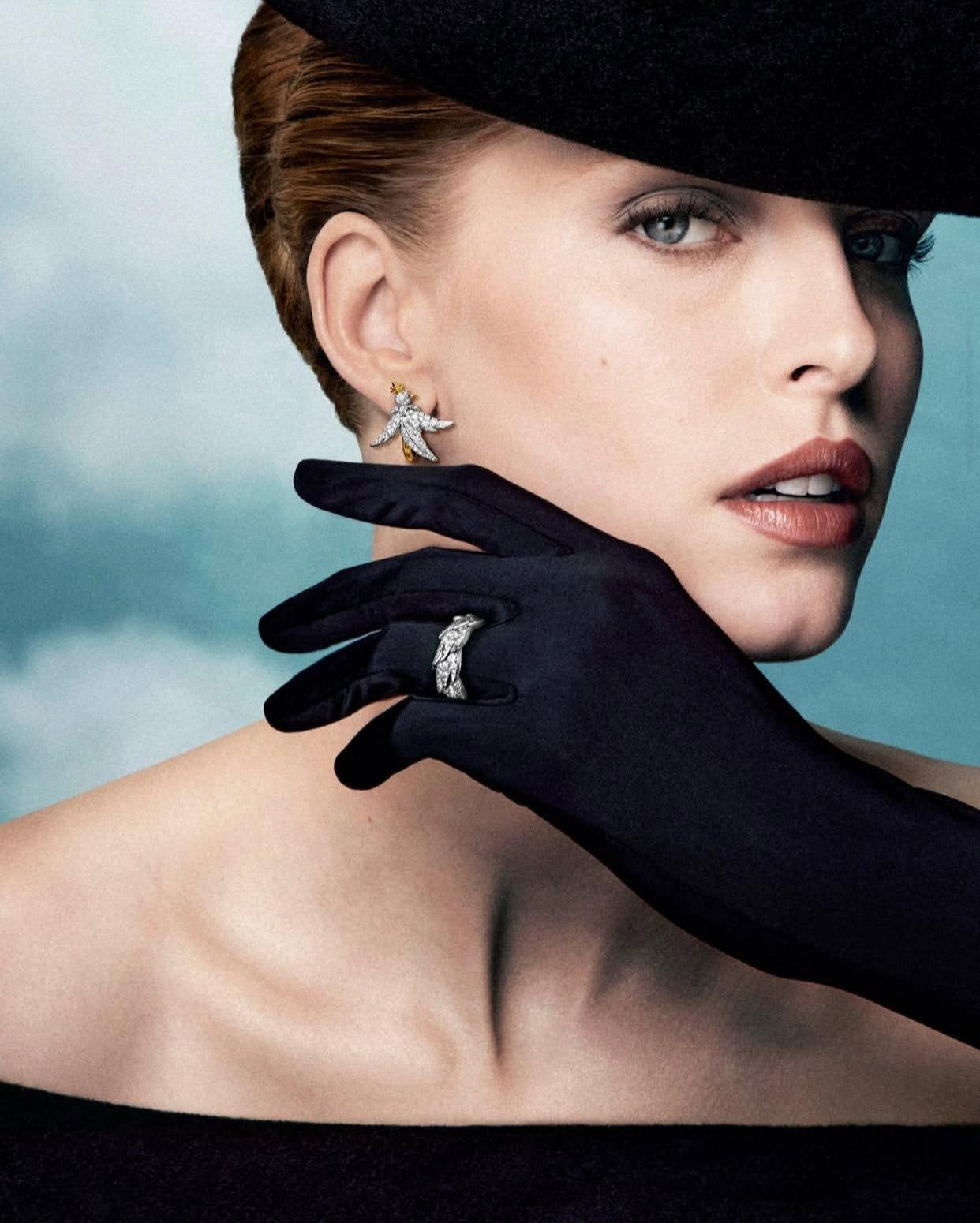
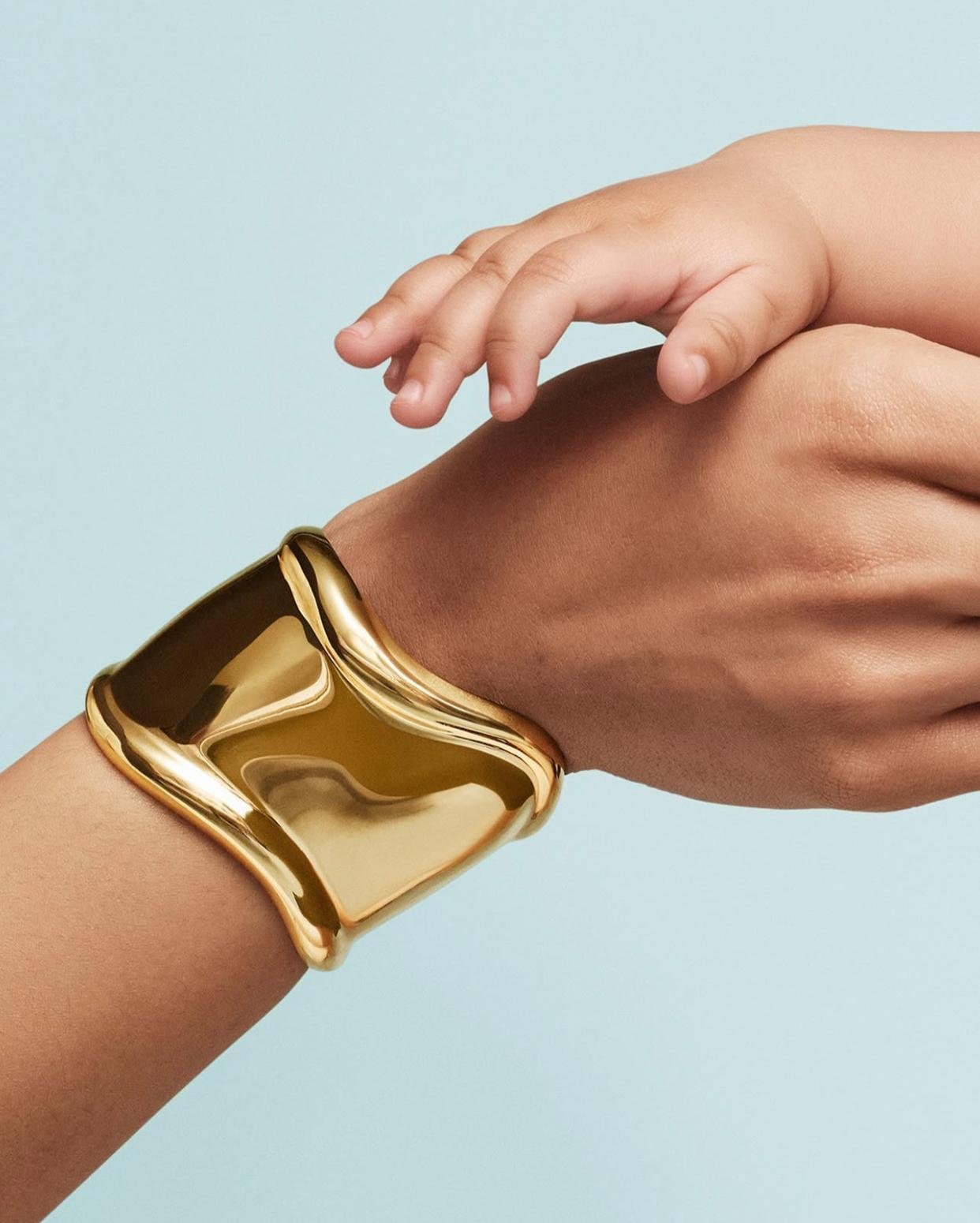
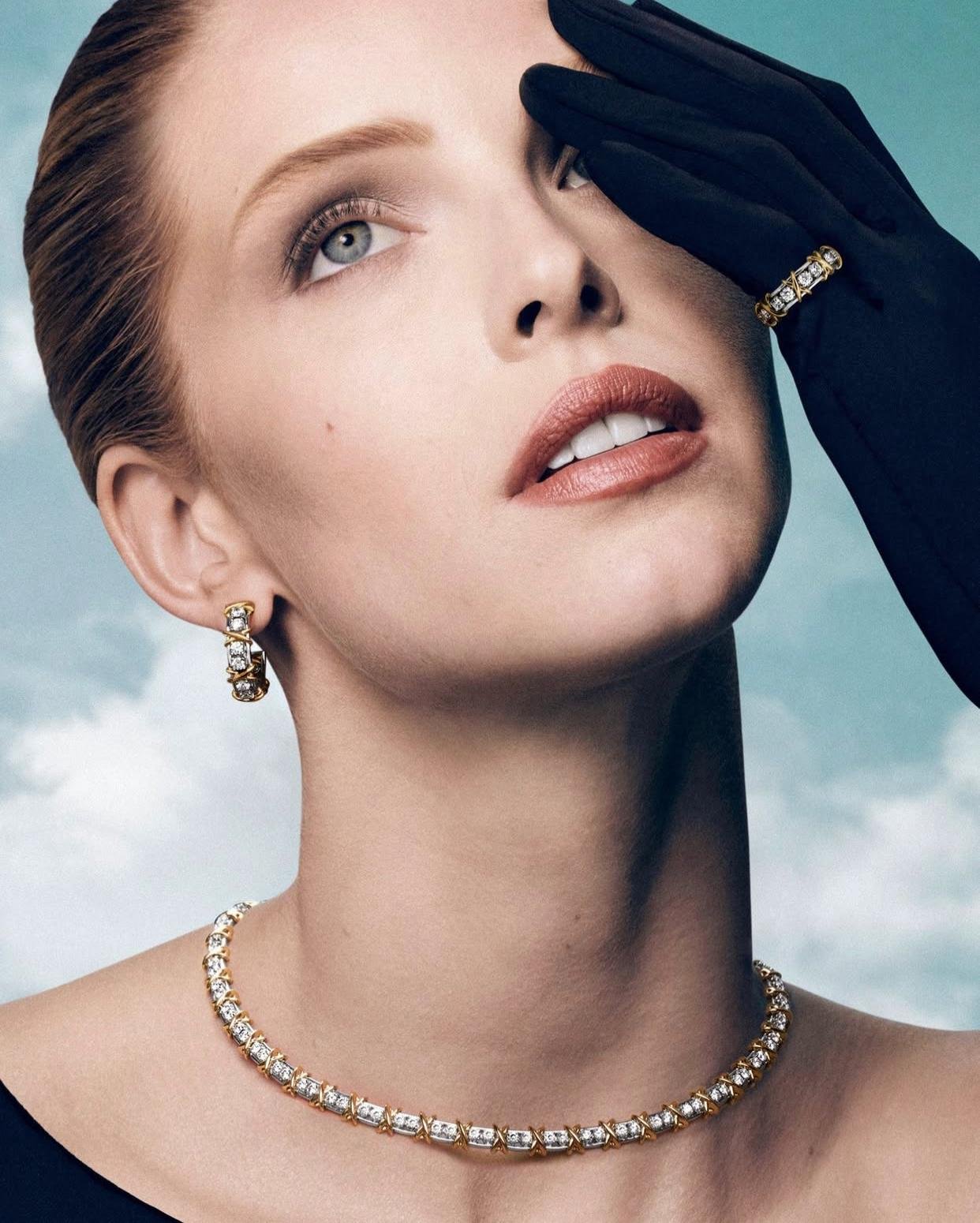

© Tiffany & Co