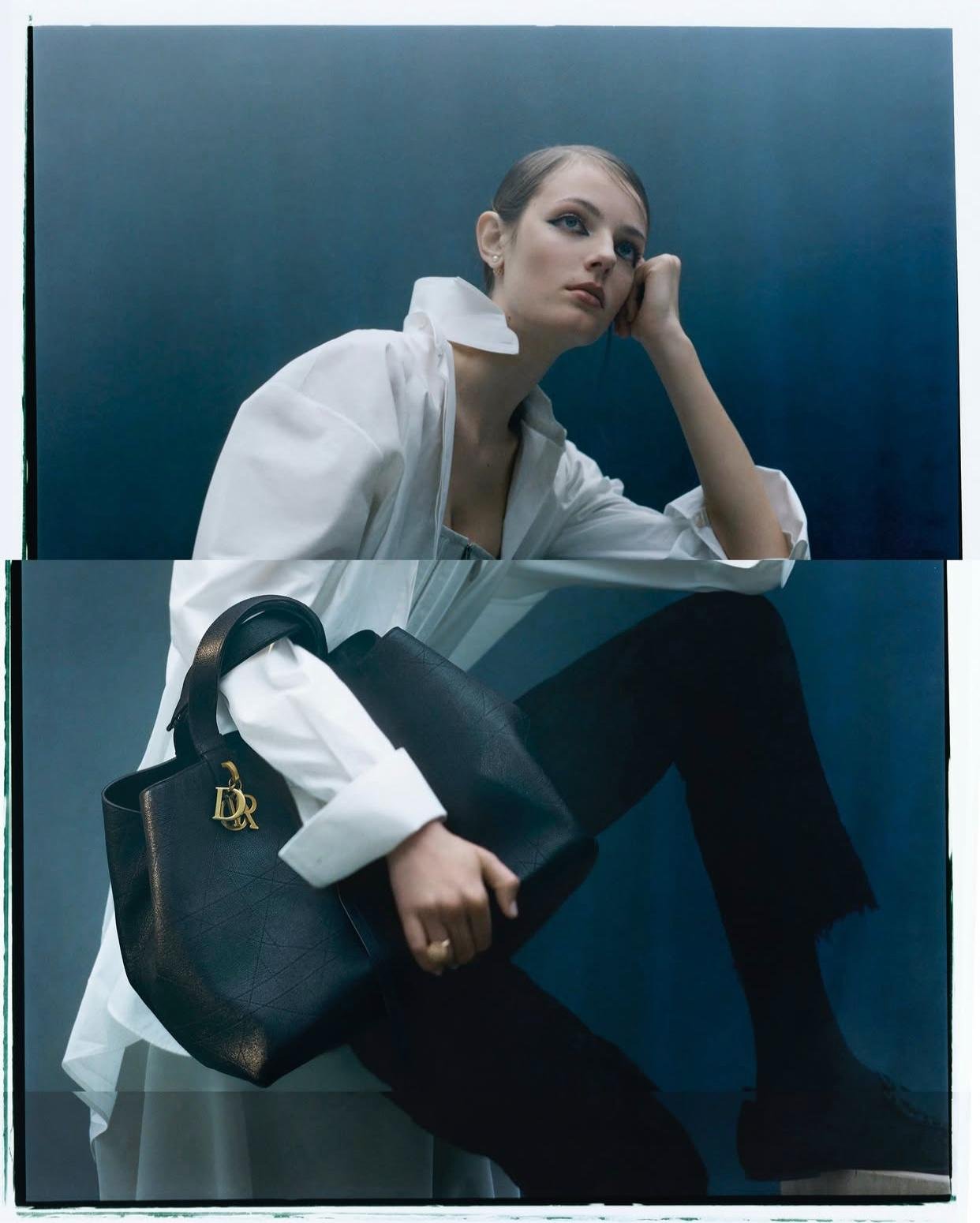
© Dior
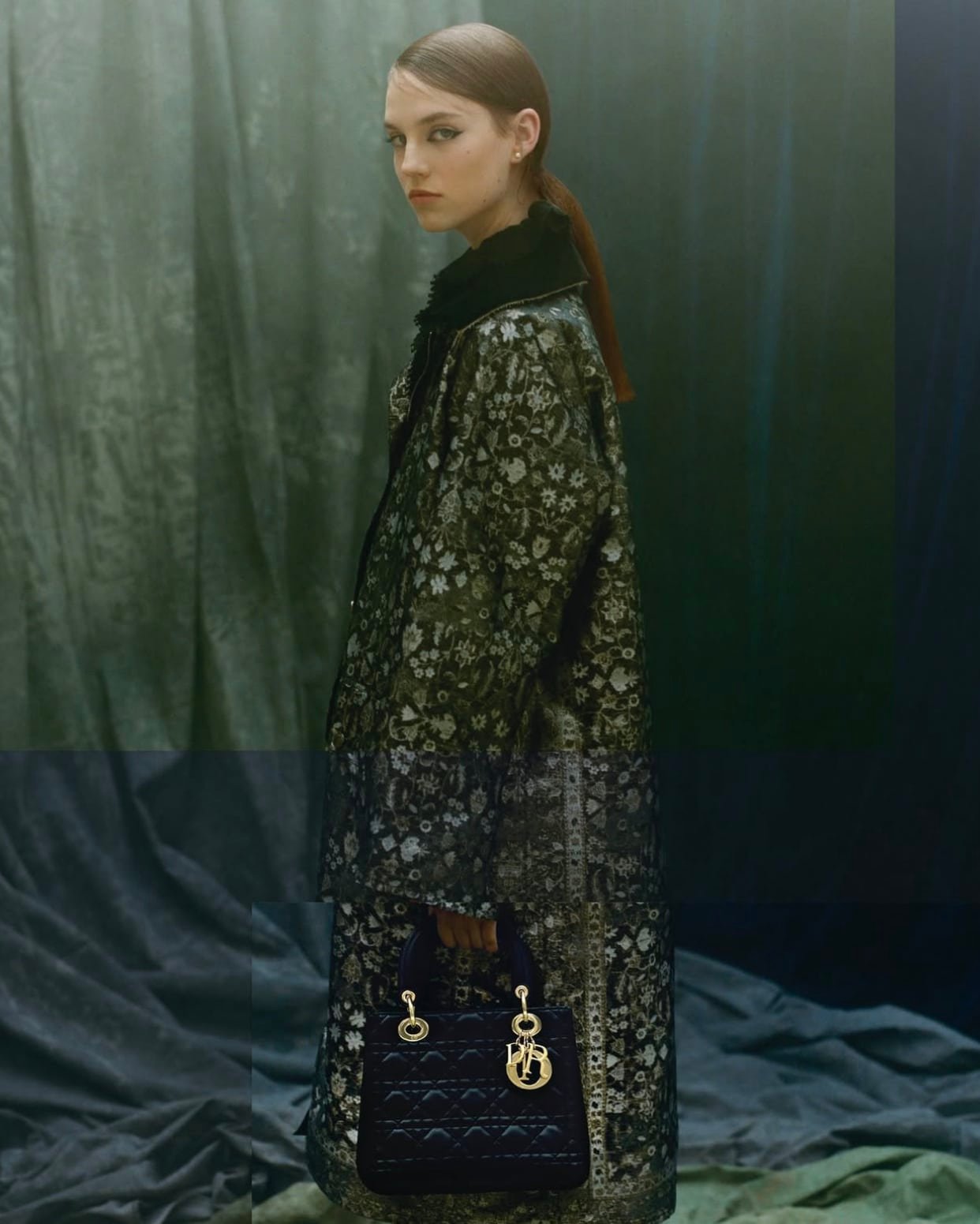
© Dior
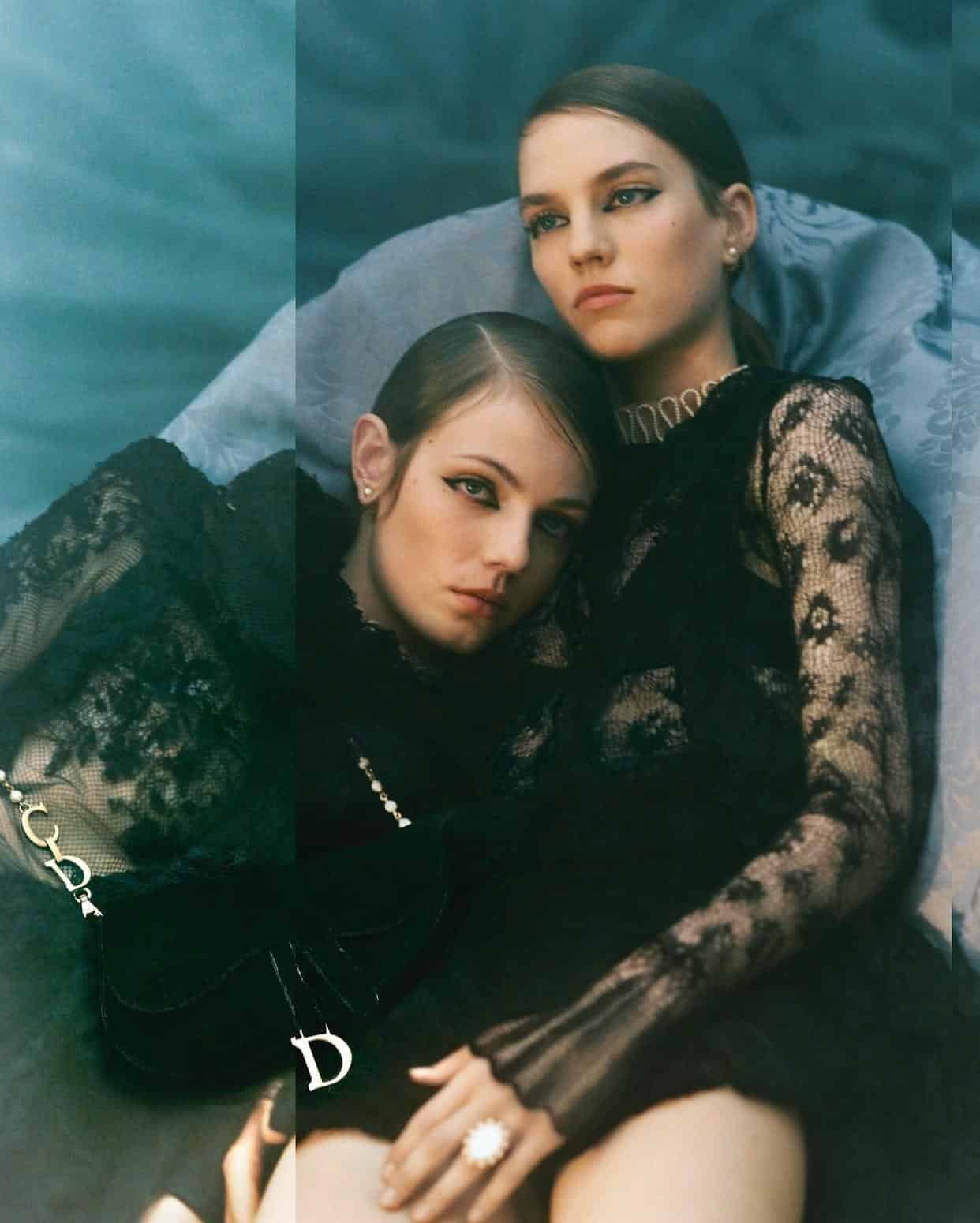
© Dior
Dior
Before Jonathan Anderson showed his first women's collection at Dior, he projected a film onto an upside-down pyramid suspended above an open Dior box. It traced every creative director who had held this position before him — Yves Saint Laurent, Marc Bohan, Gianfranco Ferré, John Galliano, Raf Simons, Maria Grazia Chiuri — and every defining silhouette they had made. Then the models appeared. He is the eighth couturier. The first to oversee women's, men's, and haute couture simultaneously since Christian Dior himself.
Paris · 1947 · The New Look · Eight Couturiers
Christian Dior opened his house in 1946 and showed his first collection on February 12, 1947 — the New Look, with its cinched waist and full skirt, which Harper's Bazaar editor Carmel Snow declared would change everything. It did. The succession since: Yves Saint Laurent, two years. Marc Bohan, twenty-eight years. Gianfranco Ferré, seven years. John Galliano, fifteen years. Raf Simons, three and a half years. Maria Grazia Chiuri, nine years — the first woman to hold the position, who made feminism and female creativity a consistent narrative of her tenure, who showed in New York at the Brooklyn Museum in April 2024 after eight years of wishing she could, who closed with a Cruise 2026 show at the Villa Albani Torlonia in Rome that blended ready-to-wear and haute couture into an autobiographical farewell. And since 2025: Jonathan Anderson — the Northern Irish designer who spent eleven years transforming Loewe from a quiet Spanish leather house into a global fashion powerhouse, and who arrived at Dior as what Bernard Arnault called "one of the greatest creative talents of his generation."
Jonathan Anderson · The Eighth Couturier · An Unprecedented Mandate
Jonathan Anderson was born in 1984 in Magherafelt, Northern Ireland. His father played international rugby for Ireland. His grandfather was a textile designer. He grew up during the Troubles, but spent summers on Ibiza where his parents owned a house — two contrasting environments that shaped, he has said, his sensibility as a designer. He studied at the London College of Fashion, launched his label JW Anderson in 2008, and was appointed creative director of Loewe in 2013 by LVMH. He stepped down from Loewe in March 2025, was announced as Dior's creative director of menswear in April 2025, and was confirmed as the sole creative director of all Dior collections — women's, men's, and haute couture — in June 2025. No designer has held this unified responsibility at Dior since Christian Dior himself. John Galliano offered him the most useful counsel on arrival: "The more that you love the brand, the more it will love you back." Anderson described his anchor word for Dior as empathy. "My instinct is to be led by the house's empathetic spirit."
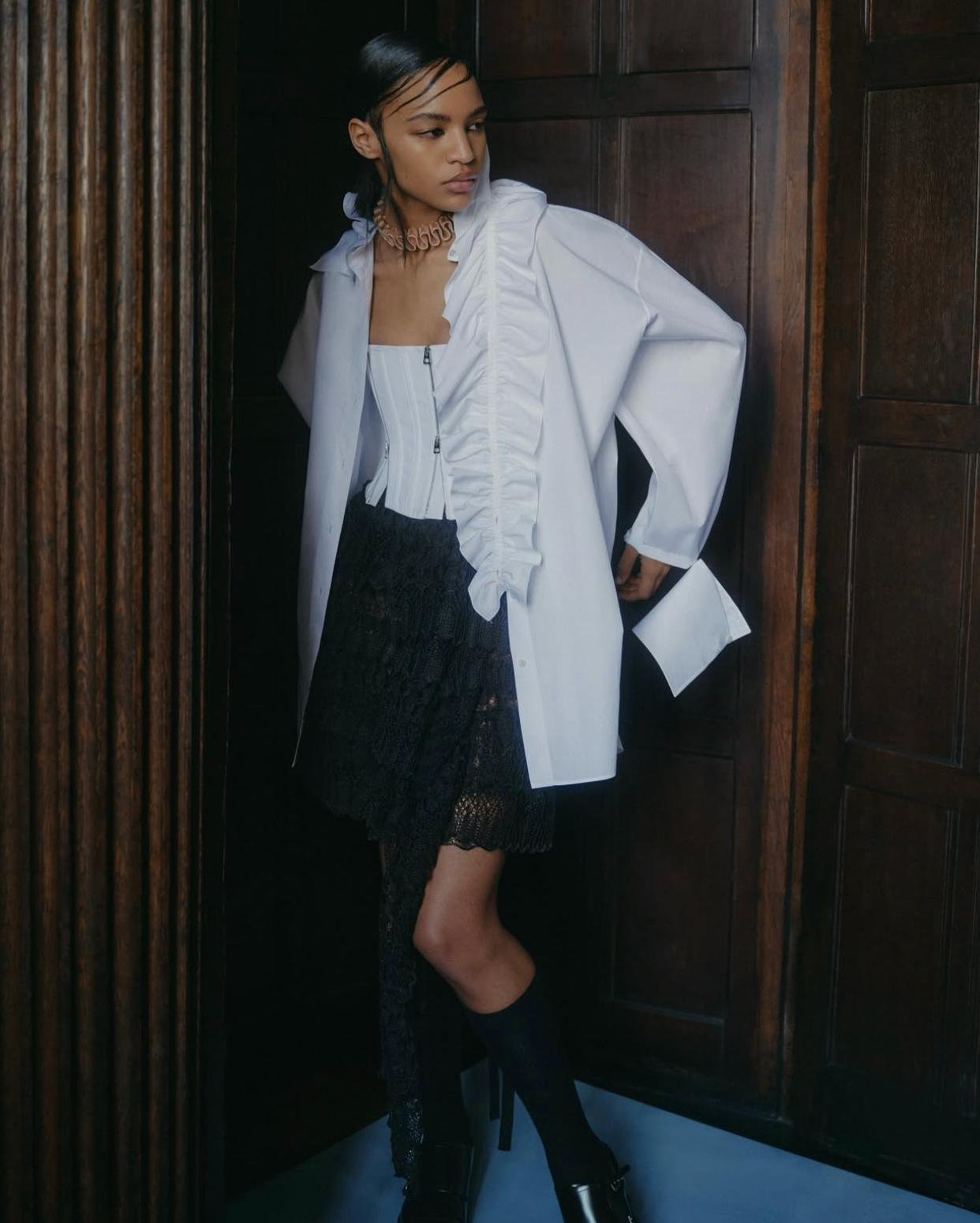
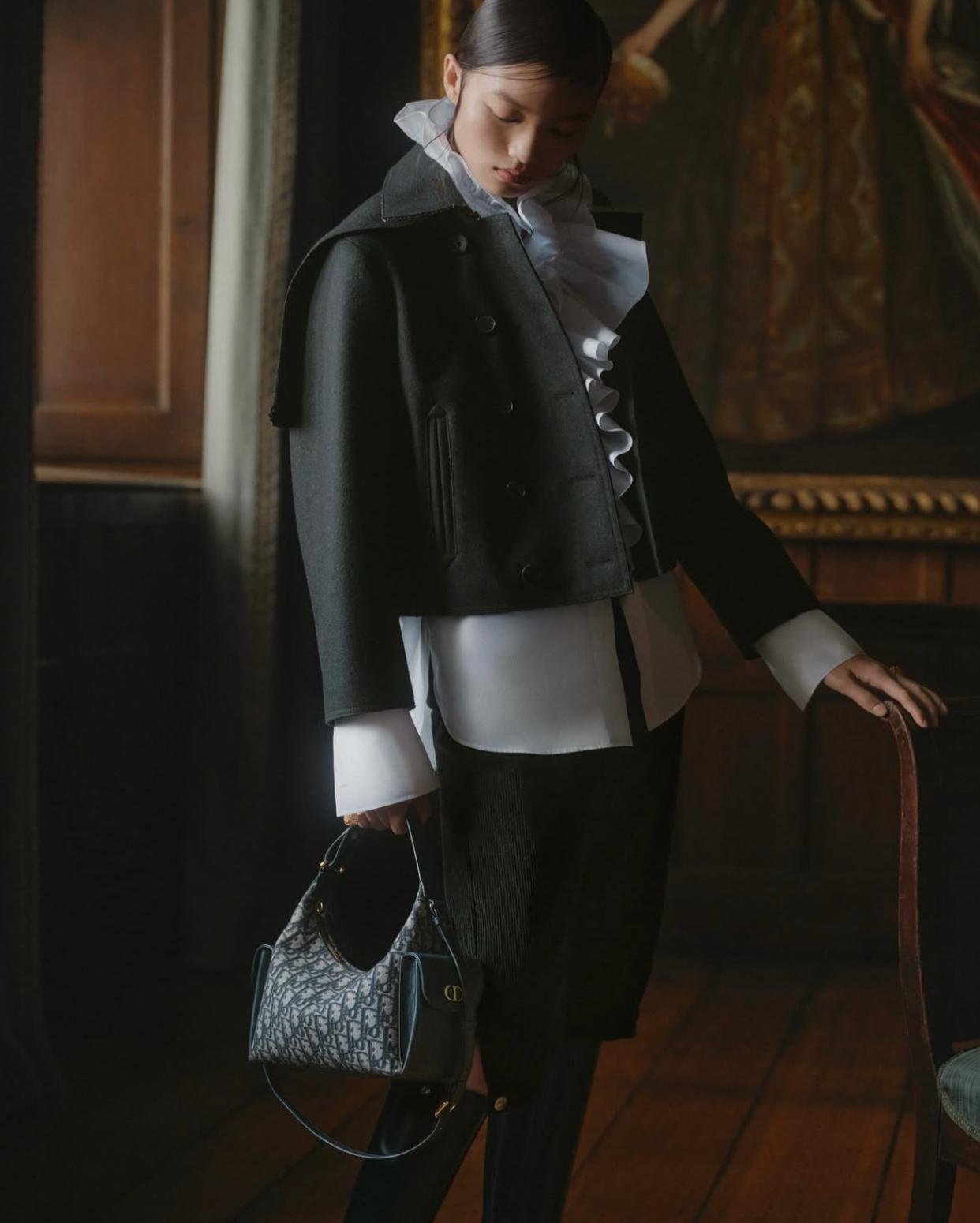
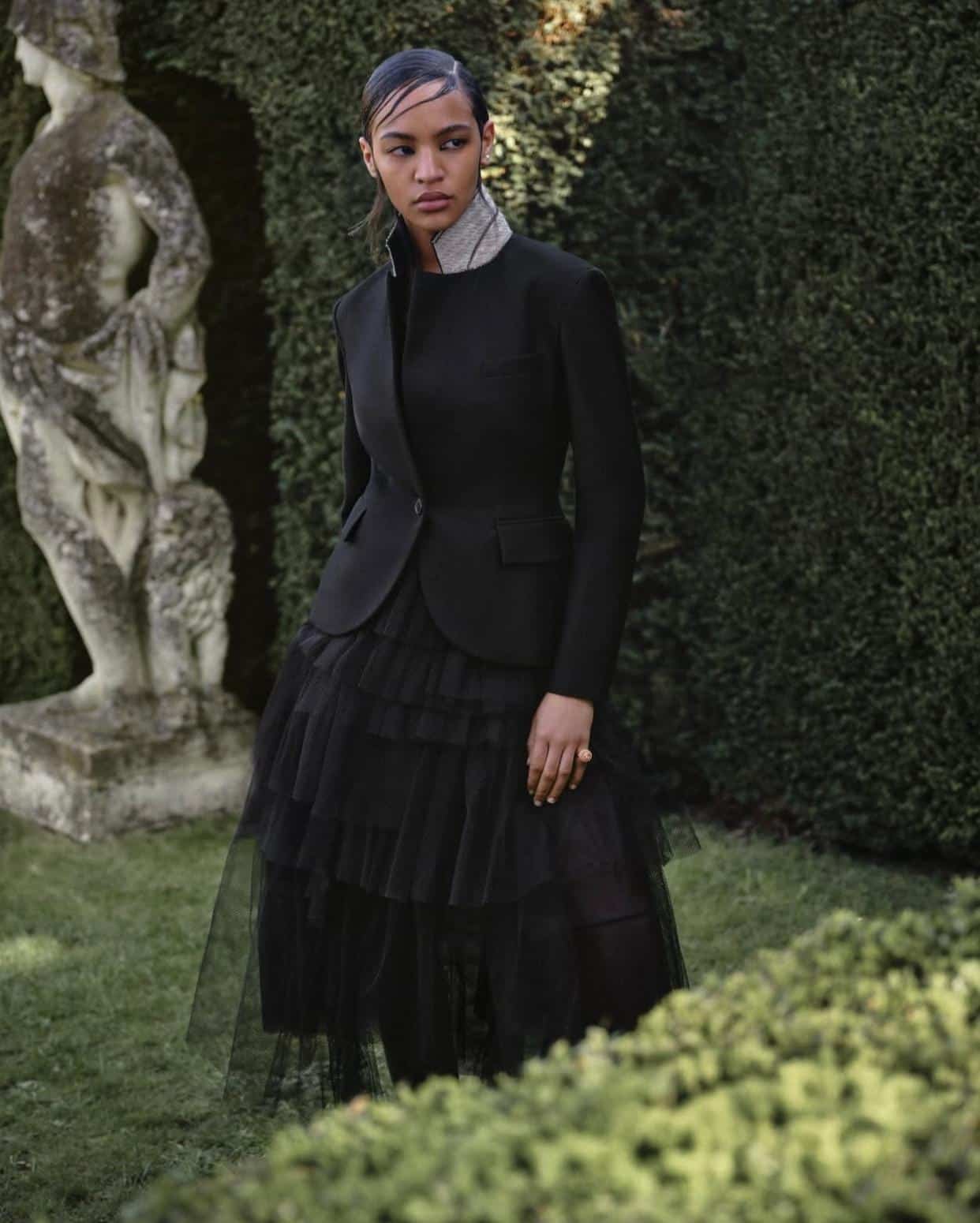
Anderson's first women's collection for Dior opened with Lord Byron's 1815 poem "She Walks in Beauty" read aloud as the film played — a beauty that is "soft, calm, eloquent," in Byronic terms, no matter who is in charge. Seventy-four looks, shown at the Tuileries, organized around "dressing as a way to become a character on the stage that is life" — a reference to As You Like It. Gowns in the Dior signature hourglass silhouette, crafted in pleated chiffon and cut on the bias. Satin ribbons in peony pink and baby blue. Cinched-waist blazers and sweeping capes. Three dresses with bows set askew on strapless necklines, the fabric curving to a second bow at the opposite hem. Tricorn hats over gathered white tops. The show closed with a standing ovation. Social media responded within minutes: "Dior is back." The front row: Johnny Depp, Charlize Theron, Rosalía, Jennifer Lawrence, Rosamund Pike, Anya Taylor-Joy. The collection arrived in stores on January 2, 2026.
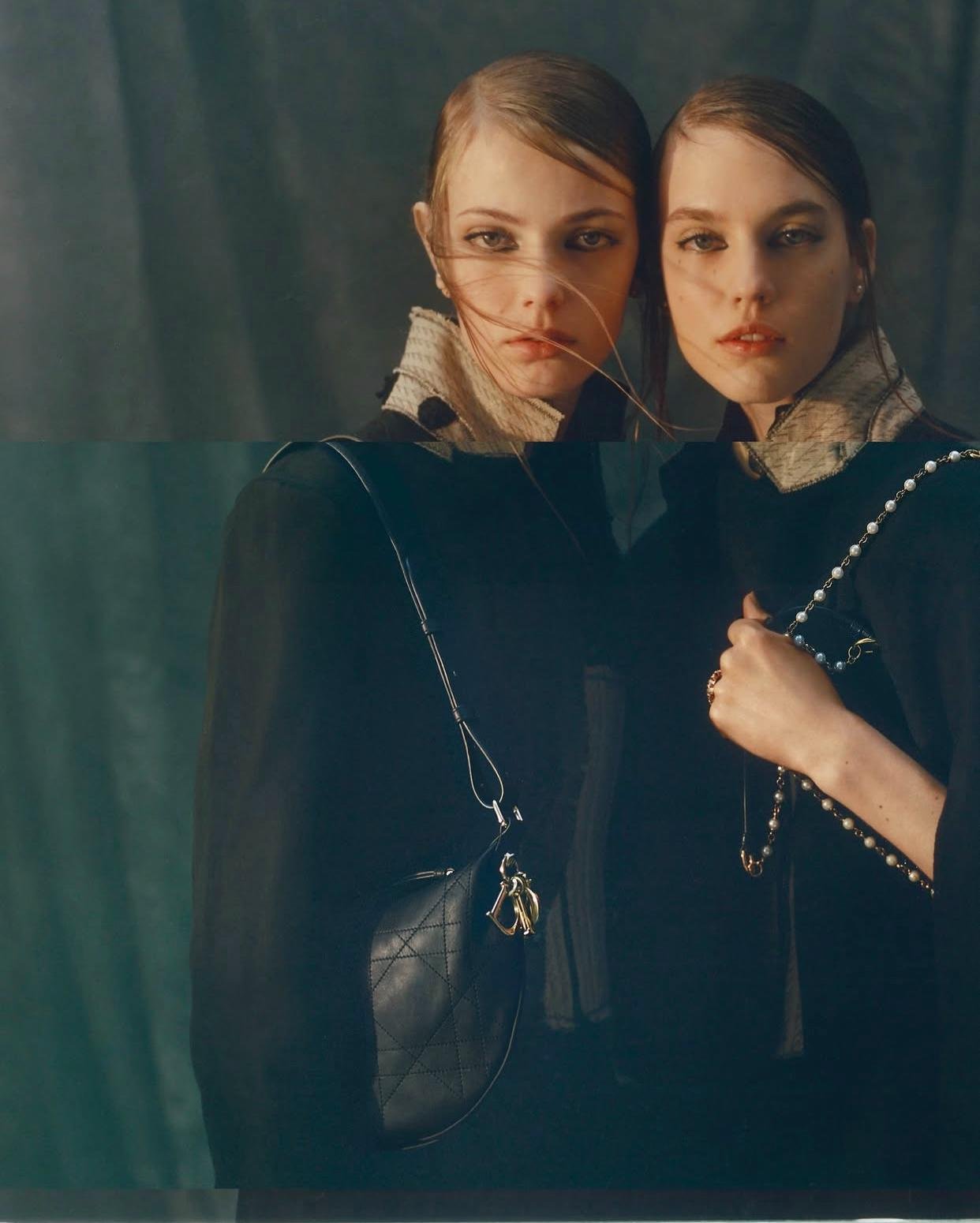
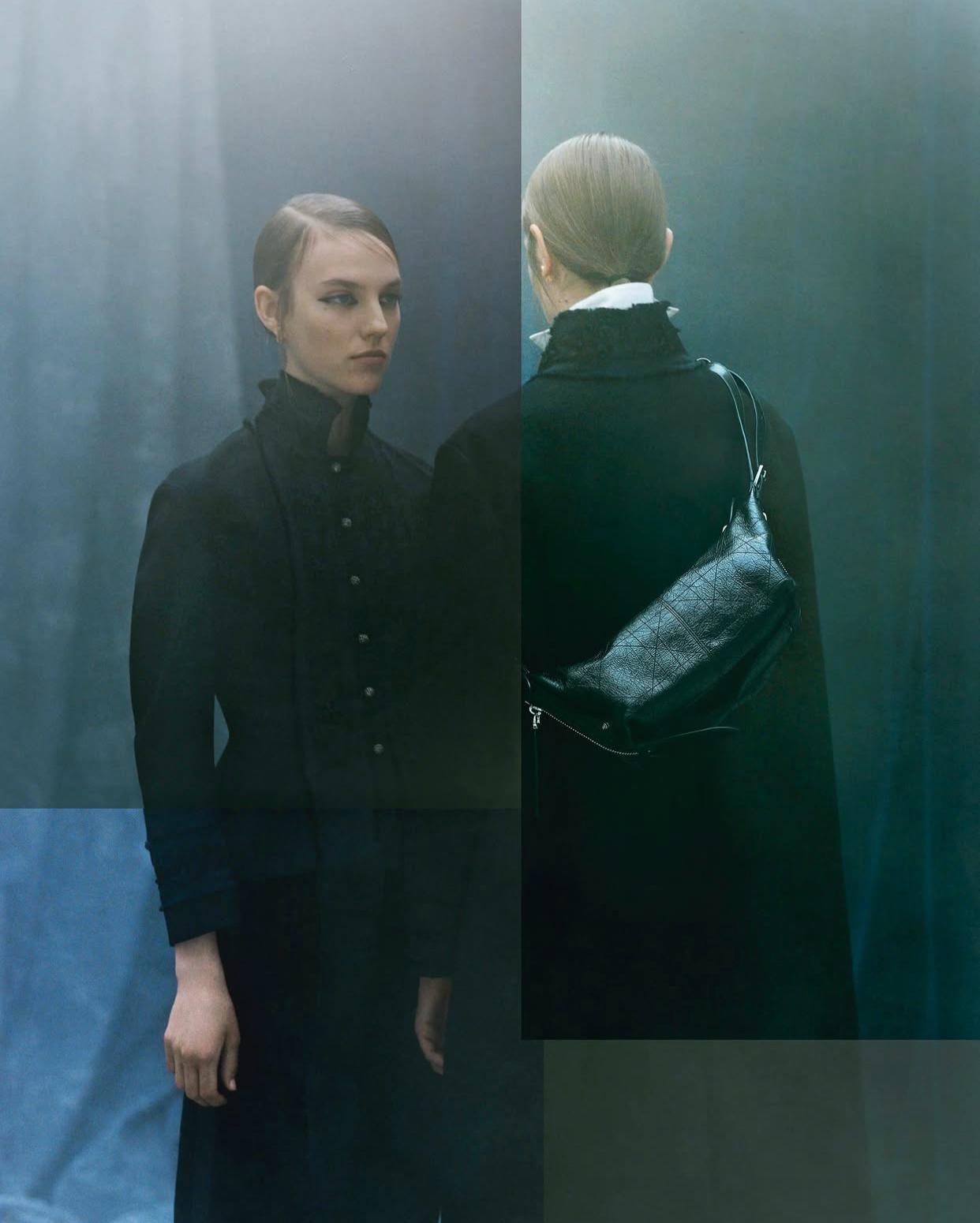
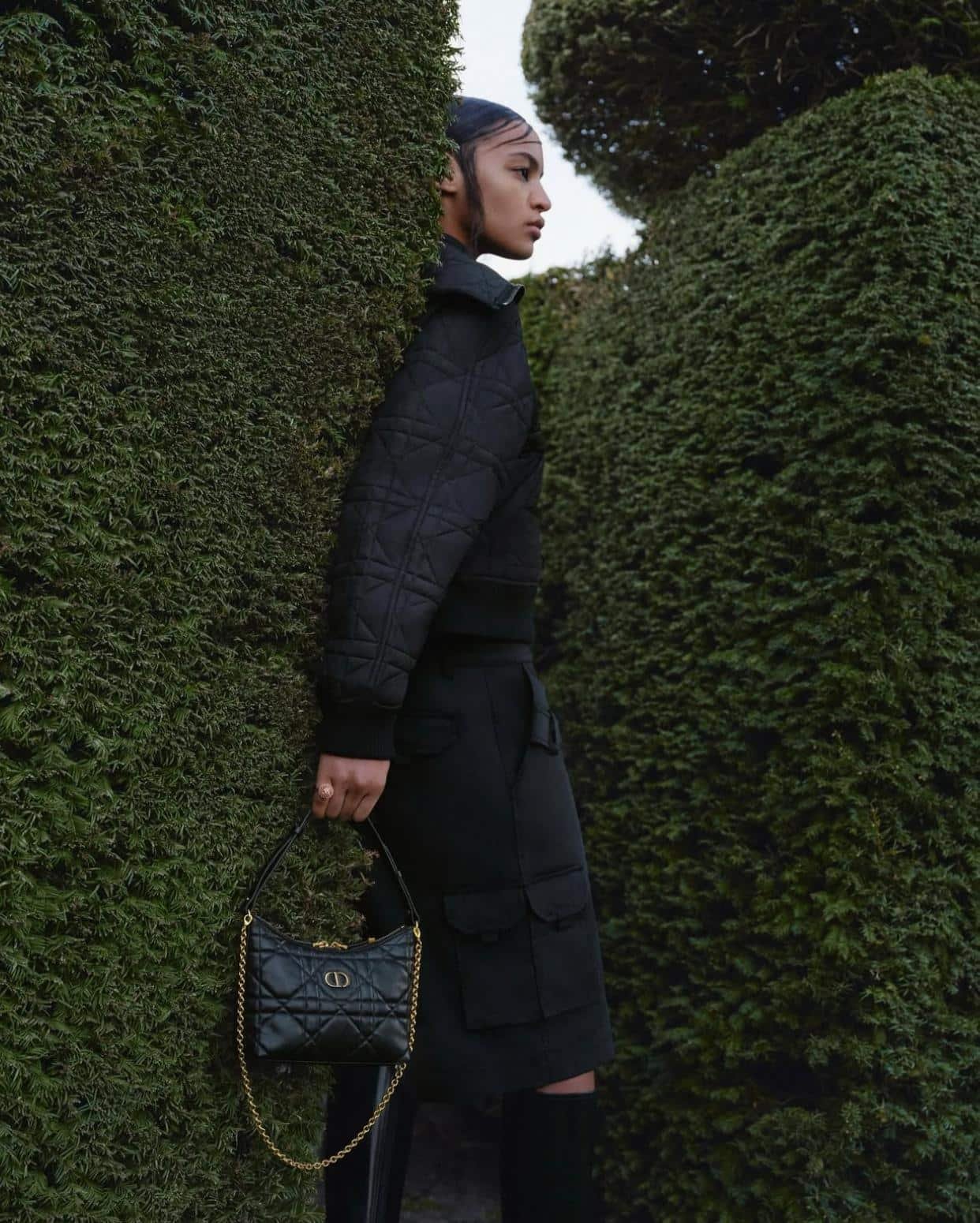
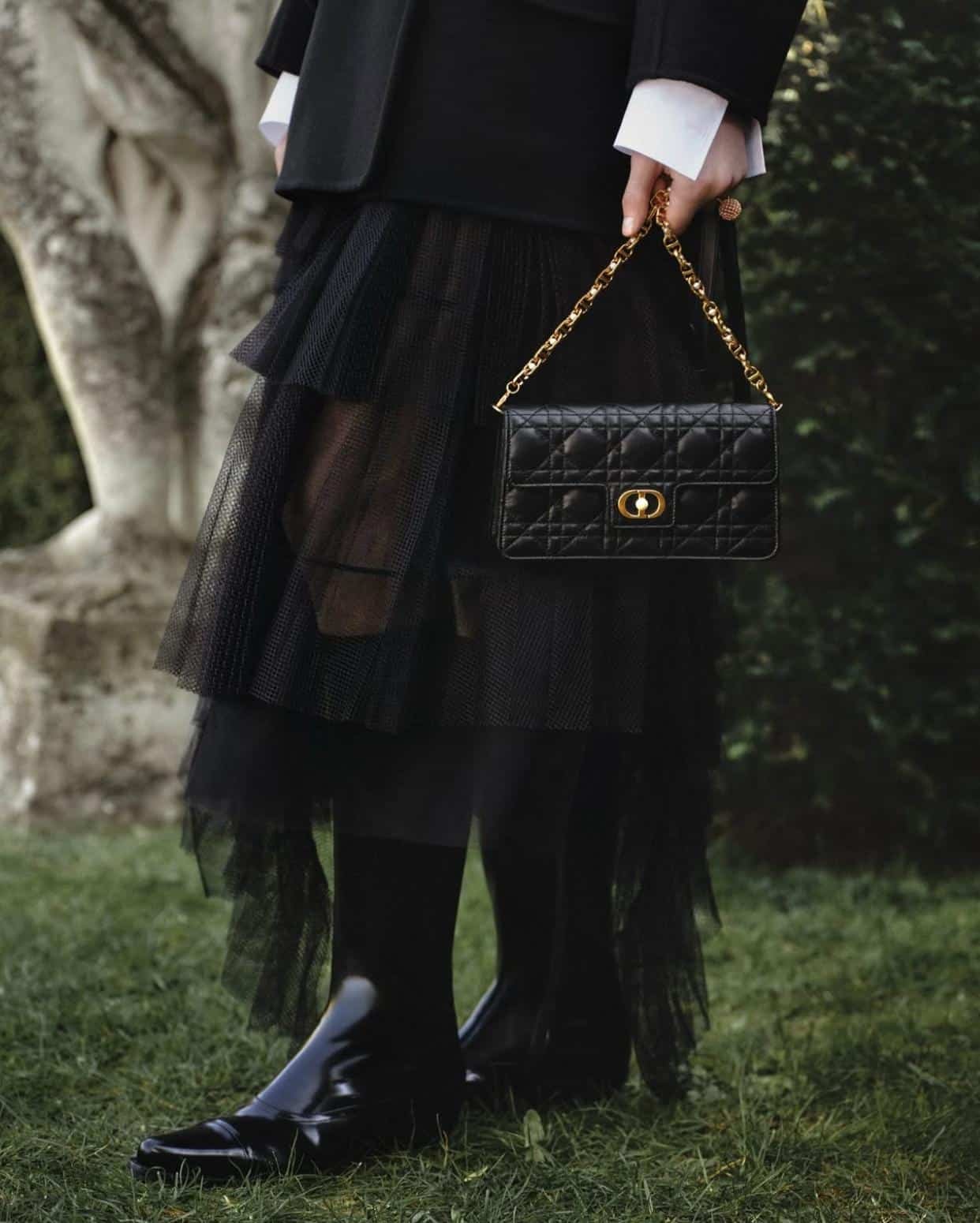
The Dior Bow Bag is the defining new accessory of the Anderson era — a bag whose silhouette is the bow itself, produced through a secret process developed in the Dior atelier to maintain a sharp, defined contour while preserving the leather's suppleness. The closure is invisible. The chain strap features metal links interwoven with miniature bows. Available in small and medium in smooth, metallic, and crinkled leather — black, dreamy pink, tourmaline, buttercup yellow, hermitage, latte white. The bow is not applied to the bag. The bag is the bow. Anderson told WWD: "I wanted something young and casual, and a bit fun." Delphine Arnault, CEO of Christian Dior Couture, described the shared ambition as "elevating the accessories category through engineering and material innovation." The Bow Bag arrived as one of the most discussed new bag shapes of the year — and a confirmation that Anderson's Dior would be organized around formal invention rather than decorative evolution.
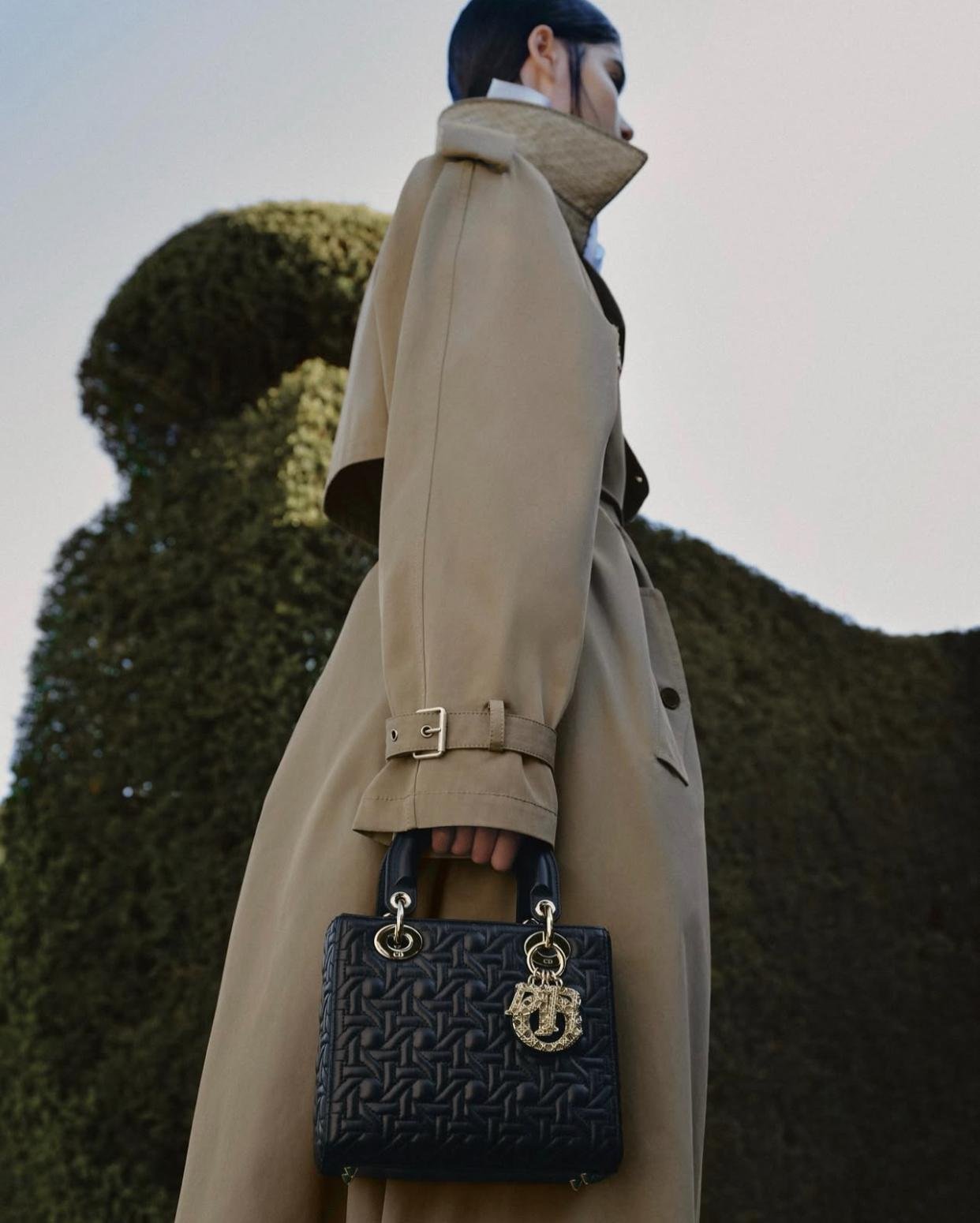
The Lady Dior — named for Princess Diana, who received one from Bernadette Chirac in 1995 — is reimagined under Anderson as a series of lucky charms. The Buttercup version is scattered with three-dimensional buttercups in bright yellow, accented with a small bee — one of Dior's founding emblems, Christian Dior having been famously superstitious about good fortune, lily of the valley, and the four-leaf clover. The Clover version is embroidered with four-leaf clovers — the same symbol, but now carrying a second charge: Anderson's Irish heritage. A tiny red ladybug is tucked into the design. The classic D-I-O-R charms remain. Two different superstitions — Christian Dior's and Jonathan Anderson's — converge on the same miniature bag, held together by the shared conviction that certain things must be made with the intention of bringing good luck. The Lady Dior campaign was photographed by David Sims, with Mia Goth, Greta Lee, and Mikey Madison.
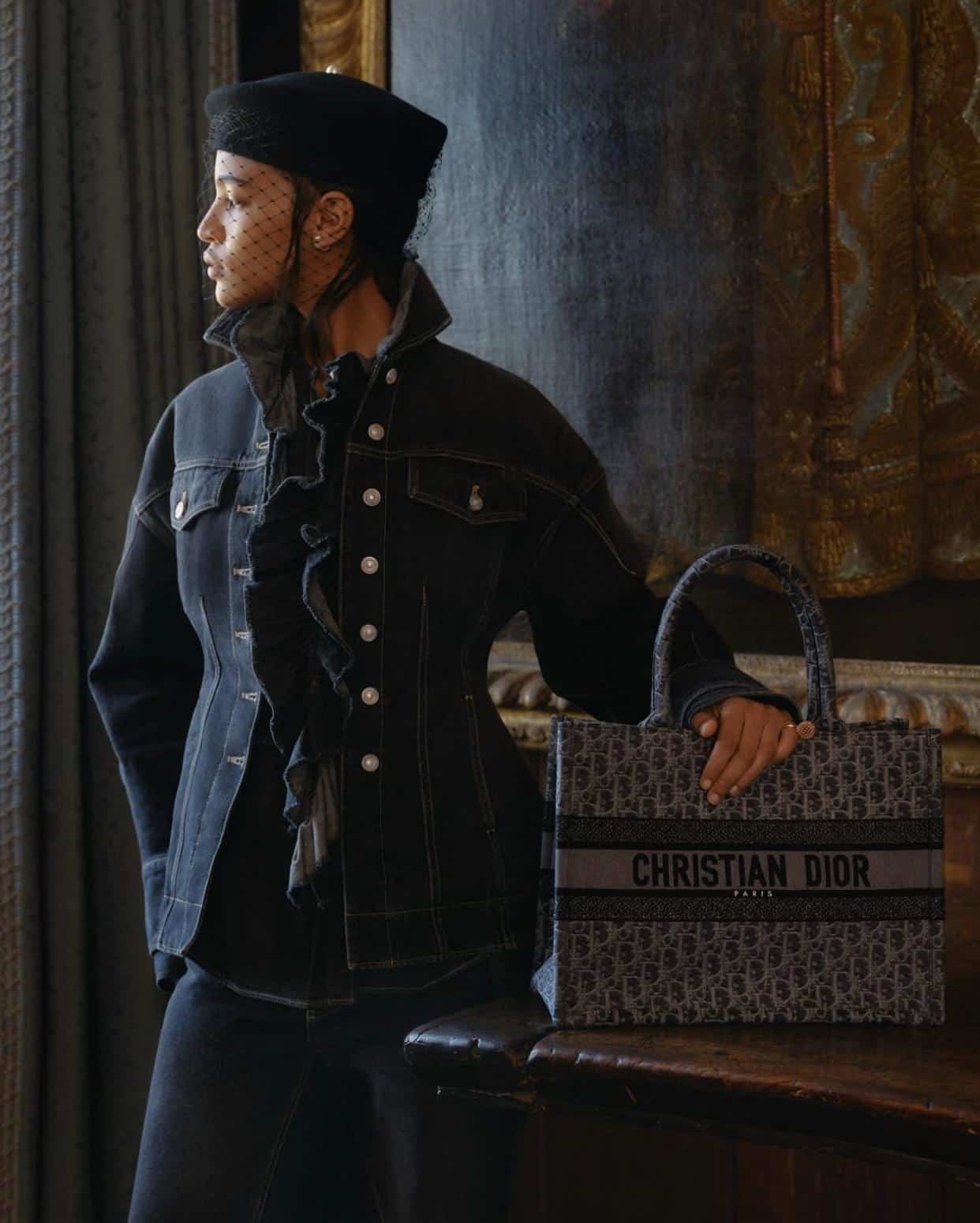
The Dior Book Tote — introduced under Maria Grazia Chiuri, one of the decade's most commercially successful bag formats — is reborn under Anderson as a work of literary reference. The spring 2026 versions are embroidered to resemble the covers of specific books: the Dior by Dior autobiography, the memoir Christian Dior wrote and published in 1956, rendered in soft cream with a pink ribbon; Madame Bovary; Bonjour Tristesse; Bram Stoker's Dracula. Anderson's passion for literature — a constant reference in his work at Loewe, where he incorporated blue-chip artworks and cultural references into every collection — finds in the Book Tote its most natural vehicle: a bag already shaped like a book, now carrying the cover of one. The decision to open with Dior by Dior was not incidental. It is the house's autobiography. Anderson is writing the next chapter.
Maria Grazia Chiuri — the first woman to lead Dior in its history — held the creative direction for nine years, from 2016 to 2025. Her opening gesture, in her very first collection, was a white T-shirt printed with the words "We Should All Be Feminists" — a phrase borrowed from Chimamanda Ngozi Adichie's essay. Over nine seasons, she embedded feminist art collaborations into every runway show, working with Judy Chicago (whose The Dinner Party she had encountered at the Brooklyn Museum on her first visit to New York at age 18), Claire Fontaine, Robert Wilson, and others. She showed in Brooklyn in April 2024 — the fulfillment of an eight-year ambition — with a pre-fall collection drawing from Dior New York, the 1948 Manhattan atelier that had brought Christian Dior's designs to the US for the first time. Her final collection, Cruise 2026 at the Villa Albani Torlonia in Rome, was her autobiography.
Christian Dior visited New York for the first time shortly after the New Look triumph and was struck by what he described in his 1957 autobiography as the city's "raw energy" and the "boyish flair" of its fashion, so different from the "trim elegance of Parisian style." He found the contrast generative rather than threatening. In 1948, Dior opened a Manhattan atelier — Dior New York — to bring his designs to the American market through a local diffusion line. Marlene Dietrich, who had become an American citizen while remaining deeply connected to Paris and to Dior, wore his clothes both on screen and in her private life; her "celebrated boyish allure" inspired Maria Grazia Chiuri's Fall 2024 collection, shown in Brooklyn, dominated by black and masculine codes reappropriated by women. The relationship between Dior and New York is not a market relationship. It is a creative one — the conversation between the two cities' different ideas of what a woman should look like.
John Galliano told Jonathan Anderson:
"The more that you love the brand,
the more it will love you back."
Anderson opened his first Dior women's show
with a film of every designer who came before him.
He credited them all.
Then he sent out 74 looks
and received a standing ovation.
He is the eighth couturier.
The first to hold everything at once
since Christian Dior himself.
Jonathan Anderson arrived at Dior with a single anchor word — empathy — and a Shakespearean framework: "All the world's a stage, and all the men and women merely players." His spring 2026 show notes positioned the collection as "dressing as a way to become a character on the stage that is life — an invitation to dream big, accepting the theater of life, enjoying the power of fashion to rewire the everyday into a grand fantasyscape." This is the position Anderson has held at every house he has worked for — a conviction that fashion is not primarily about trends or silhouettes but about the transformation of the person who wears the clothes. At Loewe, he built this conviction around craft, cultural reference, and the fine arts. At Dior, he is building it around the house's own mythology: the lucky charms, the buttercups, the bows, the bow bags with their invisible closures — the idea that the most powerful things a Dior garment can do is make its wearer feel that she is, at that moment, exactly the character she was always meant to be.
21 East 57th Street · New York · The Dior Flagship
Dior's ready-to-wear is presented at 21 East 57th Street — the house's principal New York address — alongside the Soho boutique, which offers the full women's and men's collections, accessories, bags, shoes, and beauty. Jonathan Anderson's first Dior designs arrived in New York on January 2, 2026. Fashion editors and stylists visited the boutique immediately, testing the Bow Bag, the Lady Dior Buttercup, the Clover sunglasses, the Book Totes embroidered with literary covers, and the Muse pumps. New York — the city that Christian Dior described in his autobiography as having a "raw energy" that Paris lacked, the city where Dior opened its own atelier in 1948, the city where Maria Grazia Chiuri finally showed after eight years of wishing she could — receives Anderson's first chapter in the same spirit that has always connected this house to this address: with the understanding that what Dior makes in Paris arrives in New York not as an export but as a conversation.
21 East 57th Street · New York, NY 10022 · Flagship
Dior Beauty Soho Boutique · SoHo, New York
Women's & Men's Ready-to-Wear · Haute Couture · Accessories
Dior Bow Bag · Lady Dior Buttercup & Clover · Book Tote · Muse pumps
Jonathan Anderson — Creative Director since 2025 · Eighth couturier
Founded Paris 1946 · dior.com/en_us/fashion
Christian Dior visited New York in 1947
and found its energy raw,
its fashion boyish,
its spirit entirely its own.
He opened a Manhattan atelier in 1948.
Seventy-seven years later,
a Northern Irishman stands in Paris
with a film of every Dior director ever made
projected onto an upside-down pyramid,
above an open Dior box.
Then he sends out seventy-four looks.
The audience stands.
The conversation continues.
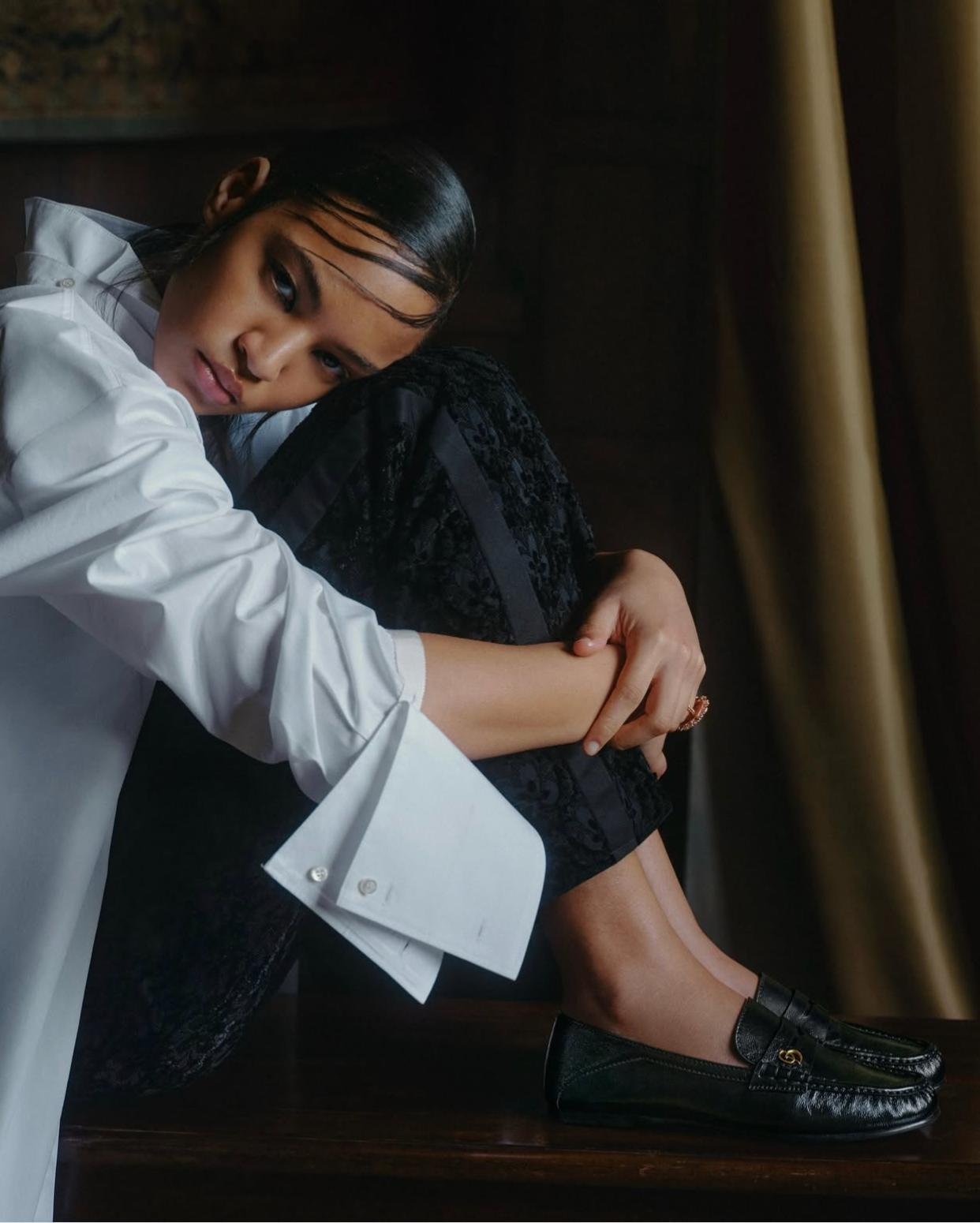
© Dior
© Dior
© Dior
© Dior
© Dior
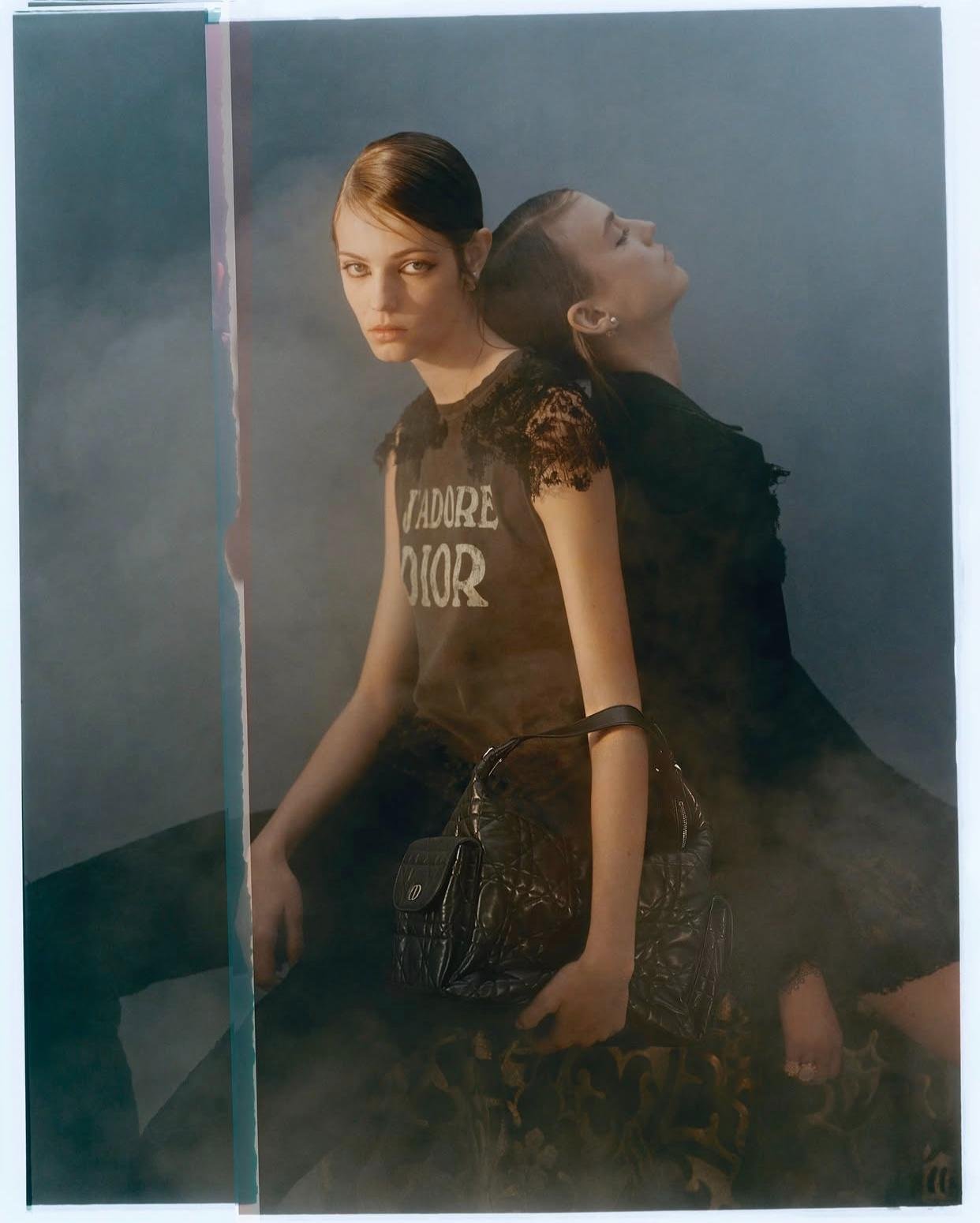
© Dior
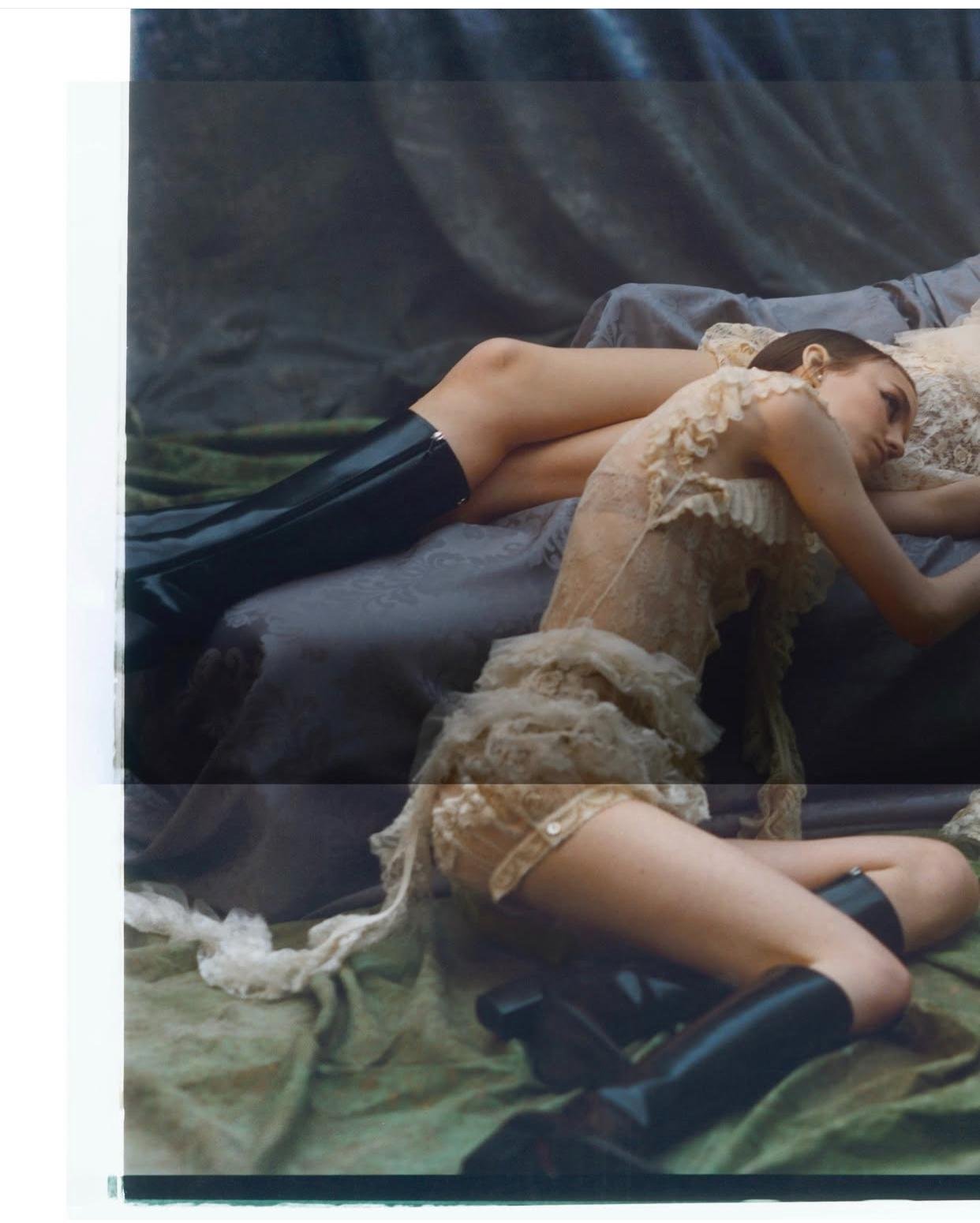
© Dior
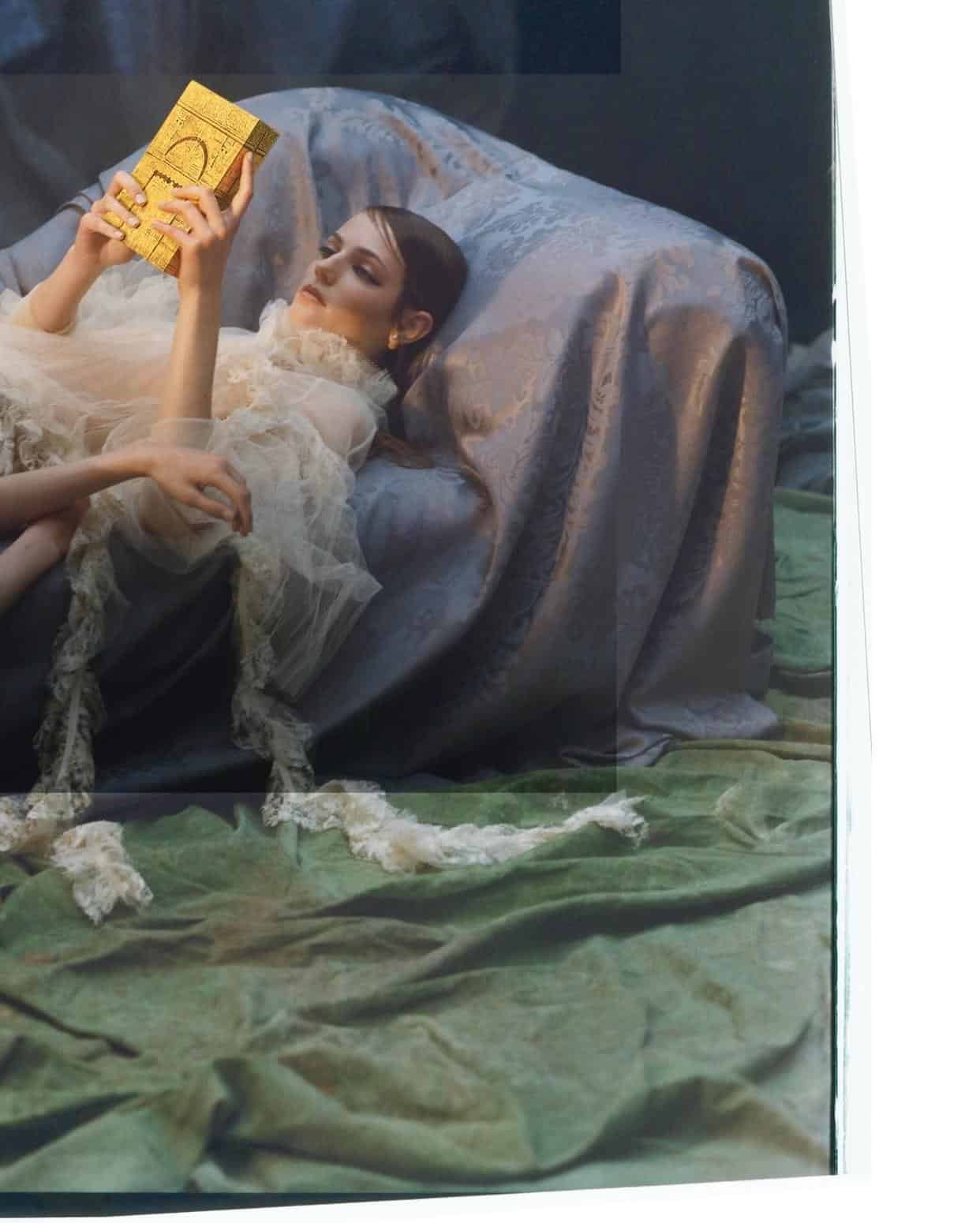
© Dior
© Dior
© Dior
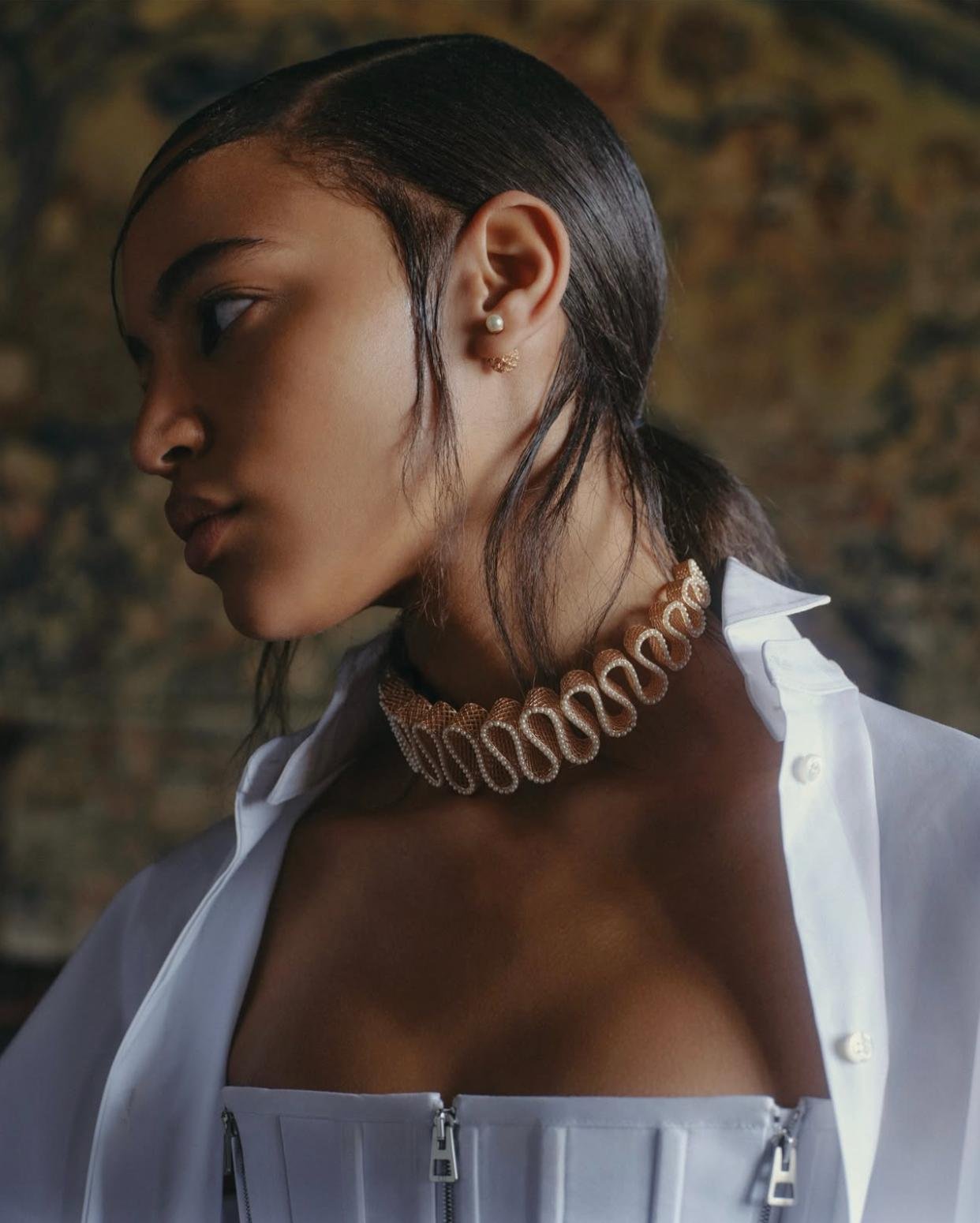
© Dior
© Dior
© Dior
© Dior
© Dior
© Dior
© Dior
© Dior
© Dior
© Dior
© Dior
© Dior
DIOR
© Dior