© Chanel Beauty
© Chanel Beauty
© Chanel Beauty
Chanel Beauty
In 1994, the night before a runway show, makeup directors Heidi Morawetz and Dominique Moncourtois stared at a black-and-white photograph and understood that nails needed to go dark to read on camera. They mixed red nail polish with black marker ink in a kitchen. The next day, Madonna called the Paris office from New York. That is how Rouge Noir began — and how it never ended.
1924 · The First Chanel Lipstick · A Century Of Color
Chanel created its first makeup line in 1924 — the same decade it introduced N°5, the little black dress, and the jersey suit. From the beginning, the house's approach to color was organized around five codes drawn from Gabrielle Chanel's personal vocabulary: red, white, black, gold, and beige. Every collection produced since has operated within these five coordinates, returning to them through new formulas, new textures, and new formal interpretations, but never departing from the palette that Gabrielle Chanel established as her chromatic signature. The lipstick that debuted in 1924 and the Rouge Allure Velvet that appeared a century later belong to the same color philosophy: that makeup is not decoration but declaration, and that the colors worth making are the ones worth wearing every day.
The Chanel Makeup Creation Studio — the house's internal creative laboratory — has governed the development of every collection since, working across formula chemistry, color development, and seasonal collections in collaboration with outside creative partners. The house's makeup creative director and global partners — including the Comètes Collective, a network of international makeup artists — bring external creative perspectives into dialogue with the Studio's institutional knowledge of the house's codes.
Rouge Noir · 1994 · The Color That Changed An Industry
Gabrielle Chanel described the color in Vogue US in 1926, decades before it had a name: "Next to black and white comes red — the garnet shade, like the inside of a black cherry." The color she described was the same shade as the interior lining of the 2.55 handbag, the same shade that Heidi Morawetz and Dominique Moncourtois would improvise in a kitchen sixty-eight years later with red polish and black marker ink for Karl Lagerfeld's autumn/winter 1994 runway. The next morning, after the show, Madonna called Chanel's Paris office hoping to obtain some. The day Rouge Noir went on sale in 1995, queues wrapped around the block outside Barneys in New York. Waiting lists in the UK lasted six months. The New York Times reported that the color "dominated the imagination of the masses." Uma Thurman wore it — as Mia Wallace in Pulp Fiction, a film released the same year — confirming its status as the most desired dark shade in the world. The house had never had a waiting list for a nail polish before. It has never needed one since for any other shade.
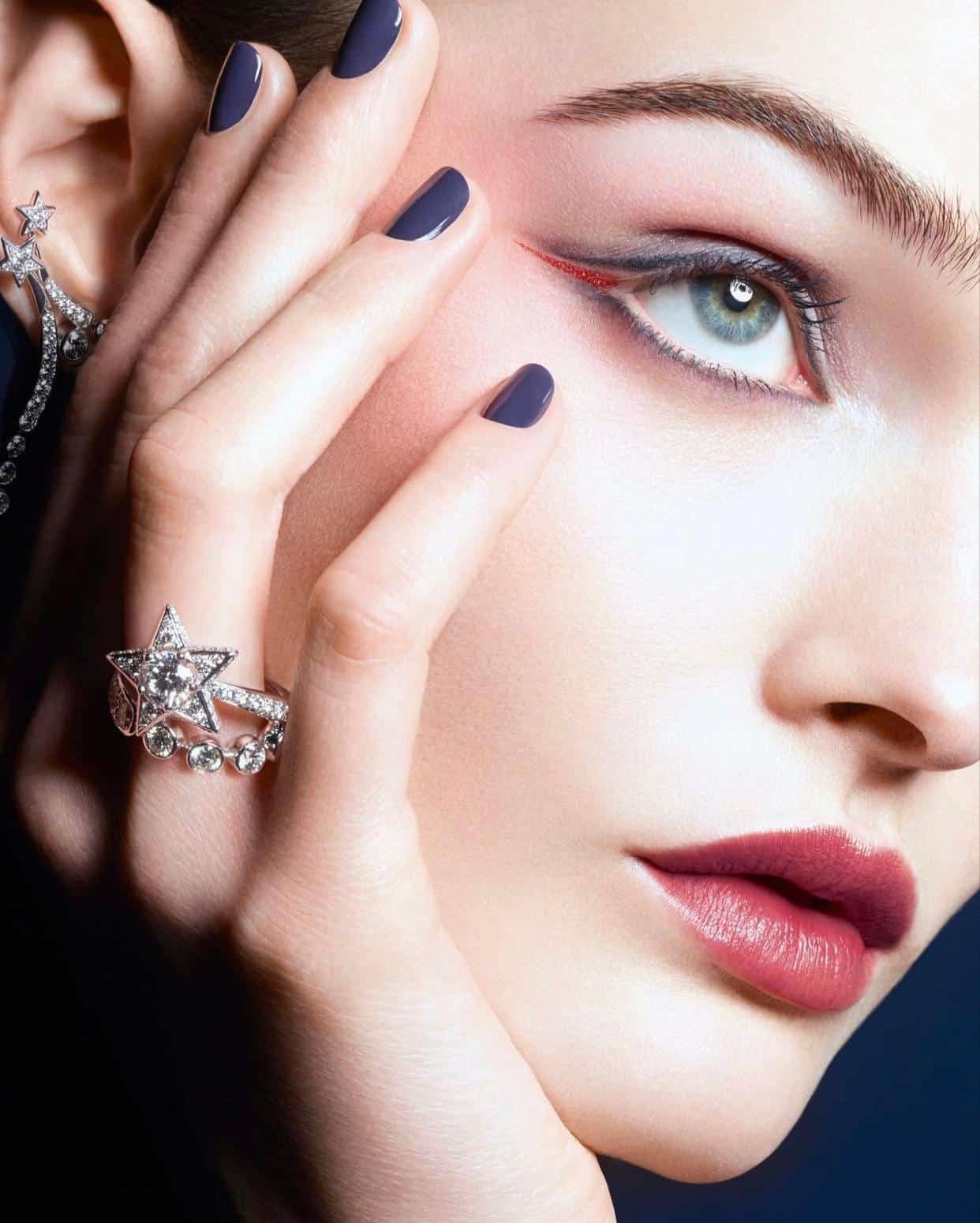
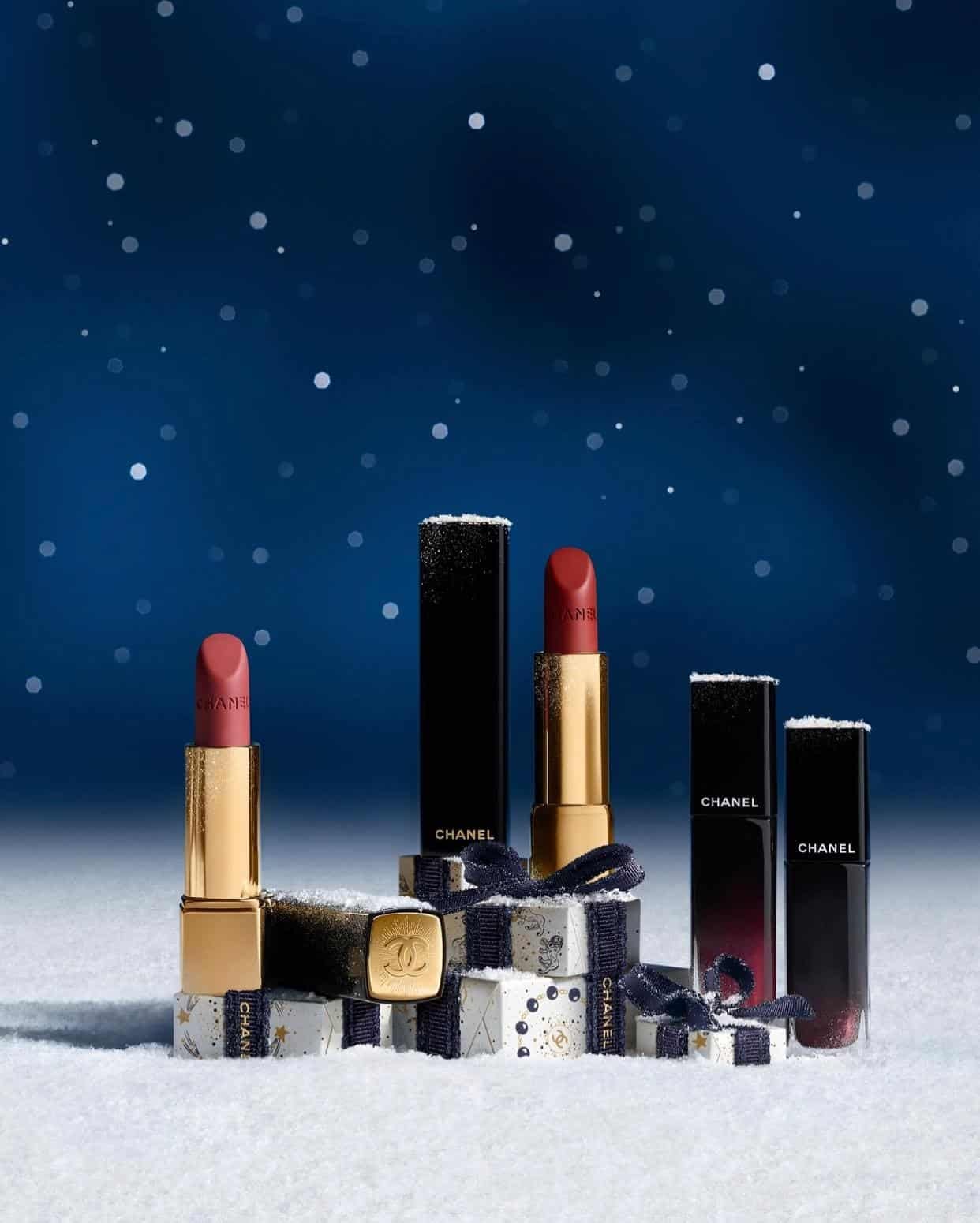
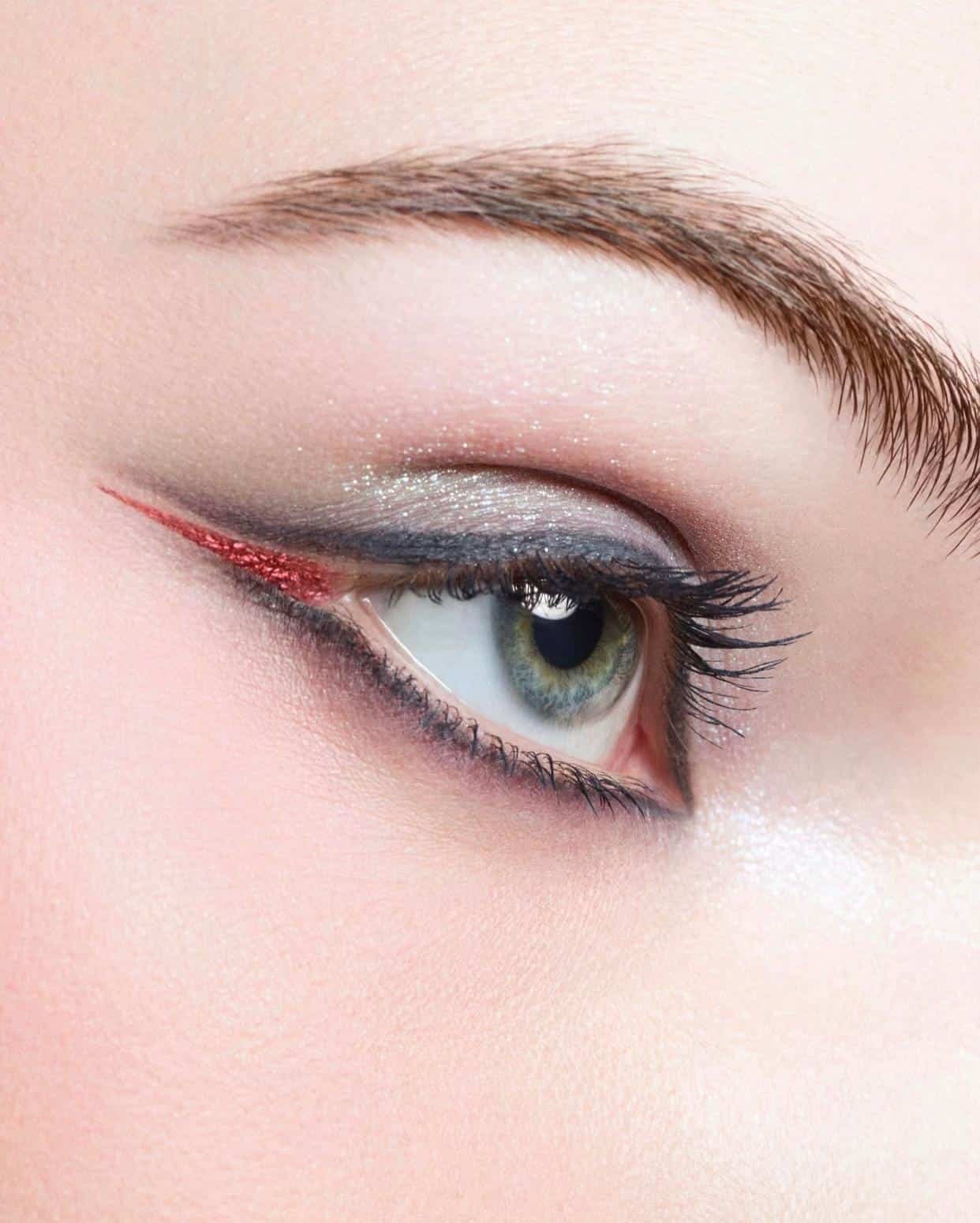
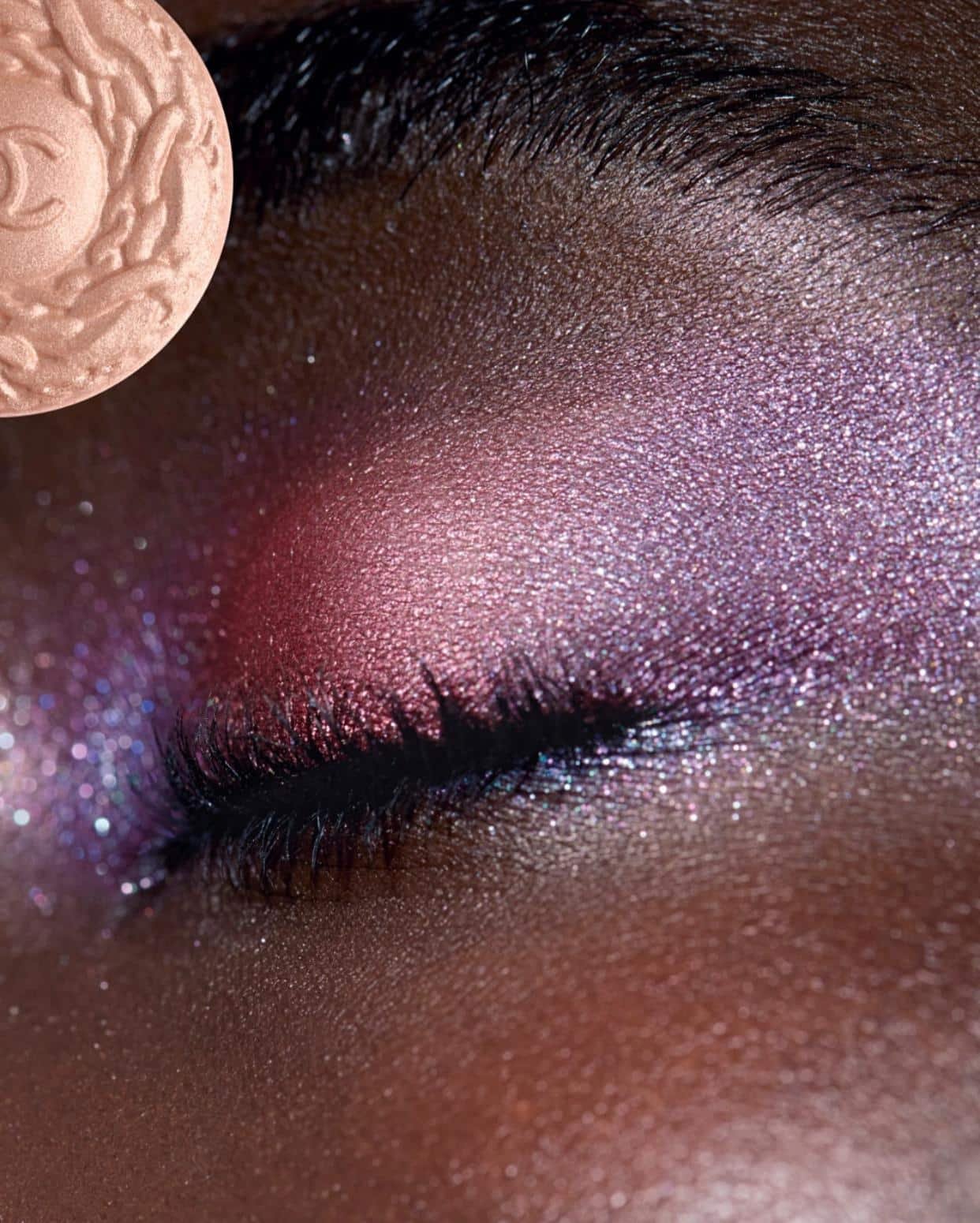
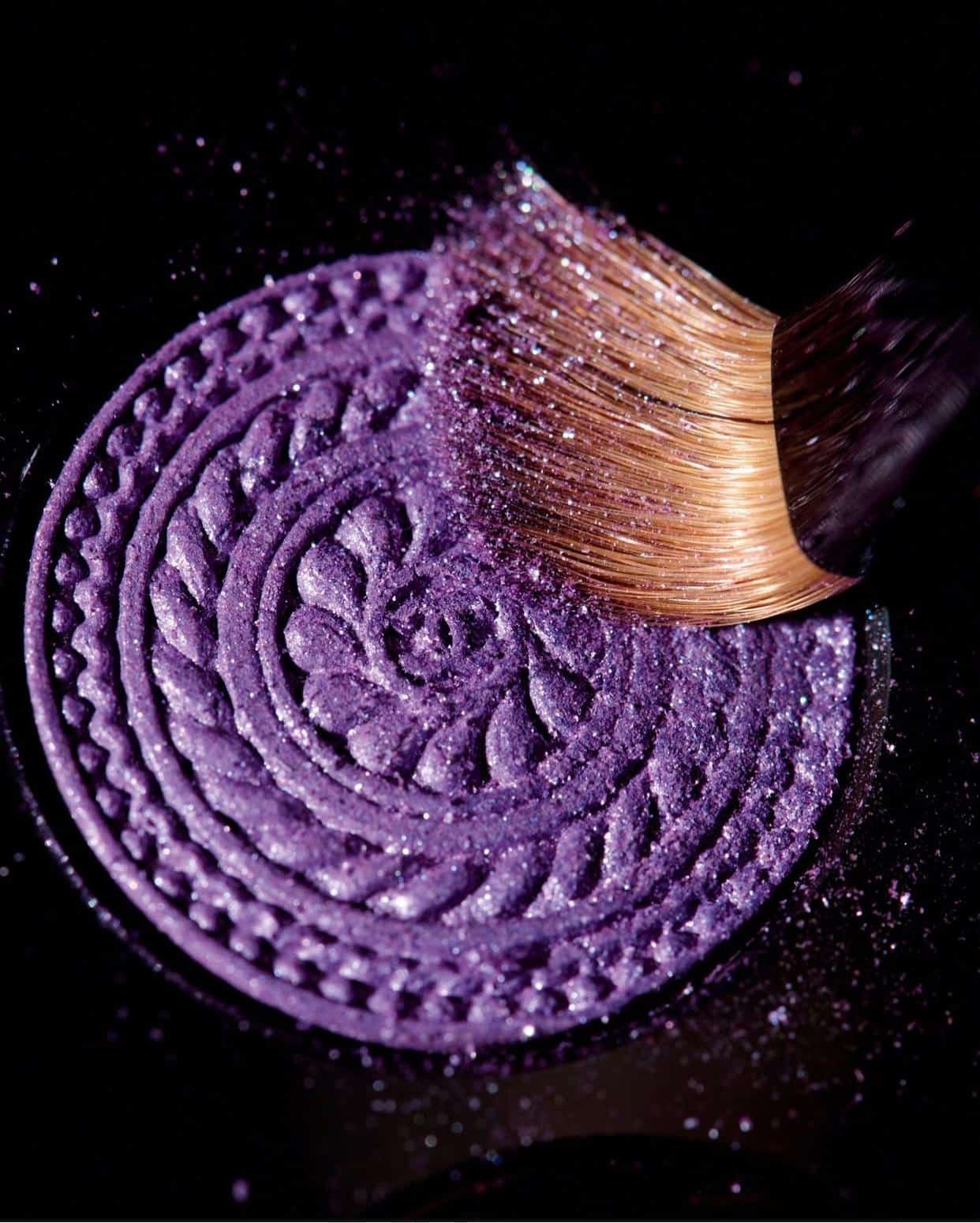
In 2026, Rouge Noir became a full collection — eyes, lips, complexion, nails — developed with Ammy Drammeh, Chanel's global makeup creative partner and a member of the Comètes Collective. Rouge Allure Velvet in Rouge Noir for the first time. Mascara coated in deep garnet. The Rouge Noir Confidence palette exploring the shade's full tonal range — magenta electricity, sienna warmth, pearly rosy-white highlight, mauve softness. A color that spent thirty years as a nail polish revealed, in 2026, to be an entire world.
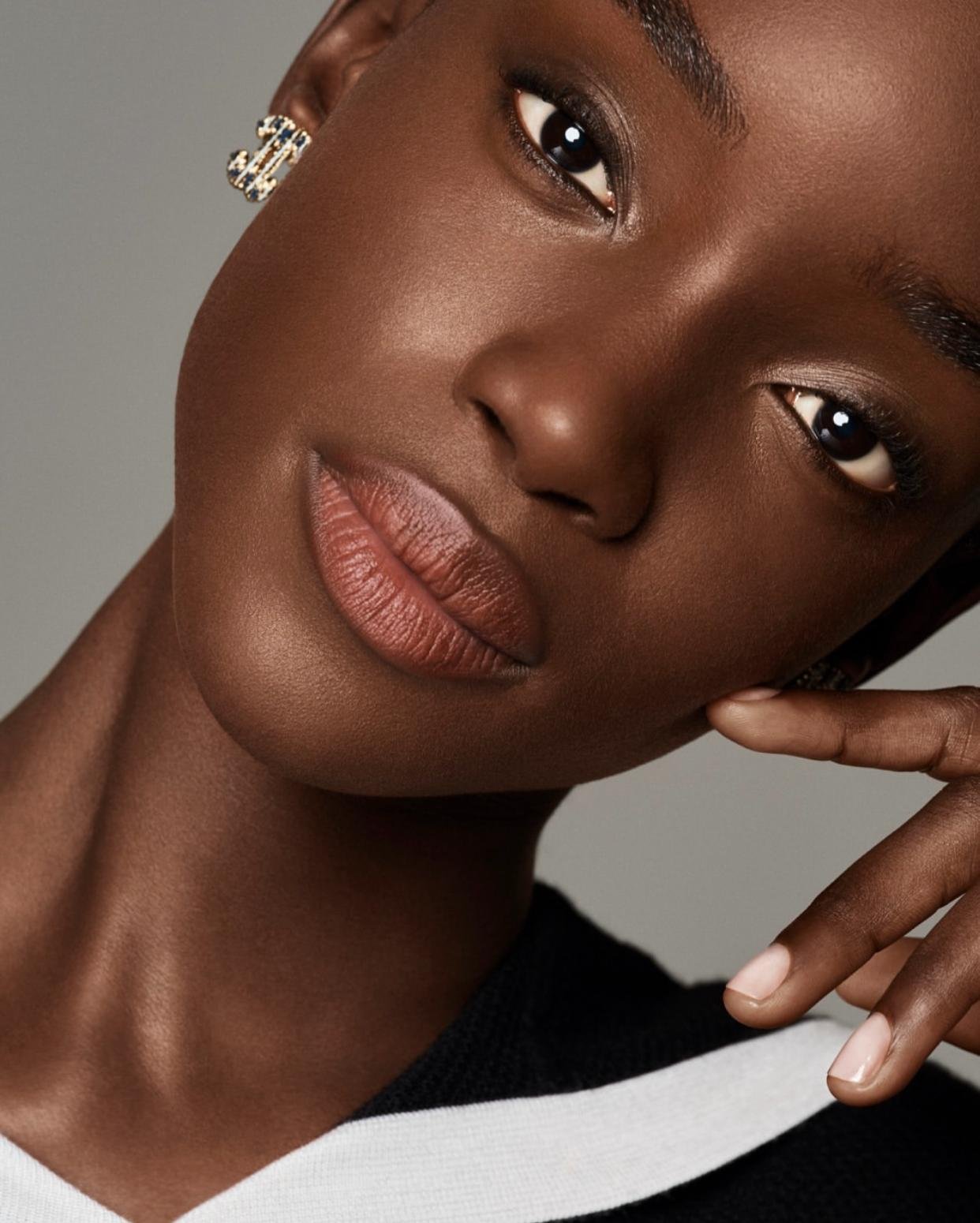
The Chanel lipstick family is one of the most architecturally developed in fine cosmetics — each format a distinct formal proposition about the relationship between color, texture, and finish. Rouge Allure for luminous intensity. Rouge Allure Velvet for the matte precision that reads like couture. Rouge Allure Laque for a lacquered, high-gloss declaration. Rouge Coco for the everyday register — named after Gabrielle Chanel's friends, each shade carrying a name rather than a number. And 31 Le Rouge — named for the address of the house on Rue Cambon — for the most exclusive expression of the lipstick's formal intelligence. The click mechanism that opens certain Rouge Allure cases was designed as an intentional olfactory and auditory signature: the sound of the case closing is as much a part of the product as the color it contains.
Le Vernis — the Chanel nail polish — has been in continuous production since the house's first makeup line in 1924. It was not, however, the product that defined nail color culture. Rouge Noir 397 did that in 1994-1995 — a single shade that brought dark, non-traditional nail color into the mainstream decades before the beauty industry recognized that women might want something other than pale or coral on their fingernails. Every nail polish brand that has operated in the dark-shade segment since 1995 — Urban Decay, Hard Candy, and the hundreds that followed — owes its category existence to the night Heidi Morawetz mixed red polish with black marker ink. Le Vernis continues to launch new shades each season. Rouge Noir 397 has never left the lineup. It has been in production for thirty years. It will not leave.
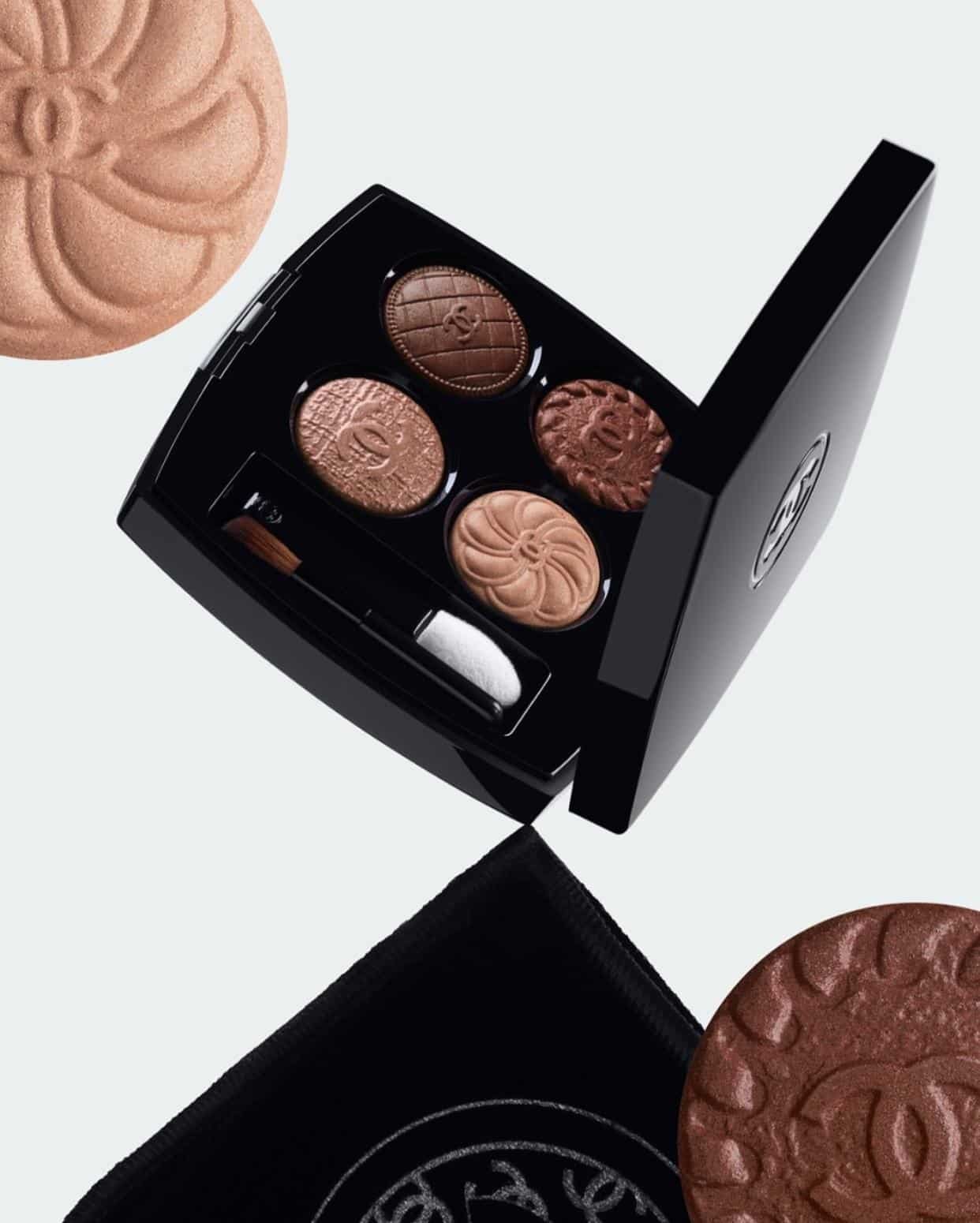
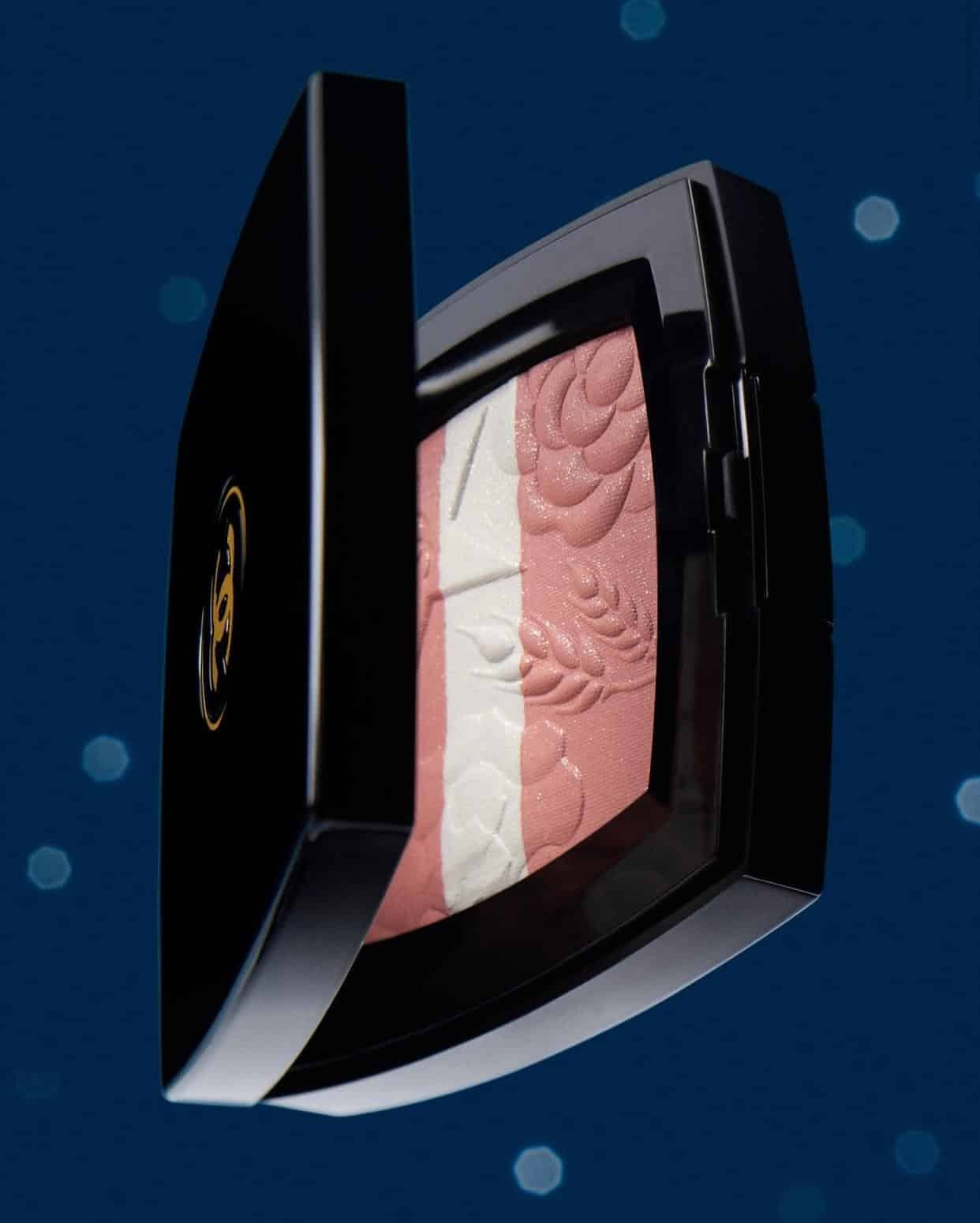
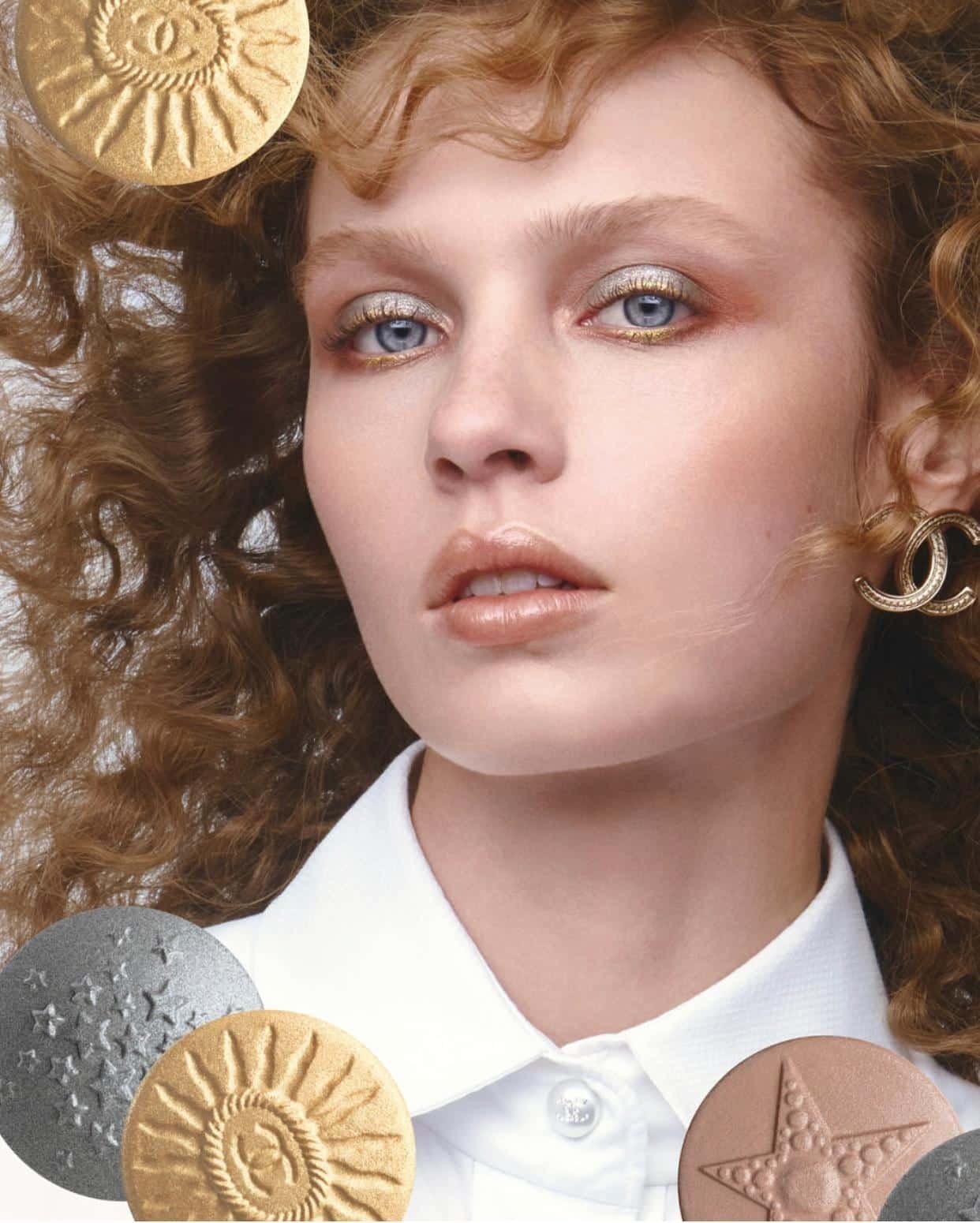
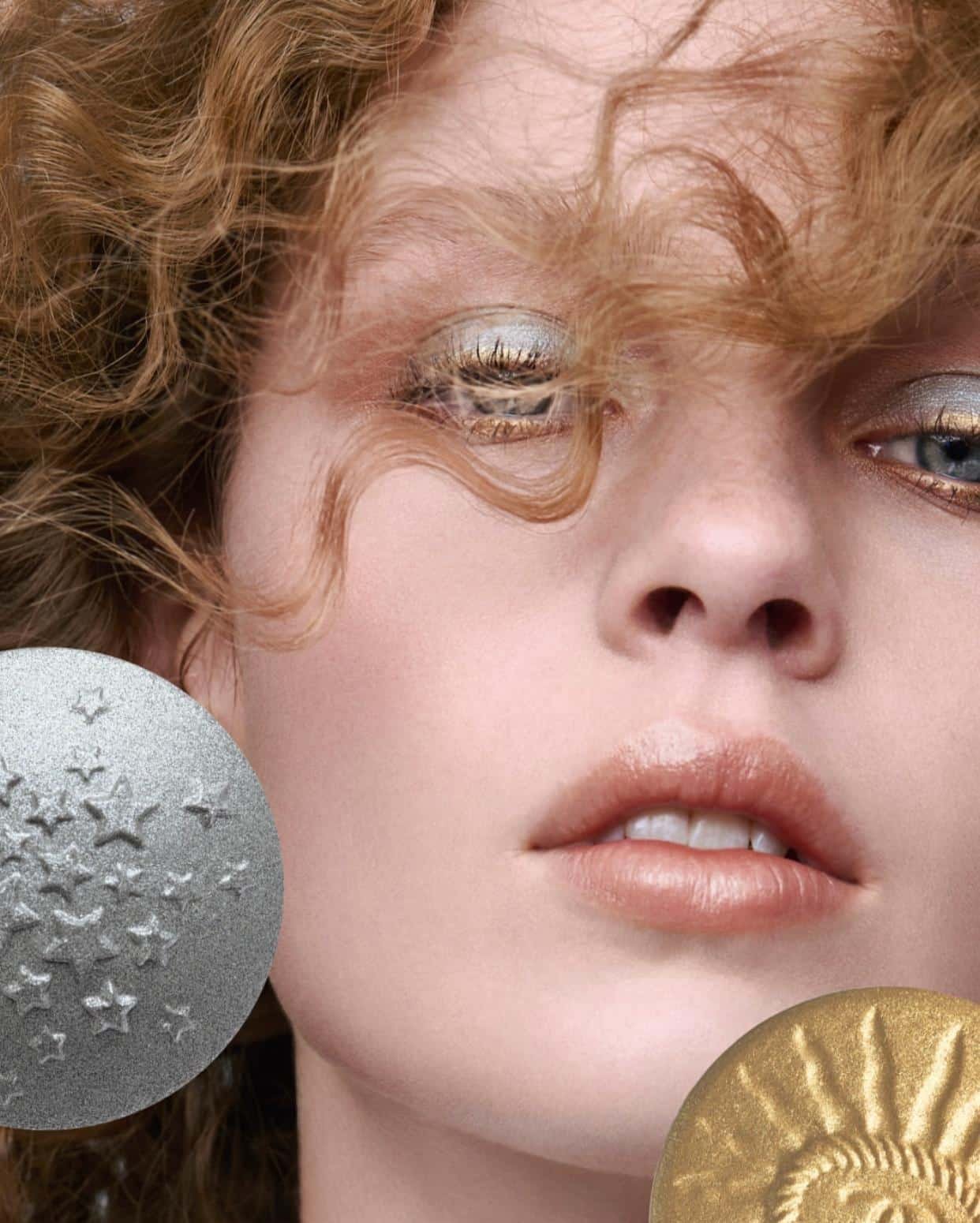
Les Beiges — the beiges — is the collection in which Chanel's five founding colors are reduced to their most intimate expression: the skin itself, radiant and healthy, with makeup as amplification rather than correction. Powder, foundation, blush, bronzer, and eyeshadow are all calibrated toward a single aesthetic — skin that looks like the best version of what it already is. The collection evolves seasonally: summer collections such as Golden Hour 2025 introduce warm bronzes, copper-tinged oranges, and sunset-inspired palettes; winter collections such as Winter Glow introduce cooler roses and mauves. The Les Beiges Healthy Glow Foundation is available in 42 shades. The compact carries the iconic Chanel round-square logo embossed in the powder. The formula is infused with jasmine extract — the house's founding raw material, present in N°5, present in its most essential skincare, now present in its most foundational complexion product.
N°1 de Chanel is the house's most recent beauty category — a collection that refuses the conventional distinction between skincare and makeup, producing formulas in which the boundary between the two dissolves. The red camellia — Gabrielle Chanel's most personal flower — provides the key active ingredient across the line, its extract used for its revitalizing and brightening properties. The Baume Lèvres et Joues — a balm for lips and cheeks simultaneously — is the collection's most conceptually precise piece: a single product that performs multiple functions with the highest possible concentration of beneficial ingredients, in packaging designed for recyclability and refill. N°1 de Chanel is the house's argument that luxury beauty and environmental responsibility are not contradictory propositions.
Noir Allure — the house's mascara — extends the click mechanism signature of the Rouge Allure case into the eye category: the sound of the case, the lacquered finish of the tube, the formal precision of a product designed not merely to perform but to be held and experienced as an object in its own right. Noir Allure coats lashes in deep black with the formula calibrated for volume and definition simultaneously. In 2026, for the Rouge Noir collection, the formula appeared for the first time in a deep garnet shade — the mascara that matches the nail, the lip, and the eye in a single coherent tonal statement. An entire monochromatic beauty identity built from one shade, mixed in a kitchen in 1994, that has still not exhausted its possibilities.
The Comètes Collective — named for the comet, Gabrielle Chanel's celestial symbol — is the network of international makeup artists who serve as Chanel's global makeup creative partners, bringing external creative perspectives into seasonal collaboration with the Makeup Creation Studio. Ammy Drammeh directed the Rouge Noir 2026 collection, building the full tonal universe of a shade that had spent thirty years on fingernails alone. Valentina Li created the Les Beiges Summer 2025 Golden Hour collection, drawing from the quality of light at the moment the sun touches the horizon. Each member of the Collective brings a distinct creative language to the house's codes — not replacing them but expanding what those codes can say, season by season, shade by shade.
Gabrielle Chanel described Rouge Noir in Vogue in 1926:
"Next to black and white comes red —
the garnet shade, like the inside of a black cherry."
She was describing the color of the 2.55 lining.
Sixty-eight years later, Heidi Morawetz mixed
red polish and black marker ink in a kitchen
and created the same shade from memory.
Some colors are inevitable.
Chanel makeup has operated within five colors since 1924: red, white, black, gold, and beige. Every collection — from the most seasonal limited edition to the most enduring permanent formula — finds its place within this pentagon. The red of Rouge Allure and Rouge Noir. The white of Les Beiges at its most luminous, of the pearly highlighter in the Rouge Noir Confidence palette. The black of Noir Allure and of the five-color code itself. The gold of the Les Beiges Golden Hour palettes, of the Healthy Glow compacts and their embossed camellia, of the autumn collections that bring the warmth of evening light to skin. And the beige — the color that is not a color, that is the skin itself at its most idealized, that is the Chanel suit, the powder compact, the Les Beiges foundation shade that disappears into skin while making it better. Five colors, a hundred years, a thousand formulas. The house has not needed more than this to say everything it has to say.
15 East 57th Street · The Chanel Boutique · New York · The Full Beauty Experience
The Chanel beauty range is presented at the 15 East 57th Street boutique — fragrance, skincare, and the full makeup collection including seasonal collections, permanent lines, and limited editions. Personalized fifteen-minute makeup services are offered complimentary at the boutique — the Chanel makeup look, taught by trained makeup artists, applied with the house's brushes and formulas on the client's own skin. New York has a particular relationship with Chanel beauty: it was in New York that the waiting list for Rouge Noir formed in 1995, at Barneys, before the product even officially launched. It was in New York that Madonna called to demand her supply the morning after the show. It is in New York — a city whose appetite for beauty that is simultaneously practical and extraordinary aligns directly with what the house has always produced — that Chanel beauty remains most immediately understood.
15 East 57th Street · New York, NY 10022
Rouge Allure · Rouge Allure Velvet · Rouge Coco · 31 Le Rouge
Le Vernis · Rouge Noir 397 · Les Beiges · Noir Allure
N°1 de Chanel · Rouge Noir Collection 2026 · Les Beiges Golden Hour 2025
Comètes Collective · Chanel Makeup Creation Studio
First makeup line 1924 · chanel.com/us/makeup
Dominique Moncourtois and Heidi Morawetz
mixed red polish with black marker ink in a kitchen
the night before a show in 1994.
The next morning, Madonna called Paris.
In 1995, the queue outside Barneys
wrapped around the block.
Gabrielle Chanel had described the color in 1926.
It took sixty-eight years
to find its formula.
Thirty more to become a full collection.
Some colors are never finished.
© Chanel Beauty
© Chanel Beauty

© Chanel Beauty
© Chanel Beauty
© Chanel Beauty
© Chanel Beauty

© Chanel Beauty

© Chanel Beauty

© Chanel Beauty
© Chanel Beauty

© Chanel Beauty

© Chanel Beauty
© Chanel Beauty
© Chanel Beauty
© Chanel Beauty
© Chanel Beauty
© Chanel Beauty
© Chanel Beauty
CHANEL
© Chanel Beauty