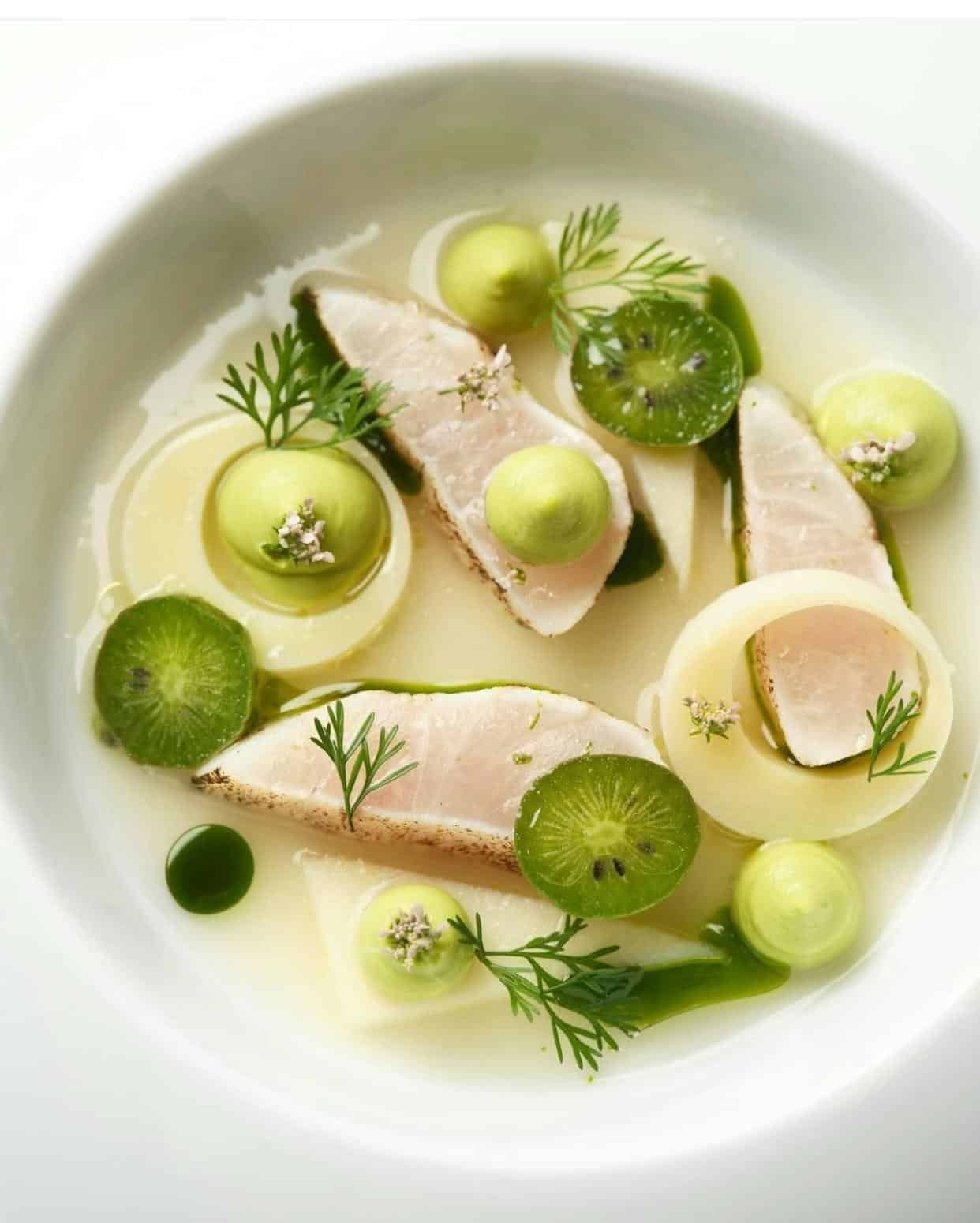
© Per Se
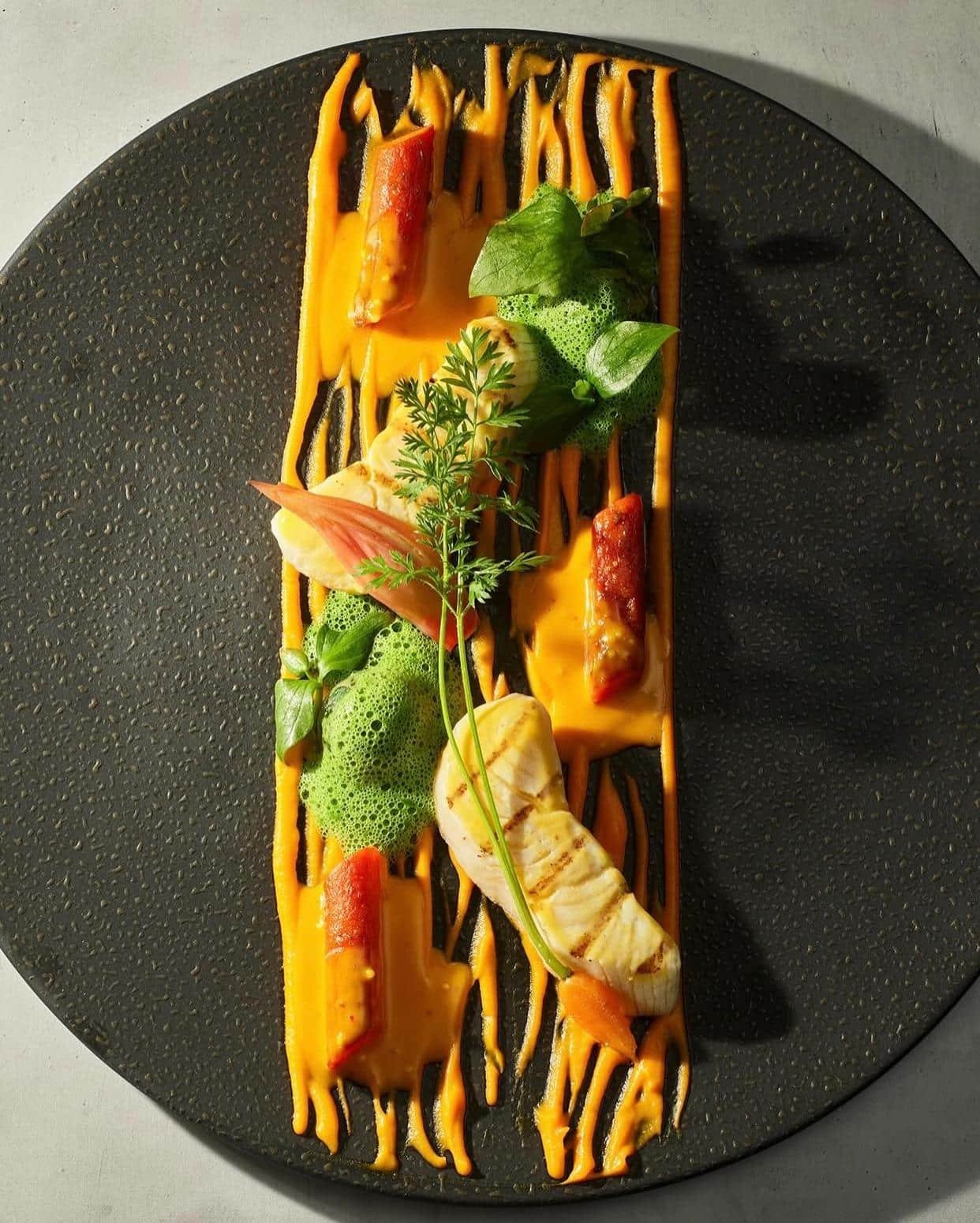
© Daniel
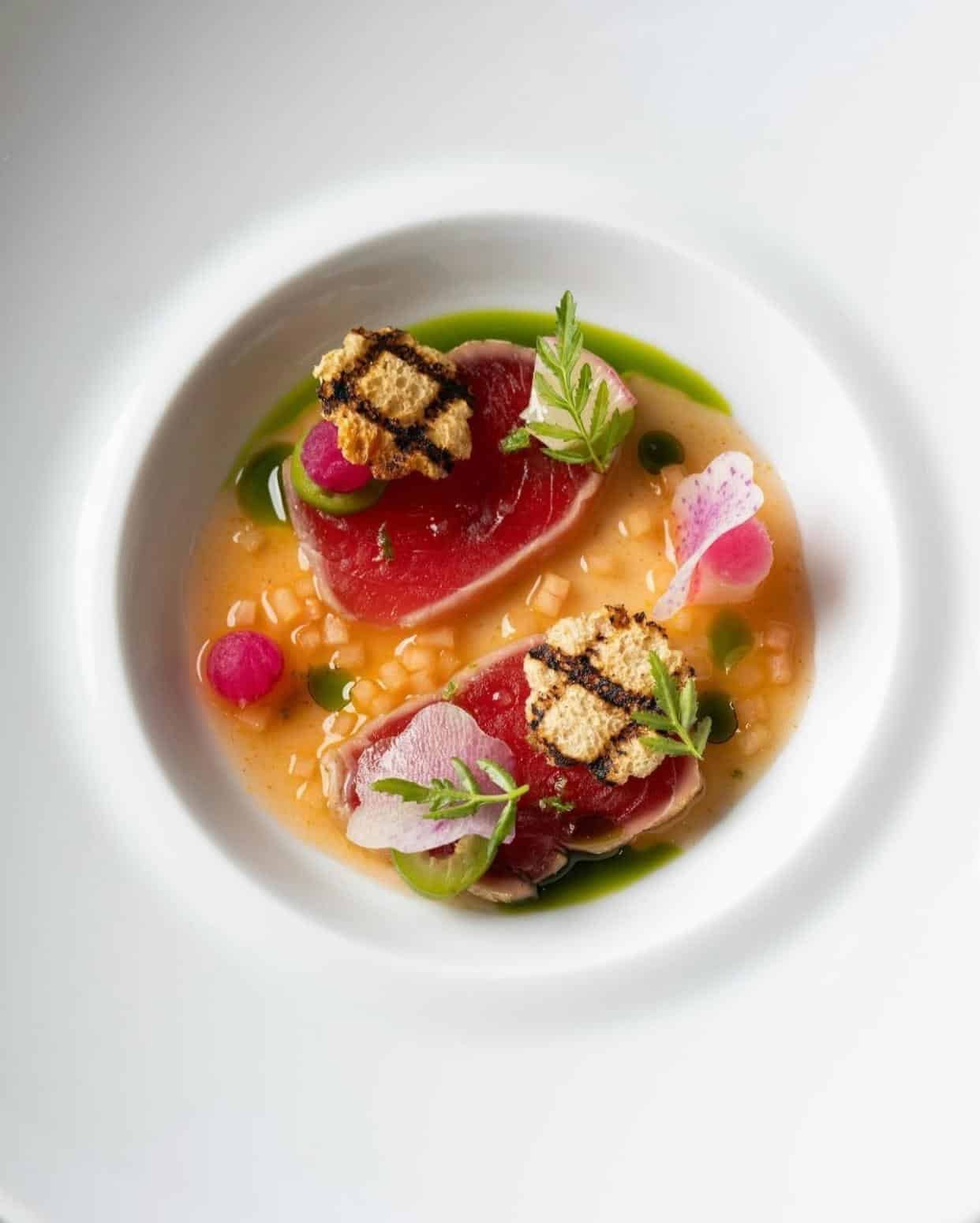
© Per Se
Luxury Restaurants
New York
In 1837, two Swiss brothers named Giovanni and Pietro Delmonico spent their savings in gold coins and opened a dining room at the corner of Beaver and William Streets in Lower Manhattan. Before that morning, New York had no restaurant — only inns and taverns where guests ate what was available, at a fixed price, at hours set by the establishment. The Delmonico brothers introduced the printed menu, the à la carte selection, the private dining room, the wine cellar, and the professional kitchen. They invented the restaurant. Everything that followed — the Michelin stars, the tasting menus, the chef as cultural figure — follows from that corner in the Financial District in 1837.
Delmonico's · 1837 · The Invention Of Dining Out
The Delmonico brothers were not satisfied with the produce available in New York markets. In 1834, three years before opening their restaurant, they purchased a 220-acre farm in Williamsburg, Brooklyn — then a separate village — and began cultivating vegetables unknown to Americans: endives, sorrel, asparagus, eggplant. The first farm-to-table restaurant in America predates the concept by a hundred and fifty years. Their chef Charles Ranhofer, who ran the kitchen from 1862 for over three decades, invented eggs Benedict, Baked Alaska, Lobster Newburg, and the Delmonico steak — a cut so definitively prepared at this address that it gave its name to what the rest of the country calls the New York strip. Six American presidents dined at Delmonico's. Mark Twain celebrated his seventieth birthday there. The restaurant's name became so synonymous with quality that copycat establishments opened across the country, none of which had any connection to the original. Delmonico's closed in 1923 under Prohibition, was purchased and revived in 1926 by Tuscan immigrant Oscar Tucci, and continues to operate at 56 Beaver Street — the same triangular plot at the corner of Beaver and William where it began. The farm in Williamsburg is now a neighborhood. The eggs Benedict is still on the menu.
The Michelin Standard · The Three-Star City · New York As Culinary Capital
New York received its first Michelin Guide in 2006 — the first American city to be included. The 2025 guide awarded five three-star restaurants, the guide's highest recognition given to establishments offering cuisine worth a special journey. Le Bernardin, Eric Ripert's French seafood restaurant on West 51st Street, has held three Michelin stars for twenty consecutive years and received a score of 99.5 from La Liste — the highest rating of any New York restaurant in the global ranking and among the highest in the world. Eleven Madison Park, Daniel Humm's plant-forward tasting restaurant on Madison Square Park, holds three stars and defines a specific category of New York luxury dining: the long table, the theatrical service, the meal as the entire evening. Per Se, Thomas Keller's Columbus Circle restaurant overlooking Central Park, applies the same rigorous French technique Keller established at The French Laundry in California to a nine-course menu in a room of precise, unshowy luxury. Masa, the Japanese omakase counter at the Time Warner Center, is the most expensive restaurant in New York — a meal that begins with the understanding that the chef determines what will be served and when, and the guest's role is to attend fully. Sushi Sho earned its third star in 2025, joining a constellation that places New York among the four or five cities in the world where the highest level of the table is genuinely, consistently available.
Le Bernardin opened in Paris in 1972, founded by Gilbert and Maguy Le Coze, and transferred to New York in 1986 — a decision that embedded a French institution permanently in the American culinary imagination. Eric Ripert took the kitchen in 1994 after Gilbert Le Coze's sudden death and has not left. The restaurant's premise is absolute and has never changed: the fish is the primary material, the chef's technique its most respectful possible treatment, and nothing on the plate exists to distract from the quality of what was in the water. The menu divides into "almost raw," "barely touched," and "lightly cooked" — three positions on a continuum of restraint that requires the ingredient to be perfect because there is nowhere for imperfection to hide. The wine list, curated by master sommelier Aldo Sohm, is one of the most precisely assembled in New York. The service is among the most rigorous. Twenty consecutive years at three Michelin stars is a record that very few restaurants anywhere in the world have approached. Le Bernardin approaches it the same way every evening: with complete seriousness, and without apparent effort.
Eleven Madison Park occupies the ground floor of the Metropolitan Life North Building, a 1930 Art Deco tower whose dining room — thirty-foot ceilings, marble floors, arched windows facing Madison Square Park — is the grandest physical context for a restaurant meal in New York. Daniel Humm, who took the kitchen in 2006 and subsequently became co-owner, relaunched the restaurant in 2021 with an entirely plant-forward tasting menu: a position that was commercially risky, philosophically consistent, and ultimately correct — three Michelin stars maintained through the transition. The meal at Eleven Madison Park is not primarily about food. It is about the complete architecture of an evening: the sequence, the pacing, the moments of surprise within a structure of total control. Tableside preparations, unexpected ingredients presented in unexpected contexts, service that is warm where Per Se is precise and playful where Le Bernardin is grave. For a certain category of New York diner — and New York produces that category in density — Eleven Madison Park is the table that defines what a special occasion means.
Daniel Boulud opened his flagship restaurant in 1993 on East 65th Street, in a room whose proportions — high ceilings, banquettes, floral arrangements of a scale that requires maintenance as a full-time operation — signal immediately that the meal is a formal occasion. The cuisine is classically French, deployed with the intelligence of a chef who trained under Roger Vergé and Michel Guérard and understands that classical technique is not a constraint but a foundation: the thing that makes departure meaningful. La Liste's score of 98.5 places Daniel second among New York restaurants globally and in the company of the twenty or thirty best tables in the world. The Upper East Side address is not incidental: Daniel's clientele includes the residents of the buildings that line Park Avenue and Fifth Avenue in the sixties and seventies, for whom a meal at Daniel is the local restaurant at its finest expression — the neighborhood table that happens to be one of the most technically accomplished dining rooms on earth.
Per Se opened in 2004 as Thomas Keller's New York extension of The French Laundry — a decision that required transplanting not a menu but a philosophy, a set of standards, and a culture of precision that the restaurant has maintained for over twenty years. The dining room at the Time Warner Center occupies a position above Columbus Circle that gives every table a view of Central Park — a physical gift that the room's design refuses to exploit for its own sake, keeping the interior quiet and undemonstrative so that the view is available without demanding attention. The tasting menu runs to nine courses in the chef's sequence, each component sourced and prepared at the level of exactness that Keller has made his signature. The butter is house-made. The bread service is its own statement of intent. The courses arrive at intervals calibrated to sustain attention without demanding it. Per Se is the least theatrical of New York's three-star restaurants — the most committed to the idea that excellence announces itself through the experience rather than the presentation of the experience.
Below the three-star constellation, New York operates a second tier of world-class dining that in any other city would represent the summit. Atomix, the modern Korean tasting restaurant tucked inside the entry of a walk-up apartment building on the border of NoMad and Murray Hill, scored 96 on La Liste's global ranking and operates with the kind of focused, quiet precision that makes the contrast between the building's exterior and the experience inside a deliberate artistic choice. Jean-Georges, Jean-Georges Vongerichten's flagship at the Trump International Hotel — a partnership that the chef's culinary achievement renders irrelevant as a fact — holds two stars and a score of 95, its fusion of French technique with Asian influence having defined a category of New York luxury dining since 1997. Gabriel Kreuther, the Alsatian chef's eponymous restaurant near Bryant Park, applies a European seriousness to American ingredients with results — a score of 93 globally — that confirm the depth of New York's position in the world's culinary hierarchy.
New York's luxury restaurant landscape is not static — it is the most dynamic major dining city in the world, producing new addresses every year that arrive with the ambition and the execution to enter the conversation at the highest level immediately. Tatiana by Kwame Onwuachi, which opened in 2022 at Lincoln Center with a tasting menu rooted in Afro-Caribbean culinary traditions, scored 92 on La Liste — higher than several Michelin-starred restaurants — without holding a Michelin star itself, which is the most precise possible demonstration of the limitations of any single rating system when applied to a city whose dining culture exceeds the vocabulary available to describe it. The Gloss New York restaurant selection covers the addresses where the meal is an event in its own right — where the kitchen's ambition, the room's physical intelligence, and the service's care combine to produce an experience that belongs to the category of the city's finest things, alongside its hotels, its jewelry, and its watches. The standard is that of the table itself: not what the guide says, but what the evening becomes.
In 1834, before they had even opened,
the Delmonico brothers bought a farm in Brooklyn
to grow vegetables
no American had tasted.
In 1837 they opened the first restaurant
in the United States —
the first printed menu,
the first à la carte selection,
the first private dining room,
the first wine cellar.
They invented dining out.
One hundred and eighty-eight years later,
Le Bernardin holds three Michelin stars
for the twentieth consecutive year
and scores 99.5 on the global ranking.
New York has not stopped
taking the table seriously
since that morning in 1837.
New York is not a cuisine city in the way that Paris or Tokyo is a cuisine city. It does not have a single culinary tradition that defines it — no bouillabaisse, no ramen, no specific technique that the city owns exclusively. What New York has instead is the condition that produces great restaurants: the density of serious, demanding, internationally experienced diners who arrive at a table already knowing what excellence looks like and with no patience for the approximation of it. This condition is more exacting than any local tradition because it applies simultaneously to French, Japanese, Korean, Italian, and every other culinary vocabulary the city's restaurants have imported and made their own. Le Bernardin is a French restaurant that is better than most French restaurants in France, not because Eric Ripert is more talented than chefs in Paris — the comparison is not meaningful — but because New York's dining public has been demanding precisely that standard for twenty years and the restaurant has met it every evening. Eleven Madison Park is a plant-forward restaurant that operates at a level of ambition that plant-forward restaurants elsewhere in the world have not approached, for the same reason. The city produces the standard. The restaurants rise to it. That is the New York culinary dynamic, and it has been operating since two Swiss brothers spent their gold coins on a farm in Williamsburg to grow vegetables that no one in America had eaten yet.
Two brothers spent their savings in gold coins
and bought a farm in Brooklyn
before they opened the restaurant.
They grew what no American had tasted.
They printed the first menu.
They set the first table.
One hundred and eighty-eight years later
the eggs Benedict are still on the menu
at the corner of Beaver and William
and Le Bernardin holds three stars
for the twentieth year in a row.
New York did not inherit its restaurants.
It built them, course by course,
from a plot of land in Williamsburg
and a room that understood
what a meal was for.
ELEVEN MADISON PARK
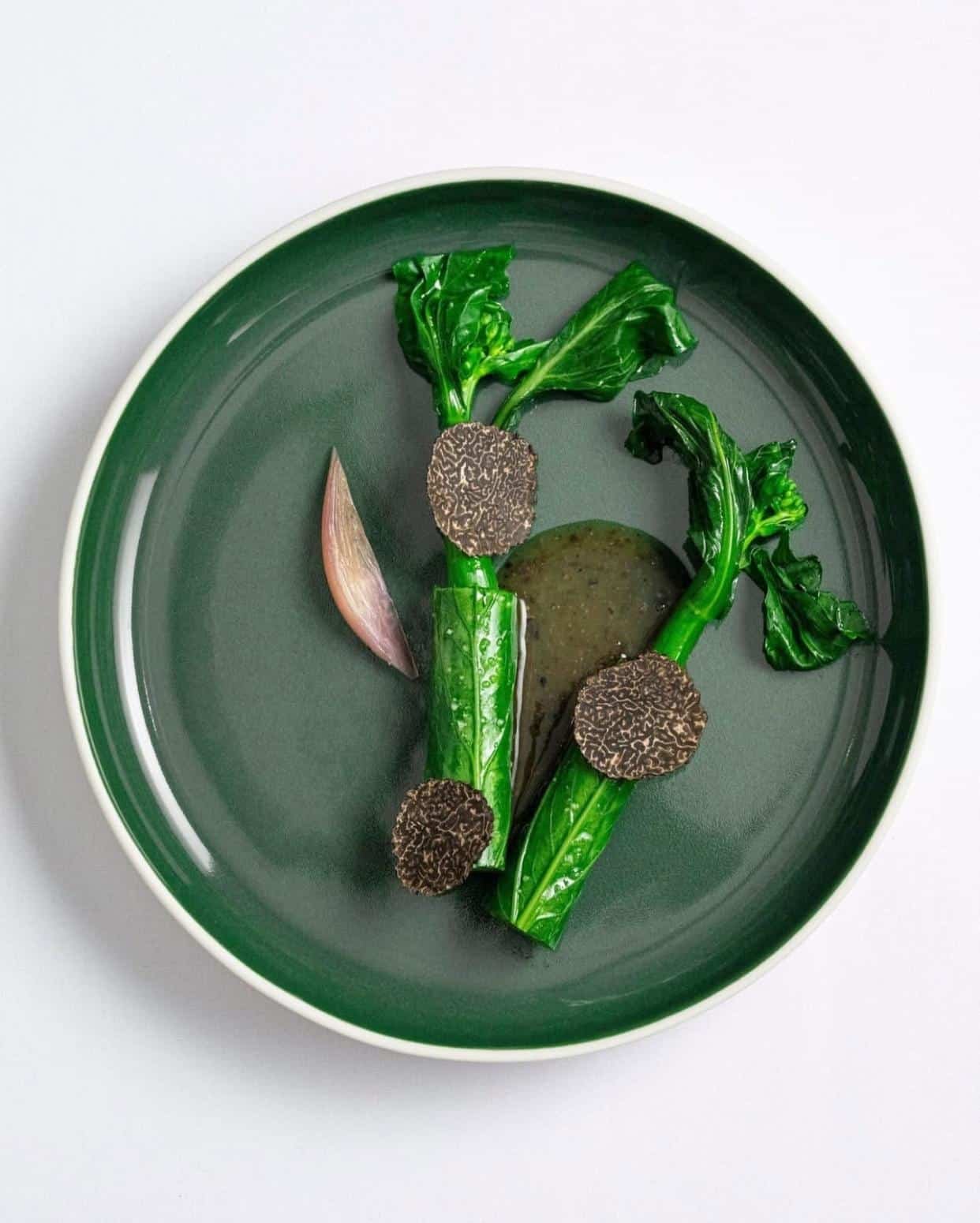
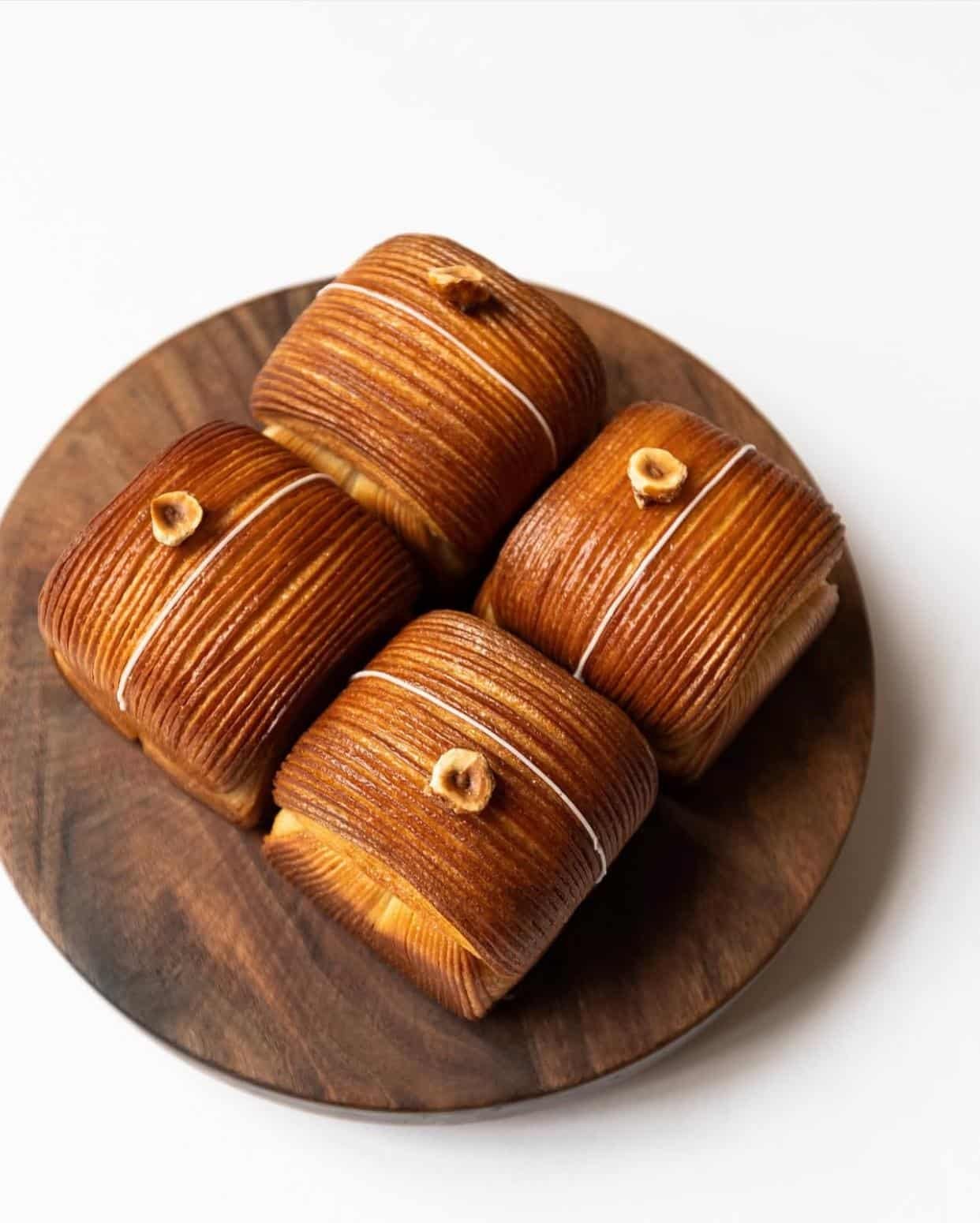
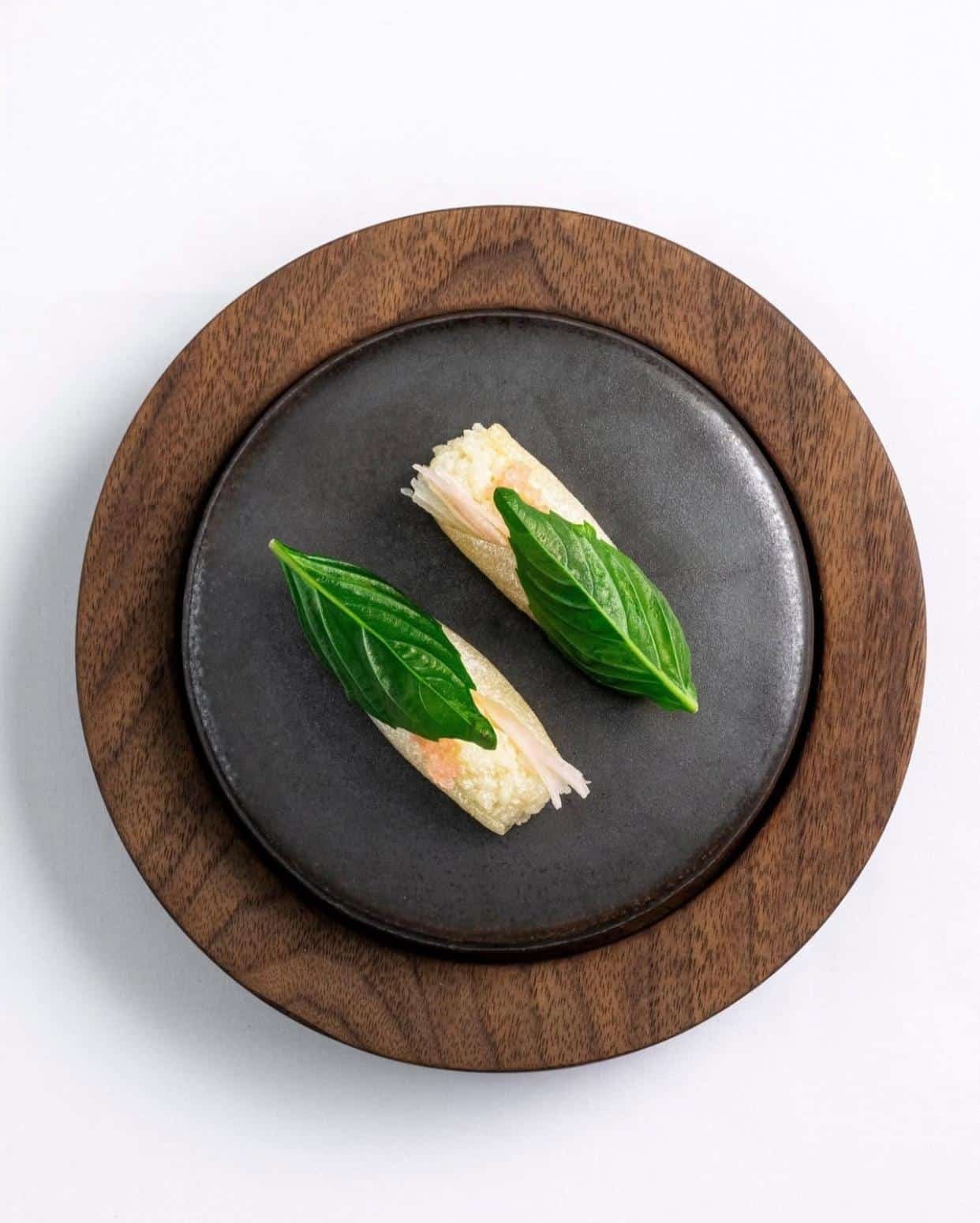
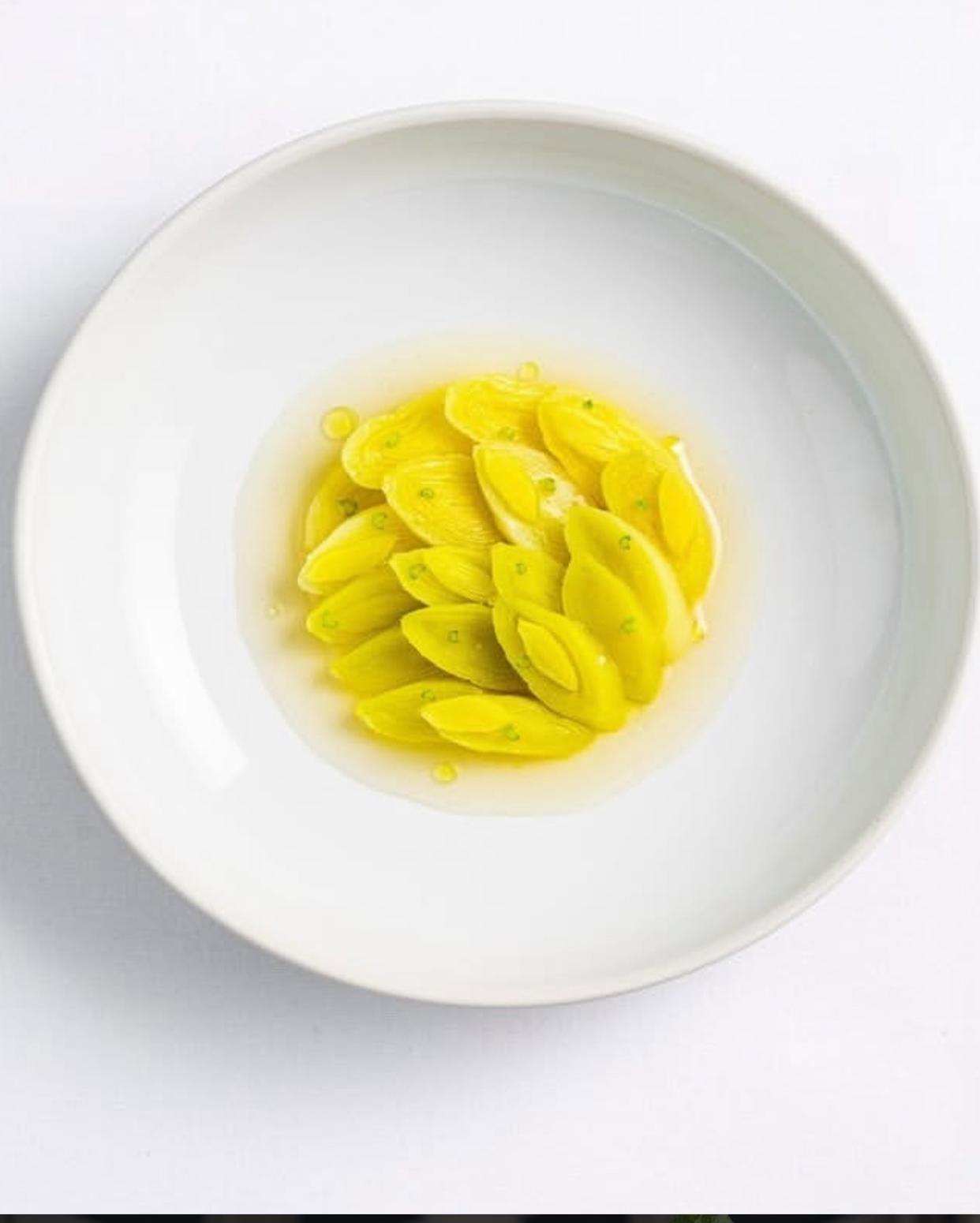
© Eleven Madison Park
DANIEL
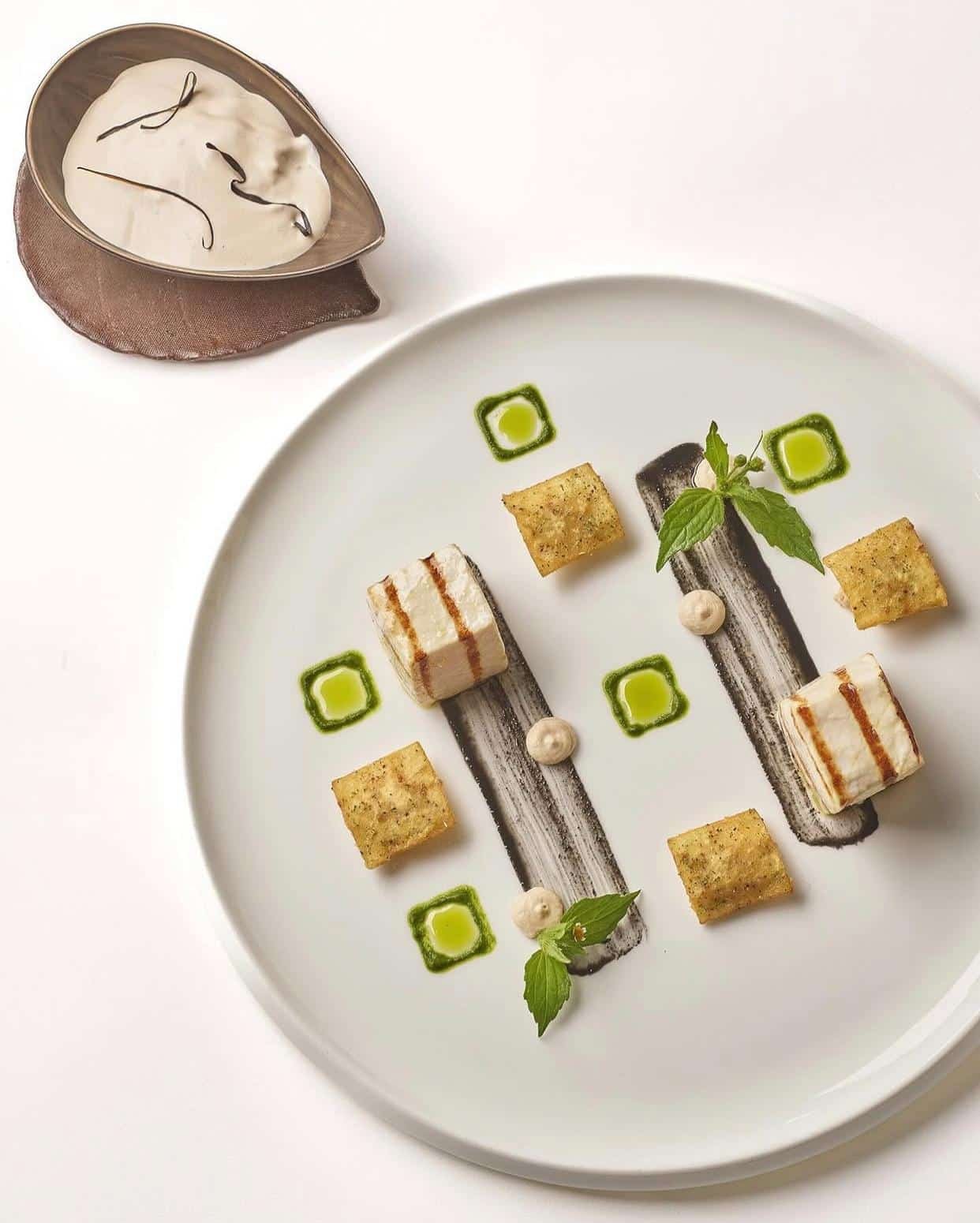
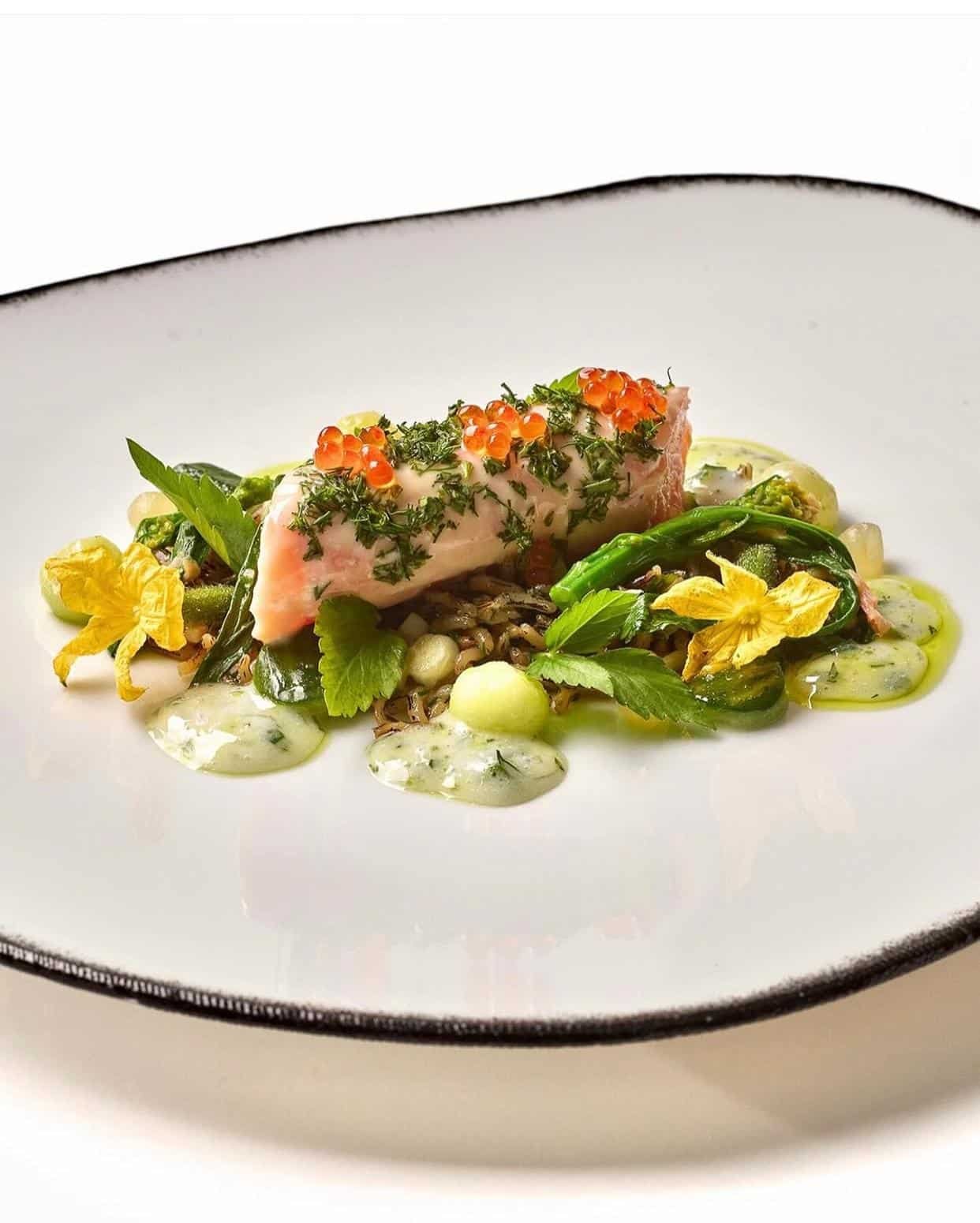
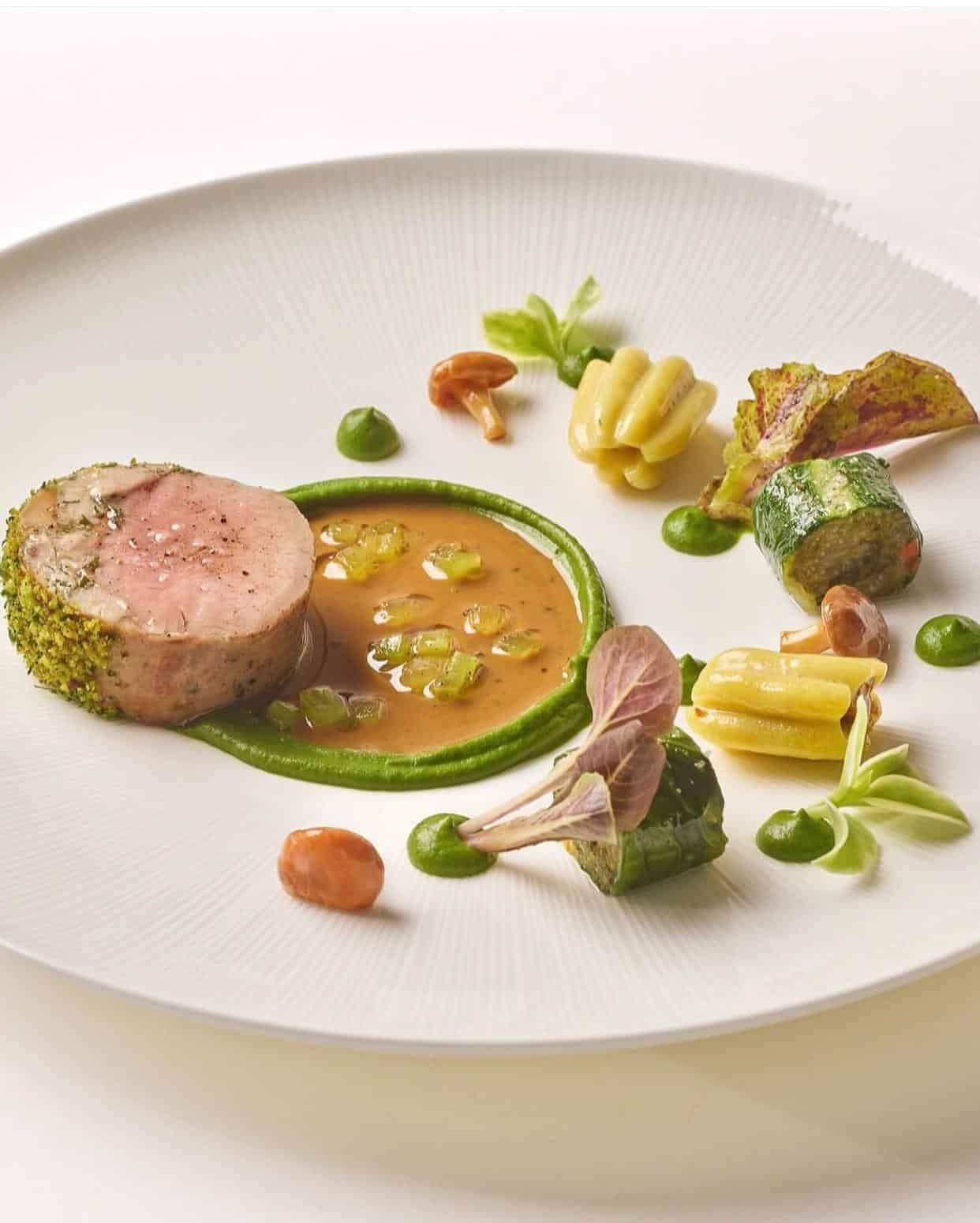
© Daniel
JEAN-GEORGES
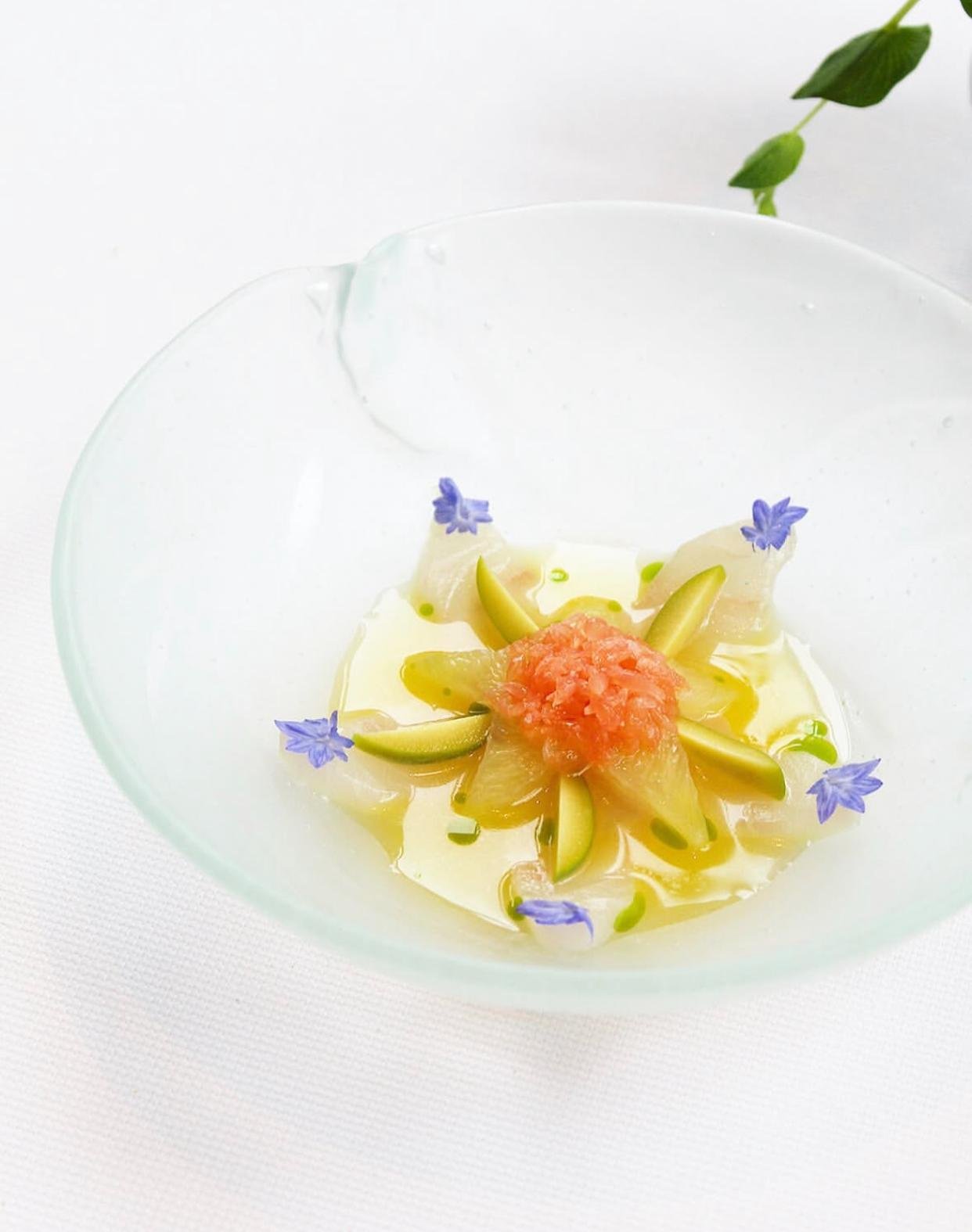
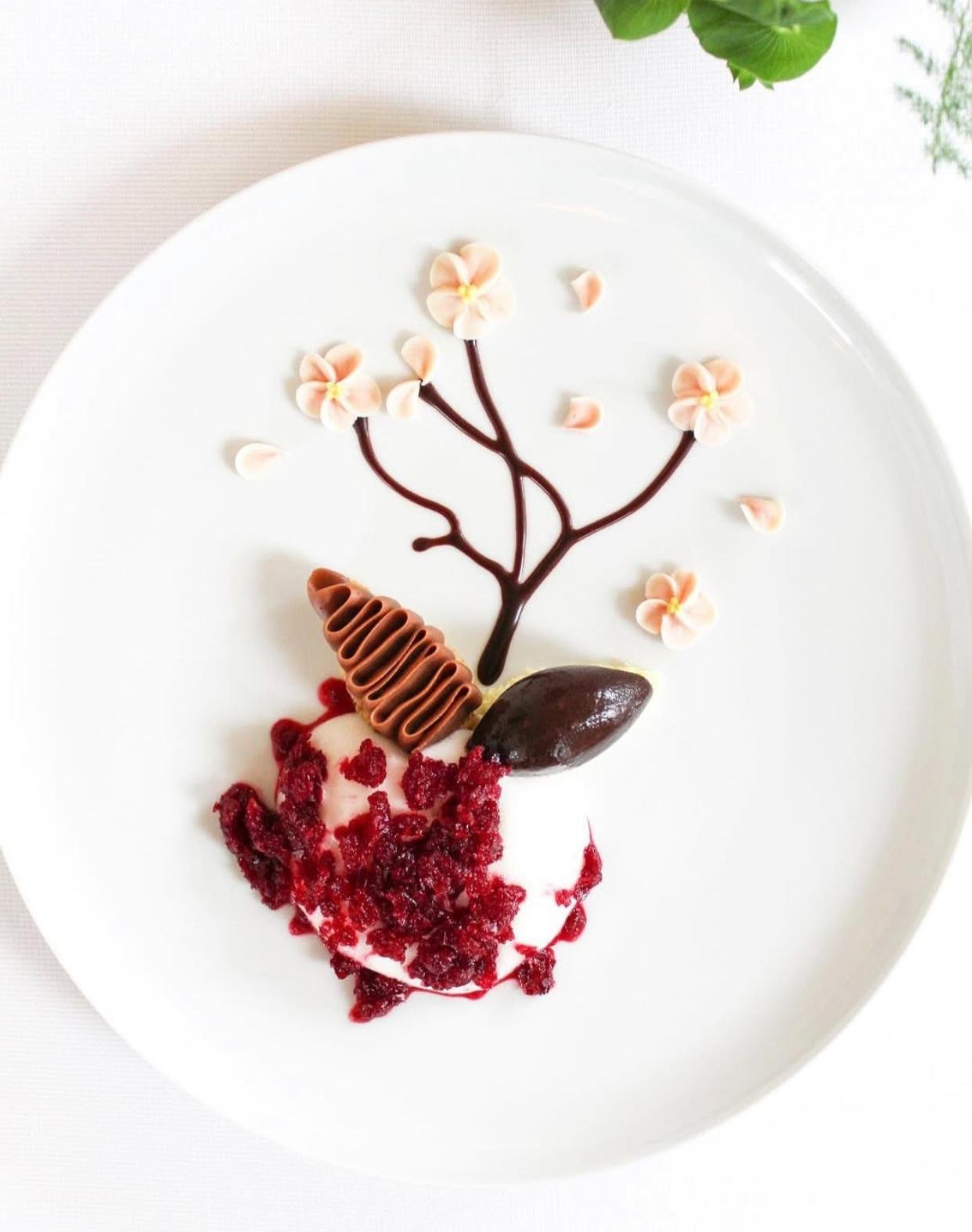
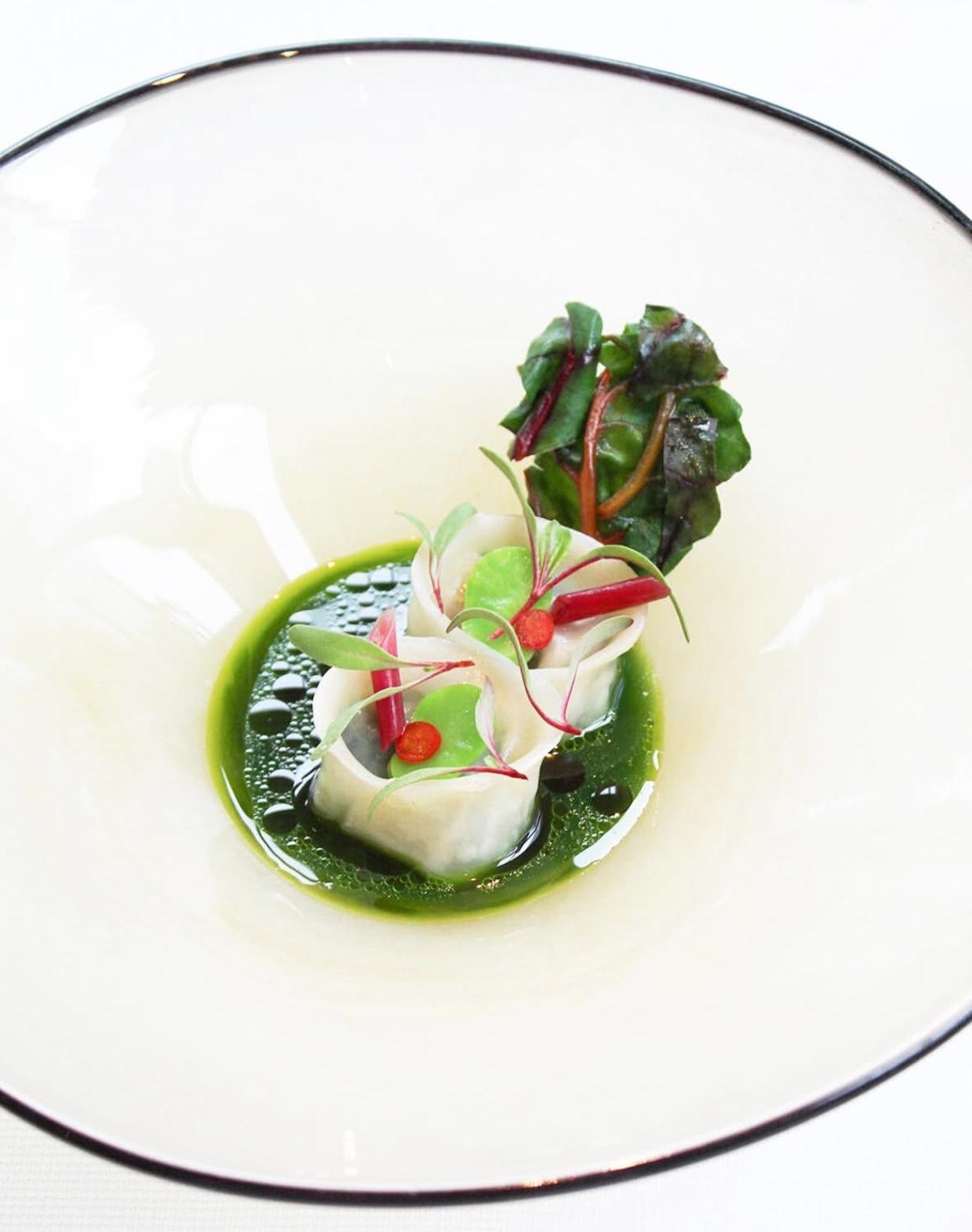
© Jean-Georges
L’ABEILLE
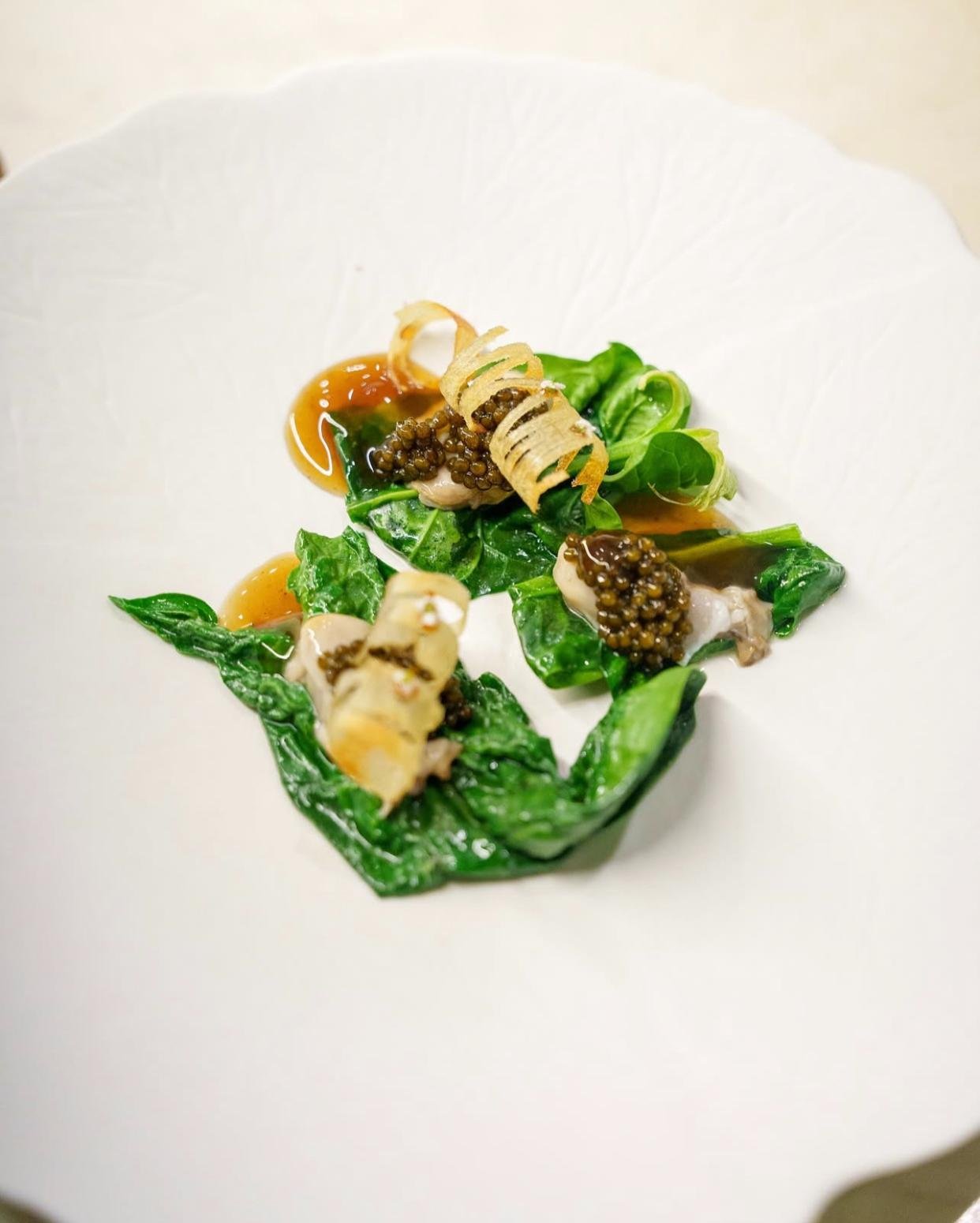
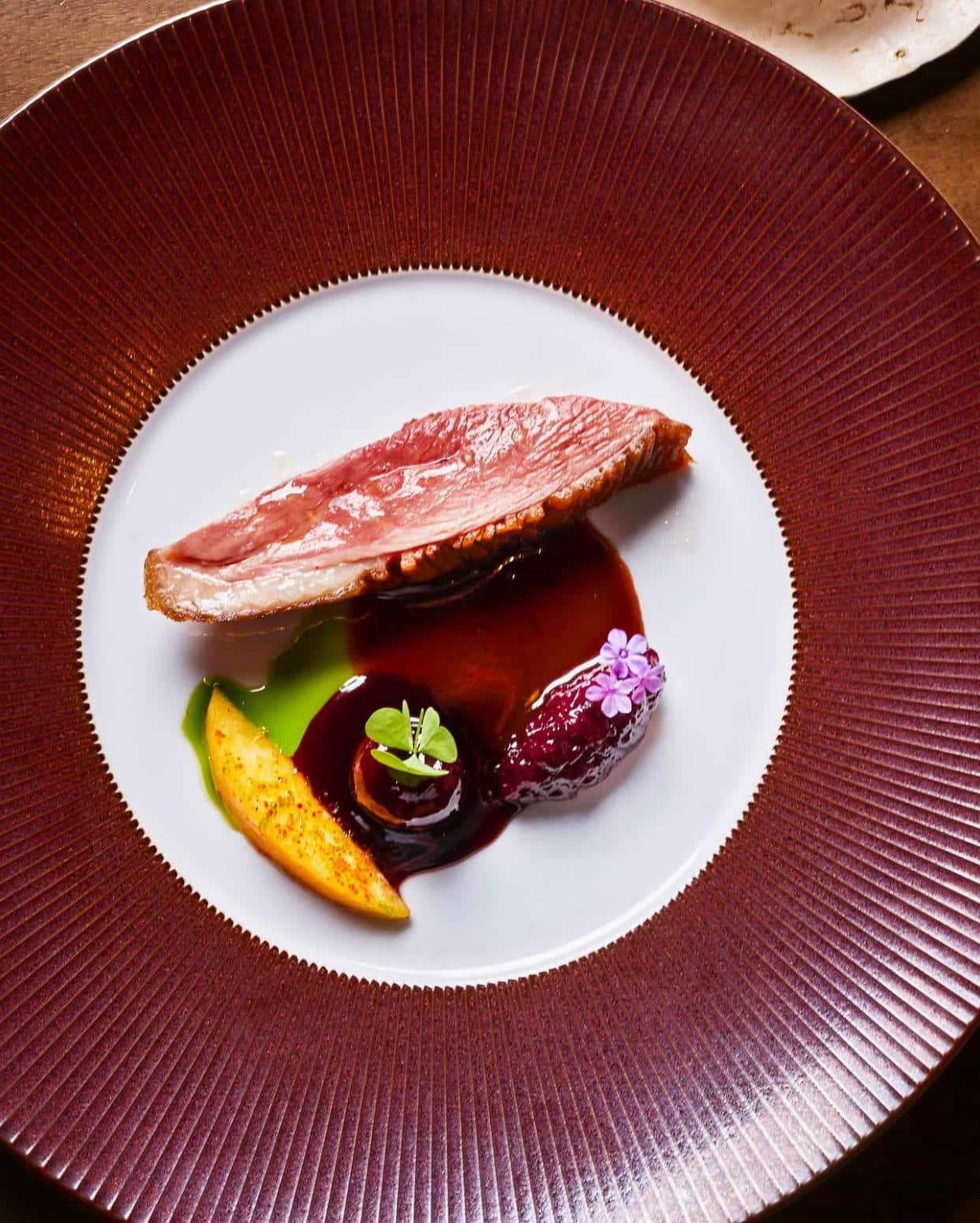
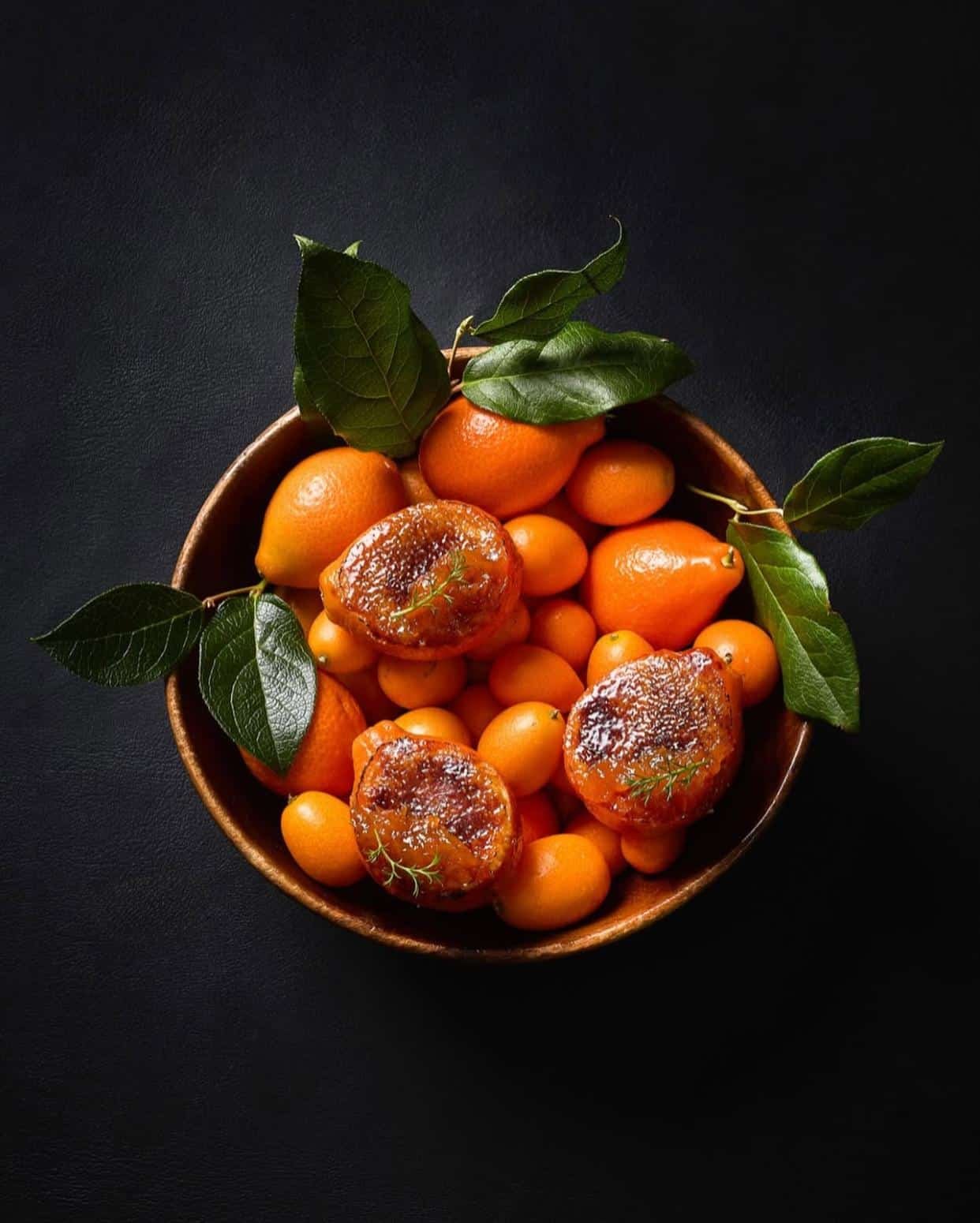
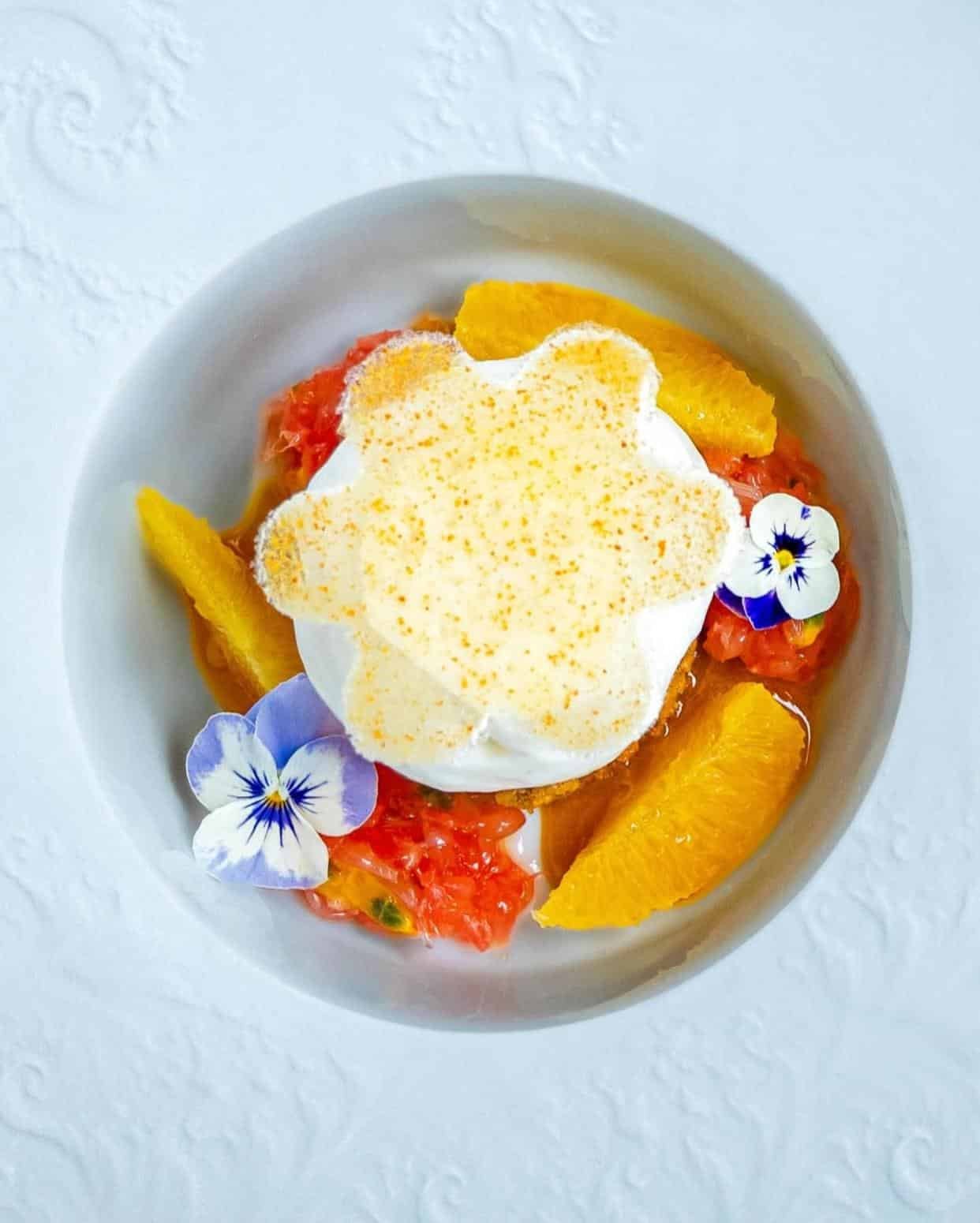
© L’Abeille
Per Se
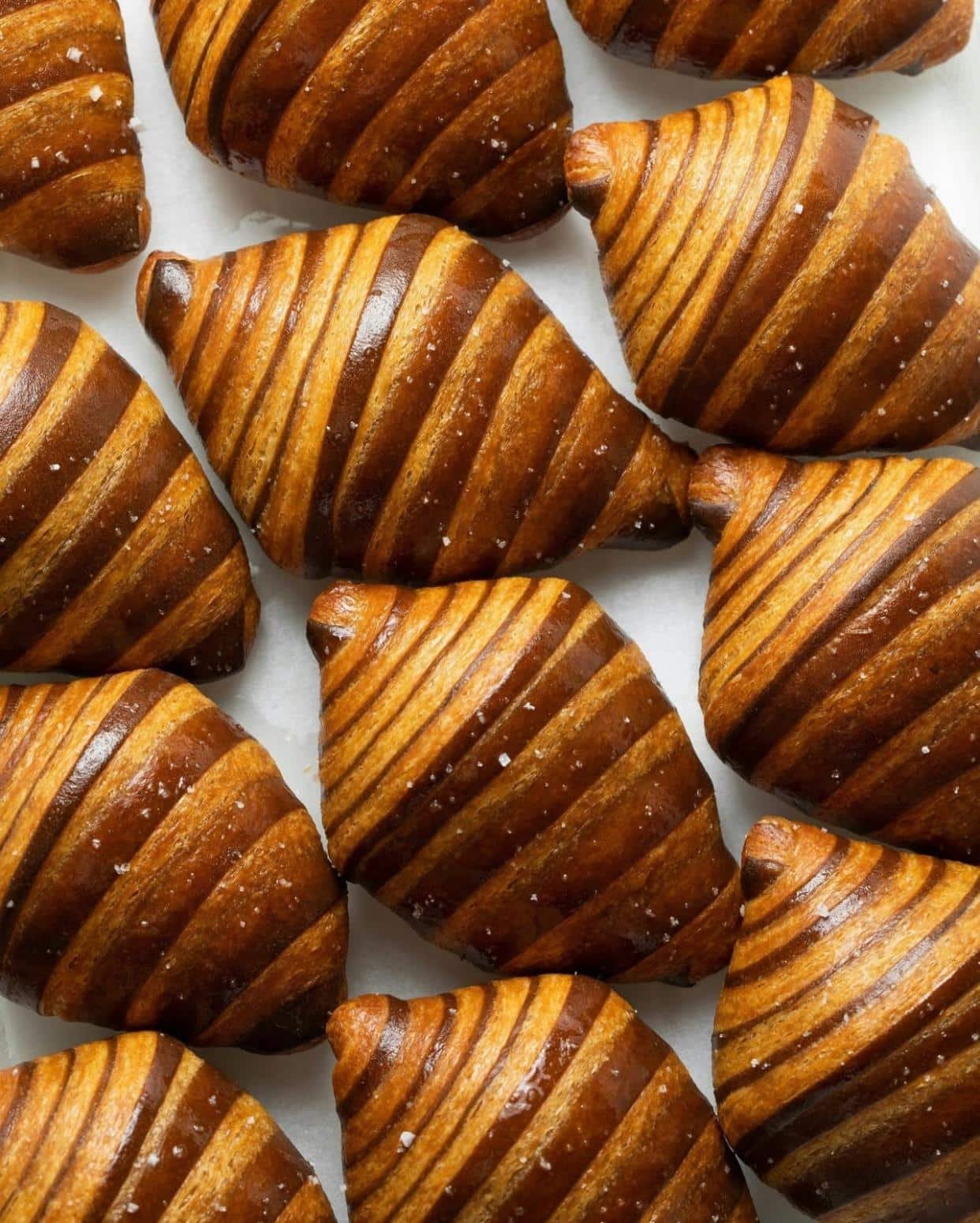
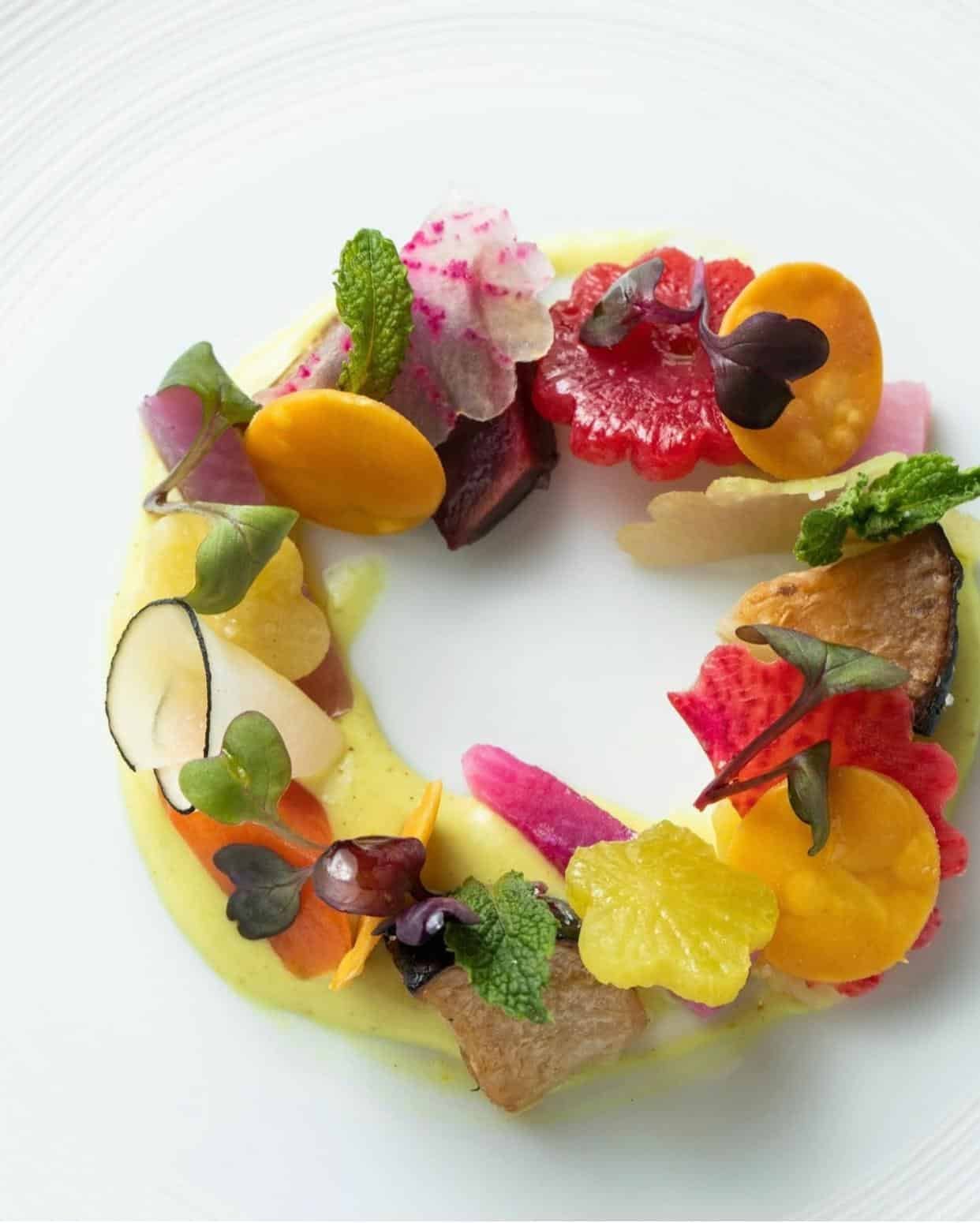
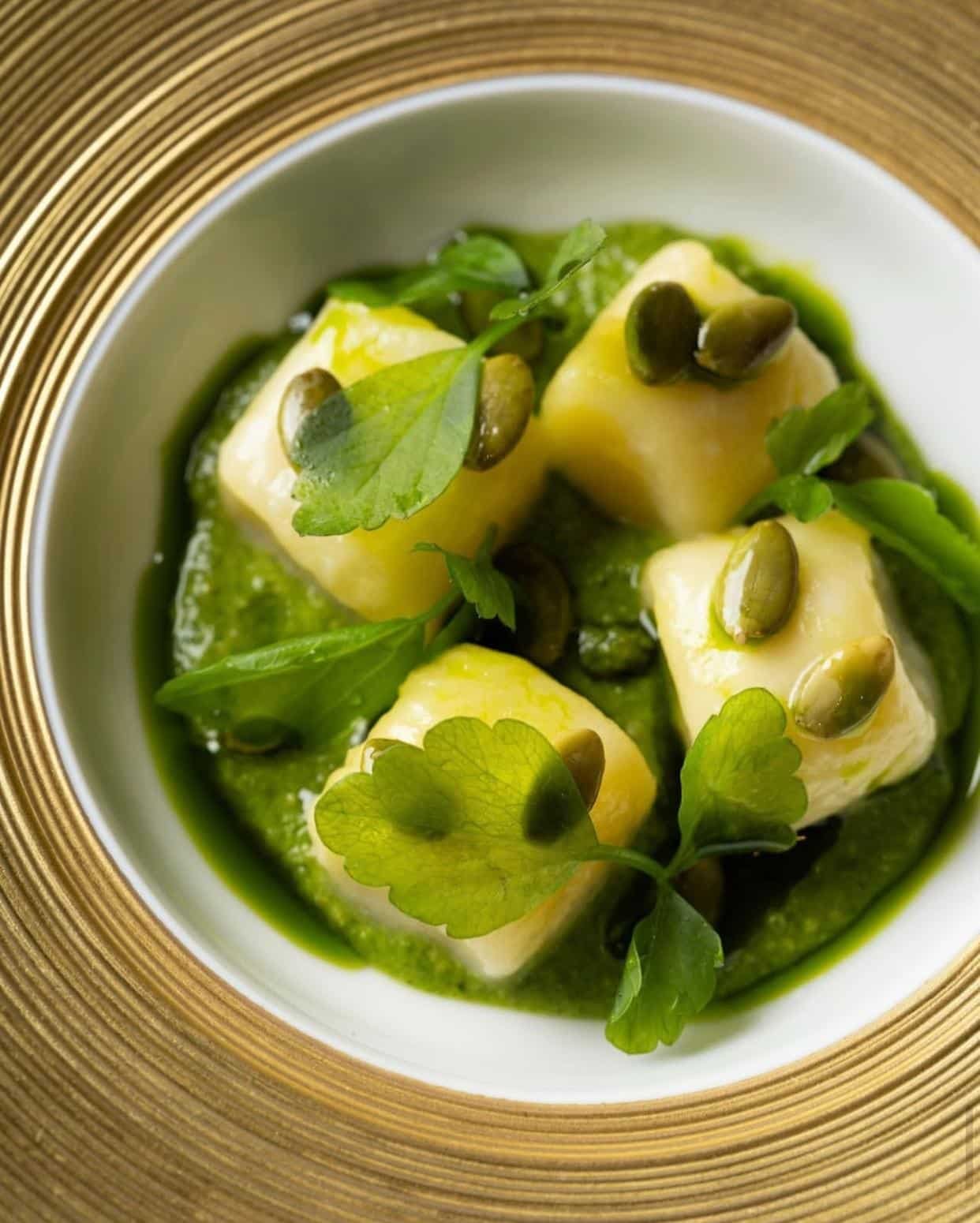
© Per Se
Saga
© Saga