© Dior
© Dior
© Dior
Dior
Handbags
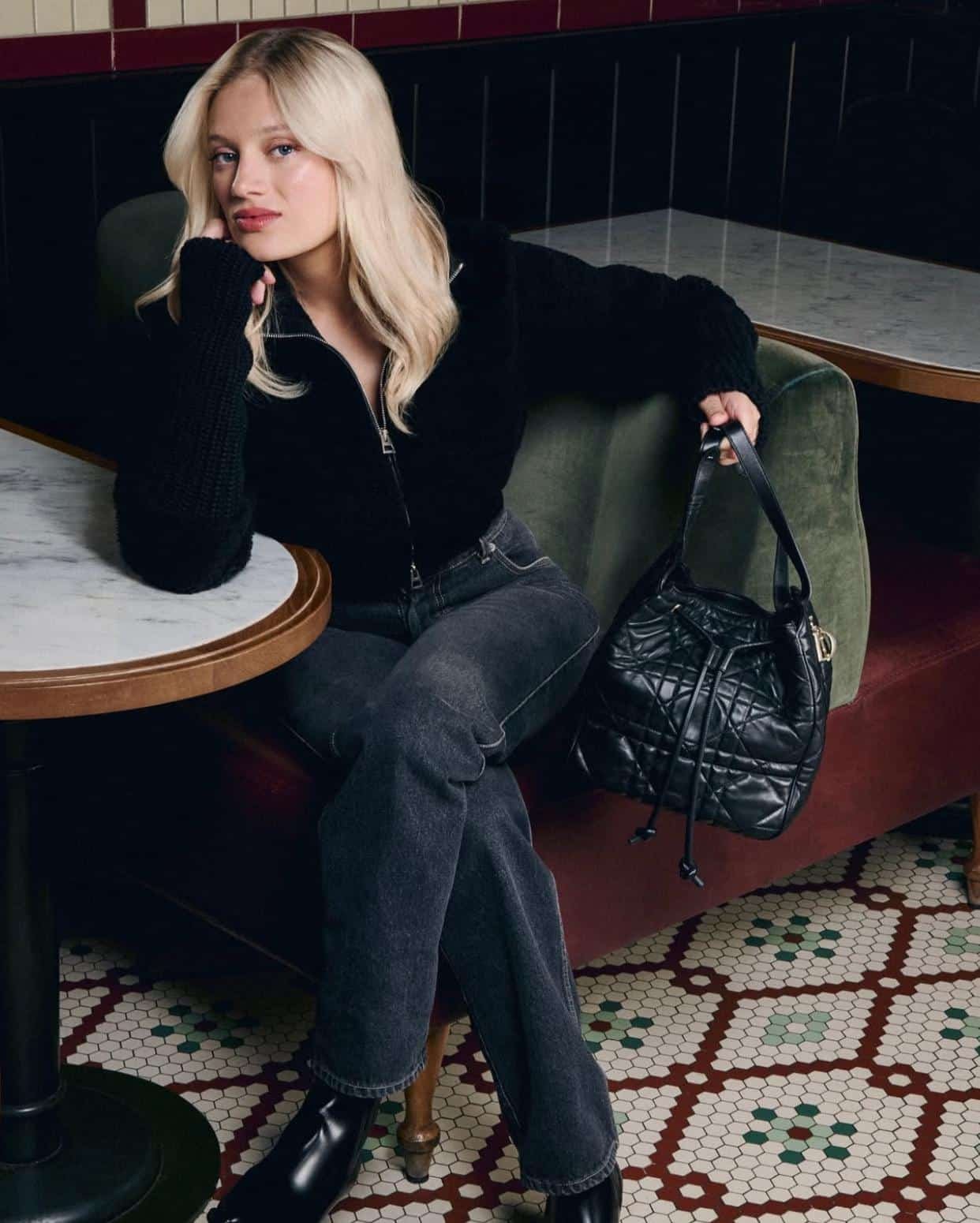
In September 1995, Bernadette Chirac needed a diplomatic gift for Princess Diana, visiting Paris for the inauguration of the Cézanne exhibition at the Grand Palais. She called Dior. The house offered a bag not yet available to the public — designed by Gianfranco Ferré the previous year, informally called the Chouchou: favorite. Diana ordered it in every version available. Dior renamed it in her honor. The Lady Dior is the only bag in history that was named after its first customer before it reached a single store.
1947 · The Cannage · Christian Dior's Superstitions · The Founding Codes
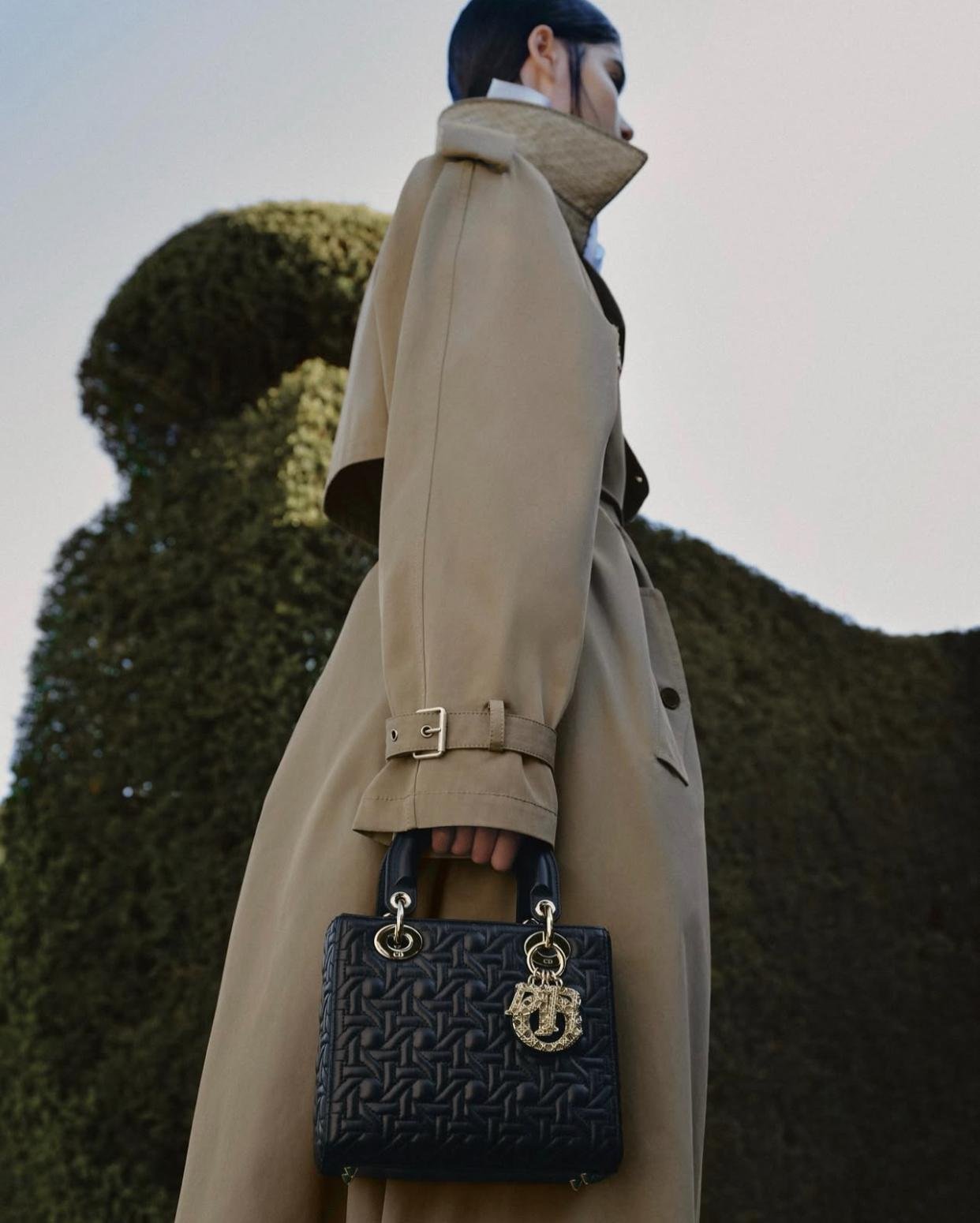
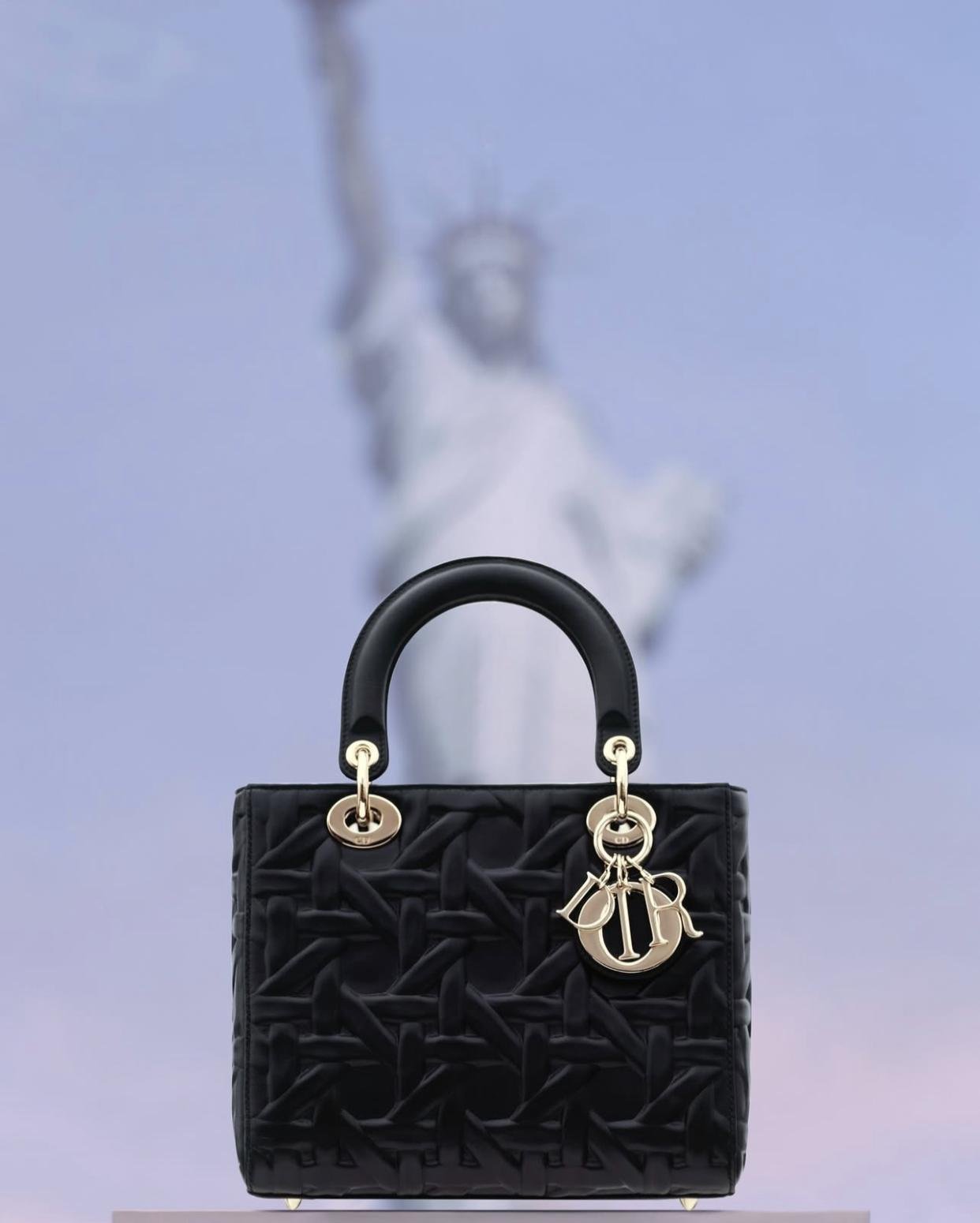
Christian Dior was deeply superstitious. He consulted fortune tellers, wore lucky charms pinned to his clothes, and made one of the most consequential decisions of his life — launching his own couture house — because he tripped over a scrap of metal shaped like a star on a Paris pavement and interpreted it as a sign. The charms that dangle from the Lady Dior's handle — D, I, O, R, four gold letters spelling the house name — are a direct transcription of the lucky charms he carried. The cannage quilting that covers the bag's body was drawn from the Napoléon III rattan chairs Christian Dior set up for clients at his first haute couture show in 1947 on the Avenue Montaigne. The diamond-shaped caning pattern would leave imprints on the fabric of their dresses as they sat — which Dior found beautiful enough to incorporate into his textiles. The Lady Dior is not a bag that was designed for a woman and then named for a princess. It is a bag whose every detail carries the specific history of the man who founded the house — his chairs, his superstitions, his conviction that lucky objects should be visible, worn, and passed on.
144 Pieces · 8 Hours · 7 Artisans · One Lady Dior
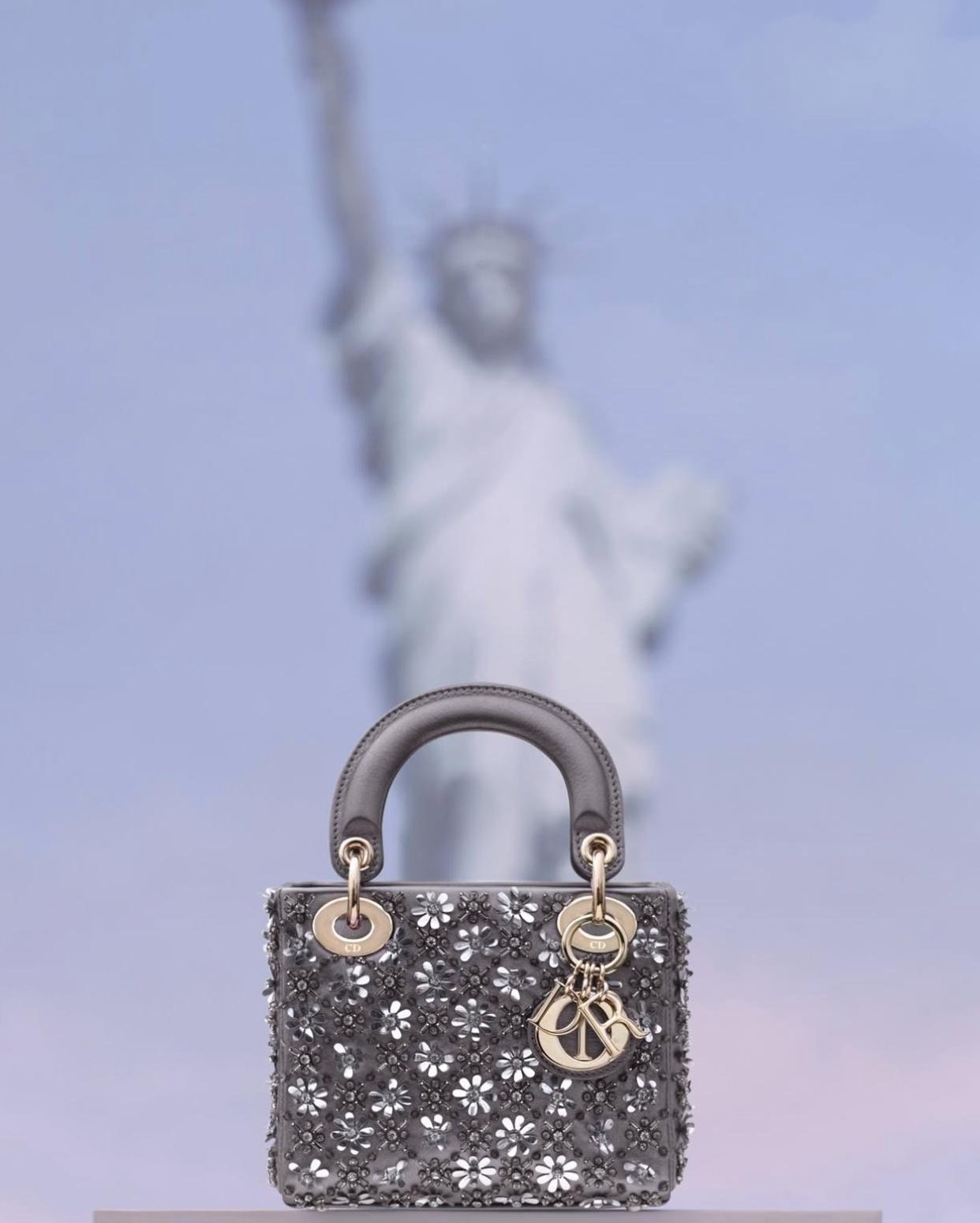
Each Lady Dior is assembled from 144 individual pieces. It requires eight hours and seven artisans to complete. The process begins with the manual cutting of the lambskin leather, continues through assembly and moulding around a wooden form, and concludes with the hand-stitching of the cannage quilting and the attachment of the D.I.O.R. charms, which are themselves shaped by hand. In the thirty years since Princess Diana carried the first one out of the Grand Palais, the construction has not changed. Over 200,000 were sold in the two years following Diana's adoption of it. The house currently offers approximately 80 versions of the Lady Dior at any given time — in lambskin, velvet, satin, denim, tweed, python, crocodile, jacquard, embroidered canvas — across multiple sizes, from the micro to the large. Each version carries the same four charms, the same cannage pattern, and the same invisible debt to the Napoléon III chair that Christian Dior placed in his salon in 1947 because he found it comfortable for the women who came to watch him work.
Jonathan Anderson's first Lady Dior — released January 2026 — reimagines the bag as a series of lucky charms, a decision that connects his vision directly to Christian Dior's founding superstition. The Lady Dior Buttercup is covered in three-dimensional buttercups in bright yellow, a single bee nested among them — the bee being one of Dior's oldest symbolic codes. The Lady Dior Clover is embroidered with four-leaf clovers, a reference both to Christian Dior's belief in talismanic objects and to Anderson's own Irish heritage. A red ladybug sits among the clovers. Both bags are finished with the classic D.I.O.R. charms, connecting the Anderson era to the house's origin. "The Lady Dior is one of the most iconic bags in history," Anderson has said — and his approach to it is to add to its symbolic vocabulary rather than revise it. The buttercup is also the flower that grows wild in the Irish fields of his childhood: an Irish root grafted onto a French lucky charm, both of which trace back to a man who tripped over a star-shaped scrap of metal and decided it meant he should build something.
The Dior Bow Bag — Anderson's first new silhouette for the house — takes the bow motif, which Dior has deployed as decoration since Christian Dior's first collections, and makes it the structure of the bag itself. The folded front tucks into the open top in the shape of a tied ribbon; the chain strap has metal links interwoven with tiny bows; the curved handle references the Lady Dior without replicating it. The leather is soft yet structured, held in shape by what the house describes as "a secret process that maintains a sharp, defined contour while preserving the leather's suppleness." The invisible closure keeps the front surface clean. Available in small and medium, in smooth, metallic, and crinkled leather, in Buttercup Garden embroidery and Clover embroidery, in brown crocodile and Himalayan crocodile. "I wanted something young and casual, and a bit fun," Anderson told WWD. The house has never made a bag shaped like a bow before. The bow itself has been in Dior's decorative vocabulary since 1947. It took seventy-eight years to make the decoration the bag.
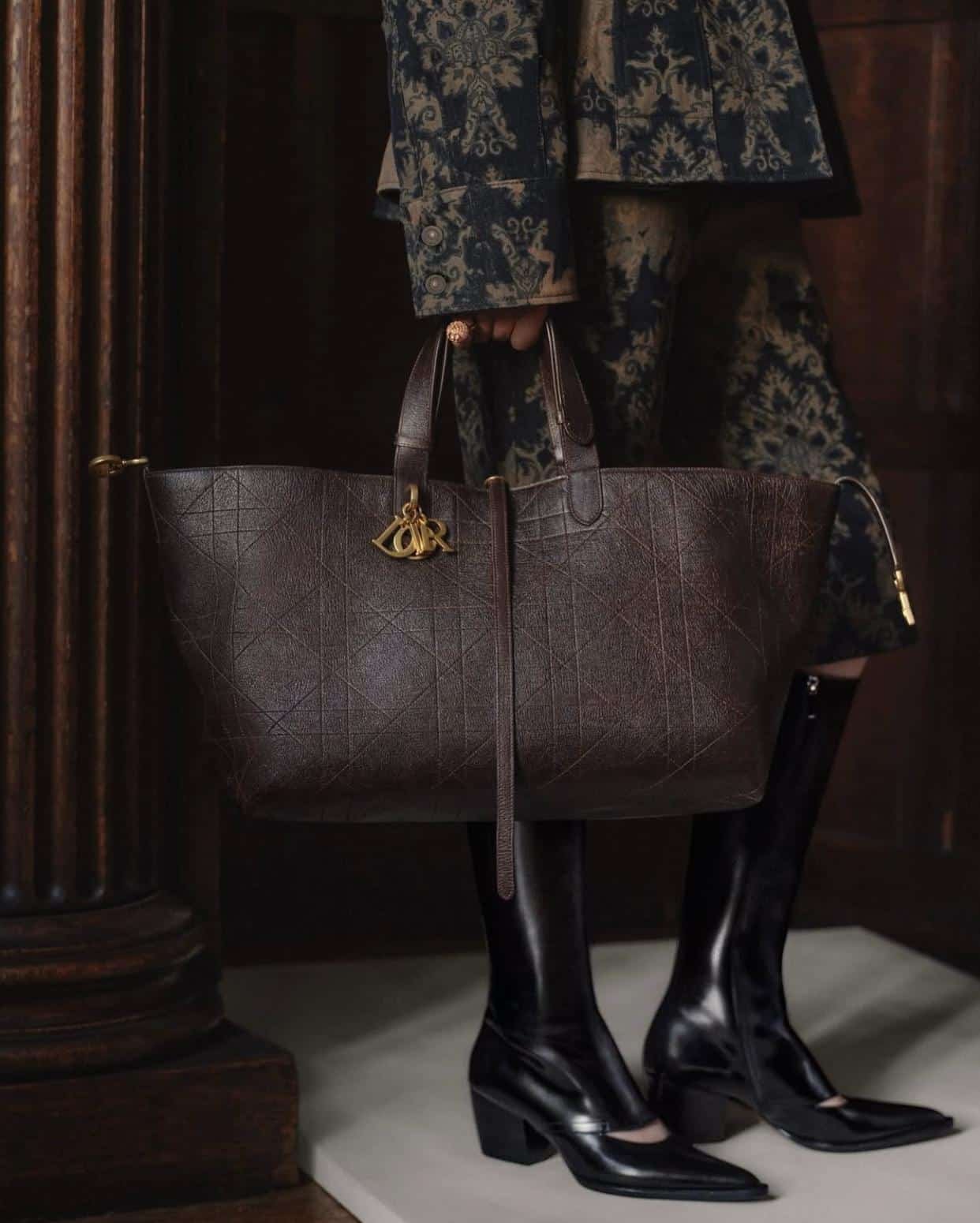
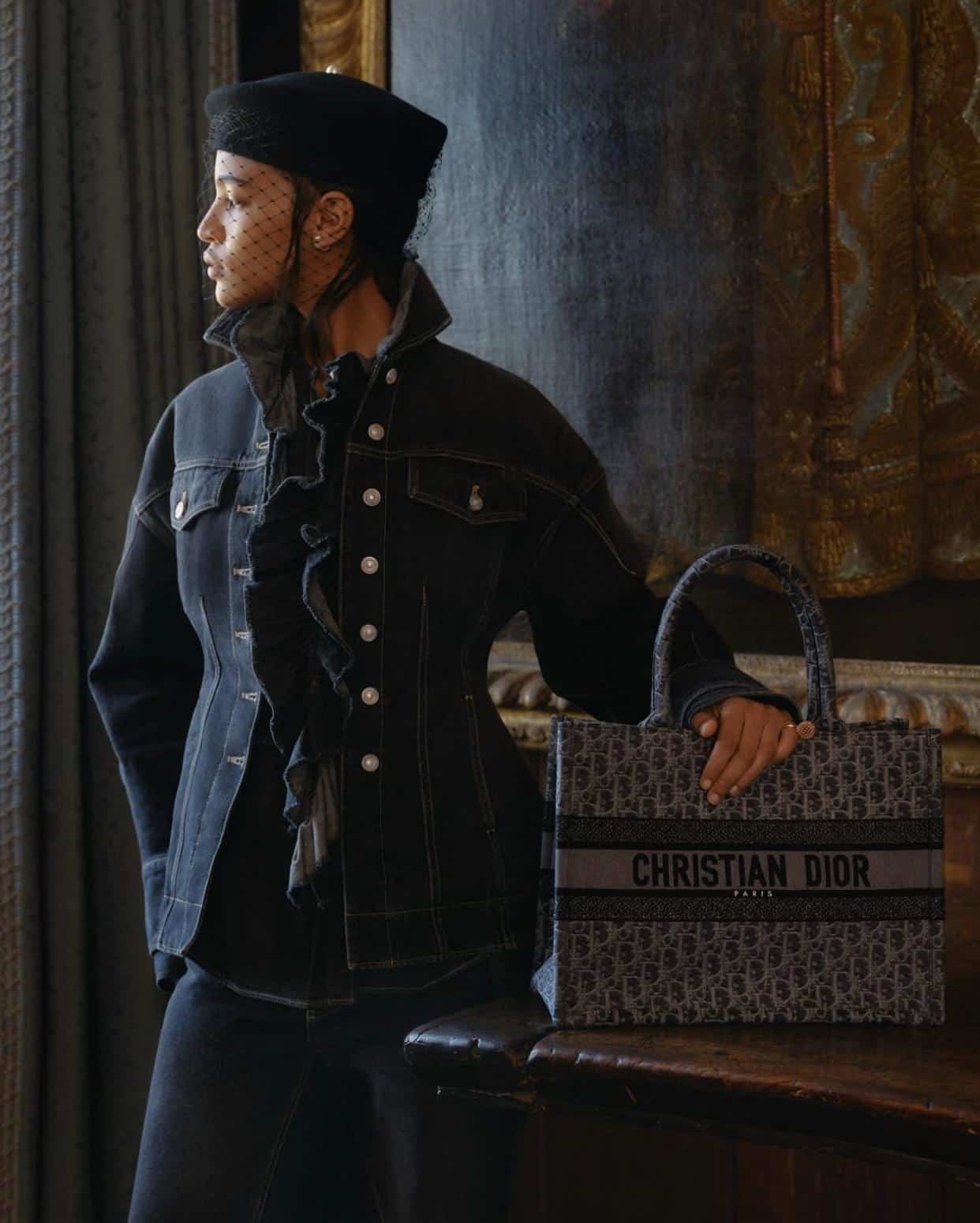
The Dior Book Tote — launched under Maria Grazia Chiuri and extended by Jonathan Anderson — is the bag in which the house's embroidery savoir-faire is most directly displayed. Anderson's Spring 2026 version adds a specifically literary dimension: Book Totes embroidered with the covers of real books. Bram Stoker's Dracula. Gustave Flaubert's Madame Bovary. Choderlos de Laclos's Les Liaisons Dangereuses. Françoise Sagan's Bonjour Tristesse. And the Dior by Dior autobiography — Christian Dior's own memoir — rendered in soft cream with the title finished with a pink ribbon. The Book Tote embroidered with its founder's own autobiography is the house's most precisely biographical object: the bag that carries the man who made the house, in his own words, in cotton thread. Additional versions include a vintage-effect Dior Oblique canvas trimmed with lace, a navy tone-on-tone with a white medallion nodding to the house's iconic chairs, and a Buttercup Garden print that extends the Anderson era's floral vocabulary into the tote format.
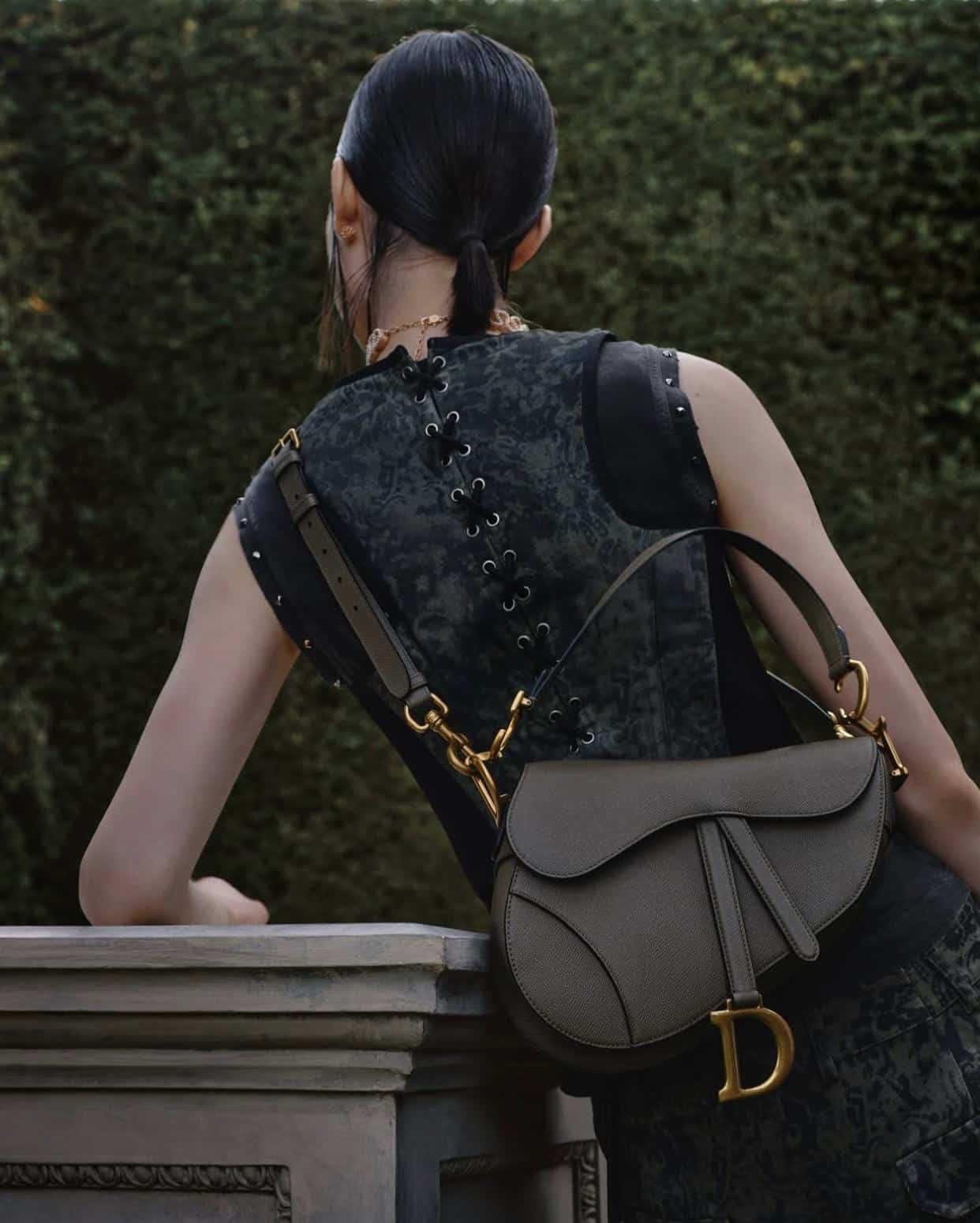
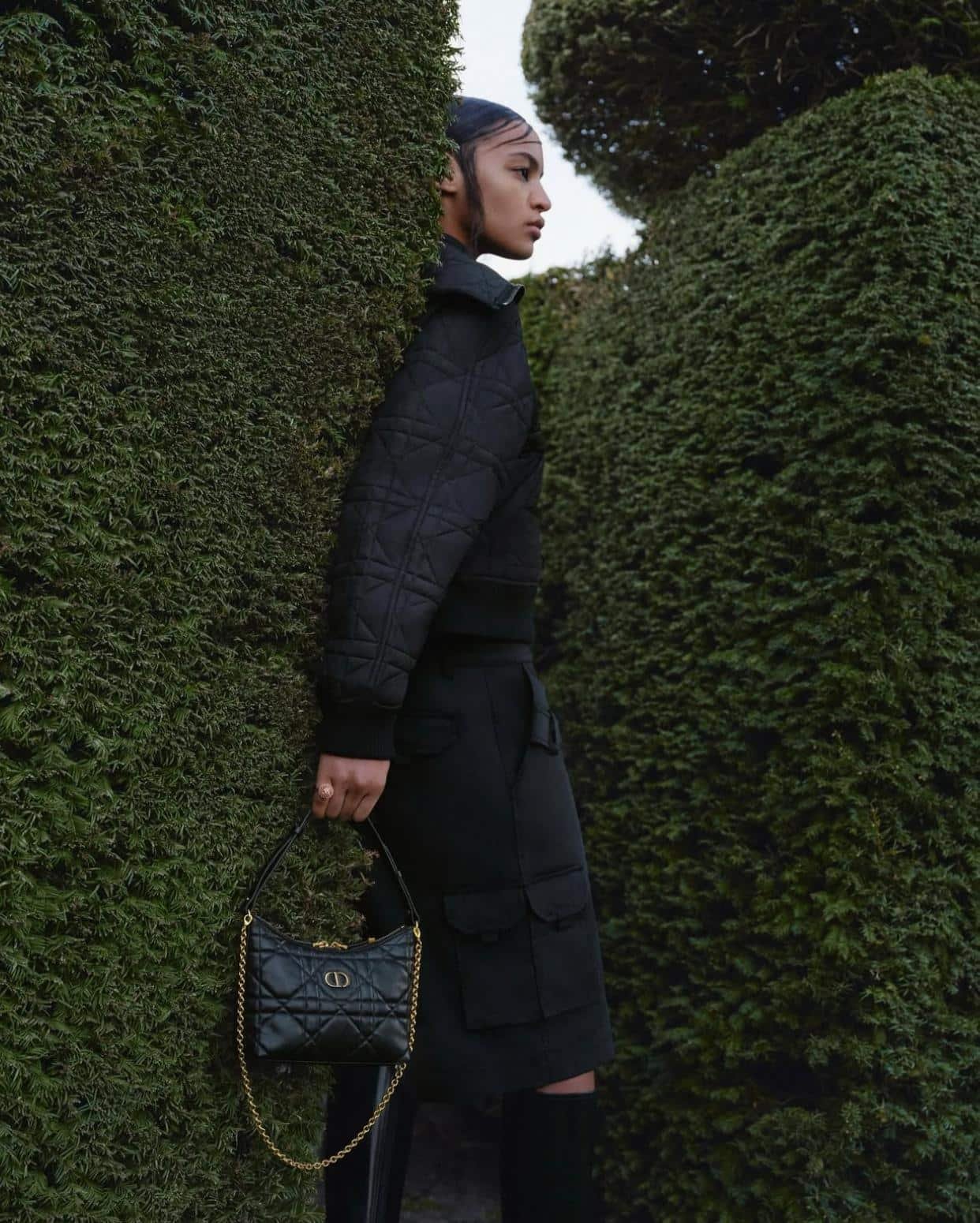
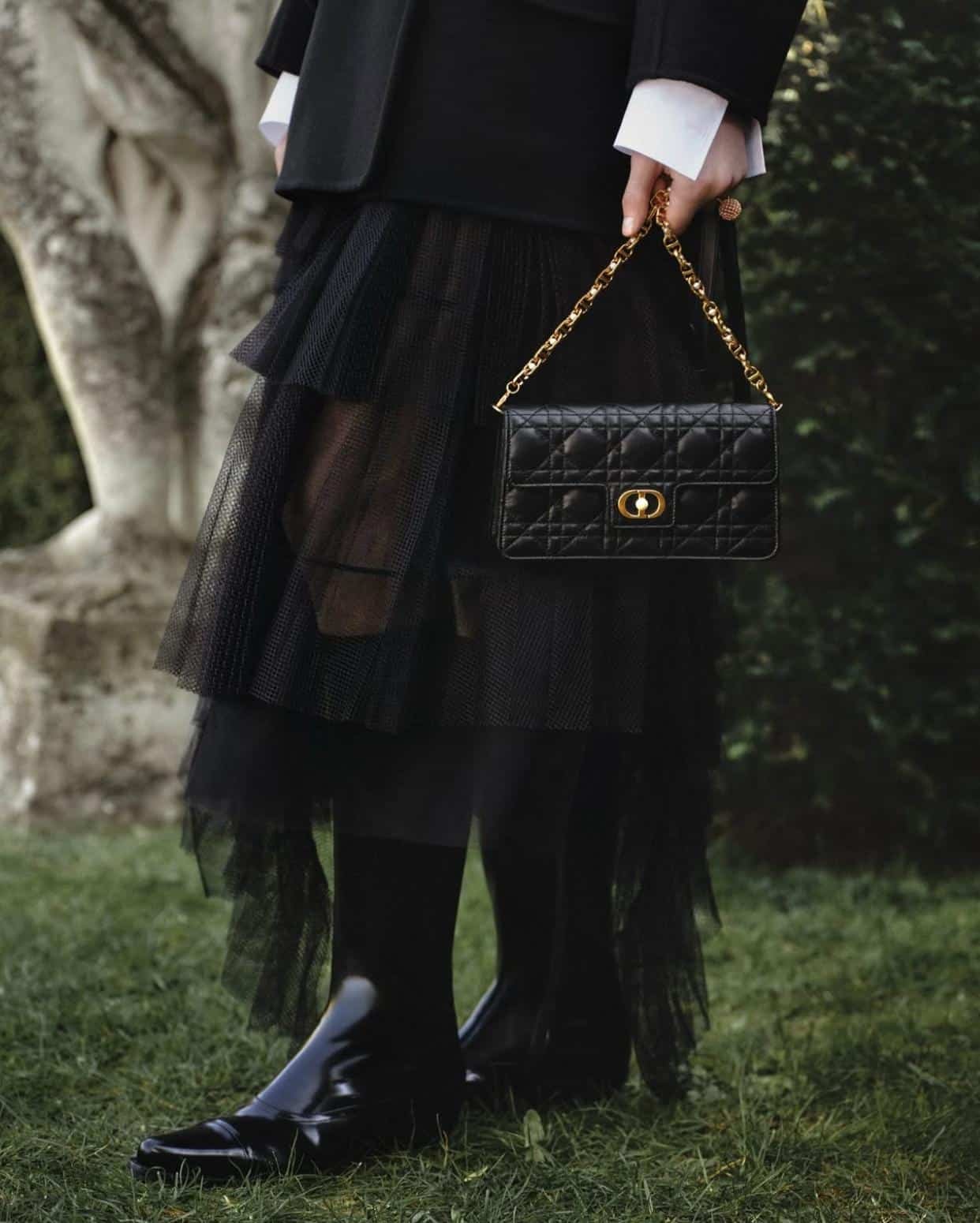
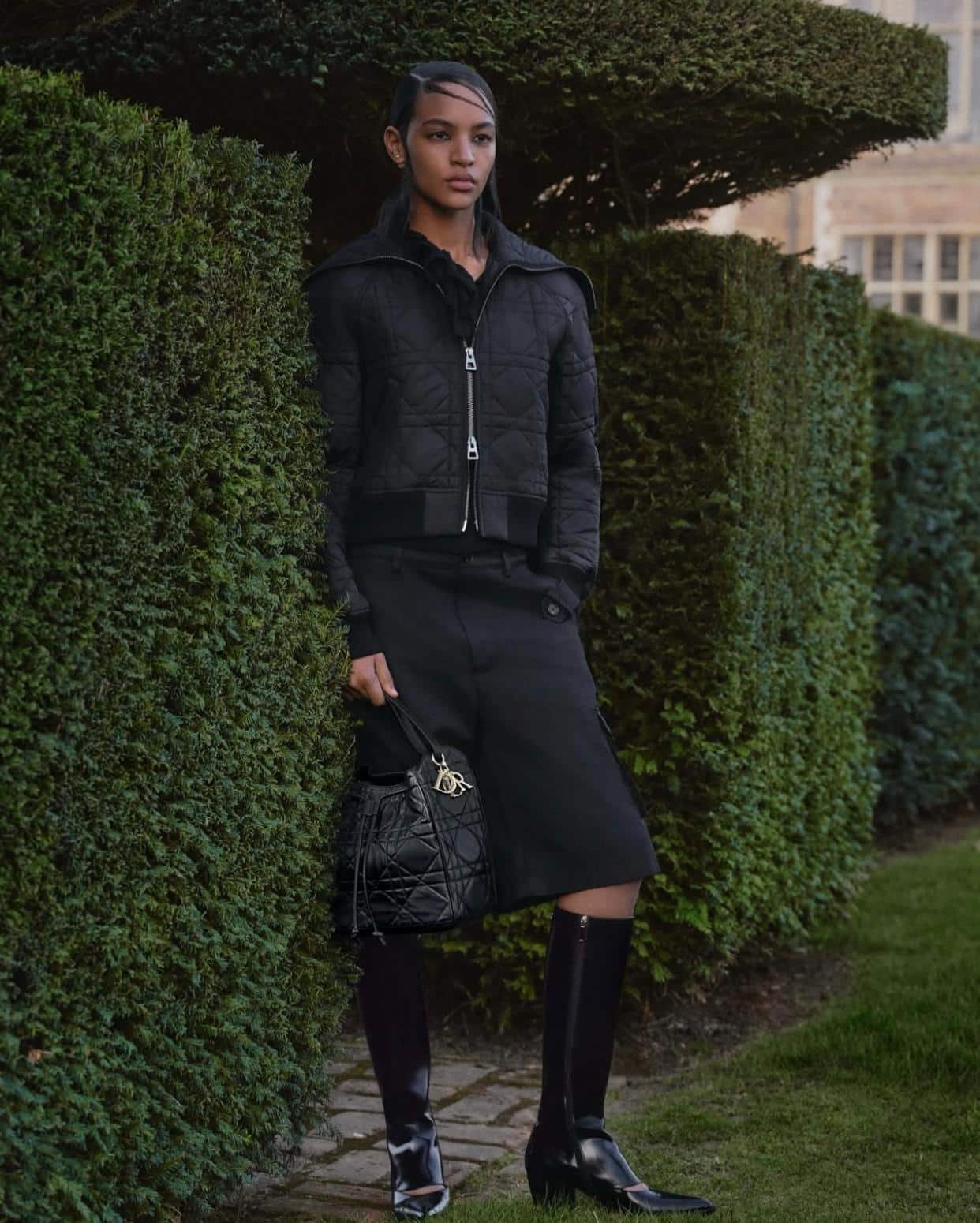
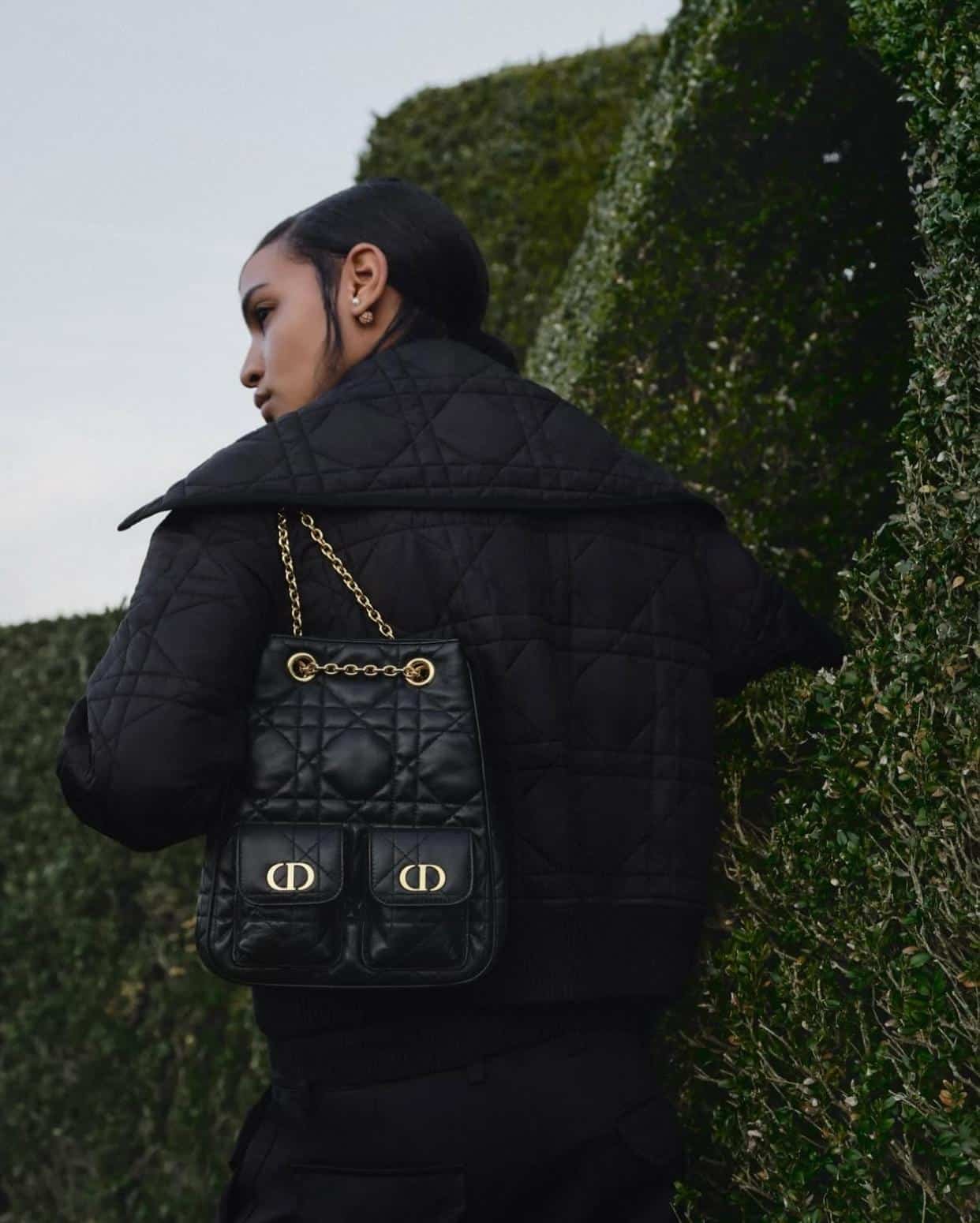
The Dior bag family extends across multiple creative eras, each of which has added a permanent silhouette. The Saddle Bag — launched by John Galliano in 1999, seen on Sex and the City, revived by Maria Grazia Chiuri in 2018 — remains one of the house's most recognizable shapes: its half-moon form and D-ring hardware immediately Dior, immediately 1999, and entirely current. The 30 Montaigne — named for the house's address — is the contemporary workhorse of the range: clean, structured, versatile, the bag that belongs to no specific creative era and to all of them. The Lady D-Lite presents the Lady Dior codes in embroidered canvas rather than quilted leather, the Christian Dior signature appearing on the front face. The Lady D-Joy offers the Lady Dior in a horizontal elongated format. The Lady 95.22 — named for 1995 and 2022 — reinterprets the original with macro-cannage quilting and softened edges. Each silhouette is a new date in the naming convention that the Lady Dior established in 1995: the bag as a record of when it was made and for whom.
Jonathan Anderson was appointed creative director of Christian Dior in April 2025 — the eighth creative director in the house's history, and the first to oversee women's, men's, and haute couture simultaneously since Christian Dior himself. Before his debut women's show at the Jardin des Tuileries on October 1, 2025, he projected a short film onto an upside-down pyramid hovering above an open Dior box: footage tracing every creative director from Christian Dior to Yves Saint Laurent, Gianfranco Ferré, John Galliano, Raf Simons, and Maria Grazia Chiuri — the house's entire succession, spilling out of the box before his first models walked. "We live in a bizarre moment," he told Alexander Fury before the show. "This is escapism." His approach to the bags — the buttercup, the clover, the bow, the literary Book Tote — enacts this escapism through specific, personal, coded beauty: flowers from Irish fields on a French lucky-charm bag, literature on a tote, a bow that was always in the house and never yet the bag itself. John Galliano, who preceded him here, left one piece of advice: "The more that you love the brand, the more it will love you back."
Since 2016, the Dior Lady Art Project has invited international artists to reinterpret the Lady Dior each year — transforming the bag into a collector's object at the intersection of fashion and contemporary art. The project extends the creative collaboration tradition that Christian Dior established in 1947, when he began working with artists and artisans to produce objects that exceeded the category of clothing. Marion Cotillard was the Lady Dior's ambassador for nine years, from 2008 to 2017, and designed her own version of the bag for the house in 2012 — the only time an ambassador has been given creative authorship of the object they represent. The Spring 2026 campaign photographed by David Sims — featuring Mia Goth, Greta Lee, and Mikey Madison at the Pavillon de Musique de la Comtesse du Barry — frames the Lady Dior within the 18th-century French references that pervade Anderson's first Dior collection, posing its subjects "instinctively and spontaneously, without artifice," in a way that connects the bag's aristocratic codes to a contemporary sensibility of ease. The Lady Dior was named for Princess Diana. It is now carried by every woman who considers herself, in some sense, her own kind of princess.
Bernadette Chirac asked Dior for a gift
for Princess Diana.
The house offered a bag not yet for sale.
Diana ordered it in every color.
Dior renamed it after her.
It is made of 144 pieces.
It takes 8 hours and 7 artisans.
The cannage comes from the chairs
Christian Dior placed in his salon in 1947.
The charms spell DIOR
because he was superstitious
and carried lucky objects everywhere.
He launched his house
because he tripped over a star.
Jonathan Anderson added a buttercup
from the Irish fields of his childhood.
A lucky charm on a lucky charm.
Jonathan Anderson's approach to Dior's bag vocabulary is organized around a conviction he shares, unknowingly, with the man who founded the house: that objects should carry meaning, that lucky things should be visible, and that the relationship between a bag and its owner is not commercial but talismatic. Christian Dior wore his lucky charms on his person and built a house around the codes they implied. Anderson puts buttercups and clovers on the Lady Dior and makes a bow-shaped bag from the house's oldest decorative motif because he believes — as Dior believed — that beauty is not frivolous. It is protective. "I wanted something young and casual, and a bit fun," he told WWD of his first accessories. What he made is, beyond the fun, an argument: that the most serious houses are the ones that know how to play, that the most durable luxury is the kind that makes you feel, when you carry it, that something fortunate might happen. Christian Dior tripped over a star and built an empire. Jonathan Anderson put three-dimensional flowers on the bag Diana made famous. The house keeps choosing its own luck. It has been working for seventy-eight years.
21 East 57th Street · SoHo · New York · The Dior Handbag Collection
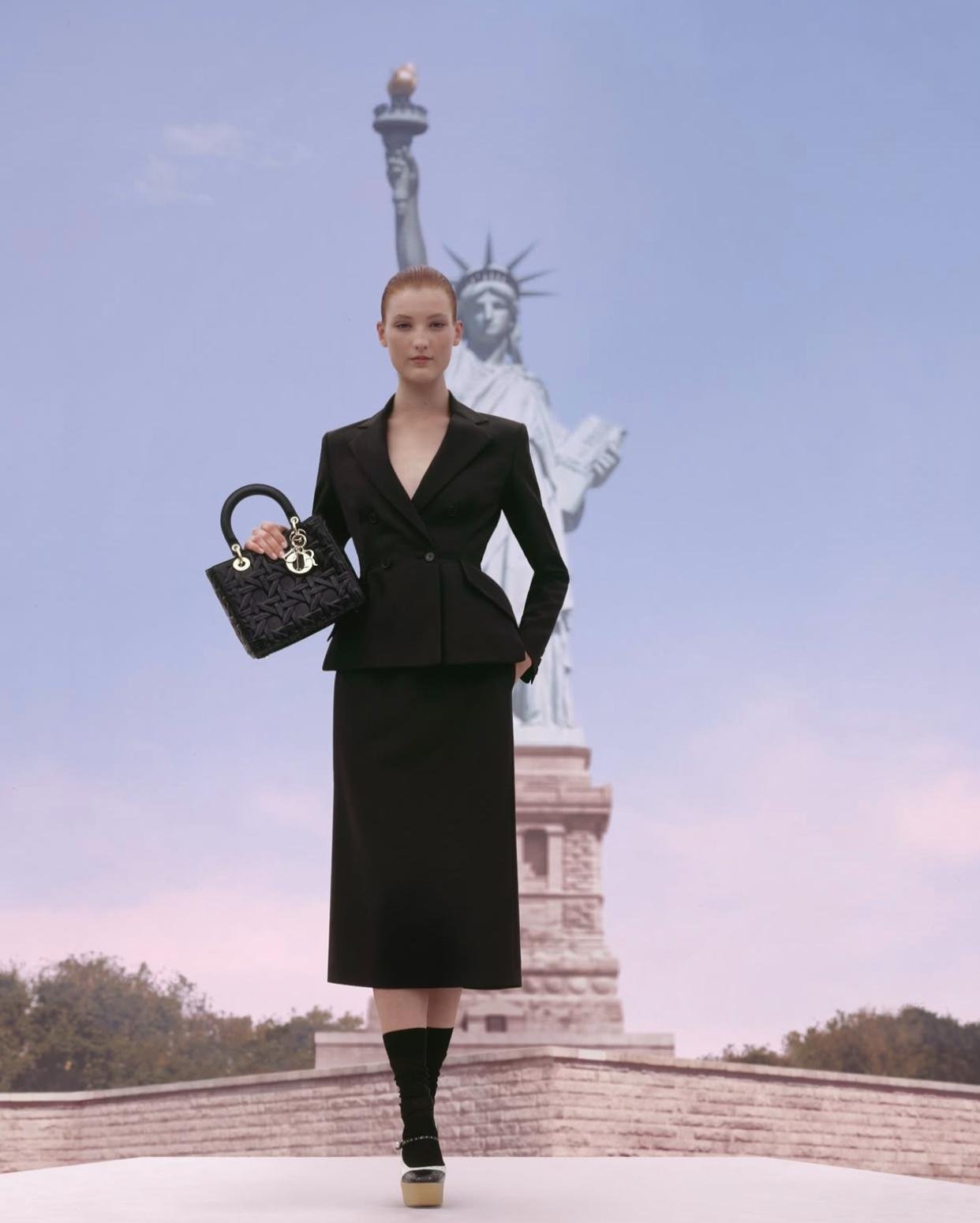
Dior presents its handbag collection in New York at the flagship on 21 East 57th Street and at the SoHo boutique — both addresses carrying the full range of the Lady Dior, the Dior Bow Bag, the Book Tote, the Saddle Bag, the 30 Montaigne, and the seasonal extensions of each. The Spring 2026 Buttercup and Clover Lady Diors are available now, alongside the Bow Bag in all colorways and materials. The Book Totes with literary embroideries are presented at both boutiques. New York was where Princess Diana carried the Lady Dior for the first time on American soil — to the Met Gala in December 1996, wearing a John Galliano navy slip dress, holding the bag that had been given to her in Paris and that had already been renamed in her honor. The house still carries it at 21 East 57th Street. The name has not changed. The charms still spell DIOR. The buttercup and the clover have been added. Christian Dior, who believed that stars on the pavement were messages, would have considered the whole thing perfectly logical.
21 East 57th Street · New York, NY 10022 · Flagship
SoHo Boutique · New York, NY
Lady Dior · Dior Bow Bag · Book Tote · Saddle Bag · 30 Montaigne
Lady Dior Buttercup & Clover · Spring 2026 · From $4,200
Jonathan Anderson — Creative Director since April 2025
Founded Paris 1946 · LVMH Group · dior.com/en_us
Christian Dior tripped over a star
on a Paris pavement
and decided it was a sign.
He launched his house.
He wore lucky charms on his person
every day of his life.
In 1947, he placed Napoléon III chairs
in his salon for the women who came to watch him.
Their dresses were imprinted by the cannage.
He thought it was beautiful.
He put it on a bag.
Forty-eight years later, Princess Diana
received that bag as a gift
at an exhibition about Cézanne.
She ordered it in every color.
They named it after her.
Jonathan Anderson added a buttercup from Ireland
and a four-leaf clover for luck.
The house has always been about this:
the conviction that some objects protect you,
and that beauty is a form of good fortune.
© Dior
© Dior
© Dior
© Dior
© Dior
© Dior
© Dior
© Dior
© Dior
© Dior
© Dior
© Dior
© Dior
© Dior
DIOR
© Dior