
© Bvlgari
© Bvlgari

© Bvlgari
Bvlgari
In 1884, a Greek silversmith named Sotirios Voulgaris opened a small shop in Rome. He wrote his name in the classical Latin alphabet — where U does not exist, only V. One hundred and forty years later, that V is still on every piece the house makes. Ancient Rome is not a reference for Bvlgari. It is the grammar.
Rome · 1884 · A Different School Of Jewelry
Bvlgari did not emerge from the French school of fine jewelry — from the restraint of Place Vendôme, from the calibrated elegance of Cartier or Van Cleef & Arpels. It emerged from Rome, from a Greek immigrant's silversmith workshop on Via Sistina, from a design language rooted in the architecture of the Forum, the mosaics of the Caracalla Baths, the sculptural boldness of ancient coinage. Where the French school built toward precision and understatement, Bvlgari built toward color, volume, and the particular confidence of a civilization that had once ordered the known world. Andy Warhol understood this immediately. "Entering Bvlgari's shop," he said, "is like visiting the best exhibition of contemporary art." He was not speaking of the jewelry alone. He was speaking of the position it takes.
The house's jewelry is crafted principally in Valenza, Italy — one of the world's premier centers of fine jewelry manufacture — by artisans working to standards established across four generations of the Bulgari family before the house joined the LVMH group in 2011. The collections that define the house — Serpenti, B.zero1, Bvlgari Bvlgari, Divas' Dream, Tubogas — each draws from a specific chapter of Roman history and mythology, translated into contemporary form without nostalgia.
Serpenti · Since 1948 · The Living Form
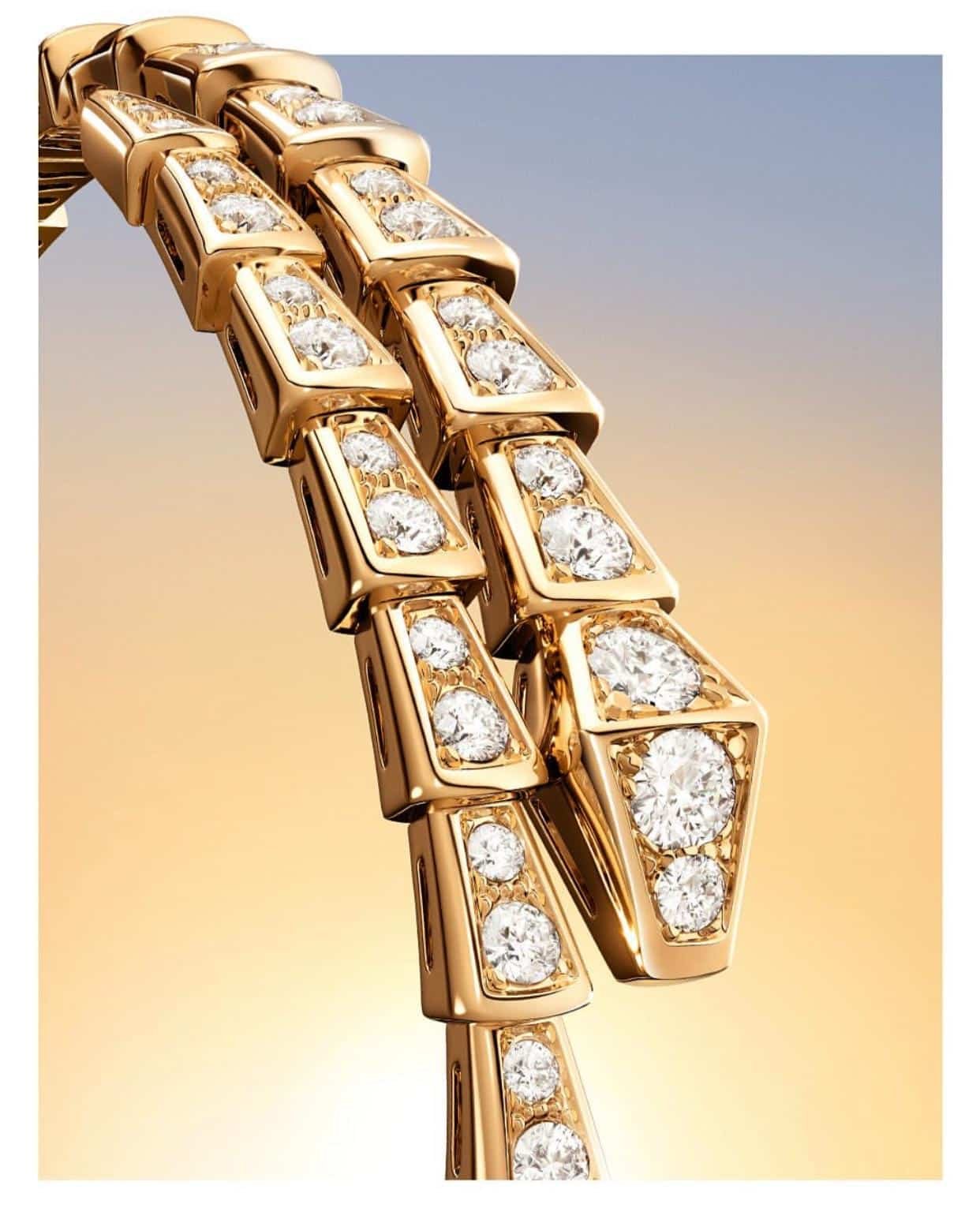
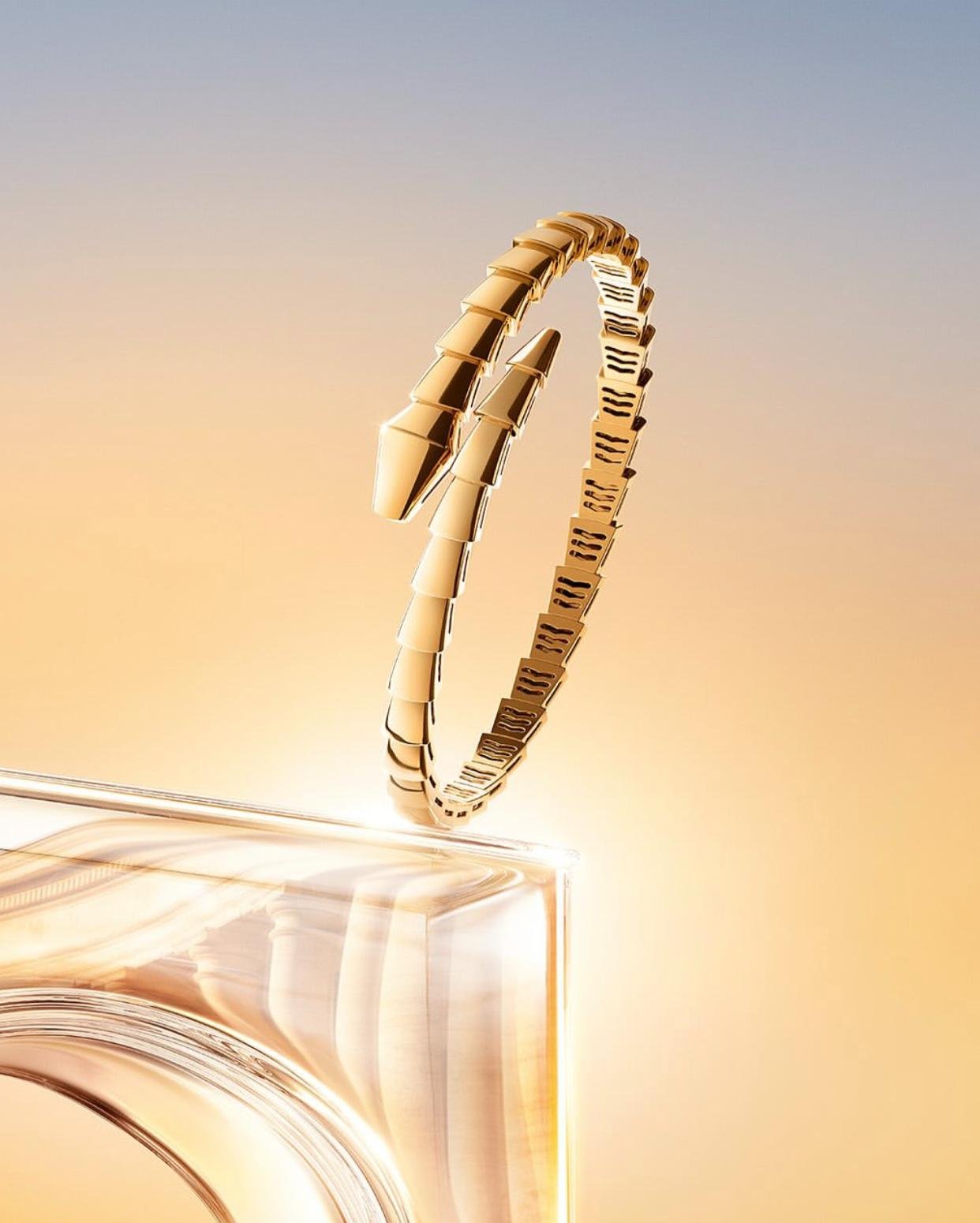
The serpent has been present in Bvlgari's vocabulary since 1948 — an animal that appears across Greek mythology, Egyptian antiquity, and Roman symbolism as an emblem of transformation, wisdom, and eternal return. The Serpenti collection translates this presence into jewelry through a technical achievement that remains the house's most recognized: the individually articulated links that allow each piece to coil and unfurl naturally around the wrist, the neck, or the finger, mimicking the living motion of the animal. Each link is set independently, connected by hinges invisible from the exterior. The movement is the authentication — fake Serpenti pieces are cast solid, without articulation. The genuine piece moves because it was built to move.
The Serpenti Viper is the contemporary expression of the 1948 original — slimmer, more fluid, with a head-set diamond or colored stone eye that gives each piece its focus. Available in yellow, white, and rose gold, with or without diamond pavé along the body. The bracelet wraps twice around the wrist; the necklace coils at the collarbone; the ring spirals around the finger. The same sinuous geometry in three registers, each producing a different relationship between the piece and the body it adorns.
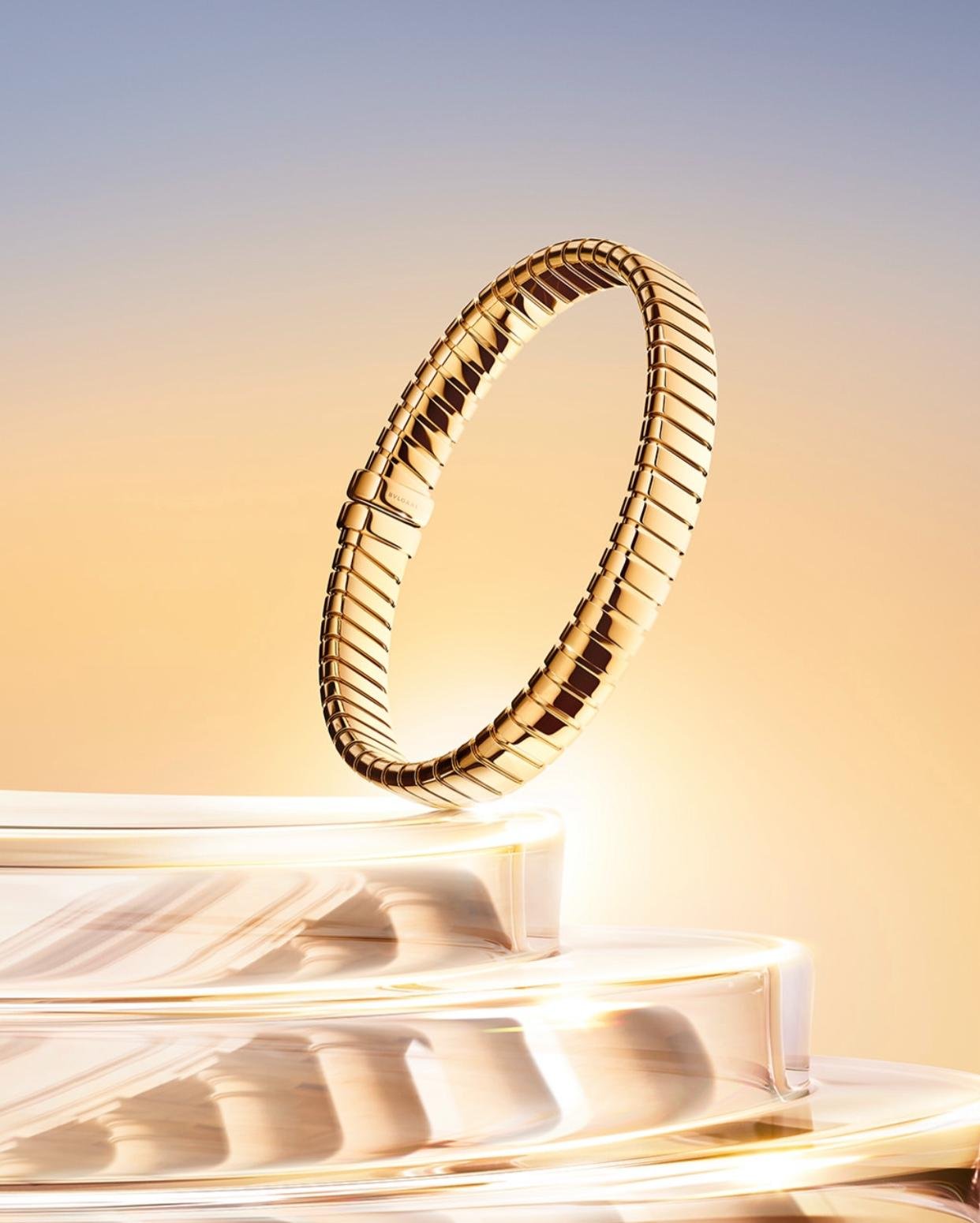
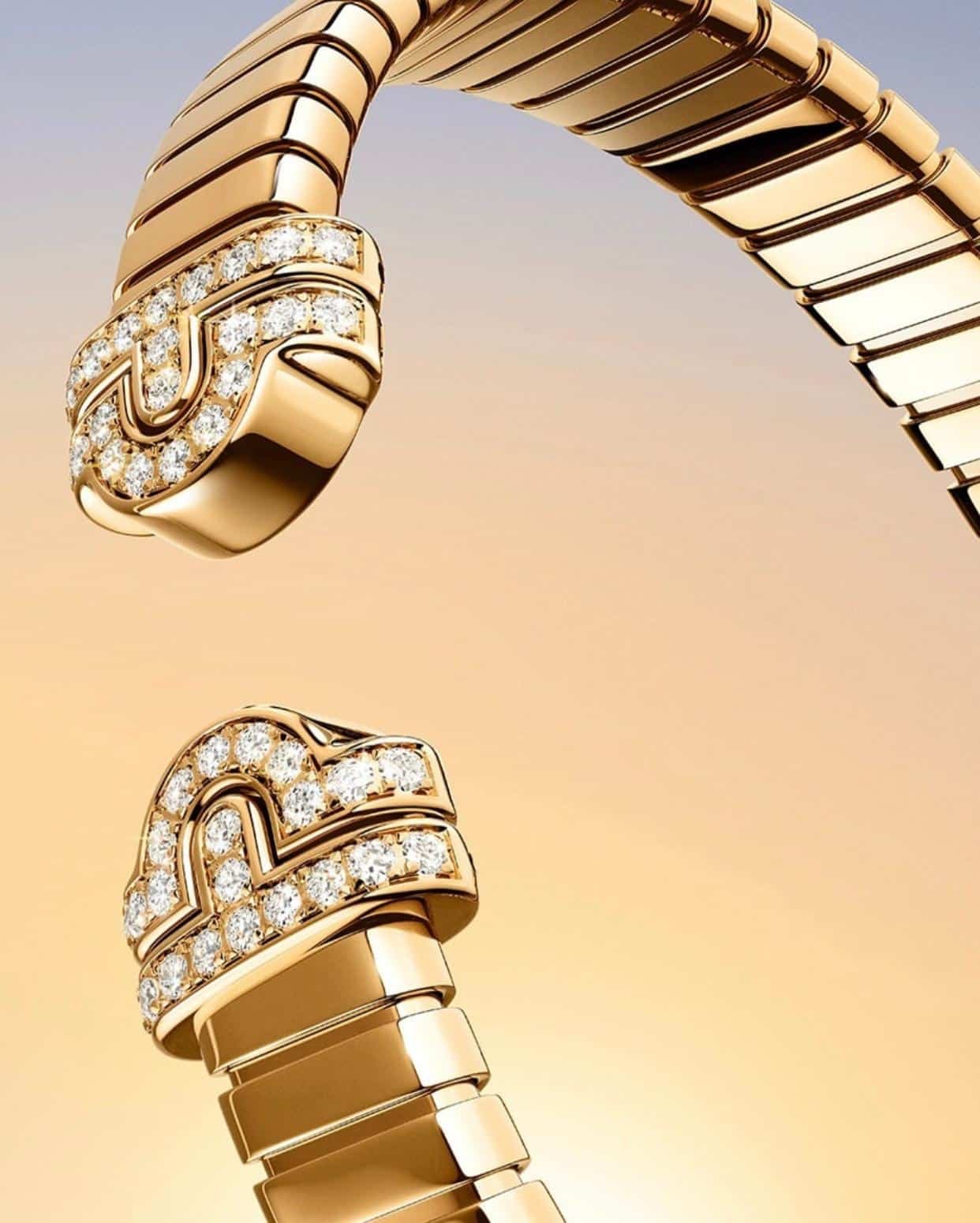
The Tubogas technique — gold tubing coiled without solder, held in tension by its own structure — has been part of Bvlgari's vocabulary since the 1940s. It produces a piece that is simultaneously architectural and organic: rigid in form, fluid in movement. The Serpenti Tubogas bracelet is one of the most technically demanding pieces in the collection and one of the most immediately recognizable. A statement of simplicity that requires extraordinary craft to achieve.
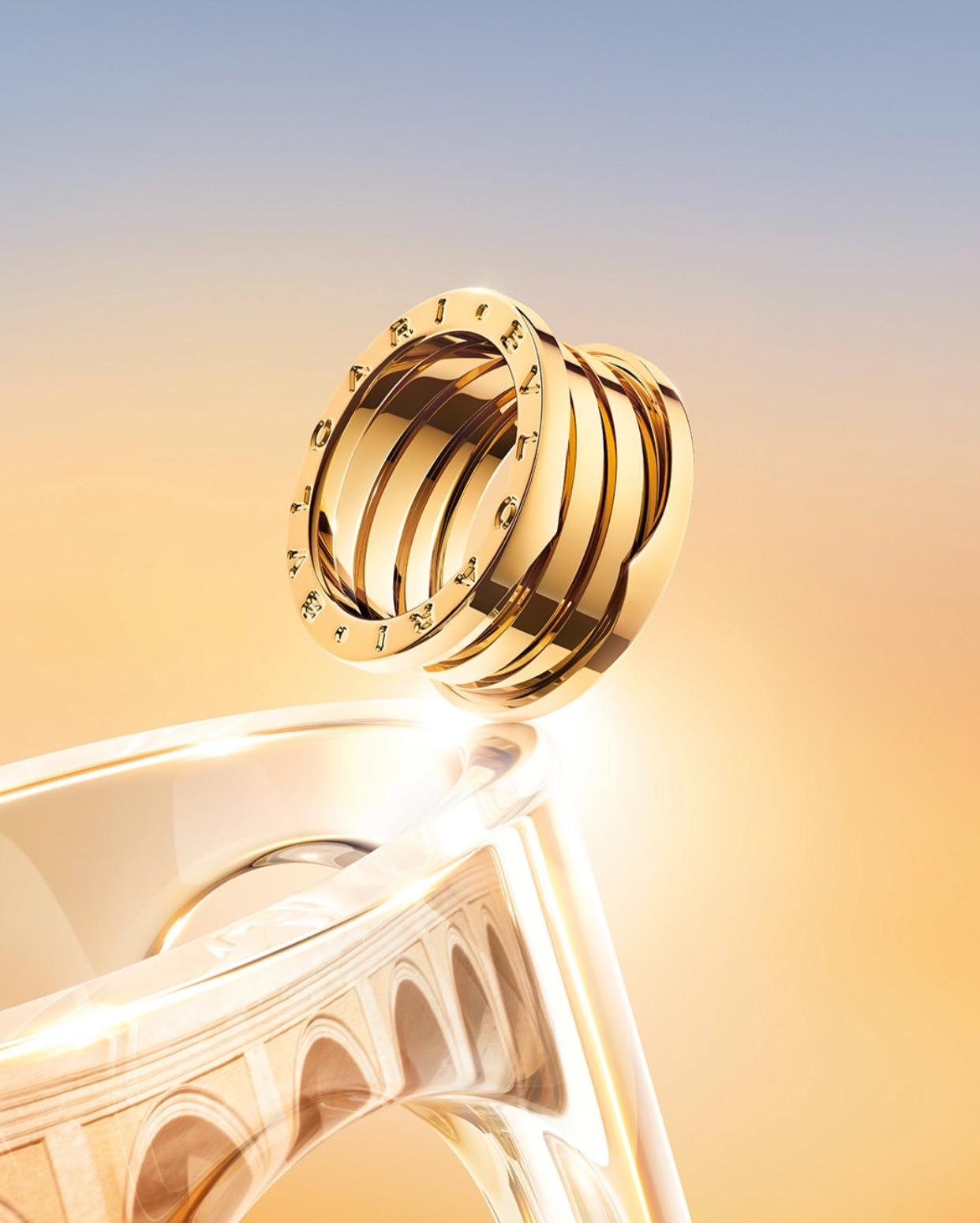
Launched in 1999, B.zero1 is Bvlgari's most architecturally considered collection — a ring, bracelet, or necklace built on a spiral construction inspired by the Colosseum's concentric arches. The bands compress and expand when pressed; the spiral action is the authentication marker and the design principle simultaneously. Available in yellow, white, and rose gold, with ceramic inlays and diamond-set versions. The B.zero1 ring has become one of the most collected pieces in contemporary jewelry — precise enough for those who value restraint, bold enough for those who do not.
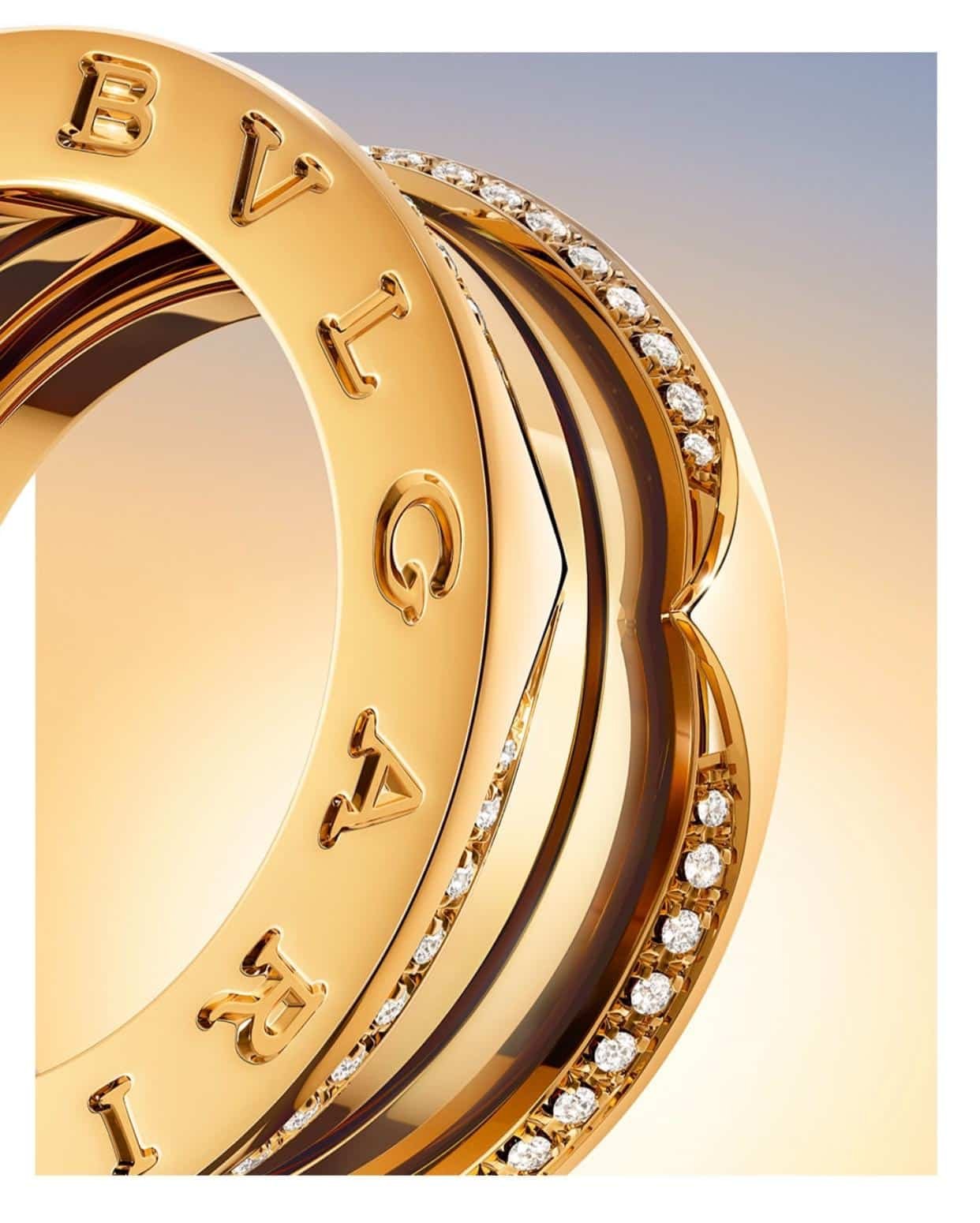
The Bvlgari Bvlgari collection takes its visual identity from the house's own name — the double inscription BVLGARI BVLGARI stamped in bold letters around the circumference of rings, bracelets, and necklaces, separated by two small circles, inspired by ancient Roman coins and medallions on which the emperor's name circled the profile. It is brand identity as historical reference, transformed into a design statement that is simultaneously self-aware and entirely serious. Authentic pieces always feature perfectly even spacing. The spacing is the detail.
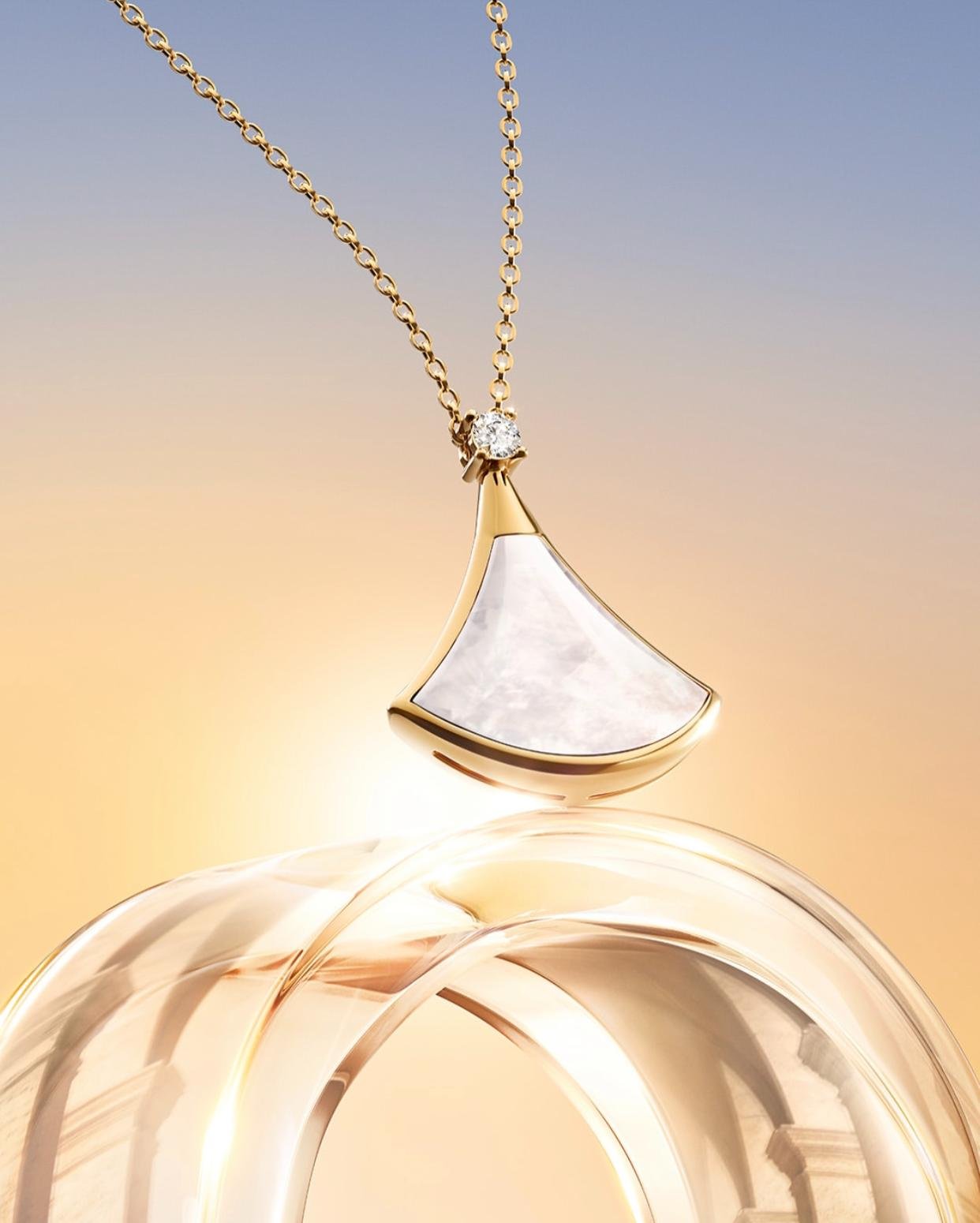
The Divas' Dream collection was born from a visit to the ruins of the Caracalla Baths — the 3rd-century Roman thermal complex whose mosaic floor patterns inspired the collection's signature fan motif. An open fan of gold, sometimes surrounding a central diamond or colored stone, sometimes rendered entirely in diamond pavé. Lighter in register than Serpenti or B.zero1, more feminine in proportion, equally precise in construction. The piece that most clearly demonstrates Bvlgari's ability to translate archaeological source material into contemporary jewelry.
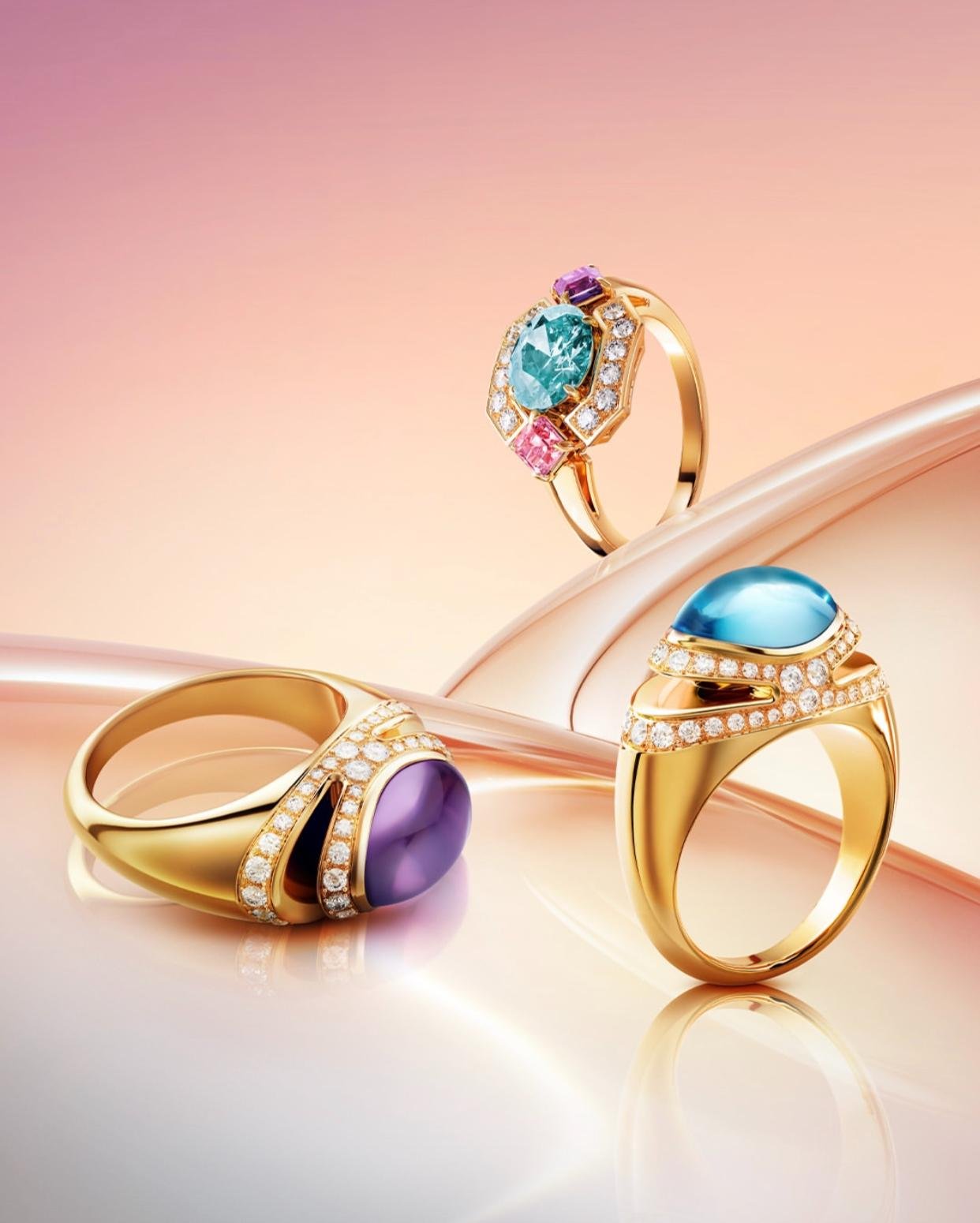
Bvlgari's high jewelry collections represent the apex of the house's craft — compositions built around exceptional colored stones, rare diamonds, and the kind of setting complexity that requires months of work by a single artisan. The house's preference for vivid color — emeralds of Colombian origin, rubies of Burmese extraction, sapphires of Kashmir provenance — reflects the Roman aesthetic at its most assured: boldness not as excess, but as conviction. Each high jewelry piece is a singular object. The Serpenti in high jewelry is not the production Serpenti with different stones. It is a different object entirely.
Andy Warhol said entering Bvlgari's shop
was like visiting the best exhibition of contemporary art.
He was not speaking of the jewelry alone.
He was speaking of the position it takes.
The distinction between Bvlgari and the French school of jewelry is not merely geographic. It is philosophical. Where Cartier calibrates, Bvlgari asserts. Where Van Cleef & Arpels refines, Bvlgari amplifies. The house's preference for large colored stones over white diamonds, for architectural volume over delicate precision, for the vivid mythology of Rome over the restrained elegance of Paris — these are not stylistic choices. They are a position on what jewelry is for. Jewelry, in the Bvlgari vocabulary, is a statement about the person who wears it, made at a volume that requires no translation. It is, in this sense, the most Roman thing the house does: speak clearly, at full register, and trust the audience to understand.
New York · Fifth Avenue · The Bvlgari Boutique
The Bvlgari boutique in New York occupies a presence on Fifth Avenue commensurate with the house's ambition — a space designed to reflect the same architectural confidence as the jewelry itself. The full collections are presented across dedicated rooms: Serpenti, B.zero1, Bvlgari Bvlgari, Divas' Dream, and the high jewelry pieces available by appointment. New York — a city that has always had a particular affinity for jewelry that does not apologize for itself — is one of Bvlgari's most significant markets outside Europe. The house's Roman boldness translates directly into a city that understands the language of confident form.
730 Fifth Avenue · New York, NY 10019
Serpenti · Serpenti Viper · Serpenti Tubogas · Serpenti Seduttori
B.zero1 · Bvlgari Bvlgari · Divas' Dream · Tubogas · Fiorever
High Jewelry — by appointment
Founded Rome 1884 · Sotirios Voulgaris · LVMH Group
bulgari.com/en-us
Sotirios Voulgaris wrote his name in the Latin alphabet
because ancient Rome used V where we now use U.
It was a choice about which civilization he belonged to.
One hundred and forty years later,
every piece the house makes carries that choice
on its surface.
© Bvlgari
© Bvlgari
© Bvlgari

© Bvlgari
© Bvlgari

© Bvlgari

© Bvlgari
© Bvlgari
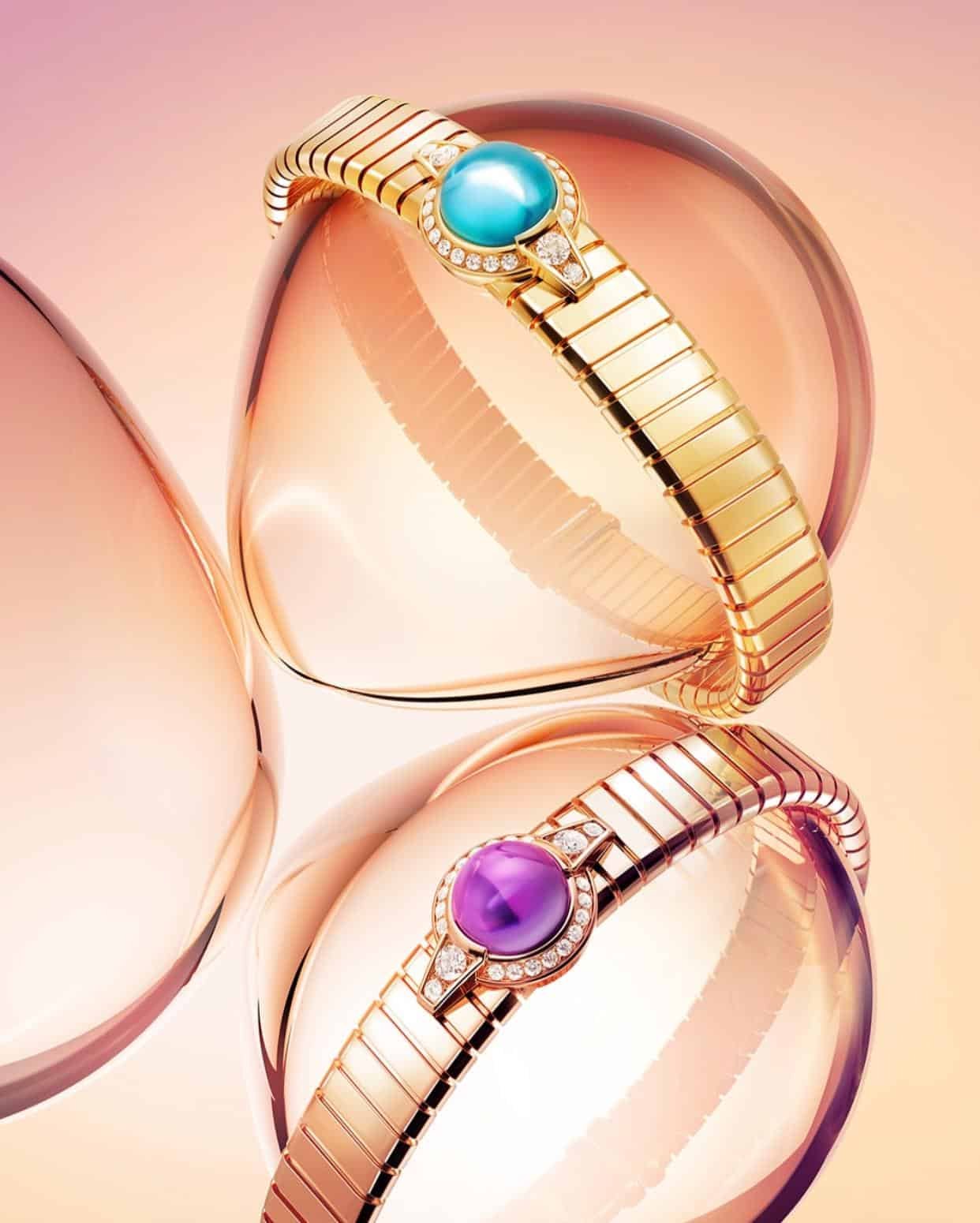
© Bvlgari
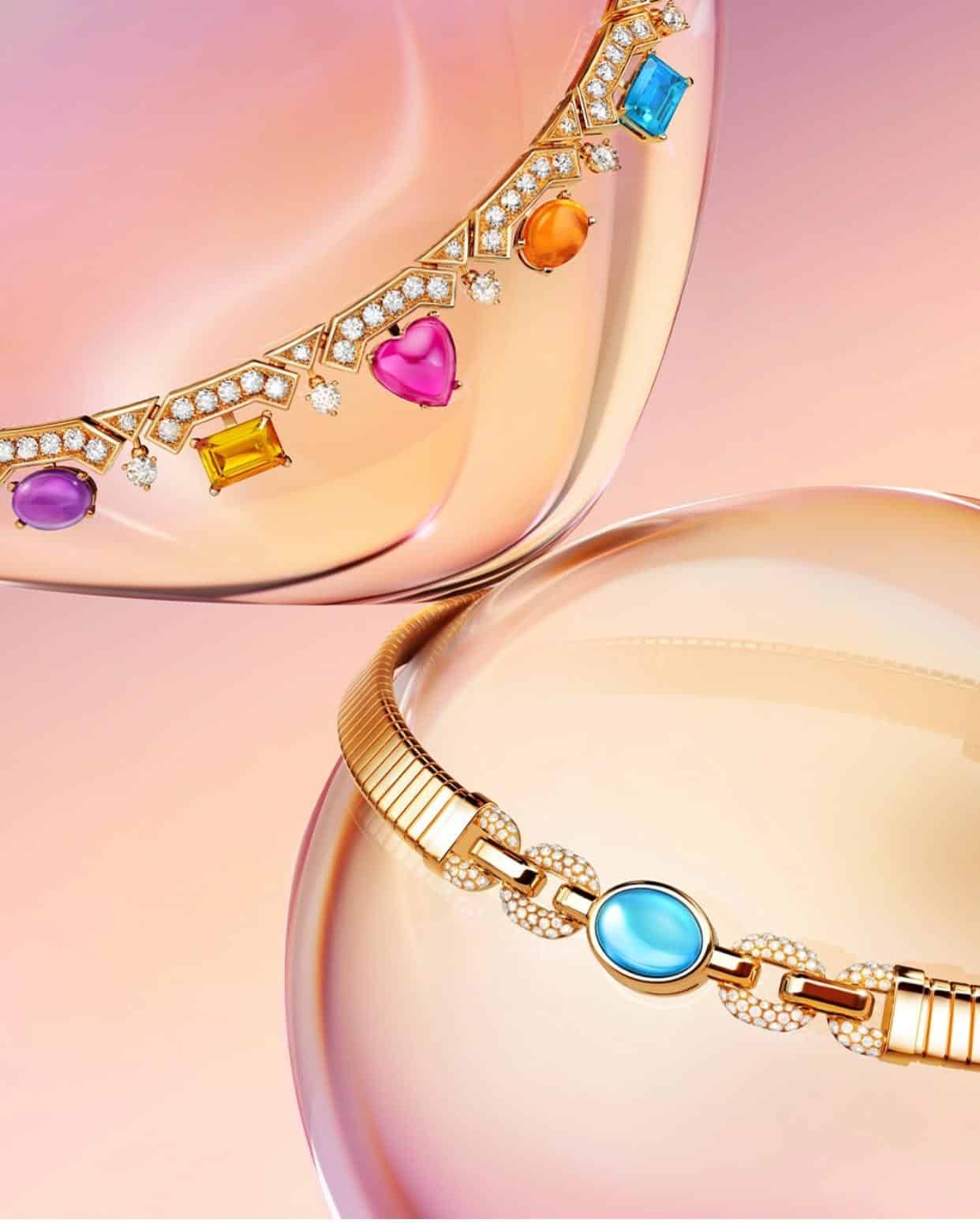
© Bvlgari
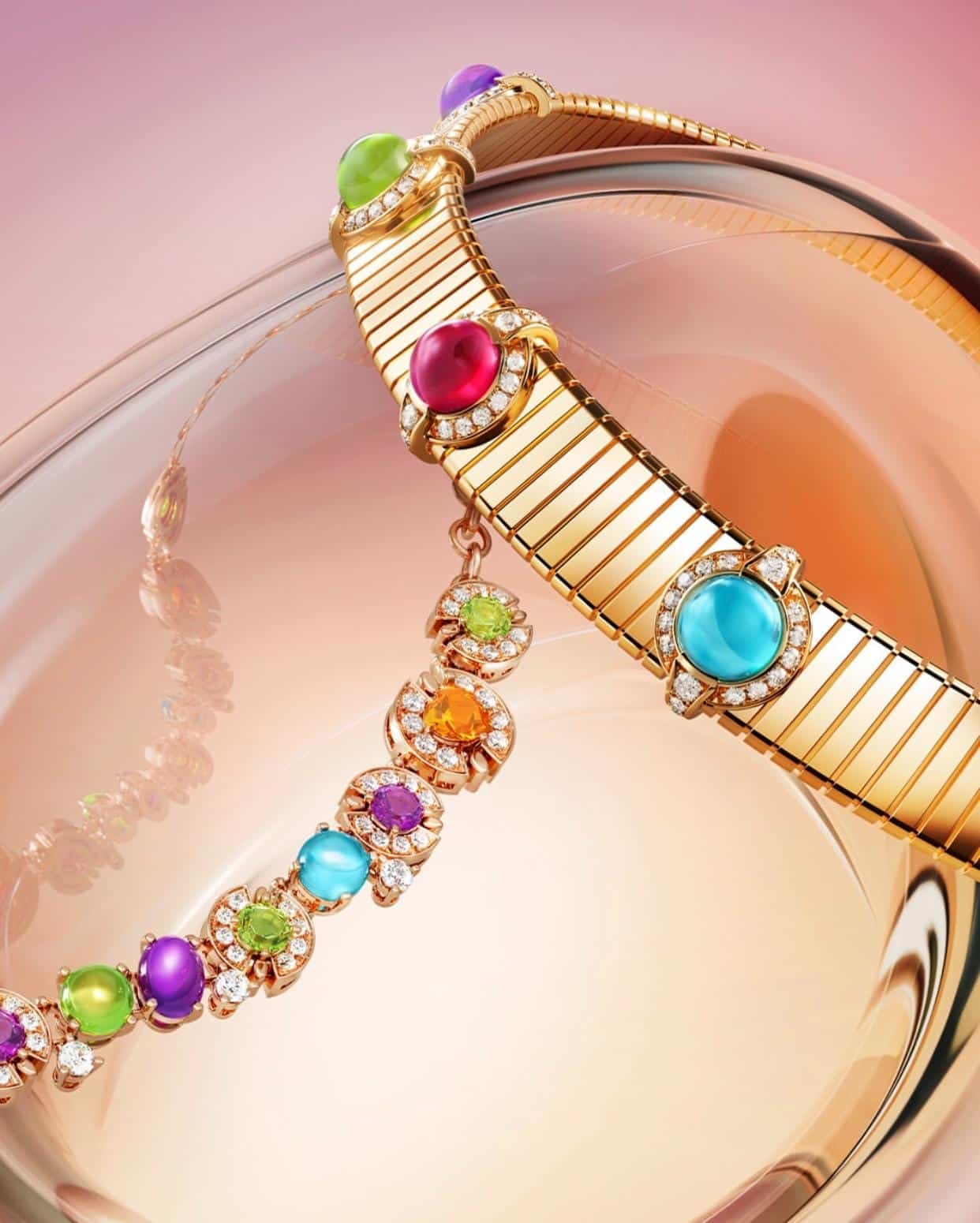
© Bvlgari
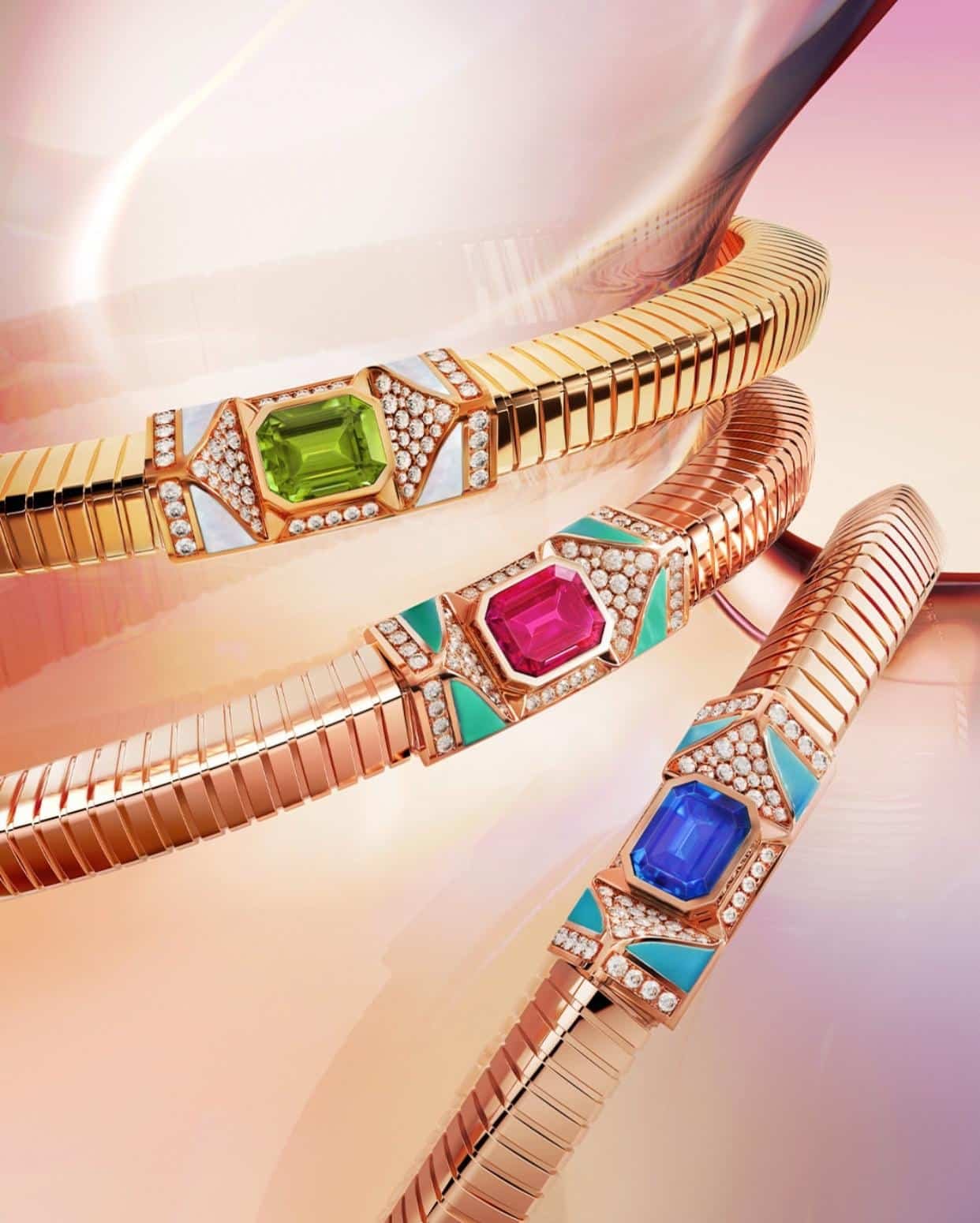
© Bvlgari
© Bvlgari
© Bvlgari
© Bvlgari
© Bvlgari
BVLGARI
© Bvlgari