
© Celine

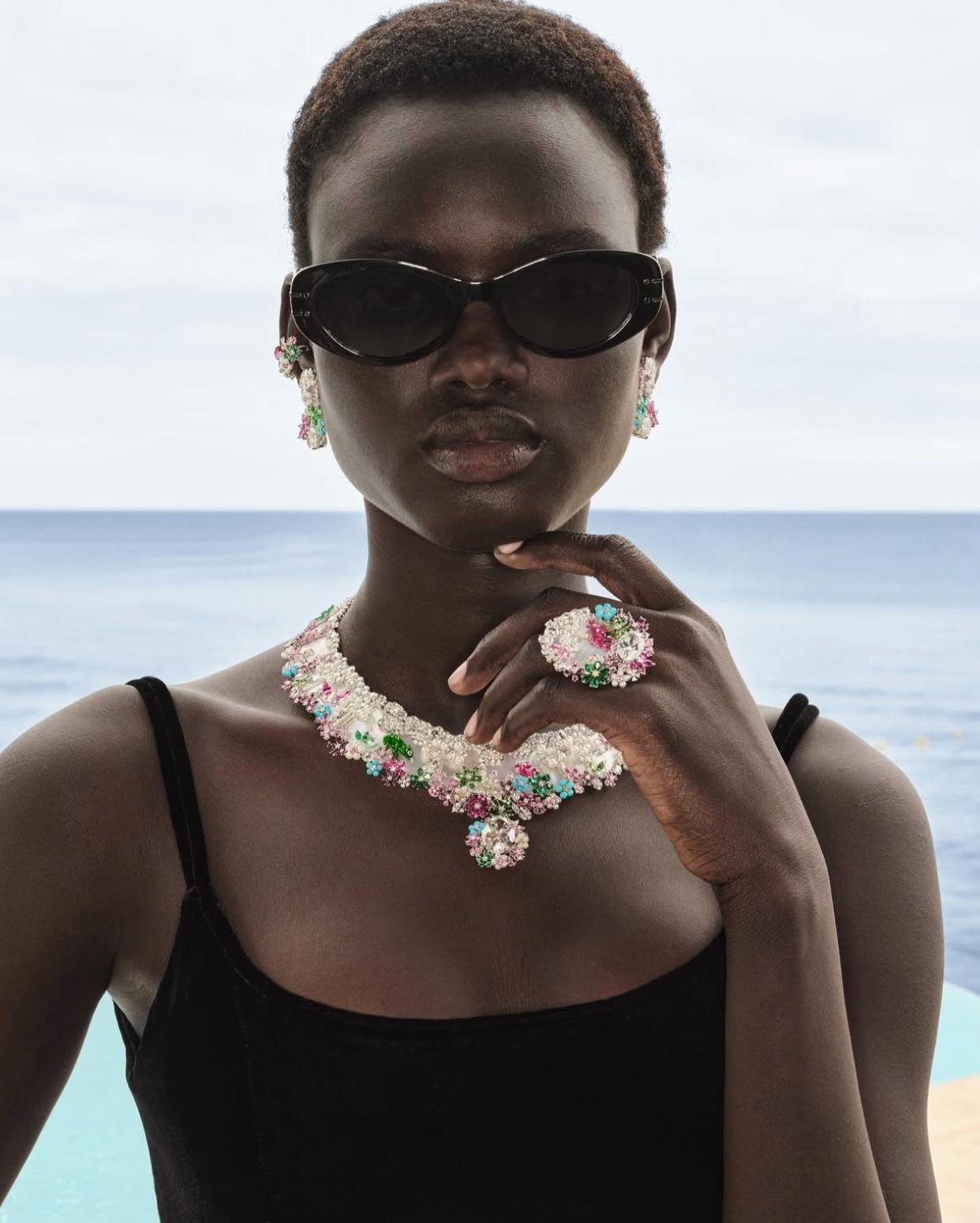
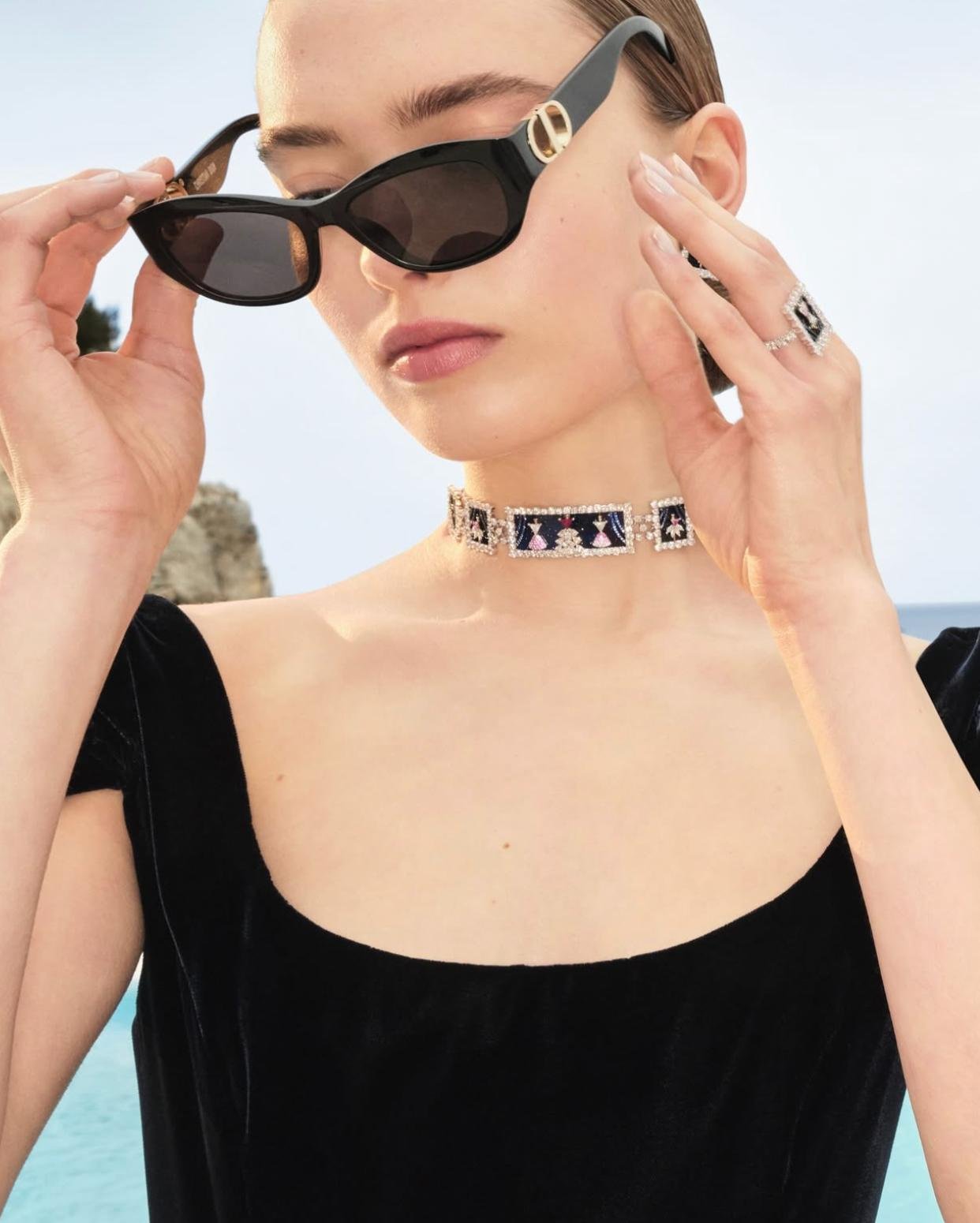
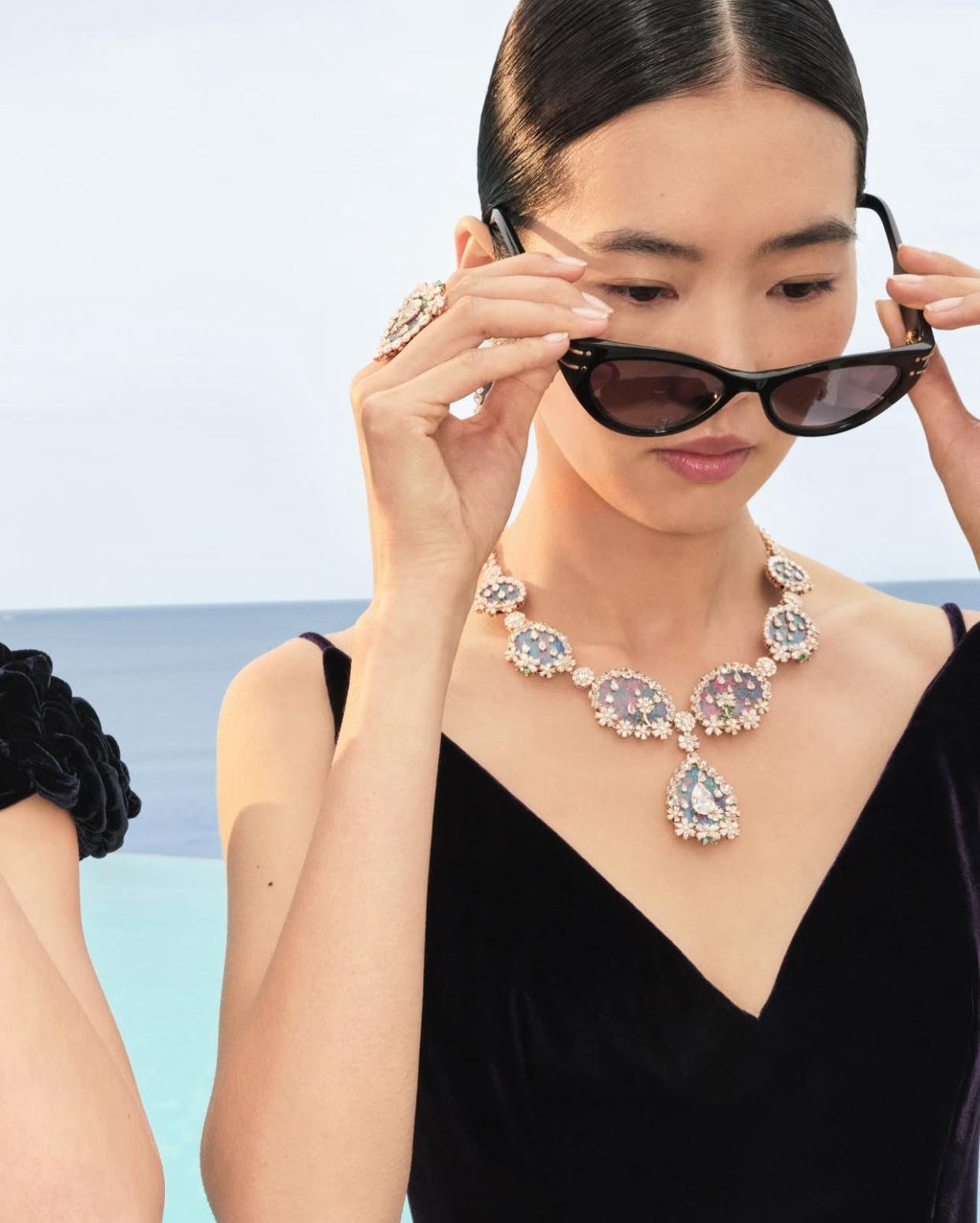
© Dior

© Celine
Eyewear
New York
In 1899, a man named Hyman Moscot arrived through Ellis Island from Eastern Europe with a trade — optician — and a pushcart. He sold ready-made eyeglasses on Orchard Street in the Lower East Side, in the center of the largest immigrant neighborhood in American history. His surname was shortened at Ellis Island from something longer. He later told his family he regretted not saying "Mascot" — he could have marketed the business as "your Optical Mascot." Instead, it became Moscot. One hundred and eleven years later, five generations of the same family are still on the same street. That is where New York eyewear begins.
Orchard Street · 1899 · The Pushcart And The Prescription
The Lower East Side of Manhattan was, at the turn of the twentieth century, the most densely populated neighborhood on earth — Eastern European Jewish immigrants, Italian and Irish families, arriving through Ellis Island and settling in tenements on Orchard, Rivington, Delancey, and Essex Streets. Hyman Moscot brought his optical trade from Minsk to that pushcart on Orchard Street and, in 1915, formalized it into a shop at 94 Rivington Street. The family moved to 118 Orchard Street in 1935, and later to 108 Orchard Street, where Moscot operates today. In 1946, the shop's facade appeared on the cover of The New Yorker — the neighborhood optician elevated to cultural symbol. The frames Moscot designed in those early decades — the round Lemtosh, the square Miltzen, the subtle Zolman — drew from the visual vocabulary of the Jewish intellectual tradition, the immigrant bohemia, the artists and writers and musicians who lived and worked within walking distance of the shop. Andy Warhol wore Moscot. The Tenement Museum added Moscot to its historical tour of the Lower East Side. The pushcart became the brand. The brand became a piece of New York's optical memory — the proof that the face, framed correctly, is a form of identity as much as a form of vision.
The European Houses In New York · The Luxury Frame As Fashion Object
The great European fashion houses entered the eyewear category in the second half of the twentieth century, beginning with Dior's first sunglasses collection in 1969 — the first couture house to present eyewear as a designed object rather than a functional accessory. What followed was a progressive elevation of the frame from optical necessity to deliberate fashion statement: Chanel with the interlocking CC on the temple, Celine with the Triomphe found in the archives and placed at the hinge, Valentino with the bugnato stud pressed into metal, Dior with the Cannage grid engraved from the Napoleon III chairs. Each house translated its founding codes into a frame — the same intelligence applied to a bag or a coat, compressed into something worn within two centimeters of the eye. In New York, these frames arrive through the flagship boutiques on Madison Avenue and Fifth Avenue and through the department floors of Bergdorf Goodman, where the eyewear is stocked alongside the ready-to-wear and the leather goods as part of the same house proposition. The European luxury frame in New York is not a separate category. It is the final detail of a complete look — the period at the end of the sentence.
Moscot is the oldest eyewear brand operating in New York City — the 21st oldest eyewear company still operating in the world — and the only one whose entire history is inseparable from a single Manhattan neighborhood. The Lemtosh, introduced in the early decades and now the brand's signature frame, has been worn by artists, musicians, writers, and intellectuals across a century of New York counterculture: the round acetate silhouette that became synonymous with downtown cool without ever trying to be fashionable. The Miltzen — chunky, square, definitively urban — carries the same DNA as the neighborhood itself: practical, direct, unapologetic. Moscot frames are made in Italian acetate and fitted by the family's own opticians at Orchard Street, where fifth-generation Zack Moscot now designs alongside his father Harvey. The shop is in the Tenement Museum's historical tour. That is not marketing. It is simply where the shop has always been.
The European luxury houses present their eyewear collections at their New York flagship boutiques as part of the full seasonal offer — the same frames shown in Paris, available in New York within the same season, worn on the same streets the following week. Celine's Triomphe — the double-C monogram drawn from the chains of the Arc de Triomphe, dormant in the archives for forty years before Hedi Slimane retrieved it in 2018 — sits on the temple of a dense acetate frame available at 650 Madison Avenue. Dior's Cannage — the geometric grid of the Napoleon III chairs used at Christian Dior's very first show in 1947 — is engraved in polished metal on the temples of frames produced at the Thélios facility in Longarone, northern Italy. Jonathan Anderson's Dior Clover carries the lucky charm that Christian Dior himself kept in his pocket at every collection preview, now in black enamel on a hinge, available at 23 East 57th Street. Each frame is a compressed version of the house's founding codes — worn within two centimeters of the eye, where the distance between what a brand proposes and who is looking is at its smallest.
Luxury eyewear in New York operates in two registers that coexist without contradiction. The first is the declared logo — the Celine Triomphe in gold on the temple, the Dior CD initials on the hinge, the Valentino Rockstud studs along the metal arm — the frame as recognizable statement, worn by someone who has chosen to be read. The second is the coded detail — the three dots at the hinge of the Celine Bold 3 Dots collection, the Cannage grid barely visible unless the light catches it at the right angle, the single oversized stud of the Valentino One Stud that is present without insisting — the frame as conversation for those who speak the language. New York demands both registers simultaneously, because the city's eyewear audience spans the woman who wants her Celine to be recognized across a table and the woman who wants it to be noticed only by the person sitting beside her. Both are buying the same quality, the same craft, the same house. They are simply addressing different parts of the same room.
The optical frame is the most intimate object in the luxury wardrobe — the one worn not occasionally but continuously, for the full duration of every day, in every context, by someone who sees the world through it. New York's luxury eyewear offer in optical formats is as complete as its sunglasses collection: every European house produces prescription-compatible frames in the same designs as the sunglasses, available with single-vision, varifocal, blue-light, or photochromic lenses through the boutique optical services. The Dior MiniCD — a low oval in tortoiseshell acetate with a gold CD signature, launched for Jonathan Anderson's Spring-Summer 2026 — arrives with blue-light lenses as standard. The Celine Bold 3 Dots translates the discreet hinge detail into a daily optical frame. Moscot has always been both: optical shop and fashion object, the same frame serving vision and style without distinguishing between them. That is the oldest New York proposition. A pushcart. A prescription. A frame that fits.
New York sunglasses are worn in conditions that no other luxury capital requires in quite the same combination: the flat winter glare off snow-covered sidewalks in February, the low autumn light on Fifth Avenue in October, the full summer exposure on the High Line in July, the underground darkness of the subway followed immediately by the brightness of the street — transitions that a fixed tint handles poorly and a photochromic lens handles precisely. The luxury sunglasses frame that works in New York must be structurally sound enough for daily use, proportionally appropriate for a face in motion rather than a face at rest, and visually coherent from a distance of ten feet — the distance at which a stranger on Madison Avenue reads what you are wearing before they read anything else. The European houses understand this because their New York clients have told them, season after season, what actually holds up. The Moscot Lemtosh has been answering the same question since 1915. The answer has not changed. Only the materials have improved.
New York's eyewear offer is distributed across geographies that reflect the city's layered relationship to the object. The Madison Avenue corridor between 57th and 86th Street carries the European luxury houses' full seasonal collections — Celine at 650 Madison, Valentino at 654 Madison, Dior at 23 East 57th. Bergdorf Goodman at 754 Fifth Avenue stocks a comprehensive multi-house eyewear selection across the beauty and accessories floors. The Lower East Side — 108 Orchard Street specifically — holds Moscot, the oldest optical institution in the city and the one whose frames have outlasted every trend that passed through the neighborhood in a century of use. SoHo carries the contemporary independent labels and the European houses with a younger commercial register. The eyewear map of New York is, in miniature, the map of the city's relationship to what it considers beautiful, functional, and worth keeping for a long time: the immigrant optician on Orchard Street and the Parisian Maison on Madison Avenue, separated by forty blocks and a hundred years, answering the same question with the same precision.
In 1899, a man arrived through Ellis Island
with a trade and a pushcart.
He sold glasses on Orchard Street.
His name was shortened at Ellis Island —
he later said he wished he'd said "Mascot"
so he could have marketed the business
as "your Optical Mascot."
Instead it became Moscot.
In 1946, the shop appeared on the cover of The New Yorker.
Five generations later, the family is still on the same street.
That is where New York eyewear begins.
Everything else —
Celine on Madison, Dior on 57th —
is the same question
asked at a different address.
New York has always understood the frame as identity before it understood it as fashion. The immigrant communities of the Lower East Side wore glasses because they needed to see — the garment workers reading patterns, the scholars studying texts, the merchants reading ledgers — and the optical shop on Orchard Street was as essential to the neighborhood as the bakery or the pharmacy. That necessity produced a visual culture: the intellectual in round acetate, the downtown artist in chunky square frames, the uptown professional in thin metal. These archetypes did not come from fashion editorials. They came from the street, from the face of the city reading itself in shop windows and subway glass. When the European luxury houses began producing eyewear as fashion objects in the 1960s and 1970s, they were entering a conversation that New York had been having since 1899. The frame was already a statement here. The houses simply gave it a name engraved in gold on the temple — and discovered that New York already knew what to do with it.
A man came through Ellis Island in 1899
with a pushcart and a trade.
He set up on Orchard Street
in the most crowded neighborhood on earth.
His family is still there.
Forty blocks north on Madison Avenue,
the great houses of Paris
engrave their codes on metal temples
and place them within two centimeters of the eye.
The question is the same one
it has always been:
what does the face say
when the right frame holds it?
New York has been answering
since before anyone thought to ask.
CELINE

© Celine
DIOR

© Dior