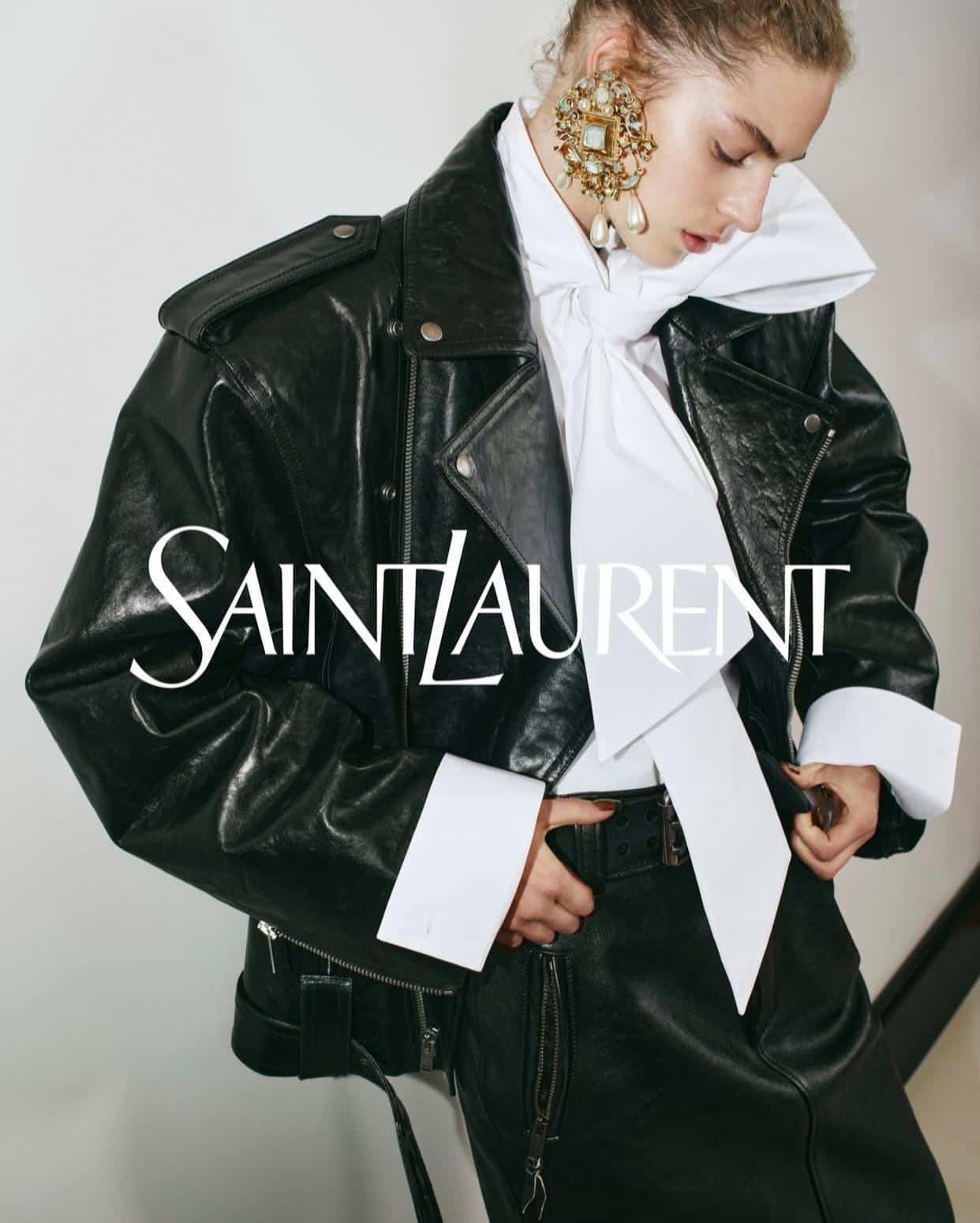
© Saint-Laurent
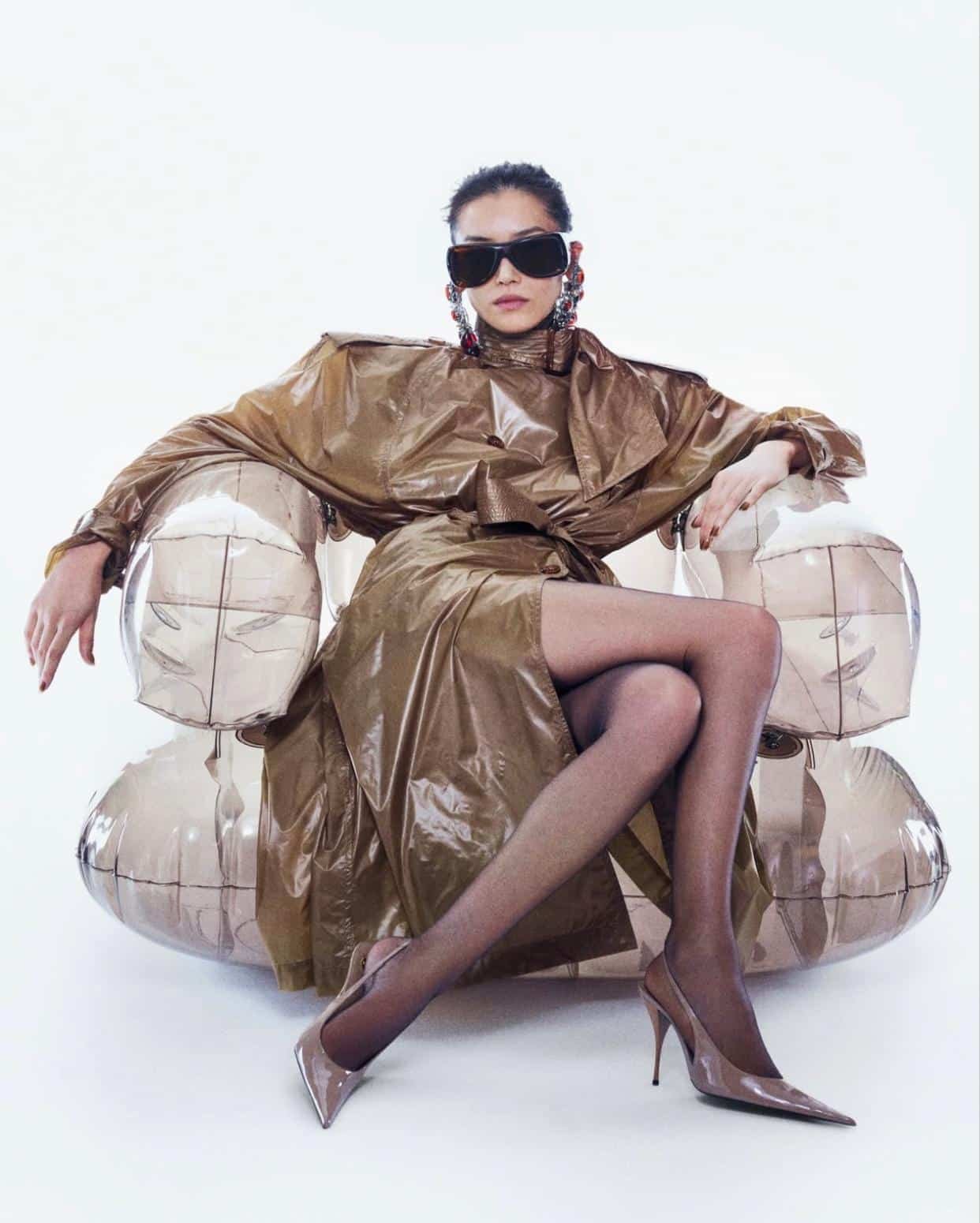
© Saint-Laurent
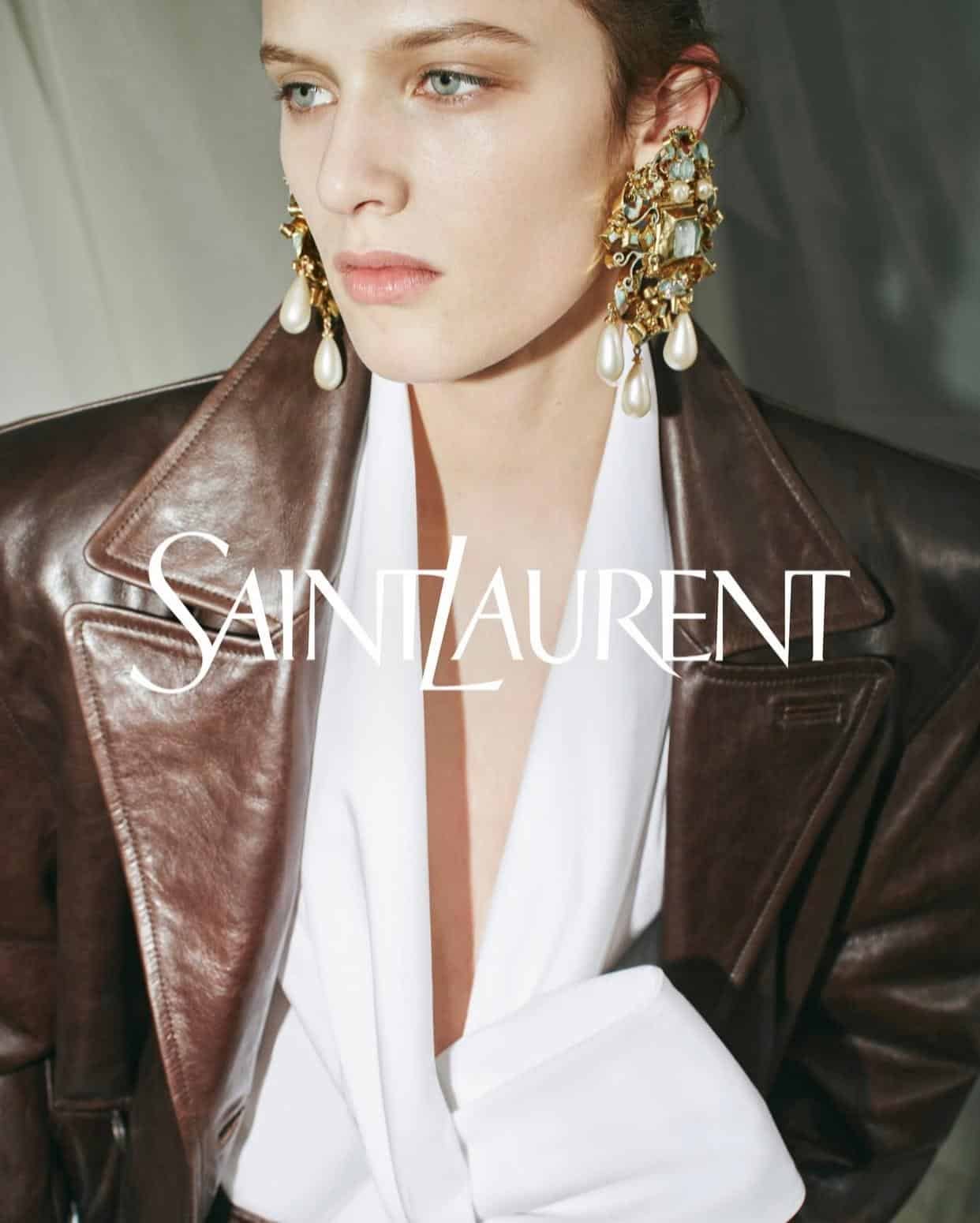
© Saint-Laurent
Saint Laurent
In 1966, at the first haute couture presentation of Le Smoking — the women's tuxedo — only one was sold. The rest of the audience was horrified. That same year, Nan Kempner arrived at a New York restaurant wearing the trouser version and was refused entry for breaking the dress code. She removed the trousers on the threshold and walked in wearing the jacket alone, as if it were a mini-dress. That is the history of Saint Laurent in a single gesture: the woman who refuses to be told what she cannot wear.
Paris · 1961 · Le Smoking · The Revolution In Black Wool
Yves Saint Laurent founded his house in 1961 with Pierre Bergé — a partnership between a couturier of exceptional visual intelligence and a businessman of equal precision. By 1966, when Saint Laurent introduced Le Smoking in his autumn/winter collection, he had already reshaped women's fashion with the Mondrian dress, the pea coat, the safari jacket, the thigh-high boot, the beatnik look. Le Smoking was different. It did not borrow from art or from the street. It borrowed from the gentleman's club — from the room where men went to smoke after dinner, to protect their formal clothes from the smell of cigars. Saint Laurent took the garment of male privilege and gave it to women. Straight-legged trousers, a fitted jacket with satin lapels, a white ruffled organza shirt, a bow tie, a wide satin belt. In a world where women were still not permitted to wear trousers to work, this was not merely a fashion statement. WWD called Saint Laurent "the most elegant bomb-thrower in the world of fashion." Only one was sold to the haute couture clientele. The Rive Gauche ready-to-wear version, launched the same year in a boutique on the Left Bank, was immediately purchased by the younger women who understood immediately what had been given to them. Saint Laurent included Le Smoking in every collection he made until his retirement in 2002. His final haute couture show closed with a parade of smokings. Catherine Deneuve and Laetitia Casta stood beside him at the end. They were all three in Le Smoking.
Anthony Vaccarello · Creative Director Since 2016
Anthony Vaccarello is Belgian by birth, half Italian by heritage. He studied at La Cambre in Brussels — the rigorous Belgian fashion school — and in 2006, at 24, presented his graduation collection at the Hyères International Festival of Fashion and Photography. The collection was inspired by La Cicciolina, the Italian pornographic actress and politician. It won the grand prize. Karl Lagerfeld saw it and hired him immediately for Fendi. "That collection had a lot of leather," Vaccarello recalls, "and they were looking for someone to design fur and leather." He spent two years in Rome, then moved to Paris to launch his own label — "even though everyone told me not to" — and established himself as a designer whose vocabulary was built on the same axes as Saint Laurent's own: leather, androgyny, the body, the night, the suggestion of power through restraint. In 2016, Kering named him creative director of Saint Laurent. He has held the position for nine years, turning it into what the industry describes as a $3 billion business combining fashion credibility with commercial precision. "When I arrived," he has said, "I tried to put myself in the place of Yves, to ask myself: what would he have done to reach a younger audience?" The answer: change the fabrics, modernize the materials, preserve the formal intelligence that has made this house the most consistently elegant in French luxury fashion.
Le Smoking has appeared in every Saint Laurent women's collection since 1966. Over sixty years, it has been reinterpreted in every possible register — as a shrunken evening jacket, as an oversized tailored suit, as a velvet double-breasted, as a sequined closing gesture. Under Vaccarello, Le Smoking functions not as a museum piece but as a living argument: that the most powerful garment available to a woman remains the one that the world originally said was not hers to wear. Winter 2026 — organized around the anniversary of Le Smoking's introduction — opened with a phalanx of black suits, strongly shouldered and narrowly cut, closing with a reimagined Le Smoking delivered with "an insouciant shrug over a traditional swagger." The set: a glass and wood modernist residence, an oversized replica of the bust from Yves Saint Laurent's own apartment at center stage, the Eiffel Tower visible through the transparent walls. A reminder, in Vaccarello's own words, that "the true home of Saint Laurent will forever be Paris."
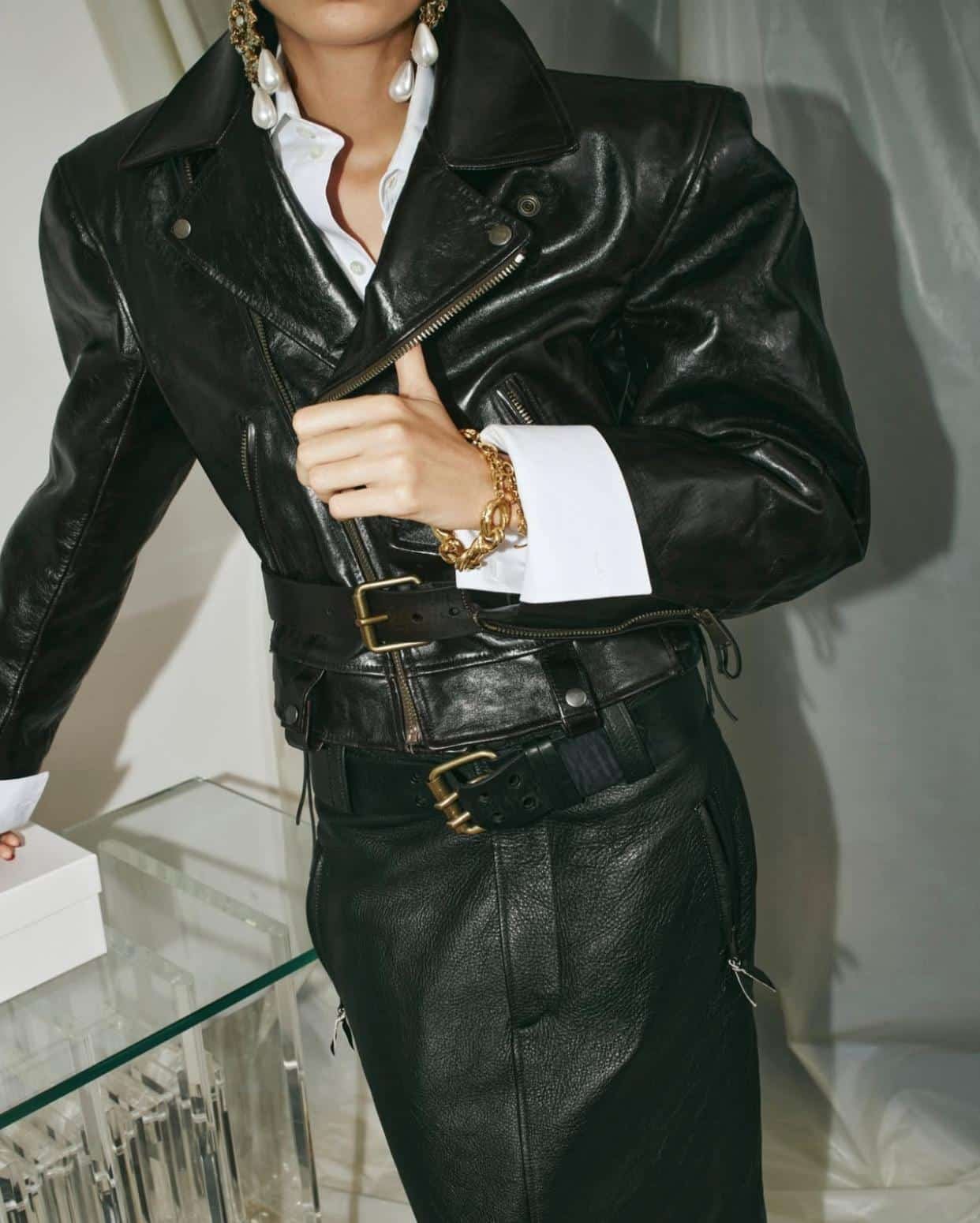
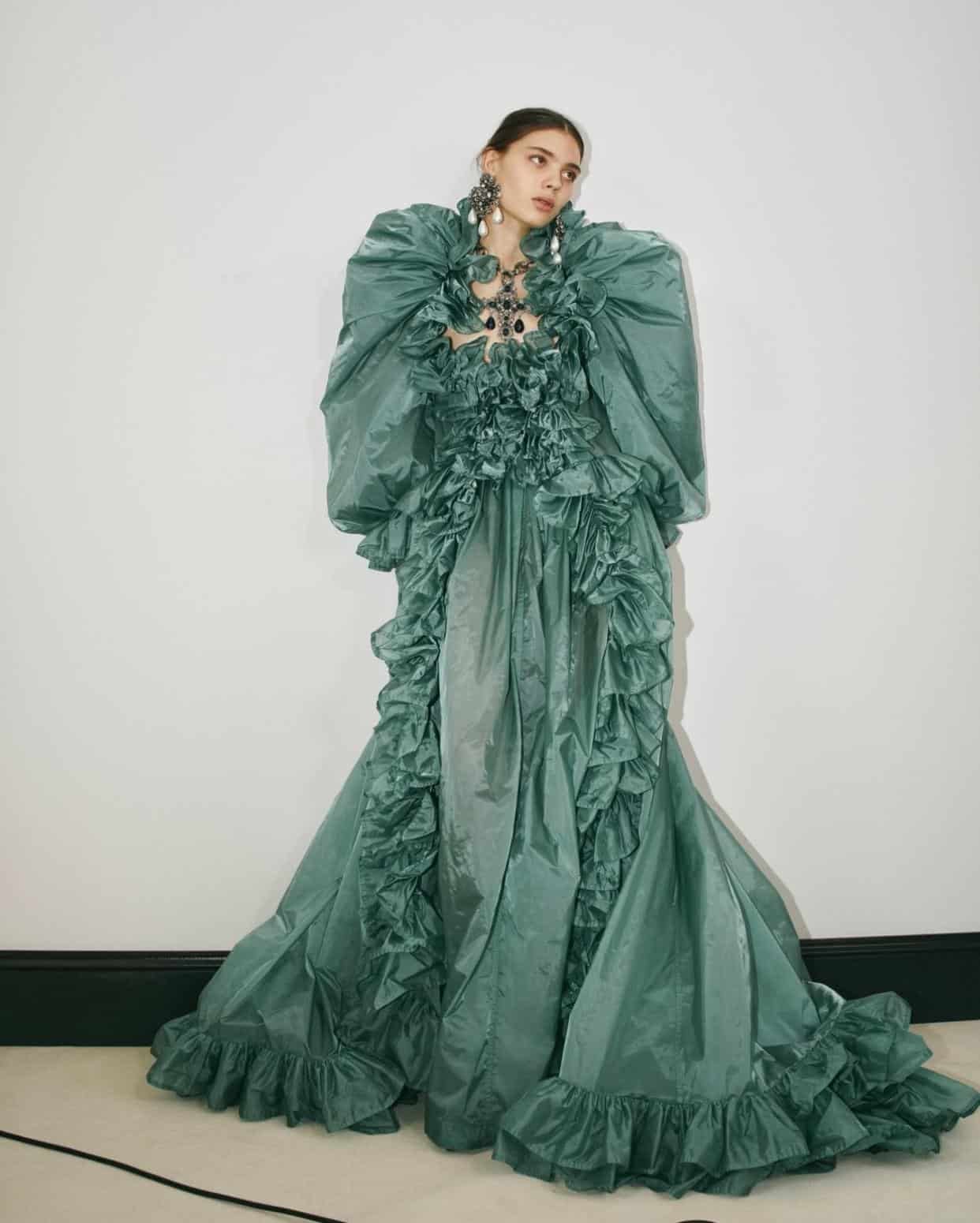
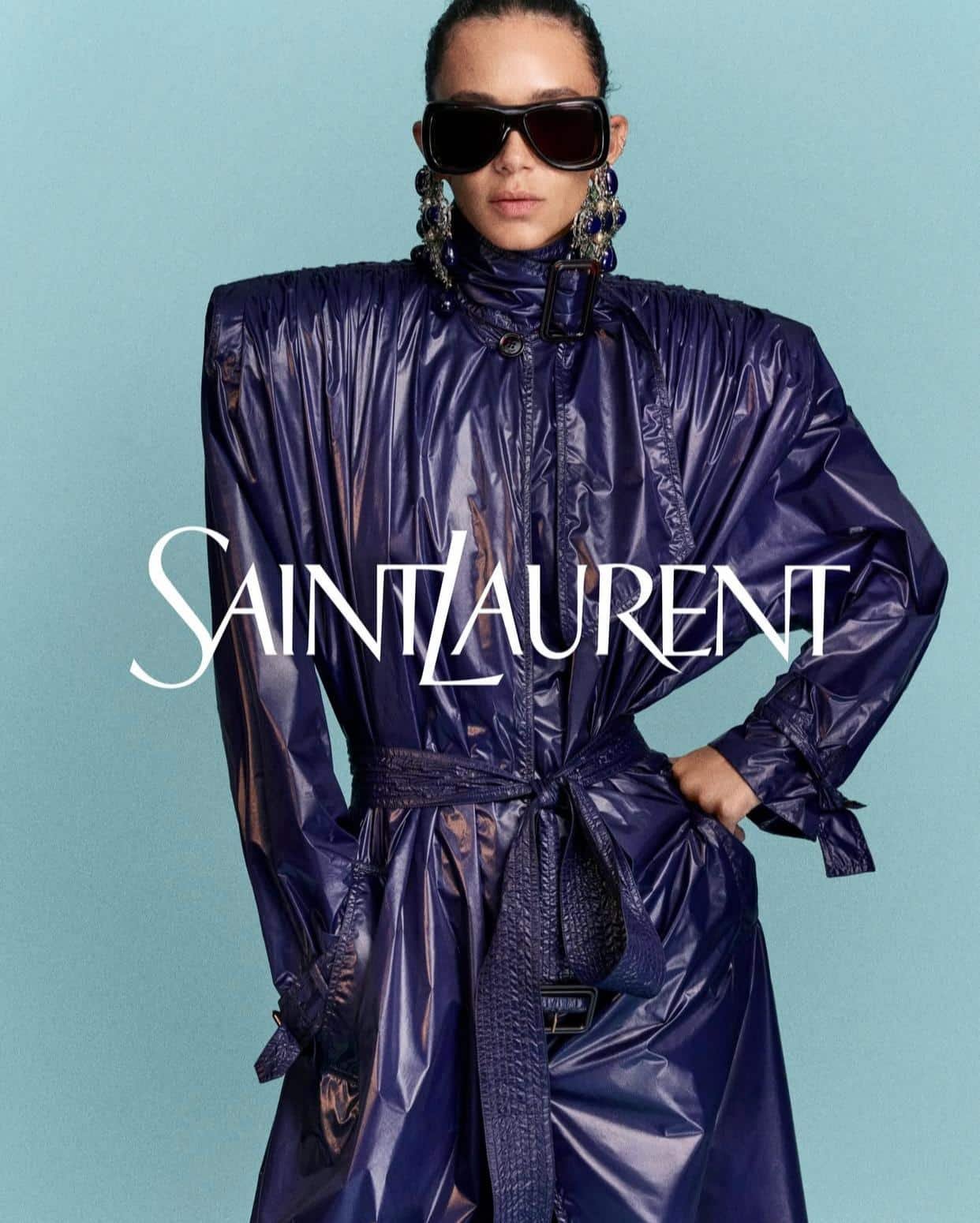
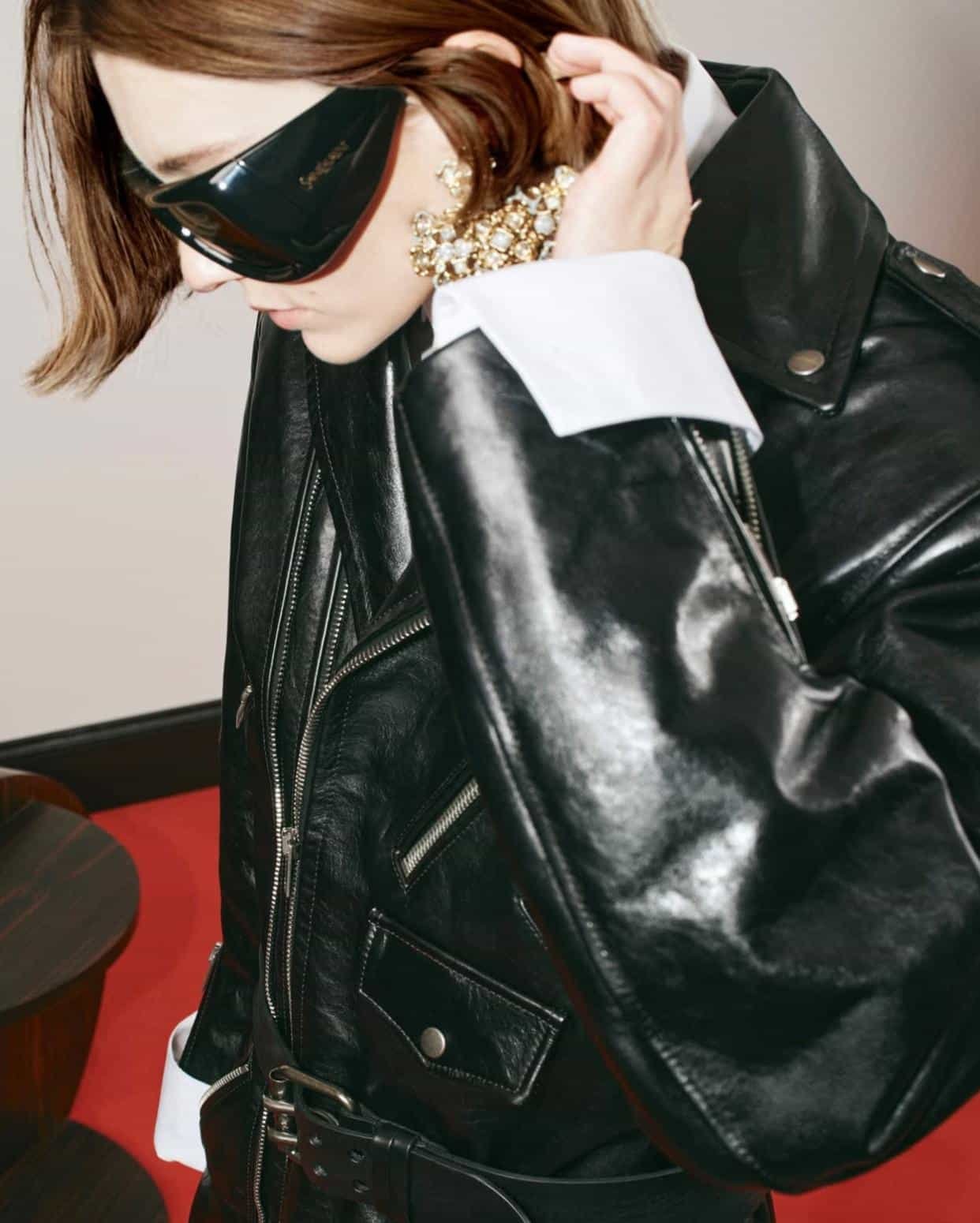
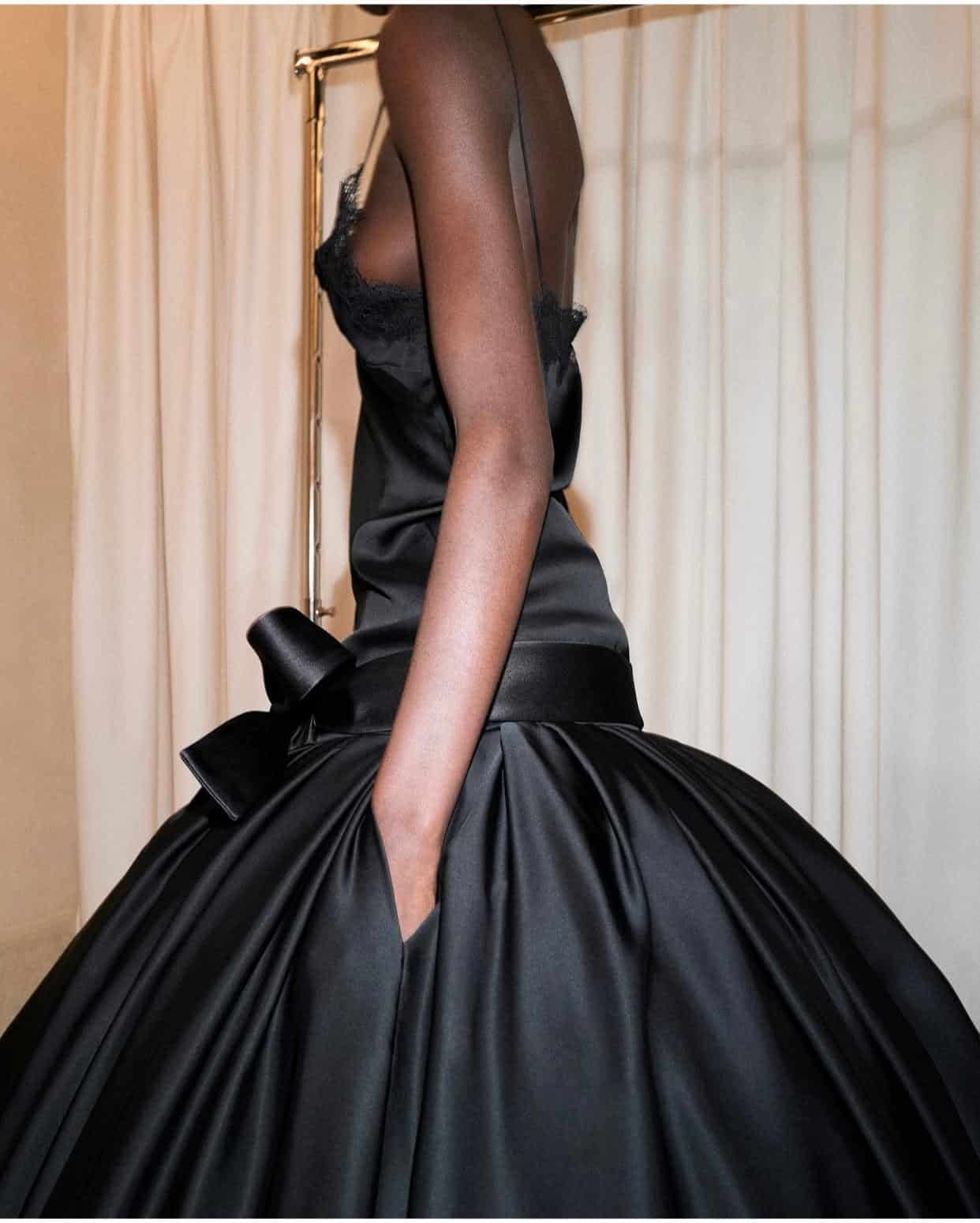
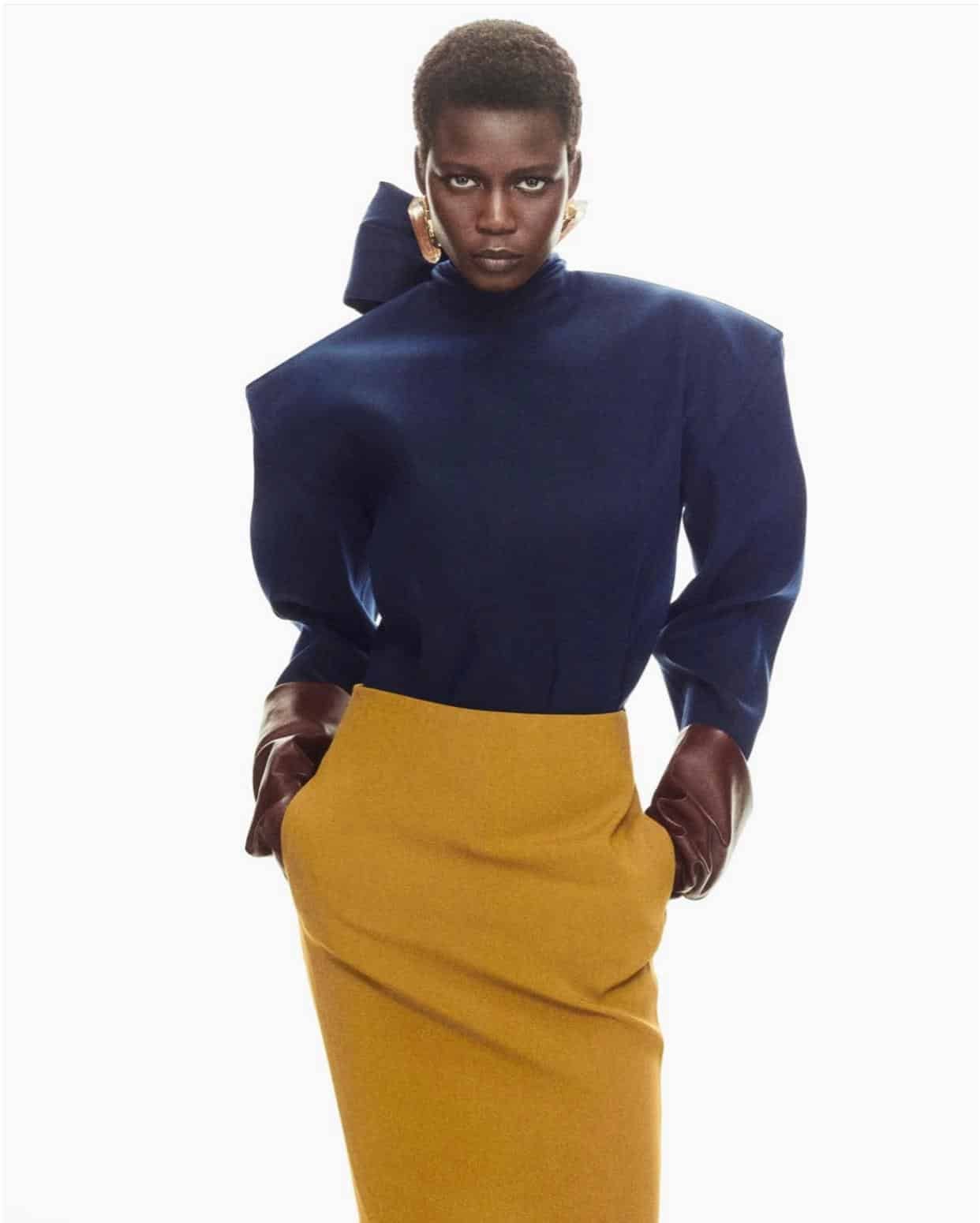
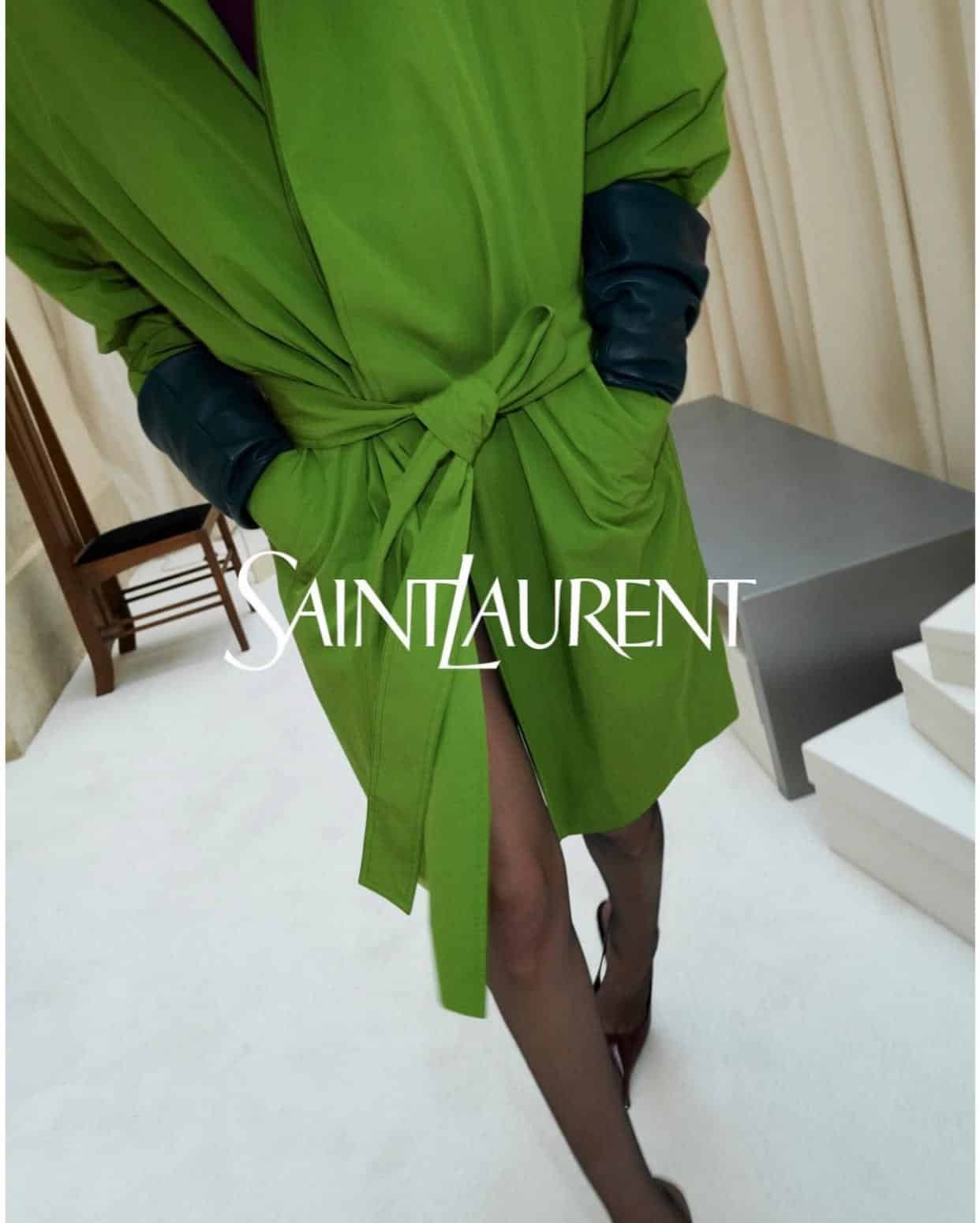
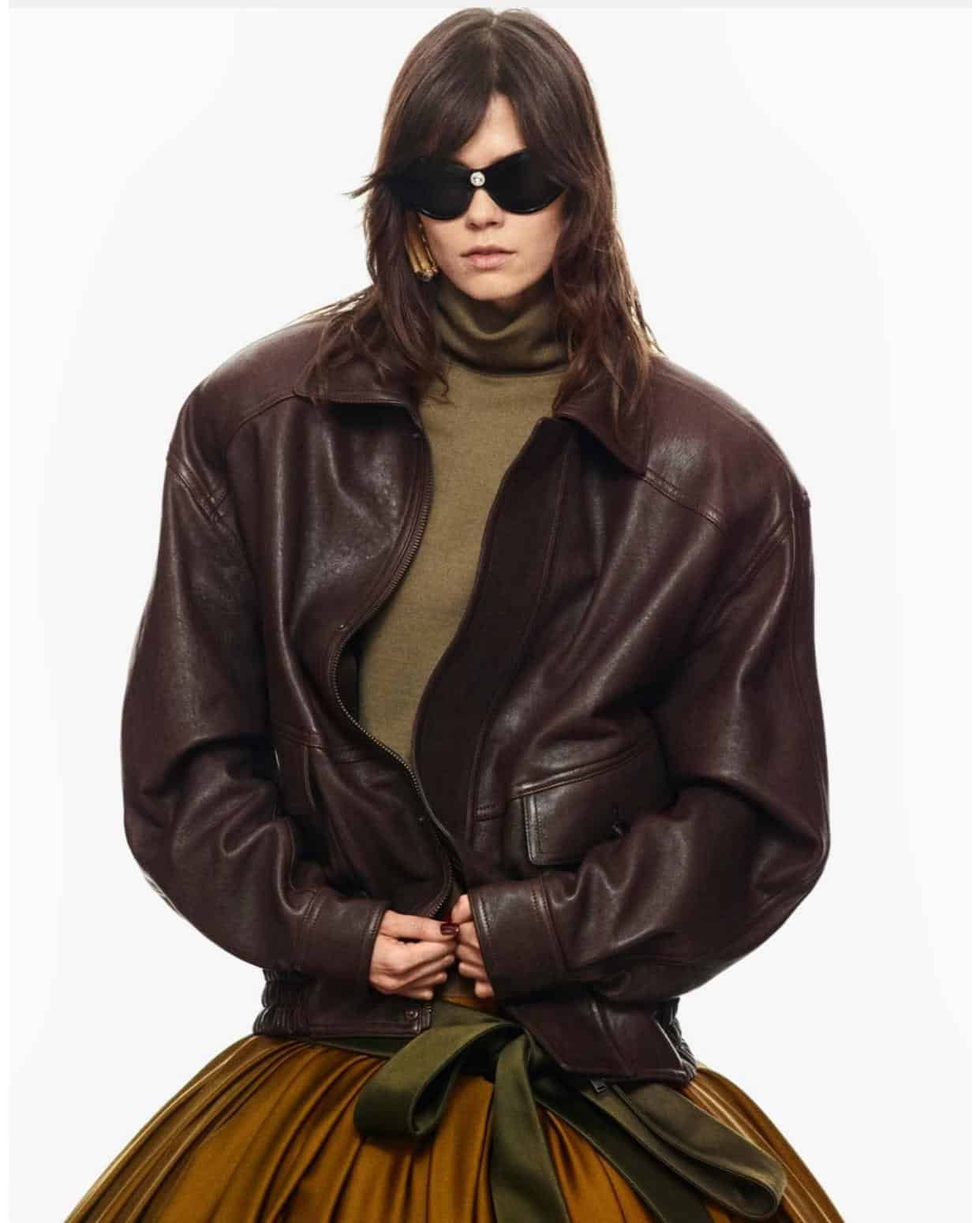
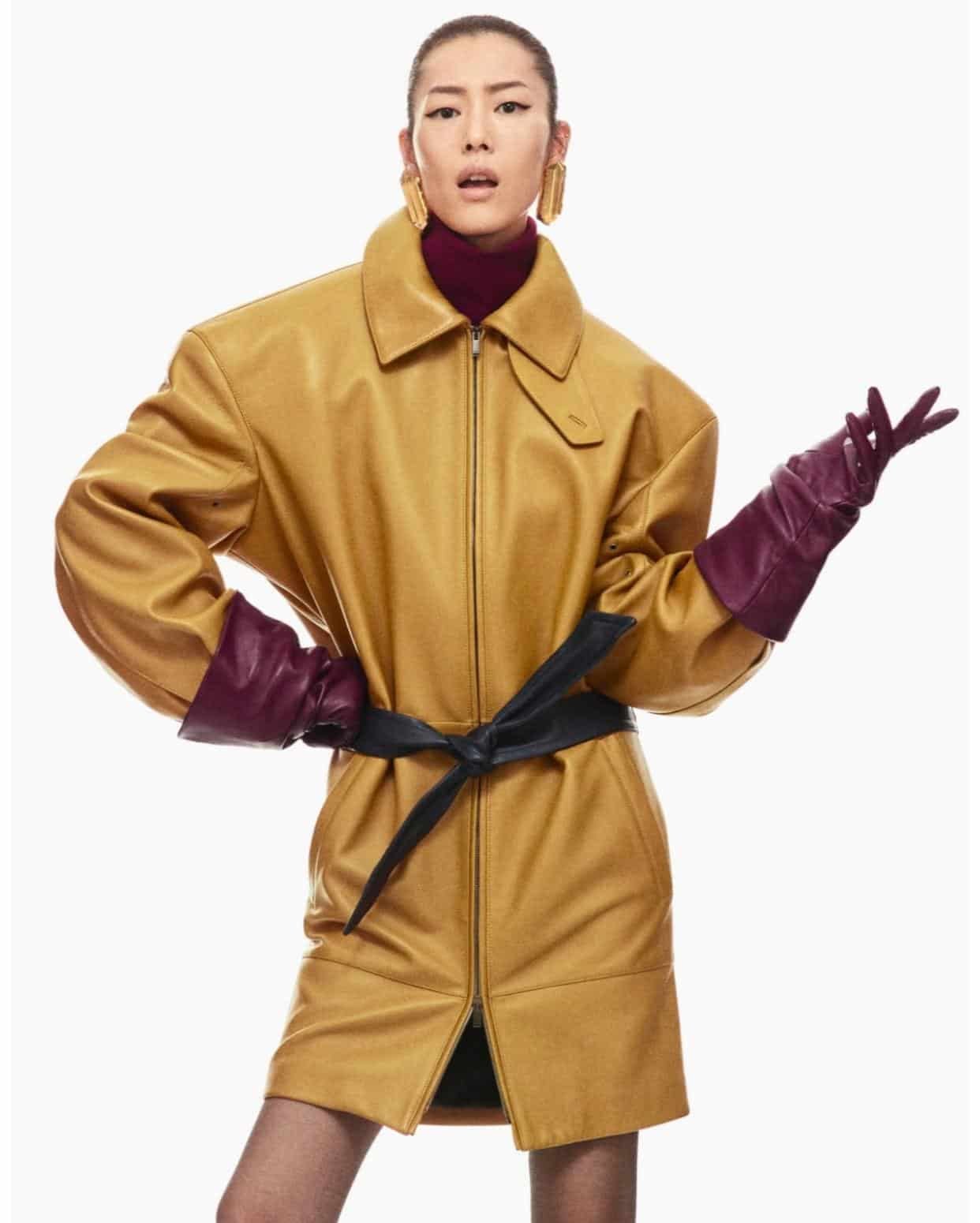
Spring 2026 showed approximately one third of its looks in black leather — tailored bomber jackets, pencil skirts, trench coats, bustier tops, vests, belts, and caps in heavy black leather. Vaccarello described the models in the show notes as "black leather-clad princesses à la Mapplethorpe." The reference was to Robert Mapplethorpe's photographs: black leather as both armor and second skin, power as formal gesture rather than performance. The remainder of the collection deployed Rive Gauche silhouettes in bold jewel tones — emerald green, blackberry, saffron — the full-blooded Left Bank bourgeois glamour of the 1980s translated for 2026. Oversize bows, big shoulder pads, high-volume gowns. The collection was an argument for fashion as discourse: "a language that transcends the boundaries of art, society, and politics," Vaccarello wrote. The Saint Laurent woman as "singular yet multifaceted, a figure of strength and sophistication." Le Smoking had said the same thing in 1966, in black wool. The vocabulary has not changed. It has only accumulated depth.
For Winter 2026, Vaccarello stripped Saint Laurent to its most foundational elements: structure, purity, uncompromising tailoring. The cinematic reference was Romy Schneider — specifically her role in Claude Sautet's 1971 film Max et les Ferrailleurs, with its "signature elegance tinged with ennui." Literary touchpoints came from Tennessee Williams and Gore Vidal. The dominant silhouette: strongly shouldered black suits, single and double-breasted, their severity echoing the late 1970s and early 1980s while remaining precisely contemporary. The formal innovation: silicone-coated sheer lace that held its form with the severity of tailoring — "fragility as force," as one reviewer described it. The palette broke from the black with painterly hues of burnt sienna, teal, French blue, and deep brown. "Bourgeois stillness with urban vulnerability" — Vaccarello's working phrase for a collection that positioned the Saint Laurent woman as permanently between two registers, always exactly herself.
In April 2023, Saint Laurent launched Saint Laurent Productions — a production company for art cinema, with Anthony Vaccarello designing costumes for every film produced. The company's first projects were two short films: Pedro Almodóvar's Strange Way of Life, which premiered at Cannes 2023, and Jean-Luc Godard's posthumous Phony Wars. Subsequent projects included David Cronenberg's The Shrouds, Paolo Sorrentino's Parthenope, and Jacques Audiard's Emilia Pérez — which received a Jury Prize at Cannes 2024 and an Academy Award nomination at the 97th ceremony. The move is deeply coherent with the house's history: Yves Saint Laurent dressed Catherine Deneuve for Luis Buñuel's Belle de Jour, Helmut Newton photographed the smoking for French Vogue in 1975, and the relationship between this house and cinema has always been structural rather than opportunistic. Saint Laurent Productions makes it permanent.
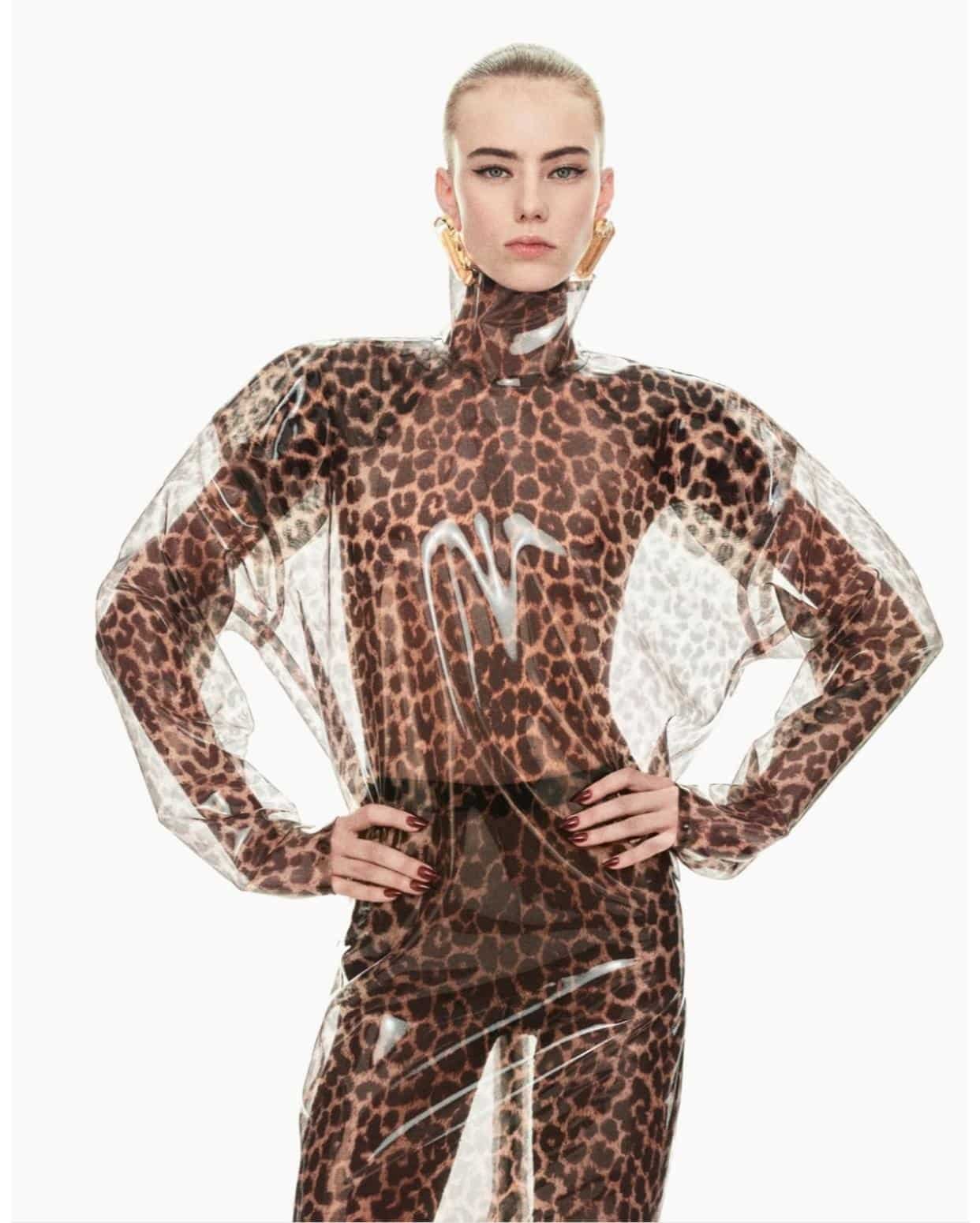
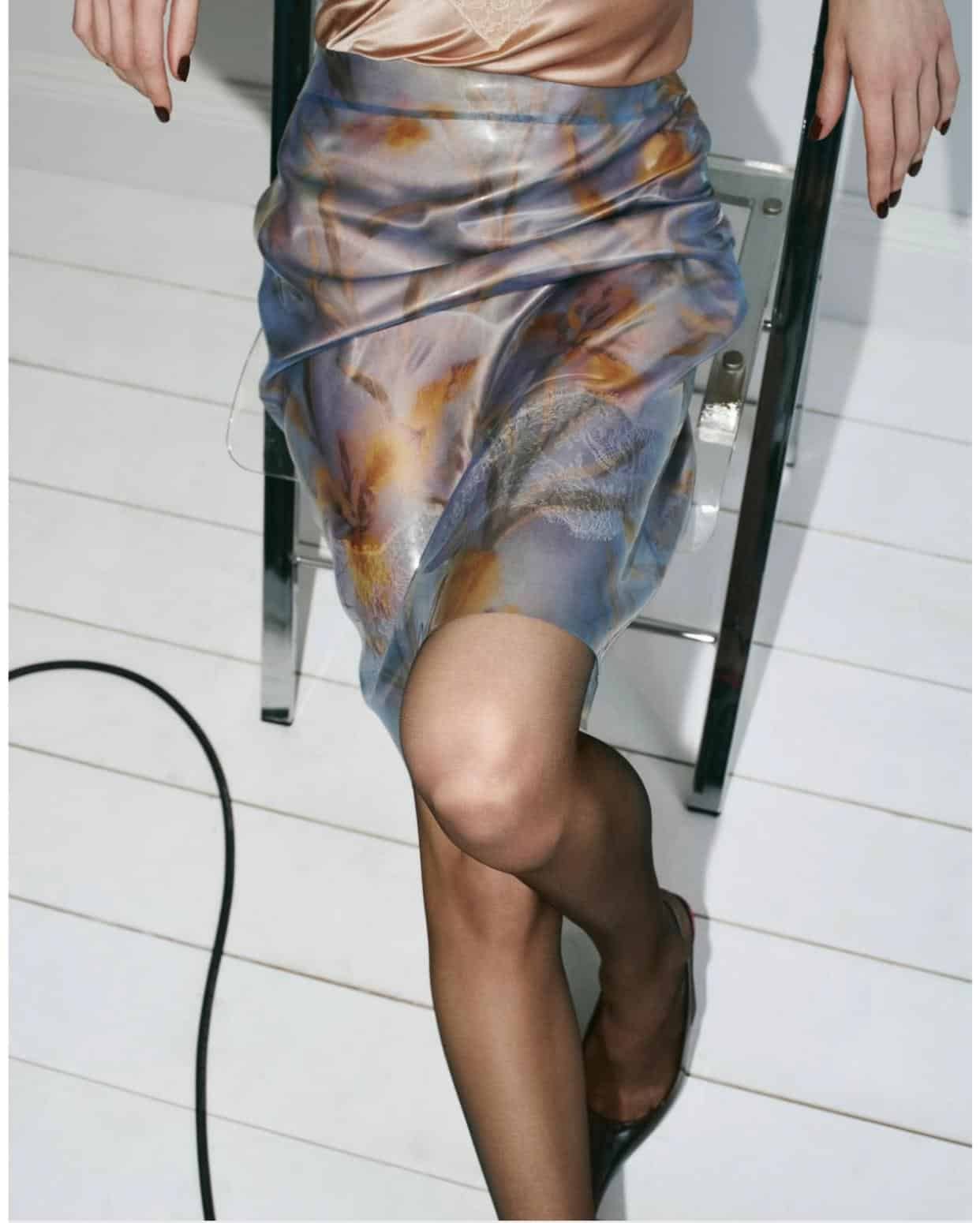
Vaccarello's Saint Laurent has its own formal vocabulary, distinct from the YSL archive without departing from it. Sheer: the Fall 2024 "Collant" collection was constructed almost entirely from hosiery-weight transparency, garments suggesting "the mere idea of clothing" — what Vaccarello called "the opposite of commercial — everything was ephemeral and fragile." Leather: the permanent material, the skin before clothing, deployed season after season in increasingly precise formal propositions. The body: Vaccarello's collections consistently address the body directly, never disguising it, always framing it. Night: the Saint Laurent register since Yves himself. And black — the house's most essential color, chosen, in Vaccarello's words, "for its ability to hold contradiction: classic and iconoclastic, empowering and vulnerable simultaneously." The soundtracks by SebastiAn, who has scored most of the runway shows, complete the cinematic atmosphere that Vaccarello considers as essential to the collection as the clothes themselves.
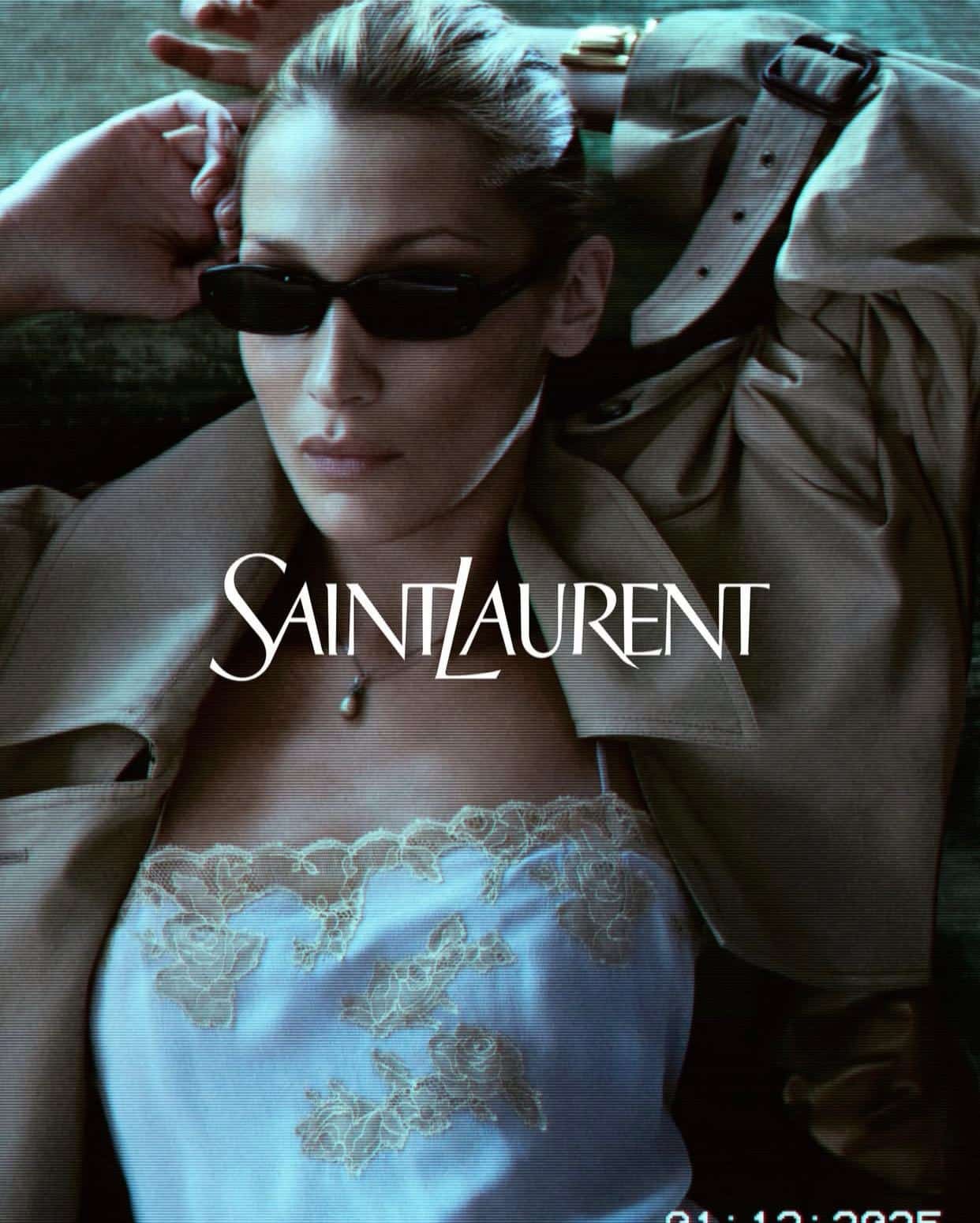
Spring 2025 — shown in the courtyard of the Saint Laurent headquarters in Paris, under a golden oculus — was described by Vaccarello in his own words as "a version of Yves's own look — the suit, the dress shirt, the tie, the sunglasses — but worn by a woman. It was as though there were an army of Yves Saint Laurents on the runway." The collection taught a lesson in power dressing that was both a historical homage and a contemporary argument: that the most modern thing a woman can wear in 2025 remains what the most radical thing a woman could wear in 1966. The Saint Laurent house code has never required reinvention. It has only required fidelity — and the conviction that the woman who wears it deserves to be treated as Yves Saint Laurent described her: not as a fashion client, but as someone he wanted "to accompany in the great movement for liberation."
In 1966, Nan Kempner arrived at a New York restaurant
wearing the Saint Laurent trouser smoking.
She was refused entry for breaking the dress code.
She removed the trousers on the threshold
and walked in wearing the jacket alone —
as if it were a mini-dress.
Saint Laurent said later:
"I always wanted to put myself at the service of women.
To accompany them in the great movement for liberation
that occurred last century."
The trouser suit was the beginning.
Yves Saint Laurent's most quoted sentence — "Fashions fade, style is eternal" — was not a philosophical observation delivered in the abstract. It was a specific statement about Le Smoking, made in the moment of its introduction in 1966. The full sentence is less often quoted: "For a woman, the tuxedo is an indispensable garment in which she will always feel in style, for it is a stylish garment and not a fashionable garment. Fashions fade, style is eternal." He was describing a specific piece of black wool and satin. He was saying: this garment will still be correct in fifty years, because it is not built from the logic of the season — it is built from the logic of what a woman requires from her wardrobe. Anthony Vaccarello has held that conviction for nine years at this house, translating it through sheer silk, through heavy black leather, through silicone-coated lace, through the evening suit worn by a woman who has no interest in what she is permitted to wear. The house has changed many things since 1966. The conviction has not changed at all.
Madison Avenue · New York · The Saint Laurent Address
Saint Laurent presents its women's ready-to-wear in New York at the Madison Avenue flagship — a boutique whose architectural vocabulary reflects the same precision and restraint that governs every collection: minimal materials, maximal presence, the particular elegance of a space that refuses to compete with the clothes it contains. The full women's and men's ready-to-wear collections are available alongside bags, shoes, and accessories. New York has been central to the Saint Laurent story since the first Rive Gauche boutique opened simultaneously in France, America, and Canada in 1966 — the same season as Le Smoking. The city where Nan Kempner removed her trousers at the restaurant threshold and walked in wearing the jacket alone is the city where the Saint Laurent woman has always been most immediately understood. She has never needed to be explained here. She was always already present.
Madison Avenue · New York, NY
Women's & Men's Ready-to-Wear · Bags · Shoes · Accessories
Le Smoking · Rive Gauche · Saint Laurent Collection
Anthony Vaccarello — Creative Director since 2016
Saint Laurent Productions · Founded Paris 1961 · ysl.com
Yves Saint Laurent introduced Le Smoking in 1966.
One was sold at the haute couture presentation.
The Rive Gauche version sold immediately.
He included it in every collection until 2002.
His last show closed with a parade of smokings.
Catherine Deneuve and Laetitia Casta stood beside him.
They were all three in Le Smoking.
"Fashions fade, style is eternal," he said.
He was talking about a specific piece of black wool.
He was right.
© Saint-Laurent
© Saint-Laurent
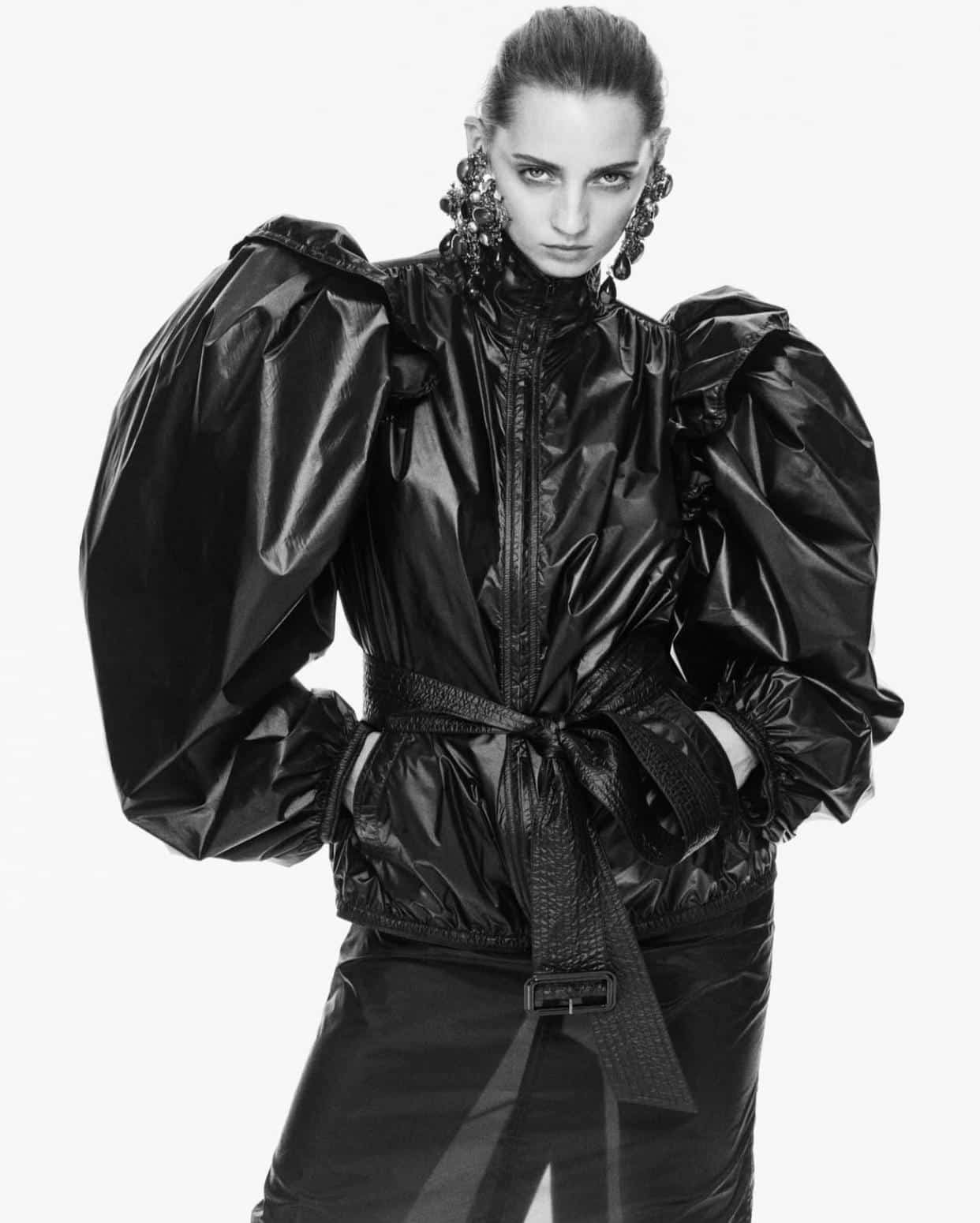
© Saint-Laurent
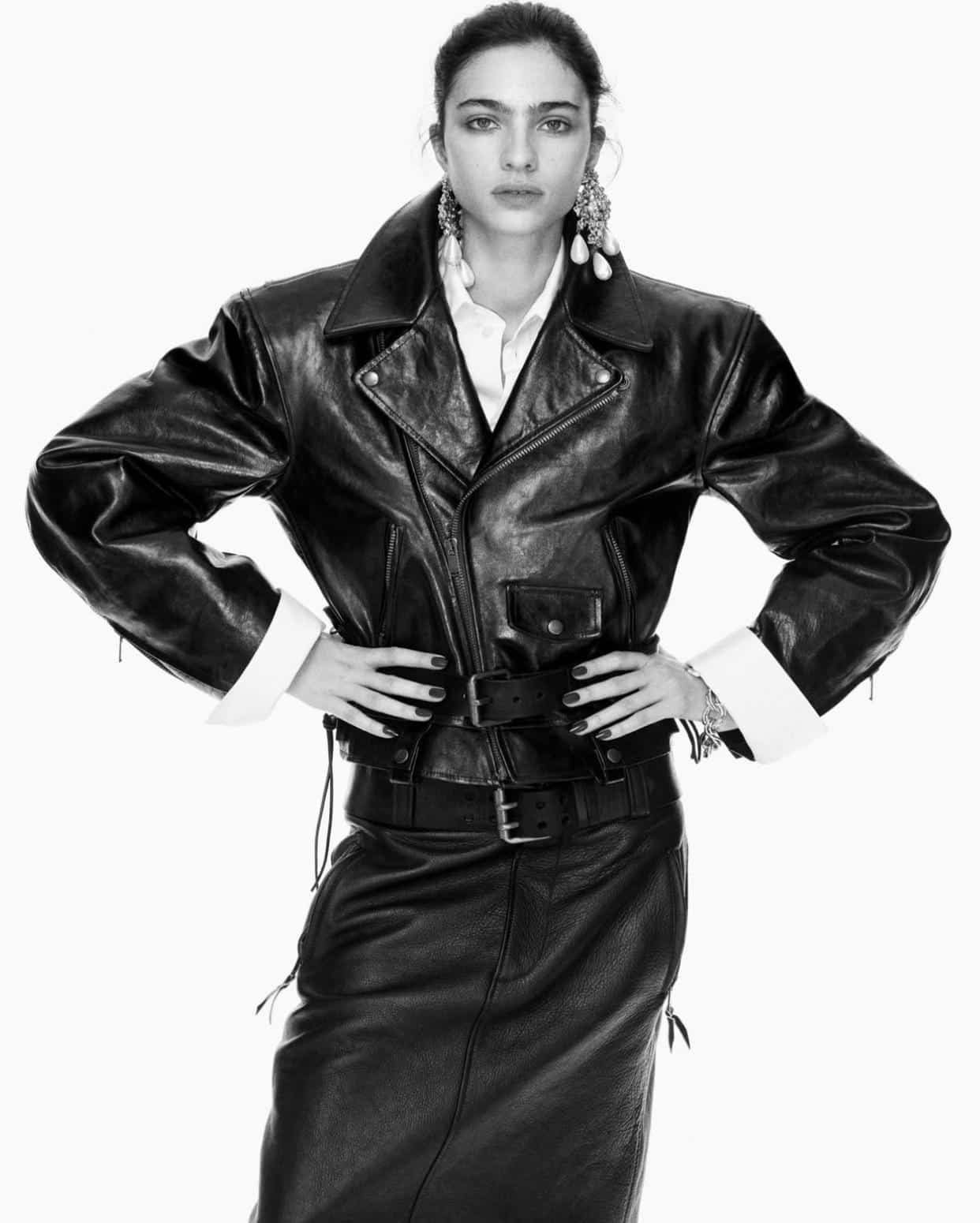
© Saint-Laurent
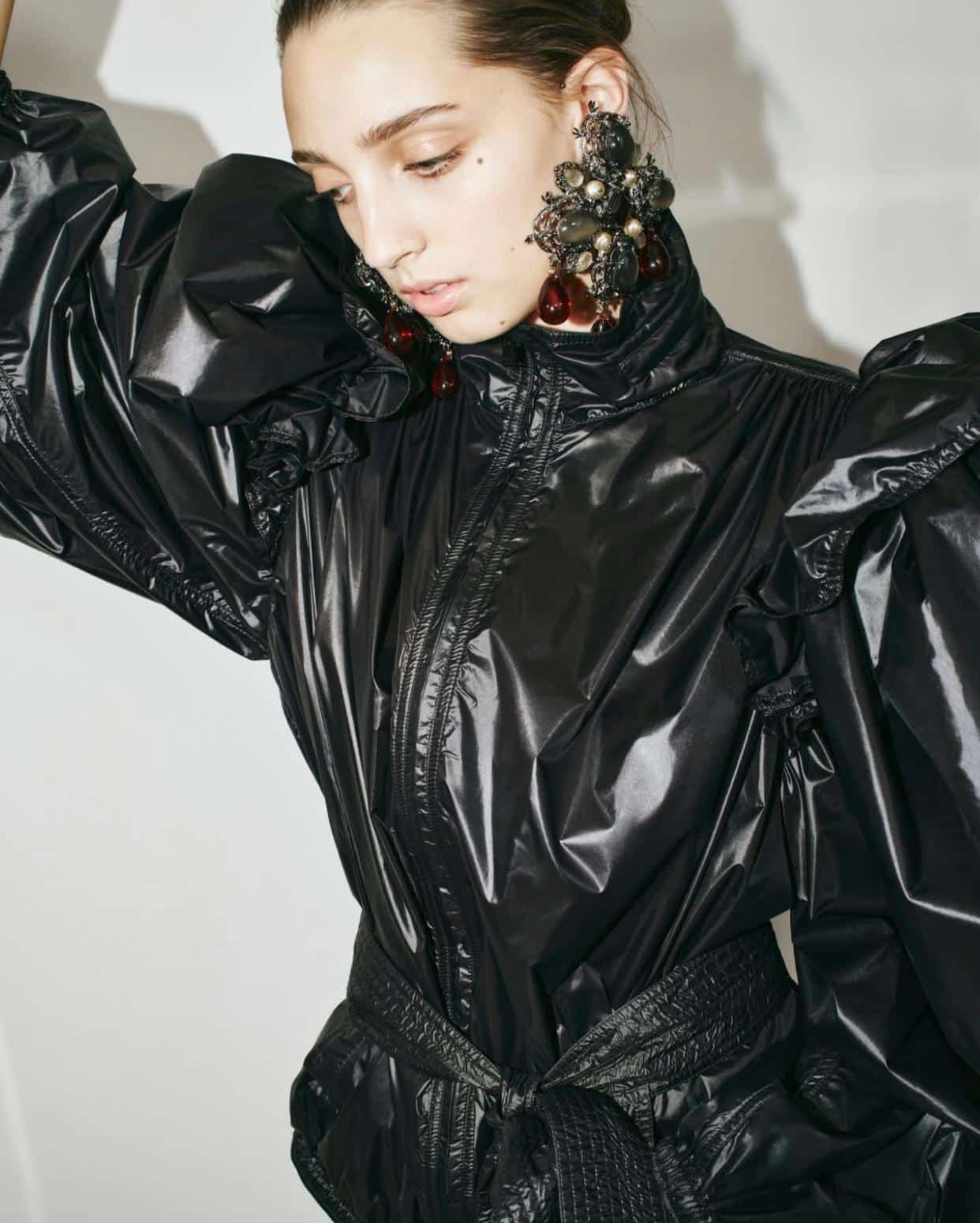
© Saint-Laurent
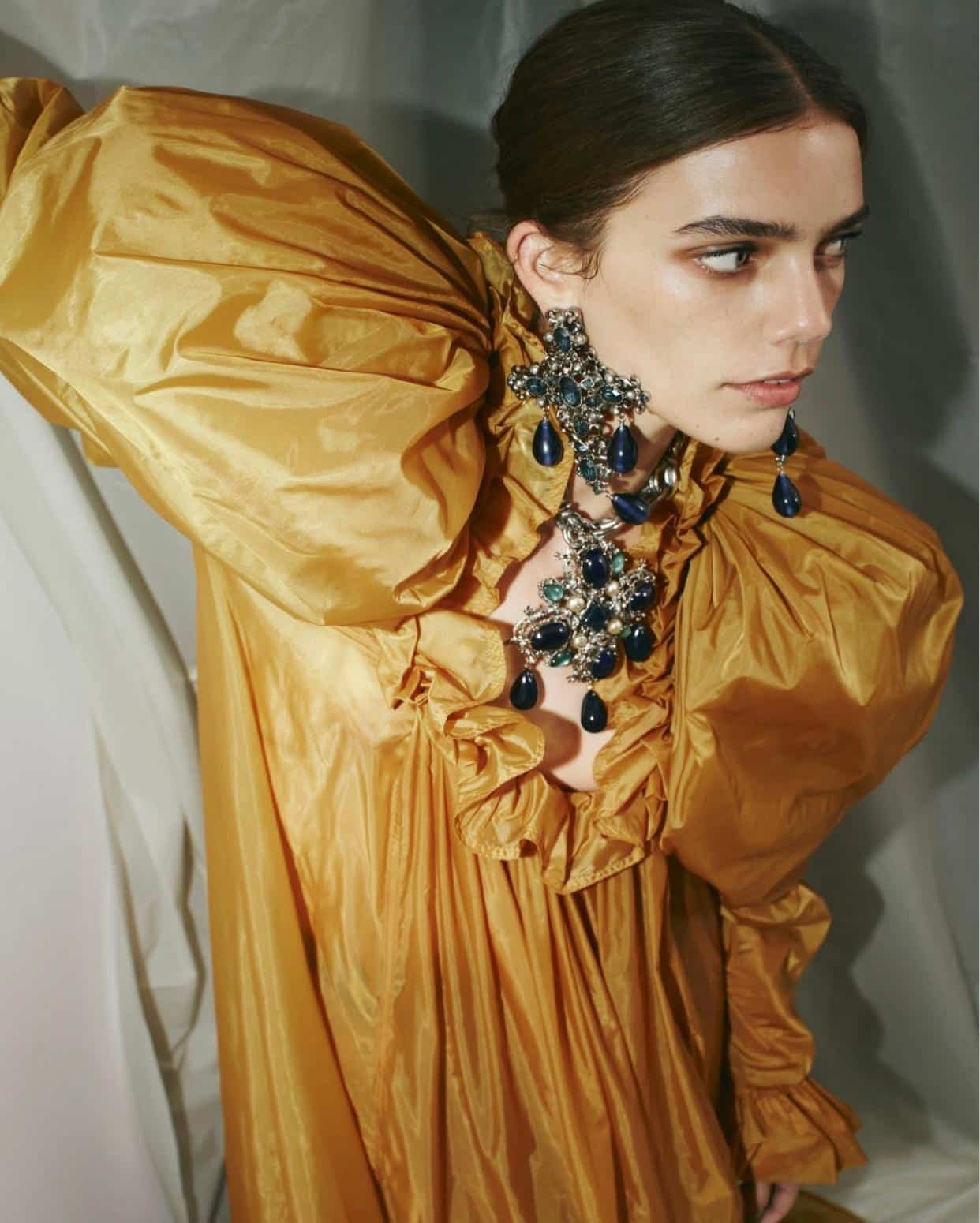
© Saint-Laurent
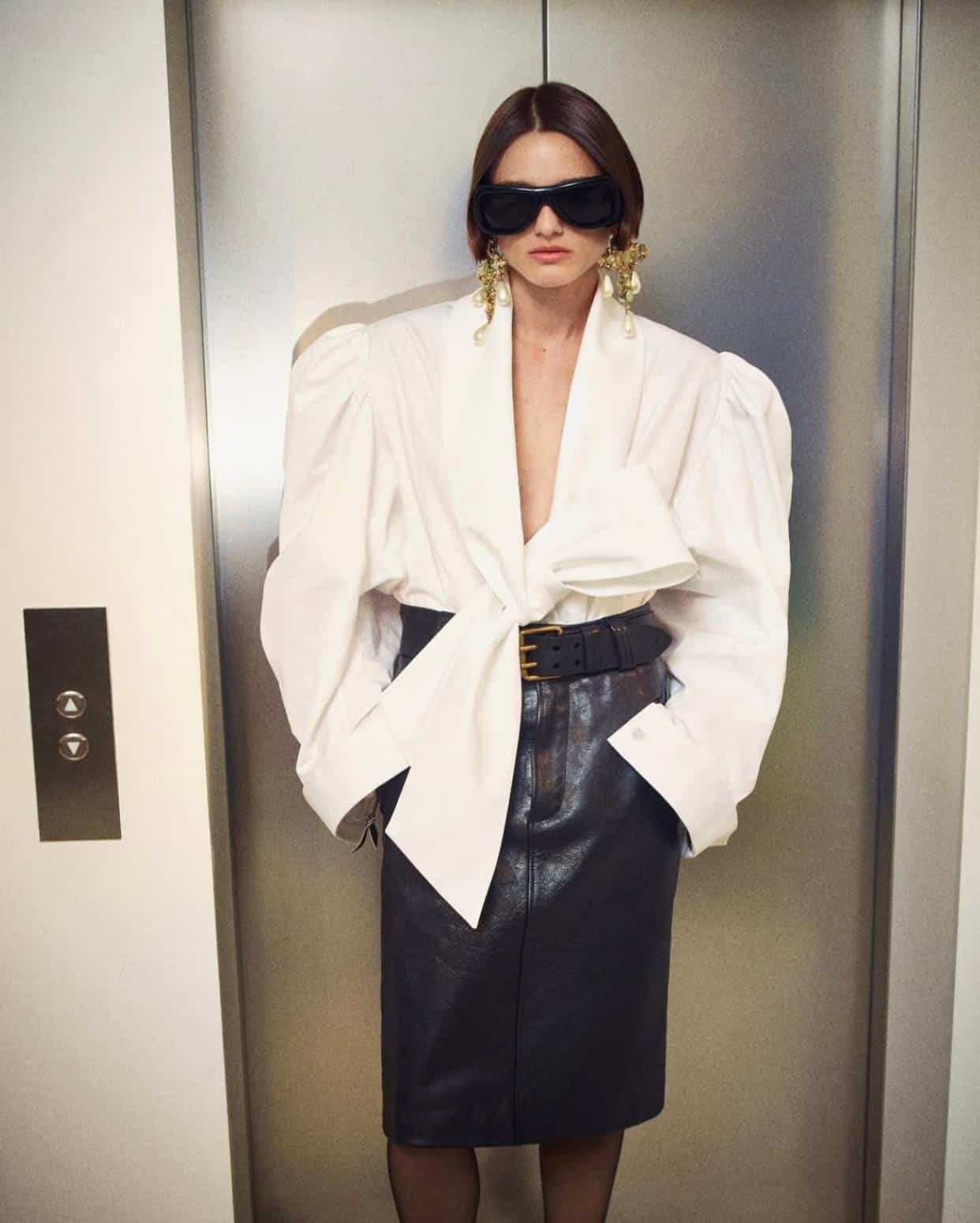
© Saint-Laurent
© Saint-Laurent
© Saint-Laurent
© Saint-Laurent
© Saint-Laurent
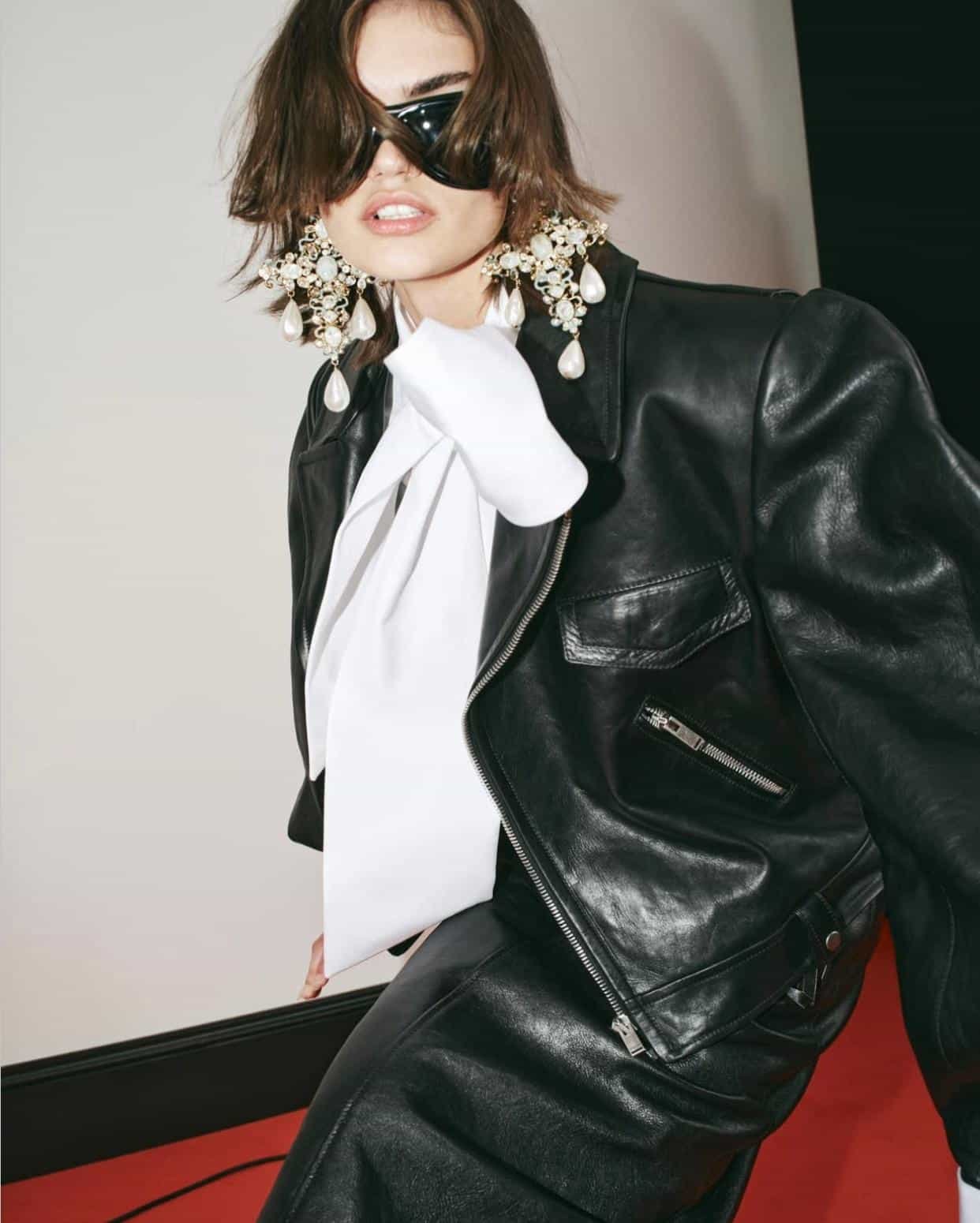
© Saint-Laurent
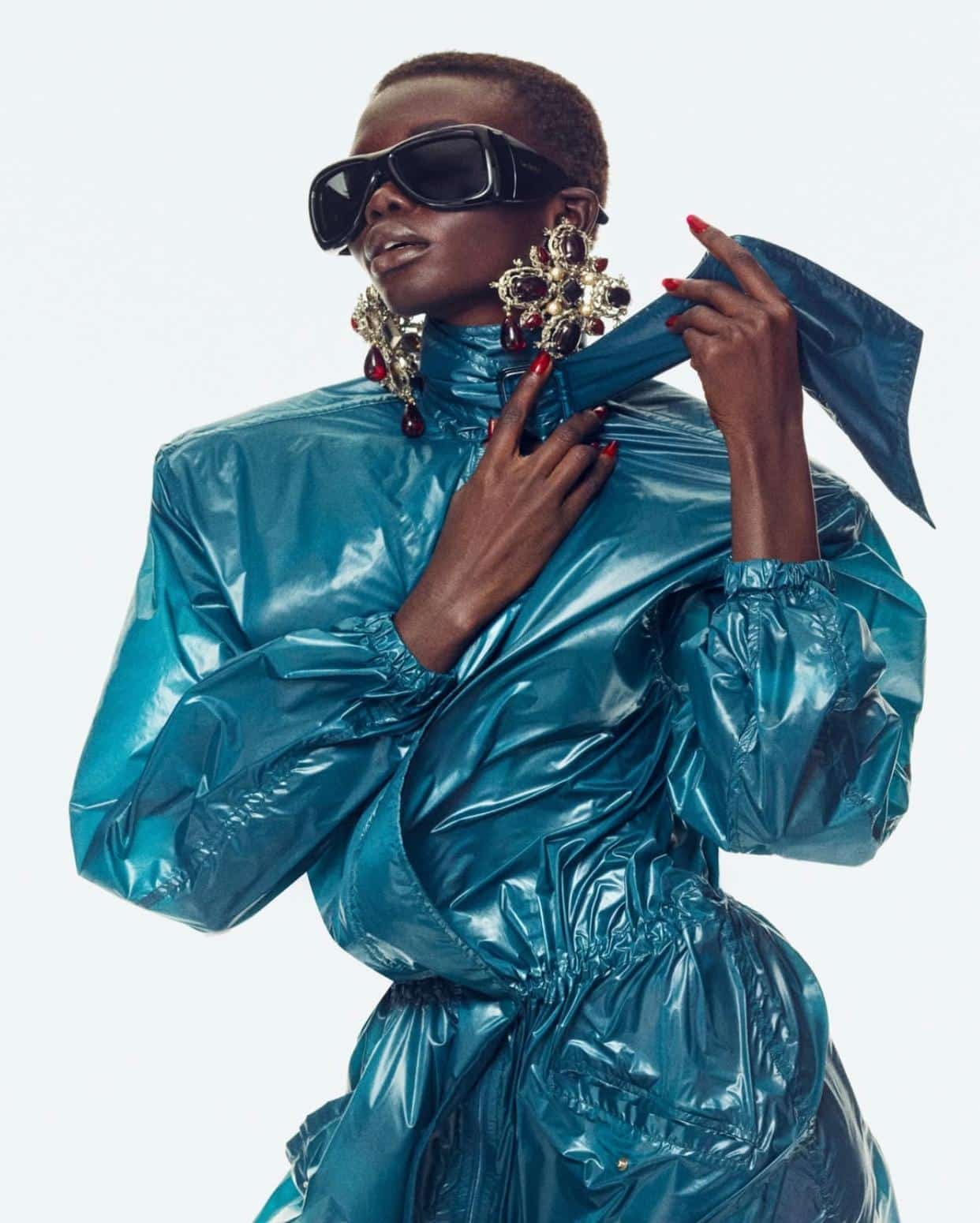
© Saint-Laurent
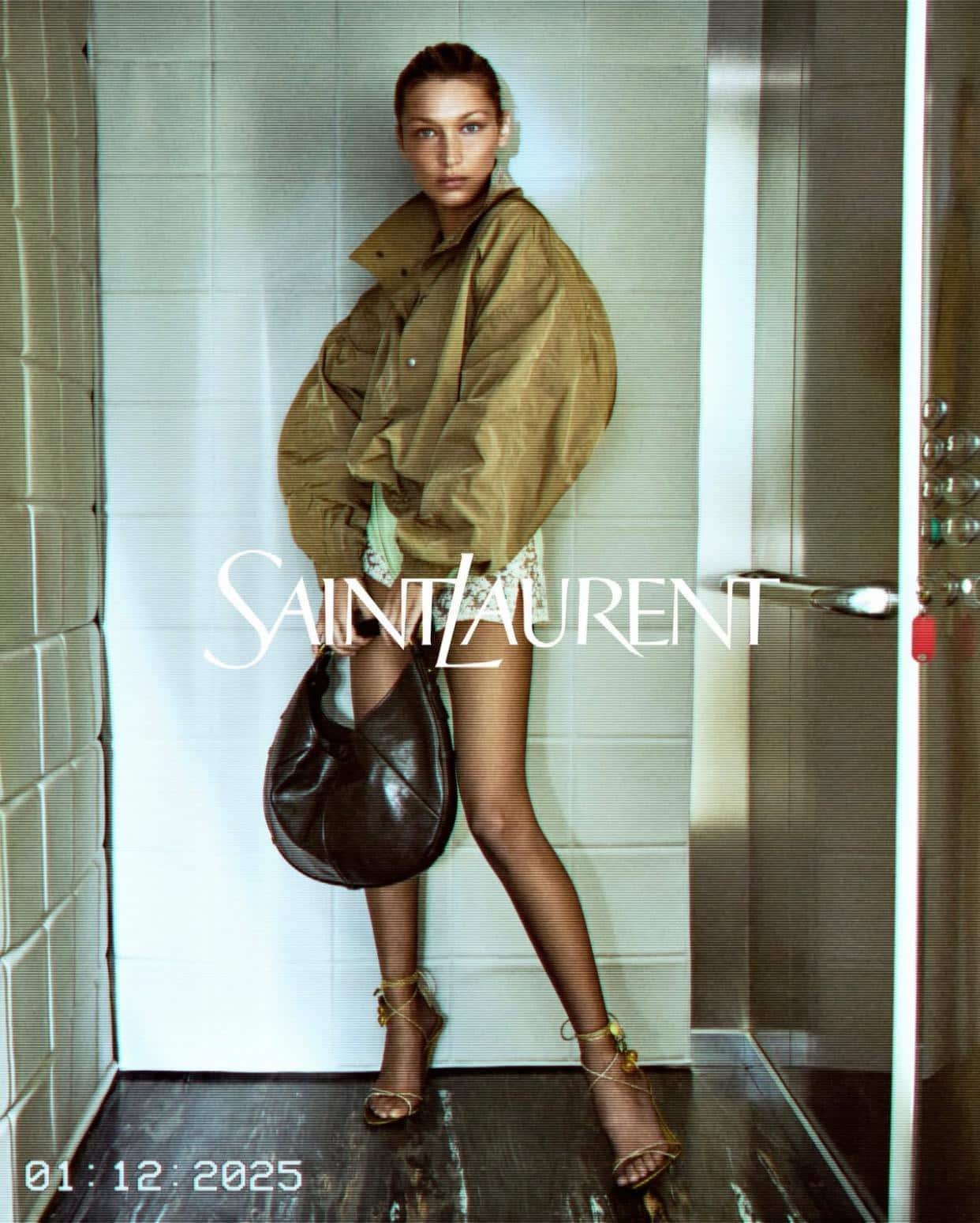
© Saint-Laurent
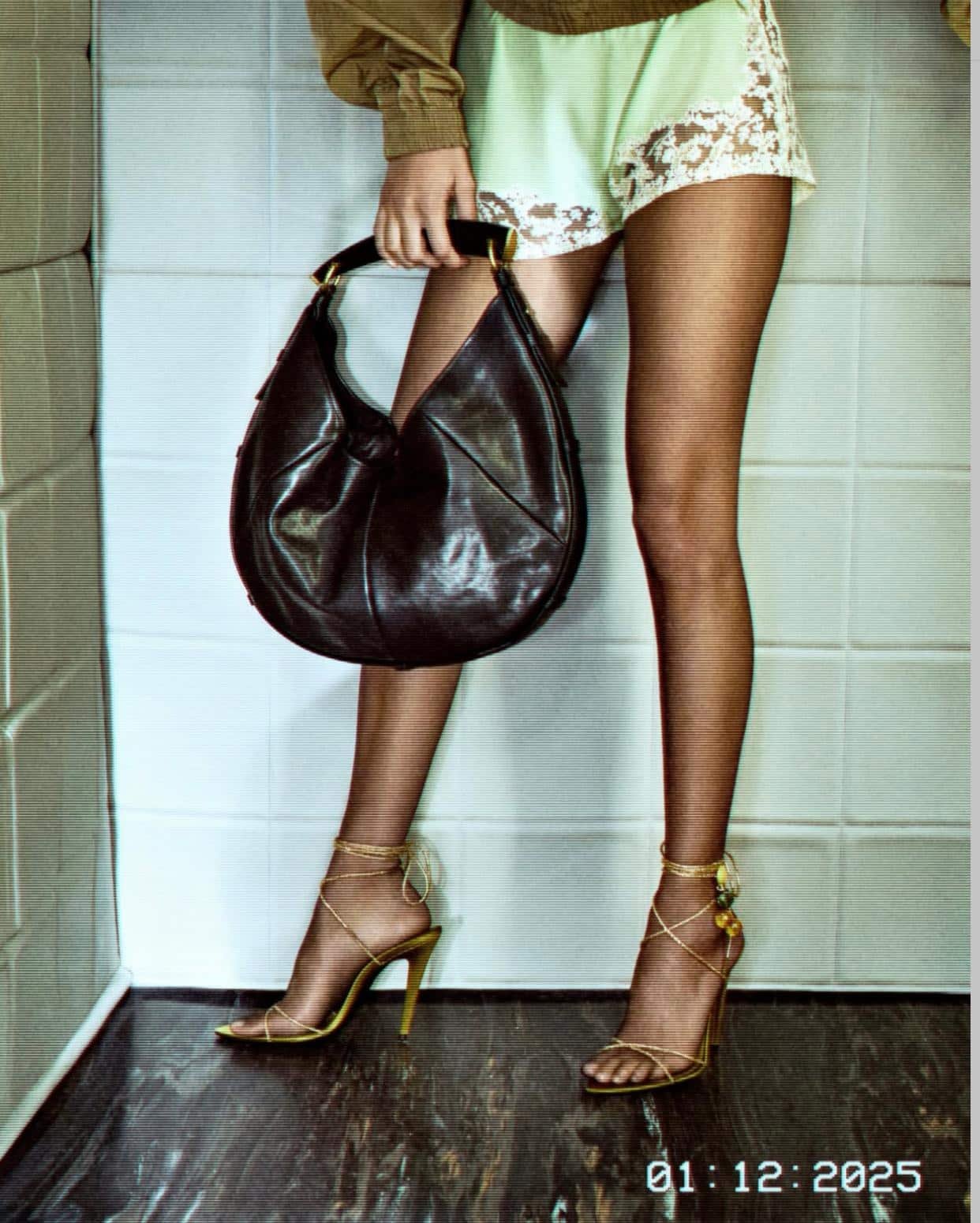
© Saint-Laurent
© Saint-Laurent
© Saint-Laurent
© Saint-Laurent
© Saint-Laurent
© Saint-Laurent
© Saint-Laurent
© Saint-Laurent
© Saint-Laurent

© Saint-Laurent
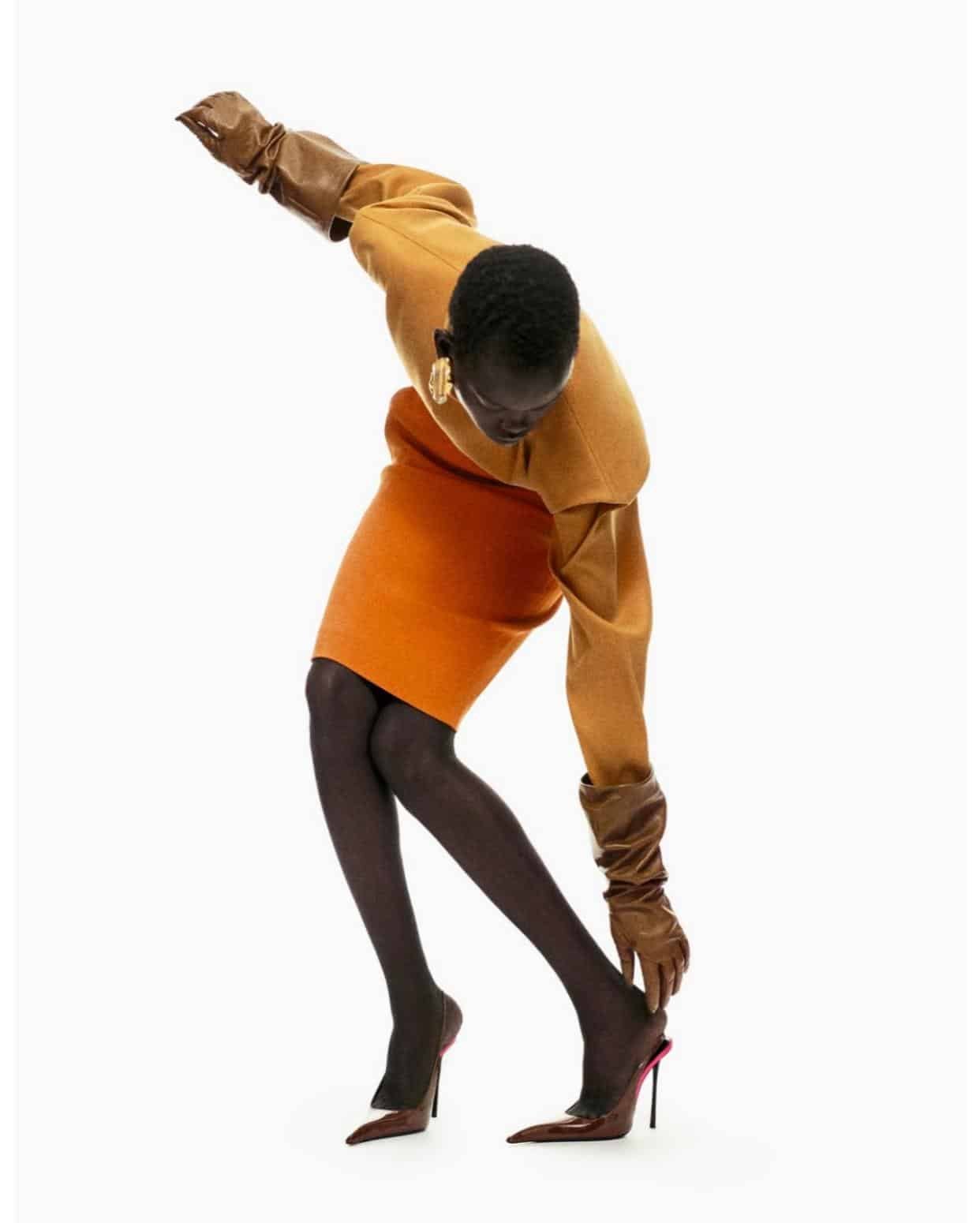
© Saint-Laurent
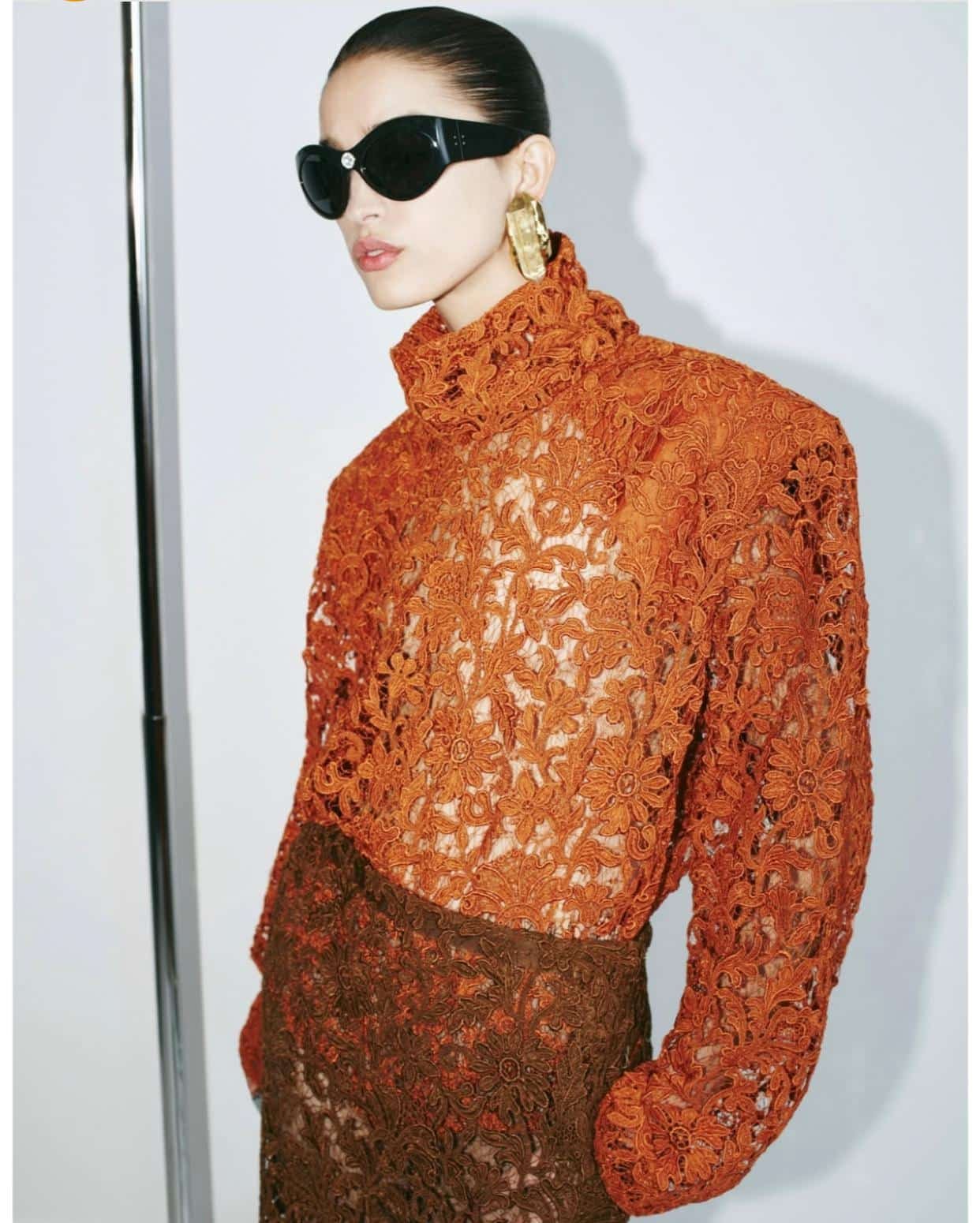
© Saint-Laurent
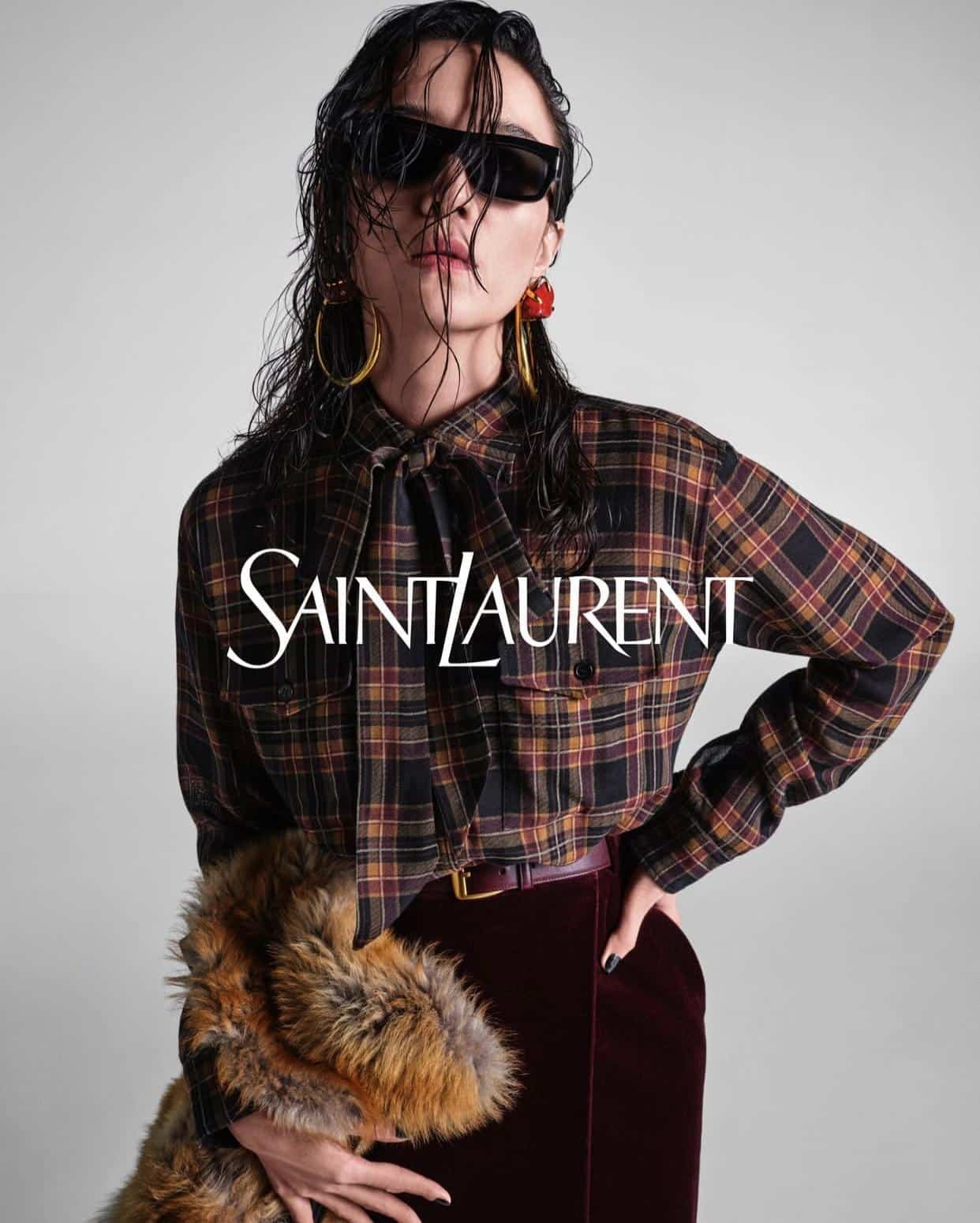
© Saint-Laurent
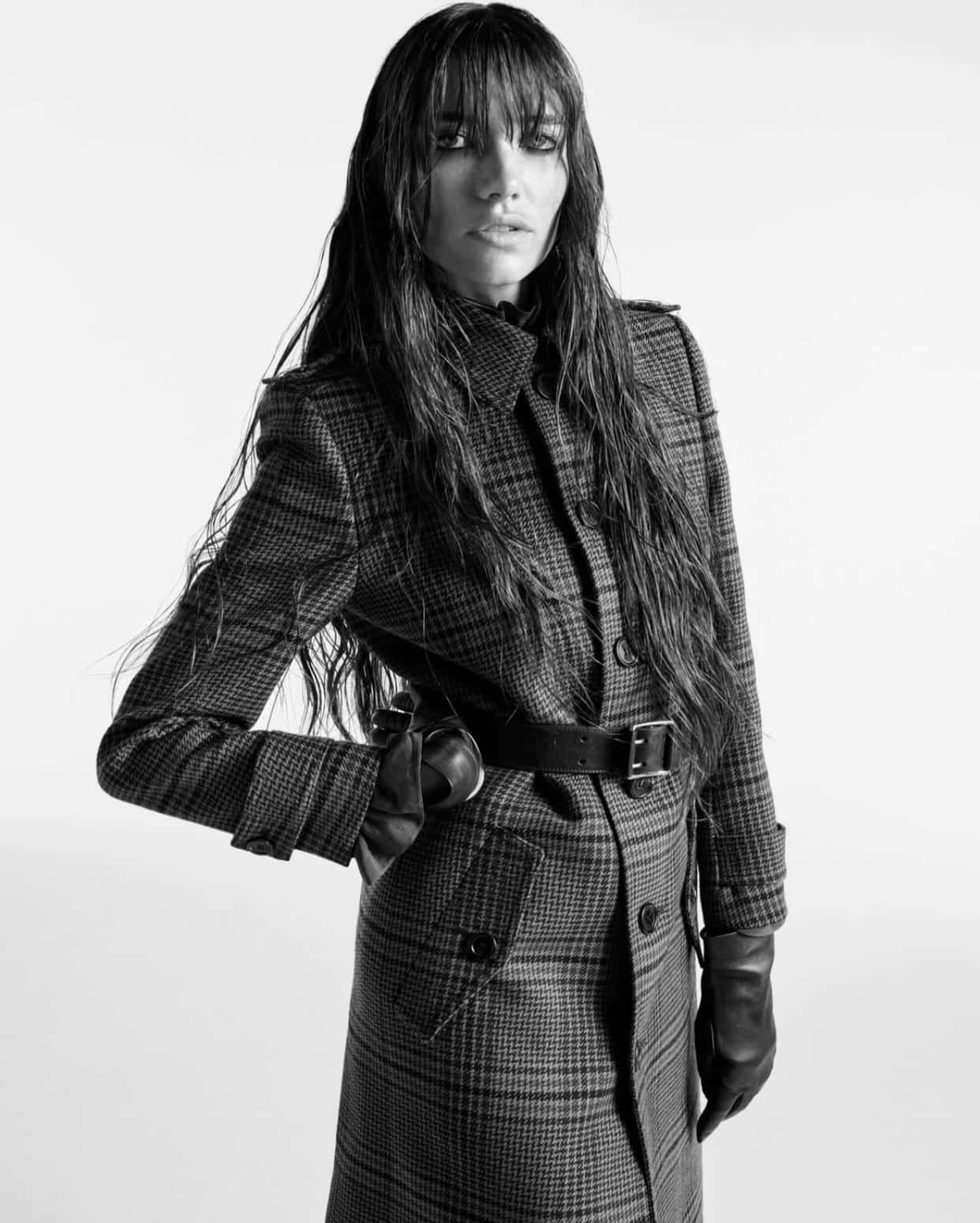
© Saint-Laurent
SAINT-LAURENT
© Saint-Laurent