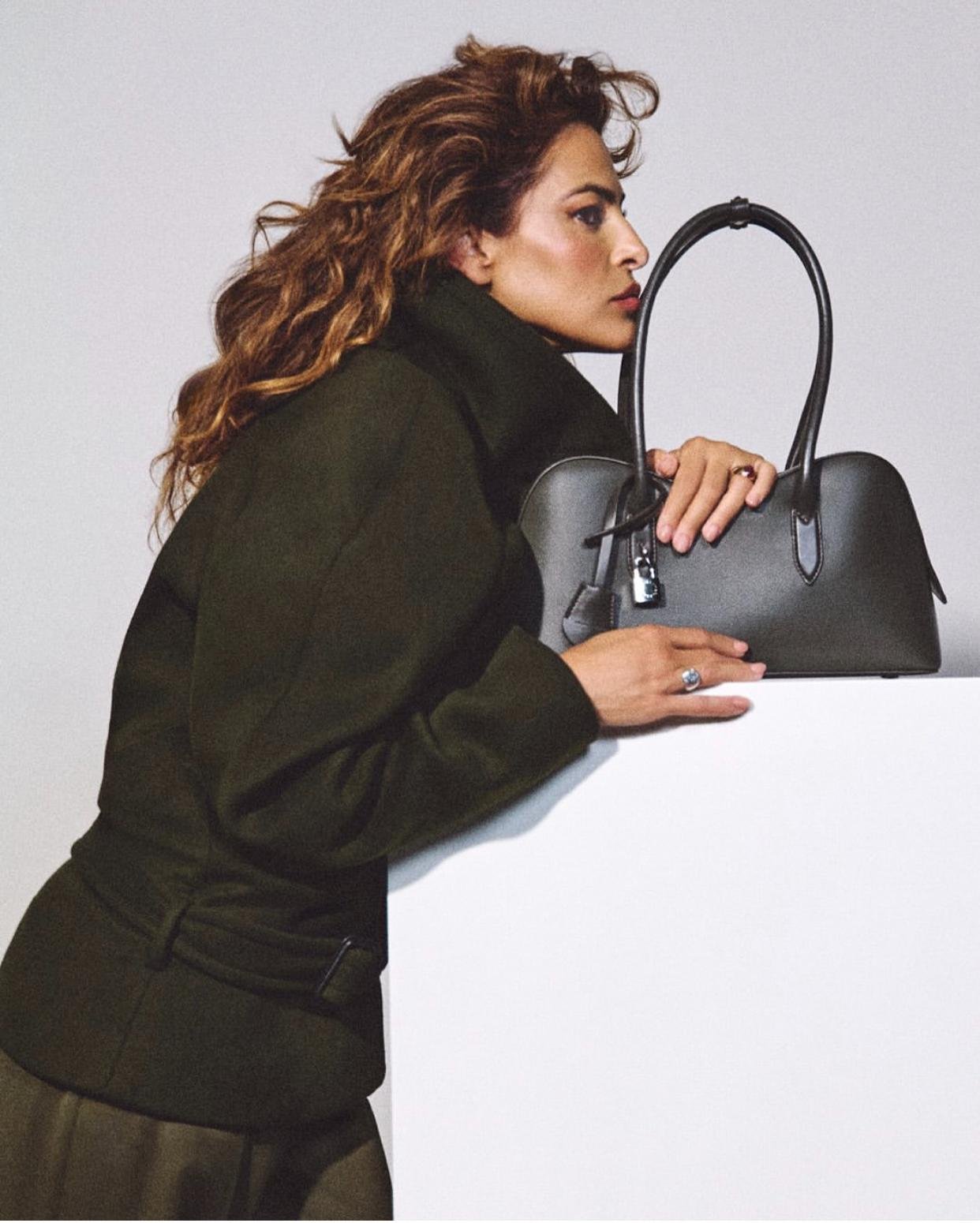
© Stella McCartney
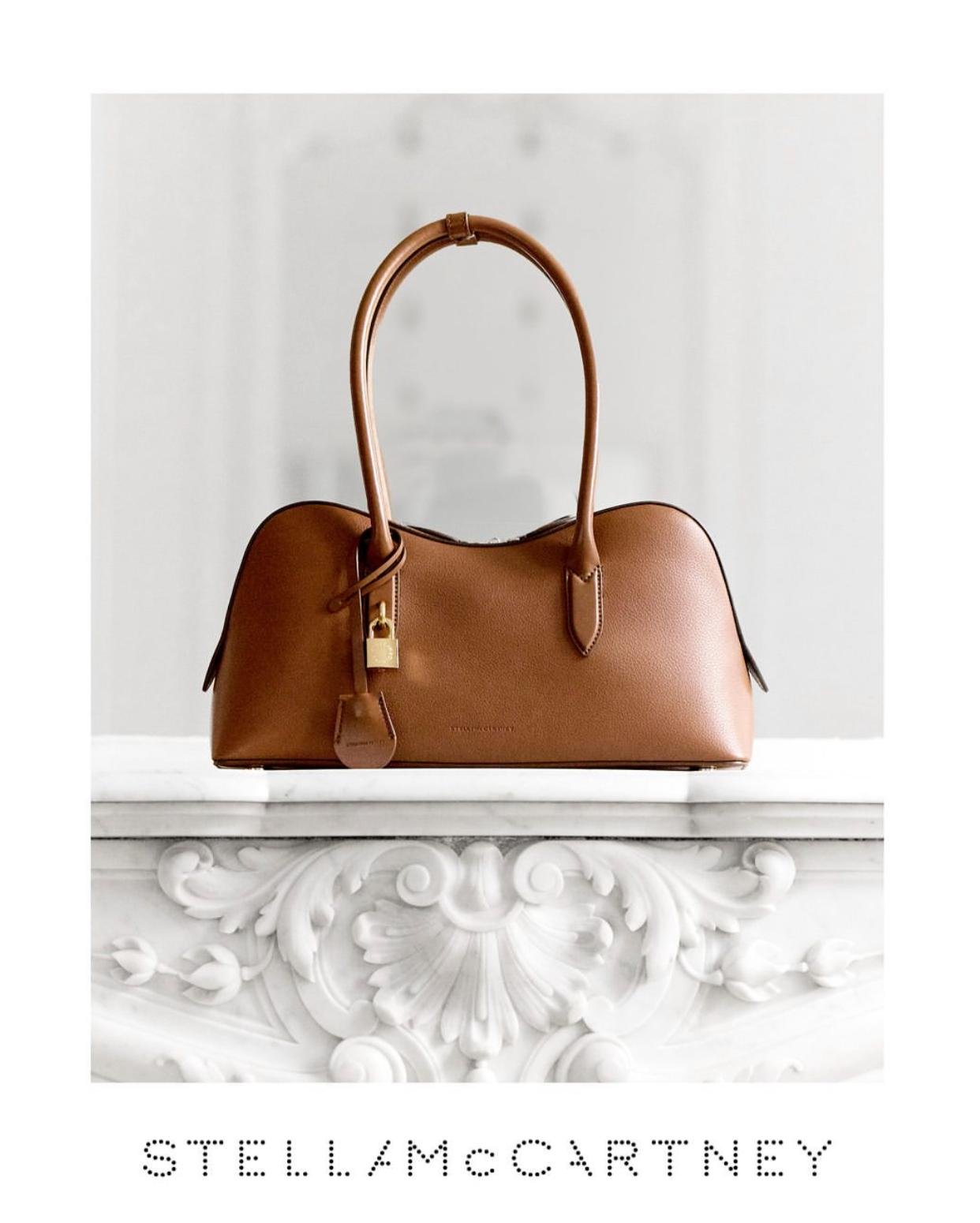
© Stella McCartney
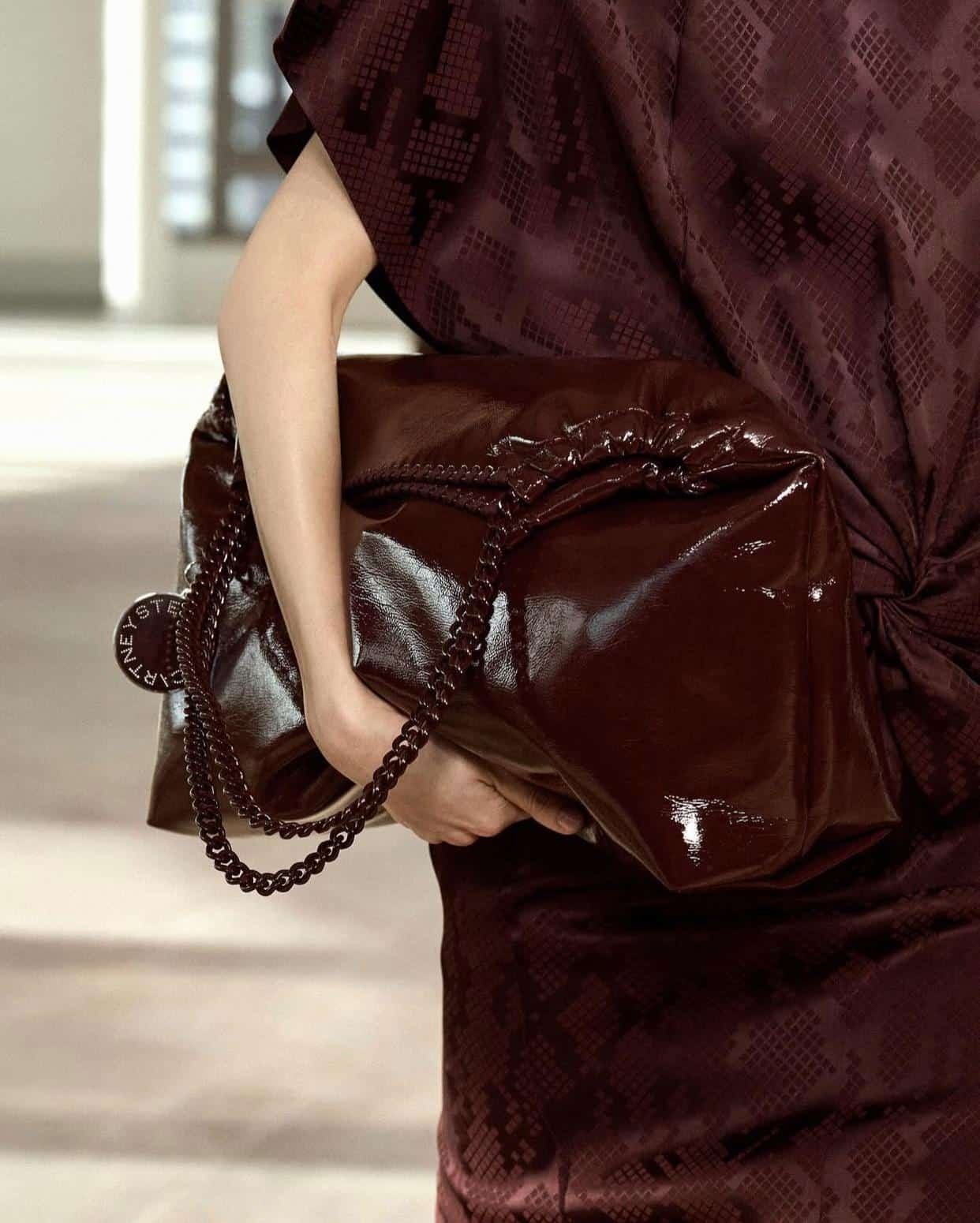
© Stella McCartney
Stella McCartney
Handbags
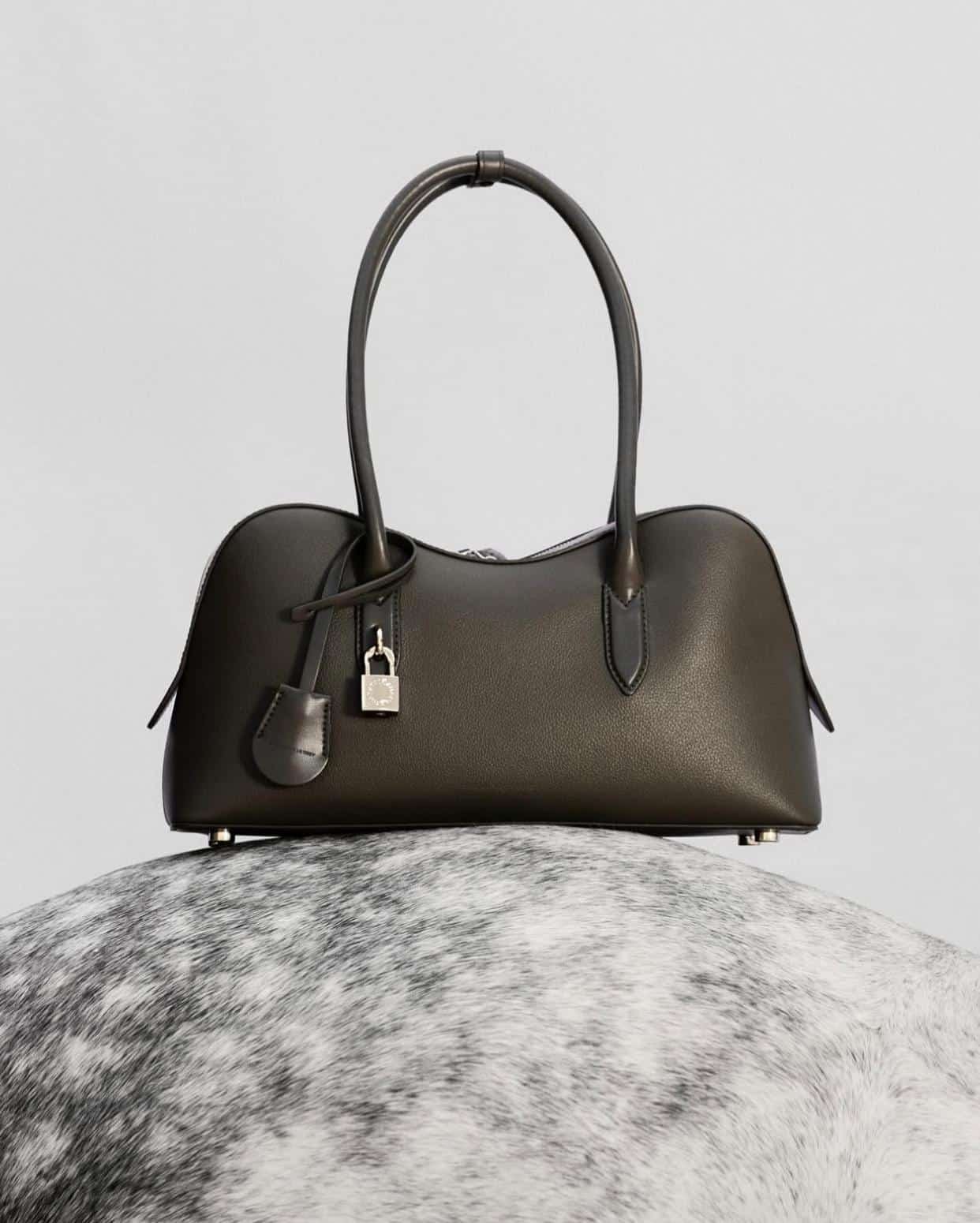
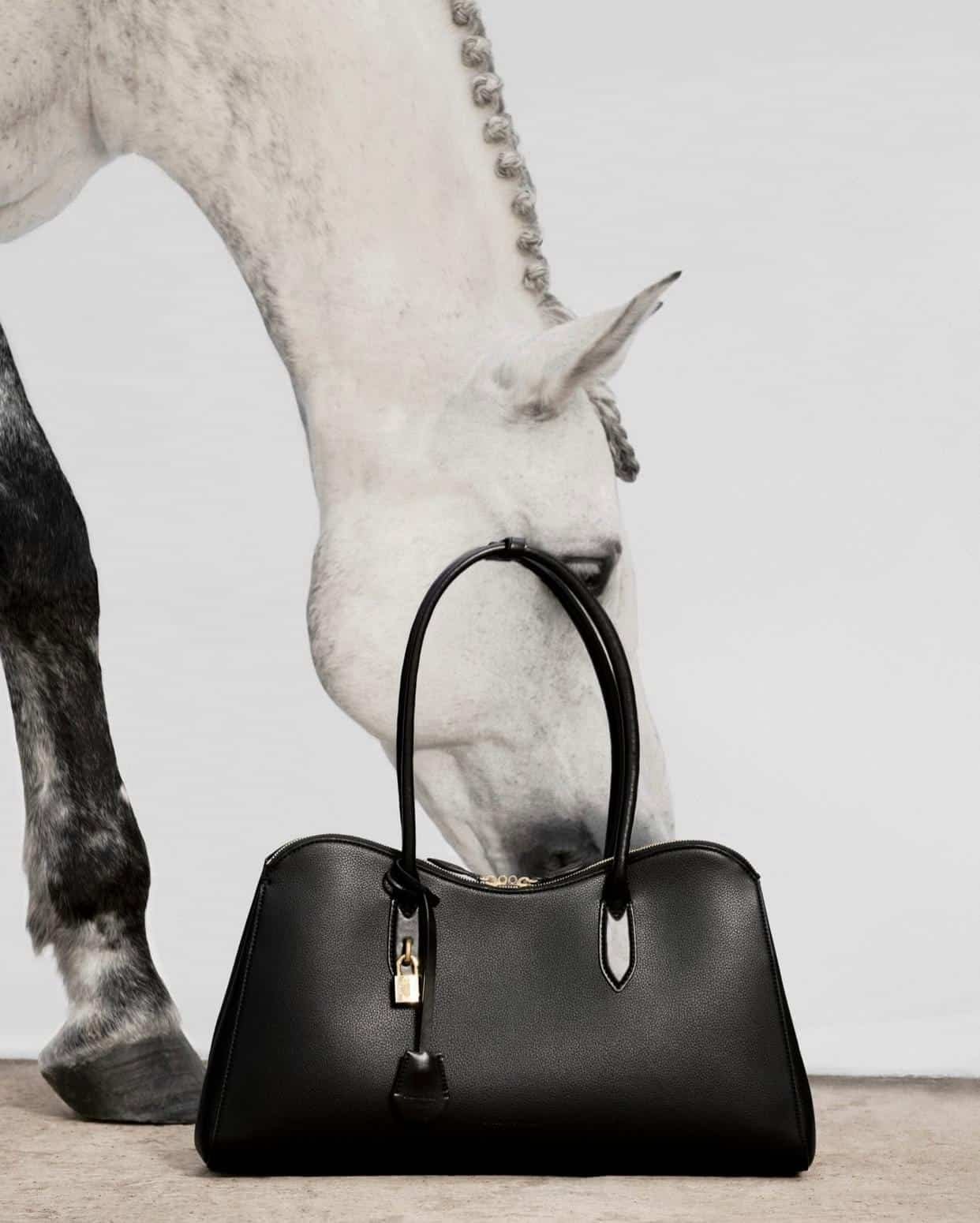
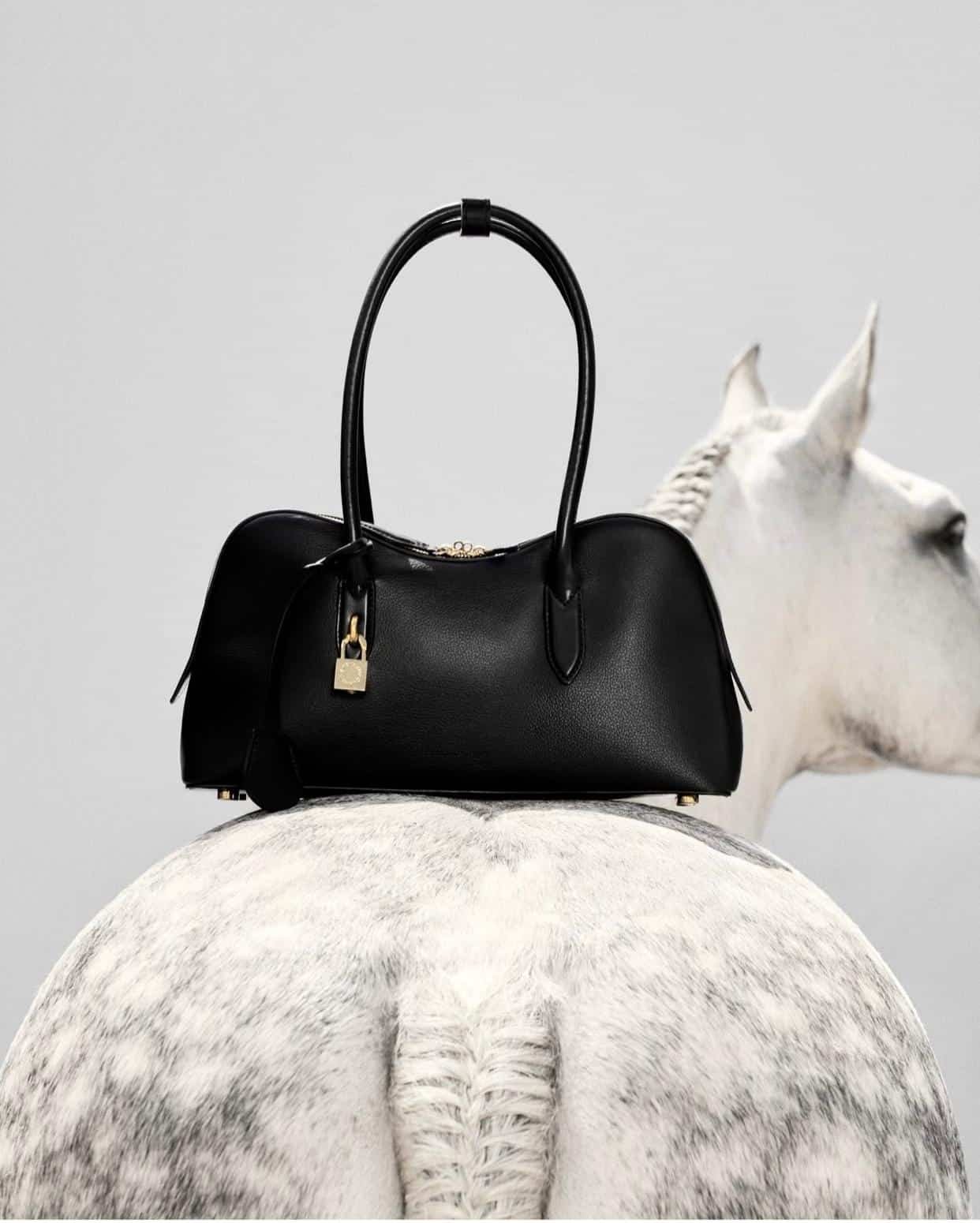
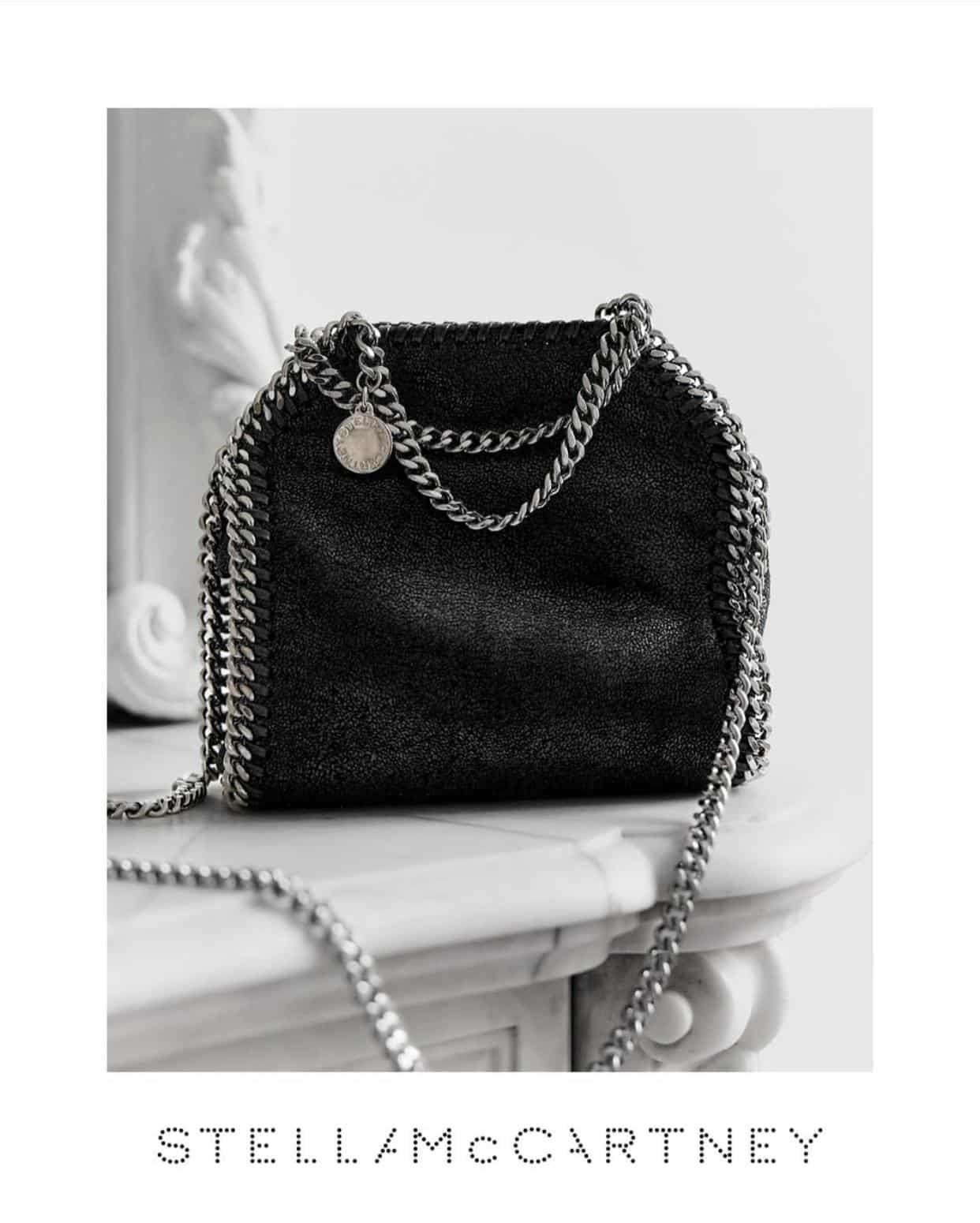
The Falabella miniature horse is the smallest horse in the world — rarely taller than seventy centimeters, fine-boned, bred in Argentina in the seventeenth century from the Andalusian lines brought by Spanish colonists. Stella McCartney grew up riding horses on the British countryside farm where her parents raised their children. She named her first bag after her favorite breed. The bag contains no leather. It never has. One million Falabellas have been sold. Not one animal was harmed to make them.
2001 · The Only Luxury House Founded Without Leather
Stella McCartney launched her brand in October 2001 as a fifty-fifty joint venture with Kering. From the first collection, the rules were absolute: no leather, no fur, no exotic skins, no feathers — ever, in any product, at any price point. This was not a marketing position. It was a founding condition. At the time, the luxury industry operated on the near-universal assumption that leather was inseparable from quality — that the hand of calfskin, the grain of ostrich, the suppleness of lambskin were prerequisites for objects that could be called luxurious. Stella McCartney rejected this premise entirely. She had been a lifelong vegetarian, raised by Paul and Linda McCartney — two of the most prominent voices in the early animal rights movement — on a farm in Sussex where horses, sheep, and cattle were companions rather than raw materials. The brand she built reflects that upbringing without apology. Every bag the house has ever sold has been handcrafted in Italy by the same artisans who produce leather goods for the neighboring luxury houses. The craft is identical. The material is different. So is the position.
The Material Archive · From Shaggy Deer To Hydefy · A Laboratory In Every Season
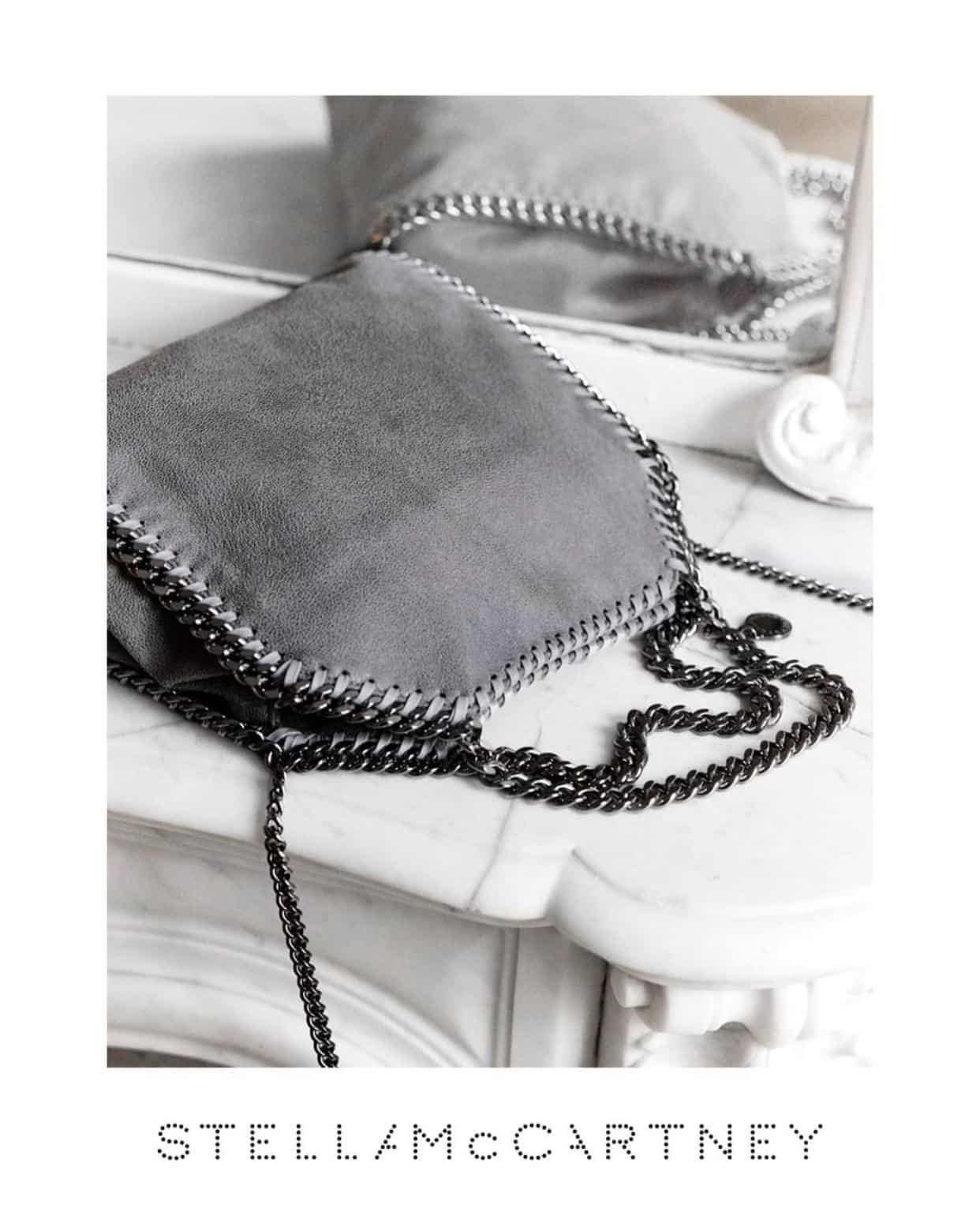
The Falabella debuted in Winter 2009 in a vegan polyester fiber called Shaggy Deer — soft, grained, dyeable in any color, designed to read as suede without a single animal component. The chain was cast in recycled brass and recyclable aluminium. The lining came from recycled plastic bottles. It was the world's first luxury vegan handbag — a category that did not exist before the Falabella created it. In the years since, the material archive of the bag has expanded into a laboratory of alternatives. MIRUM, introduced for Winter 2023, is entirely plastic-free, fossil-fuel-free, and water-free: made from natural rubber, plant-based oil, biochar, and agricultural side streams, produced in Illinois by Natural Fiber Welding. Its carbon footprint — between 0.8 and 2.1 kilograms of CO₂ equivalent per square meter — compares to 110 kilograms for cow-based leather. VEGEA uses grape-pomace byproducts from Italian wineries. AppleSkin is derived from the pulp left after juice and jam production. Hydefy, introduced for Summer 2025, is made from mycelium and sugarcane waste through fermentation. For Winter 2024, two Falabella Tiny totes were coated with Airlite — an air-purifying semiconductor technology that neutralizes 90 percent of air pollutants and eliminates 99 percent of bacteria on contact. Each season, the bag is the same silhouette. Each season, the material is a new argument.
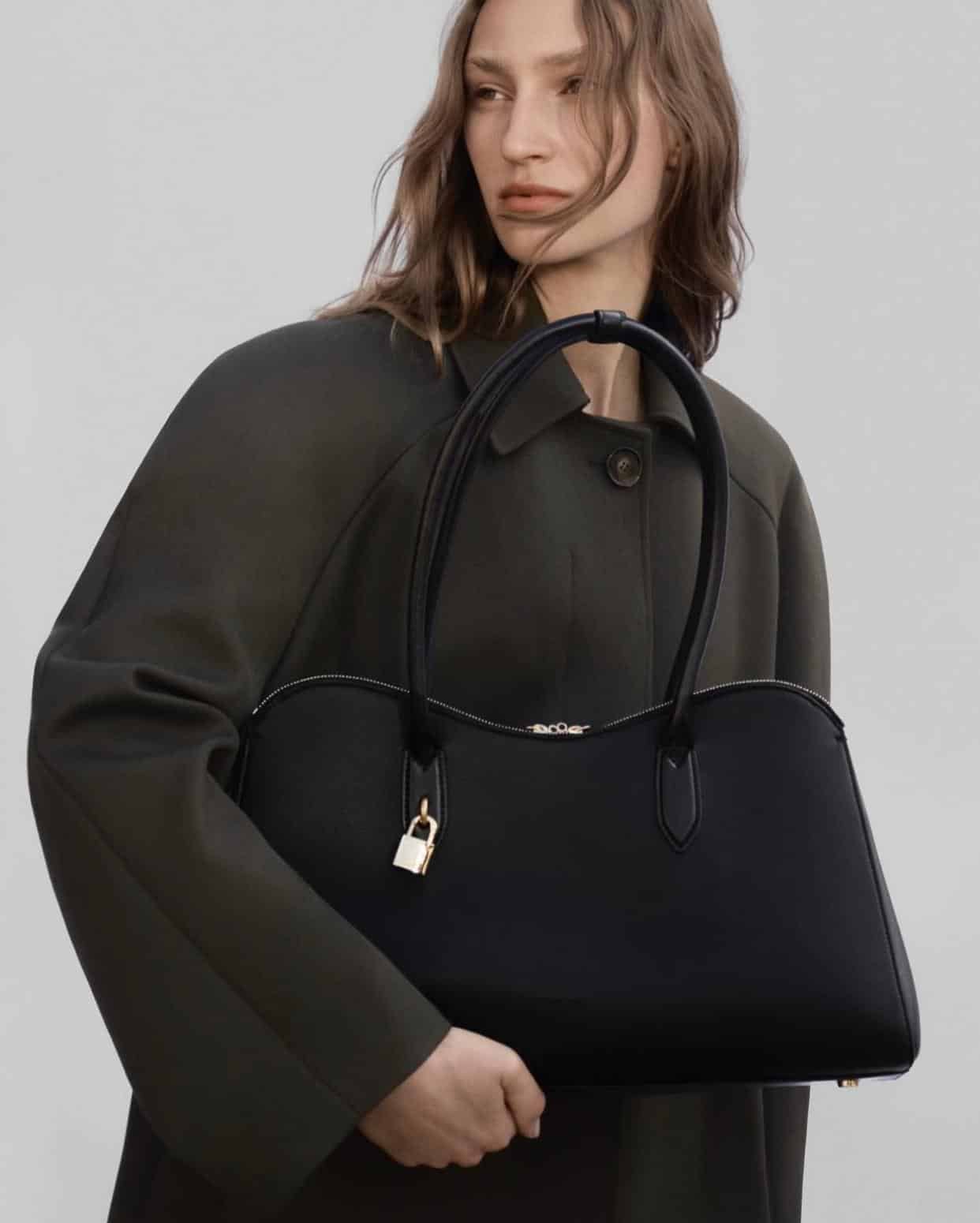
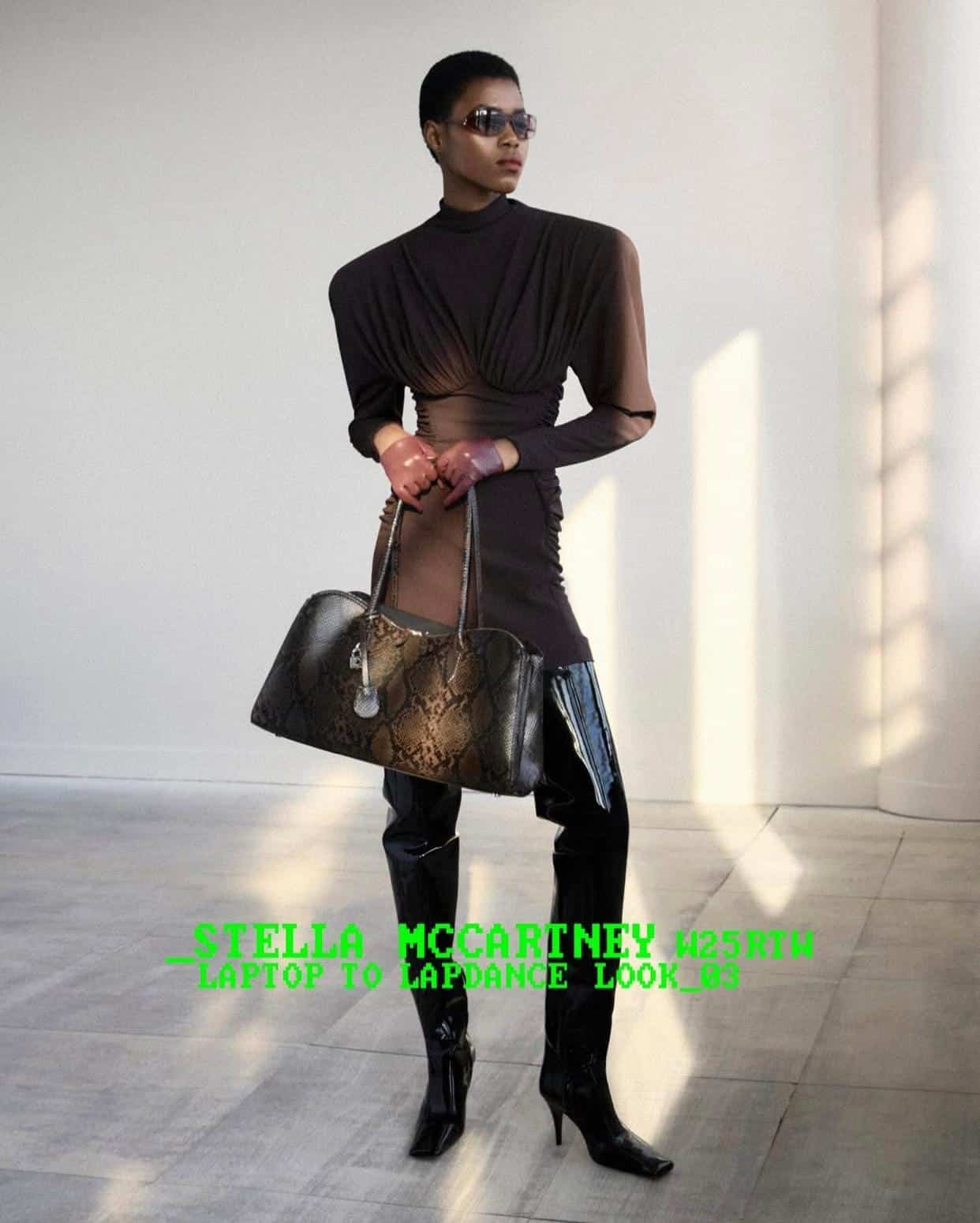
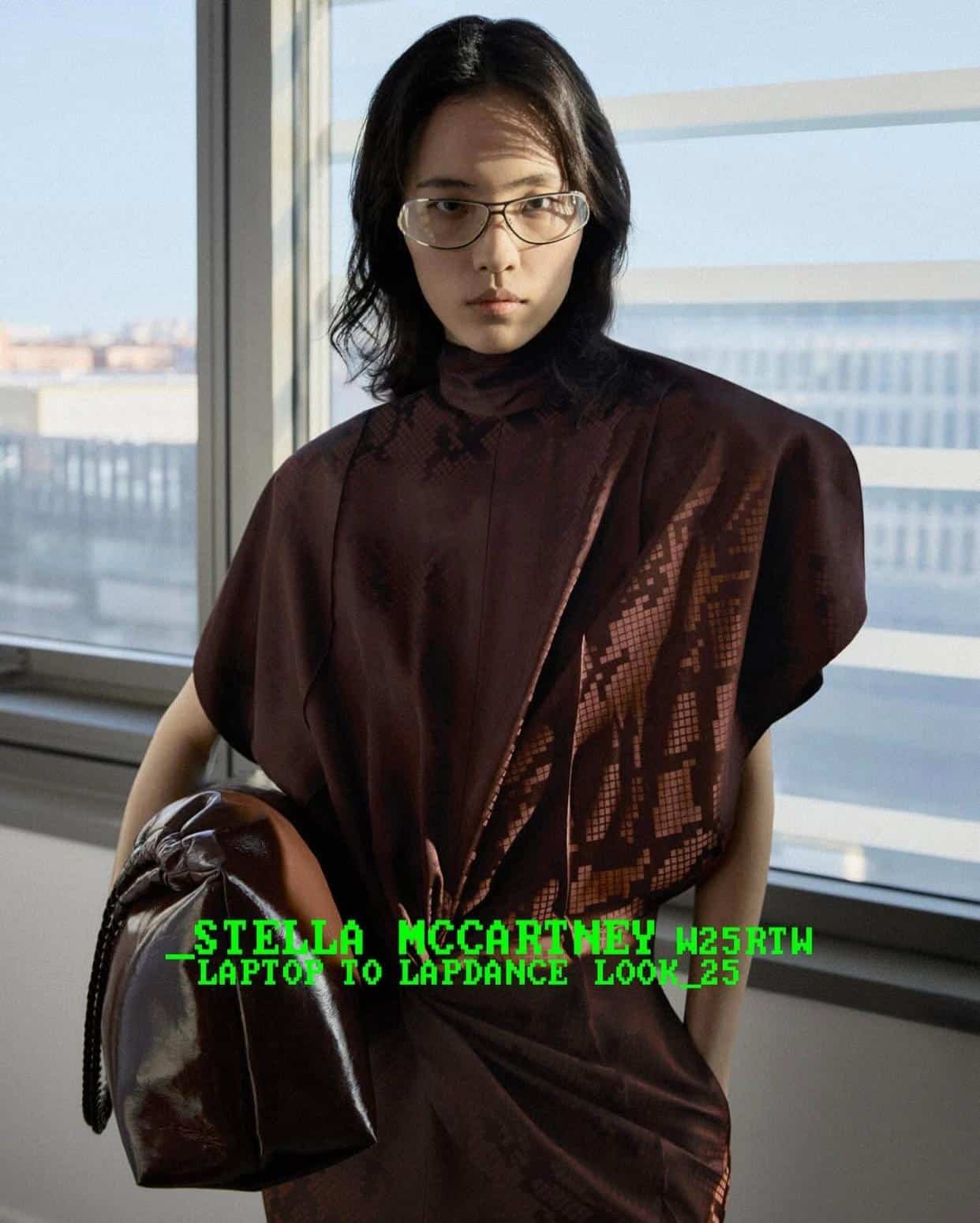
The Falabella fold-over tote is the founding silhouette: a slouchy, soft-bodied bag with a flap that folds over and fastens — wearable open as a tote, or closed as a shoulder bag — its perimeter entirely outlined in the diamond-cut chain that became the house's most recognizable hardware. That chain — recycled brass and aluminium, each link diamond-cut for maximum light refraction — is the Falabella's signature. No logo. No monogram. Only the chain, the medallion, and the material. For Spring 2026's Make Your Marc capsule, the Falabella arrives in metallic chain-embroidered editions in the Generation Falabella campaign alongside actress Renée Rapp — singer, actor, and what the brand describes as a voice of her generation. The Falabella Drawstring Tote, introduced for Spring 2025, reconfigures the chain as a shoulder strap on a larger format bag that fits a laptop. The Falabella Pochette compresses the silhouette to phone-and-essentials scale. Every format is handcrafted in Italy. None contains leather.
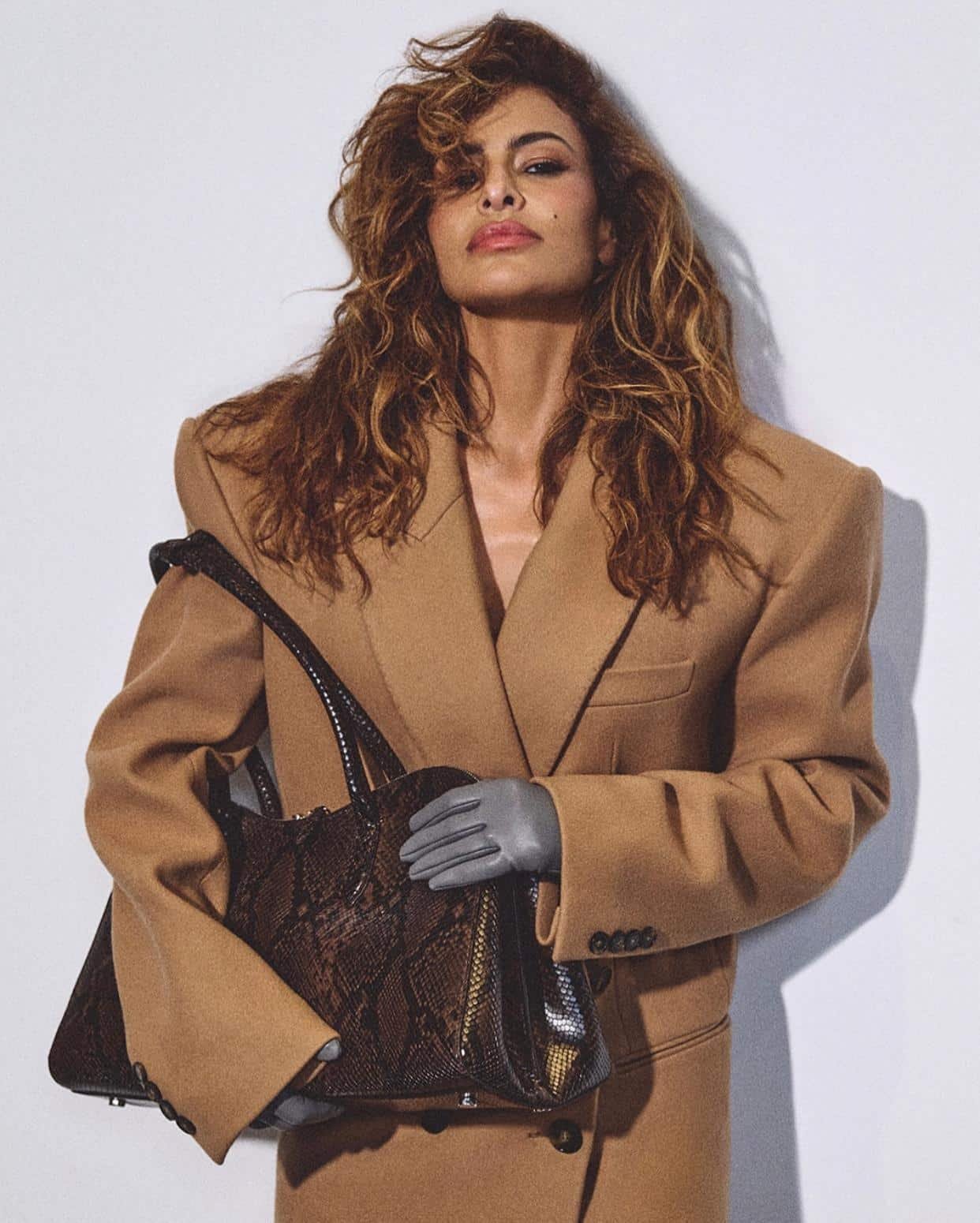
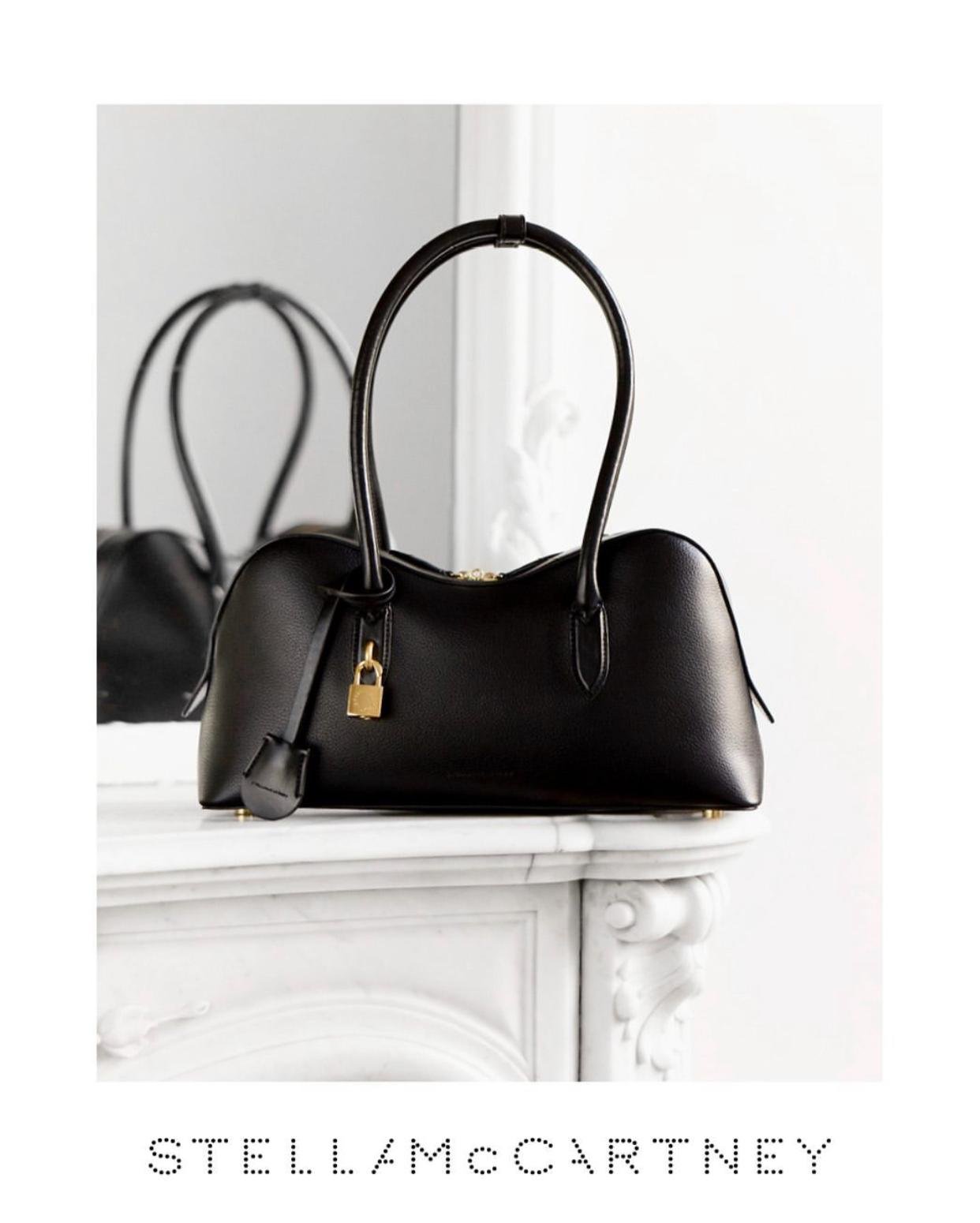
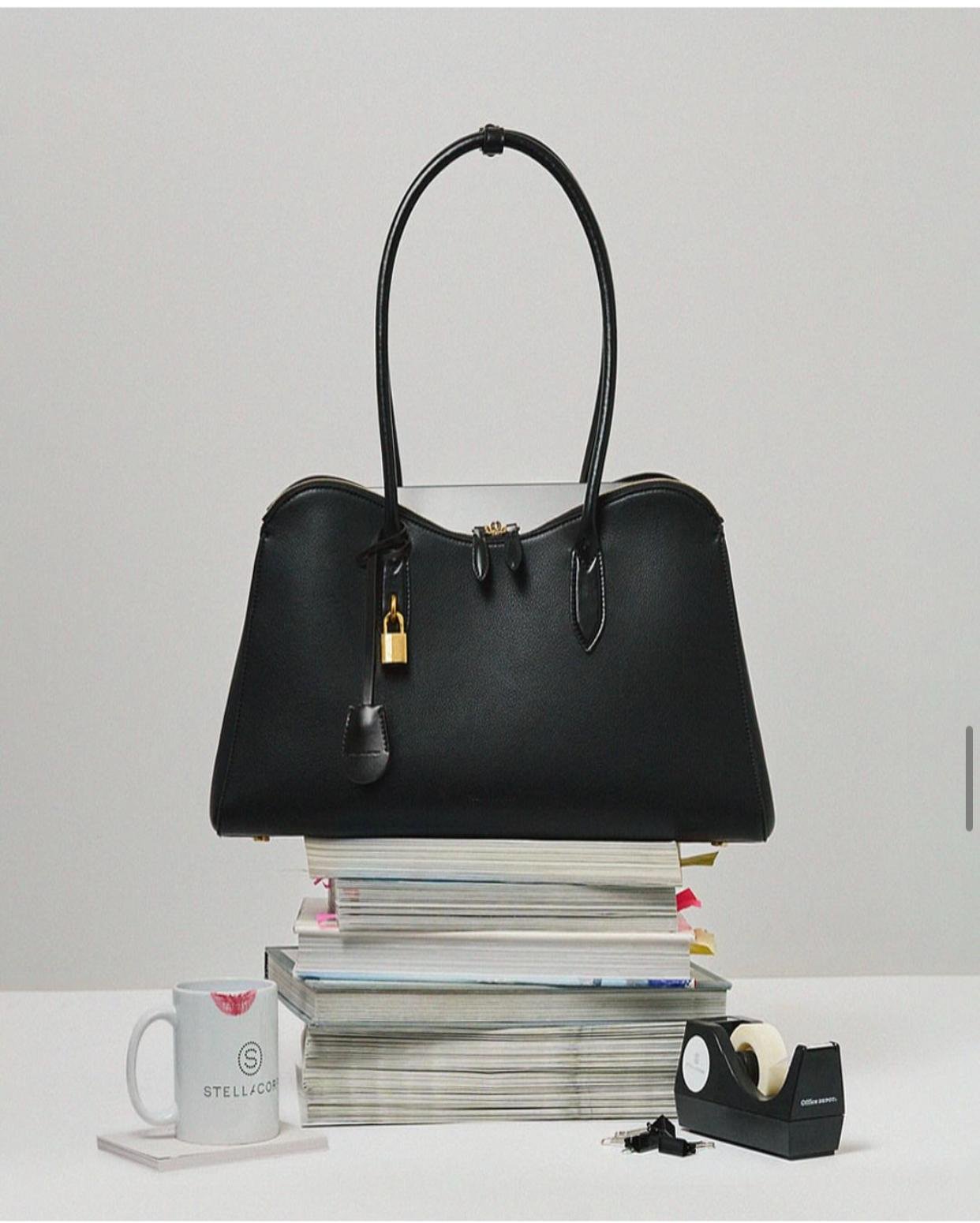
The Frayme is the Falabella's structured counterpart: a top-handle shoulder bag with a geometric woven chain body, available in tote and shoulder formats, introduced in multiple material iterations including MIRUM and apple-leather versions. The Frayme Mylo — launched in 2022 — was the world's first luxury bag made from mycelium, the root-like structures of fungi grown in a laboratory by Bolt Threads: a project that had been in development between the house and the startup since 2017. The Ryder, the house's newest permanent silhouette, is a compact crossbody with a logo-engraved padlock, handcrafted in Hydefy — a fungi-based material made from mycelium and sugarcane waste through microbial fermentation, debuted on the Summer 2025 runway. A Ryder tote, sized for a laptop, was introduced for Winter 2025 in vegan alternatives to leather, snakeskin, and ostrich. No animal was consulted. The results are indistinguishable from the materials they replace.
The Falabella Tiny is the smallest member of the family — a miniature version of the founding silhouette, collectible in the way that the house's limited-edition seasonal iterations have always been collectible. The Airlite-coated Tiny, introduced for Winter 2024, goes further than any bag has previously gone in its material claims: a semiconductor coating that actively purifies the air around the object it rests on, produced with a carbon footprint 62 to 76 percent lower than conventional coatings. The limited-edition range has expanded consistently: Falabella Star Studs, Falabella Sequin Fringe, Falabella Crystal Cage, Falabella Metallic Chain-Embroidered — each iteration a conversation between the house's founding silhouette and a new surface vocabulary. For Fall 2026's Year of the Horse collection, the Falabella returns with lead-free crystals and eyelets, referencing McCartney's equestrian heritage directly. The horse that named the bag appears, again, on the bag.
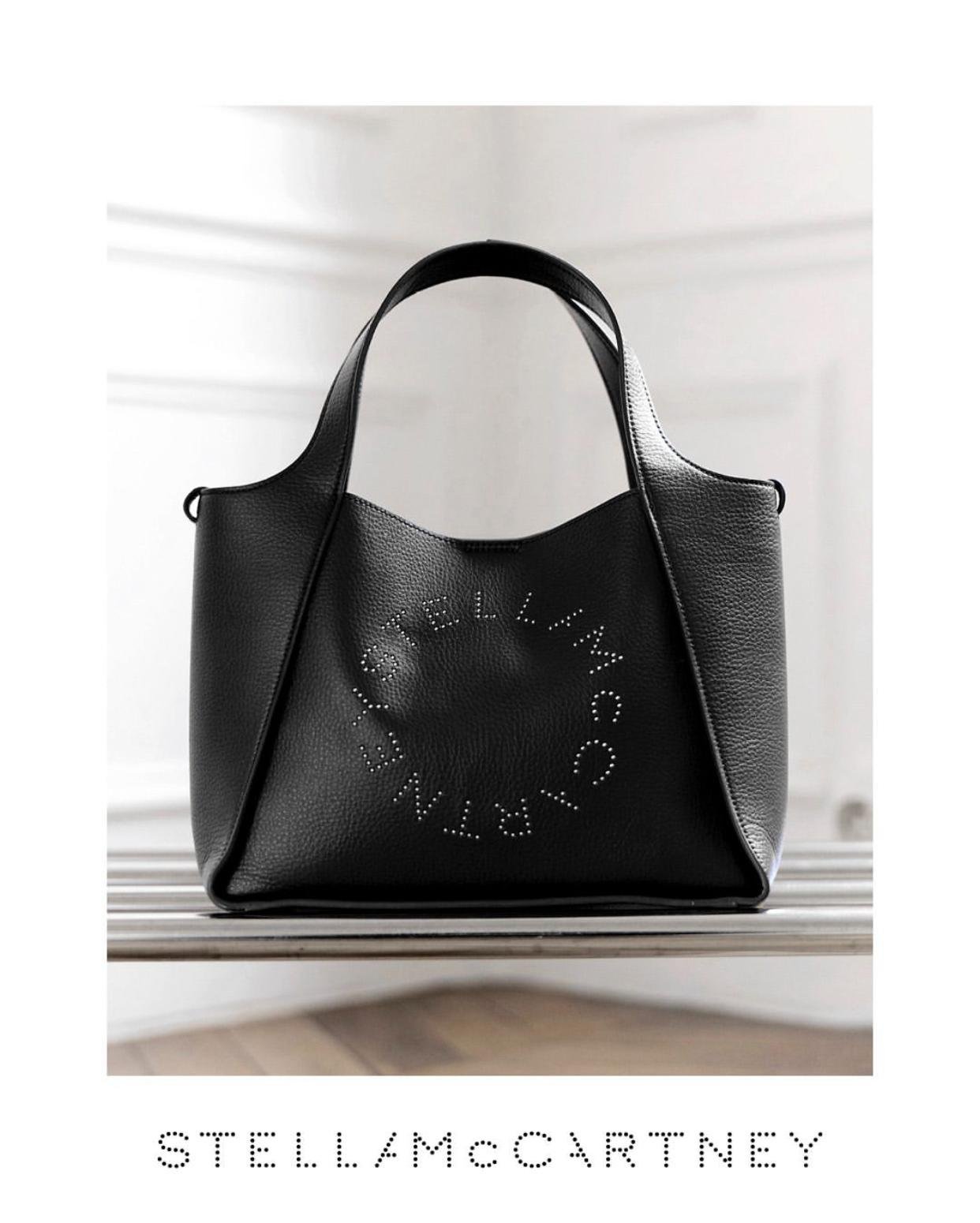
The Appaloosa — named for the spotted horse breed favored by the Nez Perce people of the American Northwest — joins the Falabella and Ryder as a permanent bag silhouette for Fall 2026, introduced as part of the Year of the Horse collection. The collection favors sharp shoulders, heritage checks in deadstock fabric, and GOTS-certified organic cotton, with 98 percent of materials meeting the brand's responsibility standards. The Stella Logo range — shoulder bags and totes in an energized palette with the house name in clean typography — offers the brand's ethical vocabulary in a more casual, graphic format. These are bags that wear their maker's name without needing to justify it. Every piece in the range carries the same Italian craftsmanship, the same chain hardware, the same lining from recycled polyester. What changes, season by season, is the material the future is made from.
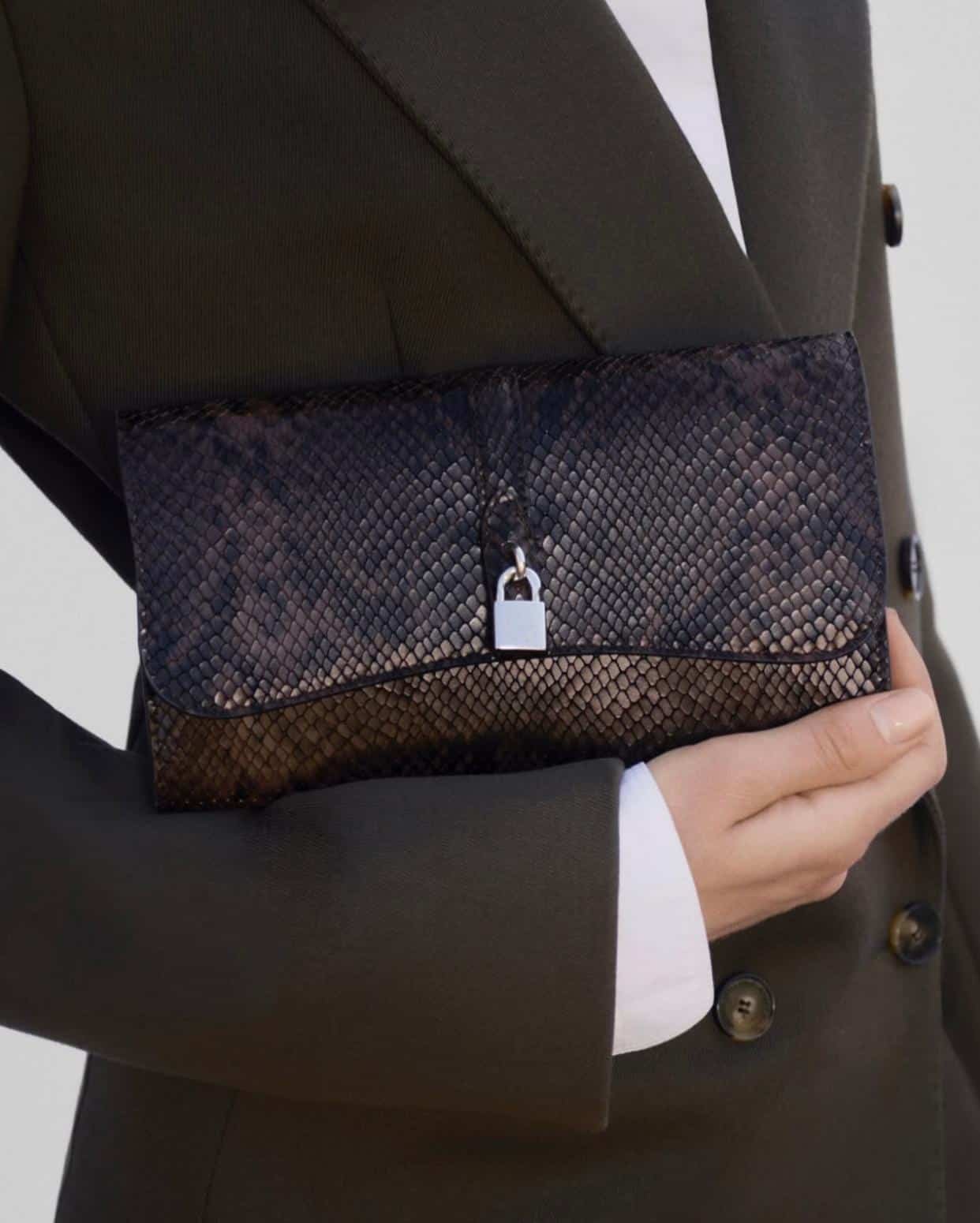
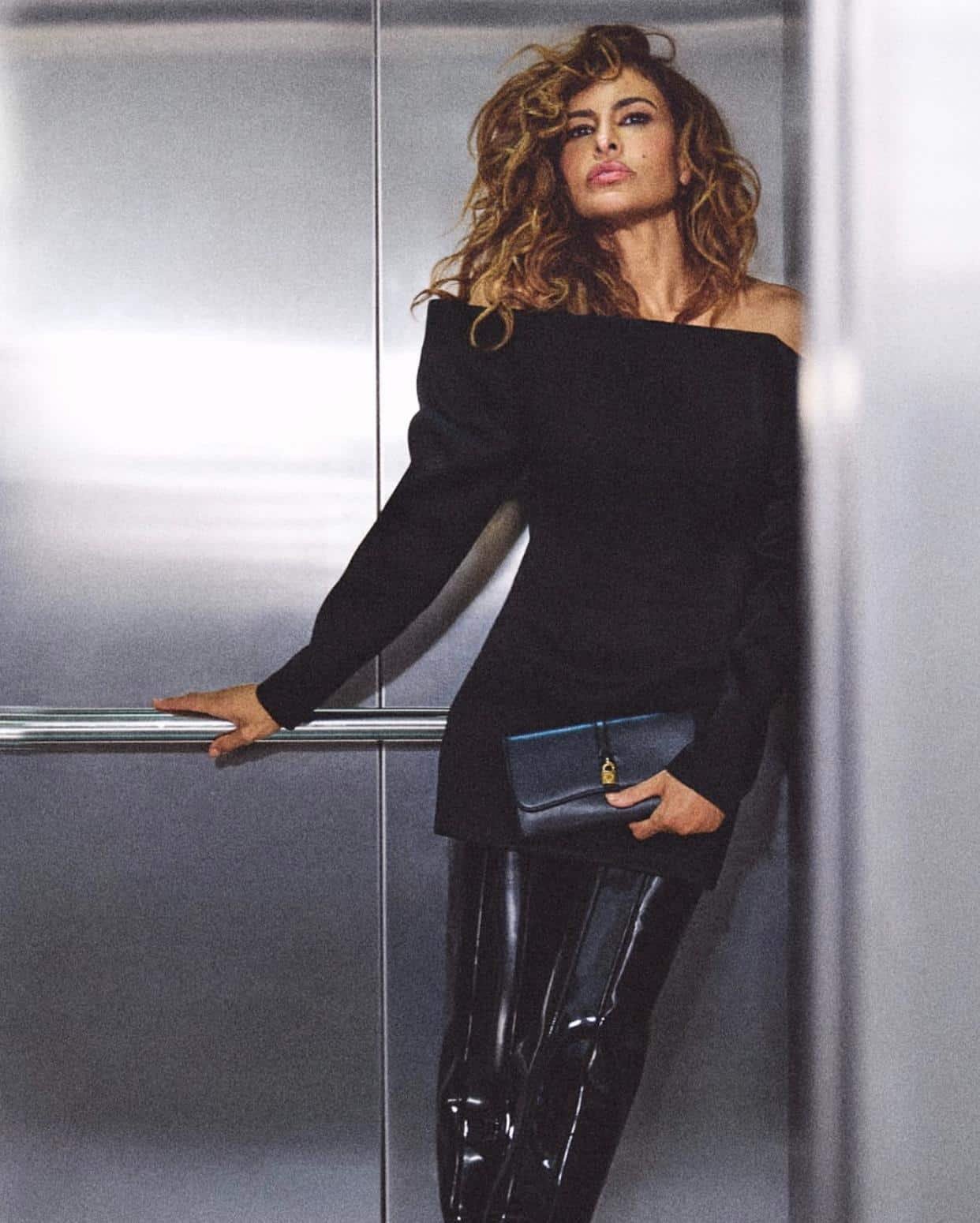
The Stella McCartney small leather goods carry the Falabella chain vocabulary into daily pocket objects — wallets, card holders, coin purses — each lined with the house's monogrammed recycled polyester fabric and closed with the diamond-cut hardware that connects them to the founding silhouette. The Falabella bag charms, introduced seasonally, allow the chain aesthetic to migrate between bags: a loop of diamond-cut links that attaches to any handle and declares an affiliation without needing a logo to do it. At 112 Greene Street, the small leather goods are displayed alongside the full bag range on the limestone shelves that run the length of the SoHo boutique's ground floor — a space that was, in the 1970s and 1980s, a raw exhibition space for conceptual and performance artists. The material has changed. The spirit of what it means to make a declaration in a room has not.
The Stella McCartney x Adidas collaboration — one of the longest-running designer-sportswear partnerships in fashion, ongoing since 2004 — extends the house's no-leather, responsible-materials philosophy into performance categories. The collaboration bags follow the same ethical constraints as the main collection: no animal leather, recycled materials where possible, Italian-quality construction applied to sportswear-grade function. At 112 Greene Street, the Adidas collaboration is stocked alongside the main collection — performance beside couture, gym beside evening, the same chain of principle connecting both. A Falabella and a performance tote on the same shelf is exactly the point Stella McCartney has been making since 2001: that the ethics of a garment or a bag do not determine its beauty, its craftsmanship, or its desirability. One million Falabellas later, the argument is settled.
The Falabella miniature horse
is the smallest horse in the world.
Stella McCartney grew up riding horses
on a farm in Sussex.
She named her first bag after her favorite breed.
The bag contains no leather.
It never has.
The chain is recycled brass.
The lining is recycled plastic bottles.
The material is sometimes grape pomace.
Sometimes mycelium. Sometimes sugarcane waste.
One million bags sold.
Not one animal.
That is the Falabella.
Stella McCartney has declared 2026 the Year of the Horse — a collection that references the designer's parents, her equestrian upbringing, and the founding logic of a brand built on the conviction that fashion and animal welfare are not in conflict. The Fall 2026 collection arrives in an earthy palette, with Savile Row-inspired tailoring cut from deadstock heritage checks and responsibly-sourced wool, styled with the Falabella in lead-free crystal and eyelet editions and the new Appaloosa bag named for the spotted horse of the American West. The collection's subtitle is the most precise summary the house has ever produced of its own position: "inspired by the designer's parents and her love of animals." Paul McCartney was photographed in 1971 on the Scottish farm with Linda and their children and the sheep that roamed their land. He had been a Beatle. He had written Yesterday. At that moment, he was also a man in a field with animals he would not eat. His daughter built a luxury house on that same conviction. The bags are still named after horses. The horses are still alive.
112 Greene Street · SoHo · New York · The Limestone Building
Stella McCartney's New York flagship occupies 112 Greene Street in SoHo — a landmark limestone building between Prince and Spring Streets, spanning 5,200 square feet across two floors. The building was, in the 1970s and 1980s, a raw exhibition space for conceptual and performance artists — the kind of downtown address where declarations were made without commercial mediation. The boutique carries the complete handbag collection: Falabella in all sizes and seasonal materials, Frayme, Ryder, Appaloosa, Stella Logo, and the full small leather goods range, alongside the house's ready-to-wear, shoes, and Adidas collaboration. Brass fixtures run through the space — a material that recurs in the diamond-cut chain of every Falabella — and the floor is reclaimed end-grain timber from local factories and farmhouses. Nothing in the store is incidental. Nothing, since October 2001, has contained leather.
112 Greene Street · New York, NY 10012
Monday – Saturday 11am – 7pm · Sunday 12pm – 6pm
The Falabella · Frayme · Ryder · Appaloosa · Stella Logo
Fall 2026 Year of the Horse Collection · Lead-Free Crystal Editions
Small Leather Goods · Adidas Collaboration · Seasonal Capsules
No leather · No fur · No exotic skins · Ever · Founded London 2001
stellamccartney.com
Paul McCartney wrote Yesterday in 1965.
In 1971, he was photographed on a Scottish farm
with Linda and their children
and the animals they would not eat.
His daughter built a luxury house
on the same conviction.
She named the first bag after a horse.
The horse is still alive.
At 112 Greene Street,
the chain catches the light
and no animal was harmed
to make it happen.
© Stella McCartney
© Stella McCartney
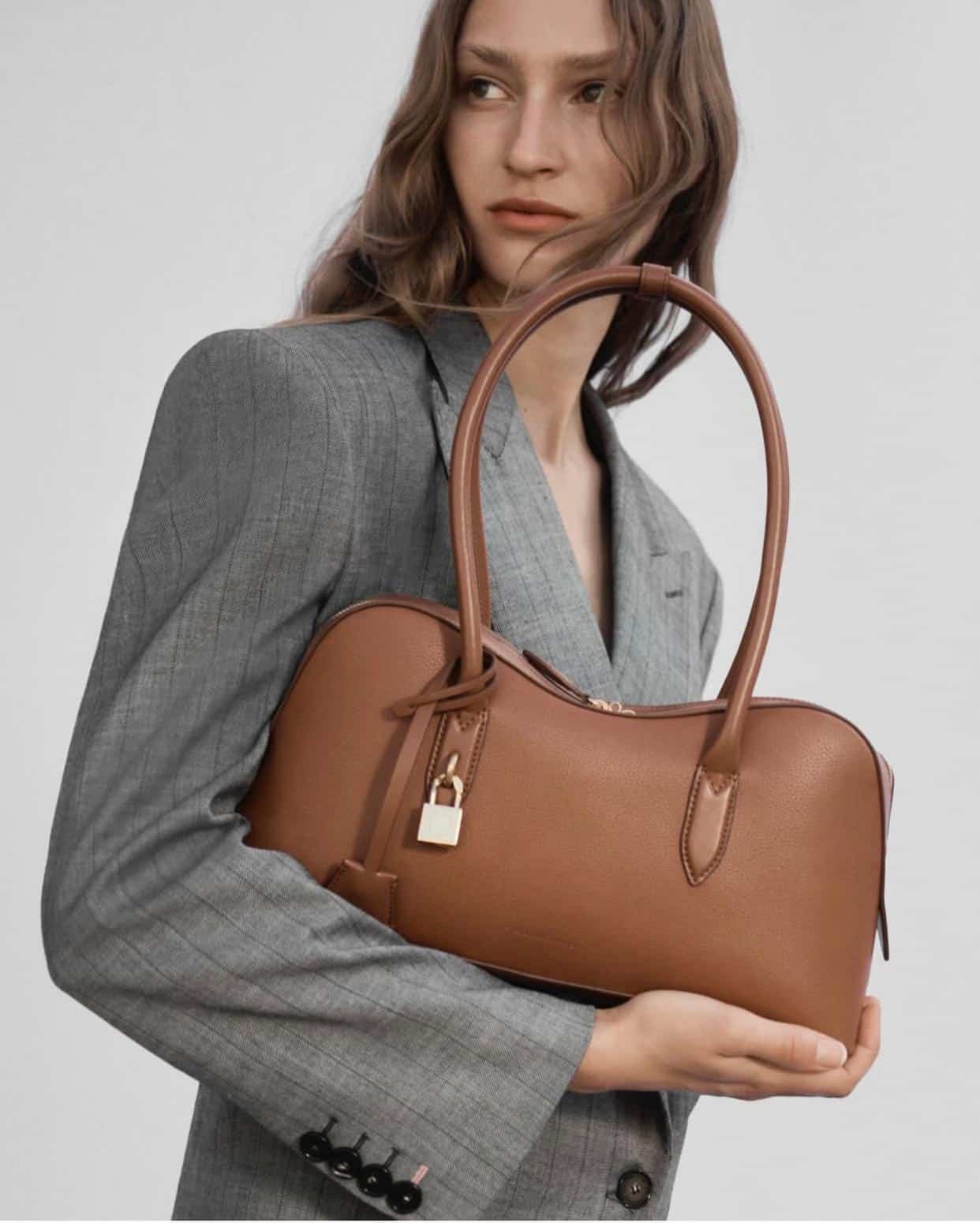
© Stella McCartney
© Stella McCartney
© Stella McCartney
© Stella McCartney
© Stella McCartney
© Stella McCartney
© Stella McCartney

© Stella McCartney
© Stella McCartney

© Stella McCartney
© Stella McCartney
© Stella McCartney
© Stella McCartney
© Stella McCartney
© Stella McCartney
© Stella McCartney
© Stella McCartney
© Stella McCartney
STELLA McCARTNEY
© Stella McCartney