© Dior
© Dior
© Dior
Dior Fragrances
Christian Dior named his first perfume, in 1947, for his sister Catherine — the woman he called Miss Dior, who had survived Ravensbrück and returned to Paris in 1945. It was a gesture of love given the form of a fragrance. That has been the Dior position on perfume ever since: that a scent is never abstract. It is always a portrait.
1947 · Miss Dior · The Beginning
Miss Dior was launched on October 16, 1947 — the same day as the New Look presentation that transformed postwar fashion. The timing was not accidental. Christian Dior understood that a new silhouette required a new atmosphere — that the nipped waist and the full skirt needed a scent to complete the world they created. He commissioned a chypre-floral built on oakmoss, jasmine, rose, and a dry-down of patchouli and vetiver, a fragrance of considerable depth and complexity for its moment. He named it for Catherine, his younger sister, who had worked for the French Resistance during the war, been arrested by the Gestapo in 1944, and survived eighteen months in the Ravensbrück concentration camp. "My sister is Miss Dior," he said simply. The perfume bore her nickname until his death in 1957 and has carried it ever since — through multiple reformulations, multiple interpretations, multiple faces — always as the name of a woman who did not surrender.
François Demachy served as Dior's exclusive perfumer-creator from 2006, producing the modern versions of Miss Dior, Dior Homme, and creating Sauvage from scratch in 2015. In 2024, he was joined in the reformulation of Miss Dior Parfum by Francis Kurkdjian — Dior's new Perfume Creative Director — whose involvement with the house's fragrance output has deepened significantly since his appointment.
Eau Sauvage · 1966 · The Molecule That Changed Perfumery
Edmond Roudnitska created Eau Sauvage for Dior in 1966 — one of the most consequential masculine fragrances in the history of perfumery, and one of the least discussed in proportion to its actual influence. Its revolutionary element was the use of hedione — a synthetic molecule discovered by Firmenich in 1961, derived from methyl dihydrojasmonate — at an unprecedented concentration. Hedione creates the impression of fresh, clean, luminous air: an abstraction of coolness that no natural ingredient could produce at the same intensity and consistency. Around it, Roudnitska built a citrus-forward composition of exceptional precision — bergamot, lemon, rosemary — that made Eau Sauvage the first fresh masculine fragrance in the modern sense. Every clean, citrus-fresh masculine fragrance produced since 1966 is in conversation with Roudnitska's discovery. Most are not aware of the conversation they are having.
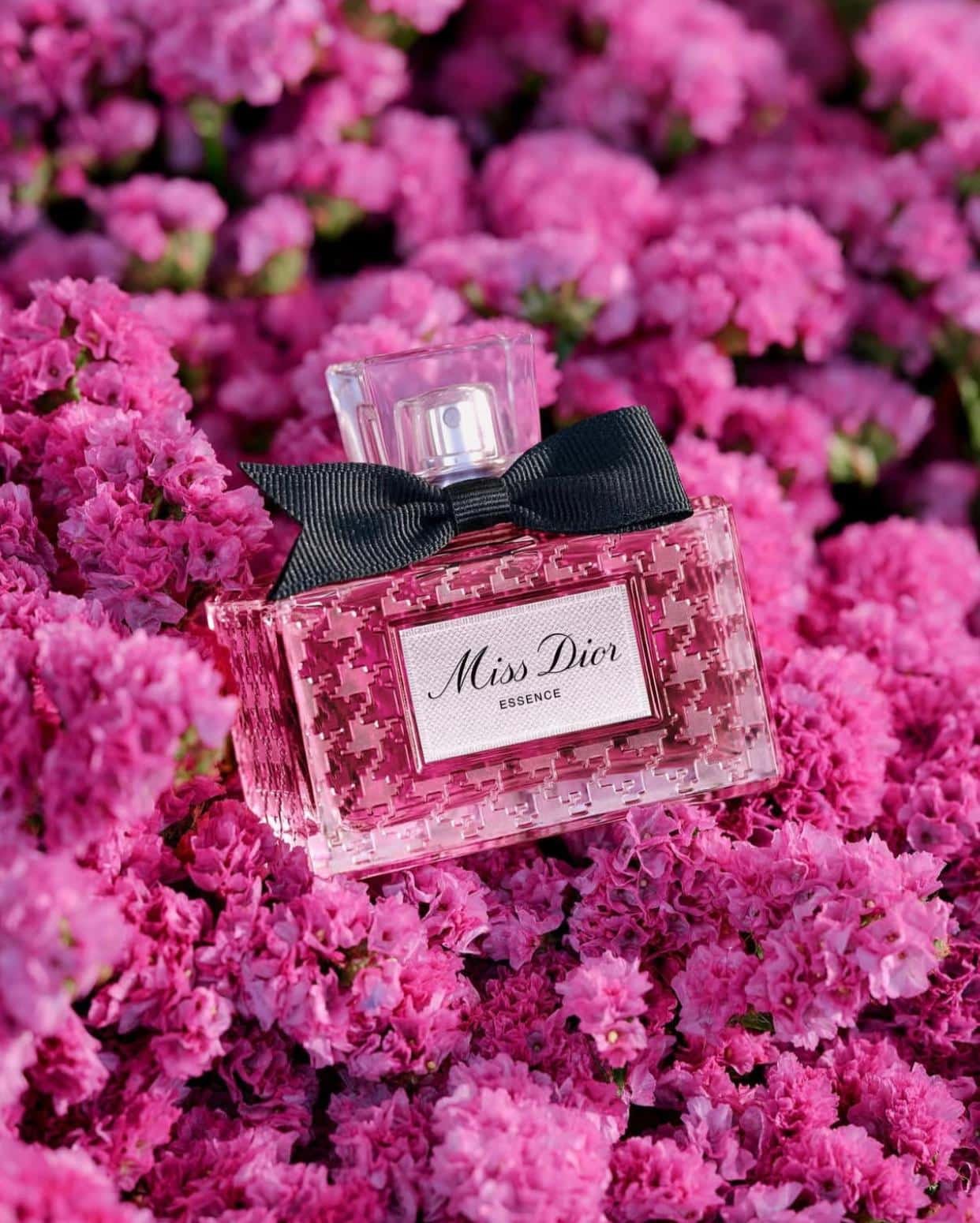
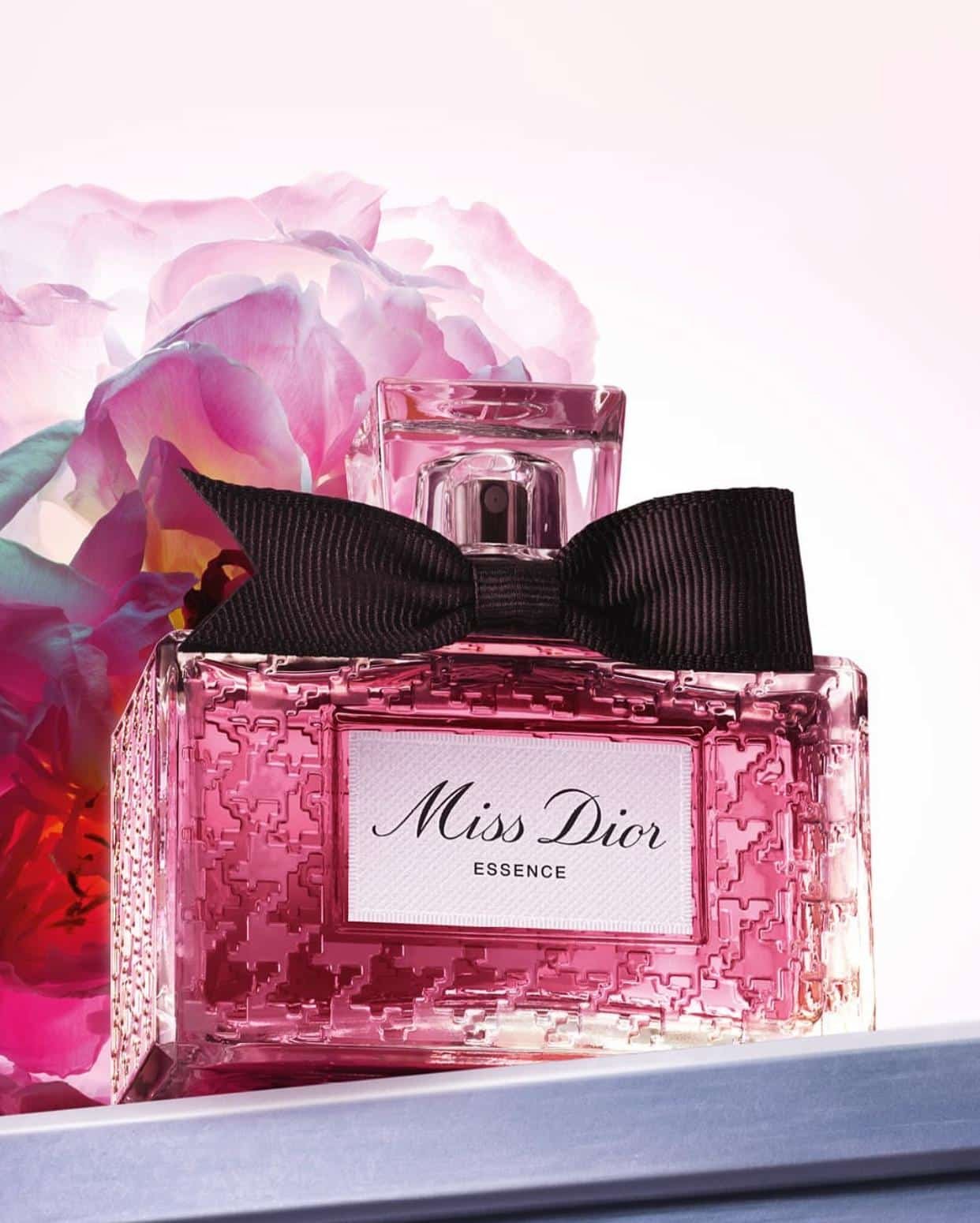
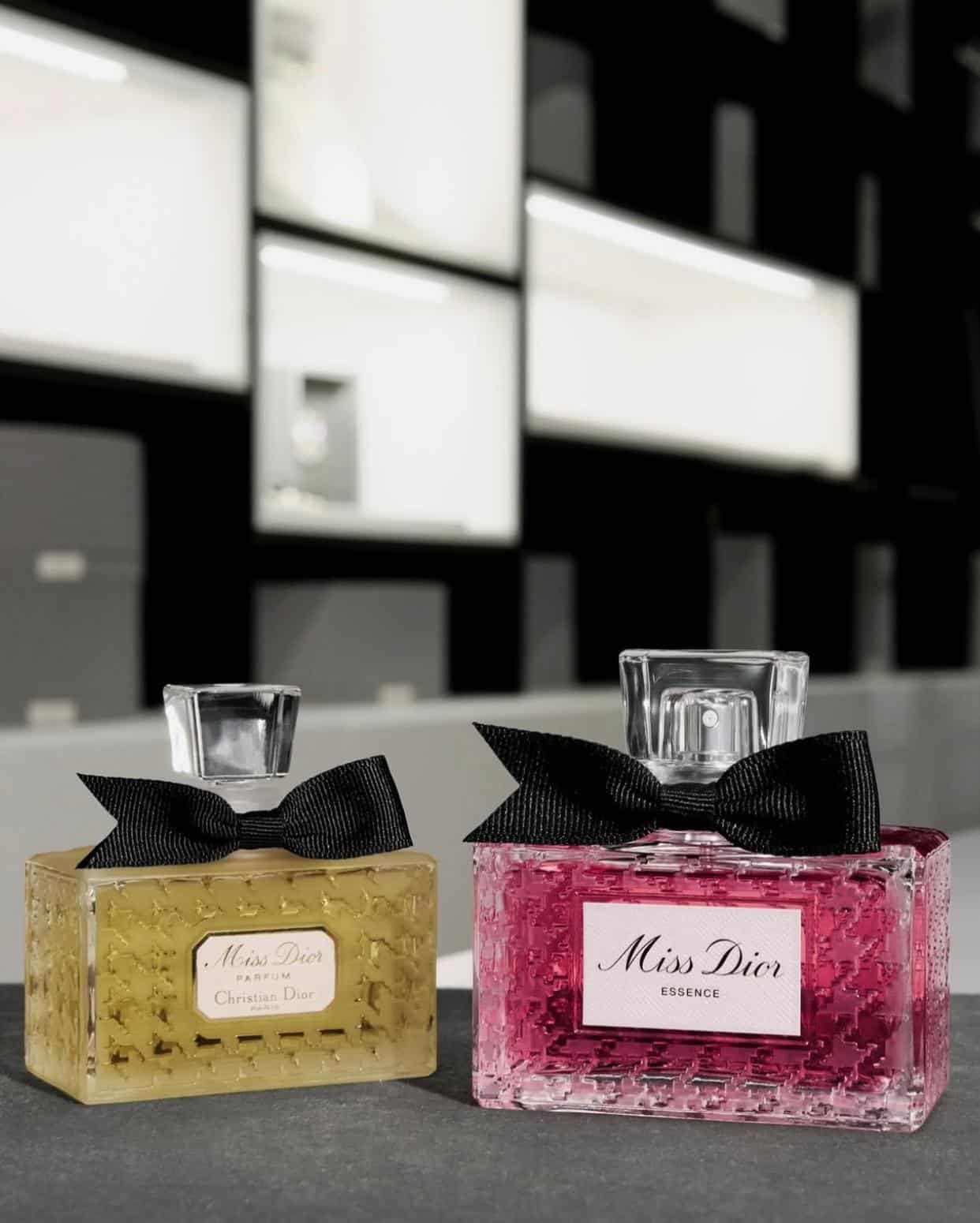
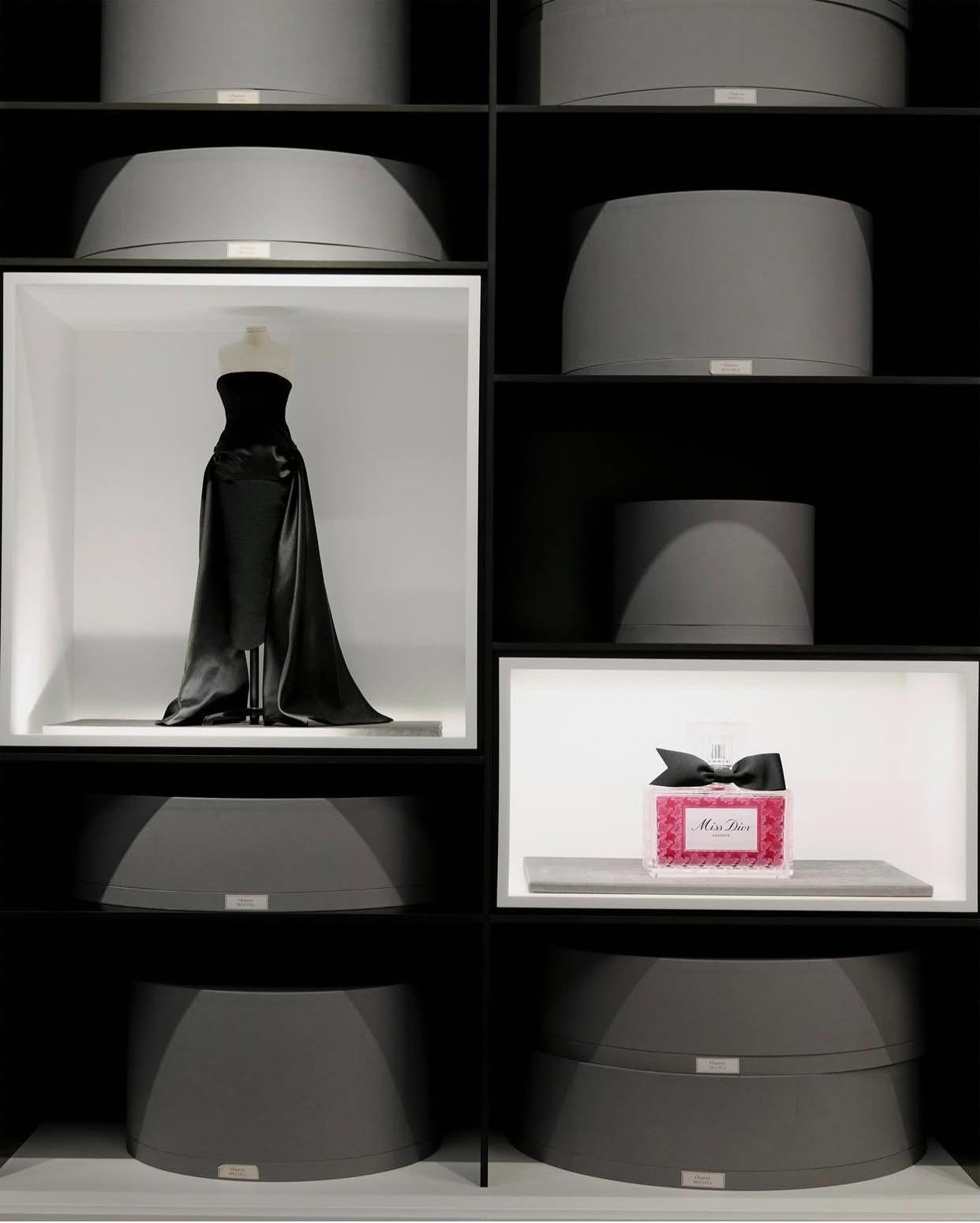
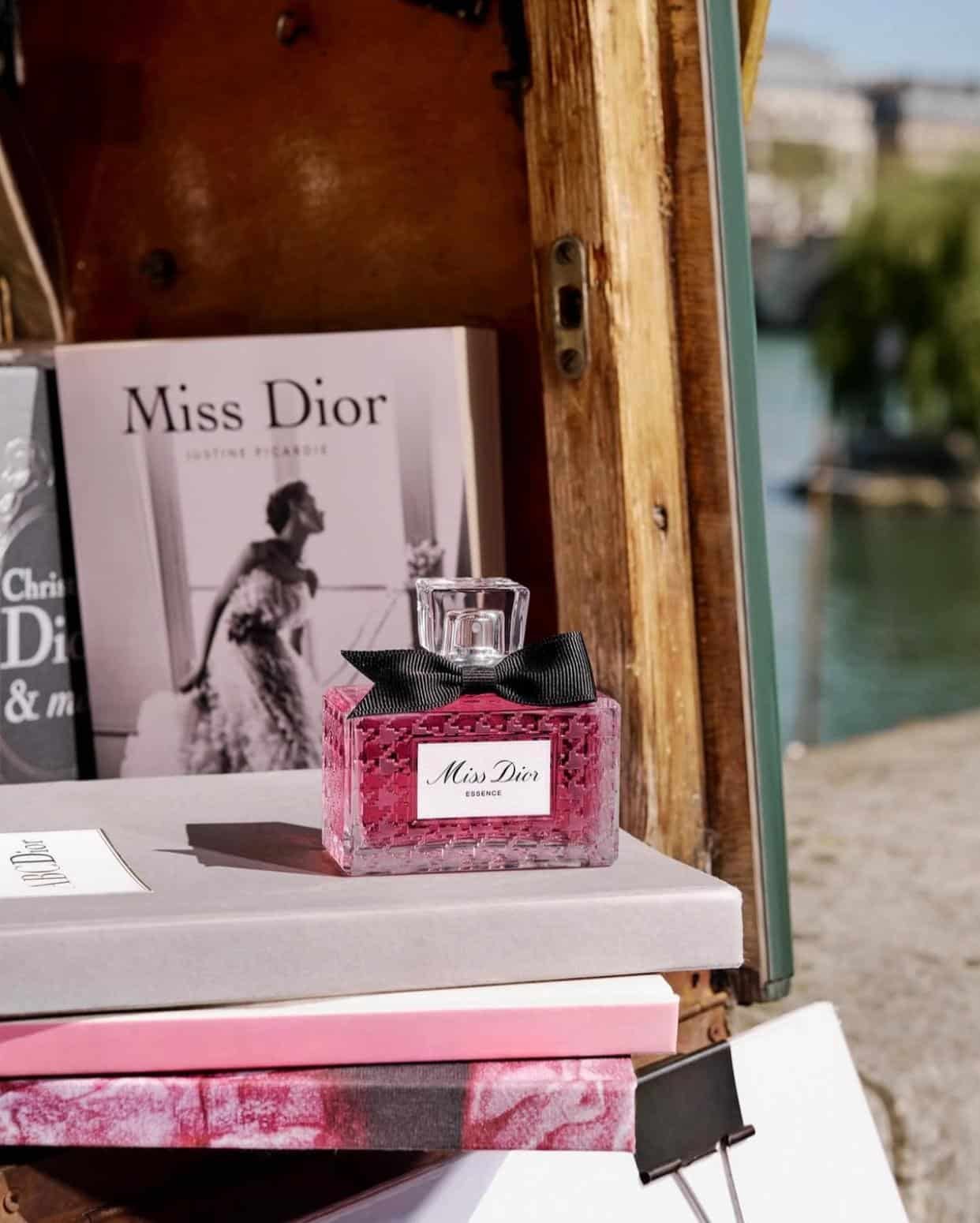
Miss Dior has been reformulated, reinterpreted, and re-presented across eight decades — each version a response to the particular femininity of its moment, always returning to the same olfactory DNA of floral chypre. The 2024 Parfum — created jointly by Kurkdjian and Demachy — restored the patchouli depth and wild strawberry accord that had defined the earlier Miss Dior Chérie, a version many collectors had mourned. Apricot, peach, and mandarin open the piece; jasmine and floral notes form the heart; patchouli, amberwood, amber, moss, and cedar carry it through. Miss Dior Essence, released in 2025 and also by Kurkdjian, offers a more concentrated and austere expression of the same character — a portrait of the same woman in a more minimal frame.
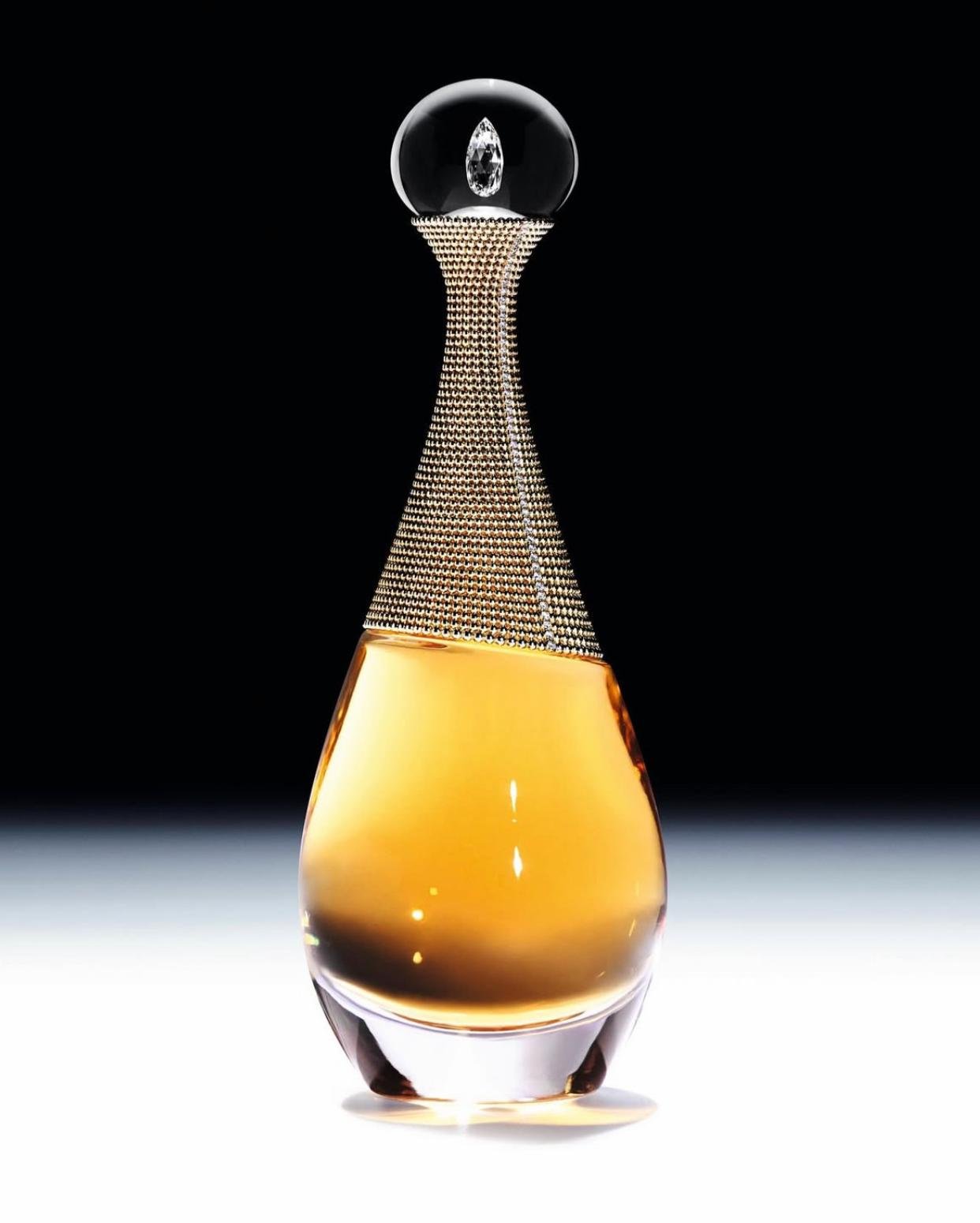
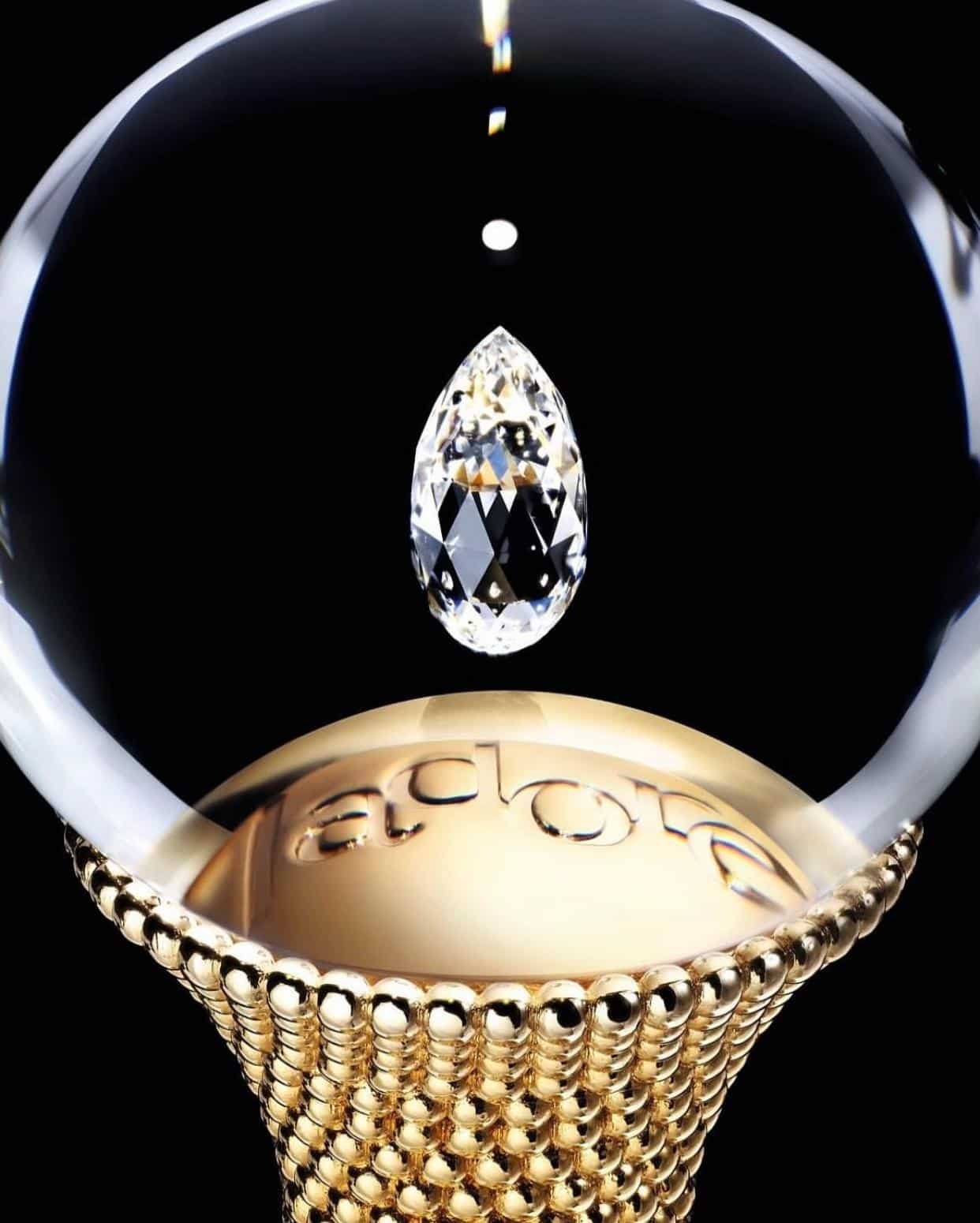
J'adore — created by Calice Becker in 1999 — is Dior's most commercially significant feminine fragrance of the contemporary era: a luminous floral bouquet of Grasse jasmine, rose, ylang-ylang, and melon, unified by a warm floral musk base of extraordinary diffusion. It has produced multiple significant interpretations — J'adore L'Or, the most concentrated; J'adore Infinissime, with its quieter, more intimate register; J'adore Parfum d'Eau, the first water-based Dior fragrance distributed globally, replacing alcohol with skin-compatible ingredients that give the scent a different relationship with the body's warmth. Charlize Theron has been the face of J'adore for over two decades. The fragrance she represents has not required reinvention. It has required only continuation.
Fahrenheit — created by Jean-Louis Sieuzac and Michel Almairac in 1988 — is the most singular masculine fragrance in the Dior portfolio and one of the most singular in the history of fine perfumery. Its opening is built around violet leaf absolute and a gasoline accord — petrol, leather, warm asphalt — that should not, by any conventional perfumery logic, be beautiful. It is extraordinary. The warm amber and sandalwood base gives the fragrance the depth to sustain its opening, and the whole composition has the quality of a landscape felt rather than seen: sun-heated pavement, the interior of a warm car, the particular dry heat of late afternoon. Fahrenheit has never been successfully imitated. It has been referenced, approximated, and admired for thirty-seven years. Nothing has replaced it.
Sauvage — created by François Demachy in 2015 — has become, by most measures, the most commercially successful masculine fragrance in the world. Its structure is deceptively simple: Calabrian bergamot for the opening, Sichuan pepper at the heart, Ambroxan — a synthetic molecule derived from ambergris — at the base, giving the fragrance its particular magnetic woody depth. The collection has expanded across four concentrations: the original EDT, the warmer oriental EDP of 2018, the sandalwood-centered Parfum of 2019, and Sauvage Eau Forte of 2024 — an alcohol-free formulation by Francis Kurkdjian, designed for those who prefer a fragrance closer to skincare, built around sandalwood, violet, and suede in a different register from the original entirely. The debate about which Sauvage is the right Sauvage is, in itself, a form of testimony to the collection's hold on contemporary masculine perfumery.
La Collection Privée Christian Dior is the house's most intimate fragrance vocabulary — a library of individual compositions available exclusively in Dior boutiques, each one a fully developed olfactory idea rather than an extension of the commercial range. Gris Dior — a smoky, mineral grey. Oud Ispahan — Persian oud and Bulgarian rose, an encounter between two great raw material traditions. Tobacolor — tobacco and saffron, rich and warm. Bois d'Argent — silver wood and iris, austere and beautiful. In 2025, Francis Kurkdjian directed Les Récoltes Majeures — a new trilogy exploring the relationship between exceptional agricultural raw materials and the fragrances they produce — and launched Rose Star, a new Eau de Parfum in the Collection Privée built around Grasse rose in a contemporary, unadorned register.
Francis Kurkdjian — whose independent house Maison Francis Kurkdjian is also part of the LVMH group — serves as Perfume Creative Director for Dior, bringing a new creative voice to the house's fragrance development alongside the legacy of François Demachy. His work at Dior spans the reformulation of Miss Dior Parfum, Sauvage Eau Forte, Dior Homme Parfum 2025, and the Collection Privée additions. His sensibility — precise, structurally clear, never sentimental — is perceptible particularly in the Collection Privée's newer additions, which tend toward a formal austerity that is different from Demachy's more visceral, natural-material approach. Two noses, one house, producing work from different starting points and arriving at different places within the same Dior vocabulary. The dialogue between them is the most interesting ongoing conversation in French fine perfumery.
Christian Dior named his first perfume
for his sister Catherine —
the woman who had survived Ravensbrück
and returned to Paris in 1945.
He called her Miss Dior.
A scent is never abstract.
It is always a portrait.
François Demachy — who spent nearly thirty years at Chanel before joining Dior in 2006 — had the Grasse fields replanted upon his arrival: rose, jasmine, tuberose, the raw materials that had defined French fine perfumery since the 17th century and that industrial production had progressively abandoned in favor of synthetic substitutes. His conviction was identical to Olivier Polge's across the street at Chanel: that the quality of a great fragrance depends absolutely on the quality of its raw materials, and that synthetic molecules — however sophisticated — cannot fully replicate what a Grasse rose grown in a particular soil under a particular sun produces. Dior's Centifolia rose from Grasse appears across the house's feminine fragrances in different proportions and relationships. It is the olfactory constant that makes a Miss Dior smell like a Miss Dior across eight decades of reformulation. The rose is not a note. It is a position.
21 East 57th Street · The Dior Boutique · New York
The full Dior fragrance range is presented at 21 East 57th Street — Miss Dior, J'adore, Sauvage across all concentrations, and La Collection Privée in a dedicated boutique-within-a-boutique space available exclusively in Dior stores. The Collection Privée fragrances require the boutique experience: they are not designed to be discovered on a department store tester strip but through a slower, more deliberate conversation about olfactory memory, about what a fragrance does on a specific skin, about which of the library's chapters belongs most precisely to a particular person. New York — a city whose relationship with fragrance is at once democratic and deeply personal — receives the full Dior olfactory vocabulary at 57th Street, from the most widely worn Sauvage to the most intimate Gris Dior. The house's position, established in 1947 with Catherine's portrait, has not changed: perfume is always, first, a person.
21 East 57th Street · New York, NY 10022
Miss Dior · J'adore · Sauvage · Fahrenheit · Eau Sauvage
Sauvage Eau Forte 2024 · Miss Dior Parfum 2024 · Miss Dior Essence 2025
La Collection Privée — boutique exclusive · Gris Dior · Oud Ispahan · Rose Star
François Demachy · Francis Kurkdjian — Perfume Creative Director
Founded Paris 1947 · LVMH Group · dior.com/en_us/fragrance
Edmond Roudnitska introduced hedione in 1966
and changed the way masculine fragrance breathes.
François Demachy replanted the Grasse fields in 2006
and changed the way Dior's raw materials smell.
Francis Kurkdjian is rewriting the Collection Privée
one carefully chosen rose at a time.
Three noses, eight decades, the same house.
A perfume is never abstract.
It is always a conversation
between the person who made it
and the person who wears it.
© Dior
© Dior
© Dior
© Dior
© Dior
© Dior
© Dior
© Dior
DIOR
© Dior