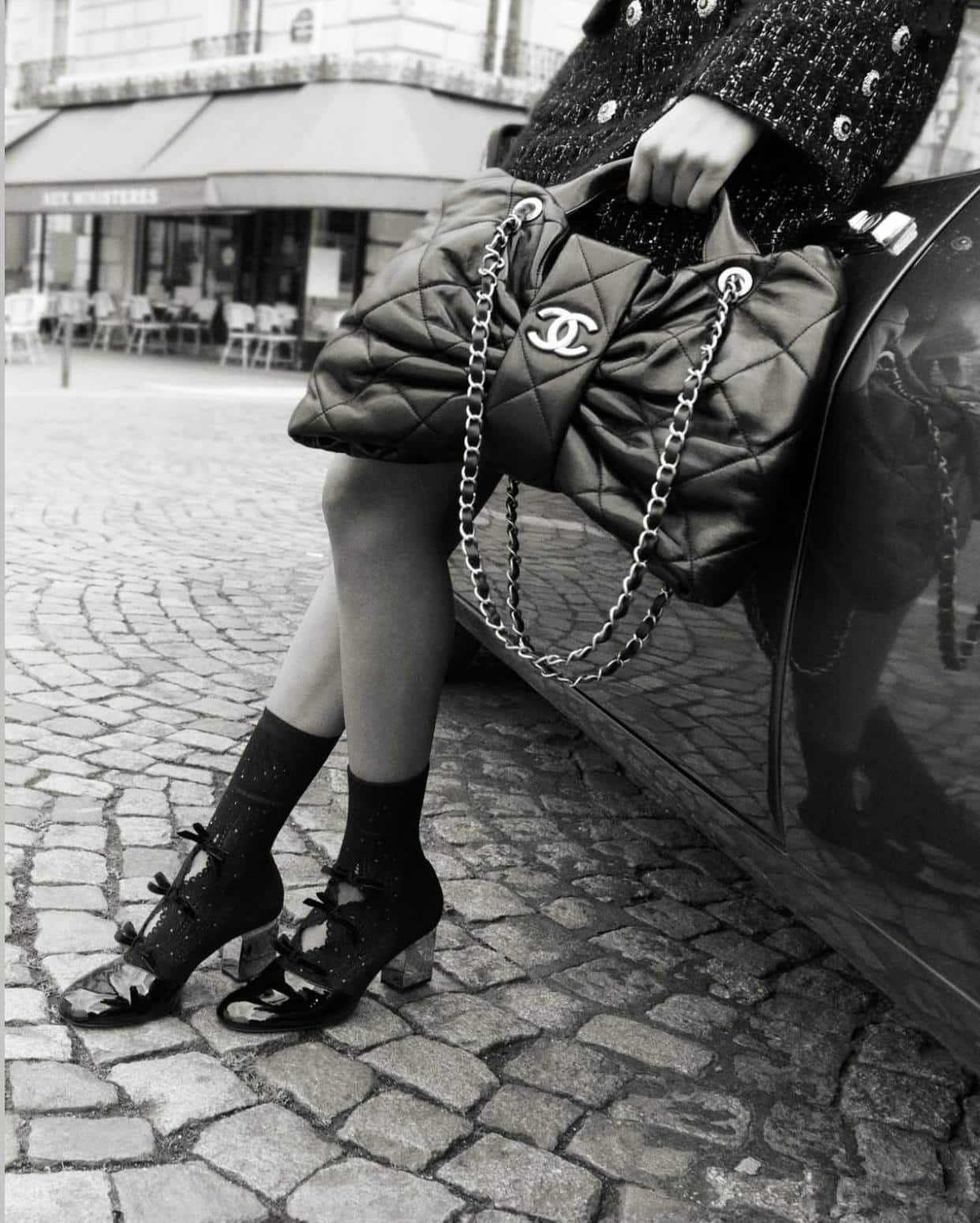
© Chanel
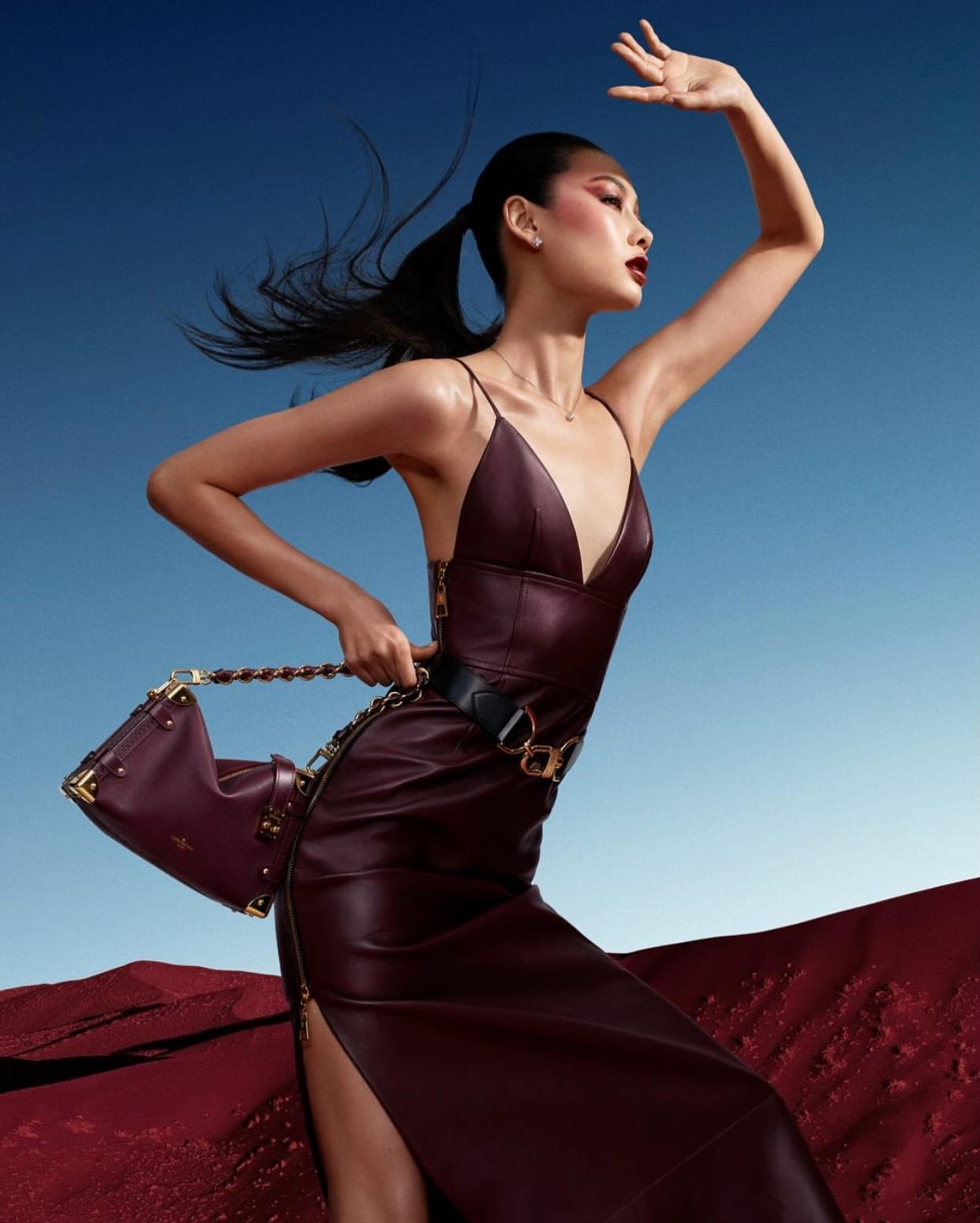
© Louis-Vuitton
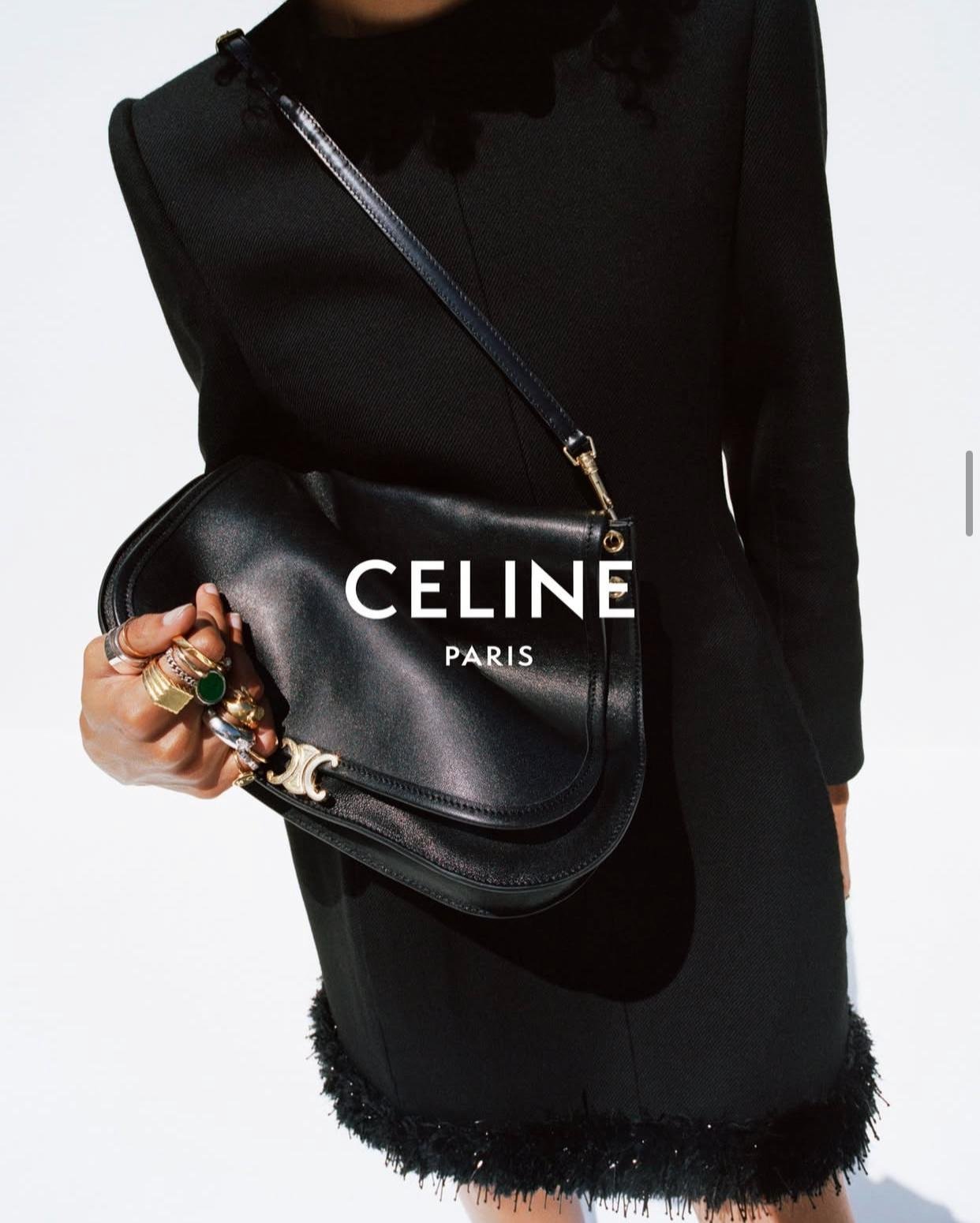
© Celine
Luxury Handbags
New York
Paris designs the bag. Milan stitches it. New York decides if it is actually great. The luxury handbag arrives in this city from the ateliers of the 8th arrondissement, from the workshops of the Veneto, from the leather houses of Florence — and then it meets the sidewalk. The subway entrance. The November rain on Fifth Avenue. Seven hours standing at a gallery opening. The city does not care what the runway showed. It only asks one question: does the bag hold.
The Test · What New York Does To A Bag
There is no luxury handbag market more demanding than New York's — not in the way of purchasing power, though the city has that too, but in the way of daily use. A woman in Manhattan carries her bag across distances and conditions that no other luxury capital requires. The Métro in Paris is underground and relatively contained. New York's subway system spans 245 miles, serves 3.6 million daily riders, and involves staircases, turnstiles, overcrowded cars, and platform surfaces that test leather, hardware, and structure in ways that a studio fitting room cannot anticipate. The bag that survives Madison Avenue in February — the sleet, the wind off the Hudson, the doormen who know the difference between a real Birkin and a near-miss — has passed the only evaluation that matters. The luxury handbag houses have understood this for decades: their New York boutiques carry not just the collection but its most rigorous audience. Editors, buyers, and clients who have seen the Paris shows and who will carry their purchases into a city that does not forgive a bag that is only beautiful.
Artbag · 1130 Madison Avenue · 90 Years · The Other Side Of The Bag
At 1130 Madison Avenue, at the corner of 84th Street, there is a boutique that does not sell handbags — it repairs them. Artbag has operated on this block for over ninety years, and is the only Black-owned storefront on the entire Madison Avenue luxury corridor between 57th and 86th Street. Donald Moore started there in 1959 as a seventeen-year-old porter, mopping floors and polishing leather. His boss taught him to make bags. His son Chris learned the craft at eight years old, coming downstairs after dinner to help with the work. Together they have restored Chanel flaps, restitched Louis Vuitton Speedys, replaced the chains on Hermès Kelly bags, and rebuilt the handles of objects whose original purchase price exceeded most people's monthly rent. Clients mail their bags to Artbag from across the country and from abroad. Jackie Kennedy Onassis was a client. Cicely Tyson was a client. The atelier works at the pace of the material — a refurbishment can take six weeks — and charges with the precision of European craftsmanship. Artbag is the part of New York's luxury handbag culture that does not appear in the fashion press: the institutional memory of what the bags actually become after the boutique, after the photograph, after the years of use that give a great object its real value.
The great European handbag houses have maintained New York presences since the mid-twentieth century — Dior from 1948, Louis Vuitton from 1898 — and their Madison Avenue and Fifth Avenue boutiques carry the full seasonal collection within months of the Paris and Milan presentations. The New York client is the most internationally informed buyer outside Europe: the editors who attended the shows in Paris, the buyers who know the waiting lists, the women who have carried these bags for decades and whose opinion of a new silhouette carries the specific authority of long experience. The Chanel 2.55 was carried on New York streets before it was famous anywhere else. The Louis Vuitton Speedy found its first American advocates here. The Hermès Birkin, introduced in 1984, became the most potent status object in the New York social vocabulary within a decade of its creation. This city did not receive these bags as imports. It adopted them as its own language.
The American handbag tradition begins in a loft on 34th Street in Manhattan in 1941, where six leather-workers made wallets and billfolds by hand in a family workshop that became Coach. Miles and Lillian Cahn took the company over in the 1950s — Lillian was the one who suggested adding women's handbags — and hired Bonnie Cashin, the sportswear pioneer, to design them in 1962. Cashin added side pockets, bright colors, and the silver toggle hardware that became the Coach hallmark, drawing on a memory of fastening the top of her convertible car. The American handbag has always worked from the life of the woman carrying it rather than the ideal of the woman being looked at. Marc Jacobs placed "THE TOTE BAG" on a tote bag in 2019 and sold 100,000 in a year — because the joke was also the truth. New York does not require its bags to be subtle. It requires them to be correct.
Bergdorf Goodman at 754 Fifth Avenue occupies the northeast corner of Central Park and contains what is widely considered the most significant luxury handbag retail floor in the United States. The handbag department is on the ground floor — the first thing encountered upon entry — and carries all major European and American houses in depth: full seasonal collections, limited editions, and the exclusive commissions that Bergdorf periodically requests from houses including Fendi, Balenciaga, Gucci, Loewe, and others, produced in runs of between one and thirty pieces per design. These exclusives — made for New York alone, available nowhere else in the world — represent the clearest expression of the relationship between this city and the bag houses that serve it: not a passive retail presence but an active conversation, the store telling the designers what the city's most discerning client actually wants. The women who work at Bergdorf Goodman, famously, carry their own luxury handbags to work. The floor is curated by people who use what they sell.
New York is also where the luxury handbag is most actively reconsidered after its first life. The city's secondary market — The RealReal, Fashionphile, Madison Avenue Couture, and the auction rooms of Sotheby's and Christie's — is the most developed in the United States and among the most significant in the world. Searches for patinaed bags on Fashionphile were up 39 percent in 2025; pre-worn leather goods grew 15 percent year-on-year on The RealReal. The Chanel 2.55 shown open and crinkled at Matthieu Blazy's debut, the pre-patinaed Prada Galleria on the Spring 2026 runway — both acknowledged what New York already understood: that a bag carried through years of real use is a different object from a bag carried for a season. The vachetta leather trim on a Louis Vuitton that has darkened to honey over five years of daily use tells a story that the brand new version cannot. New York does not fetishize newness. It understands what age does to a great object — and it considers the result an asset, not a flaw.
New York's luxury handbag offer is distributed across three geographies that represent three distinct relationships to the object. Madison Avenue between 57th and 86th Street is the established European corridor: Chanel, Hermès, Valentino, Celine, Dior, Loro Piana — the houses whose boutiques have occupied these addresses for decades and whose clients know the seasonal collections before they arrive in store. Fifth Avenue, particularly around 57th Street, holds the grand flagship addresses: Louis Vuitton, now at 6 East 57th Street with its largest American location and first North American café; the House of Dior New York, opened August 2025 at 23 East 57th Street; Bergdorf Goodman at the corner of 58th. SoHo and the Meatpacking District carry a younger, more contemporary register: Marc Jacobs on Prince Street, Stella McCartney on Greene, the American houses alongside the European brands that address a different New York client — the one who carries The Tote Bag and a Falabella in the same week without contradiction. These three geographies are not competing territories. They are three neighborhoods of the same city, each reading the same object differently.
The Gloss New York handbag selection covers the houses whose collections are available in the city across the full seasonal range — European Maisons with flagship presences on Madison Avenue and Fifth Avenue, and American houses whose addresses and sensibilities are rooted in the city itself. Each house is presented through its current collection, its founding object and the secret of its origin, and the specific New York address where its bags are available. The standard for inclusion is not prestige alone but the particular quality that New York demands of every object it adopts: that it be genuinely great — in craft, in design intelligence, in the longevity of what it proposes. The city has been testing these bags on its sidewalks for decades. The ones that are still here passed.
Paris designs the bag.
Milan stitches it.
New York decides if it is actually great.
At 1130 Madison Avenue,
a man who started as a porter in 1959
became the owner of the only Black-owned boutique
on the entire Madison Avenue luxury corridor.
His son learned the craft at eight years old.
For ninety years they have repaired
the bags that the other boutiques sell.
Artbag knows more about what a great bag becomes
than any boutique on Fifth Avenue.
New York always has.
It is the city where a bag goes
after the photograph is taken.
The luxury handbag occupies a particular position in New York's visual culture that it does not occupy in the same way in Paris or Milan or London. In Paris, the bag is worn with a specific kind of studied insouciance — it is part of an ensemble, a detail among details. In New York, the bag often operates alone. It is the decision made when everything else is pragmatic — the coat chosen for warmth, the shoes chosen for distance, the bag chosen for something else entirely. What it communicates, and to whom, and how. The New York woman who carries a Chanel 2.55 on the subway at seven in the morning is making a statement of a different order from the Paris woman who carries the same bag to lunch. She is carrying it through the city that invented the concept of the It-bag, the city where Suzy Menkes coined the term and where its implications played out across a decade of paparazzi photographs, magazine covers, and department store waiting lists. New York did not simply receive the luxury handbag as a luxury object. It turned it into a cultural text. Every bag on these streets is a sentence in a language the city has been reading for over a century.
Coach was founded in a loft on 34th Street
by six leather-workers making wallets by hand.
Artbag has repaired Hermès and Chanel
on Madison Avenue for ninety years.
Bergdorf Goodman commissions exclusive bags
in runs of one to thirty pieces
for a city that will carry them into the subway.
The great ateliers of Paris and Milan
send their collections here every season.
New York receives them as it always has —
not as imports,
but as objects awaiting their real test.
The sidewalk is the runway.
The verdict has always been the same:
does the bag hold.
CELINE
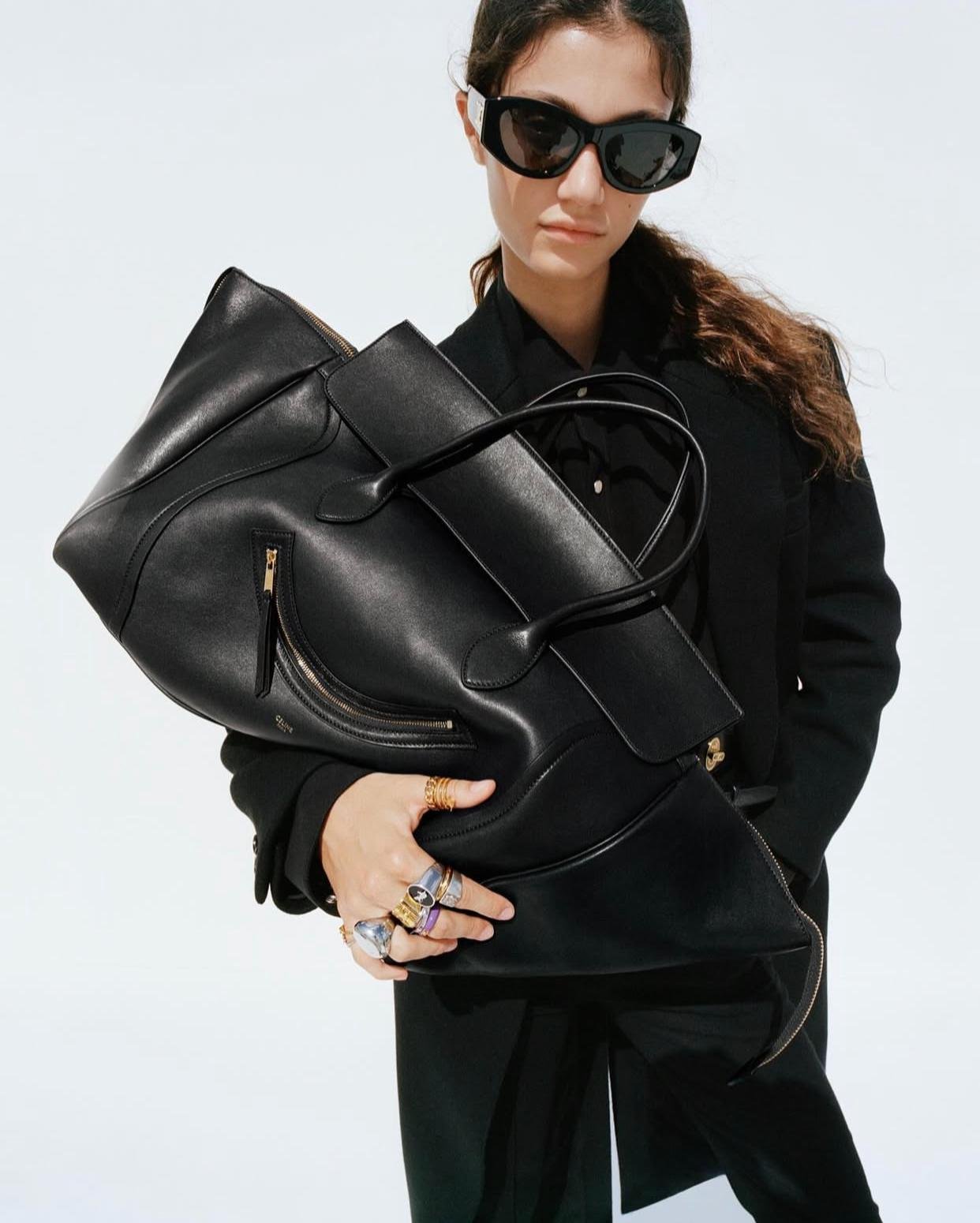
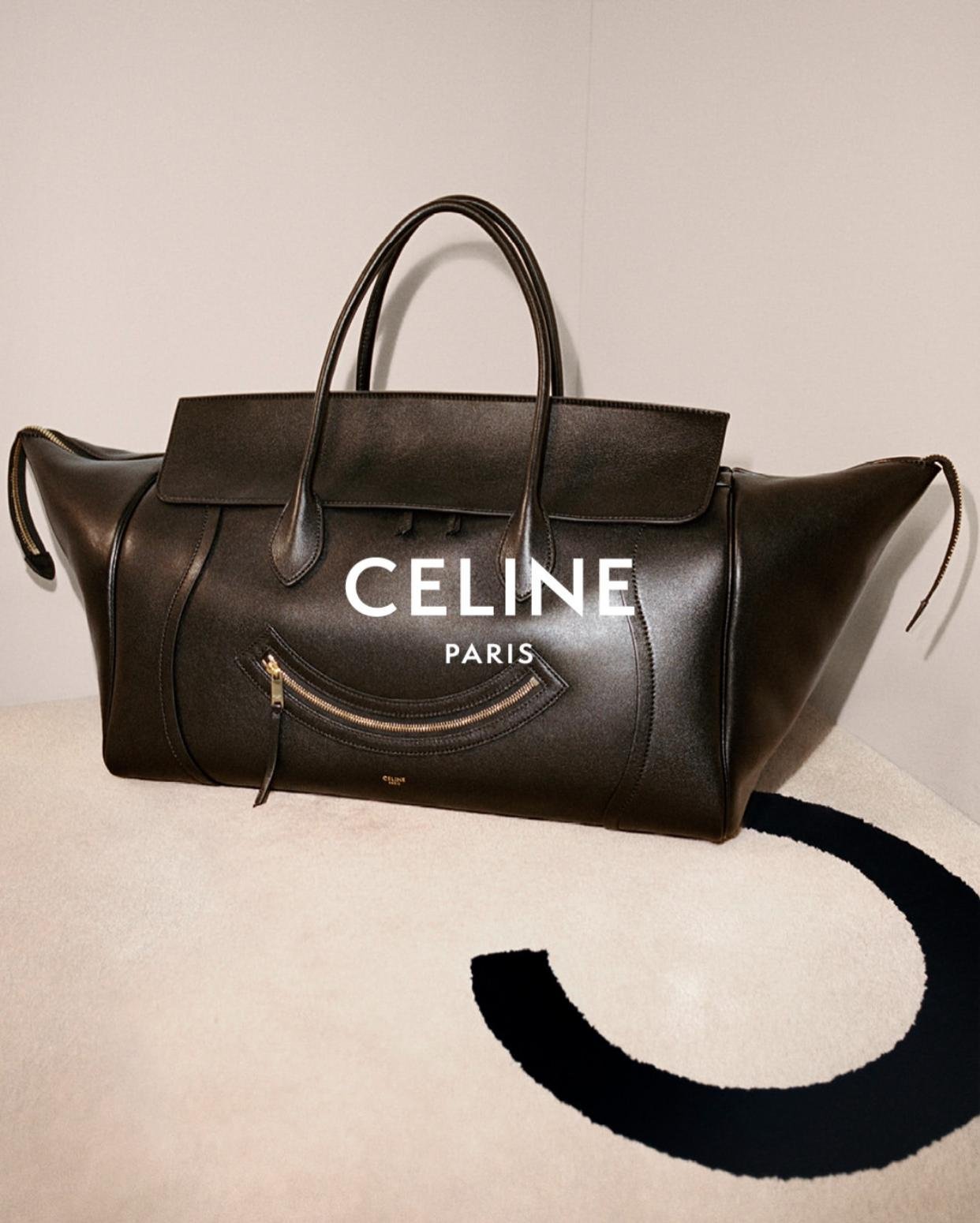
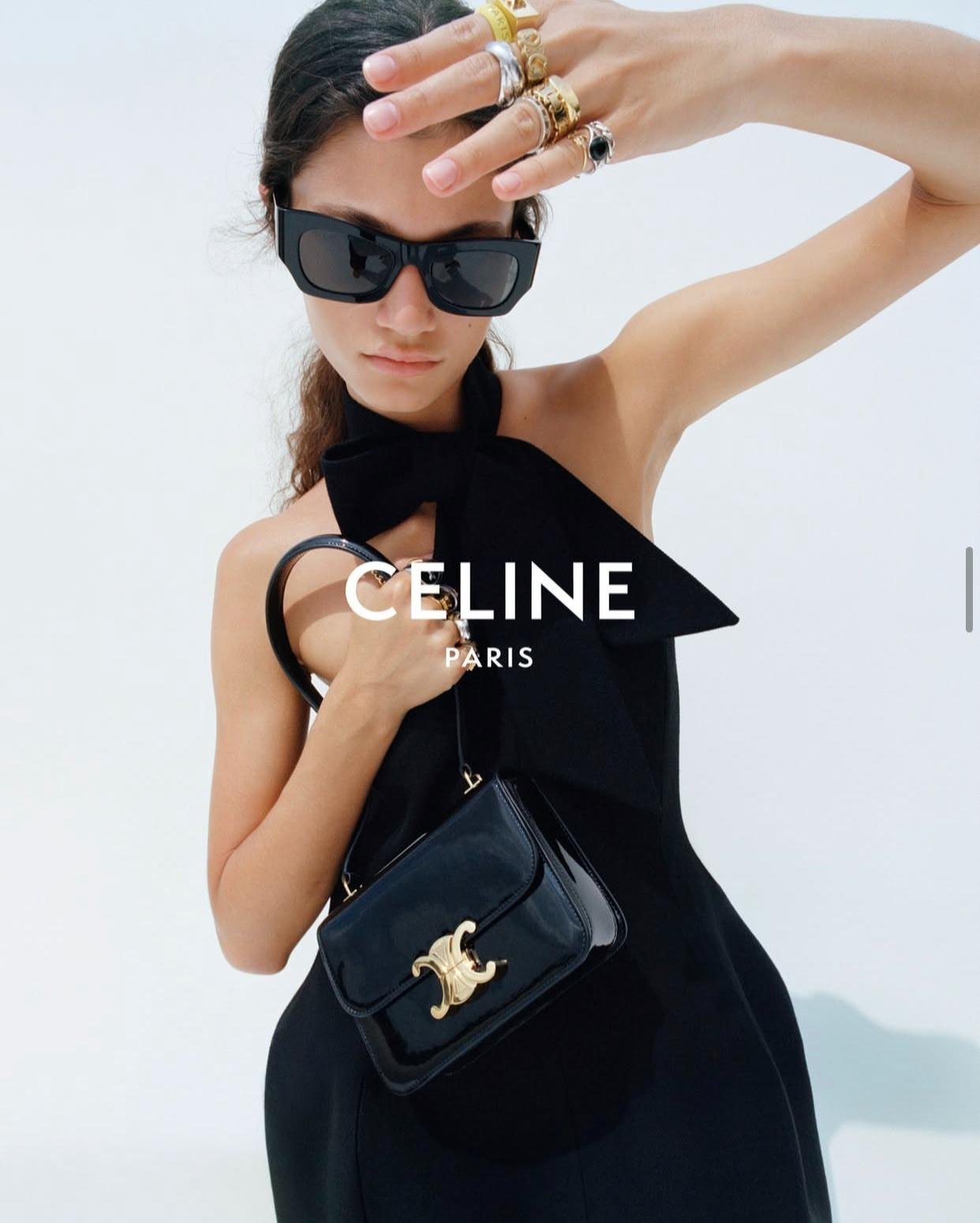
© Celine
CHANEL
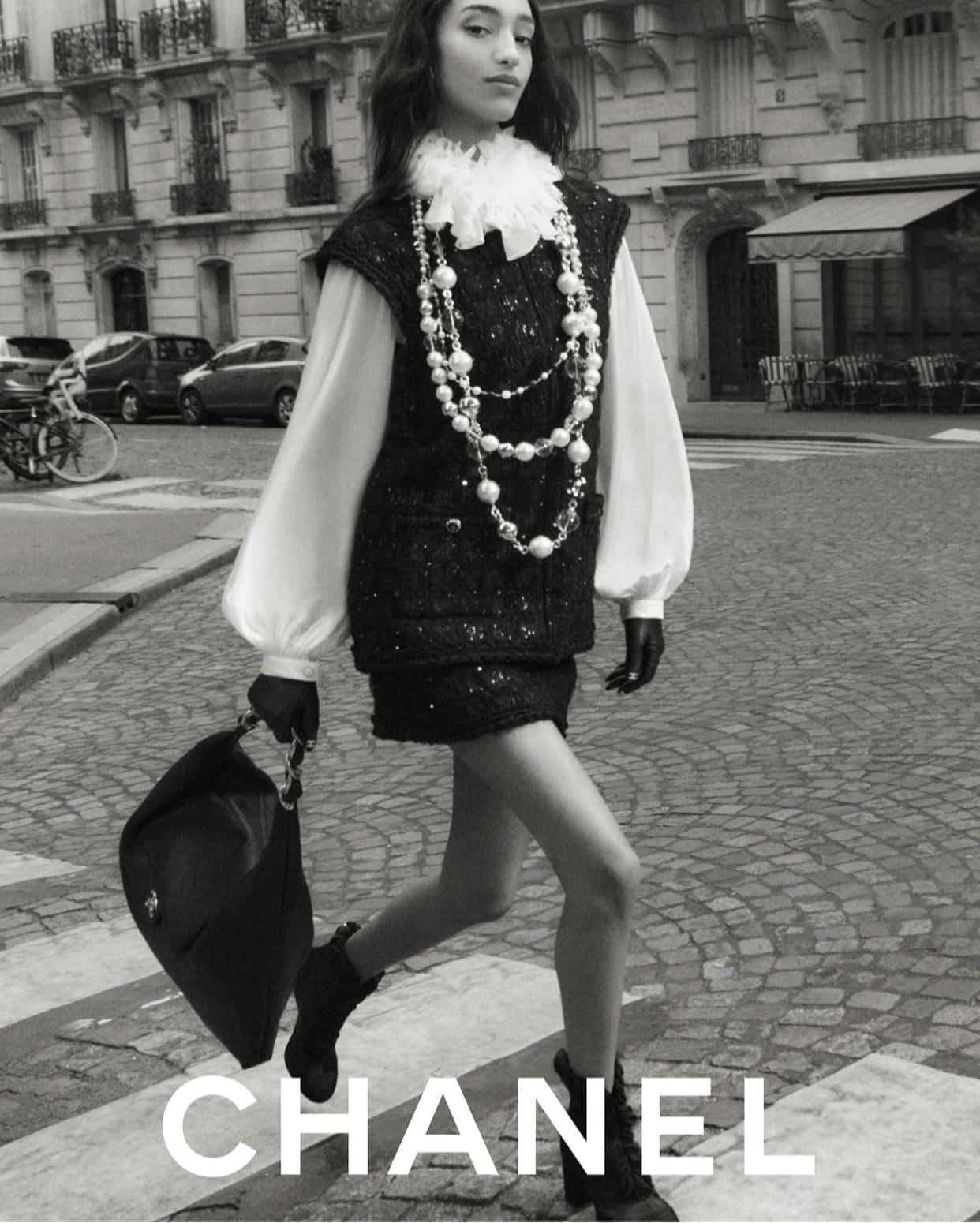
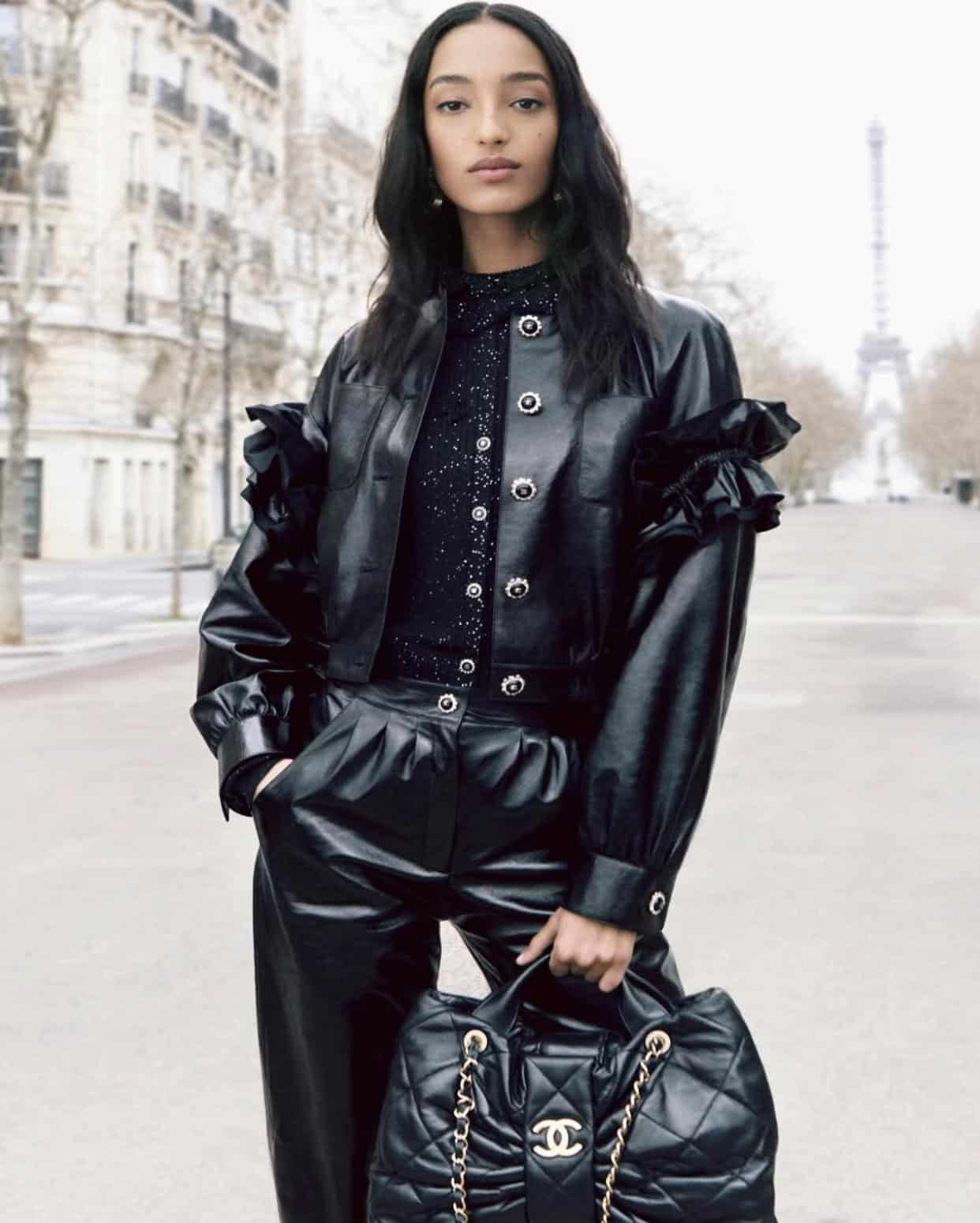
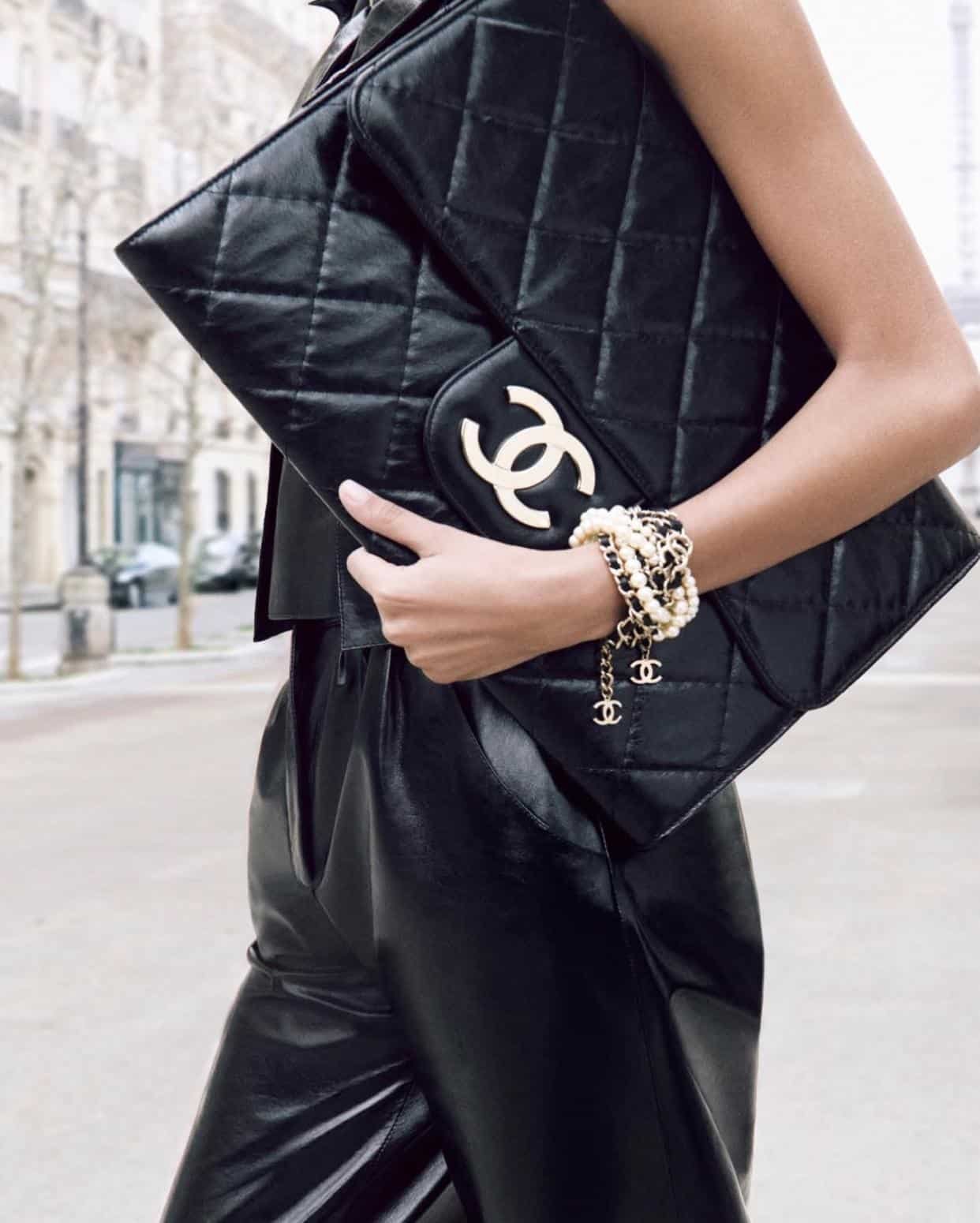
© Chanel
CHLOÉ
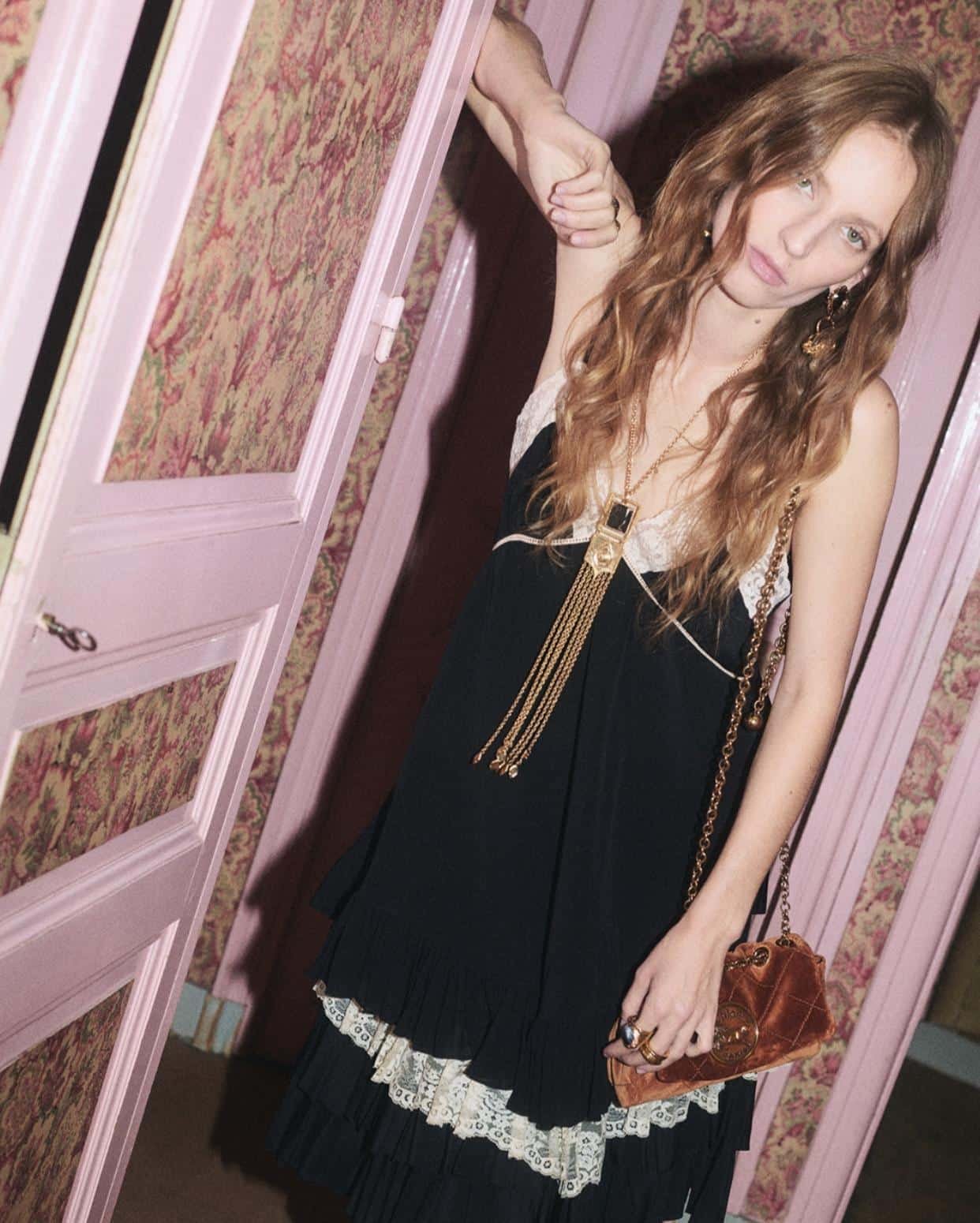
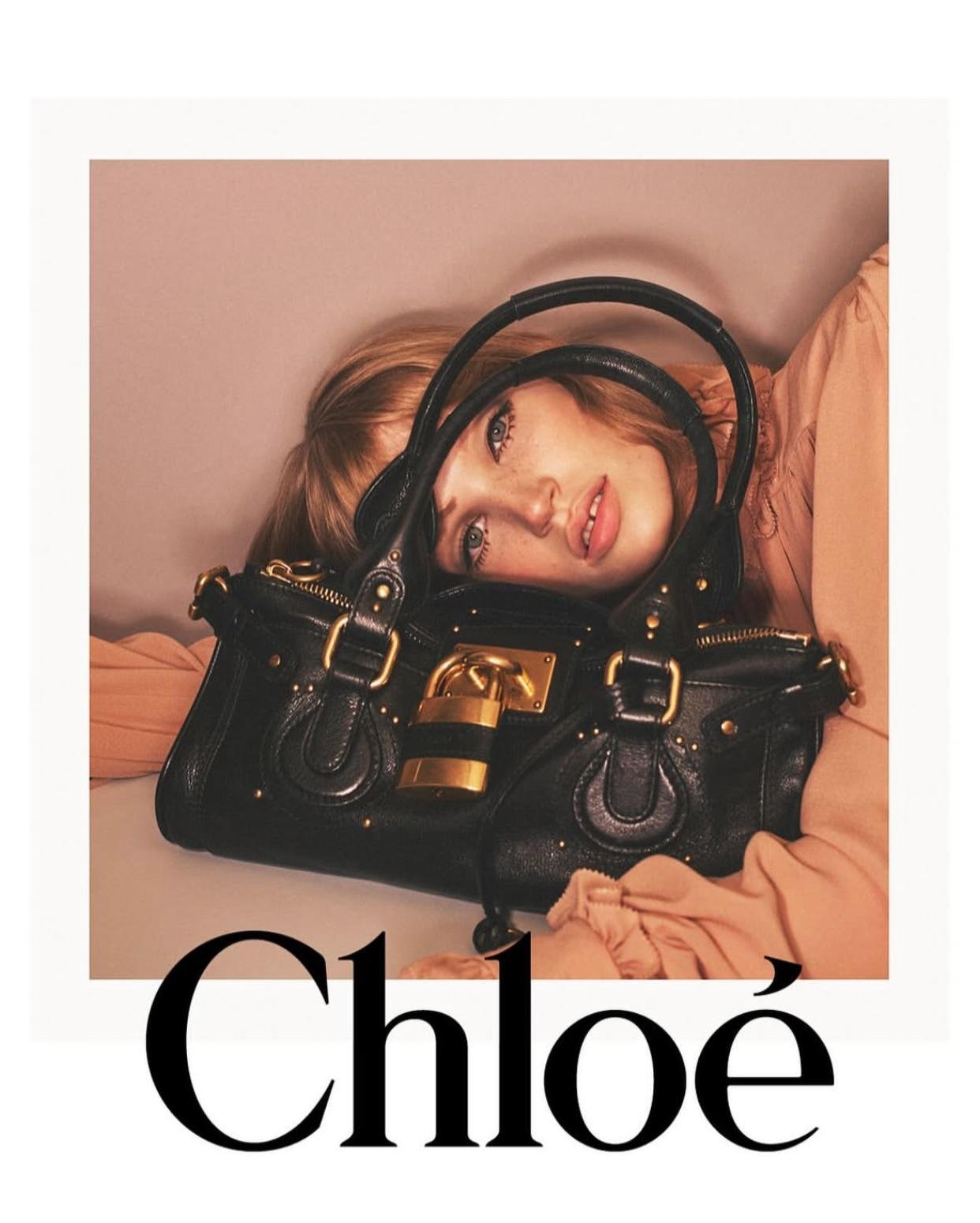
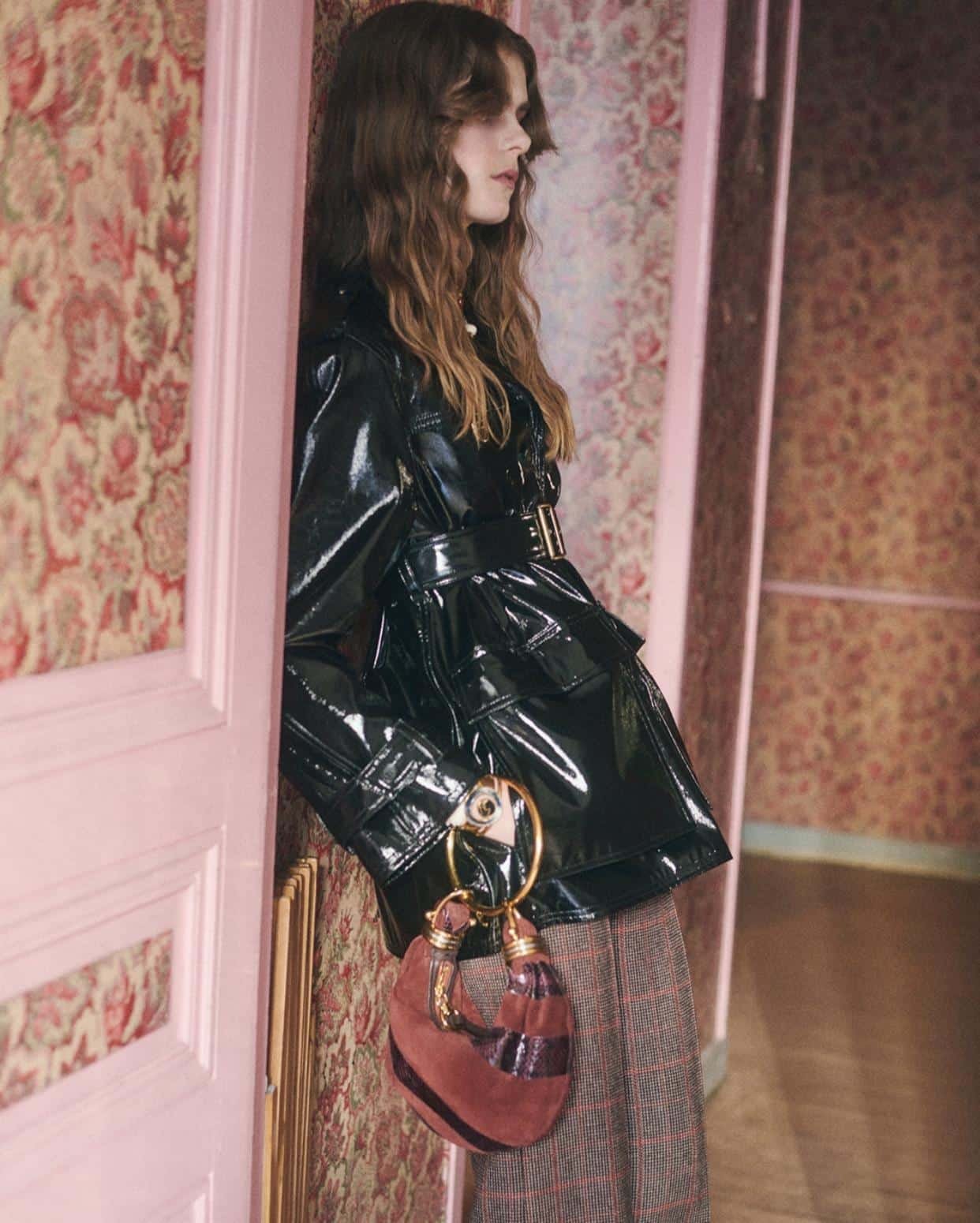
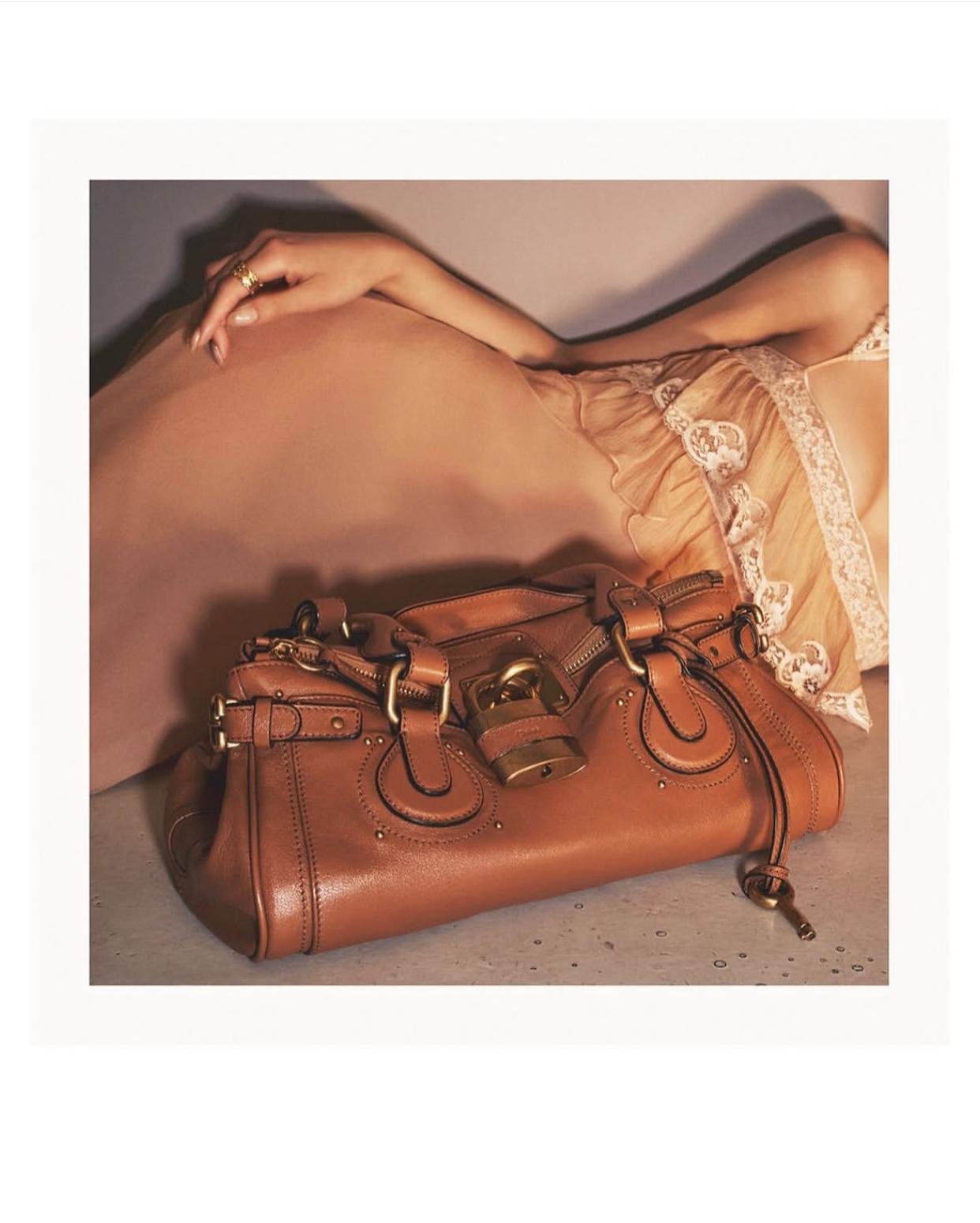
© Chloé
DIOR
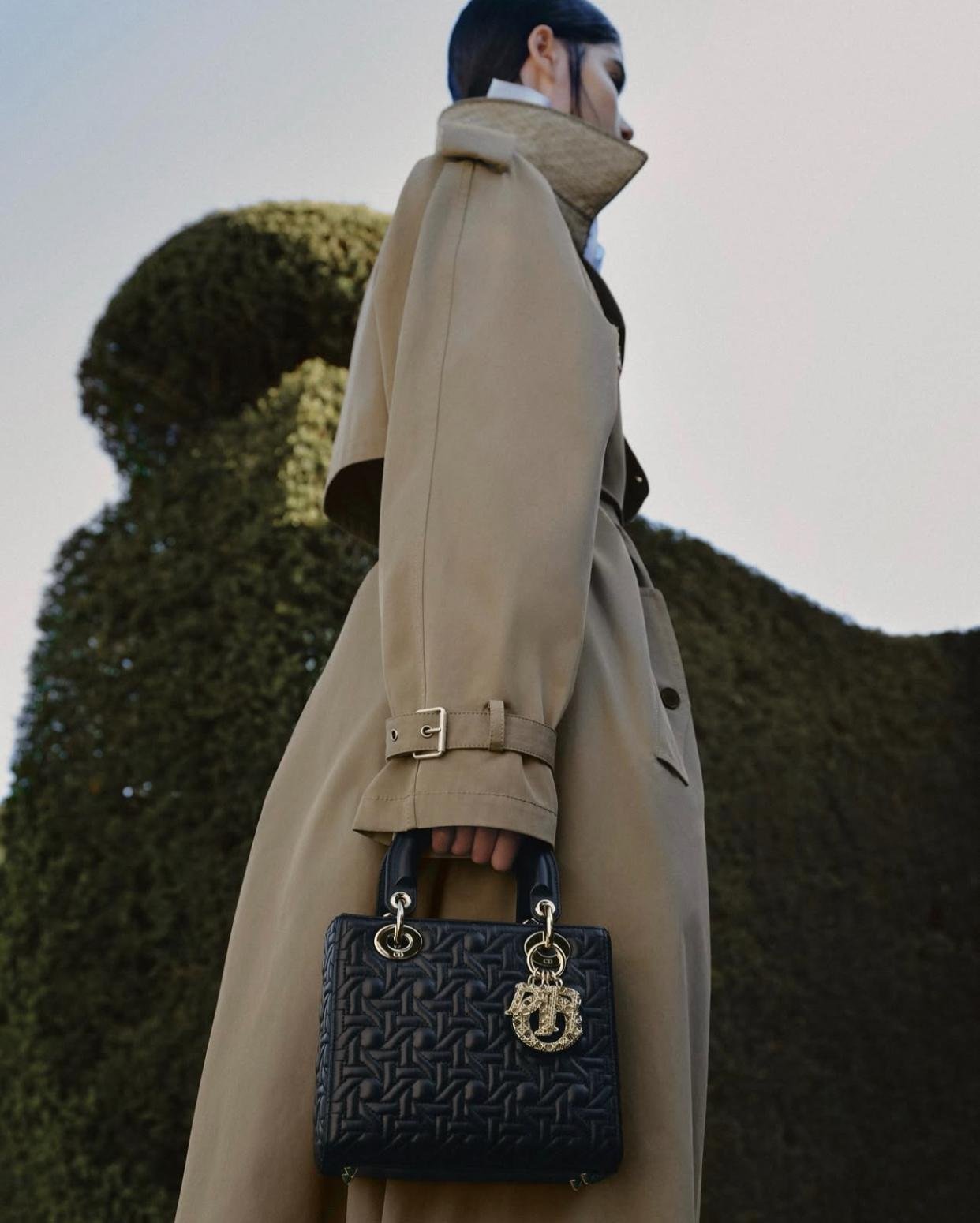
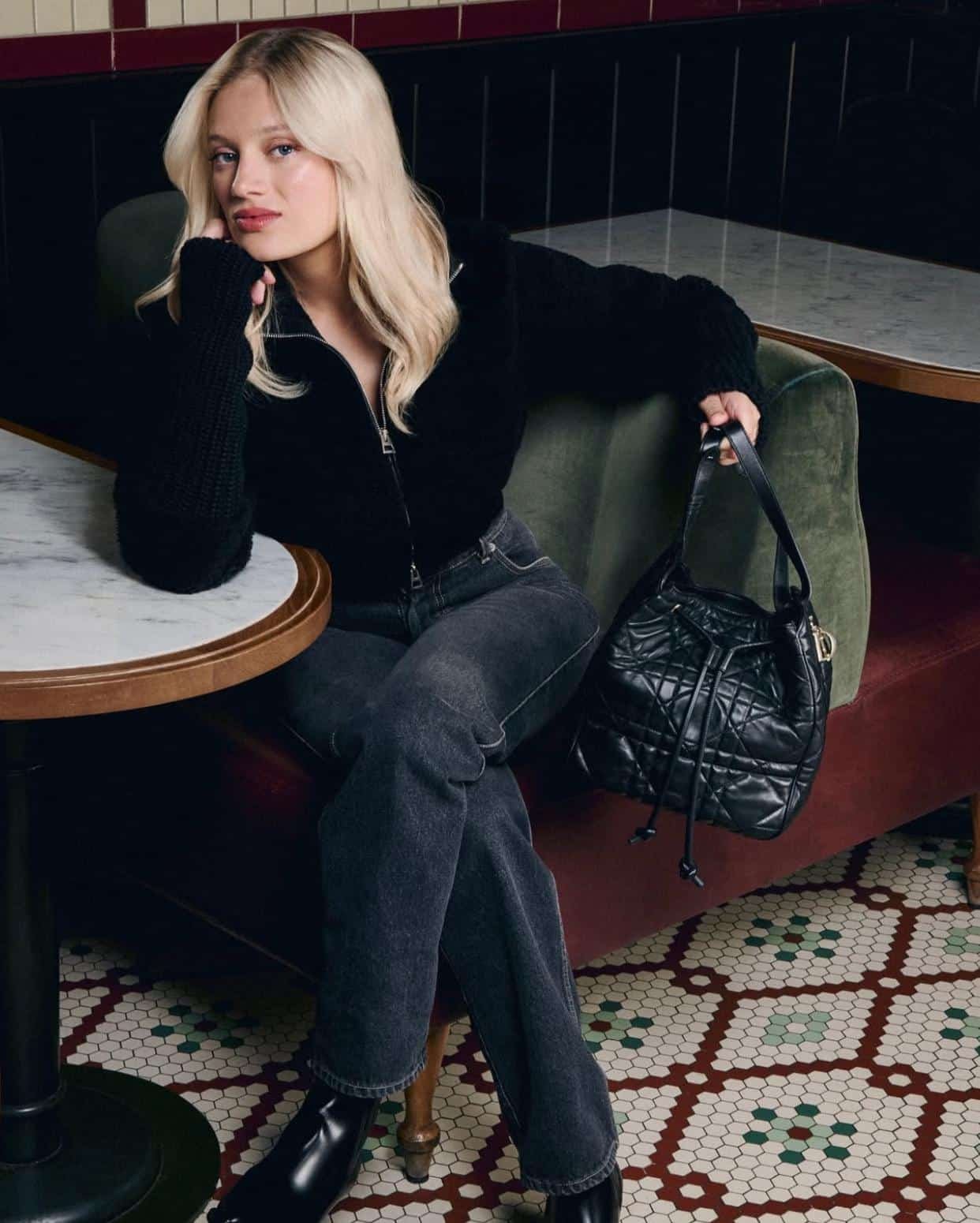
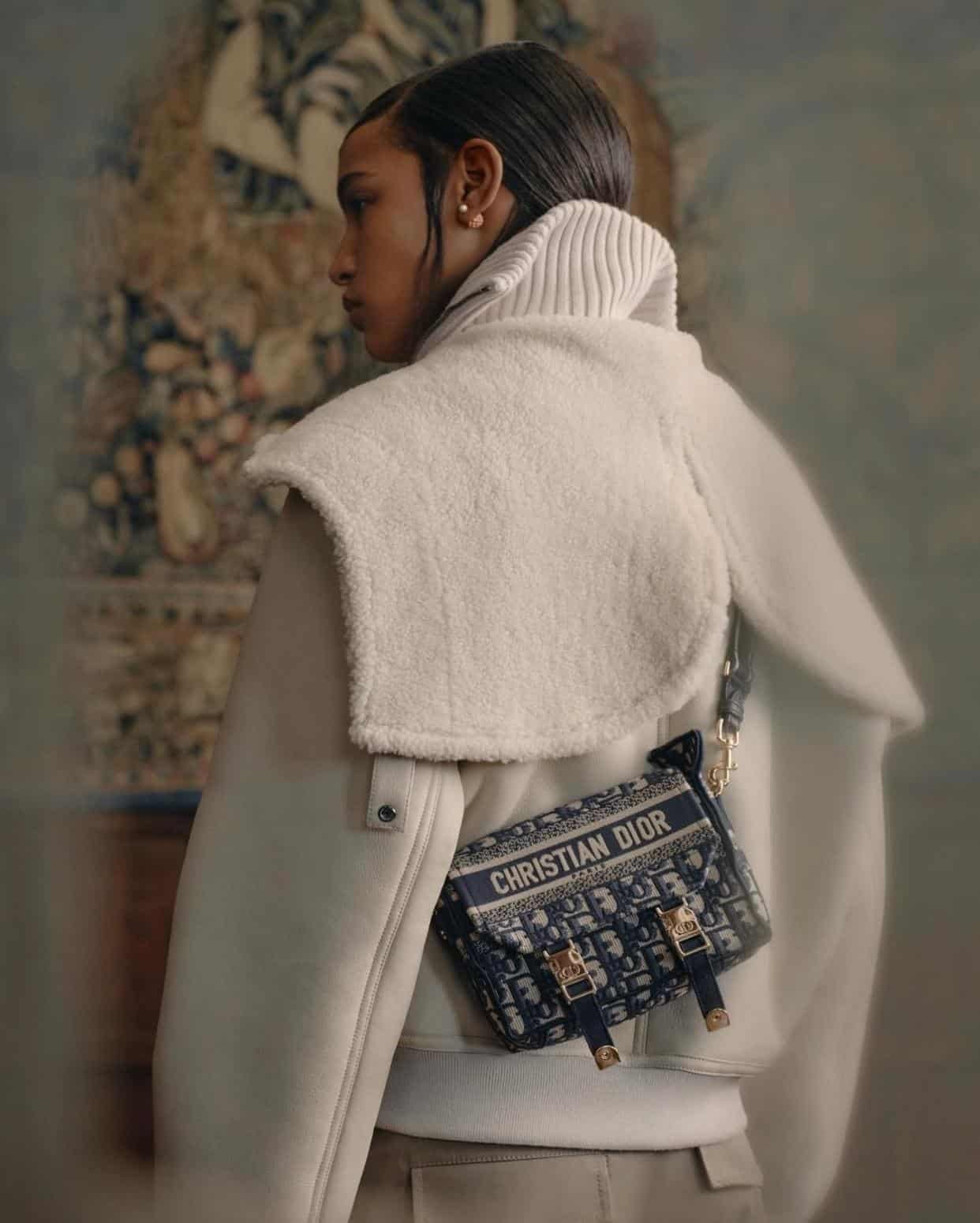
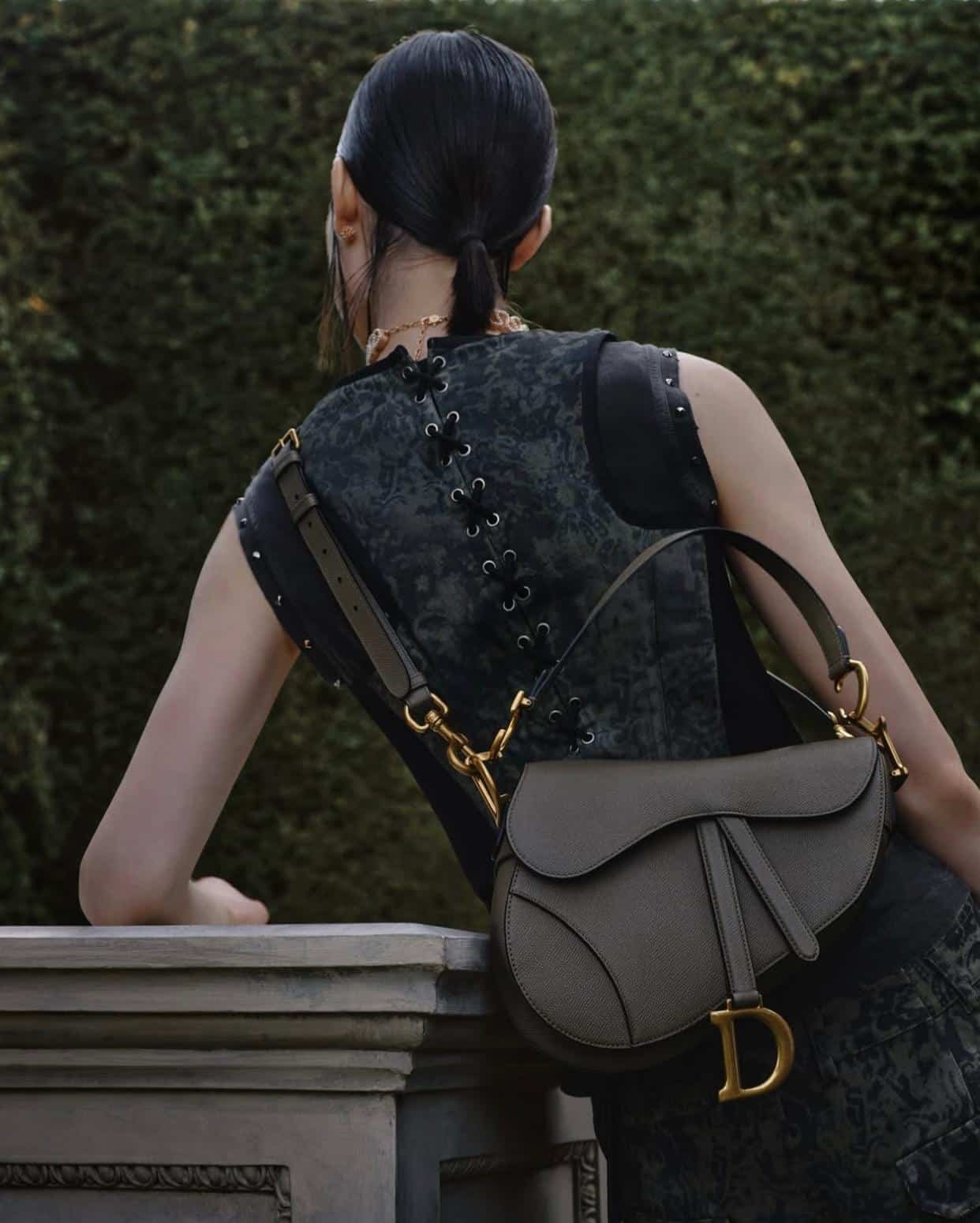
© Dior
LOUIS-VUITTON
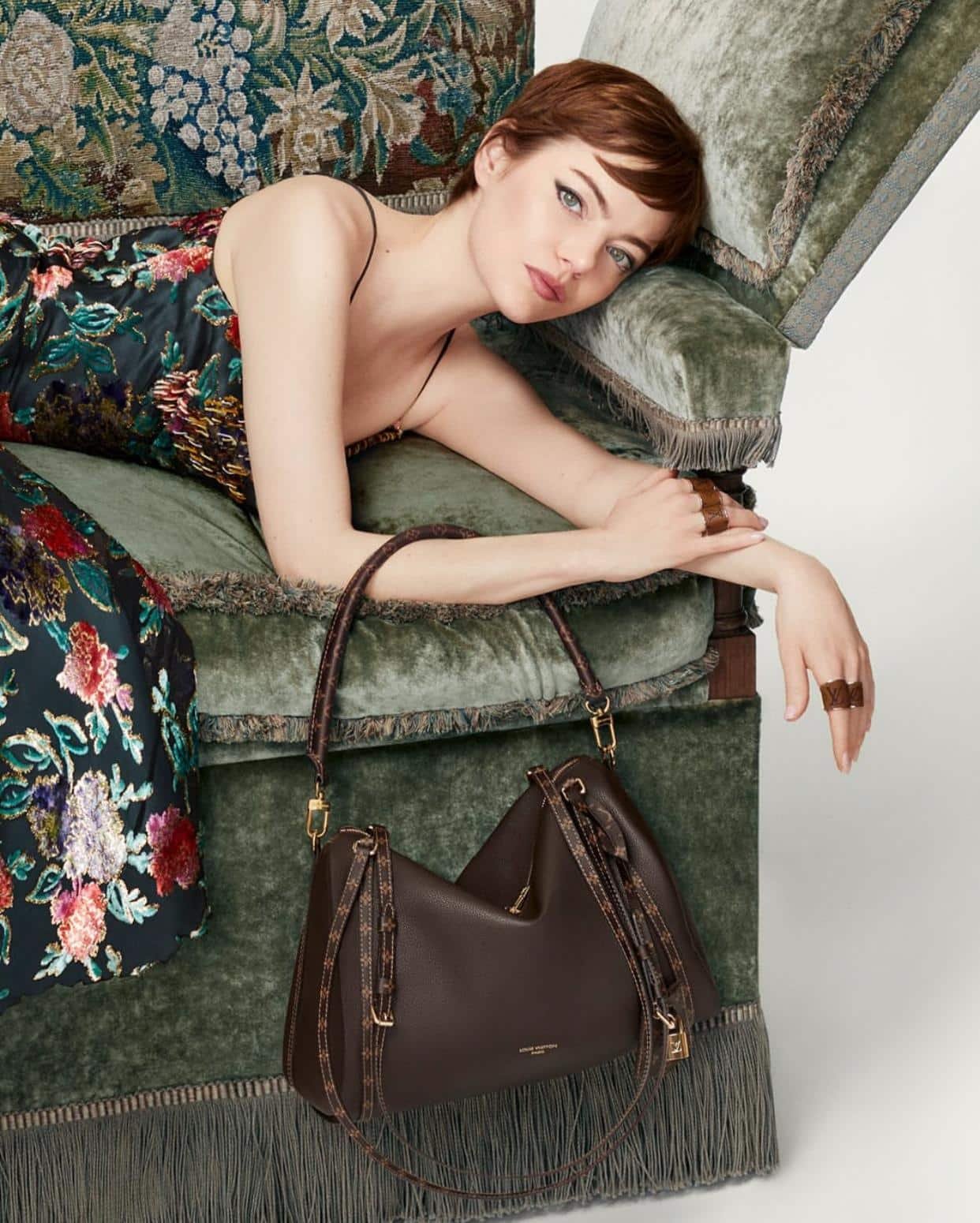
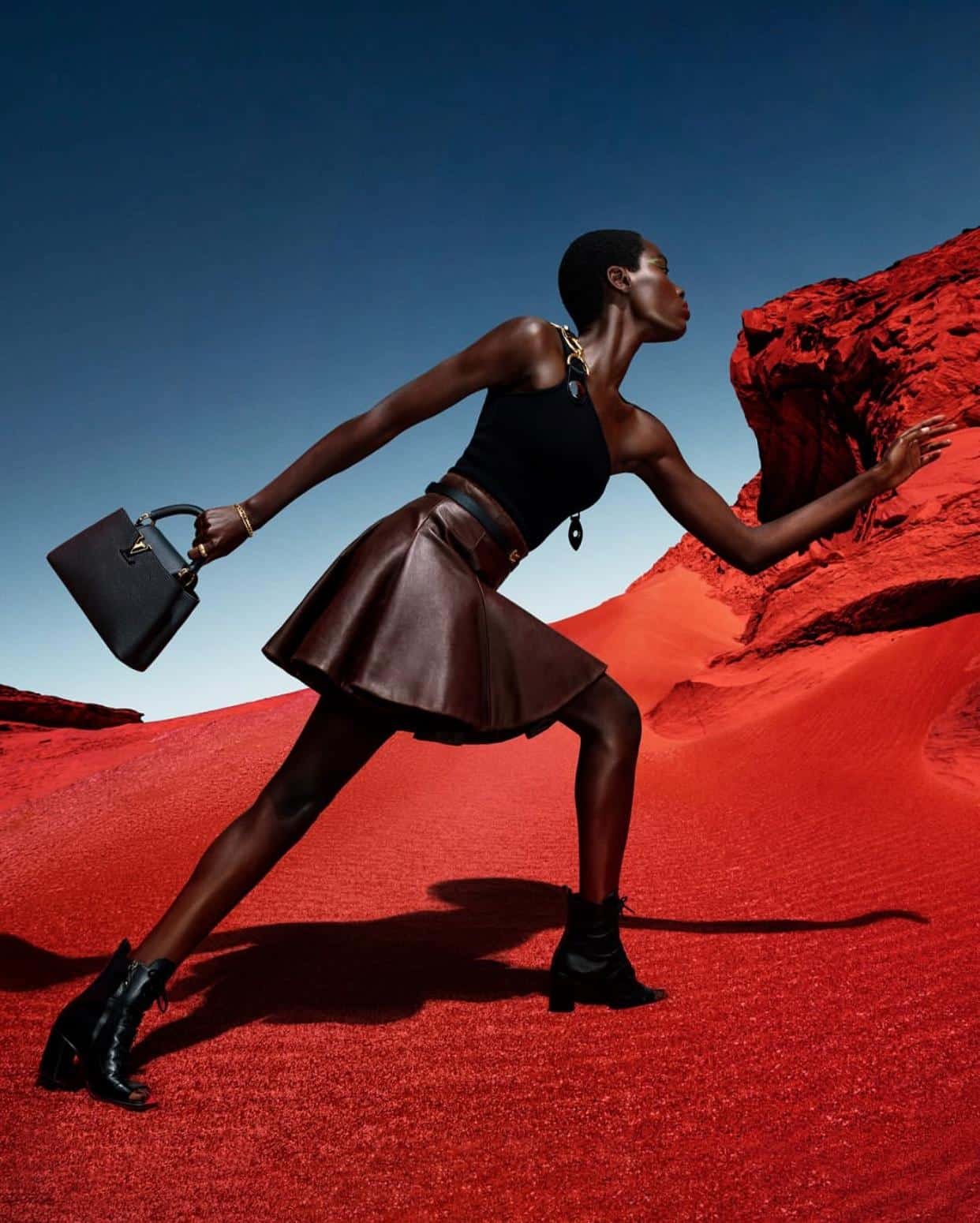
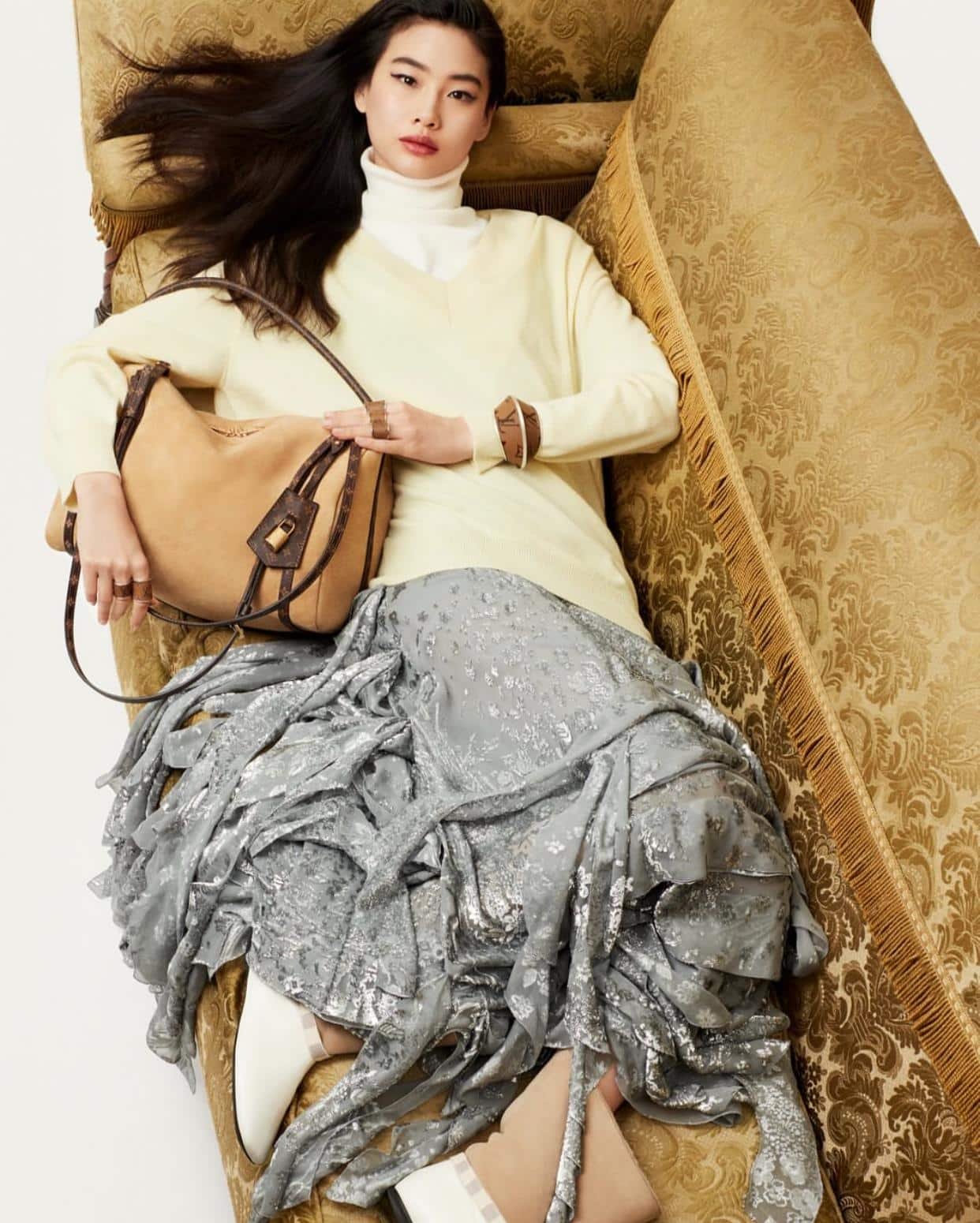
© Louis-Vuitton
MARC JACOBS
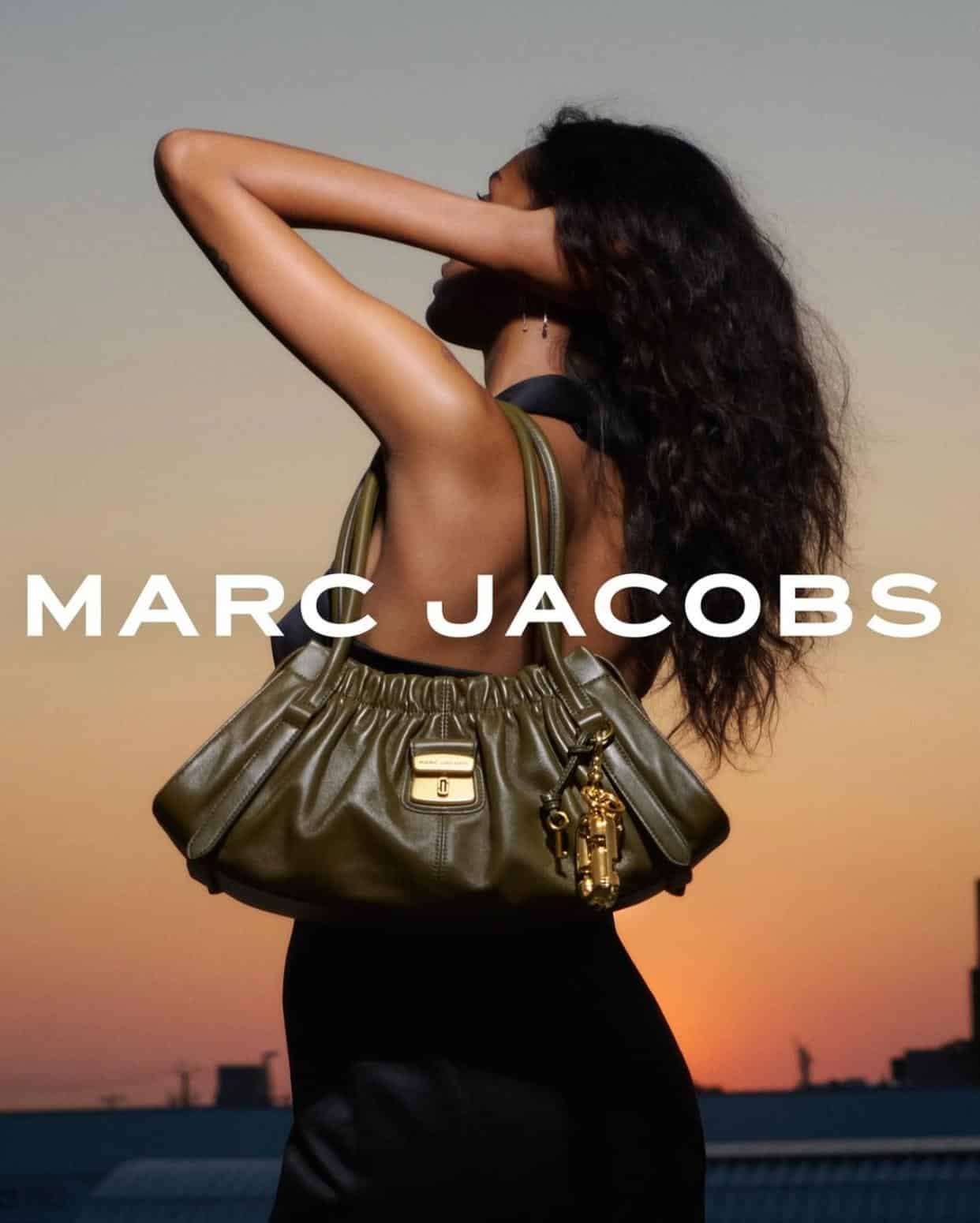
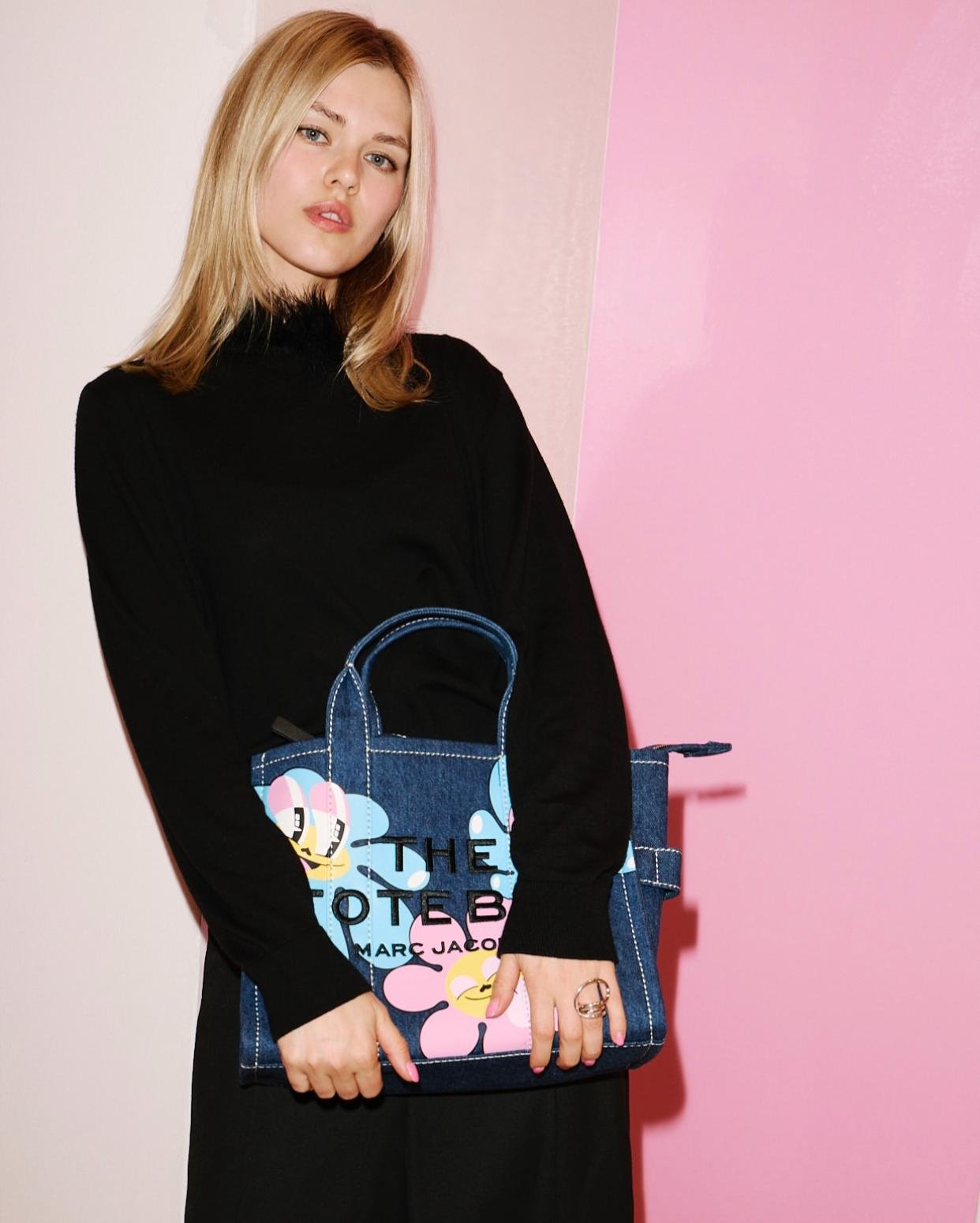
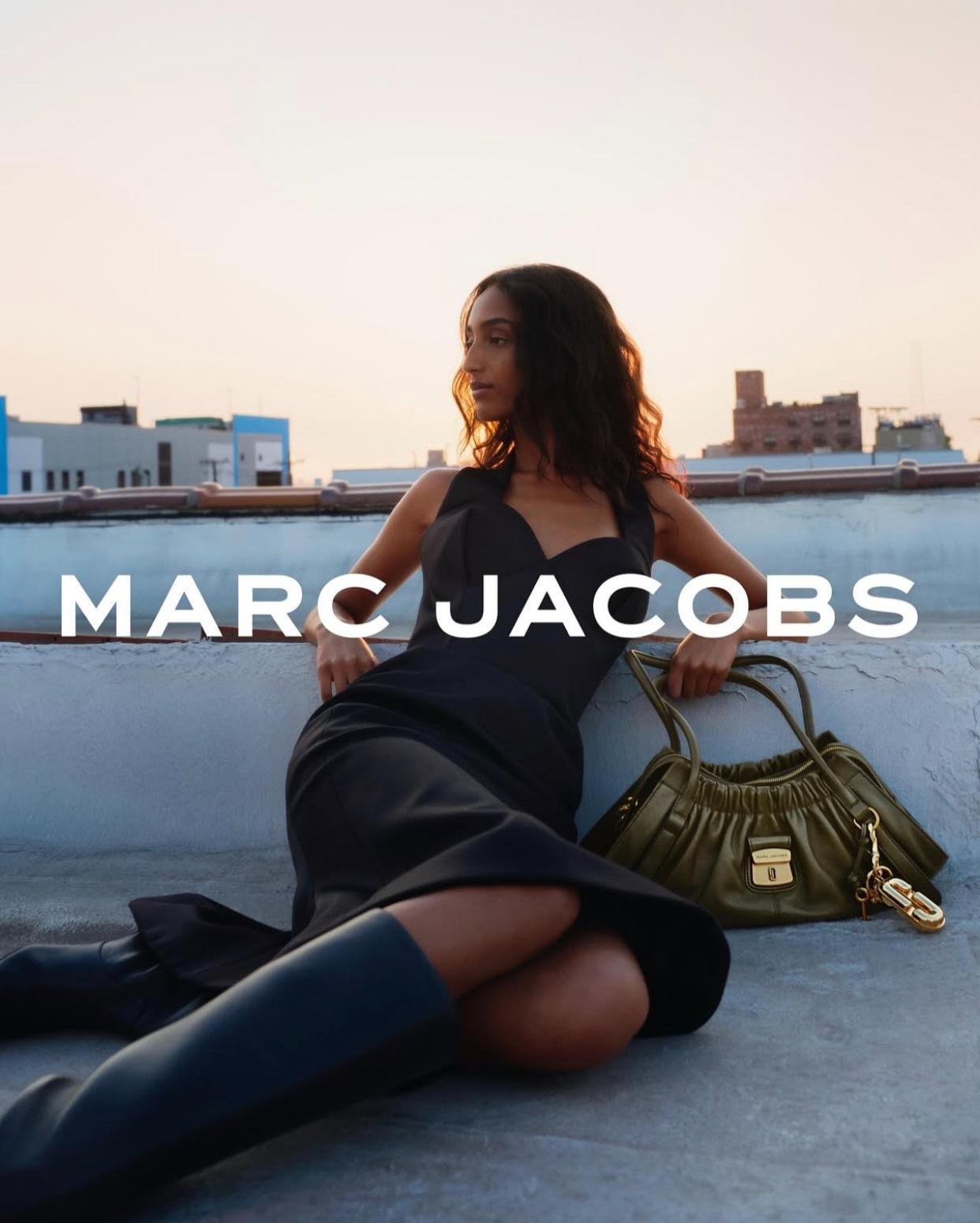
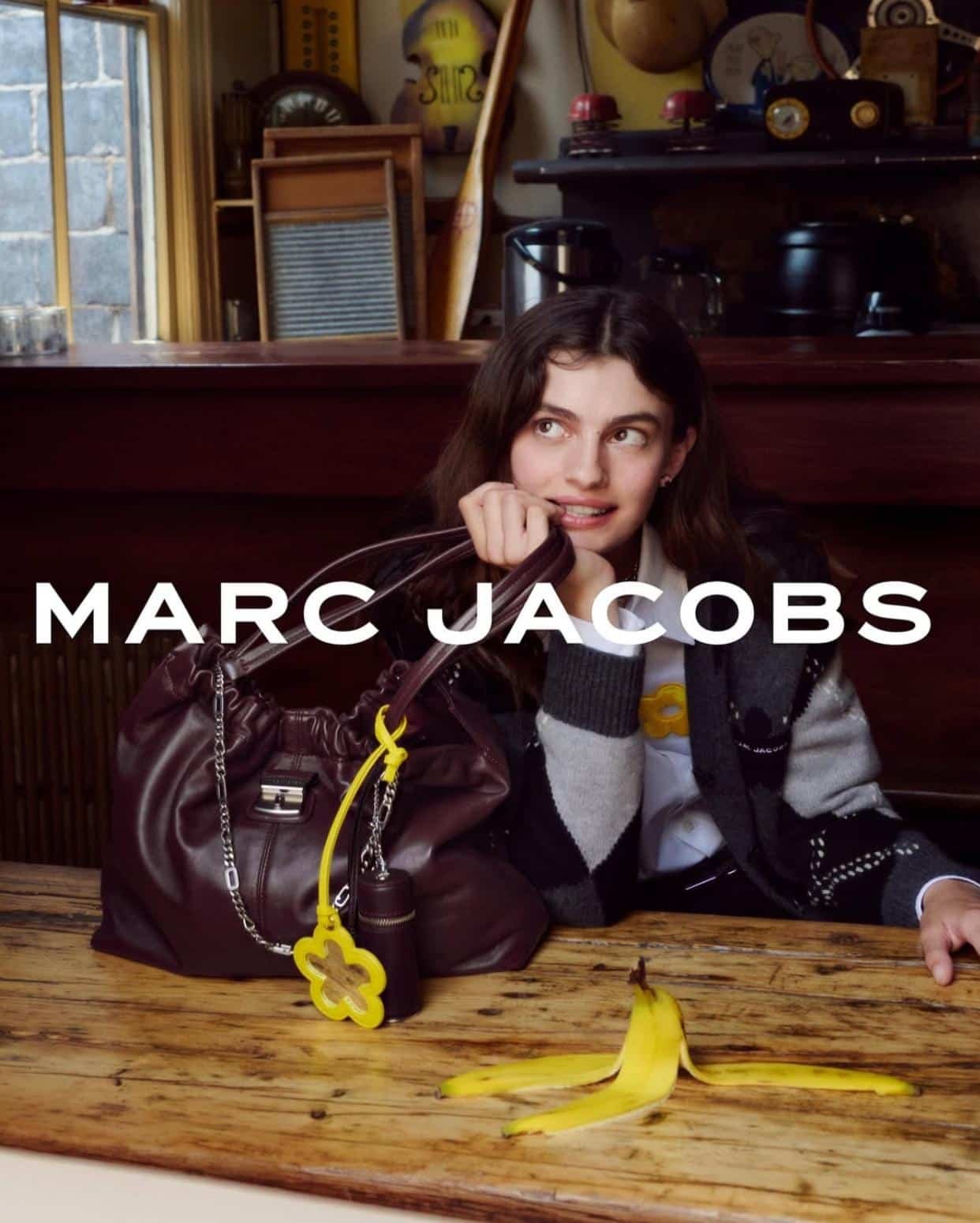
© Marc Jacobs
STELLA McCARTNEY
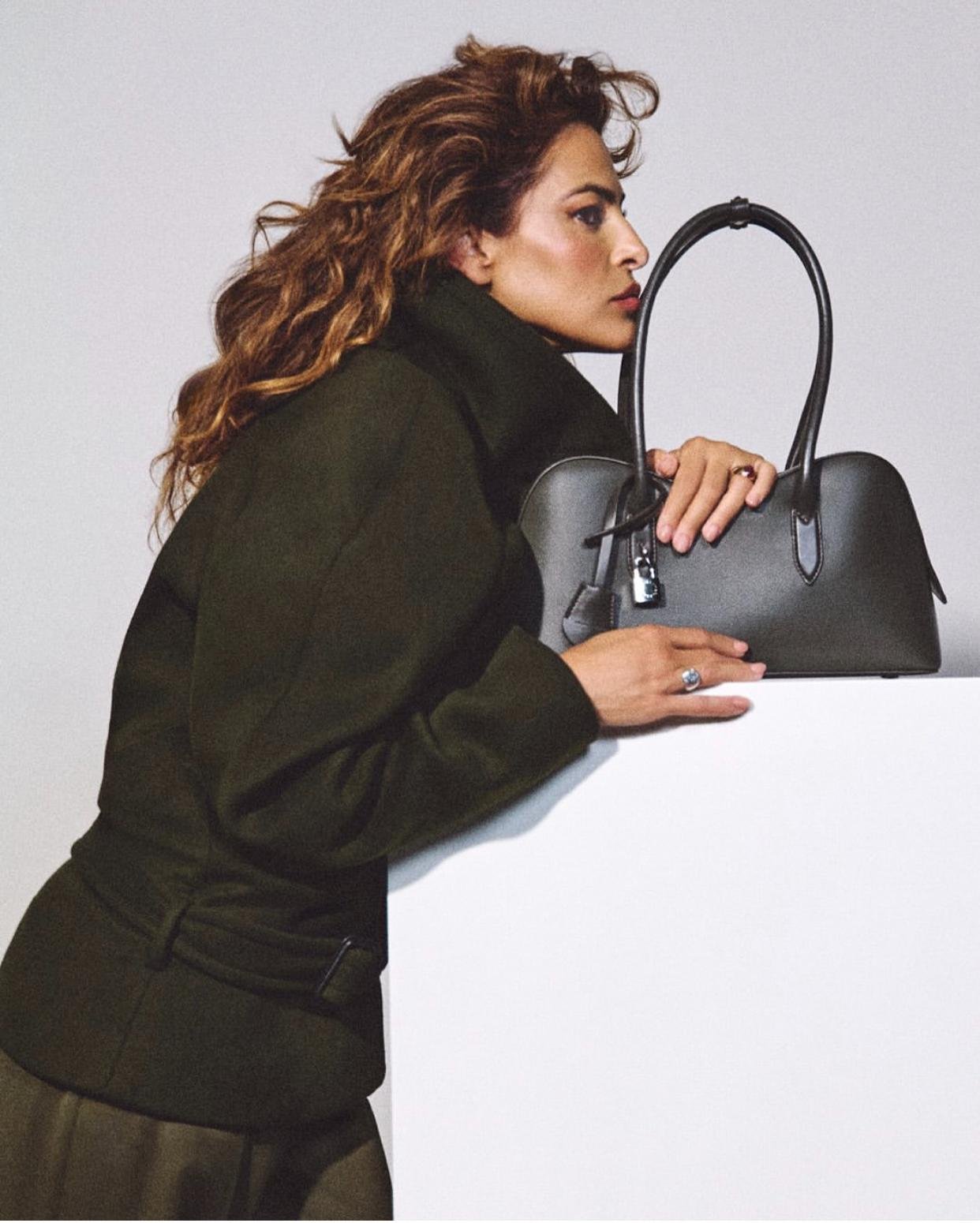
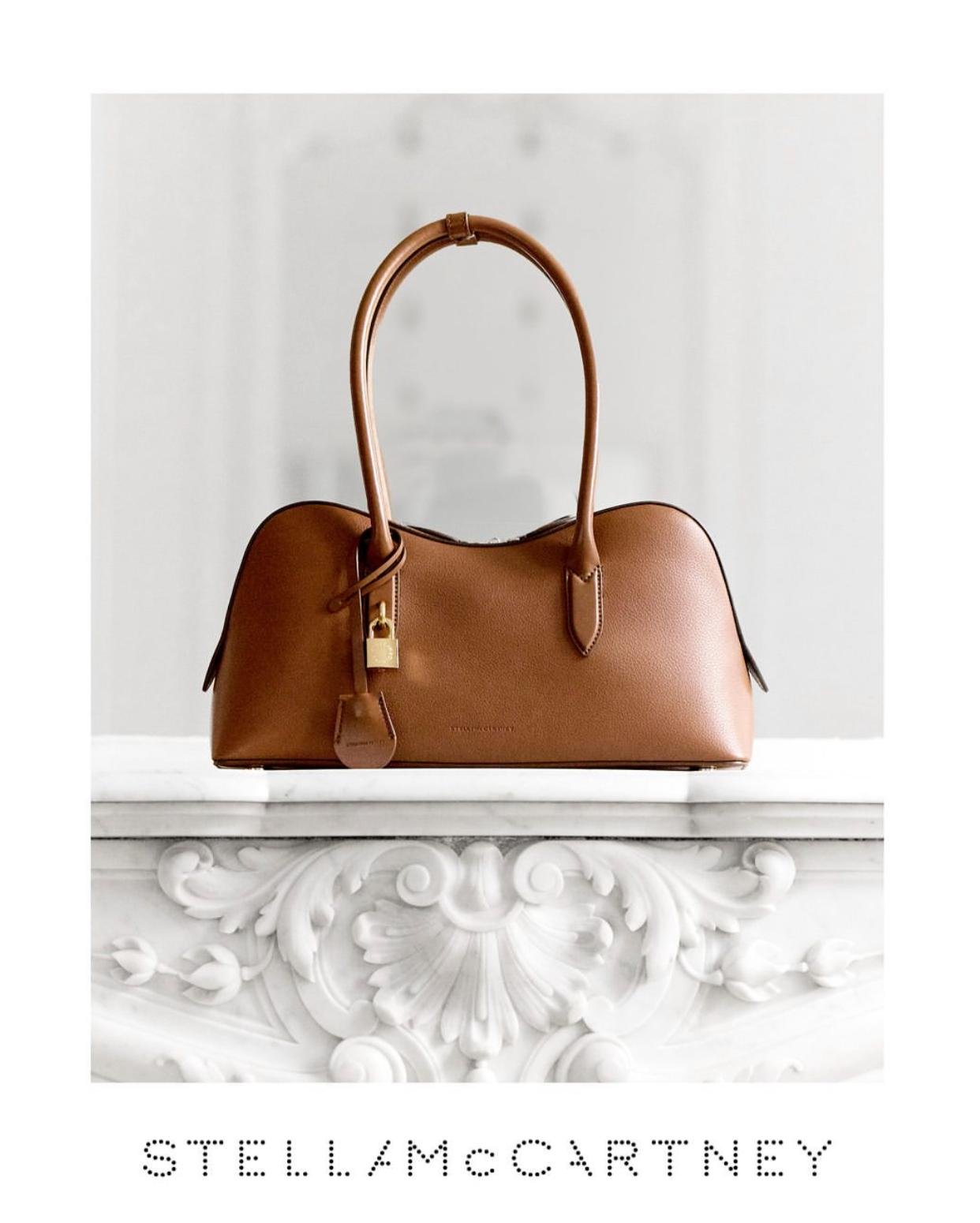
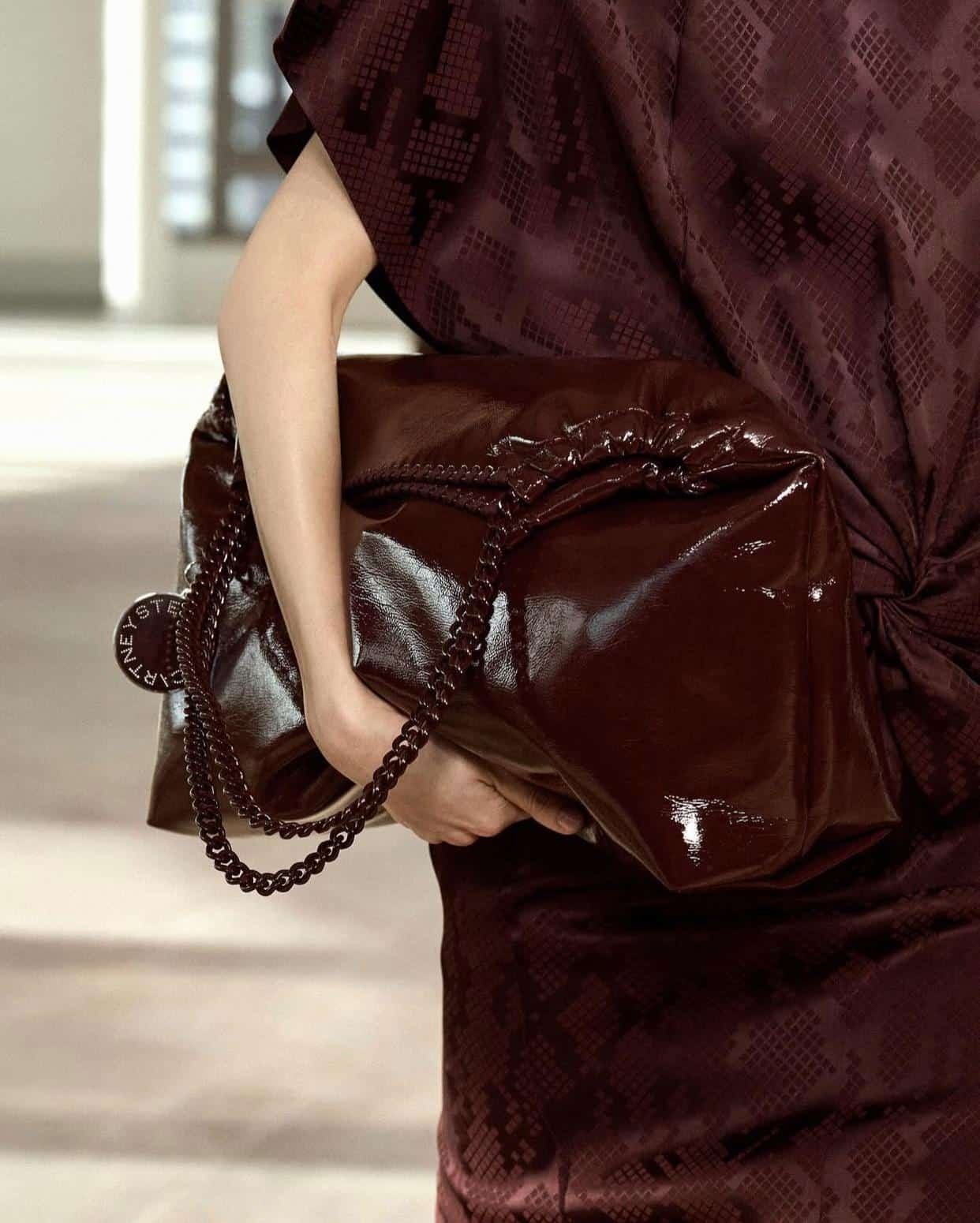
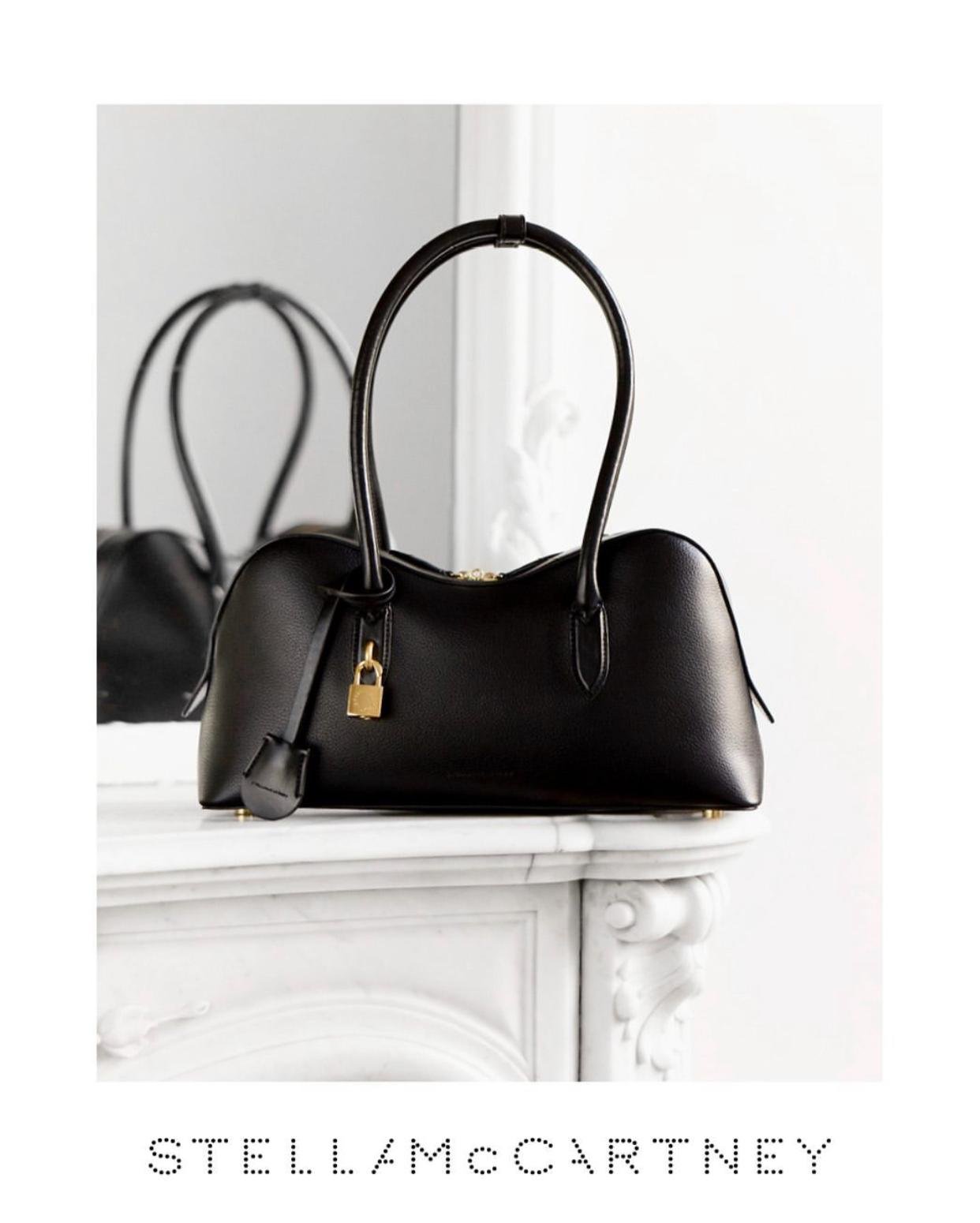
© Stella McCartney
VALENTINO GARAVANI
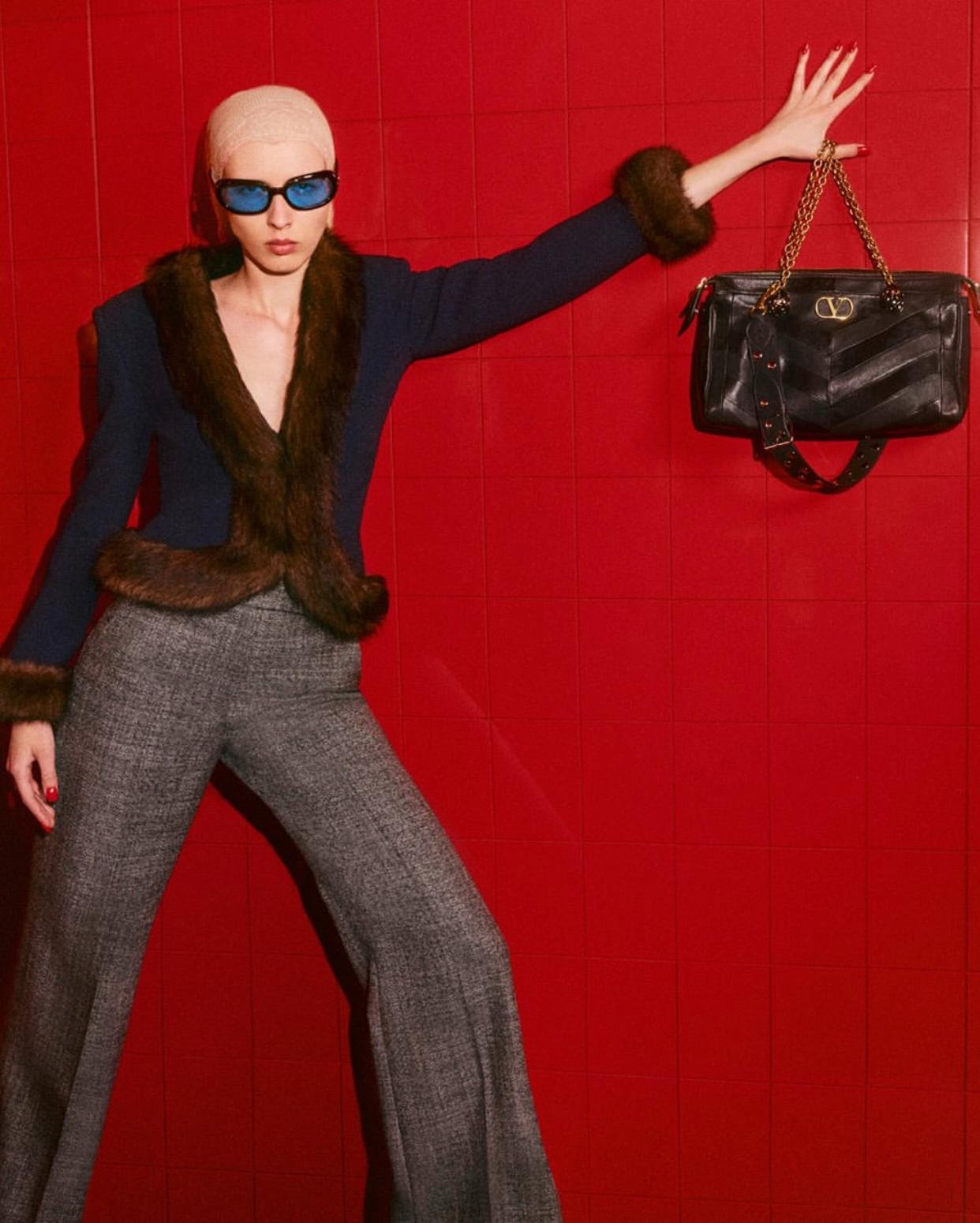
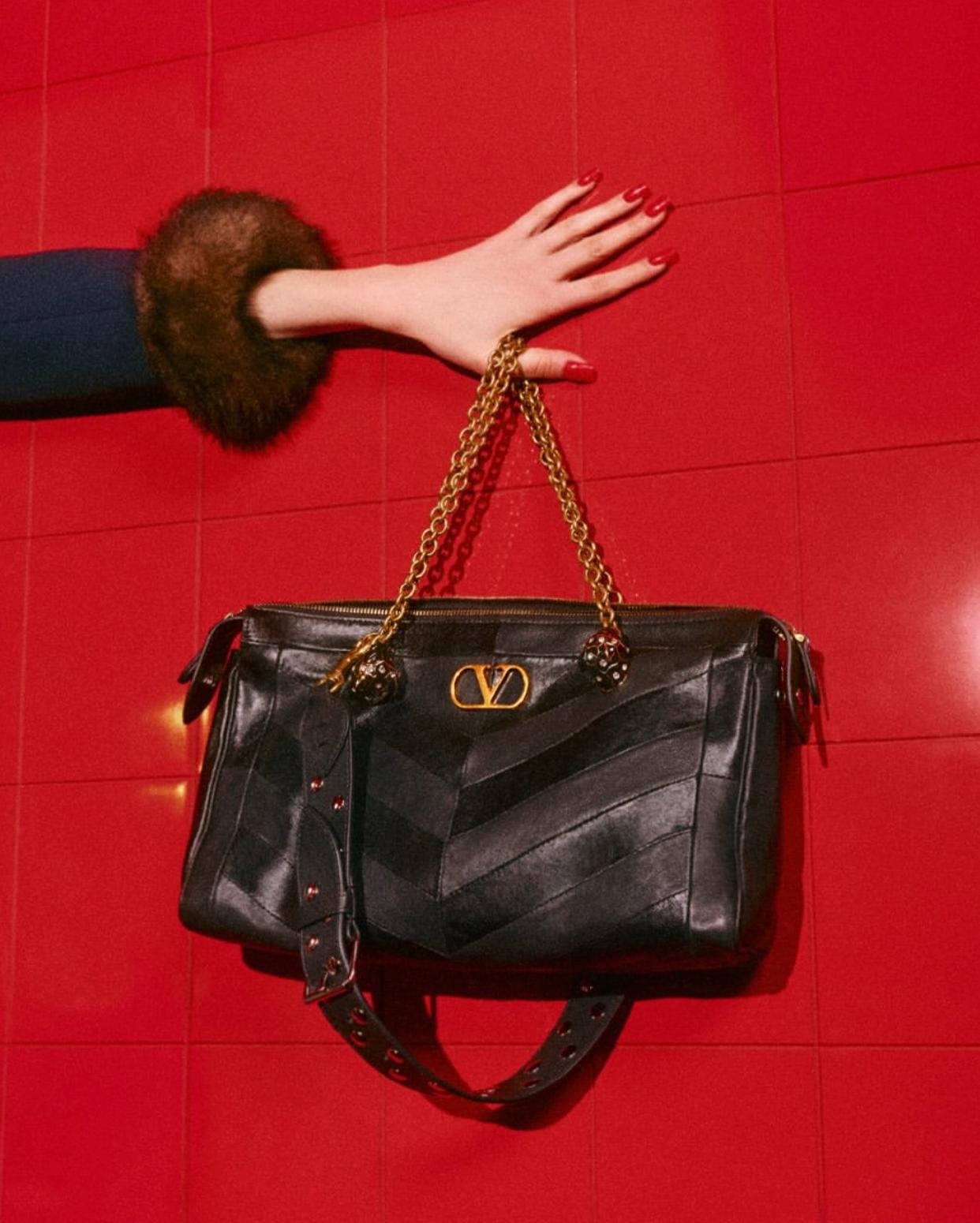
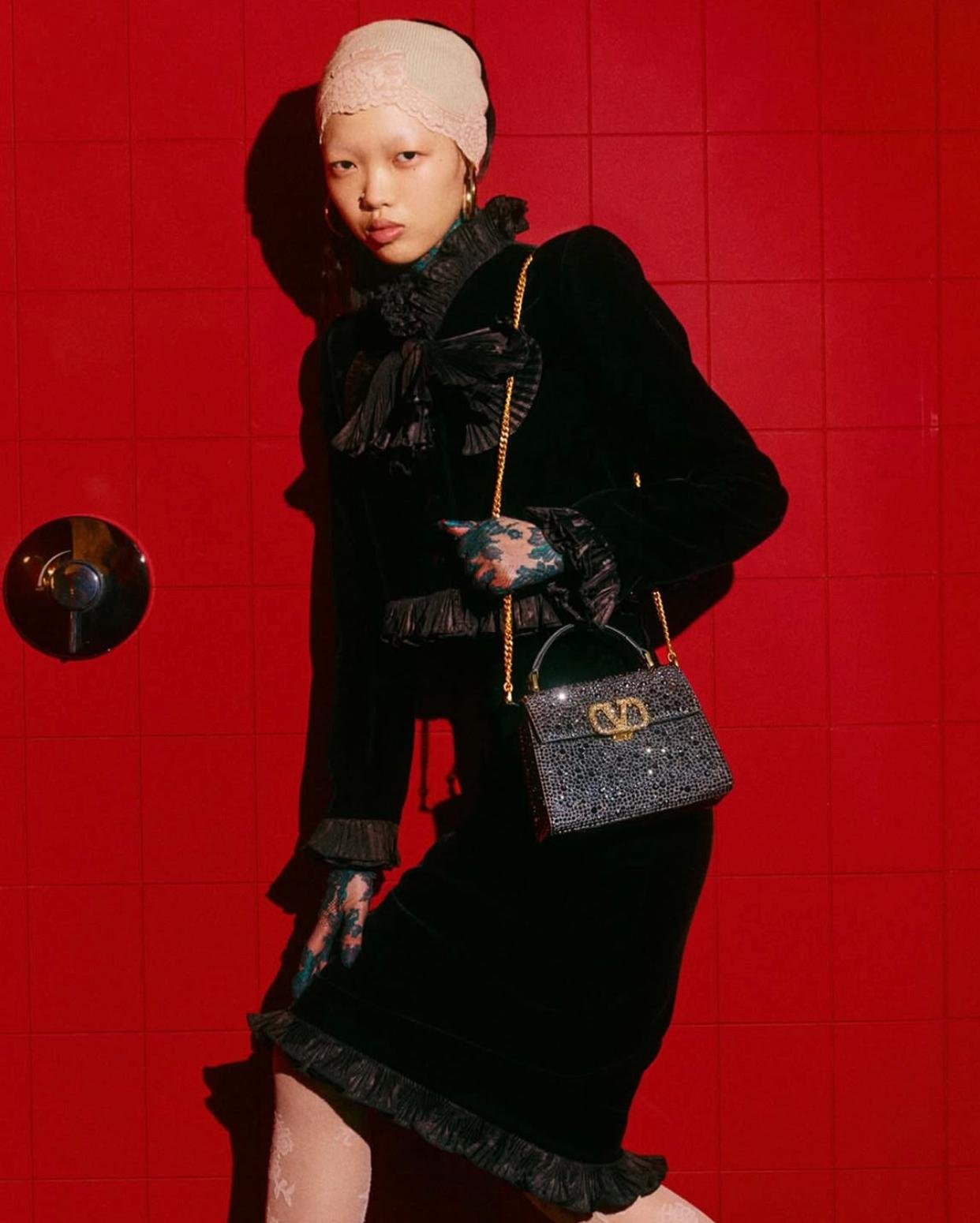
© Valentino Garavani