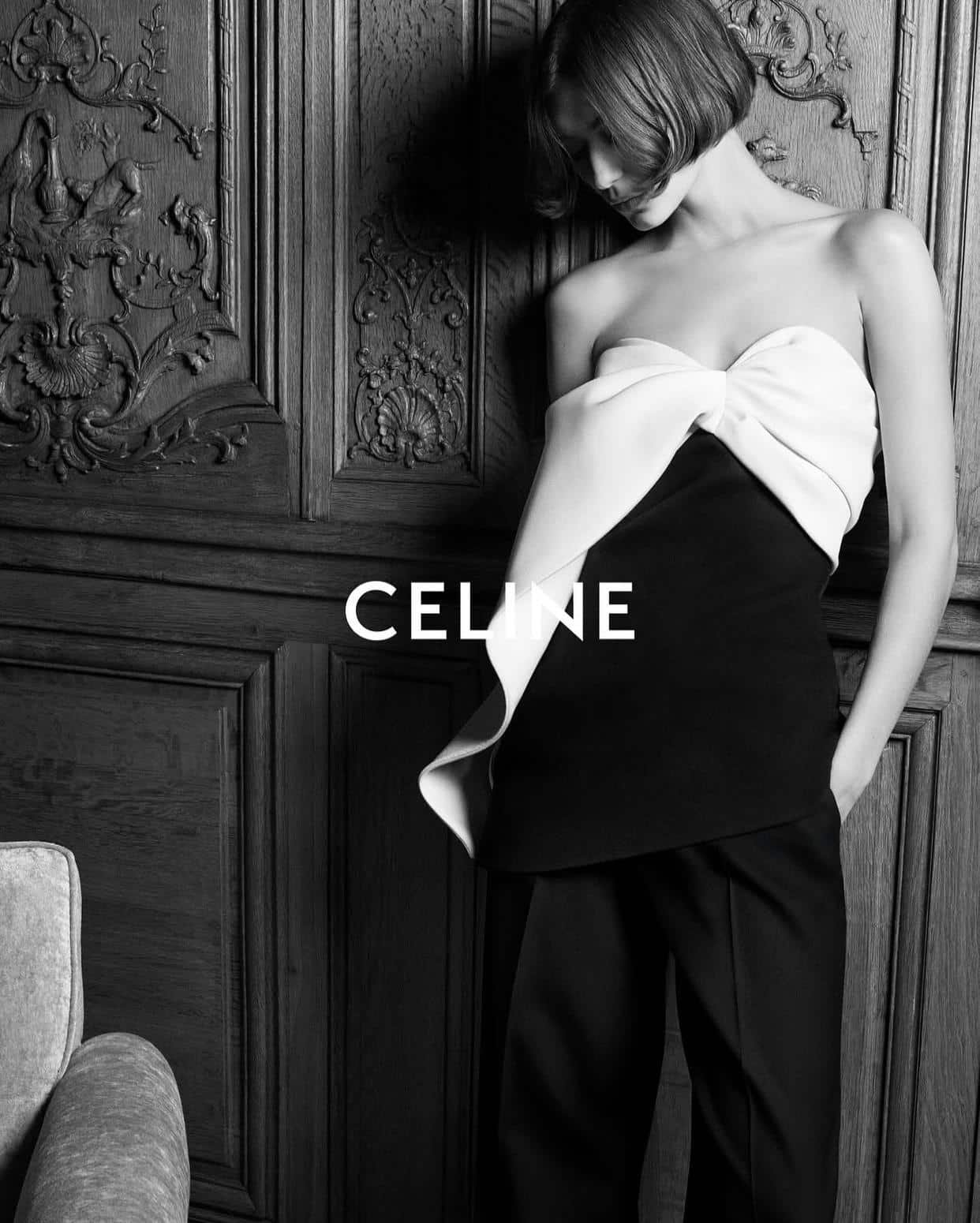
© Celine
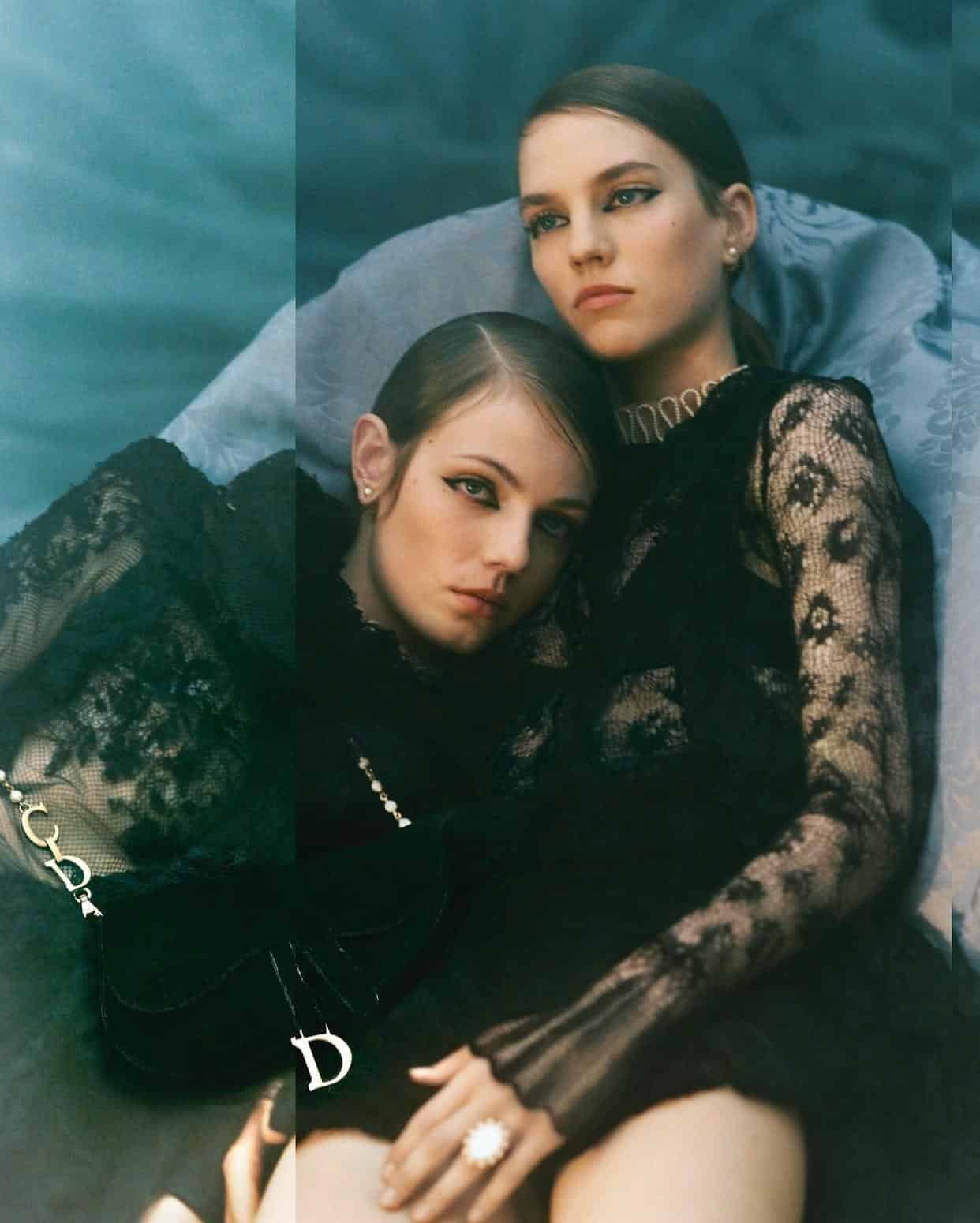
© Dior
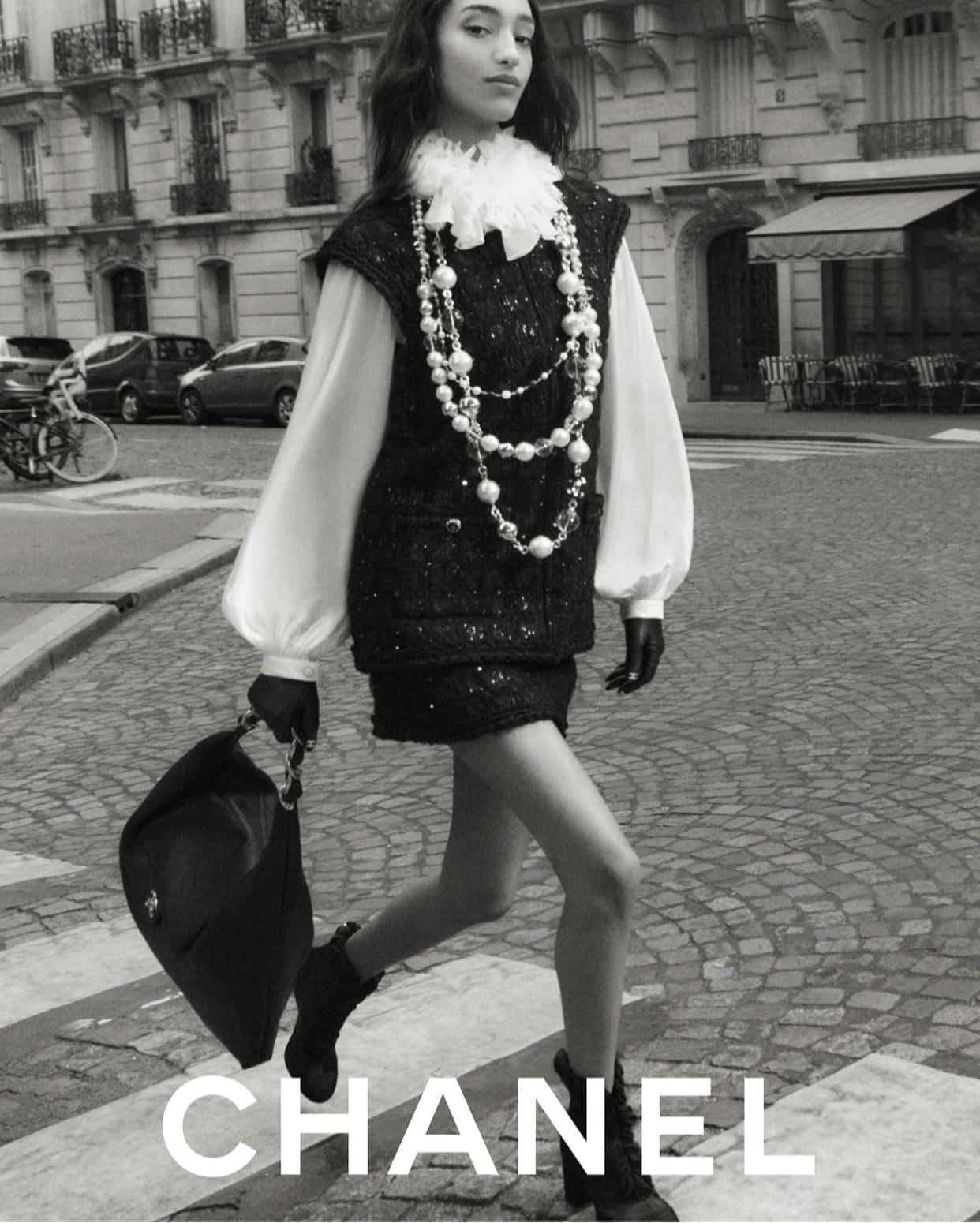
© Chanel
Ready-to-Wear
New York
In the summer of 1943, with Paris under occupation and French fashion inaccessible, a publicist named Eleanor Lambert convened the editors of American fashion at the Plaza Hotel and showed them something they had never been shown on purpose: American clothes, in sequence, by name. It was not called a fashion week. It was called Press Week. It was a wartime solution. It became the foundation of everything that followed — the CFDA, the Bryant Park tents, the September calendar, the city's claim on a category it invented out of necessity and never relinquished.
1943 · The Origin · Fashion As Emergency Measure
Eleanor Lambert arrived in New York from Indiana in 1925 and spent her first decade as a publicist for artists — Salvador Dalí, Jackson Pollock, Isamu Noguchi — before turning her attention to fashion designers who, in the American system of the time, worked in the shadows of manufacturers and department stores. Their names did not appear on labels. Their collections were not credited. Paris was the reference. American fashion was the interpretation. When Germany occupied France in 1940 and travel ceased, Lambert saw the vacancy. In July 1943, she created Press Week at the Plaza Hotel: over fifty American designers, a strict schedule, elevated platforms, theatrical lighting, press materials prepared for immediate publication. Editors were flown in from across the country. The French, the Italians, and the British — Lambert later noted — asked her to help start their own versions after the war. What began as infrastructure to fill a wartime absence became the rhythm of an entire industry. The French, Italians, and British asked Lambert herself to help them organize their own fashion weeks after the war ended. The city that invented fashion week out of urgency still opens the global calendar every February and September. London follows. Milan follows. Paris closes. The order has not changed.
Seventh Avenue · The Garment District · The Geography Of American Fashion
Seventh Avenue between 34th and 42nd Streets has been the geographic center of American ready-to-wear since the early twentieth century — the street from which "7th on Sixth," the Bryant Park fashion week branding of the 1990s, took its name. The garment district around it housed the pattern cutters, the sample rooms, the showrooms, the button merchants, and the fabric houses that made mass-production luxury possible in a country without a couture tradition. New York ready-to-wear was never about the atelier. It was about the factory floor working at the speed and scale of a city that operated around the clock. Calvin Klein. Donna Karan. Ralph Lauren. Halston. Diane von Furstenberg. The names that defined American fashion in the last half of the twentieth century were not couturiers — they were architects of a lifestyle, designing for movement, practicality, and the particular kind of confidence that New York produces in the people who survive it.
The American ready-to-wear houses that defined New York's fashion identity share a founding logic that distinguishes them from their Parisian counterparts: they designed for the woman who wore the clothes, not the woman who would be photographed in them. Ralph Lauren built a world — the ranch, the Hamptons, the English country house — and put the clothes inside it. Donna Karan designed the Seven Easy Pieces as a working woman's system, not a wardrobe. Halston reduced everything to its simplest geometry. Diane von Furstenberg invented the wrap dress in 1974 because she wanted to feel like a woman, not a fashion victim. These were not theoretical garments. They were worn to work, to dinner, on planes. New York ready-to-wear was always, at its core, a practical proposition — luxury that moved with the city rather than requiring the city to stop for it.
The great European houses have maintained New York presences for decades — some, like Dior, since 1948, when Christian Dior opened his American subsidiary on Fifth Avenue. Their New York boutiques carry the ready-to-wear collections in the same season as Paris, Milan, and London — the runway pieces arriving in store within months of their presentation, already absorbed into the city's visual culture by the time they hang on the rack. New York does not wait for permission from the European calendar. It receives these collections as the most sophisticated market outside Europe — one where the editors, buyers, and clients who saw the shows in Paris are often the same people who walk into the Madison Avenue boutique the following month. The European ready-to-wear offer in New York is the full collection, the full season, available at the full price and the full editorial register of the house.
New York Fashion Week opens the global ready-to-wear calendar every year — the first of the Big Four, preceding London, Milan, and Paris. The September edition presents the Spring-Summer collections; the February edition presents Fall-Winter. In September 2025, the Spring-Summer 2026 shows ran from the 11th to the 16th, primarily at the Starrett-Lehigh Building in Chelsea — the current home of NYFW: The Shows since relocating from Spring Studios in 2025 — alongside presentations at Chelsea Piers, Skylight Clarkson Square, and a scatter of Manhattan locations from the Meatpacking District to the Lower East Side. The calendar includes both American houses and the European brands that choose to show in New York, often those with the strongest American commercial presence or a creative director with a particular connection to the city.
The ready-to-wear offer in New York is concentrated across three distinct retail geographies, each with its own register and clientele. Madison Avenue from 57th to 86th Street is the established luxury corridor — Dior, Valentino, Celine, Chanel, Prada, Loro Piana, the houses that have occupied these addresses for decades and whose boutiques carry the full seasonal collections in flagship format. Fifth Avenue, particularly around 57th Street, holds the grand flagship addresses — Louis Vuitton, Tiffany, Bergdorf Goodman — where ready-to-wear is presented alongside the complete house universe. SoHo and the Meatpacking District carry the younger American houses alongside the European brands with a more contemporary register: Marc Jacobs on Prince Street, Stella McCartney on Greene Street, Alexander Wang, Helmut Lang. These three geographies represent three different relationships to the same city and the same garments — worn differently, bought differently, felt differently. All are New York.
On November 28, 1973, Eleanor Lambert organized a fashion show fundraiser at the Palace of Versailles to restore the monument — pitting five American designers against five French ones in what fashion history calls the Battle of Versailles. France sent Yves Saint Laurent, Givenchy, Cardin, Ungaro, and Marc Bohan for Dior. The United States sent Anne Klein, Halston, Oscar de la Renta, Bill Blass, and Stephen Burrows. The French presented traditional couture with elaborate productions. The Americans showed ready-to-wear — lively, diverse, with a record number of Black models, live music, and Liza Minnelli performing. The audience, which had expected to be impressed by France, was transfixed by America. The international fashion press revised its position. New York did not ask for Paris's endorsement after that night. It had demonstrated something that couture, by its nature, could not: that fashion designed for movement, for the body in the world, was a different kind of power. It was still wearing that knowledge in September 2025.
The current generation of New York ready-to-wear operates in the same lineage as the founding generation — designing for the woman in the city, not the runway abstraction — but with a formal intelligence that makes them among the most closely watched designers in the international system. Khaite, founded by Catherine Holstein in 2016, builds a wardrobe around an American sensibility that is neither sportswear nor couture: sharp, sensuous, constructed for the body that works. Proenza Schouler — Jack McCollough and Lazaro Hernandez, graduates of Parsons — brings a structural rigor that reads as both intellectual and wearable. Brandon Maxwell works in a tradition of American glamour that references the founding houses while remaining entirely of the present. These are the designers who fill the September calendar with what the city actually wants to wear — which has always been the only question New York fashion asks.
In 1943, Paris was occupied.
Eleanor Lambert convened the editors at the Plaza Hotel
and showed them American clothes, in sequence, by name.
It was called Press Week.
It was a wartime emergency measure.
It became New York Fashion Week.
The French, the Italians, and the British
asked her to help them start their own versions.
New York still opens the global calendar.
London follows. Milan follows. Paris closes.
The order has not changed
in eighty-three years.
New York ready-to-wear is not a category — it is a posture. The garment designed for this city is designed for pace, density, and the particular social legibility of a place where what you wear communicates your position before you speak. The woman who dresses in New York is not dressing for a single occasion. She is dressing for a day that will take her from a meeting in Midtown to a gallery opening in Chelsea to dinner in the West Village — in the same coat, the same shoes, the same deliberate choices she made at seven in the morning. The houses that have understood this city longest — American and European alike — have always designed for this reality. Not the fantasy of the runway, but the life of the street. Not the photograph, but the woman inside the photograph. New York ready-to-wear is the most demanding brief in fashion: make something beautiful that actually works. Eleanor Lambert understood this in 1943. It remains the standard.
The Gloss New York Selection · Ready-to-Wear
The Gloss New York ready-to-wear selection covers the houses whose collections are available in New York boutiques across the full seasonal range — American houses with Seventh Avenue roots and European Maisons with flagship presences on Madison Avenue, Fifth Avenue, and in SoHo. Each house is presented through its current collection, its creative direction, and the specific New York address where its ready-to-wear is available. The selection opens the city's fashion year in the same spirit as Eleanor Lambert opened Press Week in 1943: the conviction that what is made here, and what arrives here from Paris, Milan, and London, deserves to be seen on its own terms — precisely, completely, without apology.
A publicist convened the editors at the Plaza Hotel
in the summer of 1943
because Paris was inaccessible
and someone had to show the clothes.
Eighty-three years later,
New York still opens the calendar.
The houses on Madison Avenue
receive their collections from Paris in September.
The American designers show on the same week.
The city wears both
with the same authority
it has always claimed for itself —
not borrowed from anyone,
not waiting for permission.
CELINE
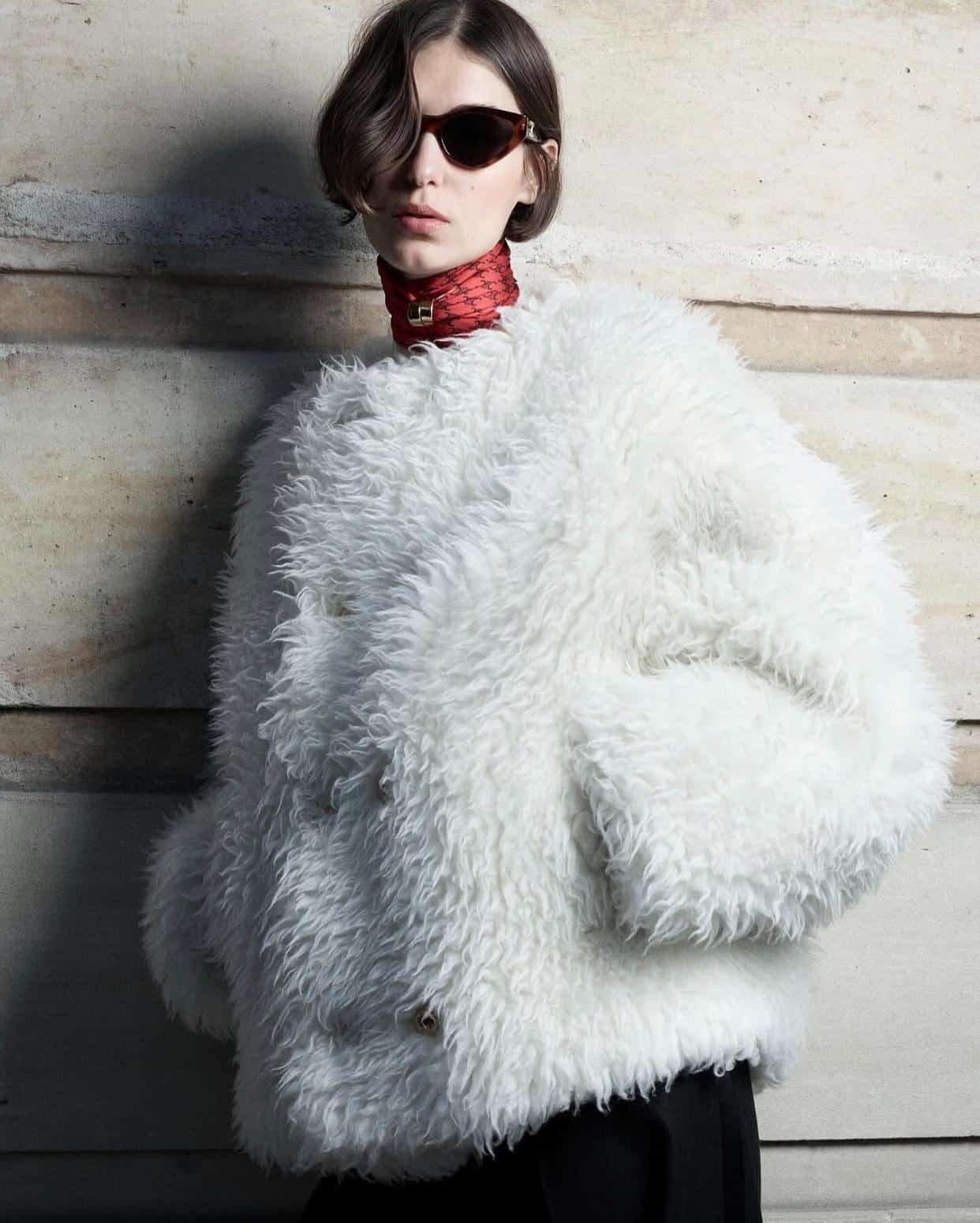

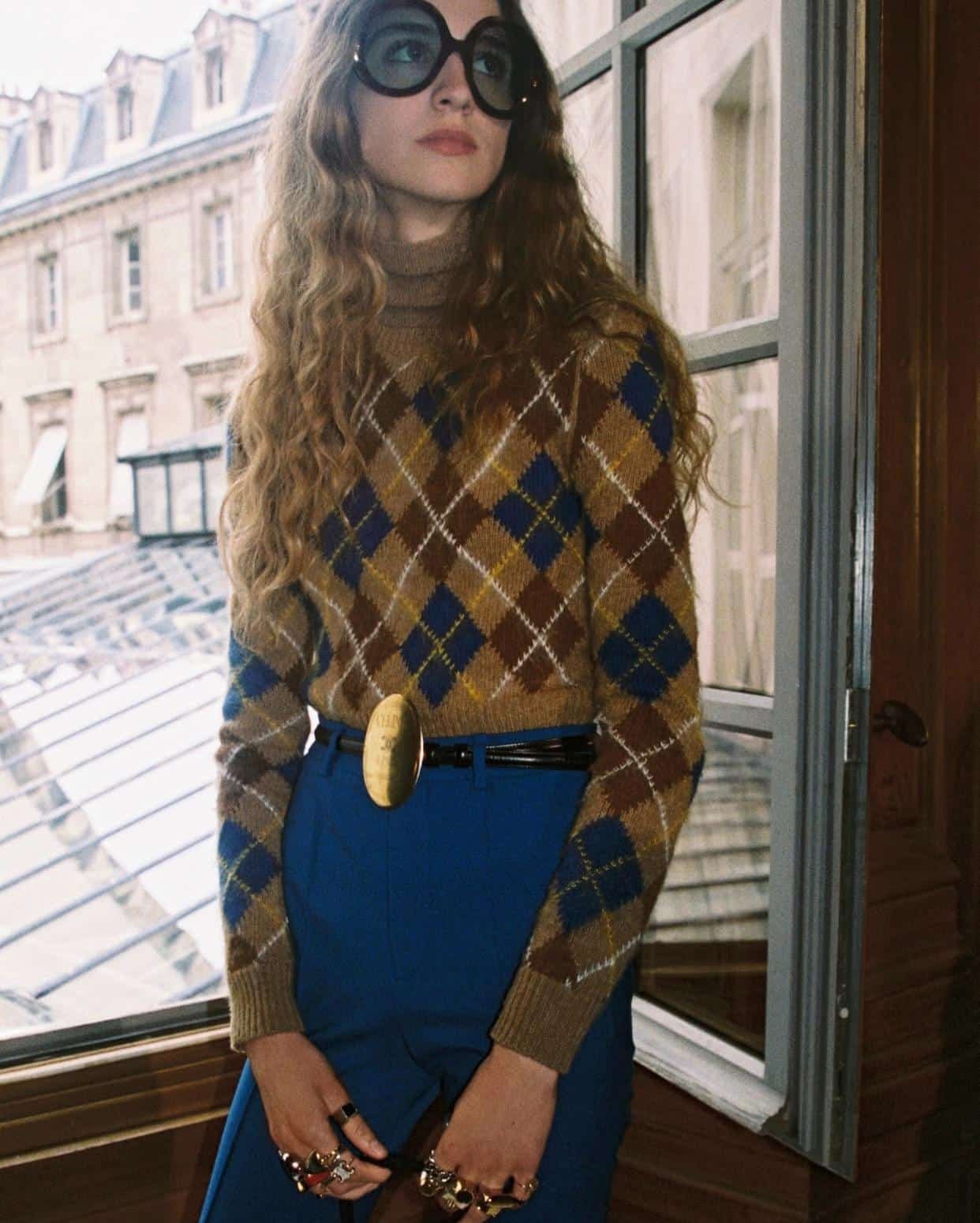
© Celine
CHANEL
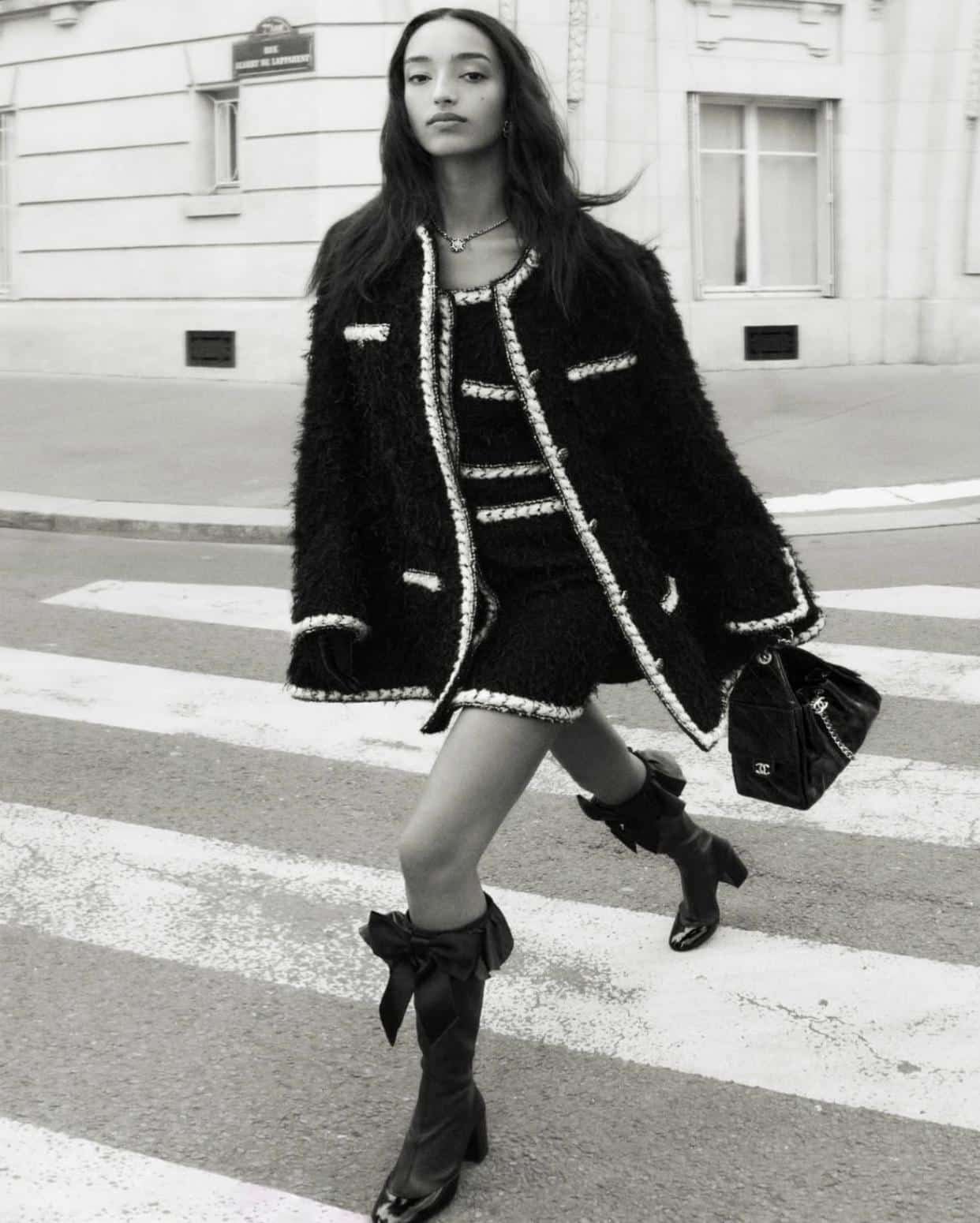
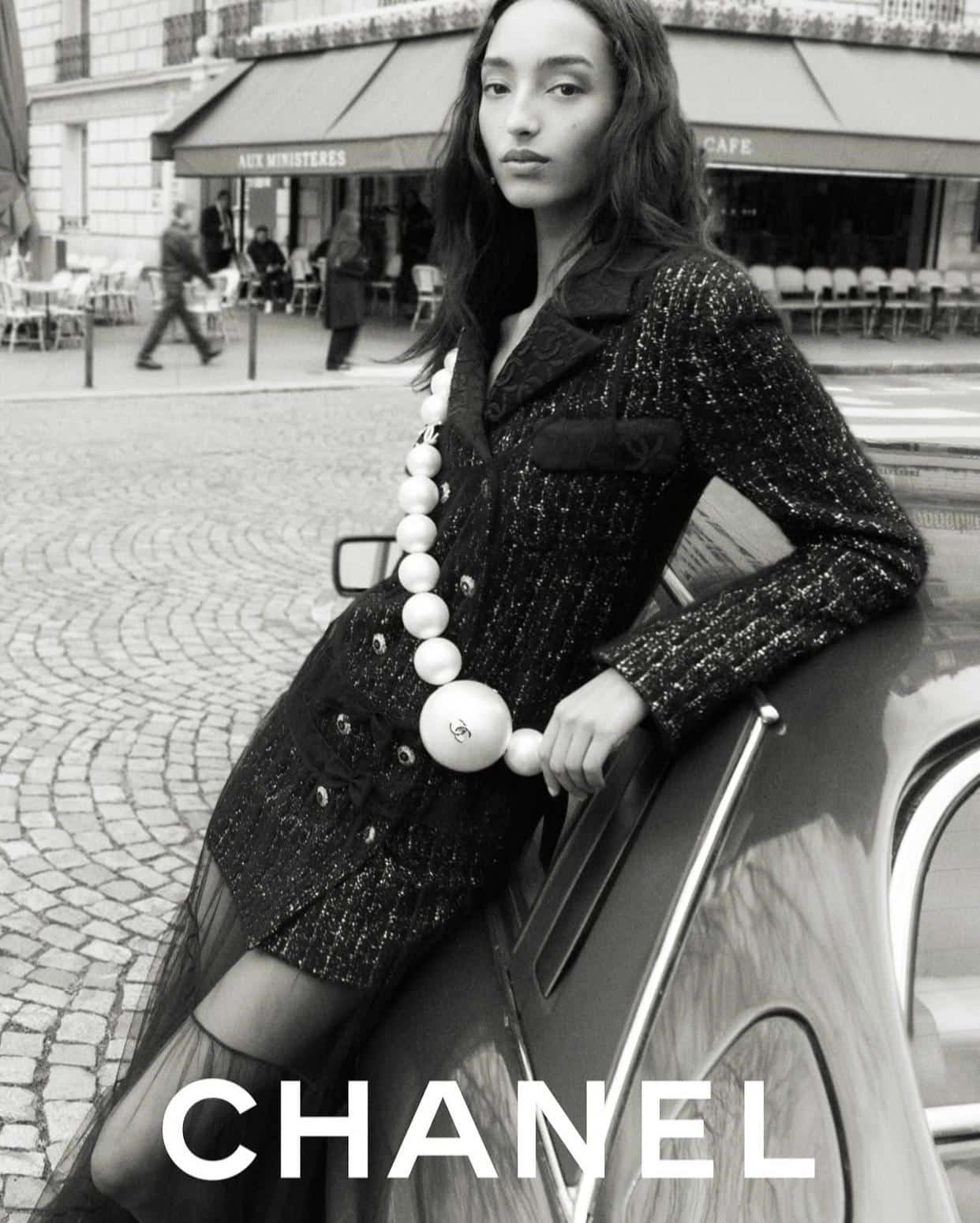
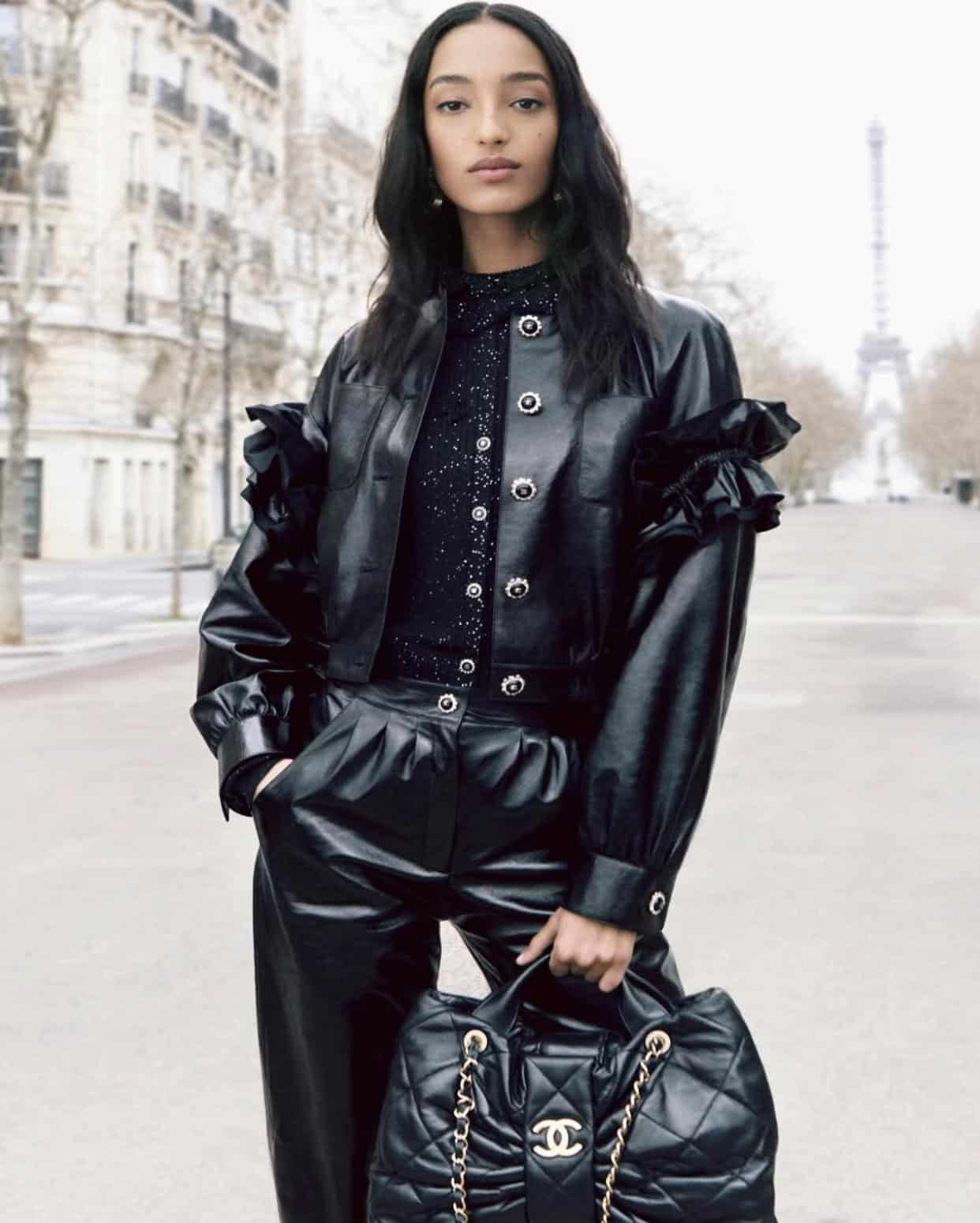
© Chanel
CHLOÉ
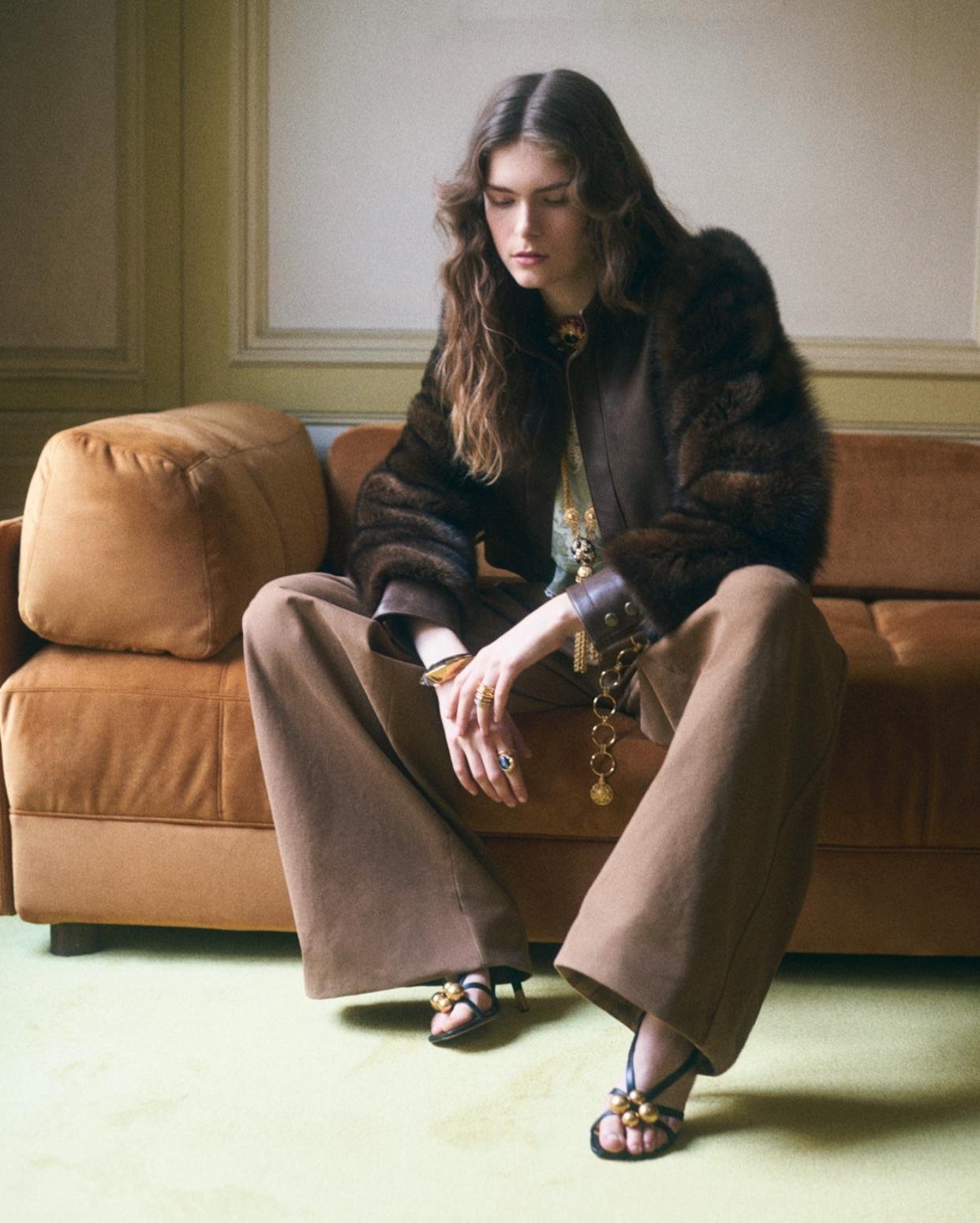
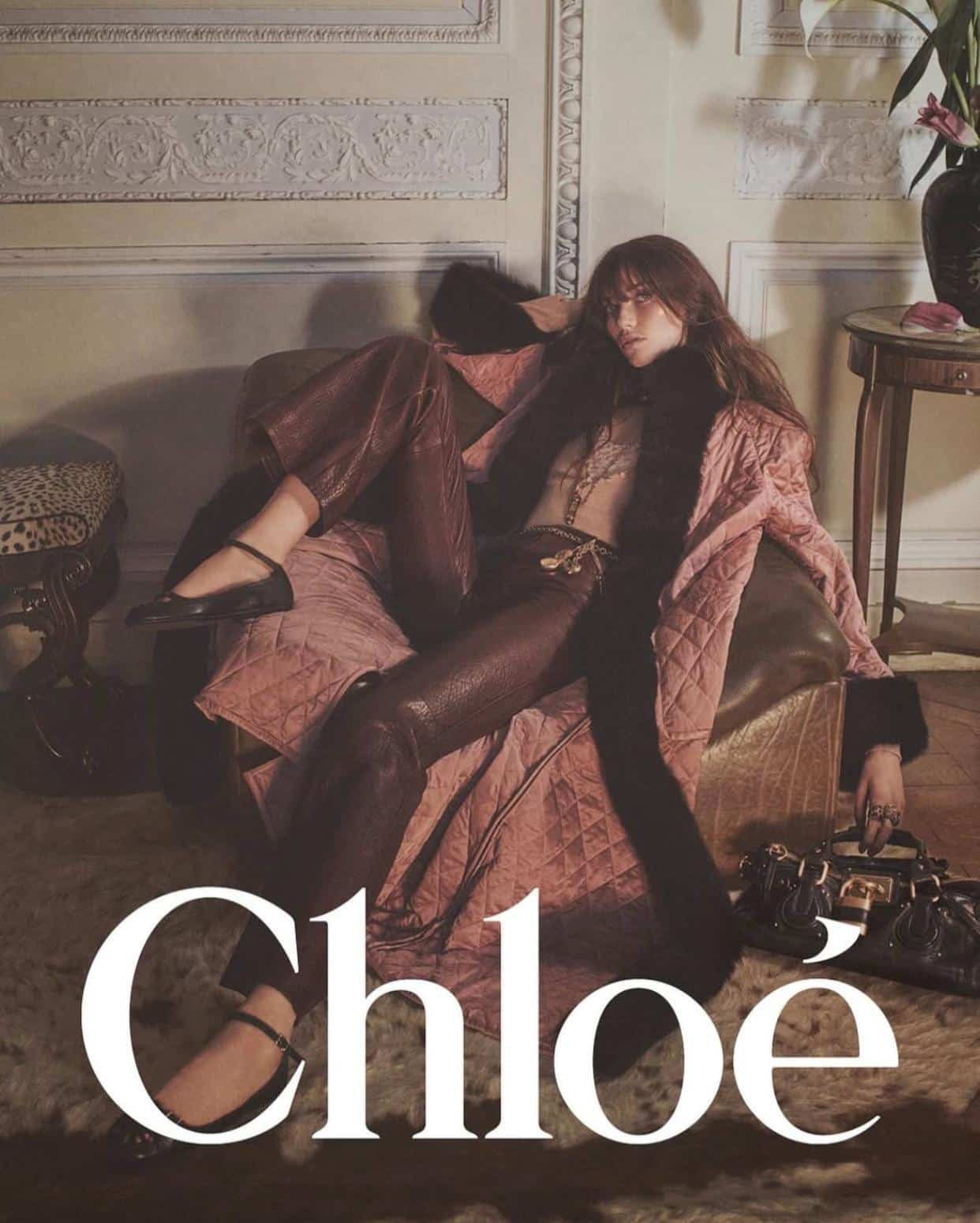
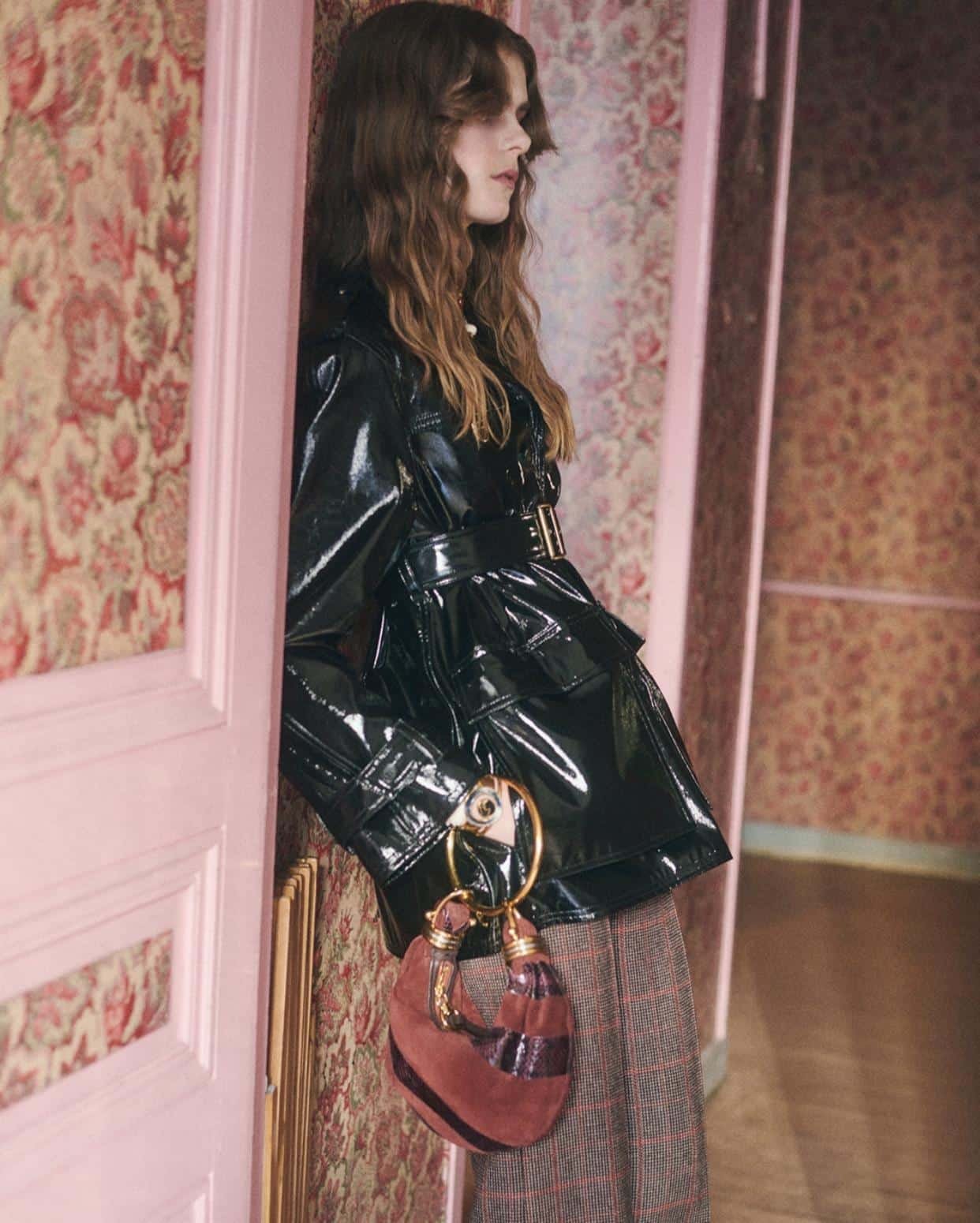
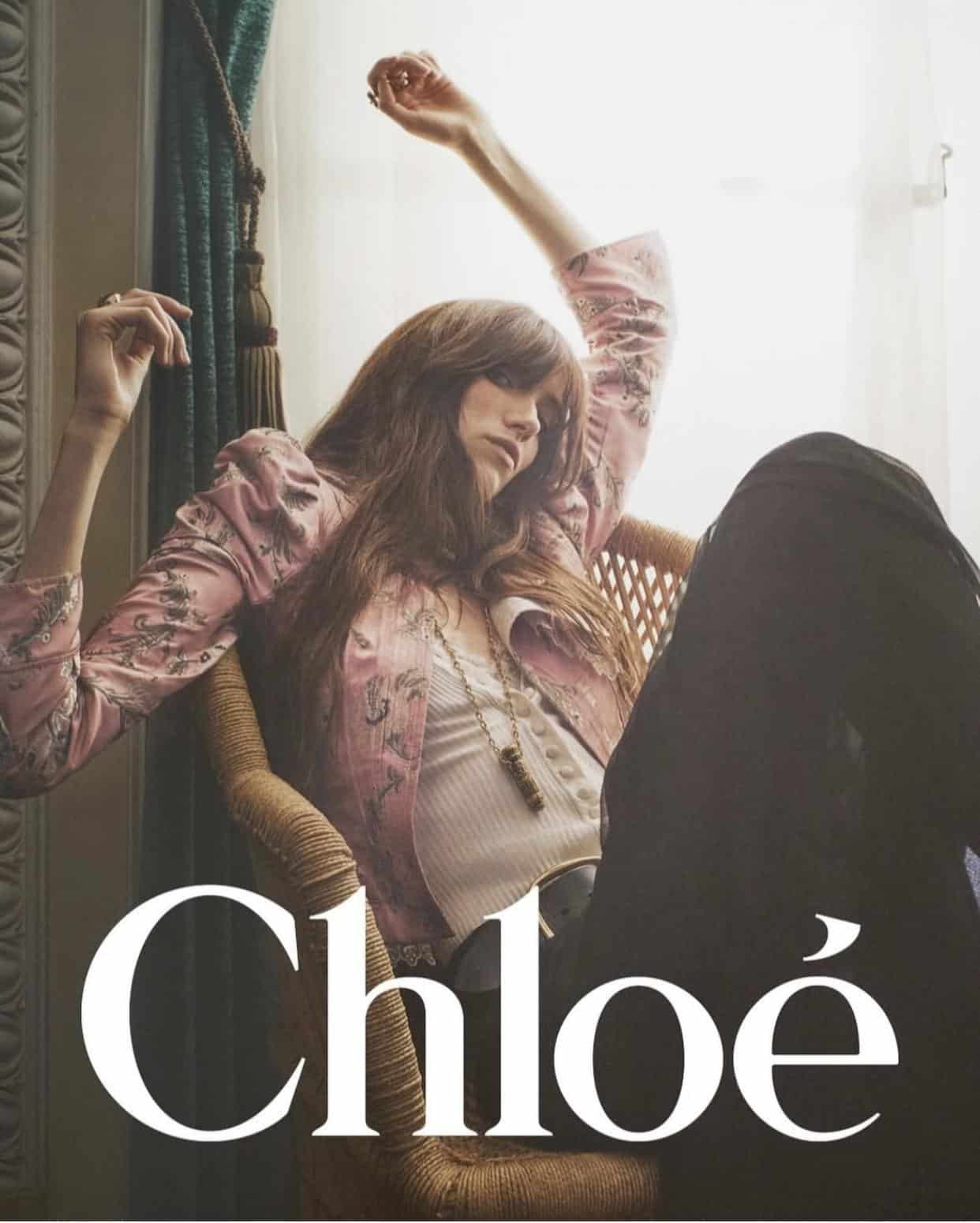
© Chloé
DIOR
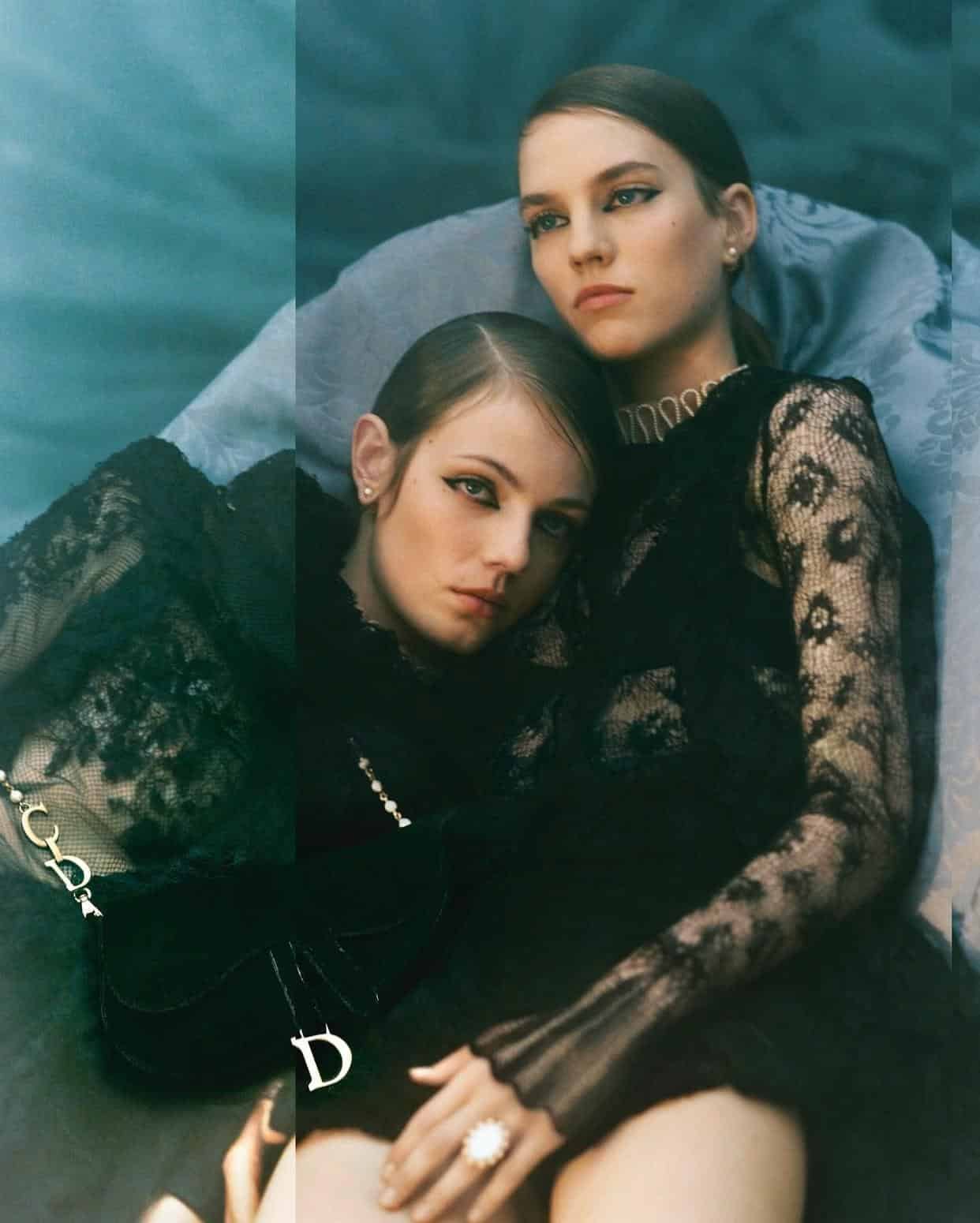
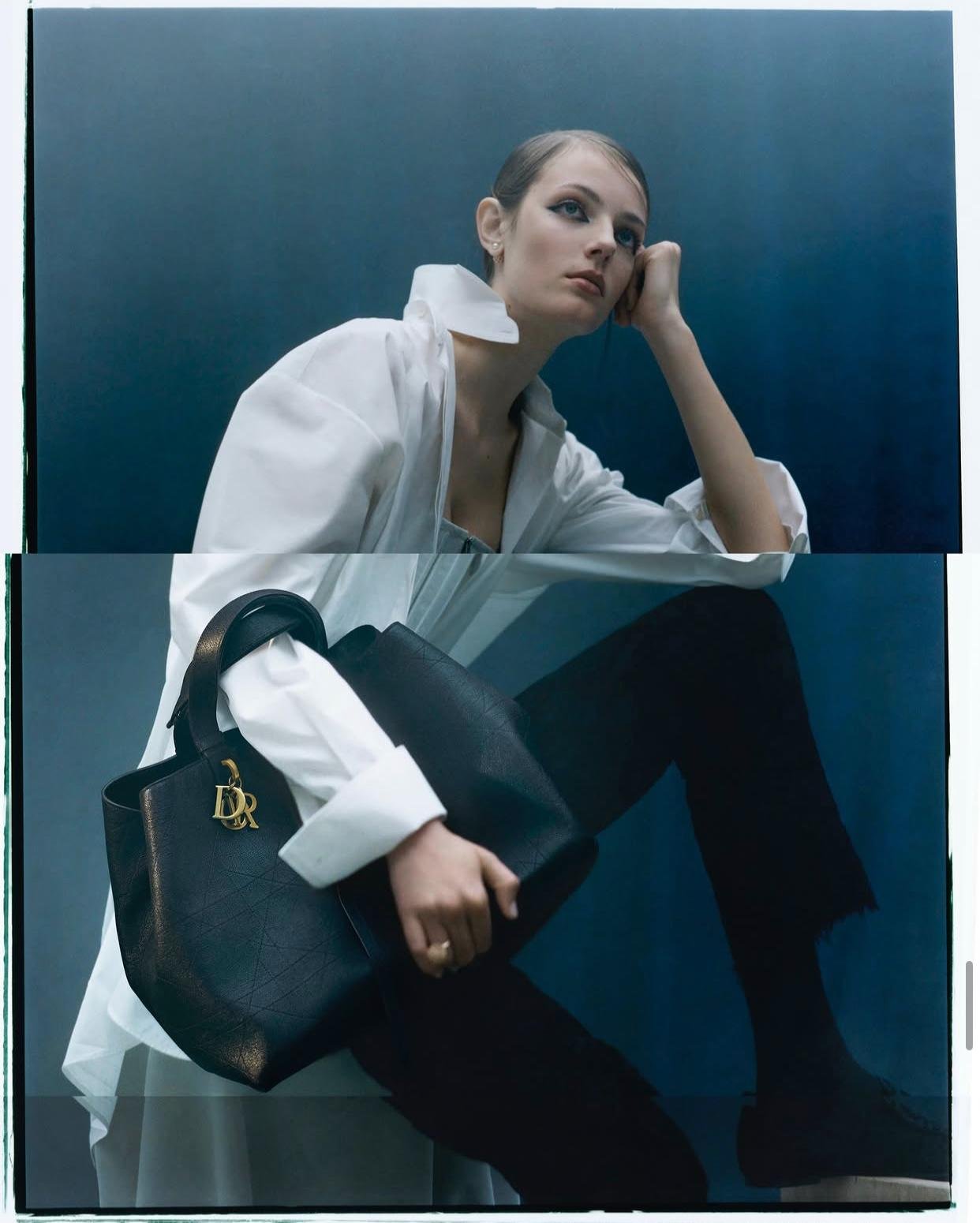
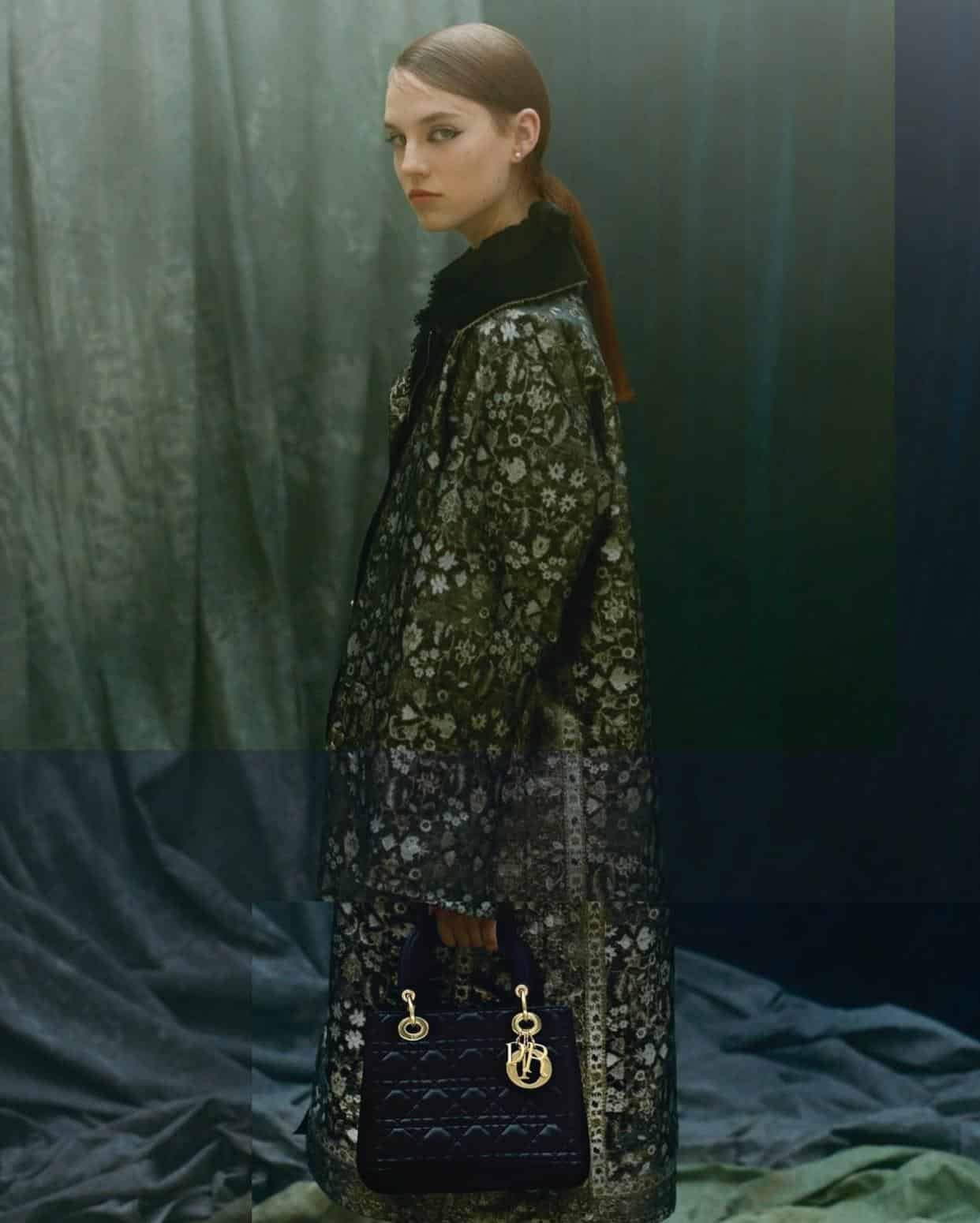
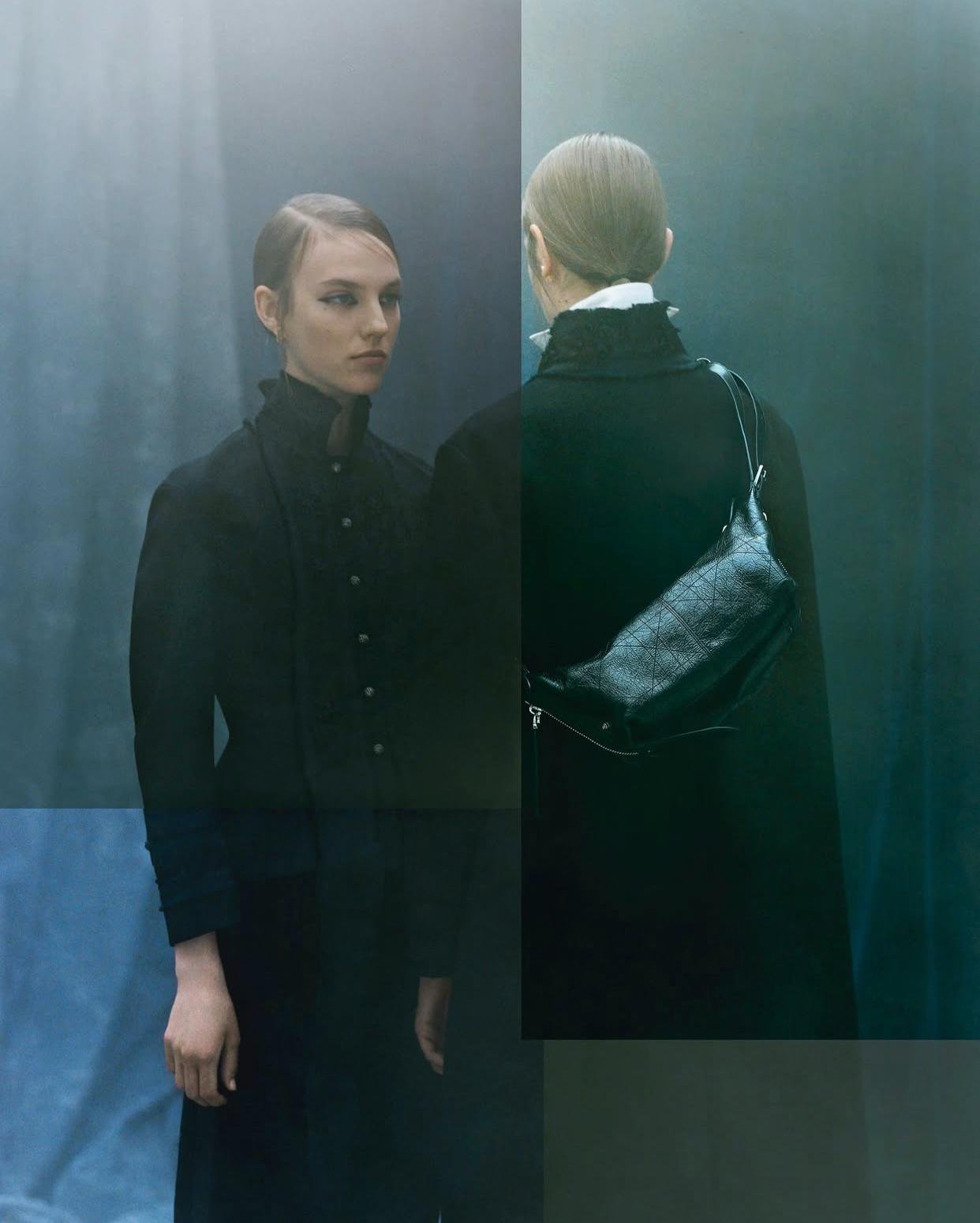
© Dior
GIORGIO ARMANI
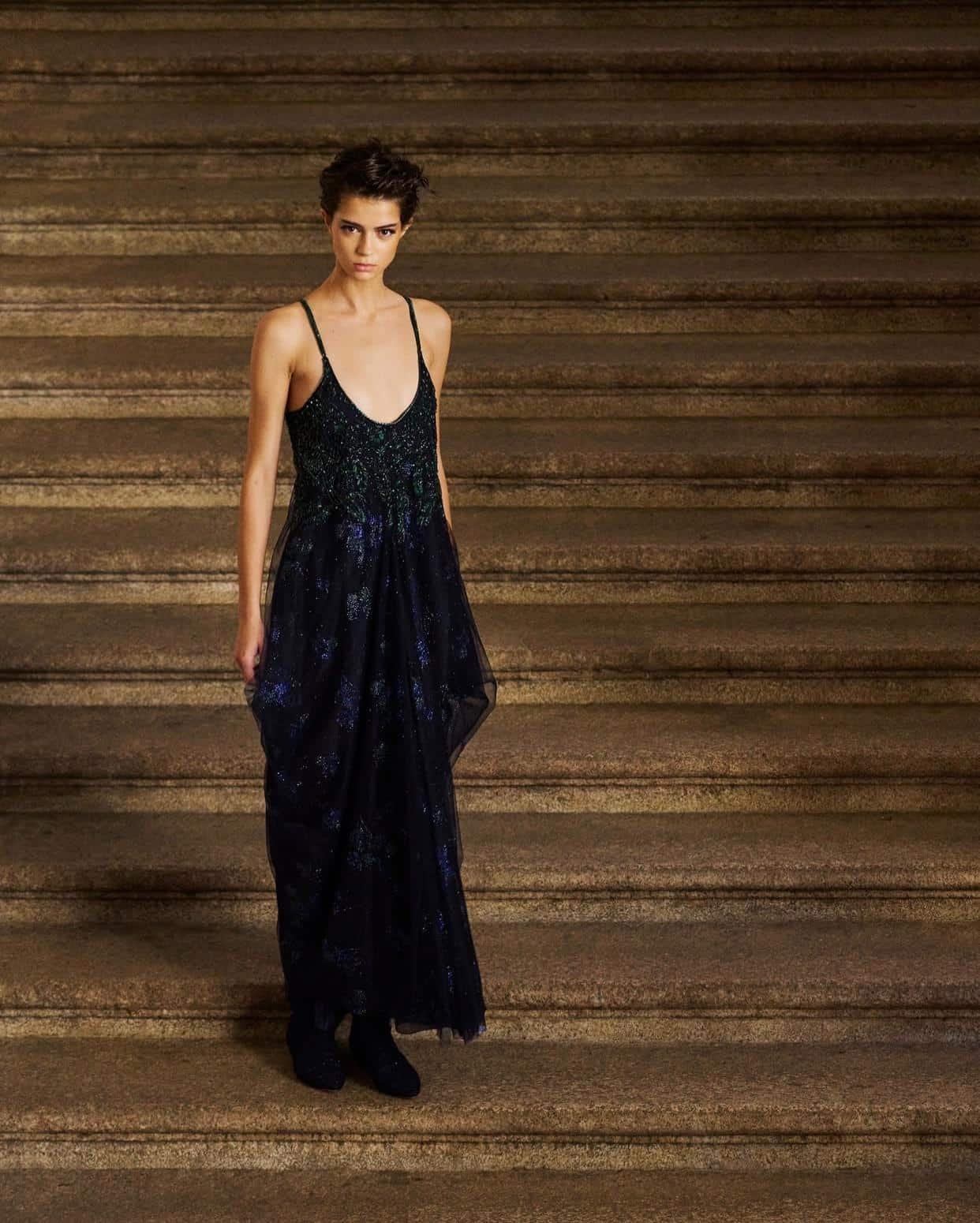
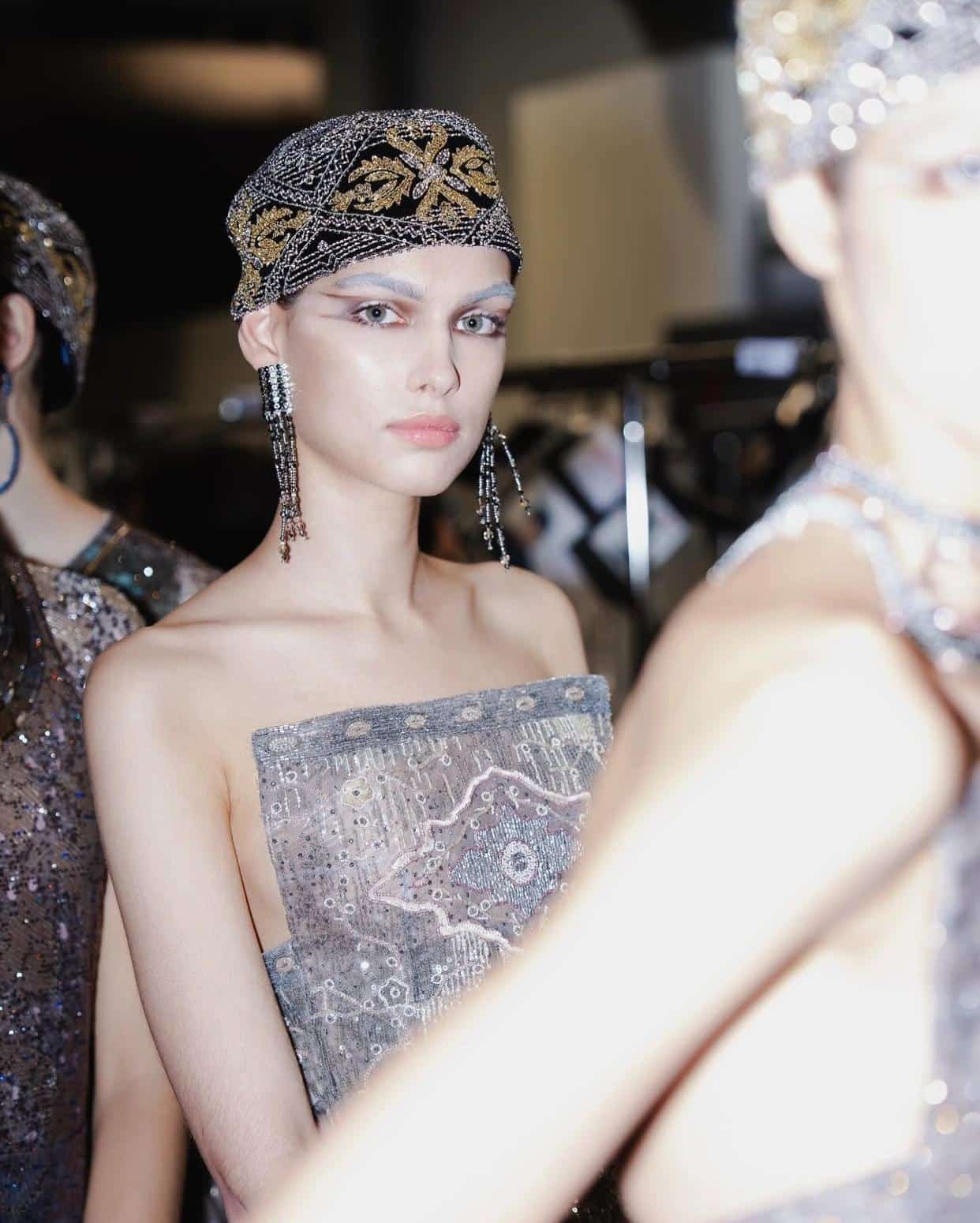
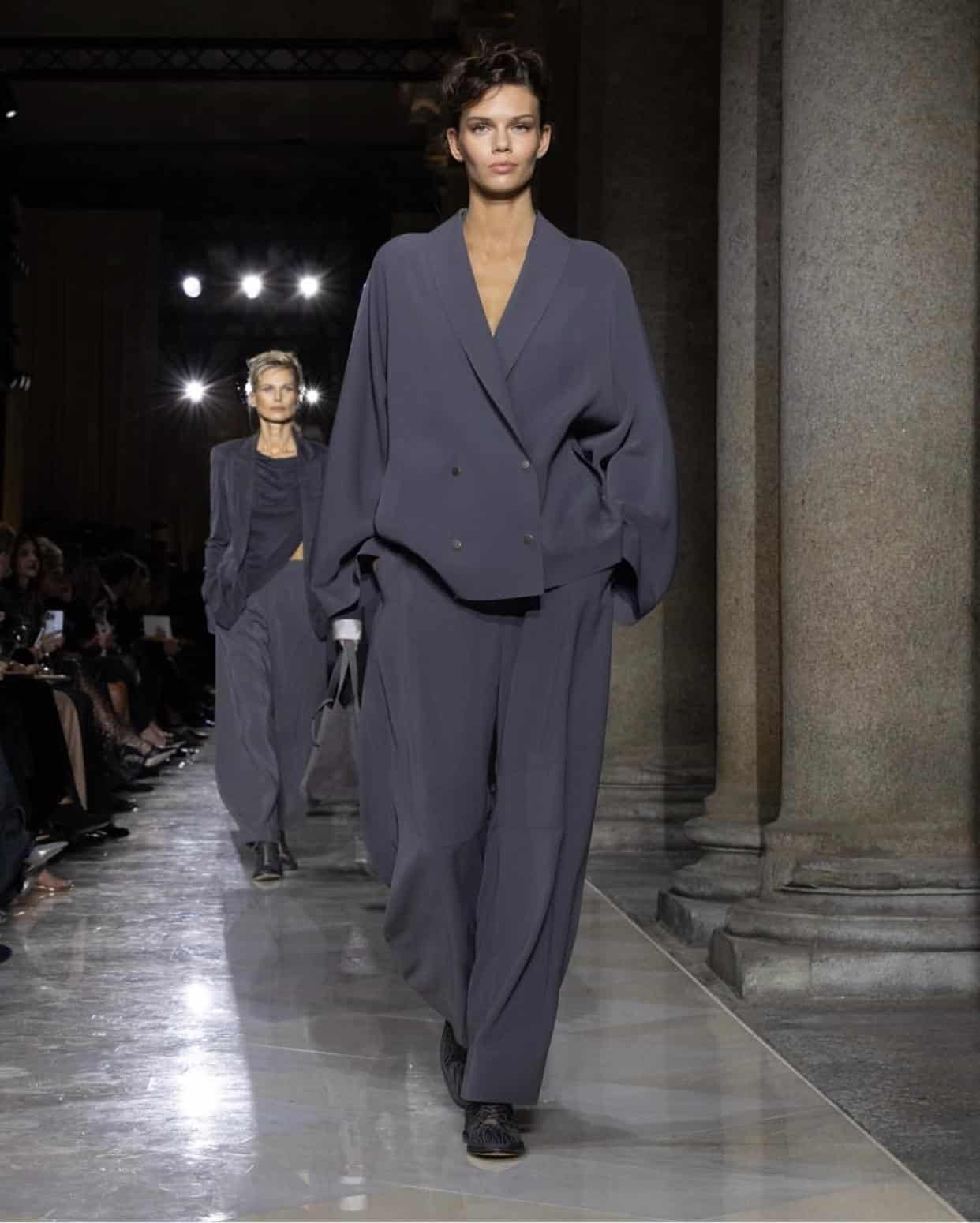
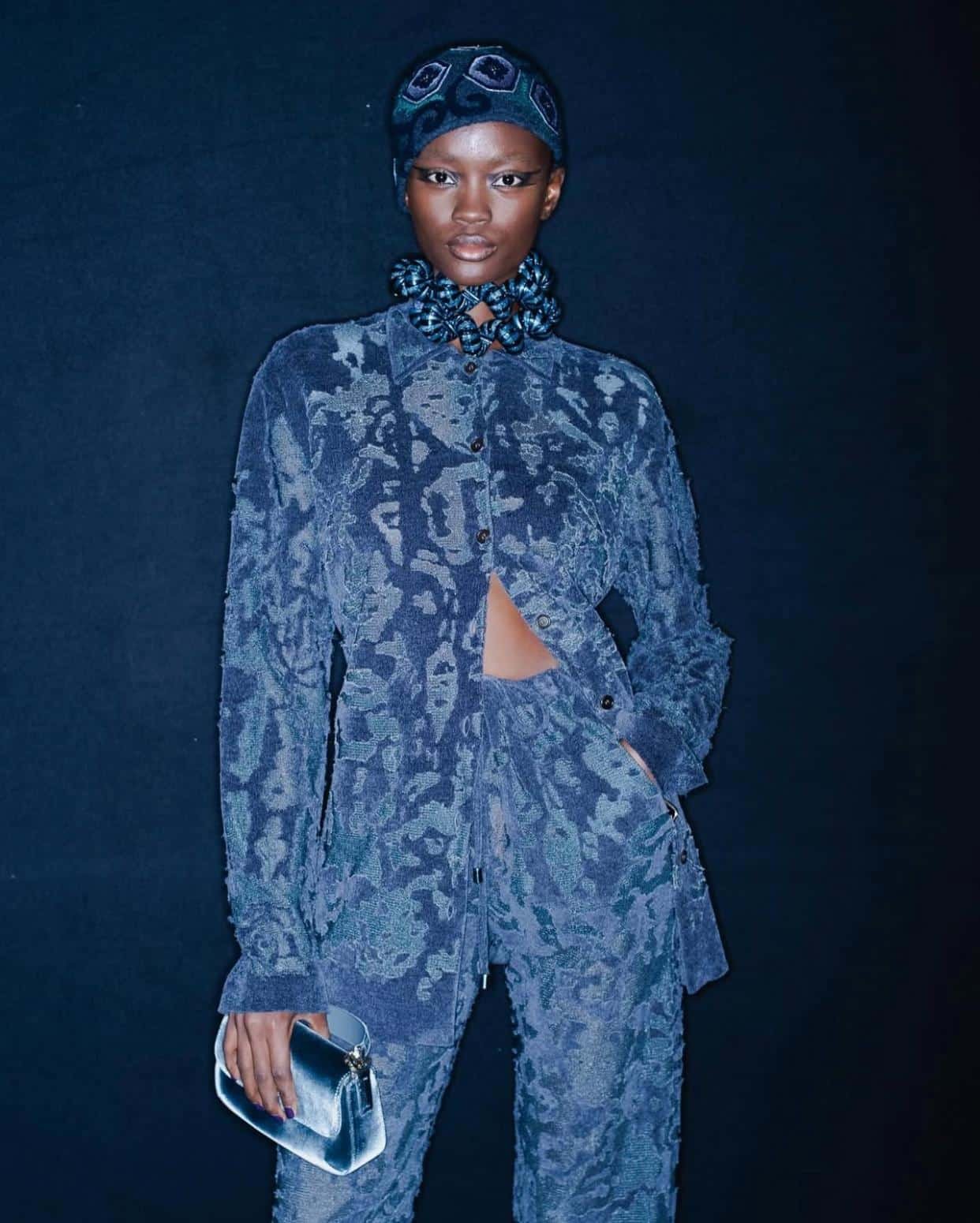
© Giorgio Armani
KHAITE
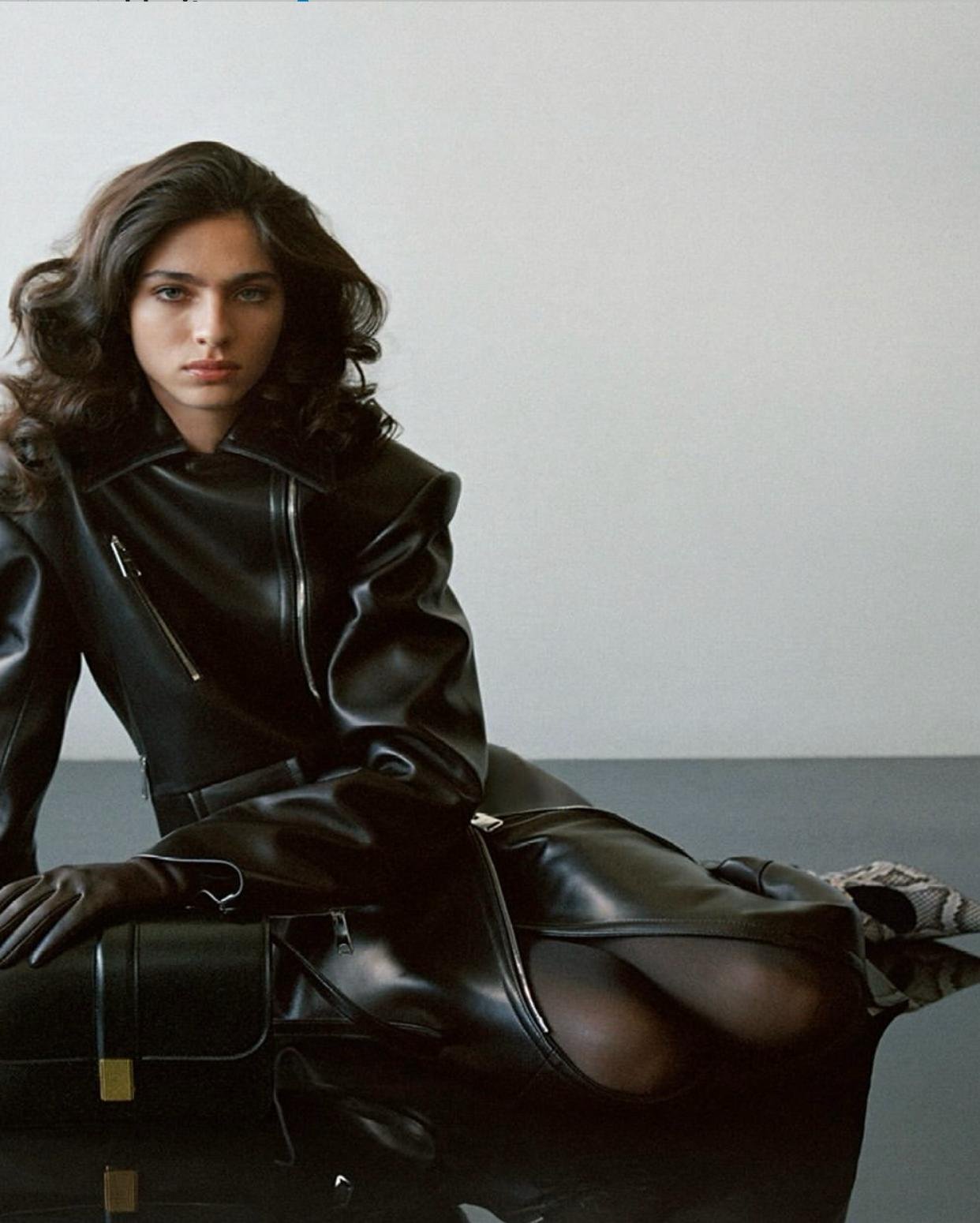
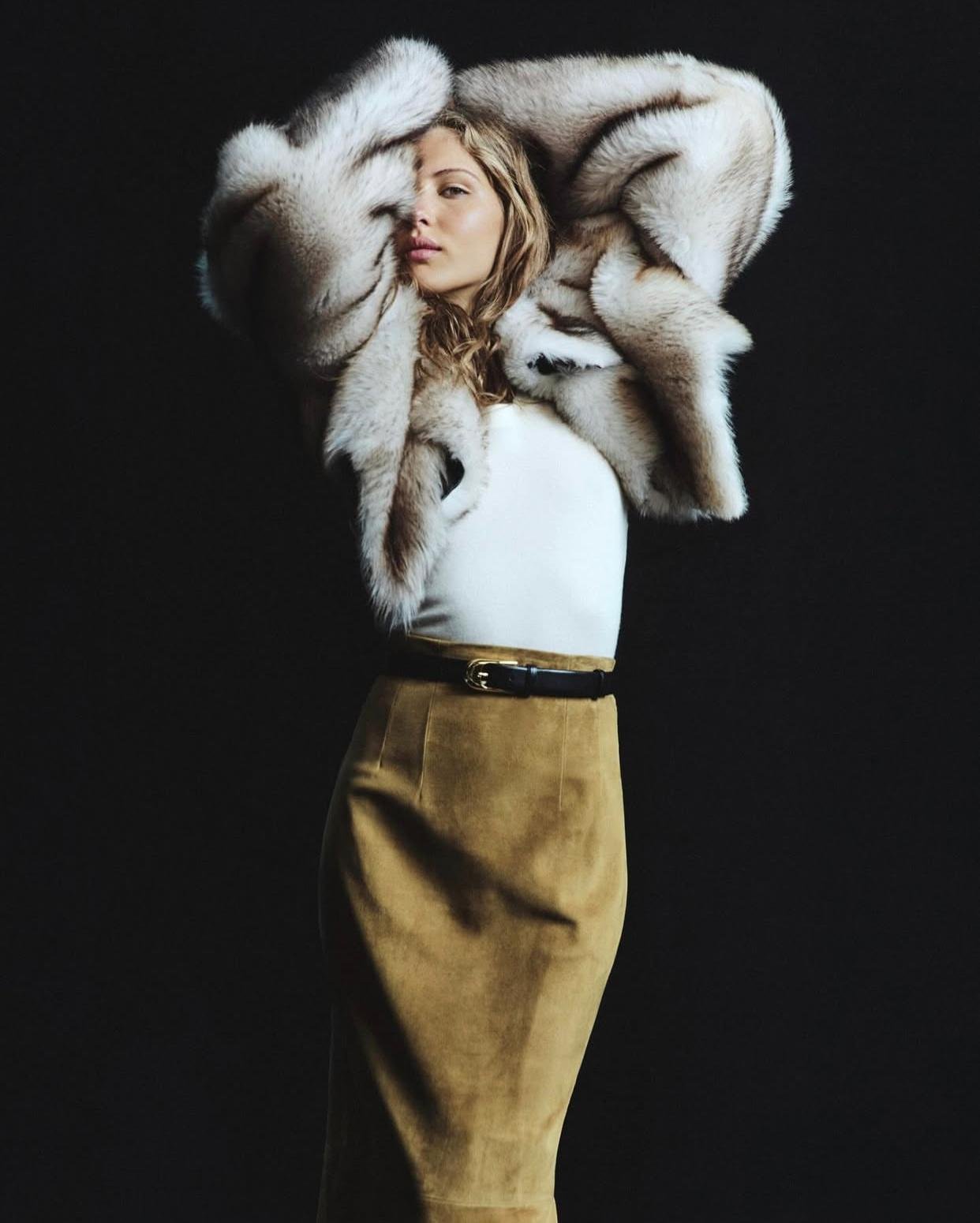
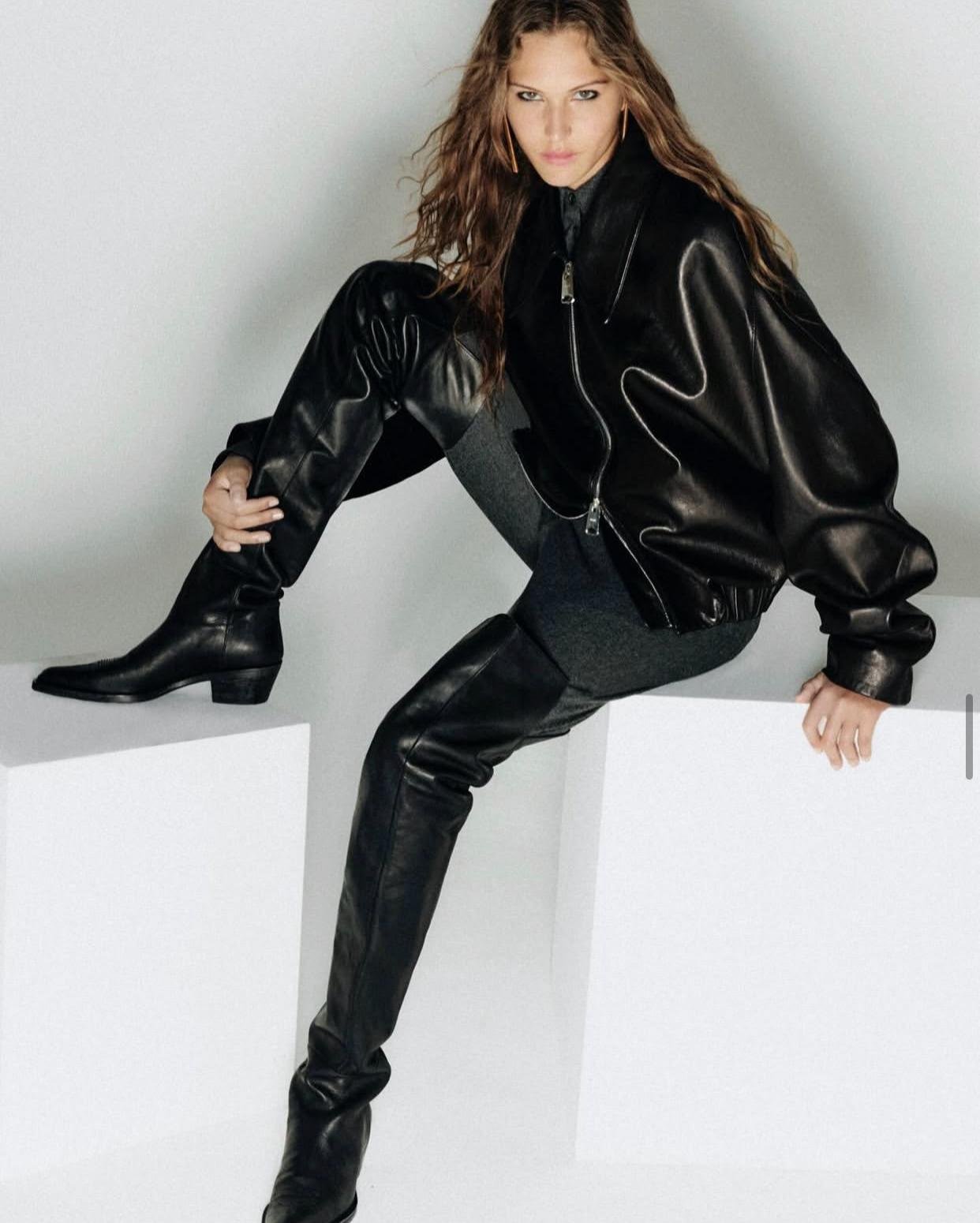
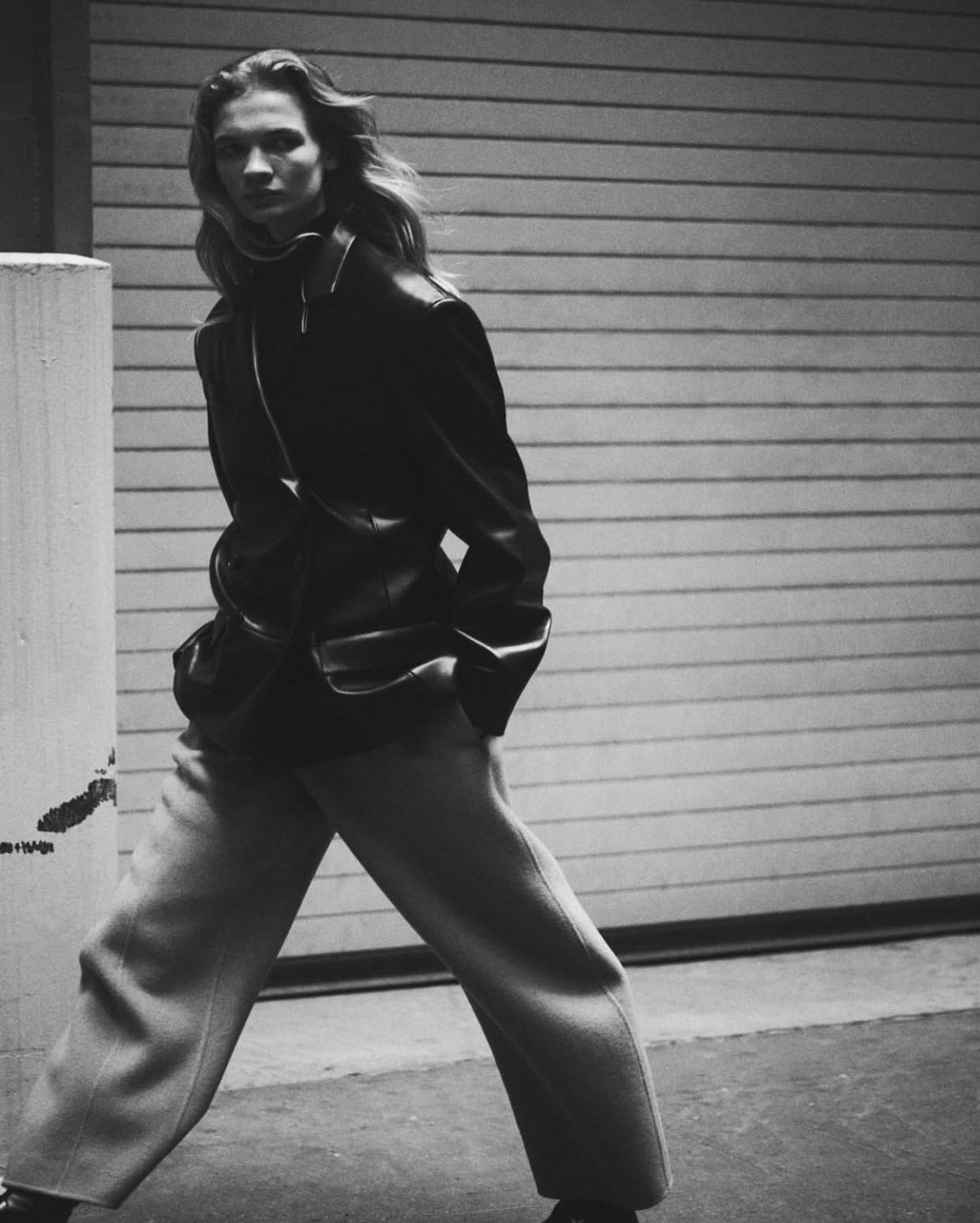
© Khaite
RALPH-LAUREN
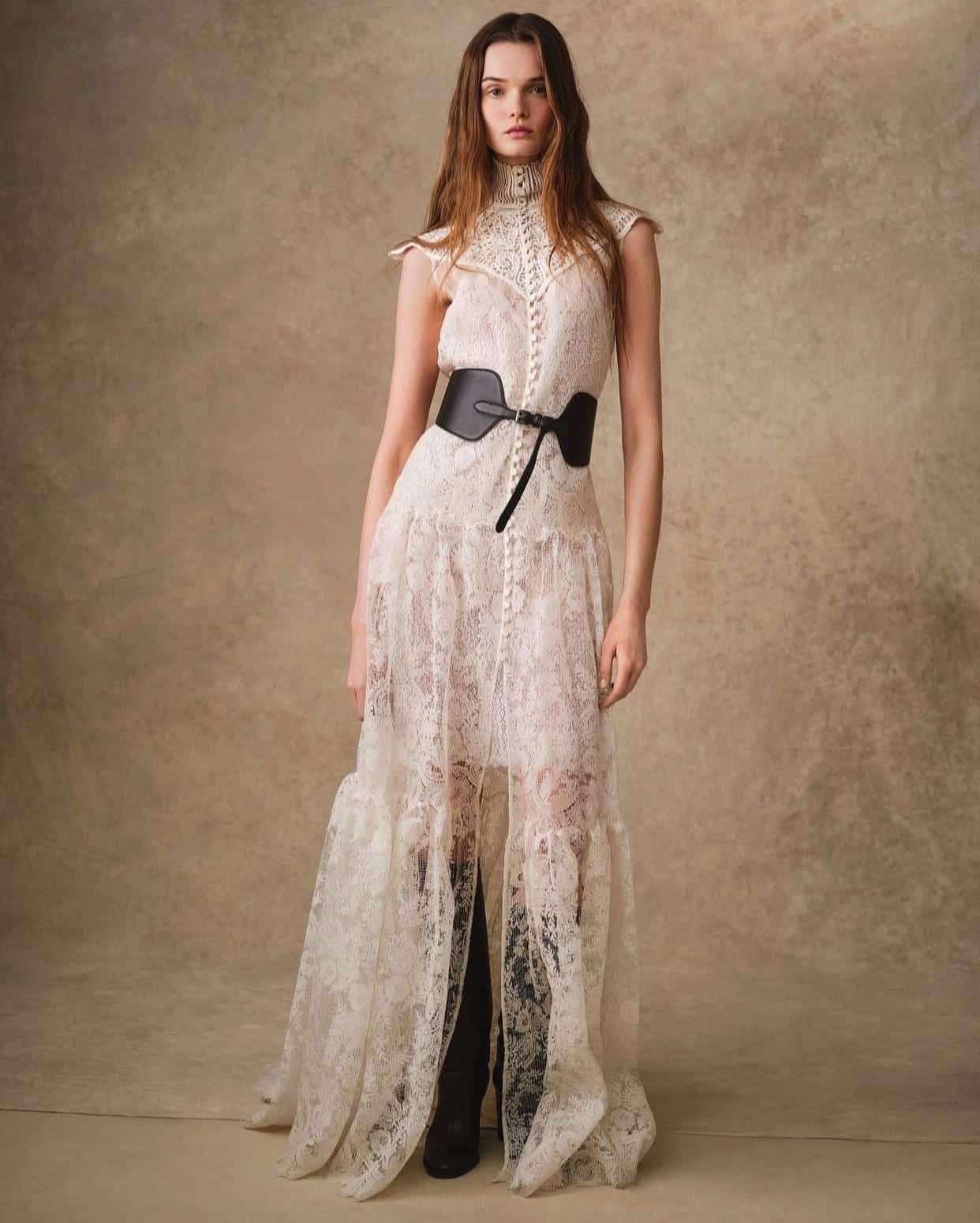
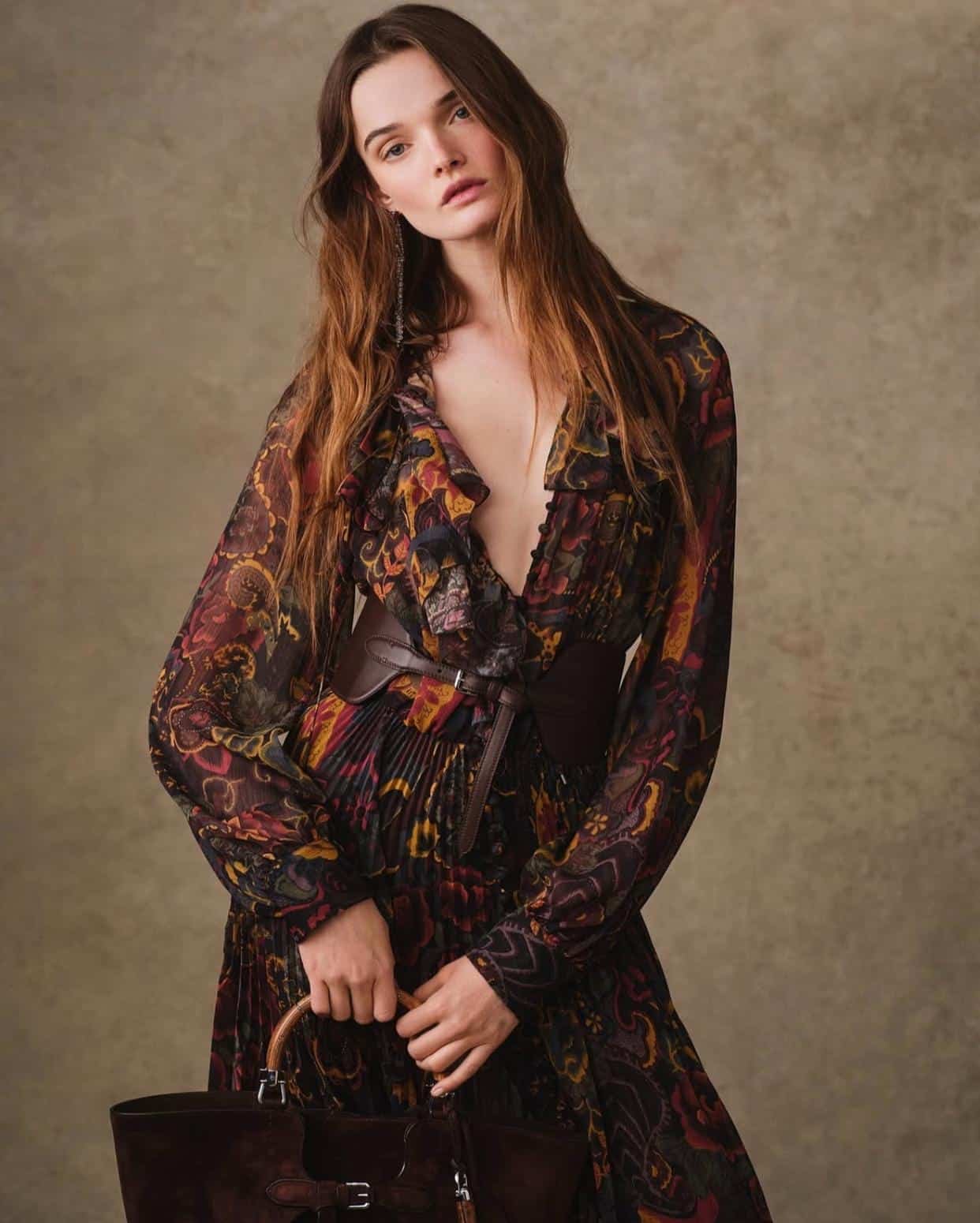
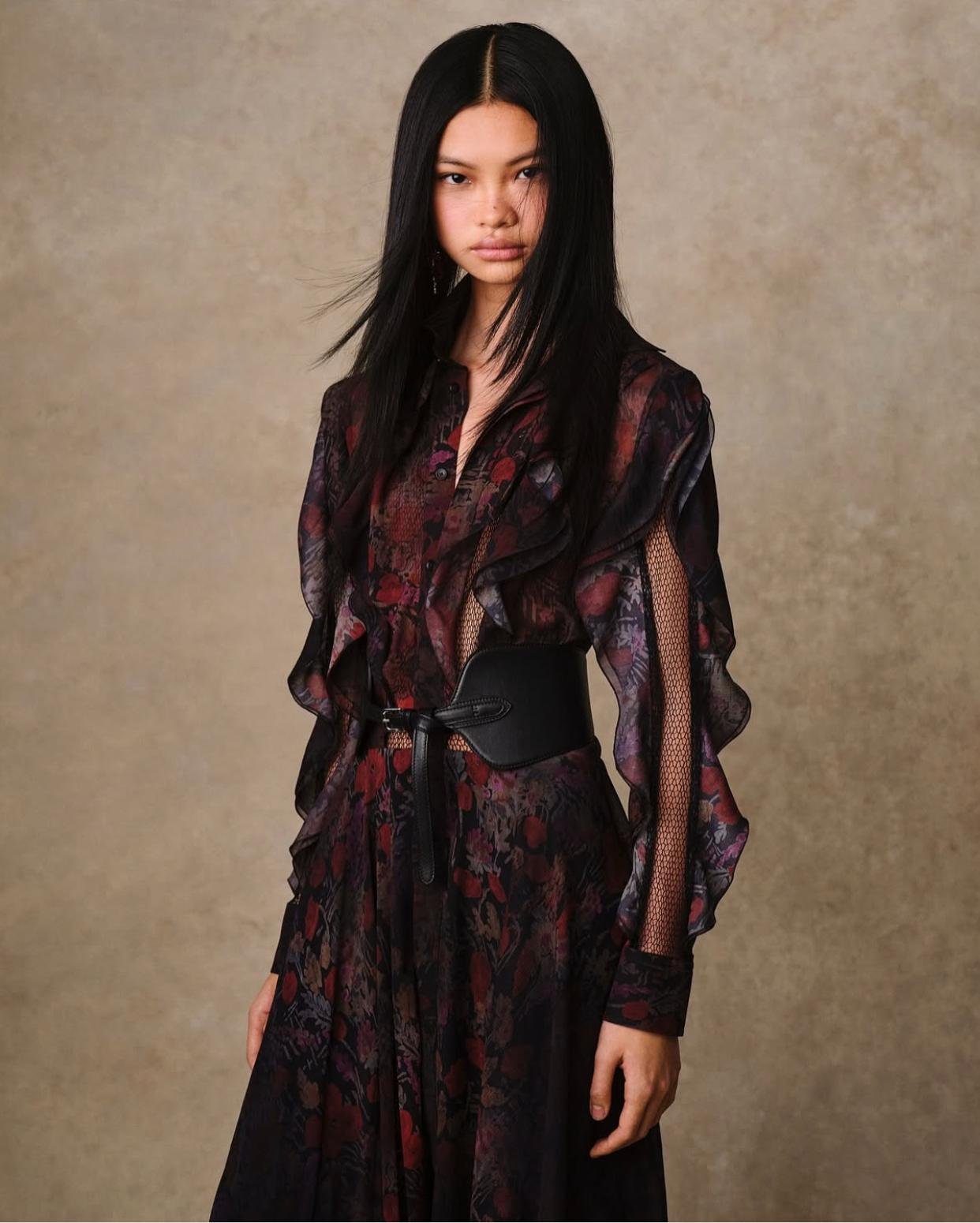
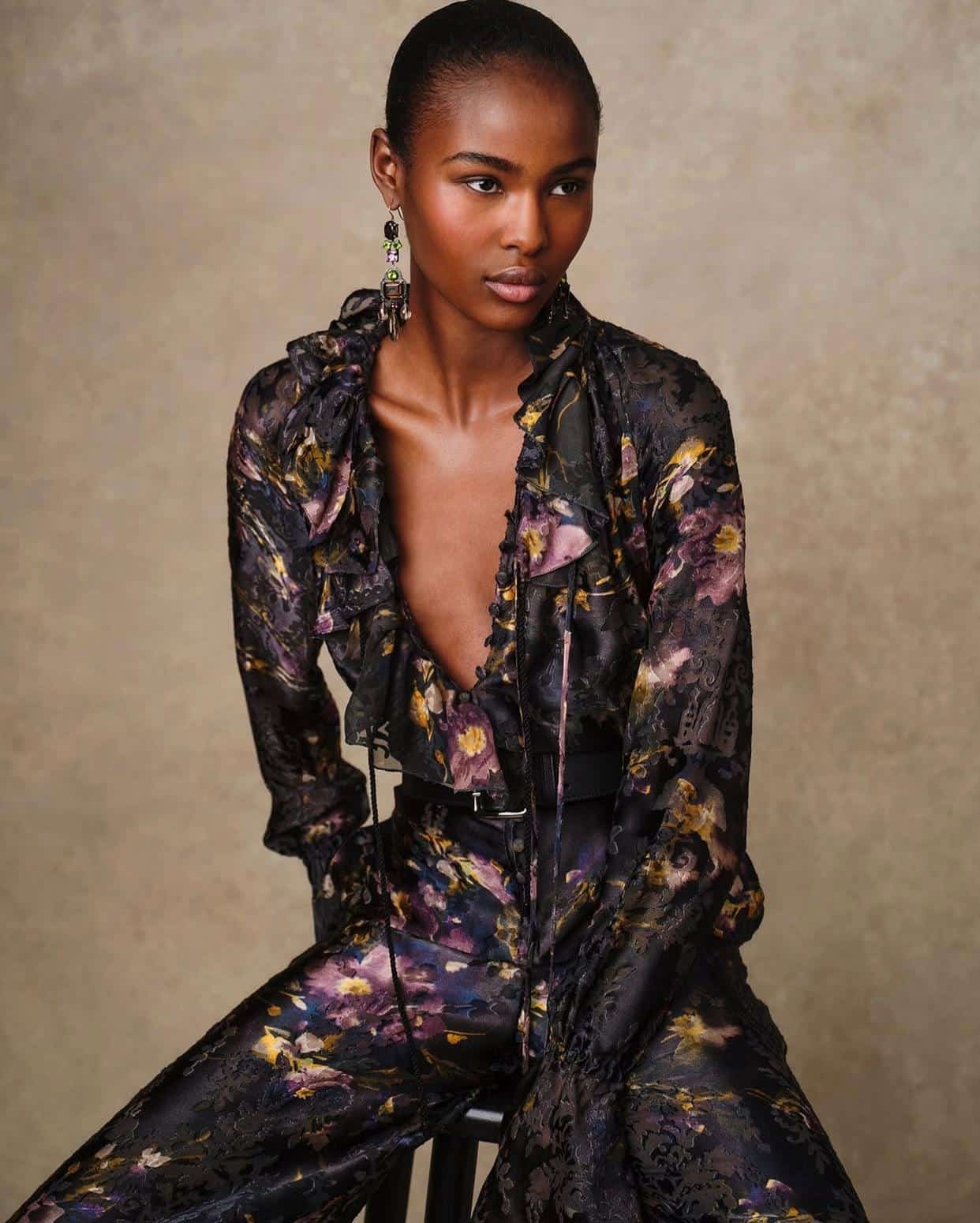
© Ralph-Lauren
SAINT-LAURENT
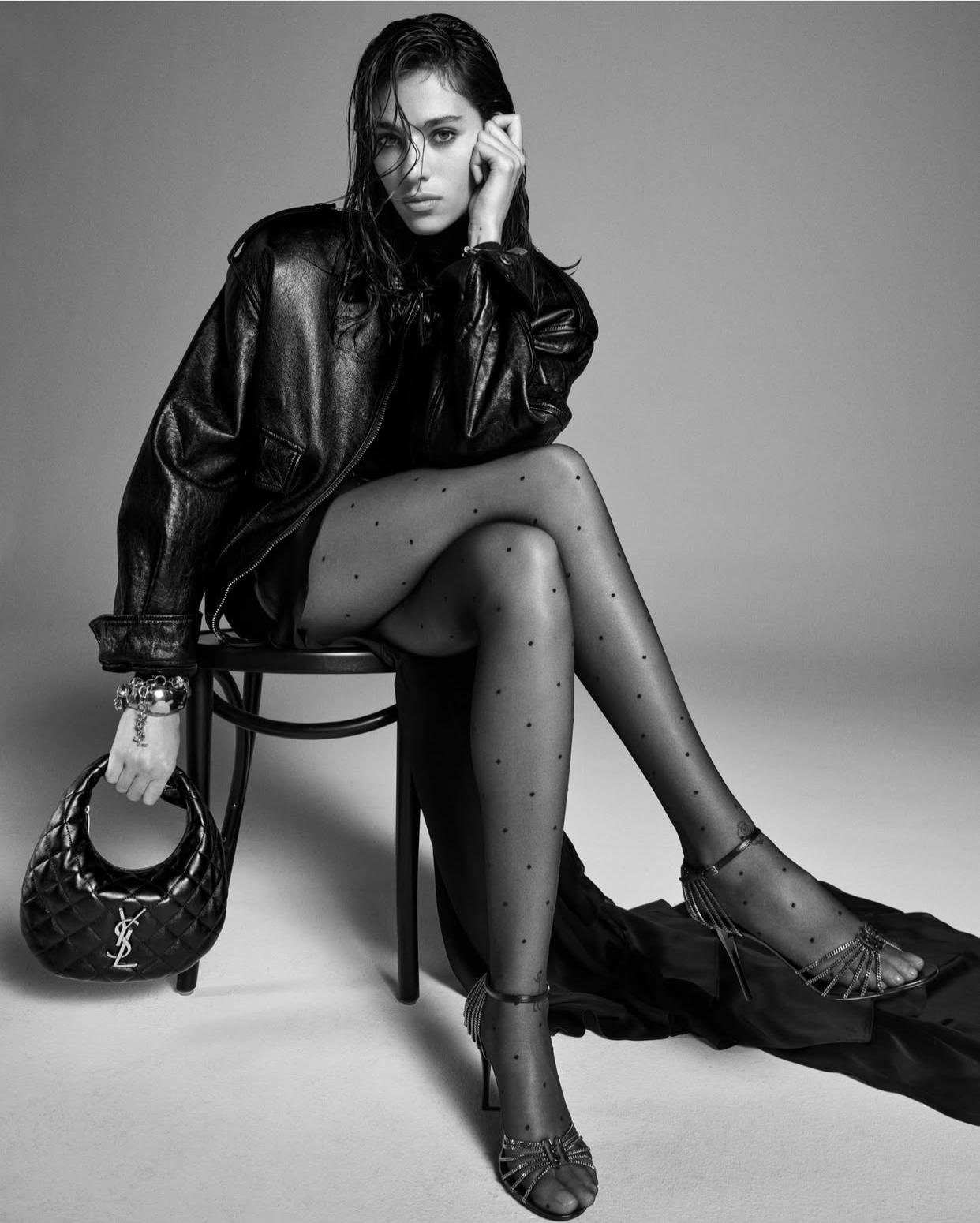

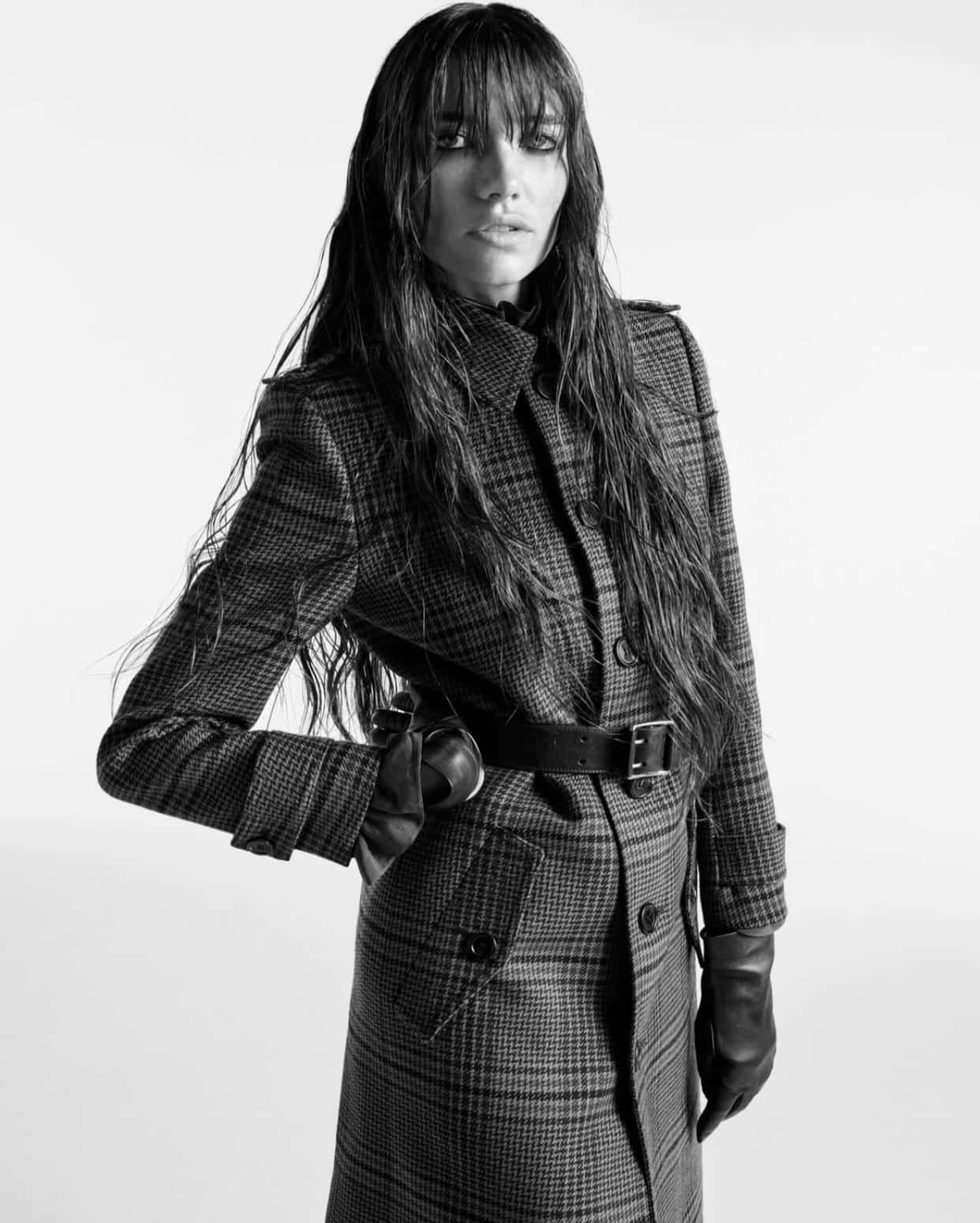
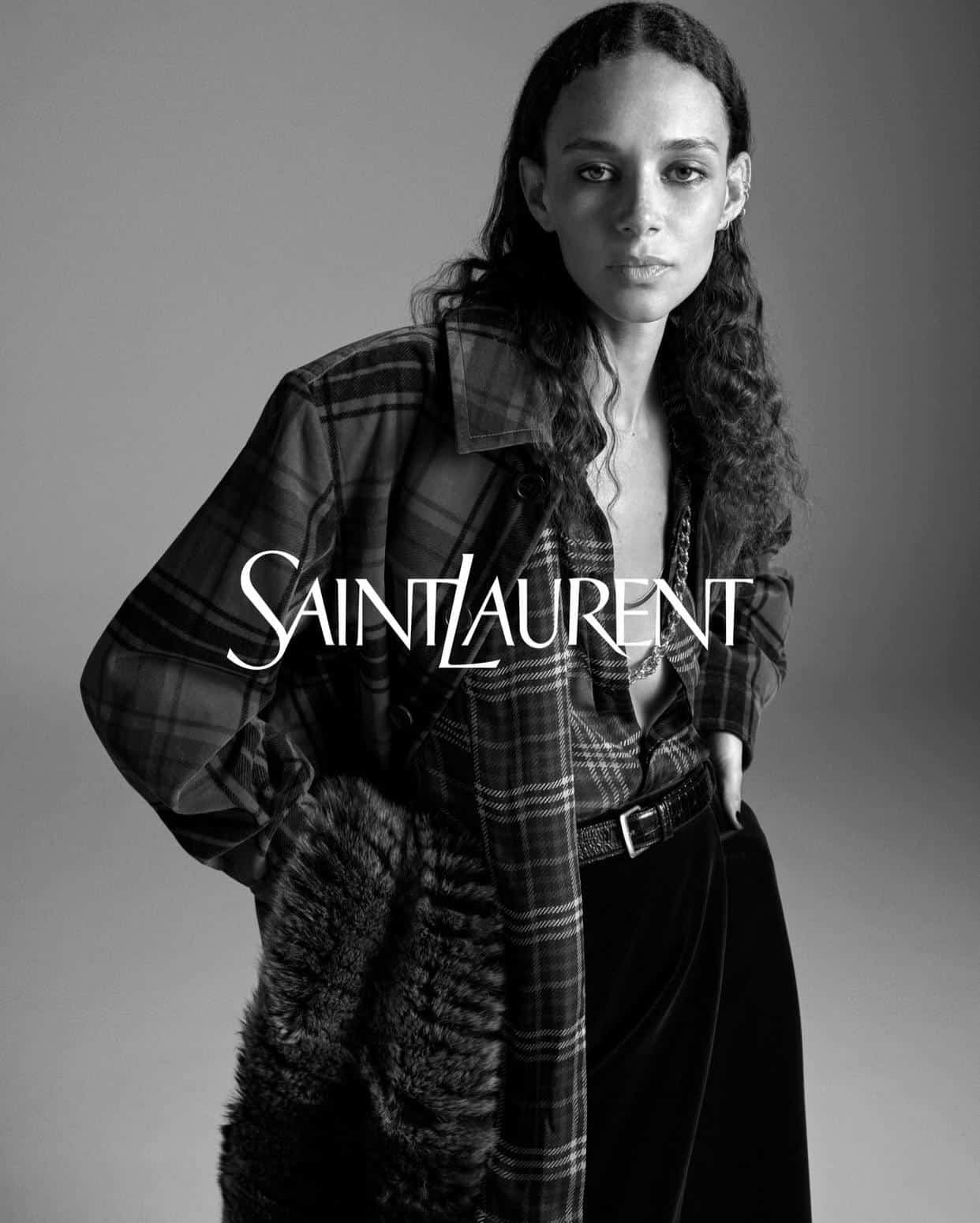
© Saint-Laurent
SCHIAPARELLI
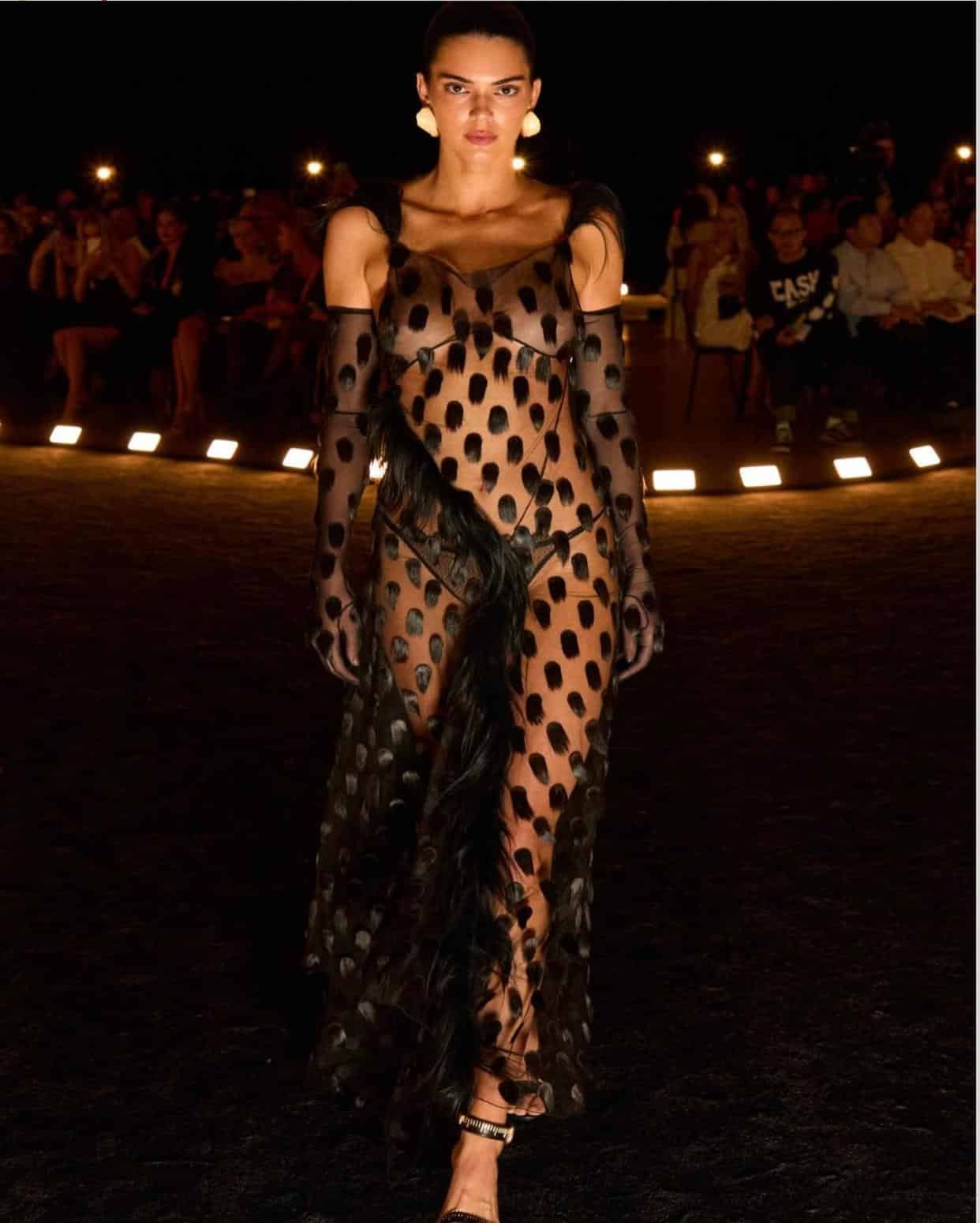
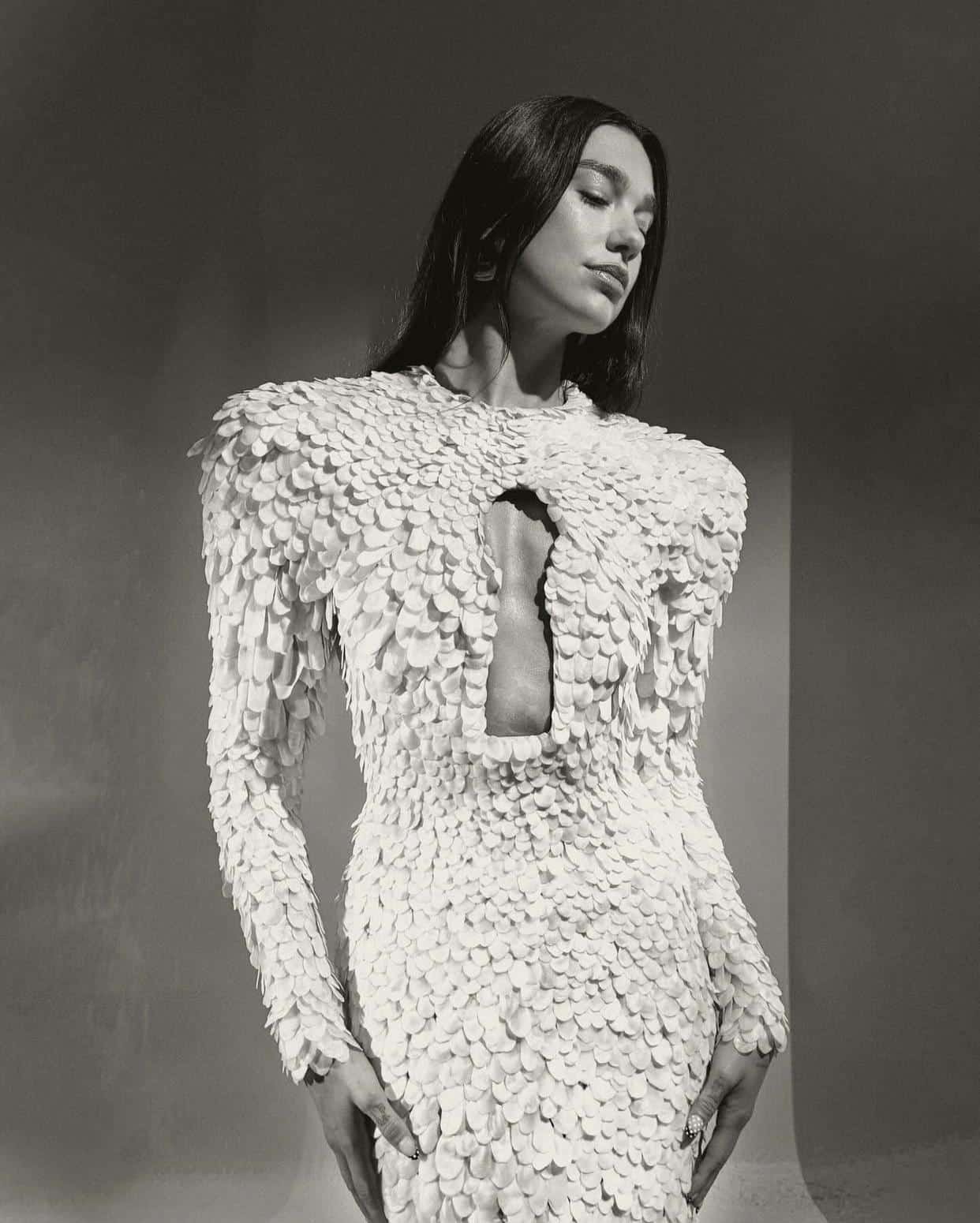
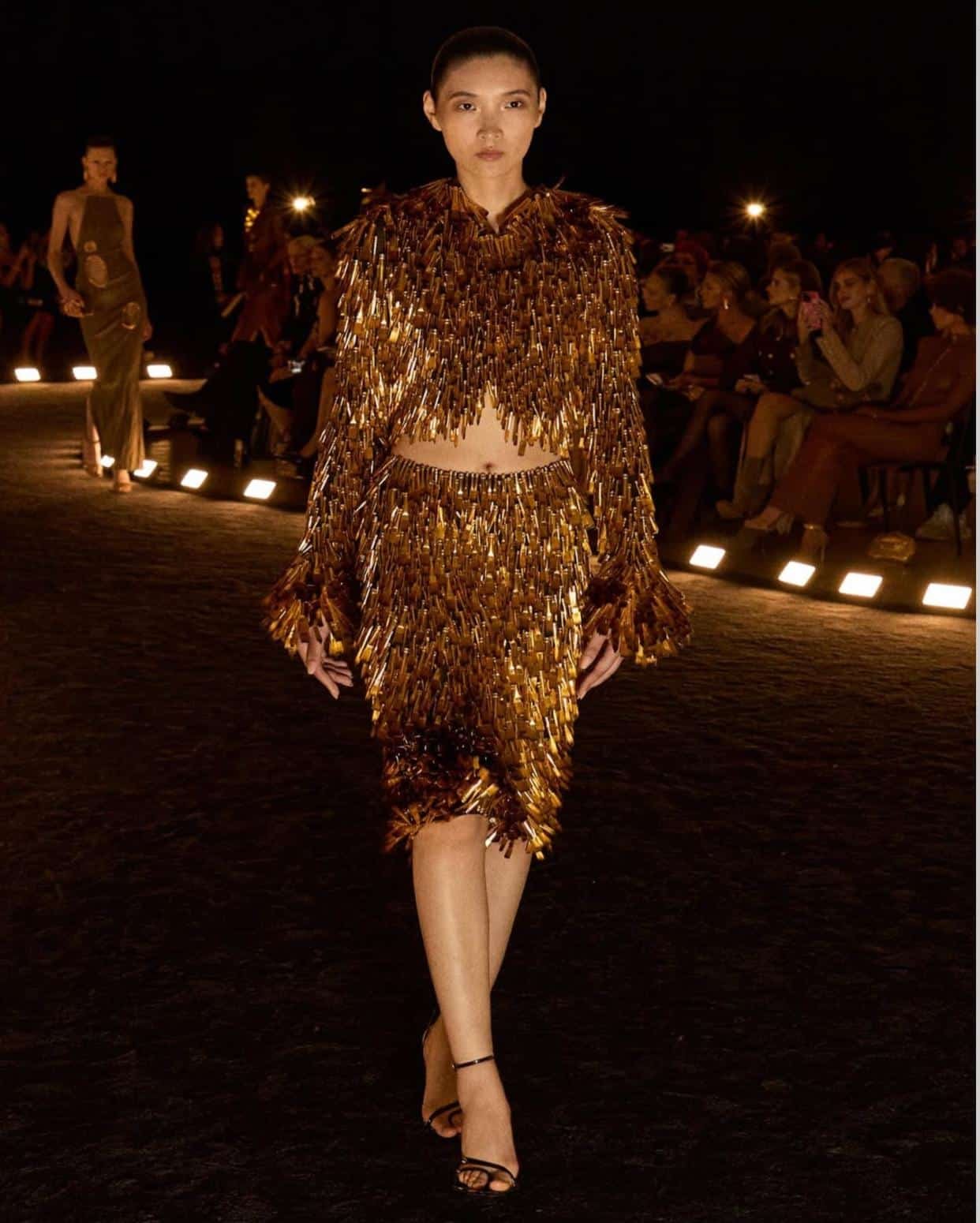
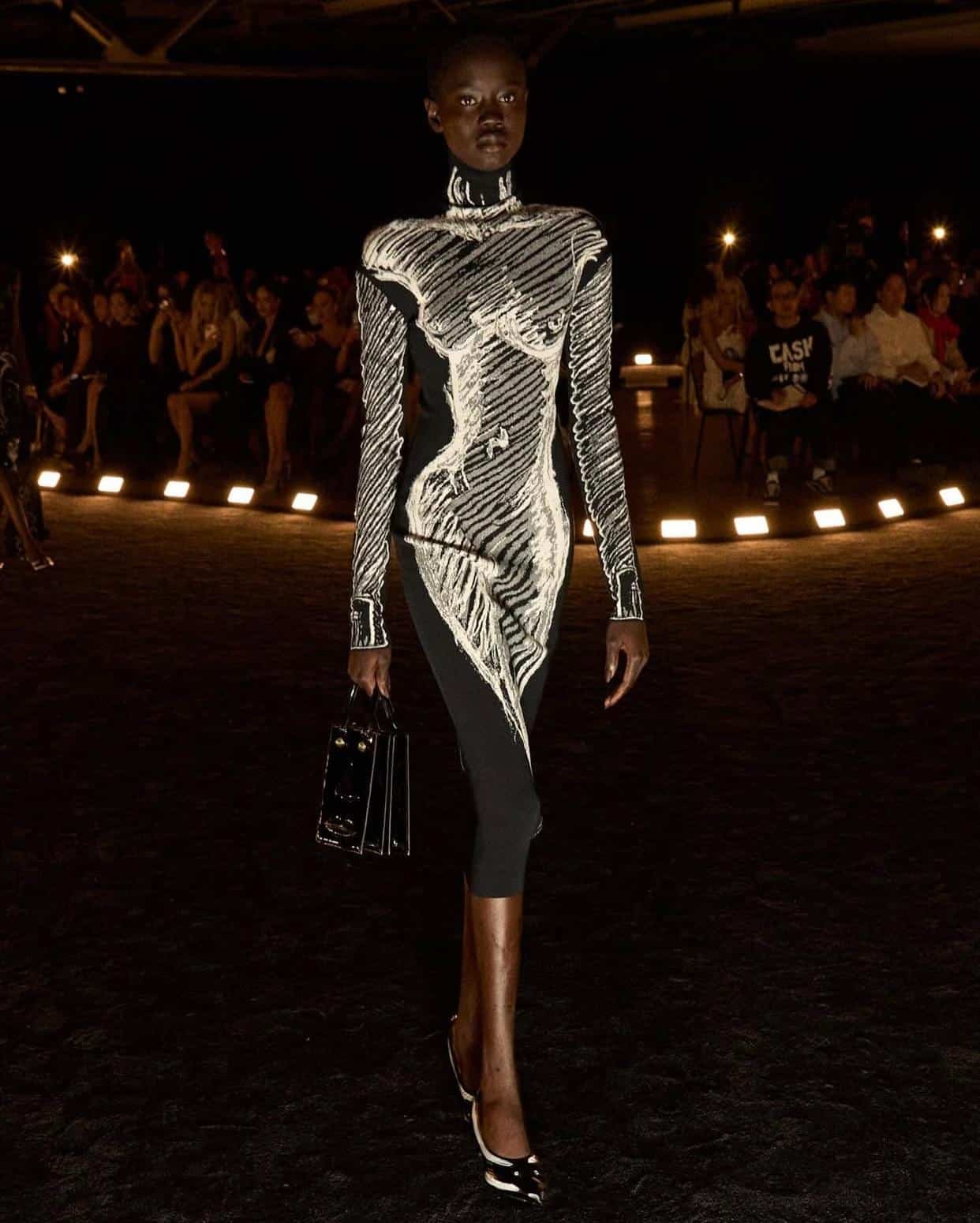
© Schiaparelli
STELLA McCARTNEY
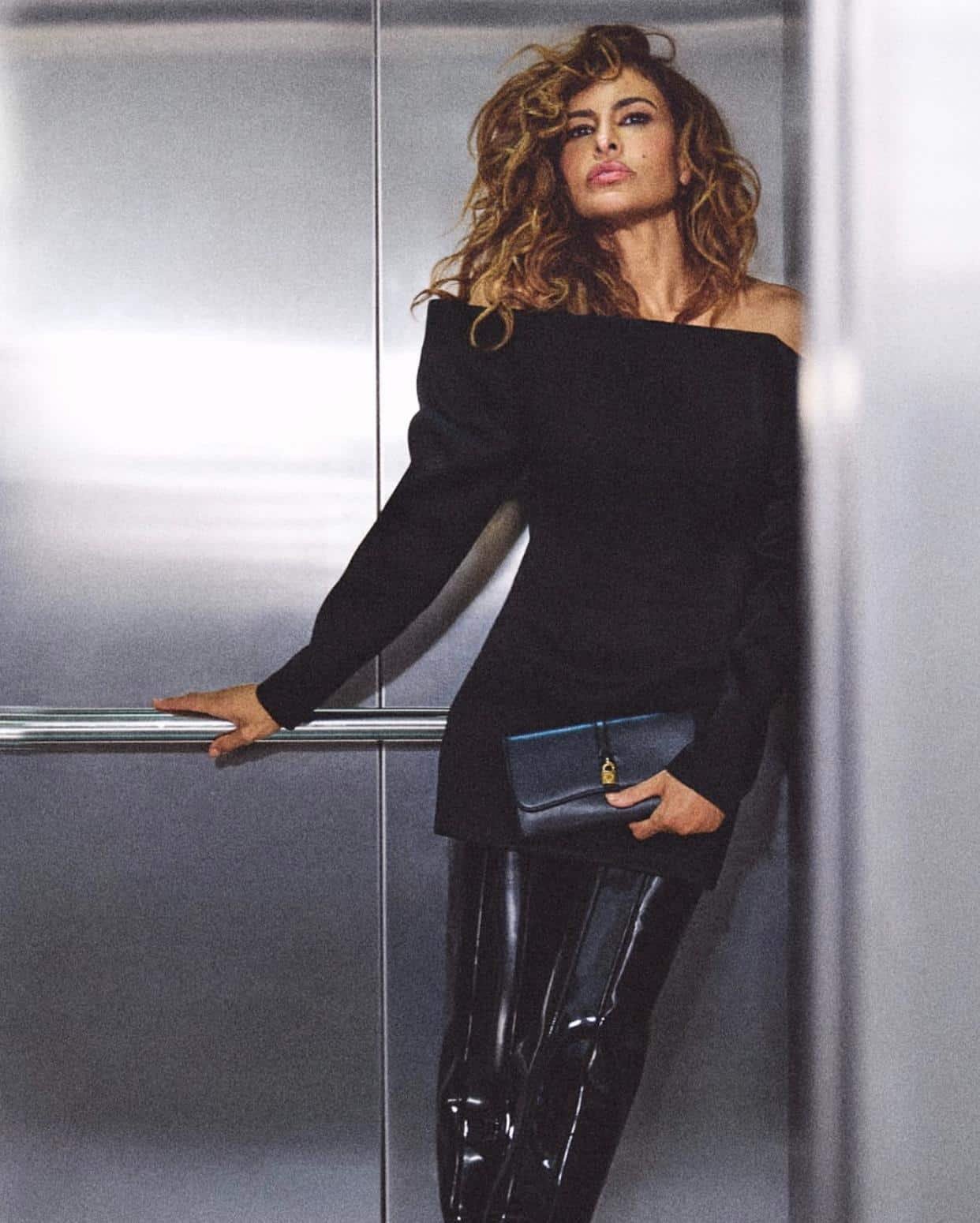
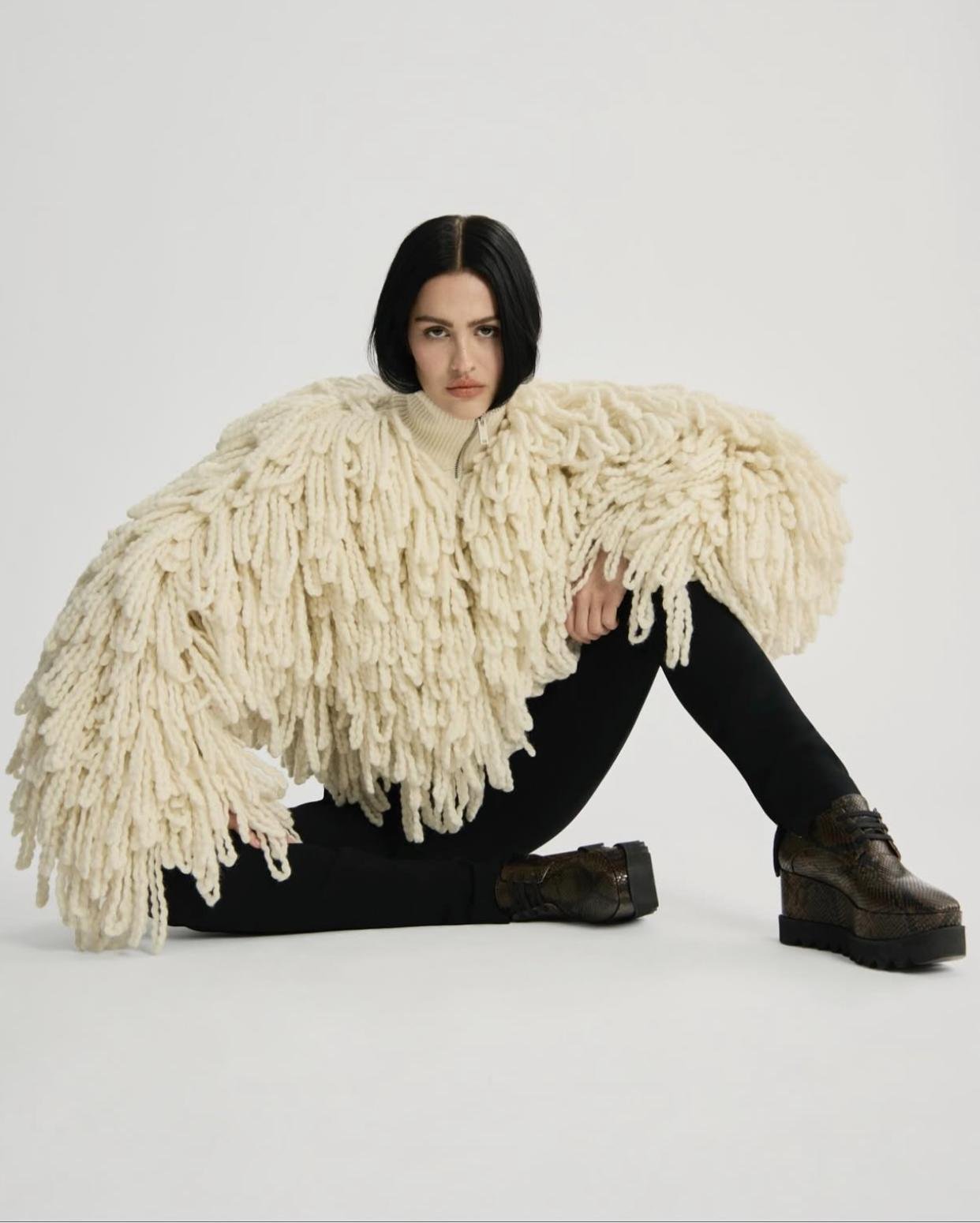


© Stella McCartney
TORY BURCH
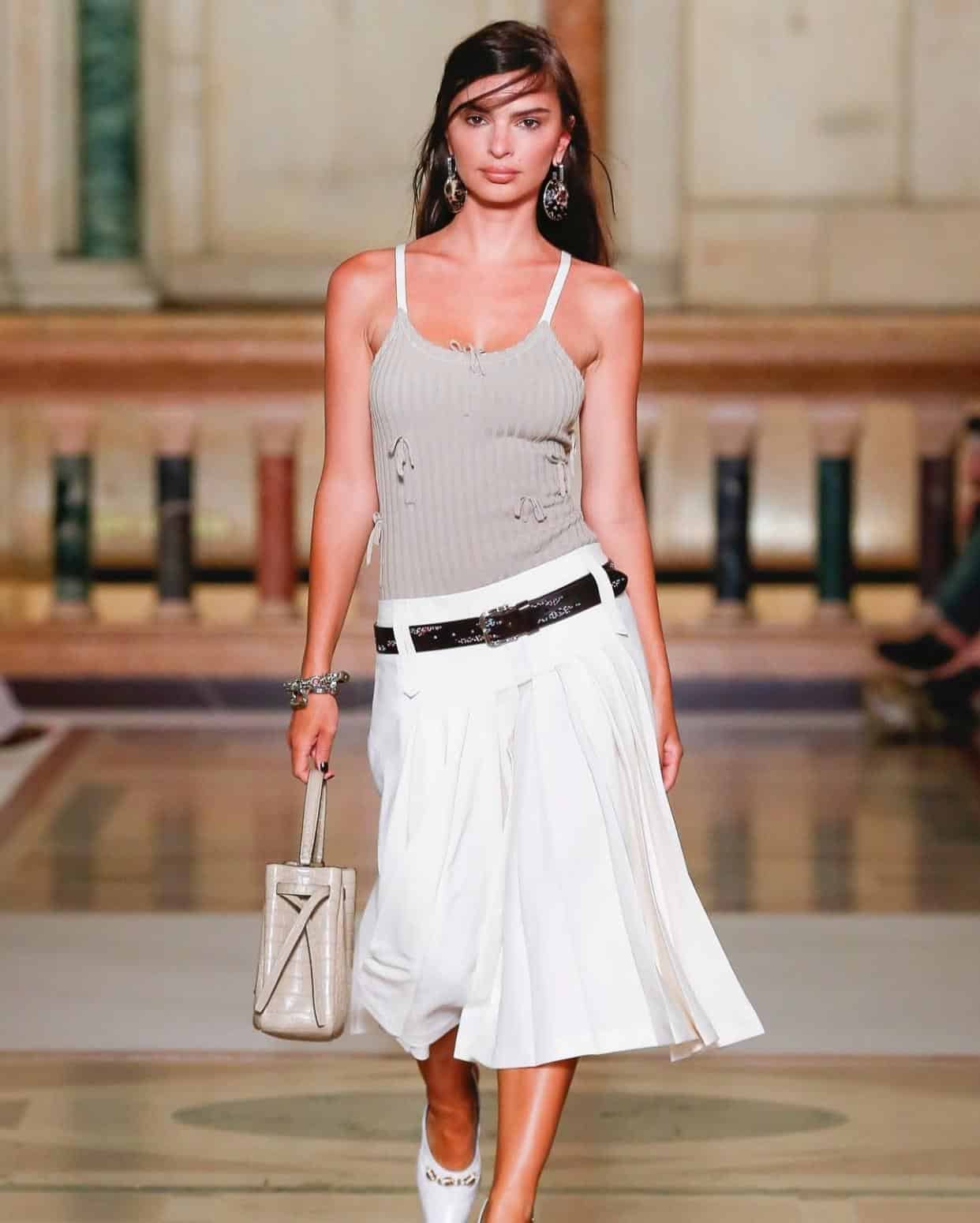
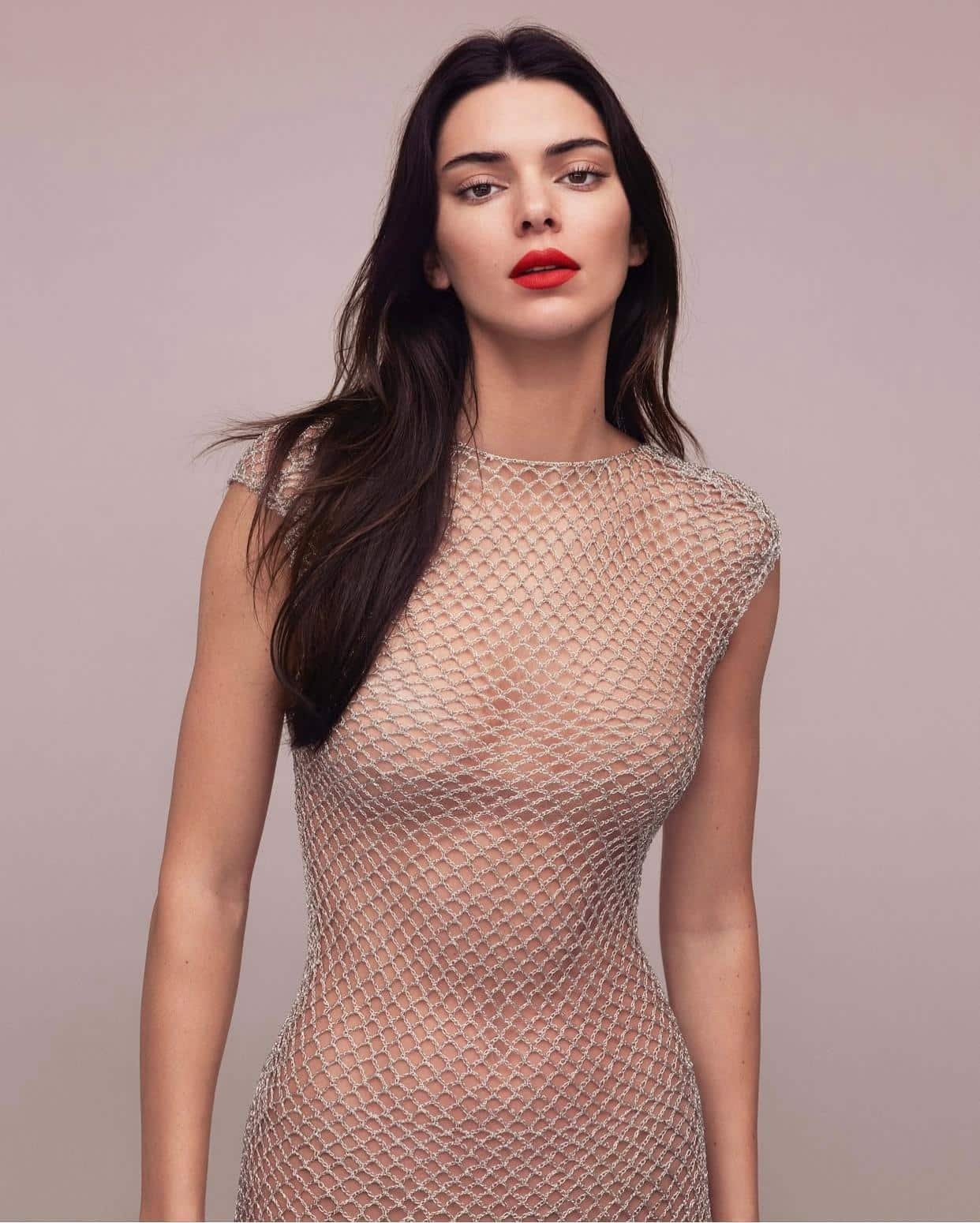
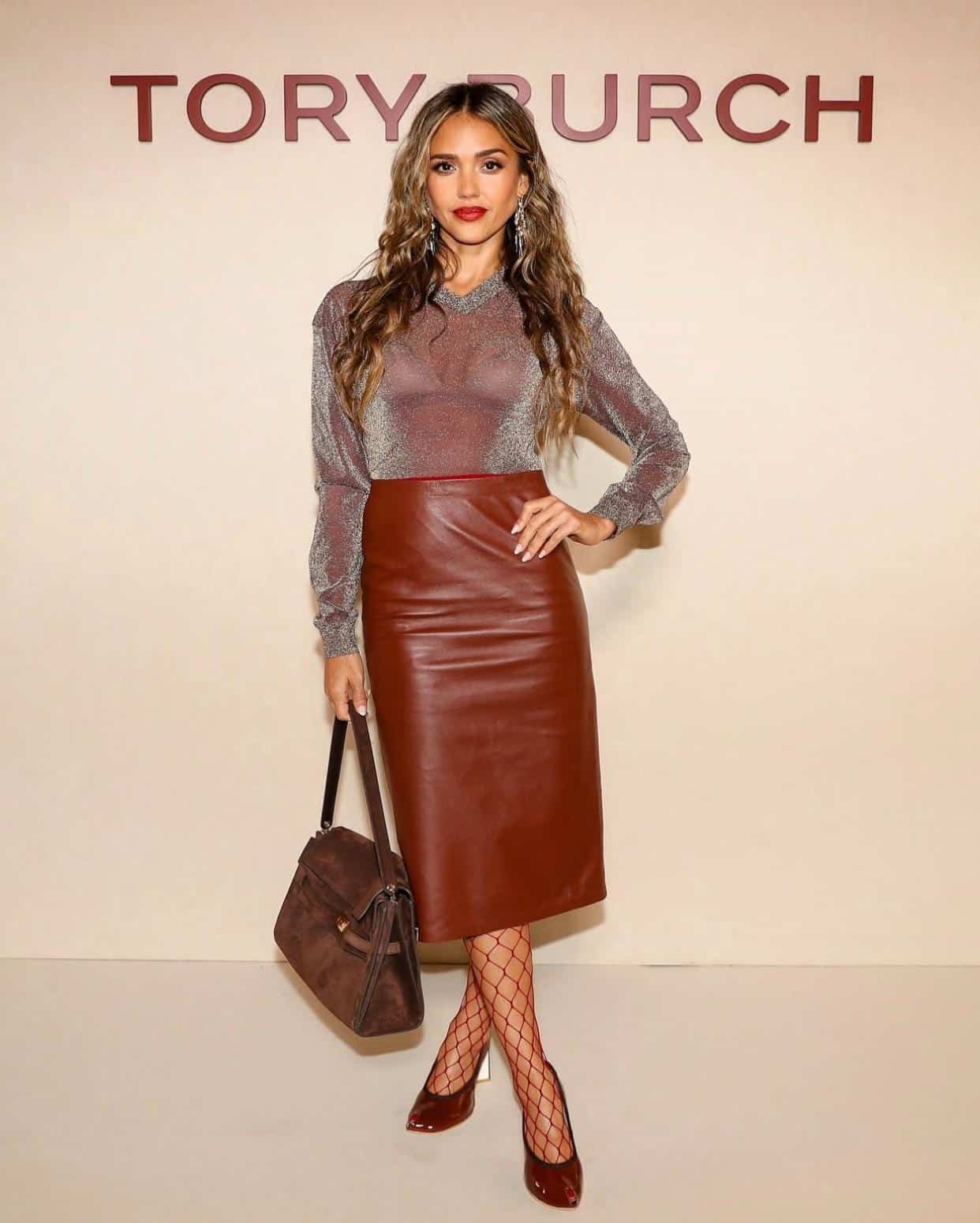
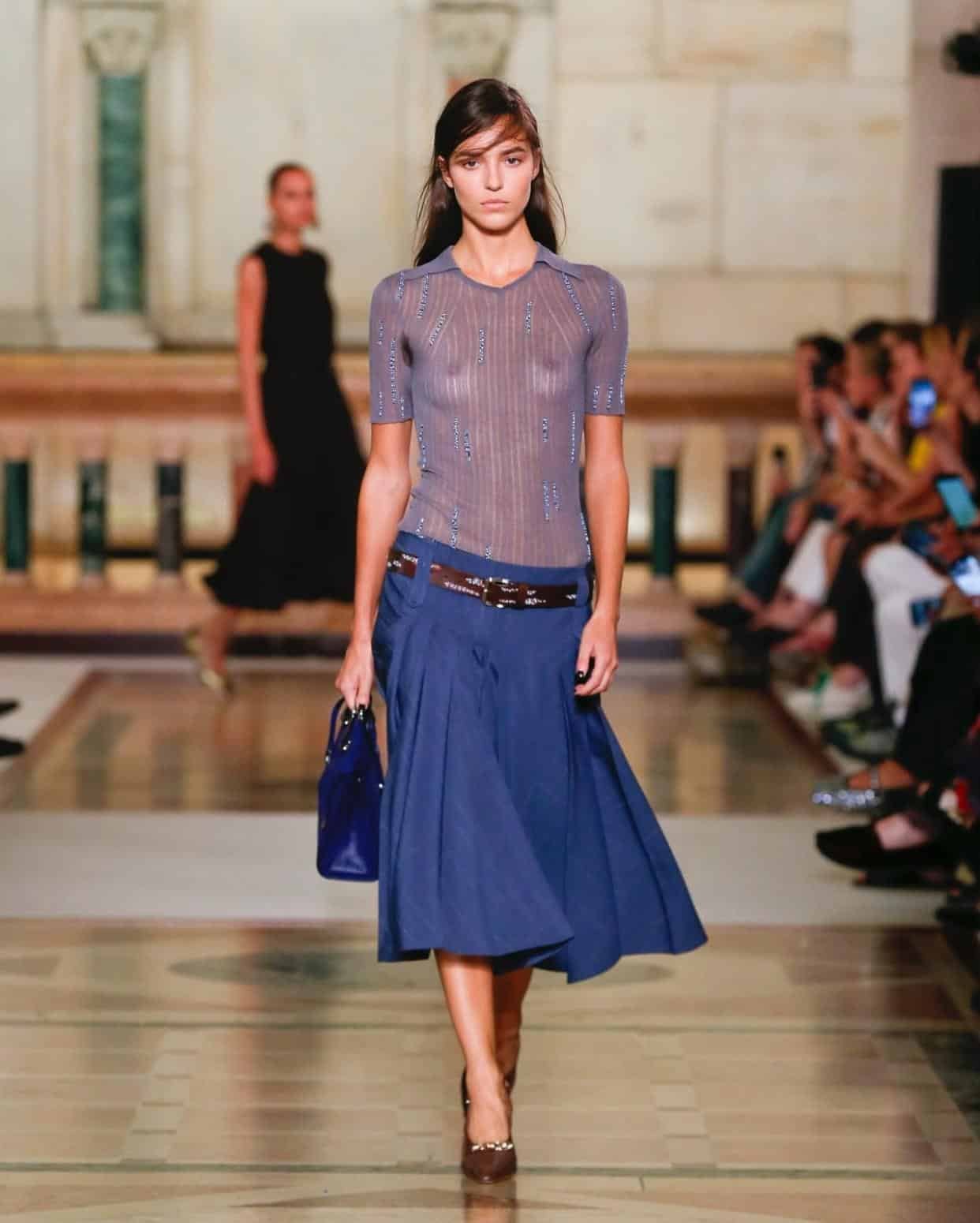
© Tory Burch