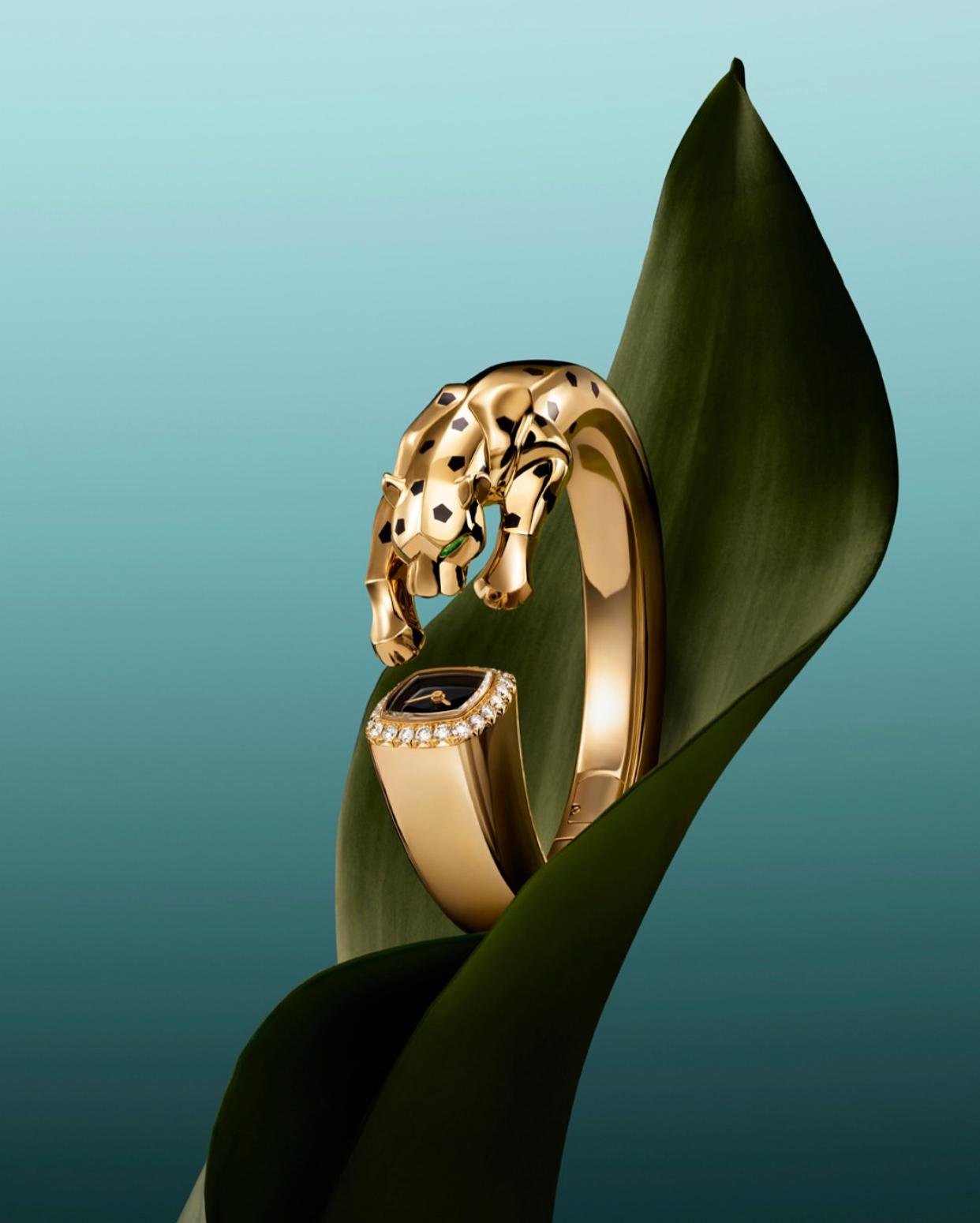
© Cartier
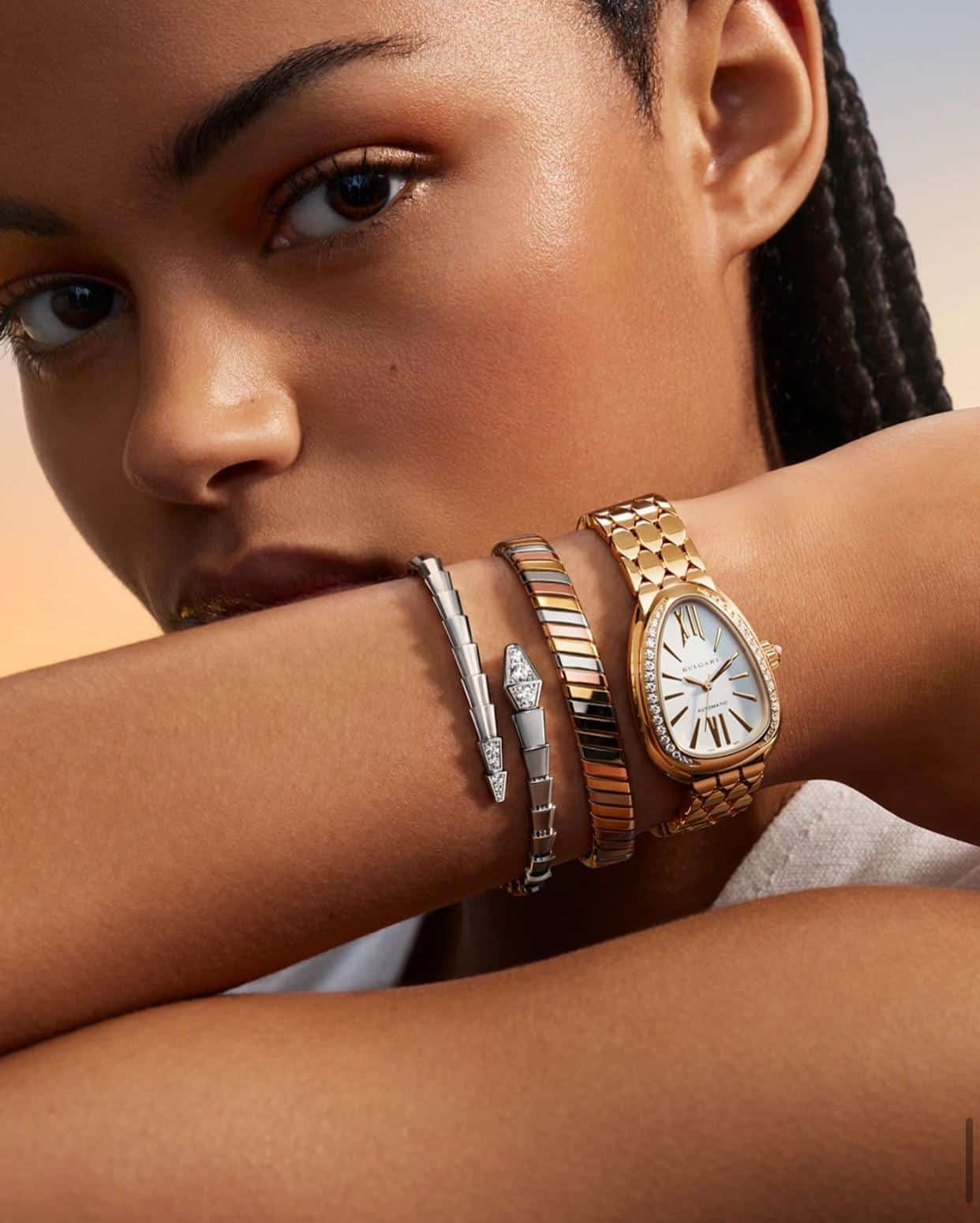
© Bvlgari
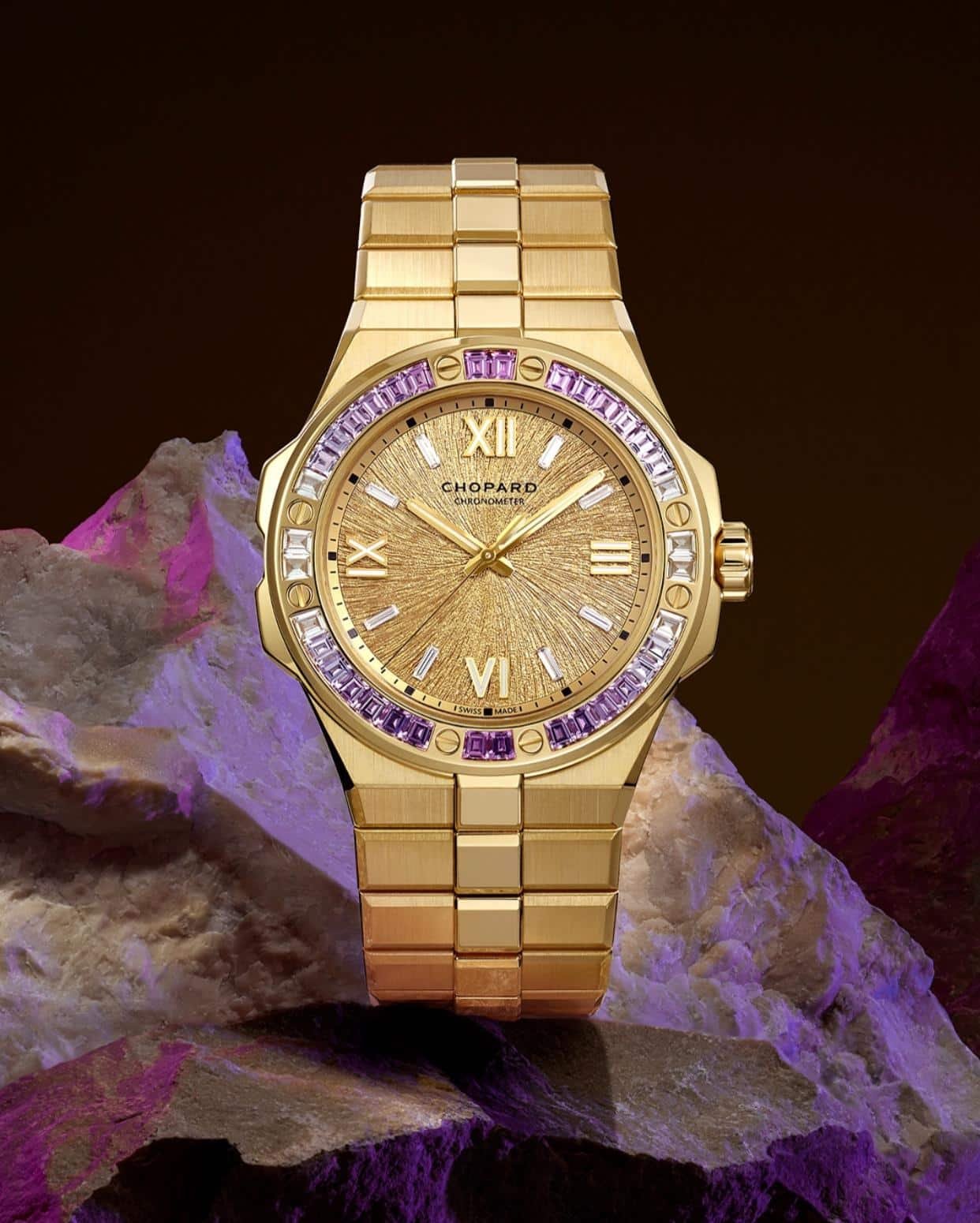
© Chopard
Women's Watchmaking
New York
In 1918, Louis Cartier gave the first prototype of the Tank watch to General John Pershing, commander of the American Expeditionary Forces, as a tribute. Two years later, the watch went on sale. Within a decade, it was on the wrists of women across New York who understood that a watch named after a military vehicle, presented to an American general, with Roman numerals and a sapphire cabochon set in the crown, was not a piece of jewelry. It was a position. The New York woman has always known the difference.
The Wristwatch · The Woman · The City · The Early History
Women were the first to wear watches on the wrist — long before men, who kept pocket watches through the nineteenth century and only adopted the wristwatch for practical reasons during the First World War. The earliest wristwatches of the late nineteenth century were decorative objects worn by women as bracelets, their timekeeping function secondary to their ornamental one. This changed in the twentieth century, as women's roles changed, and the watch began to carry a double meaning: still beautiful, still precise, but also a statement about a woman's relationship to time itself. In New York, that statement arrived with particular force. The women who built careers, ran companies, sat on boards, and moved through the city at pace needed watches that measured something real — not merely decorated the wrist. The Cartier Tank, the Rolex Lady-Datejust, the Patek Philippe Calatrava Ladies, the Jaeger-LeCoultre Reverso: each of these watches answered, in its own way, the question the New York professional woman was asking from the moment she put it on: does this hold up to what I actually do?
The New York Times · 1910 · The Wristwatch As "Silly-Ass Fad" · And Then Not
In 1910, The New York Times dismissed wristwatches as a "silly-ass fad." By 1916, the same paper admitted they were here to stay. This is the New York relationship to the watch on the wrist in miniature: initial skepticism, rapid reversal, total adoption. Jackie Kennedy received a Cartier Tank as a gift from her brother-in-law in 1963 and was photographed wearing it consistently for years — that watch sold for $379,500 at auction in 2017, the most expensive Cartier Tank ever sold. Andy Warhol, who spent his career in New York, wore a Tank Louis Cartier and declared it "the watch to wear" — while admitting he never wound it. Truman Capote, who gave one of his seven Tanks to a journalist on his birthday, was the Tank's most enthusiastic New York ambassador. Michelle Obama, Diana Princess of Wales, Meghan Markle: the Tank has passed through a century of women who wore it not because it was decorative but because it said something precise about who they were. That is the New York watch culture in its most concentrated form: the object as declaration.
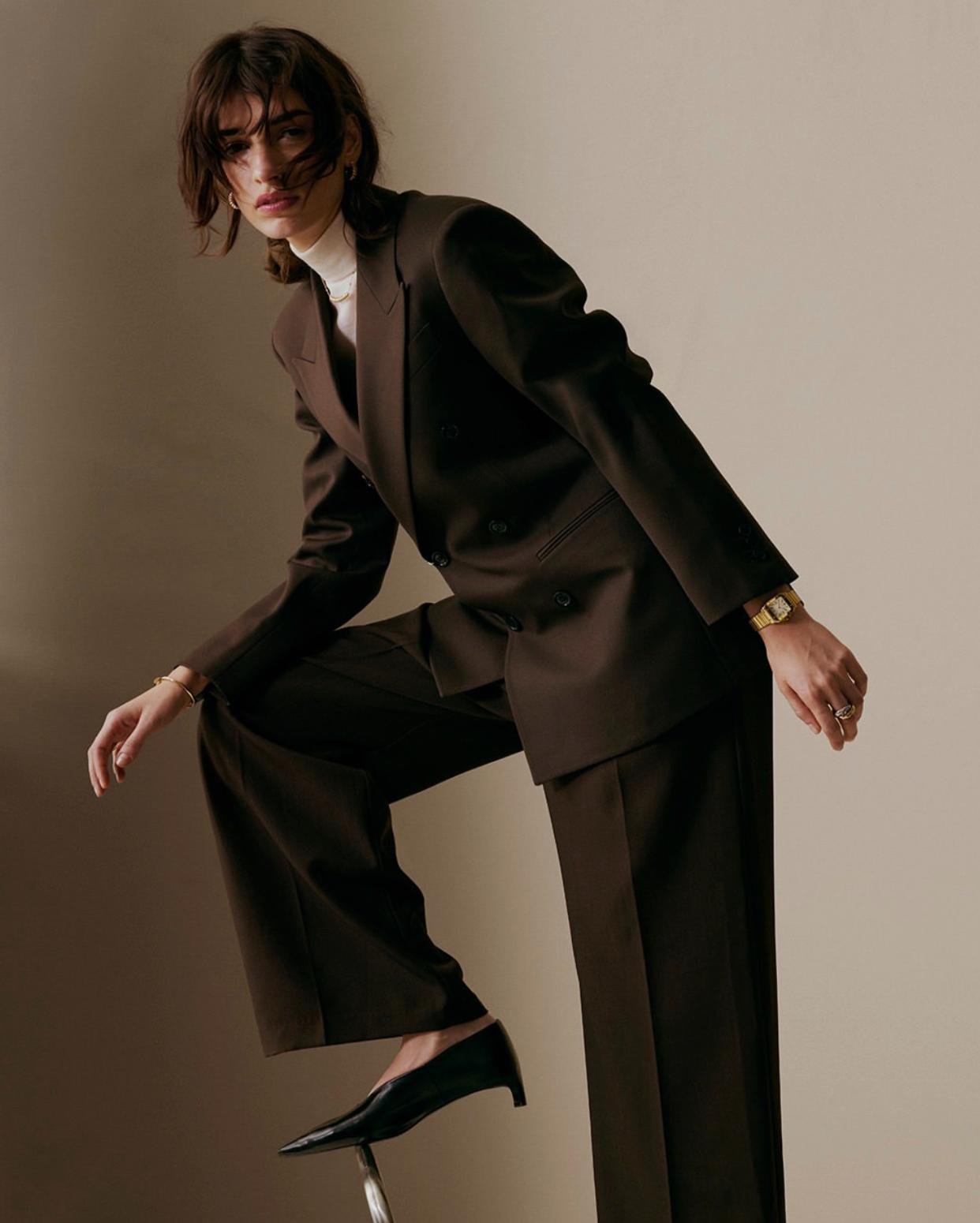
Cartier approaches watchmaking as architecture first — the Tank's brancards as load-bearing elements framing the dial, the Panthère's linked bracelet as a structural object that is also a building material, the Baignoire's oval case as a shape that fits the wrist like a room fits a person. The Tank, designed in 1917 and commercially released in 1919, remains the most copied watch silhouette in history: its four lines, Roman numerals, chemin de fer minute track, and sapphire cabochon crown have spawned a hundred imitations without producing a single equivalent. The Panthère de Cartier, introduced in 1983 and relaunched in 2017 with improved engineering, is the watch Madonna stacked with bangles in the 1990s, that Keith Richards wore with gold in the 1980s, that Gwyneth Paltrow wore continuously through the decade when every trend pushed against it — and emerged the other side still correct. At 653 Fifth Avenue, the Cartier boutique carries the full women's collection: Tank in all proportions and metals, Panthère in yellow and rose gold, Ballon Bleu in the ceramic and diamond editions, Baignoire for the wrist that wants something none of the others have.
The Lady-Datejust, introduced in 1957 as the women's version of the Datejust (itself the first waterproof, self-winding watch with a date display, launched in 1945), is the most durably relevant women's watch in the world — not because it is the most beautiful, though it can be, but because it works without compromise. The Cyclops magnifying lens over the date. The Oyster case that has been in continuous production since 1926. The Superlative Chronometer certification, which guarantees accuracy to plus or minus two seconds per day. The Jubilee bracelet, with its five-link construction, that sits on the wrist as comfortably after ten years of daily wear as on the first day. Women who are not watch people buy the Lady-Datejust because its reputation precedes any decision. Women who are watch people buy it because they have tested everything else and concluded that nothing works better for what a working day in New York actually demands. The 36mm Datejust is now the most frequently purchased size by women in the pre-owned market — evidence that the question of proportion has shifted decisively toward substance over convention.
Patek Philippe does not make women's watches in the sense of designing watches for women — it makes watches, some of which fit a smaller wrist, all of which operate at the same level of horological intelligence as the most complicated masculine pieces in the collection. The Twenty~4, introduced in 1999 for the woman who moves between professional and social contexts without changing her watch, carries a quartz movement in a rectangular integrated bracelet case: the logic of the Tank applied with Genevan finishing standards. The Ladies' Calatrava — the women's expression of the Calatrava family that has defined Patek's aesthetic since 1932 — is a round dress watch in precious metal with a hand-wound movement, made in numbers so small that waiting periods are counted in years. These watches do not appear on magazine covers. They appear on wrists of women who know exactly what they are holding and have no interest in explaining it to anyone who doesn't. New York has always had enough of those women to sustain the entire Patek allocation for the region.
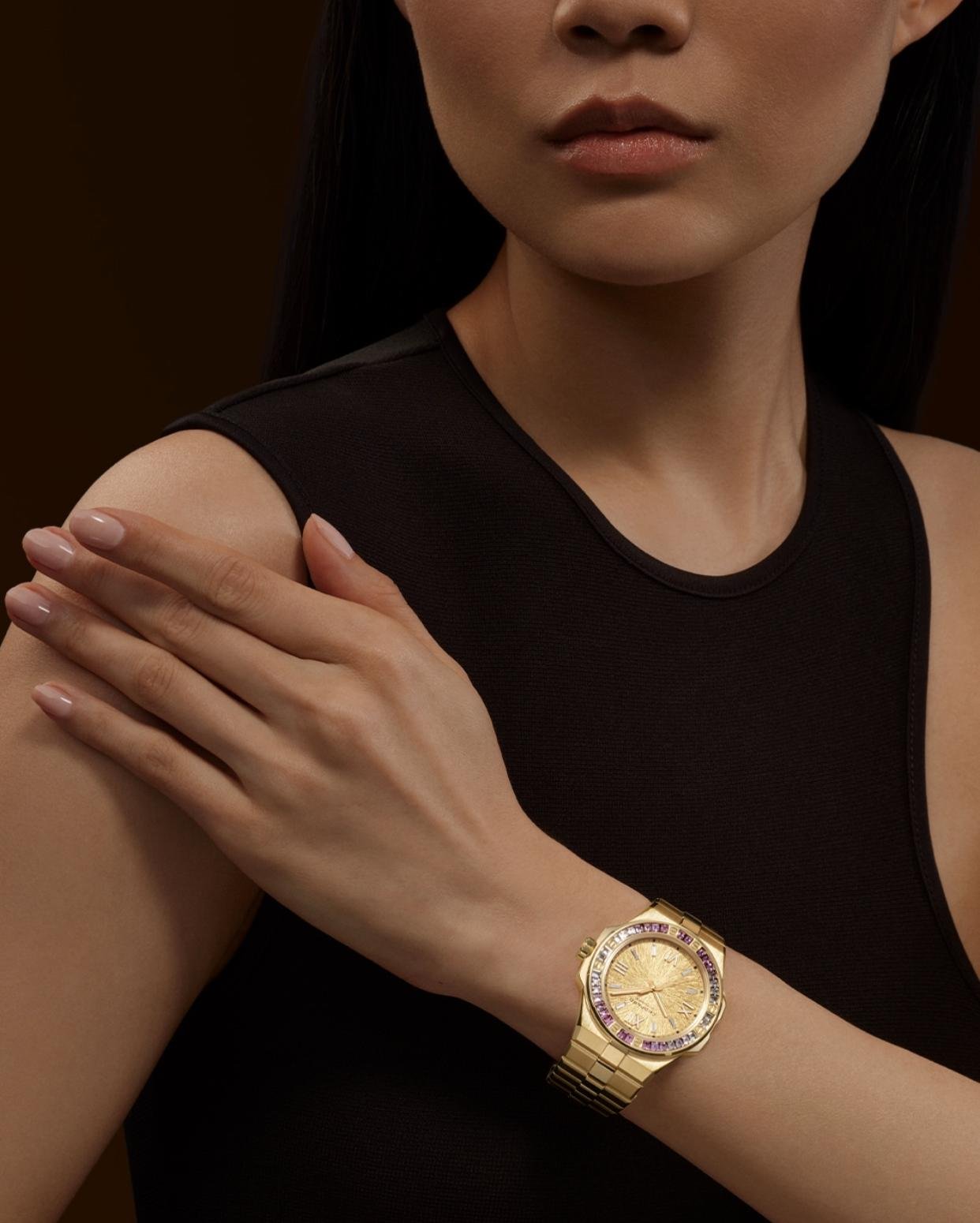
The jewelry houses produce watches that operate in a different register from Cartier, Rolex, and Patek — they begin from the object's aesthetic completeness rather than its horological credentials, which does not make them lesser but makes them different. The Van Cleef & Arpels Cadenas, introduced in 1935, sets a dial in a padlock-shaped case on a double serpent-chain bracelet — a watch that, removed from the wrist, reads as a bracelet, and on the wrist, reads as both simultaneously. The Bvlgari Serpenti winds around the wrist as a coiled snake, the dial set in the serpent's head: the watch as transformation, the body as the strap. Chanel's J12 in black or white ceramic is the watch that proposed, in 2000, that a woman could wear a sports watch for its formal properties — the ceramic polish, the integrated bezel, the absolute precision of the case edges. The Dior VIII at 23 East 57th Street is available in New York as part of the full Dior joaillerie-horlogerie offer — the watch that is also the house's visual vocabulary applied to a different kind of object.
The independent watchmakers — those not primarily known as jewelry houses or sports watch specialists — occupy the category of the women's watch that is chosen for its horological intelligence. The Jaeger-LeCoultre Reverso Duetto, a double-sided watch that allows the wearer to flip the case to reveal a second dial — originally designed in 1931 for polo players who needed to protect their crystal — carries two distinct personalities on a single movement, handcrafted and hand-finished to standards that the house has maintained since 1833. The Omega Constellation Manhattan's griffes — the four claws that secure the sapphire crystal — are a functional detail so well resolved they became decorative. The Omega Seamaster Aqua Terra in 38mm, which outsells its 34mm sibling among women in the authenticated pre-owned market, demonstrates the shift in women's watch culture toward substance over convention. The Tudor Clair de Rose proposes a serious movement — the same construction as Tudor's sports watches — in a case and bracelet conceived for the wrist that does not want a tool watch but wants to know one is there.
The New York pre-owned watch market is among the most developed in the world — a consequence of the city's density of serious collectors, its auction infrastructure at Sotheby's and Christie's, and the presence of 47th Street, where watch dealers alongside the diamond merchants have operated for decades. The women's watch resale market has specific dynamics: the Rolex Lady-Datejust in rose gold with diamond markers holds value with the reliability of the Oyster case itself. A vintage Cartier Tank Normale from the 1970s with an untouched dial commands a premium that exceeds many contemporary pieces. A Jackie Kennedy Tank, authenticated and documented, sold for nearly four hundred thousand dollars because of what it meant, not what it was. New York is the city where a watch's provenance — who wore it, when, in what context — is understood as a material component of its value. The secondary market here is not a discount market. It is the continuation of the same conversation the primary market began, with the additional dimension of time.
In 1910, The New York Times called the wristwatch
a "silly-ass fad."
In 1916, the same paper said it was here to stay.
Jackie Kennedy's Cartier Tank sold for $379,500.
Andy Warhol wore his Tank
and admitted he never wound it.
"I don't wear it to tell time," he said.
"I wear it because it's the watch to wear."
That is the New York relationship to the watch.
Not a tool. Not a jewel.
A declaration.
The woman who puts it on
has already decided
what she wants it to say.
Women's watchmaking divides, ultimately, into two philosophical positions that are not competing but complementary. The first is jewelry-first: the watch as an object whose beauty is primary, whose timekeeping is excellent but subordinate to the experience of wearing it. Cartier, Van Cleef, Bvlgari, Chanel — houses that began as jewelers and brought their visual intelligence to a case with a movement inside. The second is movement-first: the watch as a precision instrument whose form follows its function, whose beauty emerges from the resolution of engineering problems. Rolex, Patek Philippe, Jaeger-LeCoultre, Omega — houses that began as watchmakers and developed aesthetics to serve the object's purpose. New York has always held both positions simultaneously without resolving the tension between them, because the New York woman has always moved between the contexts that require each. The morning meeting calls for the Datejust. The evening event calls for the Panthère. The collector who knows what she wants may call for neither — and reach for the Reverso that has been on her wrist every day for fifteen years, wound by hand every morning before the city begins.
In 1918, a French jeweler gave a watch
named after a tank
to an American general.
Two years later, women in New York
were wearing it.
One hundred years after that,
Jackie Kennedy's is worth $379,500
and Andy Warhol's never told the time.
The New York woman knows
what a watch is for.
It is not to know the hour.
It is to hold your position in the room
while doing everything else.
BVLGARI
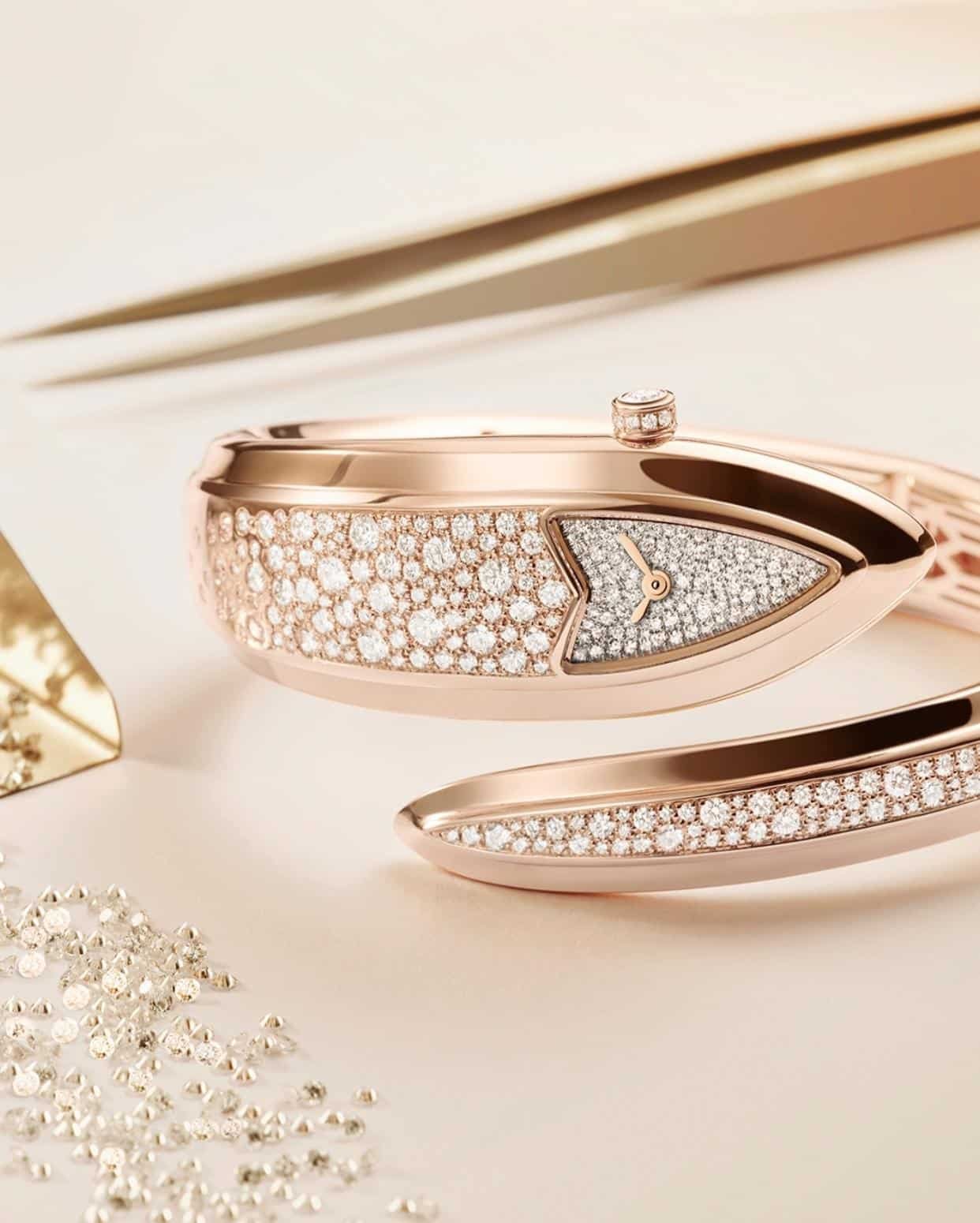
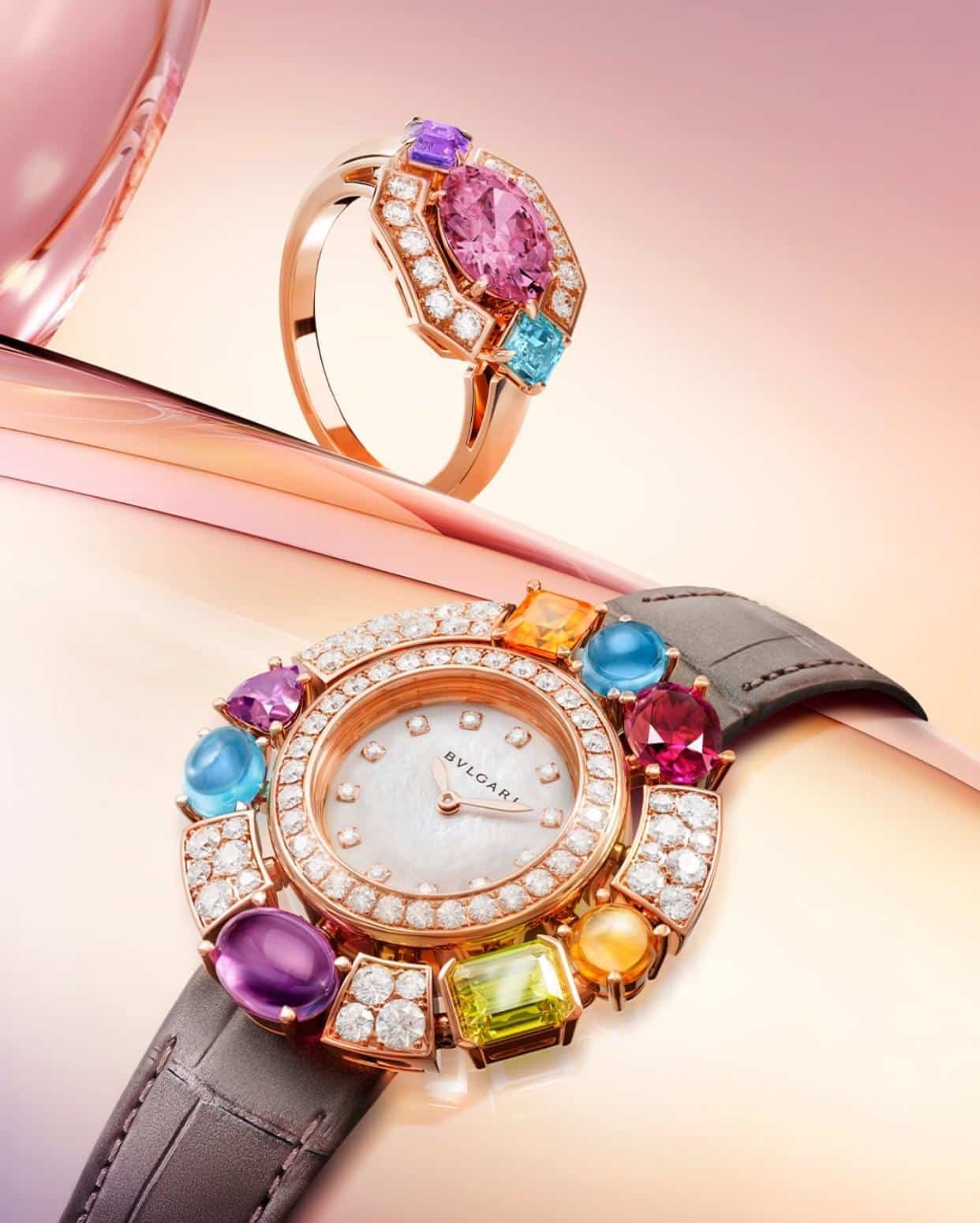
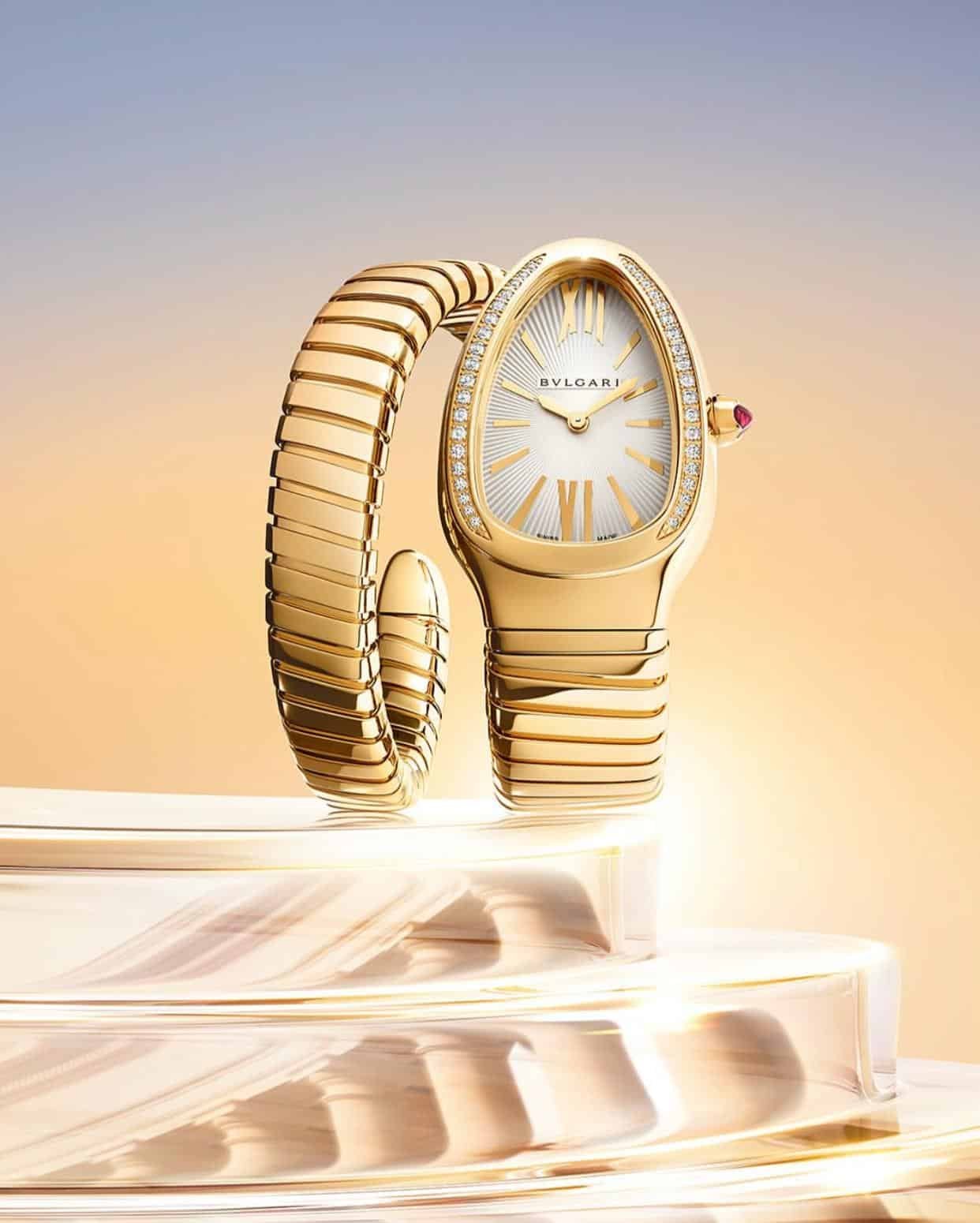
© Bvlgari
CARTIER
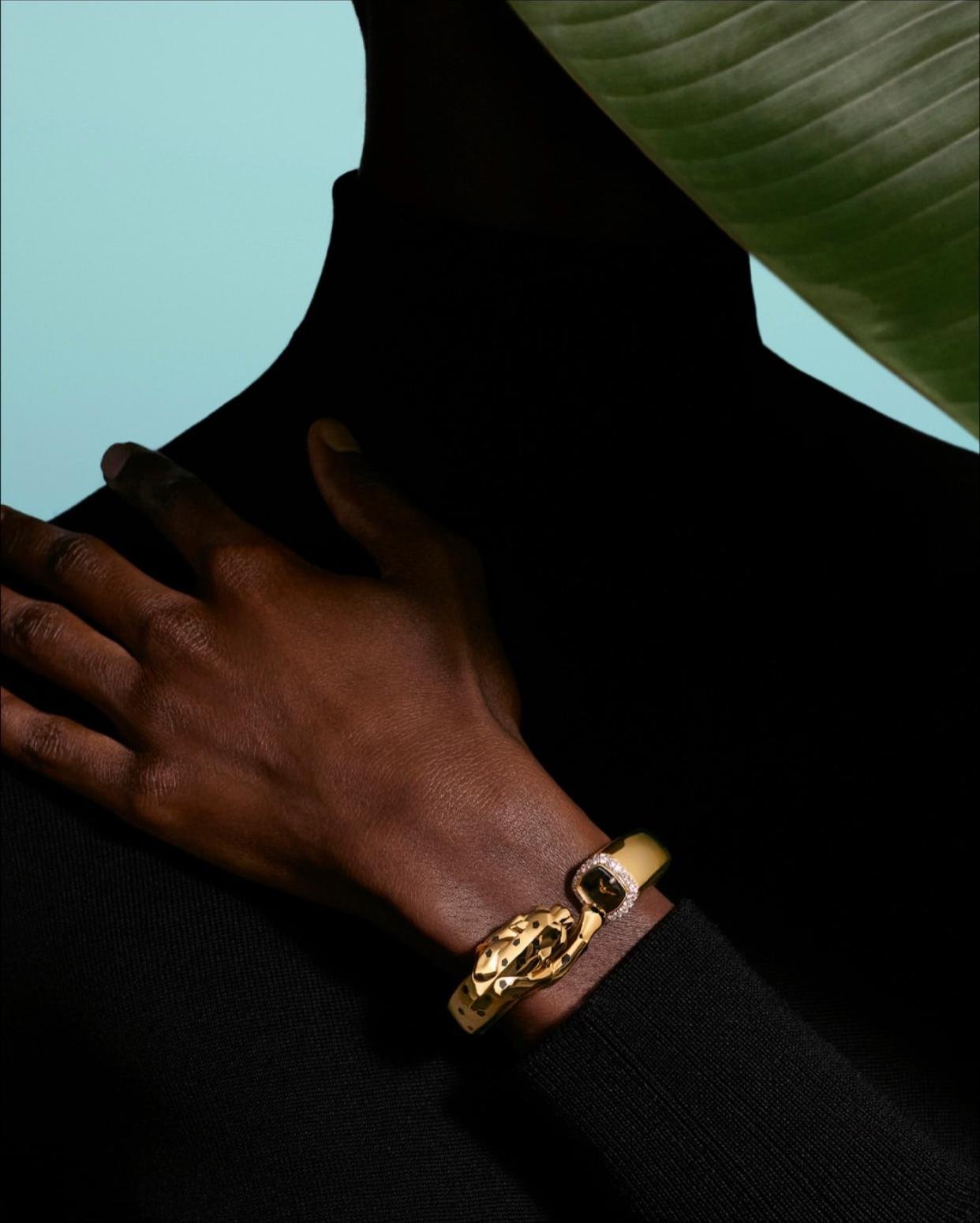
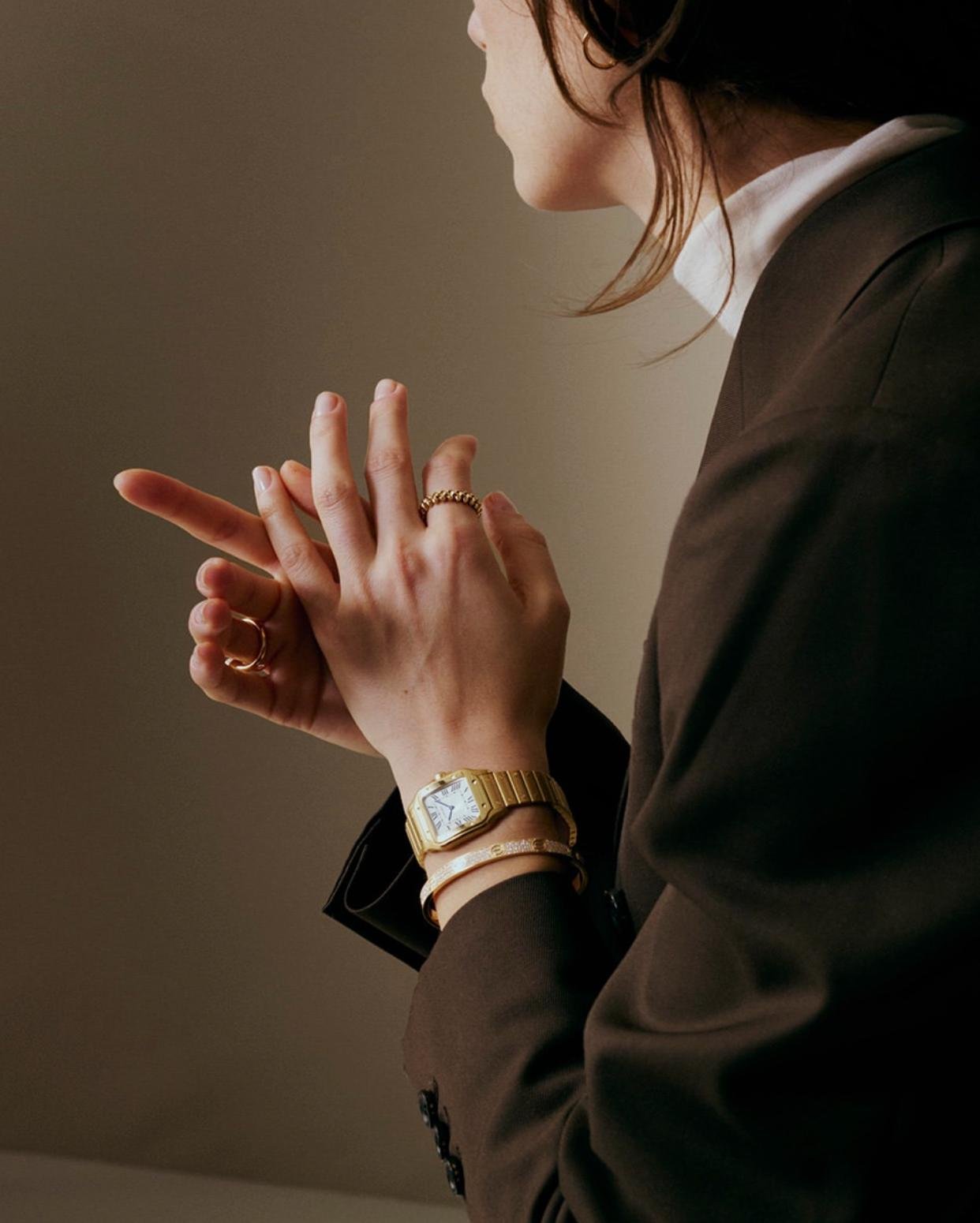
© Cartier
CHOPARD
© Chopard