© Cartier
© Cartier

© Cartier
Men's Watchmaking
New York
In his novel American Psycho, Bret Easton Ellis mentions Rolex twenty-six times. The film adaptation, released in 2000, does not say the word once — Rolex declined to be associated with the character. But the culture Ellis was describing was so precisely real, so specifically New York, that the watch communicates itself without being named. Patrick Bateman says "don't touch the watch." Every Wall Street analyst in the theater knew exactly which watch he meant.
The Wall Street Watch · The New York Vocabulary · The Object As Argument
The men's watch in New York is not a piece of jewelry. It is not a decoration. It is, at its most direct, an argument — a compressed statement about the wearer's position, ambition, taste, and relationship to time. No other city on earth has developed a men's watch culture this specific, this legible, and this socially loaded. The Rolex Submariner, introduced in 1953 as a diving instrument waterproof to one hundred meters, became Wall Street's standard-issue status object so completely that it is barely noticed anymore on the wrists of junior analysts — which is precisely the point. The Patek Philippe Nautilus, designed by Gérald Genta in 1976 on a paper bag in an overnight commission, is the watch a man buys when he is done proving himself with a Rolex and wants something that requires the other person to already know what they are looking at. The Audemars Piguet Royal Oak, also by Genta and also 1972, is the watch a man wears when he has decided the conversation about watches is over. These three objects — the Submariner, the Nautilus, the Royal Oak — form the canonical trilogy of New York men's watchmaking. They were not designed in New York, but they were defined here, on the wrists of the people who wore them in contexts that gave them their social meaning.
Warren Buffett · The Day-Date · The Watch For Decades
Warren Buffett has worn the same 18-karat yellow gold Rolex Day-Date President for decades. He has lived in the same house in Omaha since 1958. He drove the same Cadillac for ten years. He said in 2008 that luxury watchmakers like Rolex were great companies, and that Rolex knew his phone number — but had not called. He was not buying. He was wearing. That distinction is the New York men's watch culture at its most concentrated: the watch is not an investment instrument (though it frequently appreciates as one), not a status signal (though it functions as one), but a decision made once and maintained. The Day-Date President — launched in 1956 as the first waterproof automatic watch to display both the day and date in full, in precious metal only, a watch that has been on the wrists of every American president since Eisenhower — is the watch that says the decision has already been made and will not be revisited. New York is full of men with that watch and that attitude. It is not always the most interesting choice. It is frequently the most correct one.
Rolex is the most recognized luxury watch brand in the world, and its New York presence — at 6 East 57th Street alongside the Louis Vuitton temporary flagship, at authorized dealers throughout the city, and most densely on the wrists of men in every professional context — is not an accident. The Submariner is the Rolex worn by those who want the tool watch's authority. The GMT-Master II, originally designed for Pan Am pilots in 1955 to read two time zones simultaneously, is the Rolex for those who move between them. The Daytona, named after the Florida racetrack and designed for precision timing on the circuit, reached its canonical status in the auction room: Paul Newman's Daytona sold for $17.8 million, which is the most expensive Rolex ever sold and one of the most expensive wristwatches in history. The Day-Date is the Rolex for those who have concluded the conversation. The Datejust is the Rolex for those who have not. Each reference is a specific position, and New York — where position is everything — reads them all fluently.
Patek Philippe does not advertise. Its most famous campaign — "You never actually own a Patek Philippe. You merely look after it for the next generation" — is the most precise articulation of what the New York watch collector is actually purchasing when he acquires one: not an object but a position in a chain of custody. The Nautilus, which Genta designed overnight in 1976 on a paper bag and which Patek's management reportedly hated at first, became the most sought-after steel sports watch in the world — a status so intense that Patek discontinued the reference 5711 in 2021, producing a final edition in Tiffany Blue in partnership with Tiffany & Co., of which 170 pieces were allocated and one sold at auction within weeks for $6.5 million. The Calatrava, the round dress watch that has defined Patek's aesthetic since 1932, is the other pole of the collection: classical, manually wound, hand-finished in ways that are only visible under magnification, worn by men who understand what they are looking at. New York allocates Patek through authorized dealers in systems so opaque they resemble the social structures of the Diamond District: relationship-based, not transactional.
The Audemars Piguet Royal Oak arrived in 1972 as a deliberate provocation: a steel watch — the material of tool watches — priced at the level of gold dress watches, with an octagonal bezel, exposed hexagonal screws, and an integrated bracelet designed to look like it could not have been designed otherwise. Genta completed the design overnight after being called by AP's leadership at the last moment for the 1972 Basel watch fair. The Royal Oak was not initially well-received; it took years to find its audience. That audience, once found, was New York — specifically the financial community that understood that wearing steel at a gold price was the most precise possible statement about the relationship between appearance and value. The Royal Oak in steel at full retail, when available, is a meaningful investment. The Royal Oak in steel at auction, in a sought-after reference, is frequently several times retail. The watch is in production, theoretically available, and practically impossible to obtain through official channels at retail — the New York market condition that has come to define the entire luxury sports watch category.
The man in New York who has moved through the canonical trilogy — Submariner, Nautilus, Royal Oak — and is looking for what comes after generally arrives at one of the independent watchmakers whose names require, and reward, the additional attention. Vacheron Constantin, founded in 1755 and the oldest continuously operating watch manufacturer in the world, produces the Overseas collection as its sports watch — the answer to the question of what comes after Audemars Piguet. A. Lange & Söhne, the German house that survived East German nationalization and was refounded in 1990 on the day German reunification was formalized, makes watches in a technical and visual language — the Lange 1's asymmetric dial, the Datograph's flyback chronograph — that operate at a remove from the Swiss mainstream entirely. F.P. Journe, whose movements are produced in 18-carat rose gold because Journe believes it improves their stability, is the watchmaker's watchmaker: the choice of collectors who no longer need the brand to be recognized by anyone outside the room. Richard Mille, whose watches use aerospace materials, Formula One engineering, and eight-figure price points, is New York finance at its most unrestrained: the watch as a physical proof of what one is prepared to spend.
The men's watch secondary market in New York is concentrated on West 47th Street alongside the diamond dealers who have operated there since the 1940s — a juxtaposition that is not accidental. Watches and diamonds share the same fundamental economics: portability, scarcity, and a trust-based transaction network that operates on reputation rather than receipt. The dealers on 47th Street — many of them family businesses, multi-generational, with the same relationship-based operating logic as the diamantaires beside them — offer a secondary market for Rolex, Patek, Audemars, Richard Mille, and the full spectrum of serious men's watchmaking at prices that reflect the actual market rather than the fiction of retail availability. A steel Rolex Submariner purchased at retail in 2018 for approximately nine thousand dollars is worth considerably more in 2026. A Patek Nautilus 5711 purchased at retail and placed in the secondary market immediately after sale has, on documented occasions, produced returns that exceed many financial instruments. New York is where men discuss these returns at dinner, compare references over drinks, and track waitlists as they once tracked stock prices. The watch has become the city's dominant object of masculine conversation.
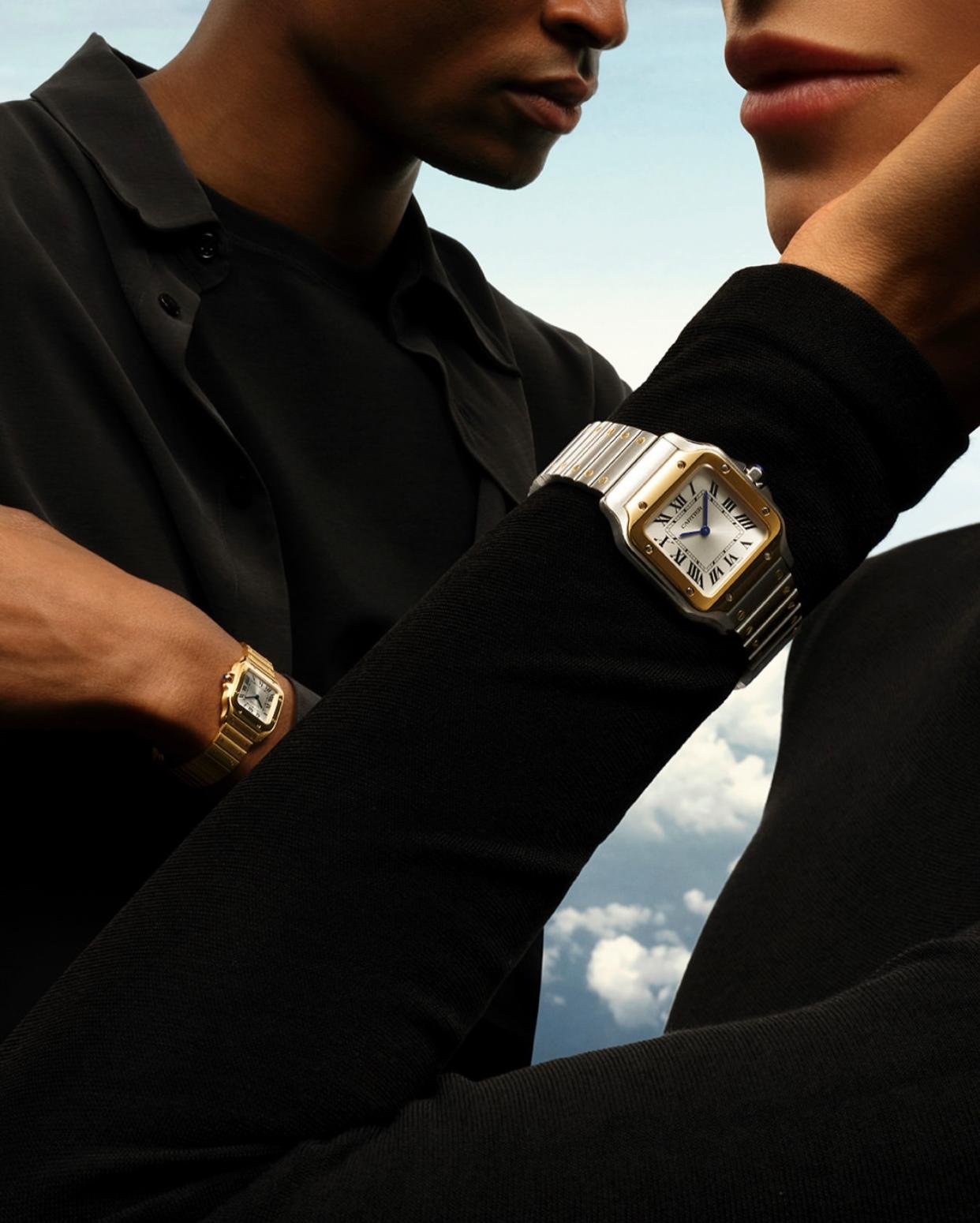
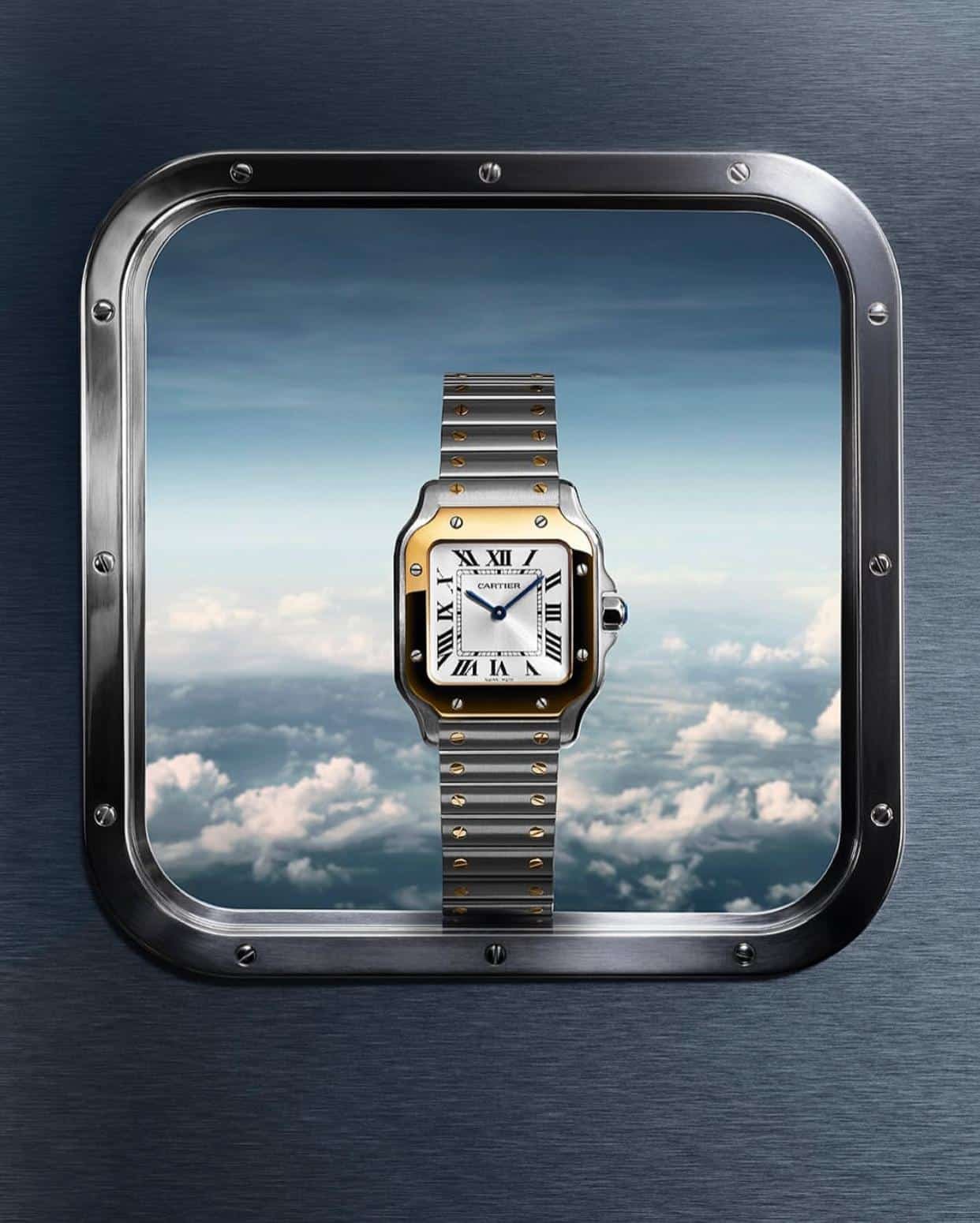
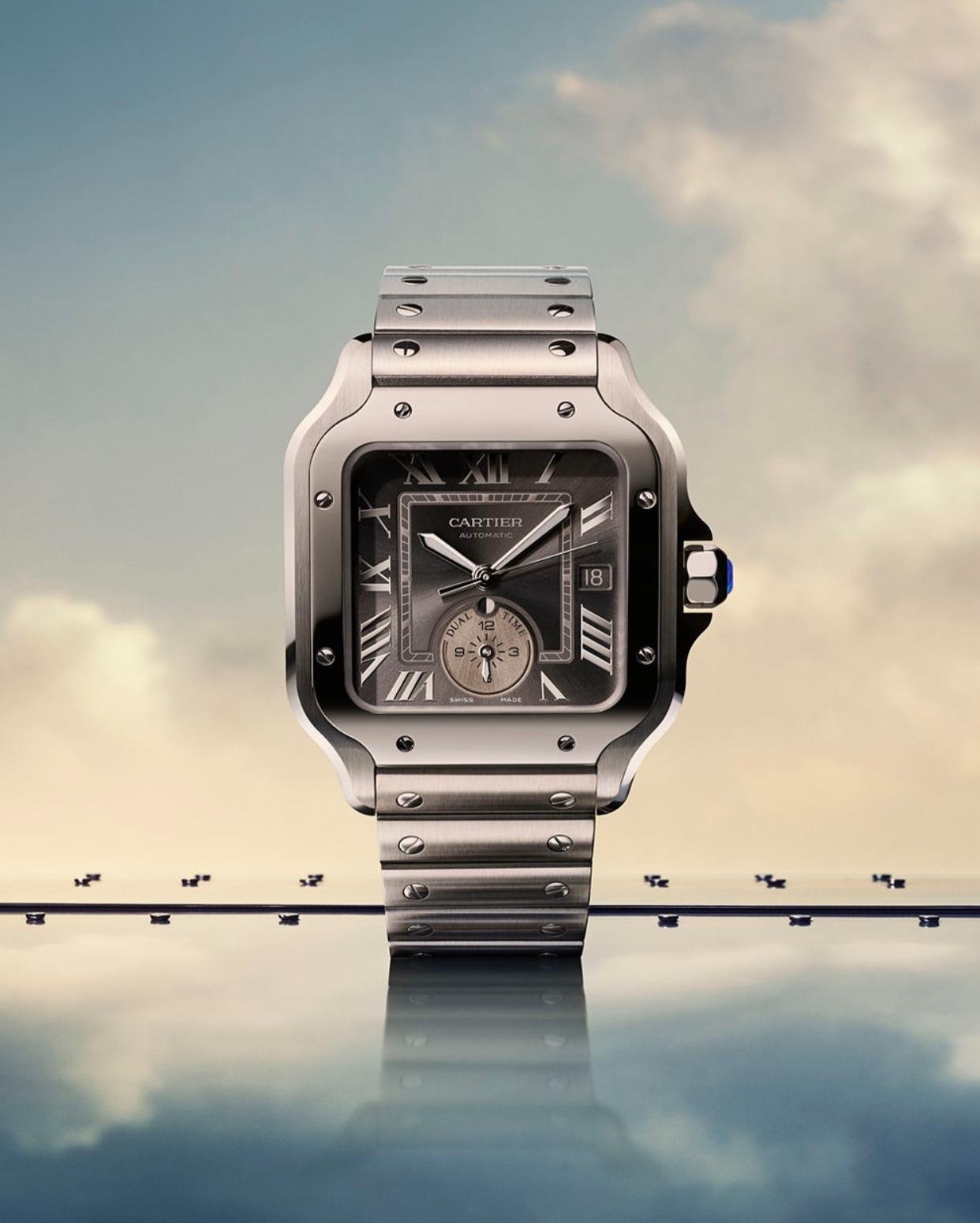
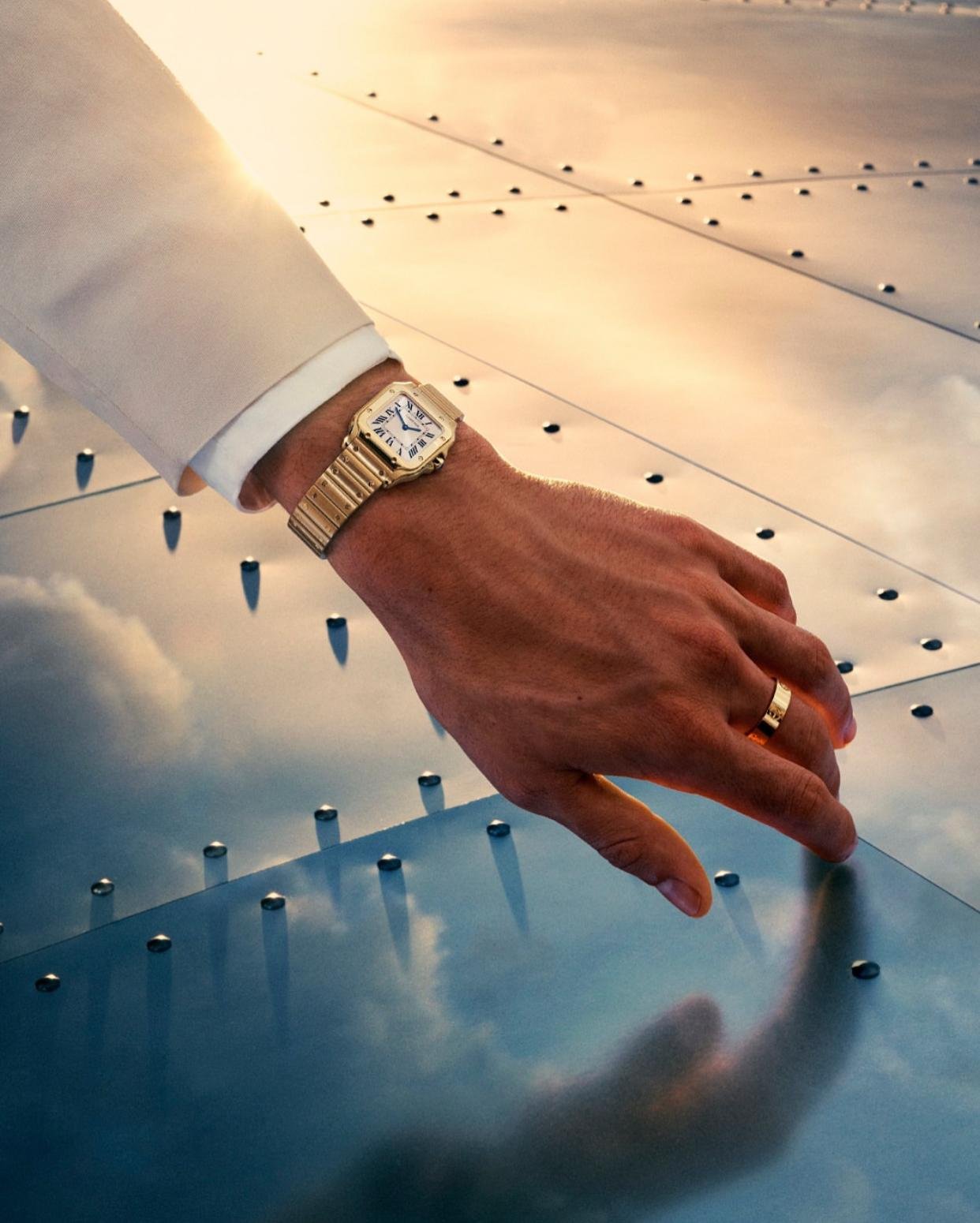
Not every man in New York wants the canonical sports watch trilogy or the complications of the independent watchmakers. A significant category of the men's watch market operates in the register of the professional or tool watch — objects designed for specific functions that have acquired cultural meaning through use rather than status. The Cartier Santos, introduced in 1904 as the first men's wristwatch designed for an aviator (Alberto Santos-Dumont needed to read the time while flying without removing his hands from the controls), is the Cartier men's watch worn in contexts where the Tank would be too delicate and the Submariner too casual: the Santos sits at the intersection of Parisian elegance and genuine utility, a watch that communicates both. The Omega Speedmaster, worn on the moon during Apollo 11 in 1969 — the only watch to pass NASA's testing requirements — carries a factual authority that no amount of marketing can replicate. The IWC Pilot's Watch, the Breitling Navitimer, the Omega Seamaster: each of these watches proposes a relationship to function over form that the New York market, which respects both, has always understood as a different but equally valid position.
Bret Easton Ellis mentioned Rolex
twenty-six times in American Psycho.
The film says the word zero times.
Rolex declined the association.
Patrick Bateman says "don't touch the watch."
Everyone in the theater knew which watch.
Warren Buffett has worn the same Day-Date
for decades.
He said Rolex knows his phone number
but hasn't called.
He is not buying.
He is wearing.
That is the difference.
In New York, the men who understand it
are the ones worth watching.
The New York men's watch journey follows a recognizable arc that the city's watch dealers, auction houses, and collectors have observed for decades. It begins with the Rolex Submariner — the entry to the serious market, the watch that announces the intention without requiring explanation. It proceeds, usually after years of daily wear and some research, to the Patek Philippe Nautilus or the Audemars Piguet Royal Oak — the watch that requires the other person to understand what they are seeing, which filters the conversation to those worth having it with. It concludes, for those who go further, somewhere in the territory of Vacheron, Journe, or Lange — the watch that requires no external recognition at all, that is worn for its own reasons by someone who has moved entirely beyond the social function of the object and arrived at the purely horological one. This arc is not universal — there are men who go straight to Patek and never look back, men who wear a Submariner every day for thirty years and consider the question closed — but it describes the logic of a city that understands the watch as a form of progress: the object you reach when you have become the person who deserves it. New York is the city that takes that idea most seriously. The auction records set here are the proof.
A novel mentioned Rolex twenty-six times.
The film couldn't say the name.
It didn't need to.
On 47th Street, the dealers know the references
by weight before they see the dial.
Warren Buffett hasn't changed his watch
since the house in Omaha.
Paul Newman's Daytona sold for $17.8 million
because of what it meant
to the man who wore it every day.
The Submariner on the analyst's wrist
says what his business card already says
but with more precision.
In New York, the watch speaks first.
The man behind it
spends the rest of the meeting
living up to it.
CARTIER
© Cartier