
© Tiffany & Co
© Tiffany & Co
© Tiffany & Co
Tiffany & Co.
Charles Lewis Tiffany founded his house in New York in 1837. In 1886, he introduced the six-prong solitaire setting that transformed the engagement ring into the object we recognize today. In 2023, LVMH reopened The Landmark on Fifth Avenue — the largest jewelry store in the world — with a glass blue box floating above the limestone, lit at night in Tiffany Blue. The address has not moved in eighty-three years.
New York · 1837 · The American Standard
Tiffany & Co. is the only major luxury jewelry house that was founded in New York and has remained centered in New York throughout its entire history. Charles Lewis Tiffany opened his first store on Broadway in 1837 — a stationery and fancy goods shop that evolved, over decades, into the most recognized fine jewelry brand in the United States. His son Louis Comfort Tiffany brought the Art Nouveau movement into American decorative arts through the stained-glass windows and lamps that now bear his name in museum collections worldwide. The house invented, in 1886, the engagement ring setting that the entire bridal jewelry industry has operated around for a century and a half — the Tiffany Setting: a six-prong platinum mounting that lifts the diamond away from the hand, maximizing its exposure to light from every direction. Before 1886, engagement rings typically featured diamonds set flat against a band. After 1886, they were transformed. That single design decision shaped how the world thinks about diamonds.
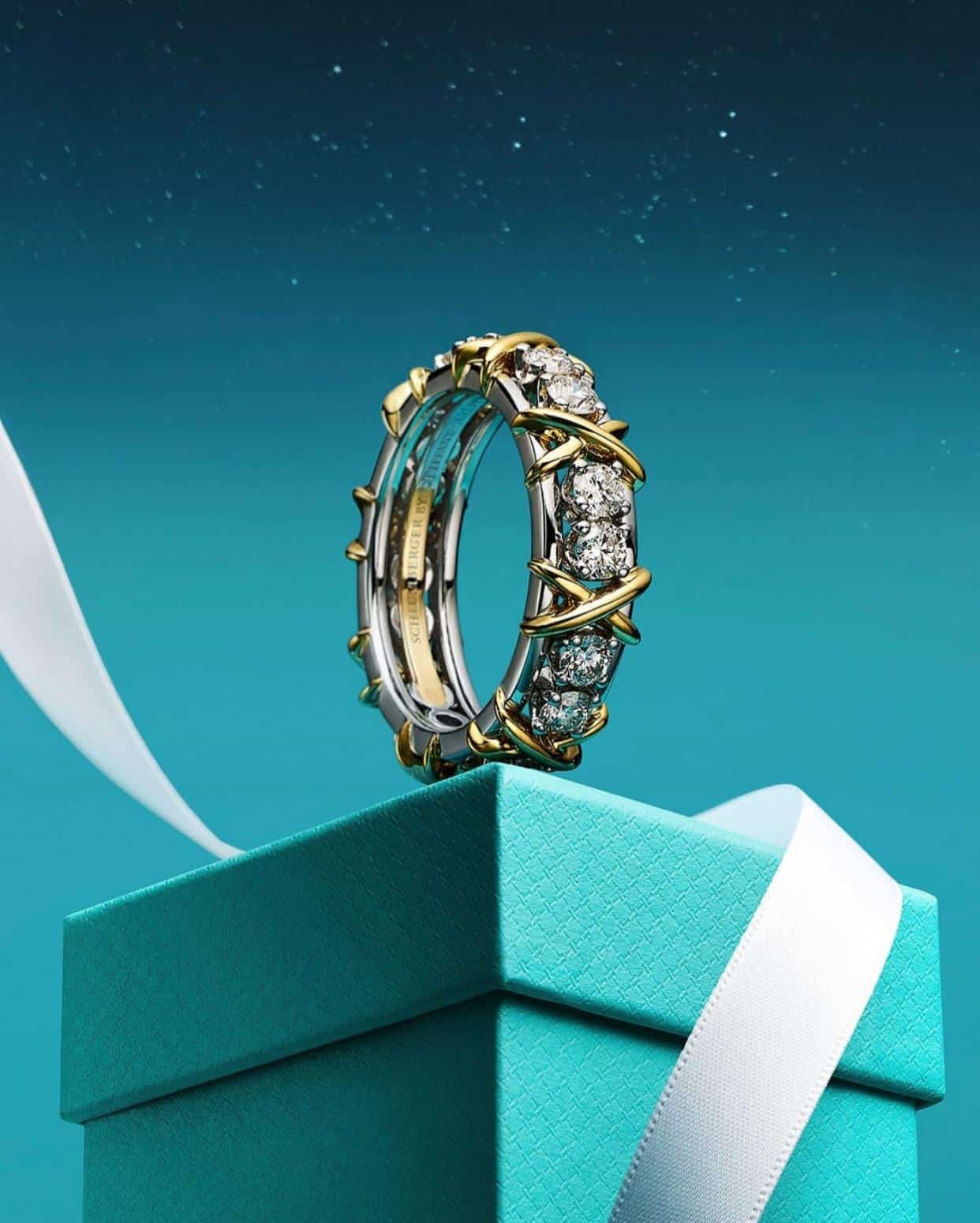
The Blue Box — Tiffany Blue, Pantone 1837 — was named for the year of the house's founding and has been the house's most powerful visual communication since the 19th century. The box is never sold. It can only be received — as the container of a Tiffany purchase, as a gift, as a declaration. The color is trademarked. No one else may use it.
The Landmark · 727 Fifth Avenue · Reopened 2023
The Tiffany & Co. flagship at 727 Fifth Avenue has occupied its current address since 1940 — the building designed by Cross & Cross in a "conservative modern" limestone and granite style that has made it one of the most recognizable retail facades in the world. The nine-foot Atlas statue, shouldering a four-foot clock, has stood above the revolving doors since the 19th century. In 2019, LVMH began a complete renovation of the building — the first holistic intervention since its 1940 opening. The renovation cost an estimated 250 million dollars and required four years. It reopened on April 28, 2023, as The Landmark.
The interior was redesigned by Peter Marino across ten floors. OMA — led by Shohei Shigematsu — designed a three-story glass addition to the top of the building: a "diamond on the roof," a blue box floating above the limestone, lit at night in Tiffany Blue. The staircase running from the ground floor to the seventh was inspired by Elsa Peretti's love of organic forms — ceruse oak with transparent balustrades set with rock crystal and infinity mirrors. Nearly sixty works of art are integrated throughout the ten floors: Jean-Michel Basquiat's Equals Pi on the ground floor, a color-changing oval by James Turrell, mirrored disks by Anish Kapoor, a Claude Lalanne apple on the eighth floor alluding to New York's nickname. It is, at 110,000 square feet, the largest jewelry store in the world and the largest single-brand luxury boutique on earth.
The Tiffany Setting is the most consequential jewelry design in American history — a six-prong platinum mounting that lifts the diamond entirely above the band, exposing it to light from every direction, transforming a stone that was previously pressed flat against the hand into something that floats, catches light, and commands a room. Every engagement ring with a raised solitaire setting — regardless of manufacturer or price — is in conversation with this design. It was introduced in 1886. It has not been improved upon since. The house still makes it, daily, in the New York atelier, in the same configuration as the original.
The Tiffany Yellow Diamond was discovered in the Kimberley mines of South Africa in 1877 and purchased the following year by Charles Lewis Tiffany. It weighs 128.54 carats in its cut form — one of the largest yellow diamonds ever found, and one of the finest. It has been worn publicly by only four women in its history: Mary Whitehouse in 1957, Audrey Hepburn during the promotion of Breakfast at Tiffany's in 1961, Lady Gaga at the 2019 Academy Awards, and Beyoncé in the house's 2021 campaign. The stone is kept on permanent display at The Landmark. It is not for sale.
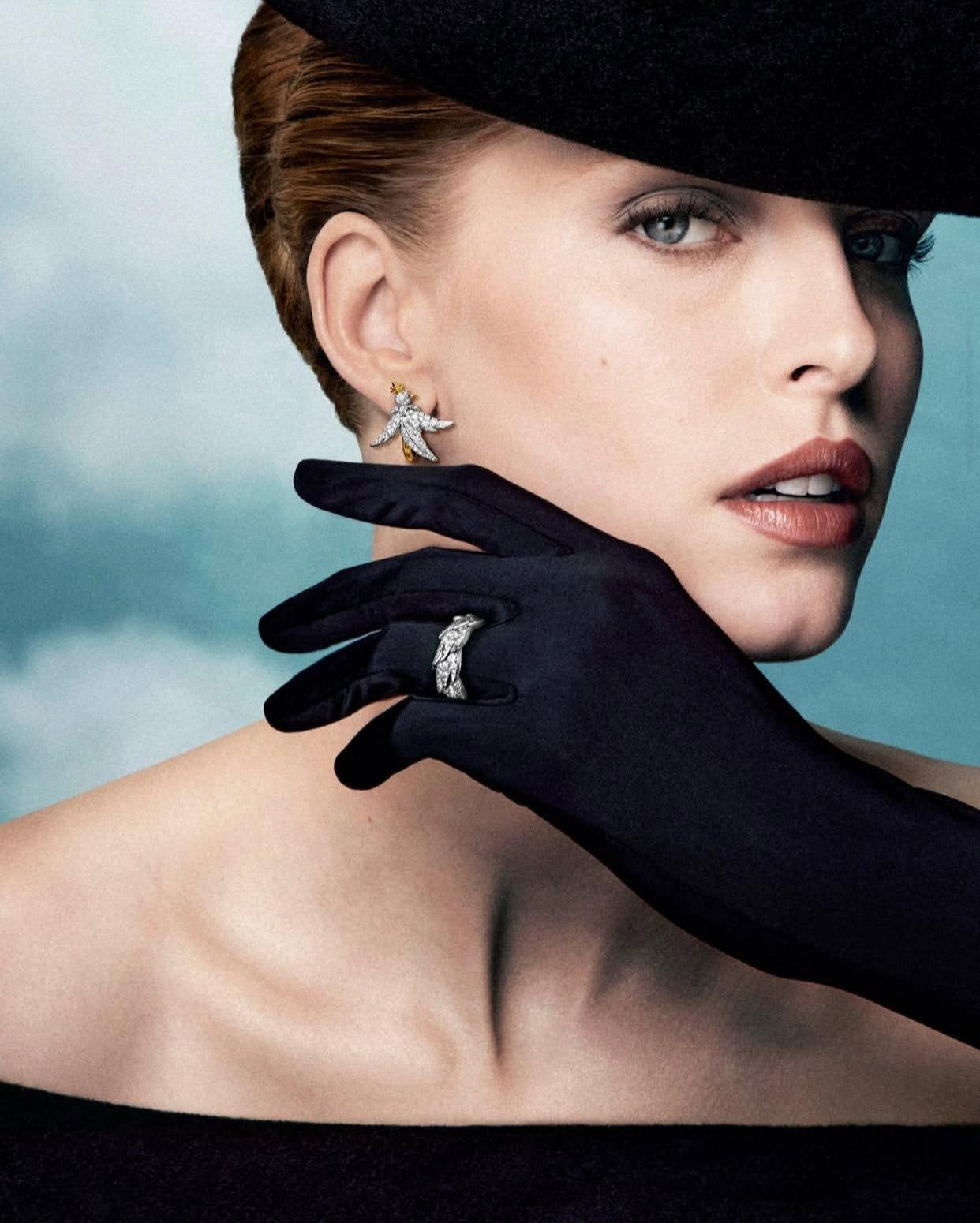
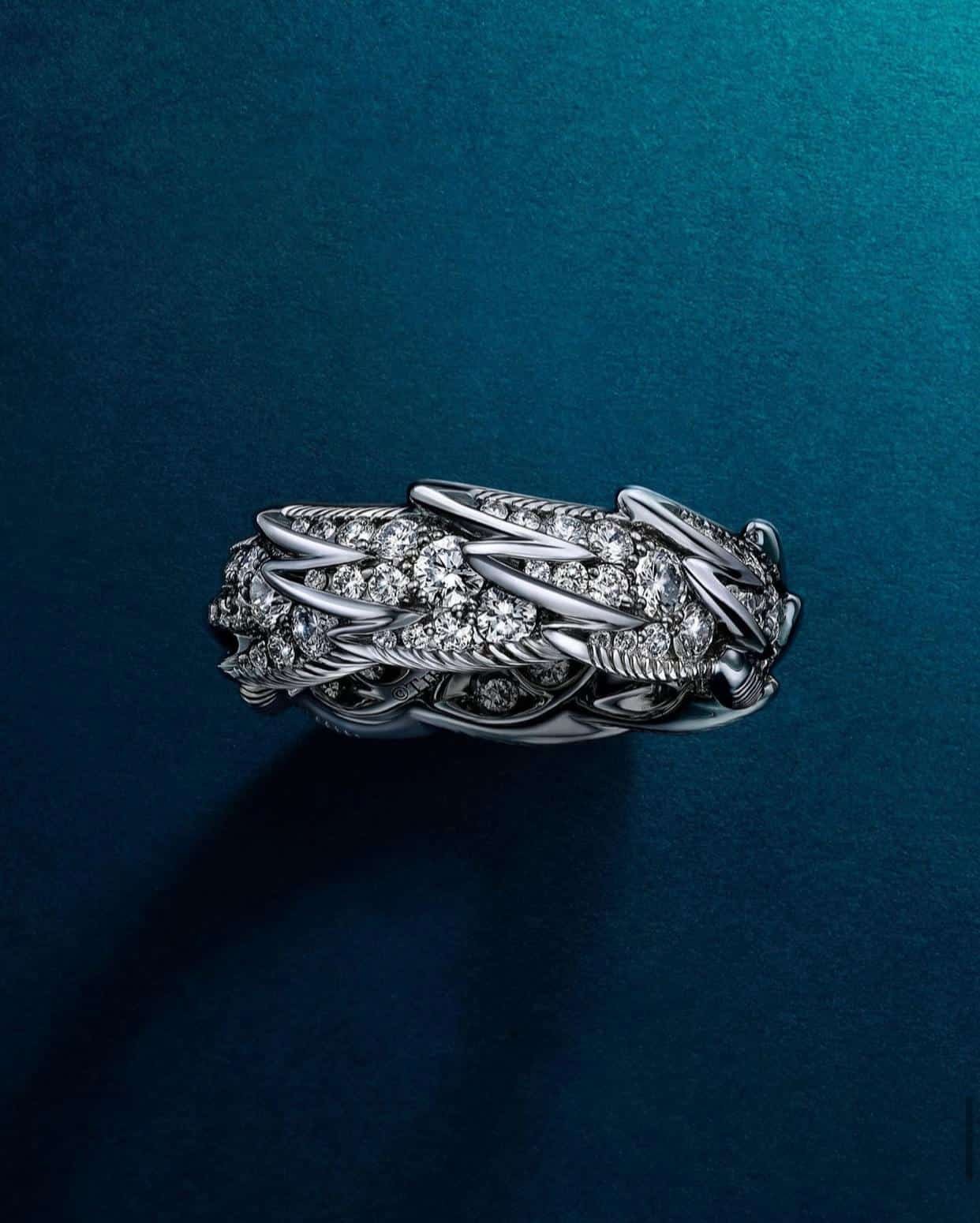
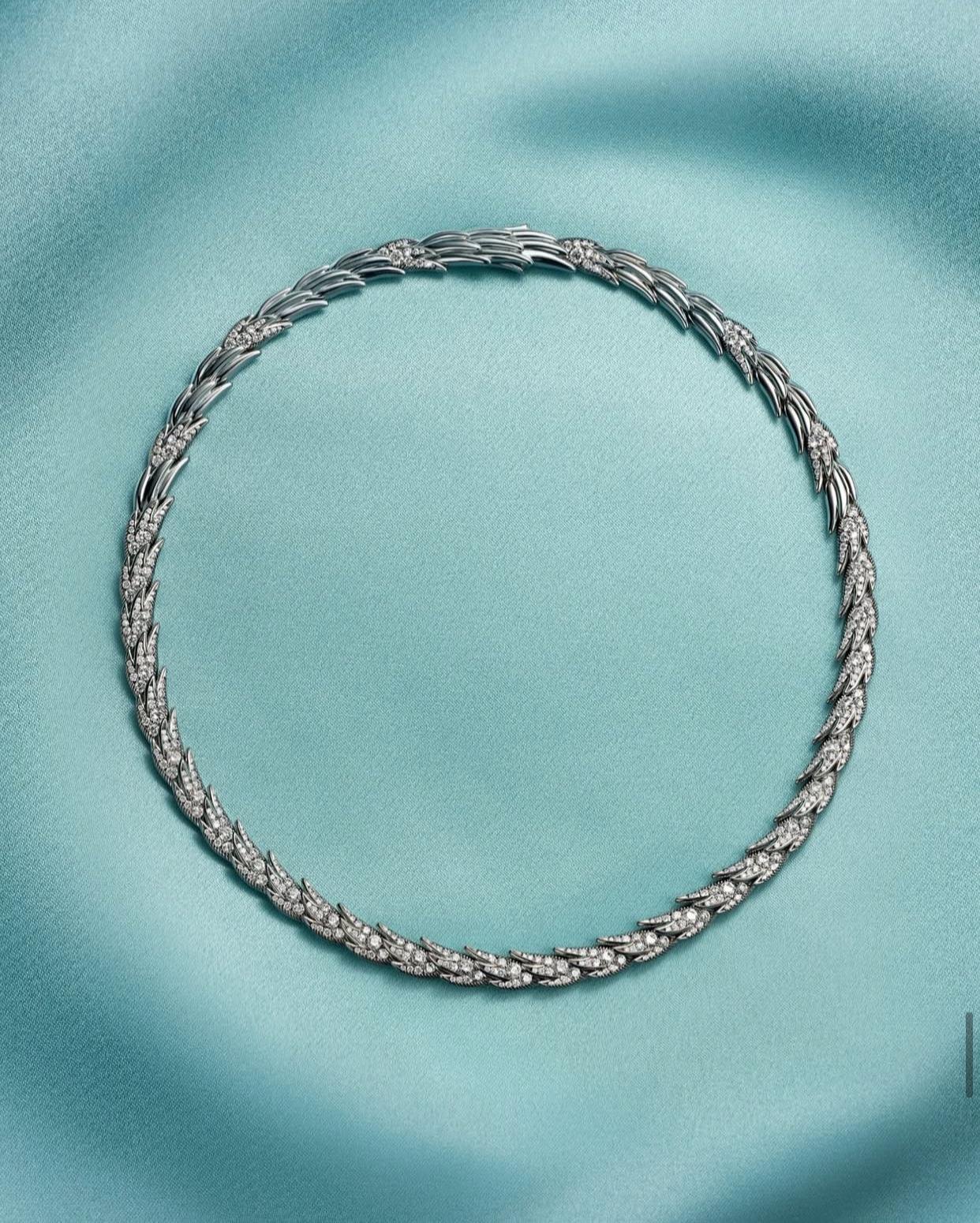
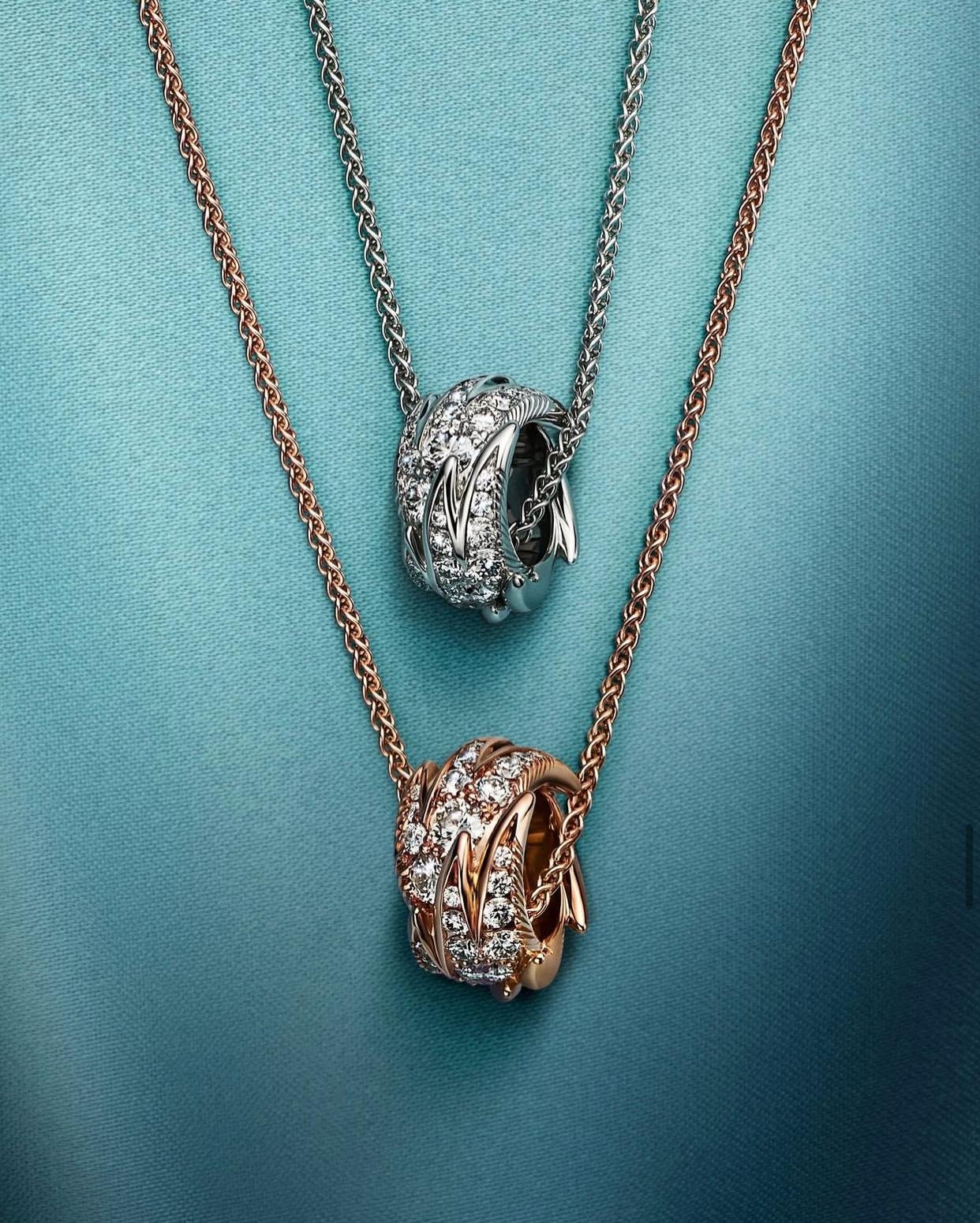
The Tiffany Blue Book is the house's annual high jewelry collection — the most ambitious expression of the atelier's craft, produced in very limited quantities around exceptional diamonds and colored stones. Blue Book 2024 — Tiffany Céleste — was designed by Chief Artistic Officer Nathalie Verdeille in homage to Jean Schlumberger's celestial imagination: wings, arrows, constellations, rays of light, lunar and solar references rendered in platinum, yellow gold, diamonds, red spinels, Sri Lankan sapphires, and fancy brown-pink diamonds. One necklace converts into a tiara — a format not seen in the Blue Book for several years. The collection launched in three phases across 2024. The Blue Book is where Tiffany shows what nearly five thousand skilled artisans, cutting diamonds and crafting jewelry in the house's own workshops, are capable of when given no constraints other than the quality of the stone.
Jean Schlumberger joined Tiffany in 1956 and remained the house's most celebrated designer until his death in 1987. A French-born designer with a background in fashion, he brought to jewelry a quality of fantastical imagination — enamel flowers, golden vines, birds and sea creatures rendered in precious stones — that had no precedent in American fine jewelry. His Bird on a Rock design, in which a sculptural gold bird perches on an exceptional gemstone, became one of the most recognizable and most coveted pieces in the history of American jewelry. The Blue Book collections regularly return to his archive as a source of inspiration. He remains, decades after his death, the defining creative voice of Tiffany's highest register.
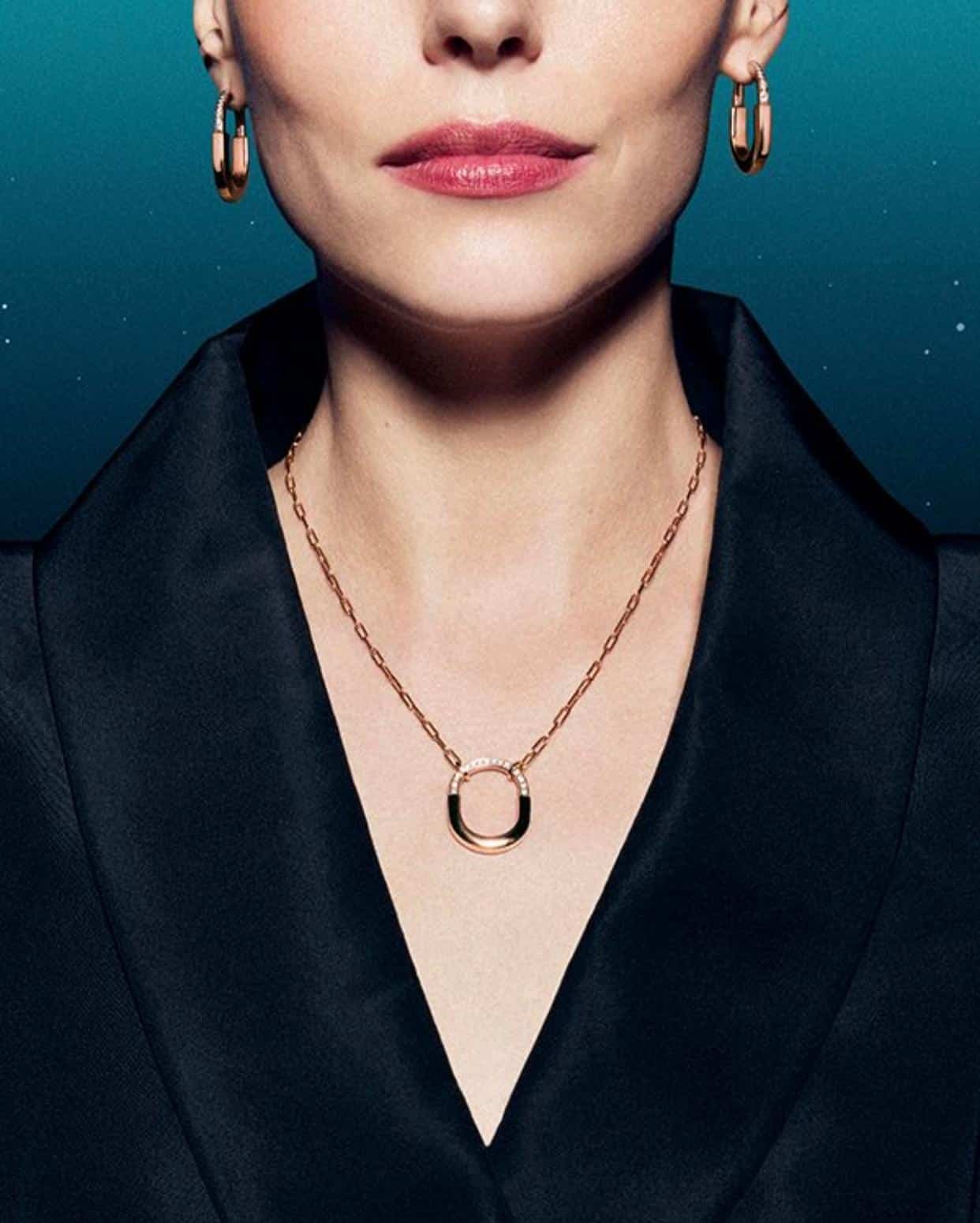
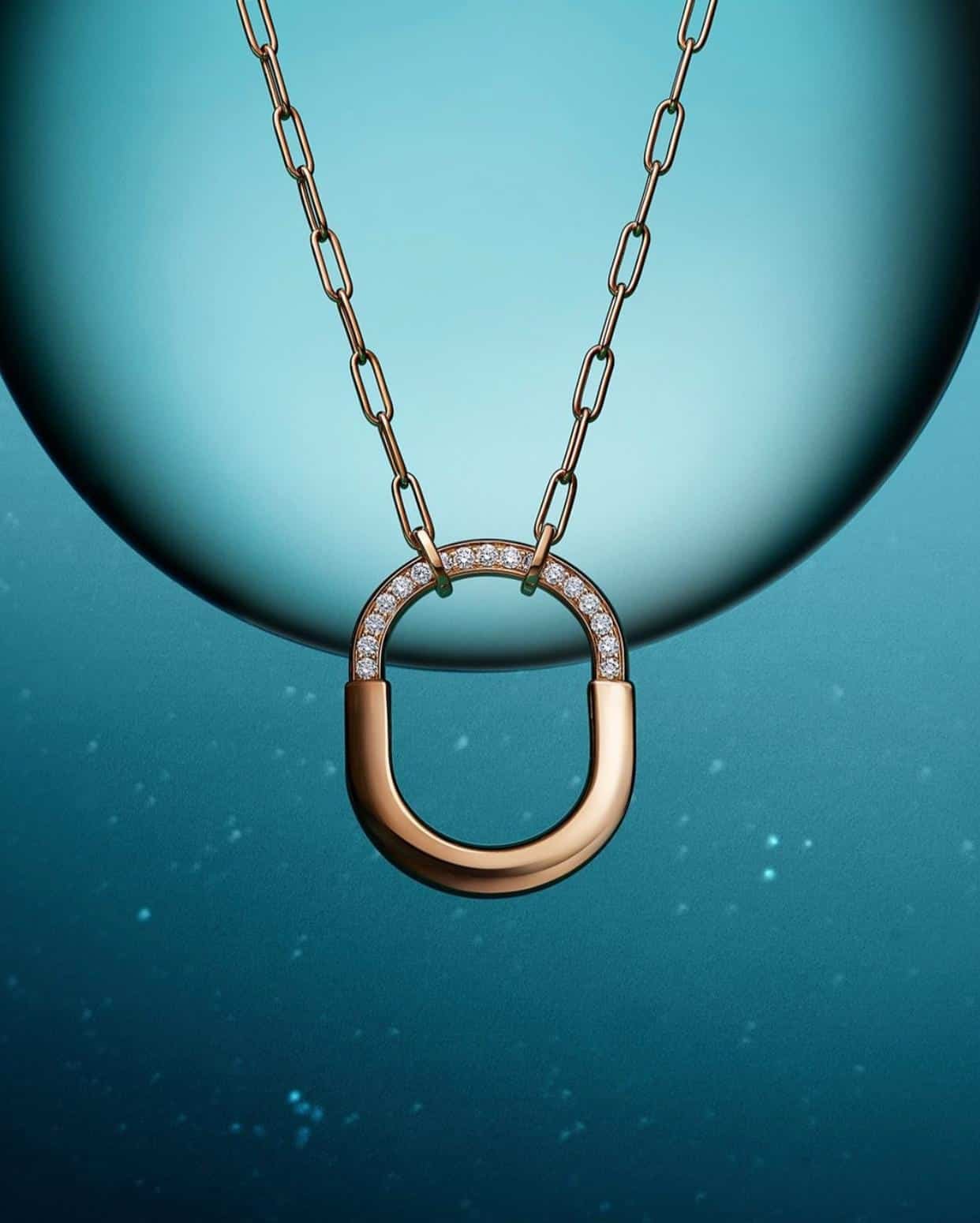
Tiffany Lock — launched in 2022 — is the house's most recent attempt to establish a new collectible icon for a new generation. A padlock in yellow, white, or rose gold, worn as a bracelet or pendant, available with and without diamond pavé. Unisex in its design logic and its communication. The lock as a symbol of connection — the same romantic logic as the Tiffany Setting, expressed in a more contemporary and accessible form. It is too early to know whether Tiffany Lock will achieve the permanence of the Setting. The house is making the argument with full conviction.
The Blue Box Café by Daniel Boulud occupies the sixth floor of The Landmark — a dining room in Tiffany Blue where guests can have their own Breakfast at Tiffany's. The café was a central element of the renovation brief: a destination within the destination, a reason to spend more than a shopping hour at 727 Fifth Avenue. Daniel Boulud — whose flagship Daniel is six blocks north on 65th Street — designed a menu around the Blue Box experience. On the same floor, the Audrey Experience presents a frosted vitrine containing a Givenchy replica of Hepburn's black dress from the 1961 film, which goes clear at intervals to reveal the gown within.
The Tiffany Blue Box is never sold.
It can only be received — as the container of a purchase,
as a gift, as a declaration.
The color is trademarked.
Pantone 1837 — named for the year the house was founded.
No one else may use it.
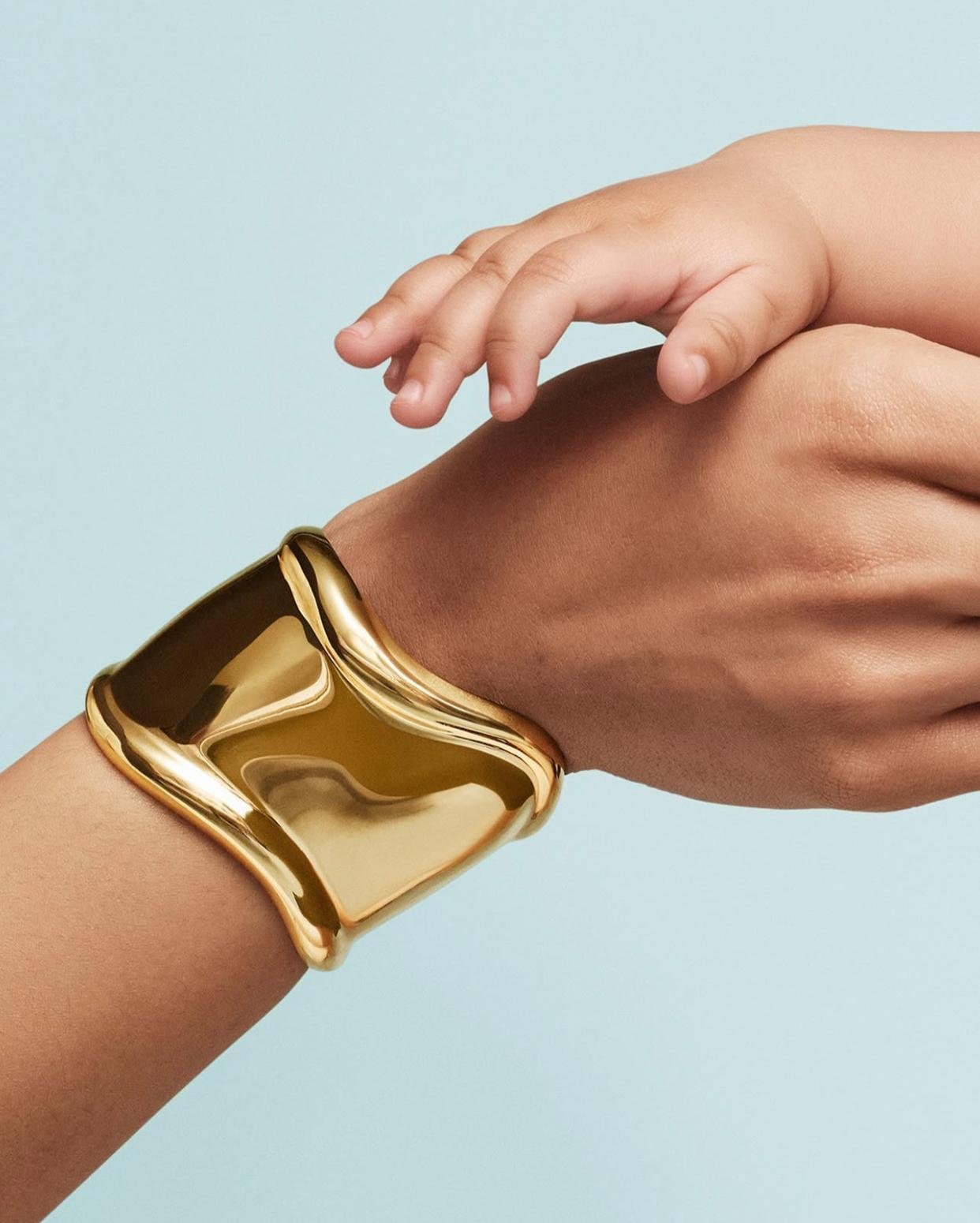
If Jean Schlumberger gave Tiffany its fantasy register, Elsa Peretti gave it its body. The Italian designer joined Tiffany in 1974 and spent five decades producing jewelry of extraordinary formal intelligence — designs organized around the contours of the human body rather than the conventions of the jeweler's bench. The Bean pendant. The Bone cuff. The Open Heart. The Scorpion. Each piece derives its form from something organic — the smooth curve of a kidney bean, the architecture of bone, the asymmetry of a living creature. Peretti's conviction was that jewelry should feel as natural on the body as the body itself. The spiral staircase of The Landmark, inspired by her love of organic forms, is the building's most direct tribute to her influence on the house she served for half a century.
727 Fifth Avenue · The Building · The Address
The Landmark sits on the corner of Fifth Avenue and 57th Street — directly across from the Chanel fine jewelry boutique at the Crown Building, in the most concentrated luxury jewelry block in the world. The Atlas clock above the revolving doors has been watching the intersection since the 19th century. The store is set to 72 degrees Fahrenheit throughout the year — a detail specified in the renovation brief as part of the comfort standard. LEED Gold and WELL Platinum certifications were achieved during the renovation. The building is not just a store. It is, in the words of CEO Anthony Ledru, "the lighthouse of the brand" — the point from which every other Tiffany address takes its orientation. For 186 years, that point has been in New York. It has not moved. It will not move.
727 Fifth Avenue · New York, NY 10022 · Corner of 57th Street
Tiffany Setting · Blue Book · Tiffany Yellow Diamond · Jean Schlumberger
Elsa Peretti · Tiffany Lock · T Collection · Return to Tiffany
Blue Box Café by Daniel Boulud — Floor 6
OMA rooftop addition · Peter Marino interiors · Reopened April 2023
Founded New York 1837 · LVMH Group · tiffany.com
Charles Lewis Tiffany opened his store in New York in 1837.
In 1886, he invented the engagement ring as we know it.
In 1961, Audrey Hepburn ate a croissant in front of the window.
In 2023, LVMH placed a glass blue box on the roof.
The address has not moved.
The Blue Box has never been sold.
Some things in New York stay exactly where they belong.
© Tiffany & Co
© Tiffany & Co
© Tiffany & Co
© Tiffany & Co

© Tiffany & Co

© Tiffany & Co
© Tiffany & Co

© Tiffany & Co
© Tiffany & Co

© Tiffany & Co
© Tiffany & Co
© Tiffany & Co
© Tiffany & Co
© Tiffany & Co
© Tiffany & Co
© Tiffany & Co
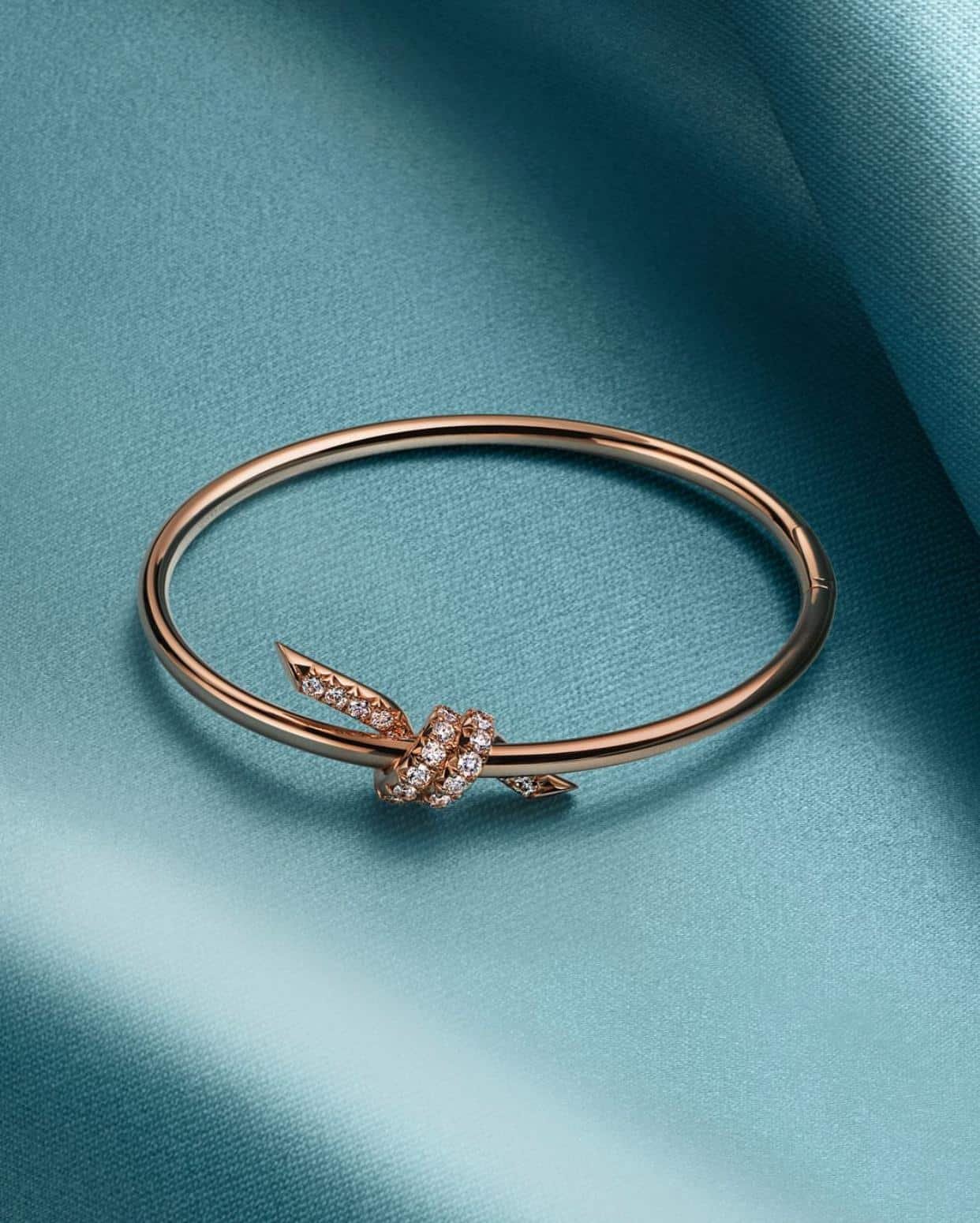
© Tiffany & Co
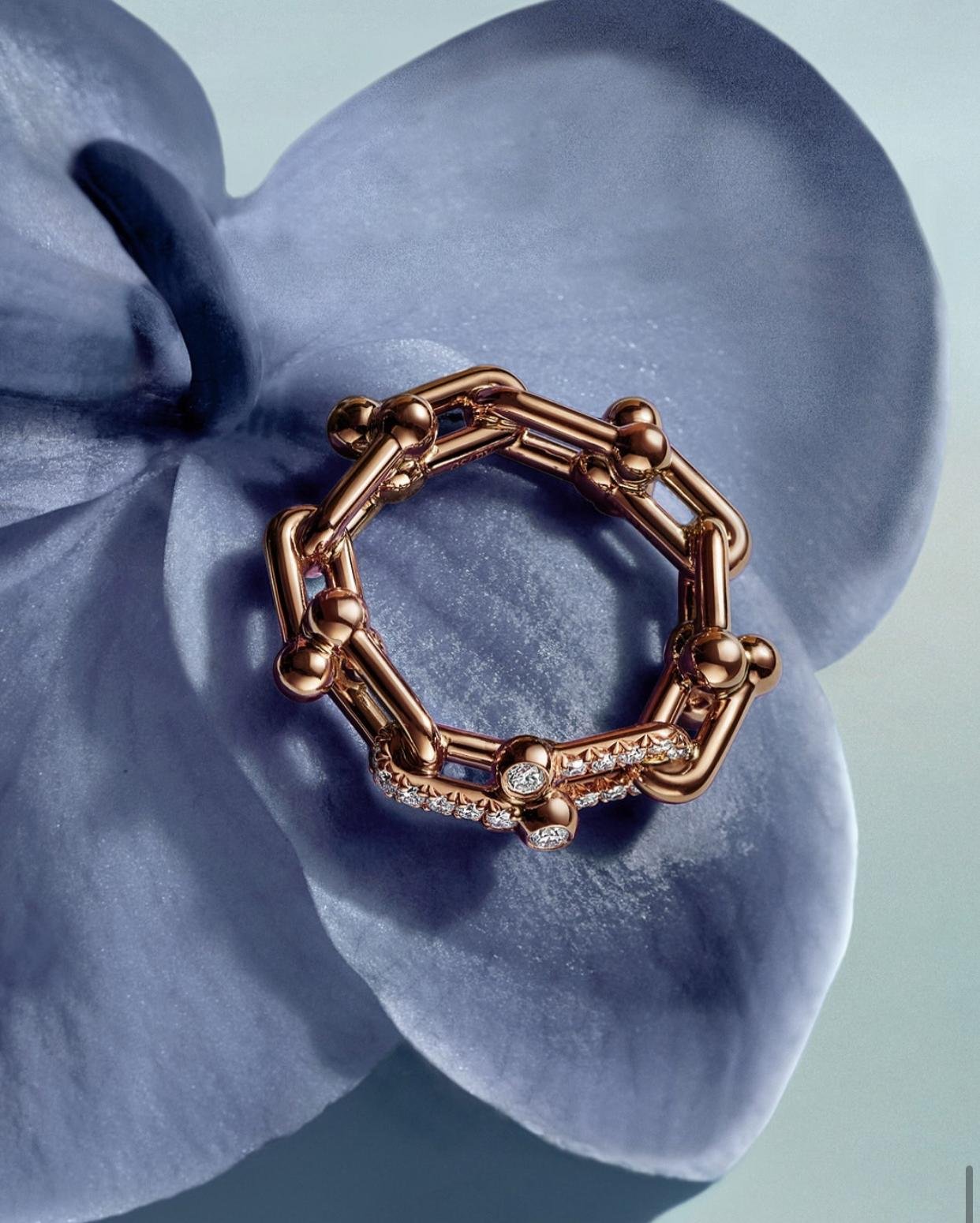
© Tiffany & Co
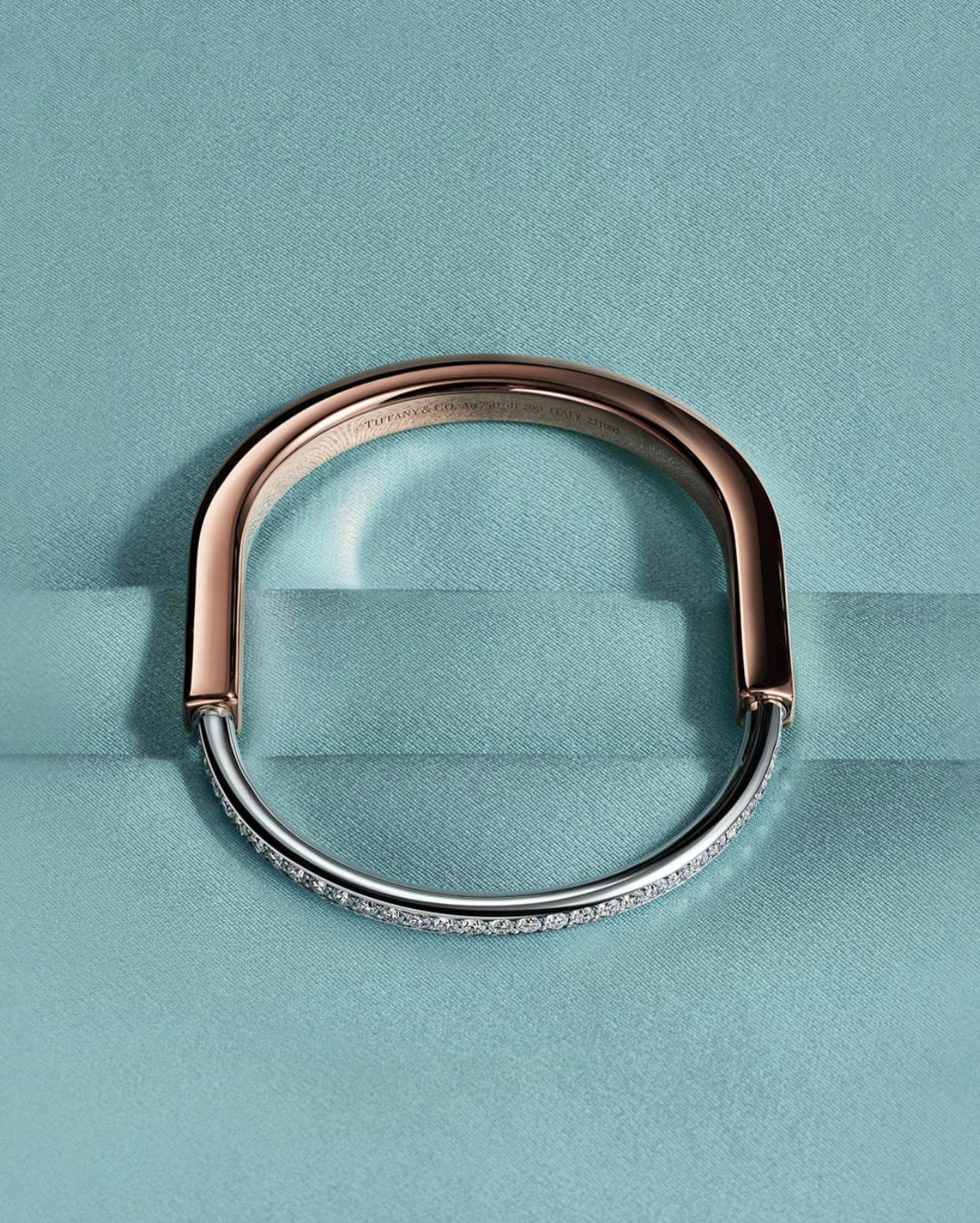
© Tiffany & Co
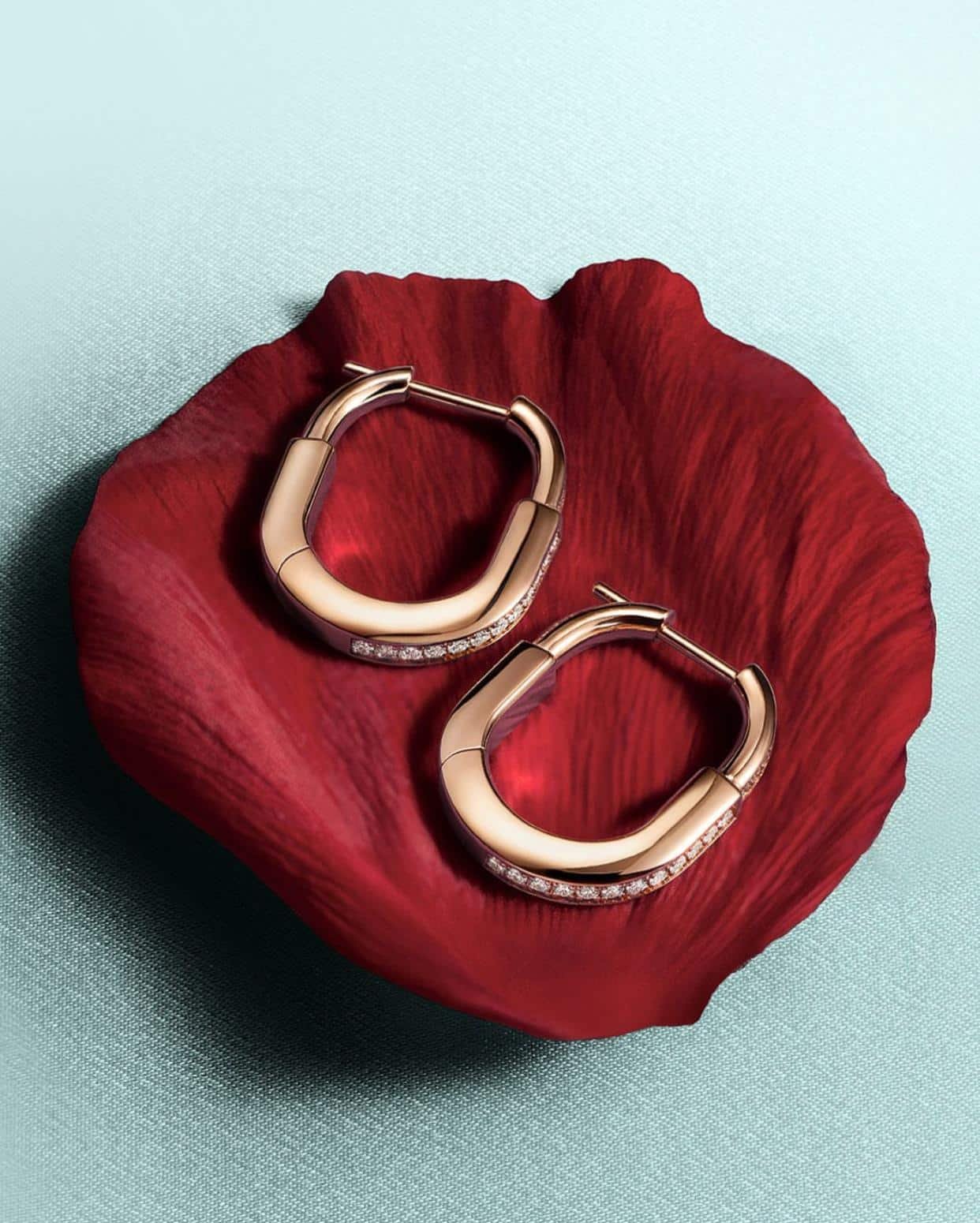
© Tiffany & Co
TIFFANY & CO
© Tiffany & Co