© Harry Winston
© Harry Winston
© Harry Winston
Harry Winston
At twelve years old, Harry Winston bought a two-carat emerald at a pawnshop for twenty-five cents and sold it three days later for eight hundred dollars. At eighty-two, he died having passed through his hands one third of the world's most celebrated diamonds. The distance between those two transactions is the entire history of the house.
New York · 1896 · The King Of Diamonds
Harry Winston was born in 1896 in New York City, the son of immigrant parents who operated a small jewelry store on the Upper West Side. His talent for identifying exceptional stones manifested before adolescence — the twenty-five-cent emerald at the pawnshop was not luck but perception, the ability to see in an unpolished stone what others had failed to recognize. By his mid-twenties he had established himself as a buyer of important estate collections, working with banks and trusts to acquire jewelry from the great American fortunes — the Arabella Huntington collection in 1926 was the acquisition that established his reputation definitively. In 1932, he opened Harry Winston, Inc. at 527 Fifth Avenue with the motto: "Rare Jewels of the World."
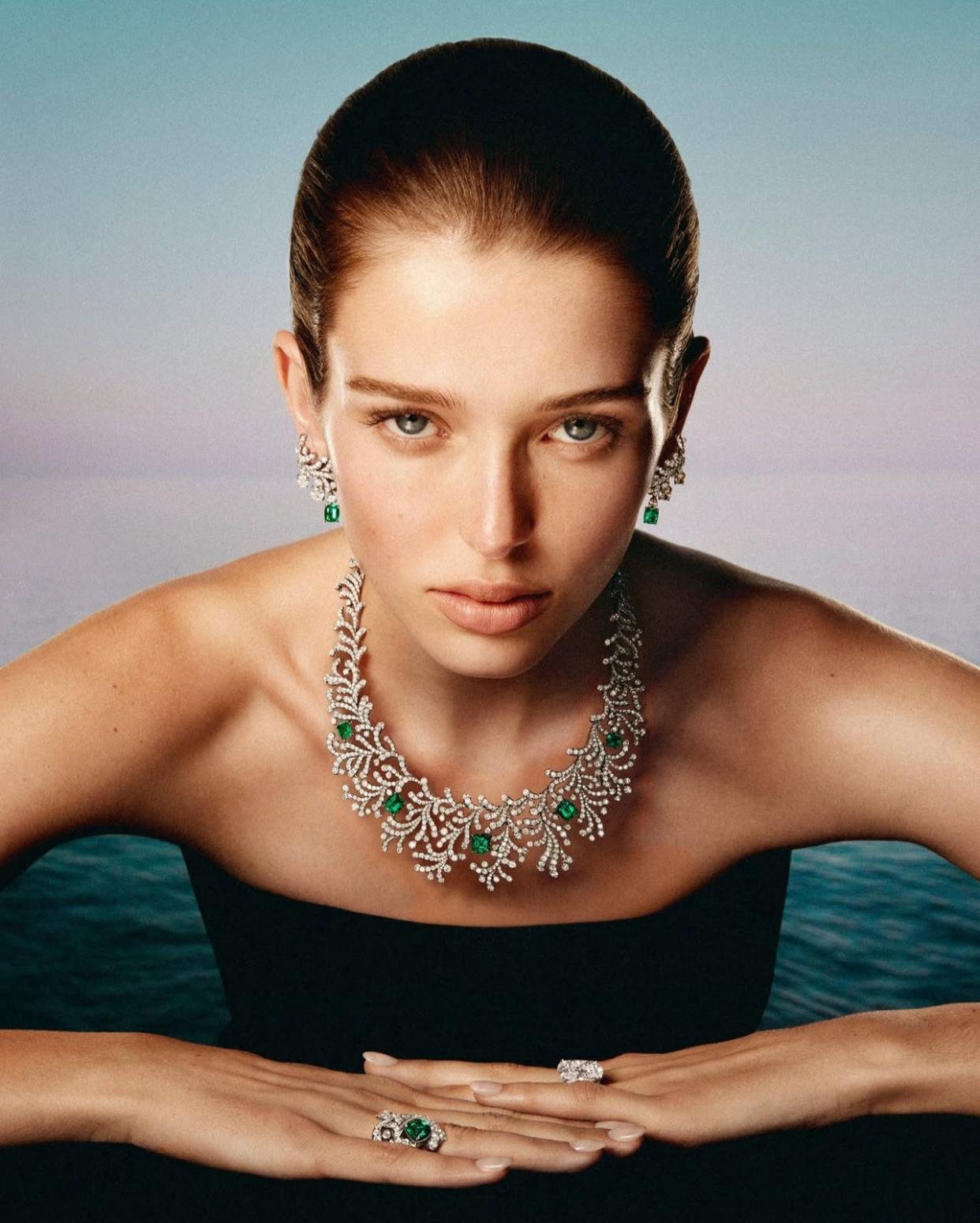
His philosophy was singular and radical: let the gemstone dictate the design, not the reverse. Winston believed that a great stone required minimal metal — that the setting's purpose was to disappear, to allow the diamond or the colored stone to command the room on its own terms. He refined, in the 1940s, a platinum wirework setting technique in which pear and marquise-cut stones appeared to float against the skin, held by almost nothing. This technique — the Winston style — has governed the house's design language for eighty years. It is still the most copied approach in fine jewelry. It has never been replicated at the same level.
The Hope Diamond · The Court Of Jewels · The Smithsonian
In 1949, Harry Winston acquired the Hope Diamond — the 45.52-carat deep blue diamond that had passed through the hands of King Louis XIV, Marie Antoinette, and Lord Henry Hope before reaching him. It was, and remains, the largest known blue diamond in the world. Rather than set it and sell it, Winston included the Hope in "The Court of Jewels" — a traveling exhibition of the world's most significant diamonds and colored stones that toured the United States from 1949 to 1953. The collection was valued at ten million dollars. Shirley Temple was photographed wearing the Hope Diamond during the press tour. In 1958, Winston donated the Hope Diamond to the Smithsonian Institution in Washington, D.C., mailing it via the United States Postal Service for sixty-four cents. His explanation, when asked why he trusted the mail with a stone of that value: "If you can't trust the United States mail, who can you trust?" The gesture was characteristically Winston — monumental in substance, casual in manner. The Smithsonian's Harry Winston Gallery now houses the stone alongside many of the remarkable jewels Winston subsequently donated. An estimated one third of the world's most famous diamonds passed through his hands during his lifetime.
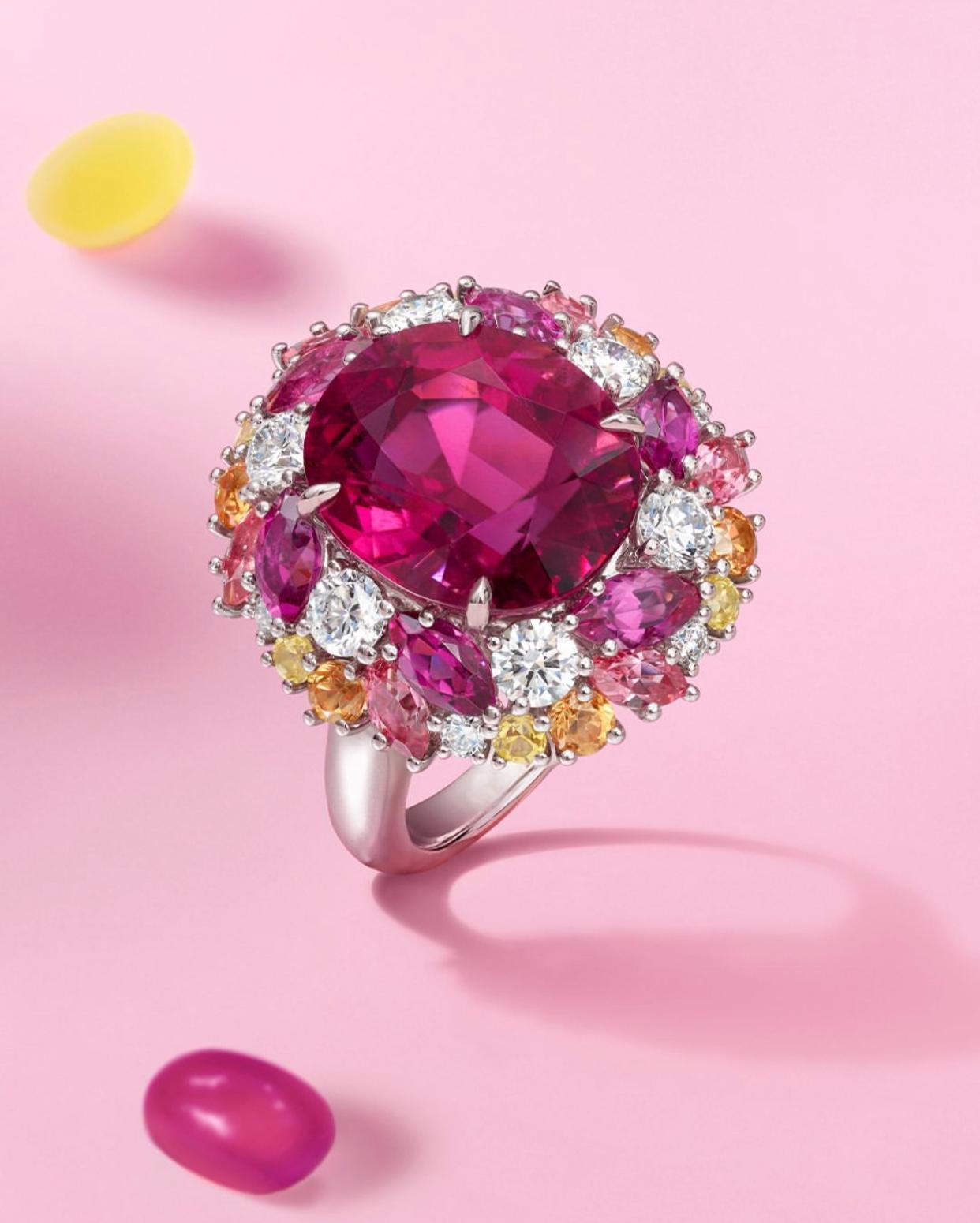
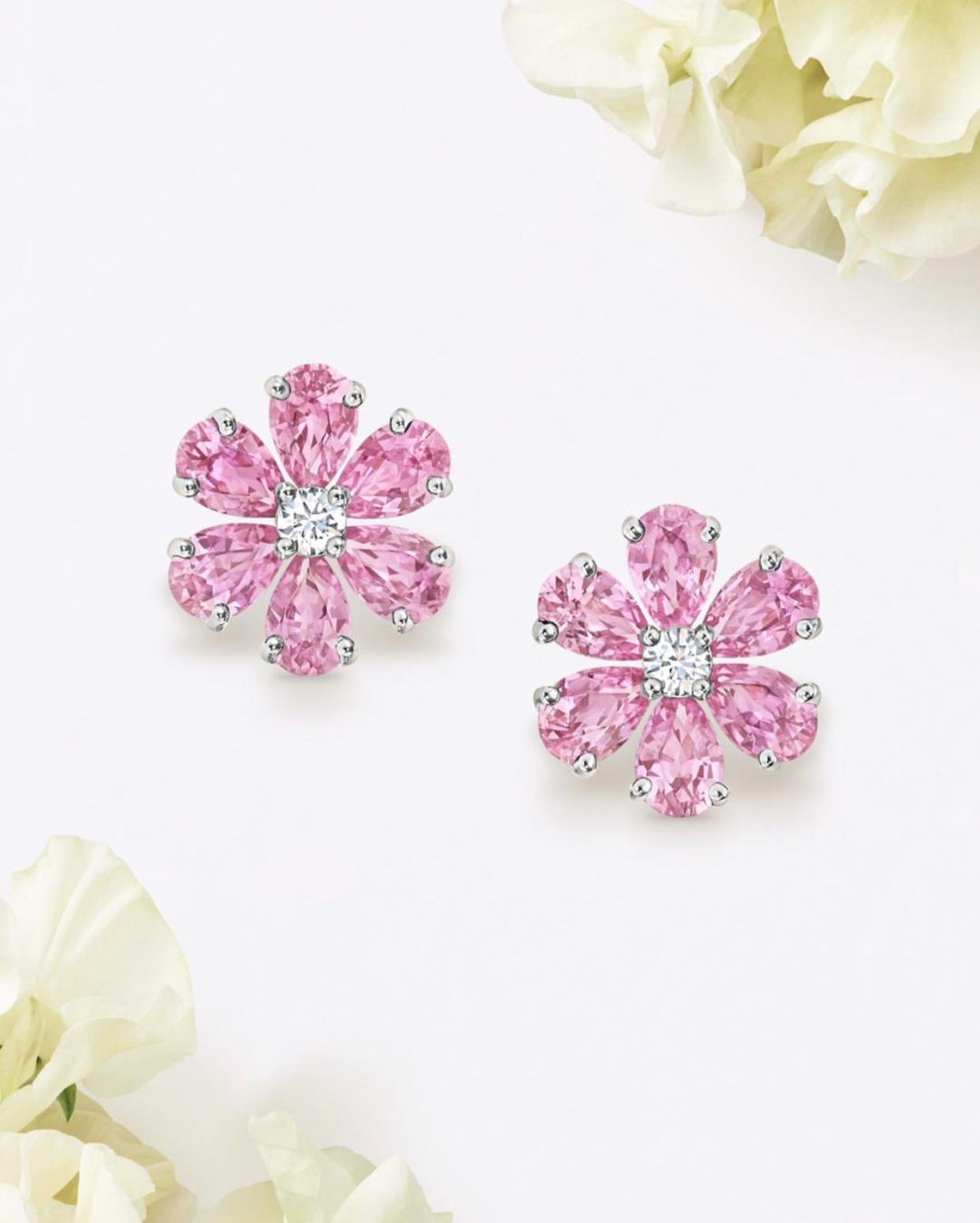
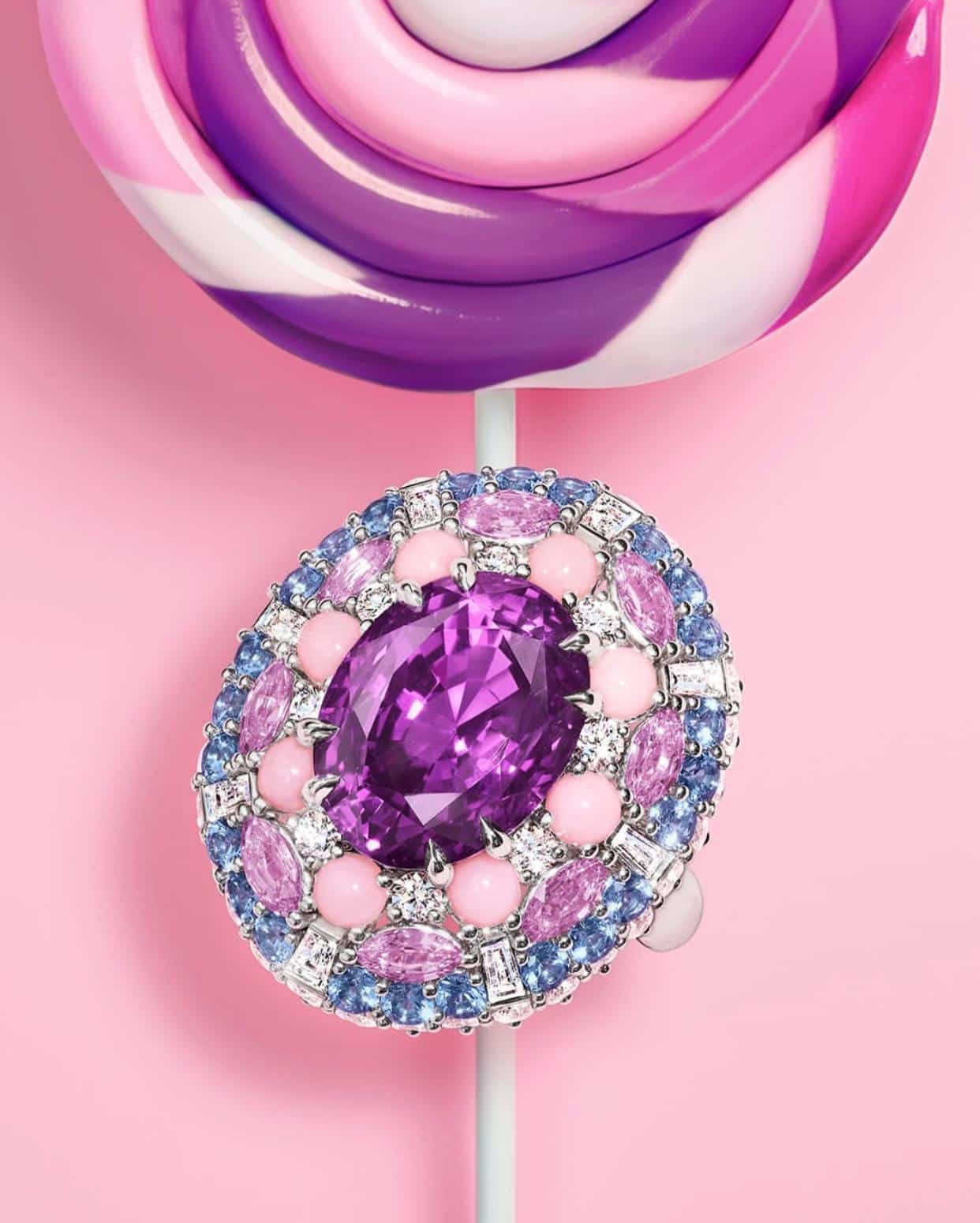
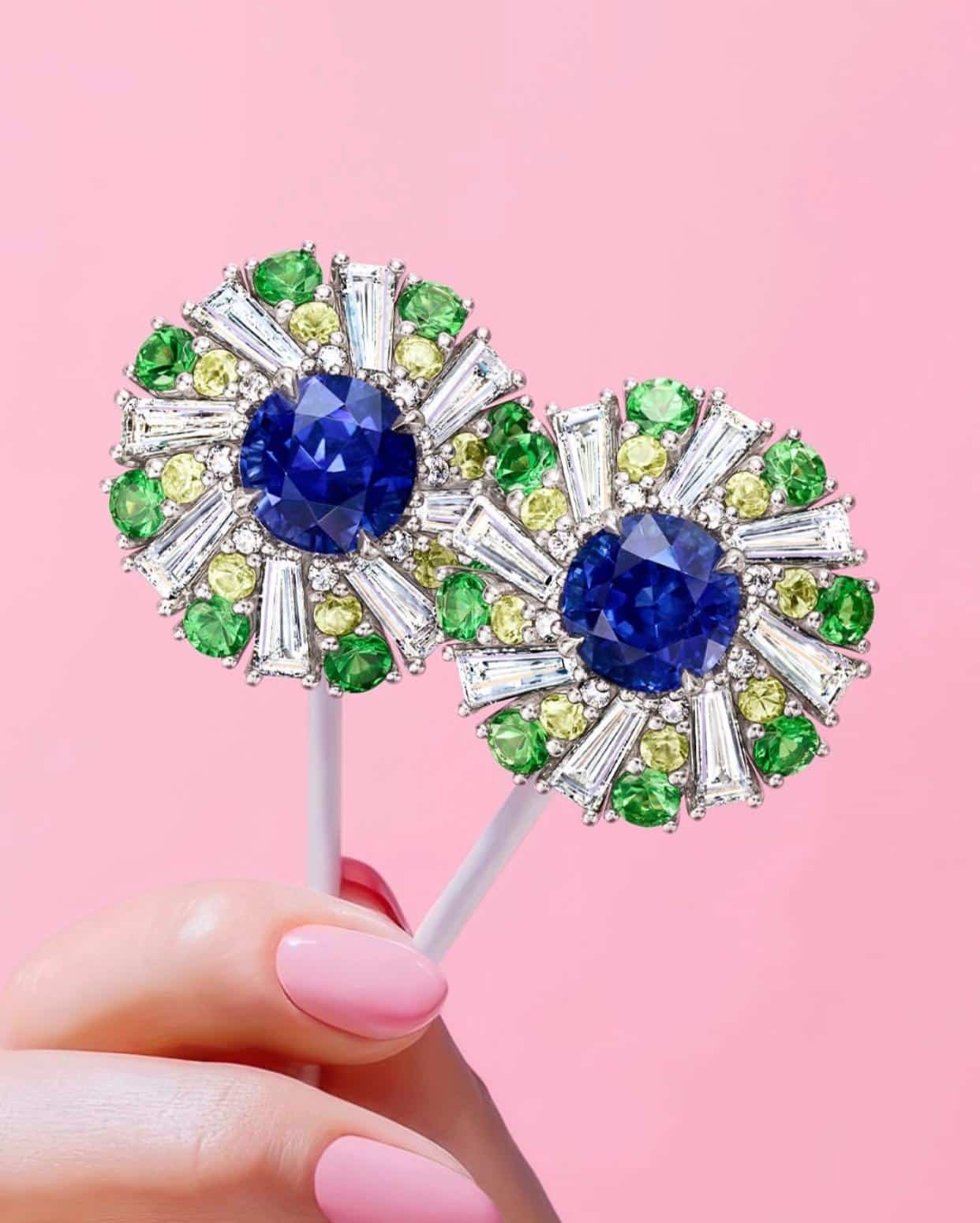
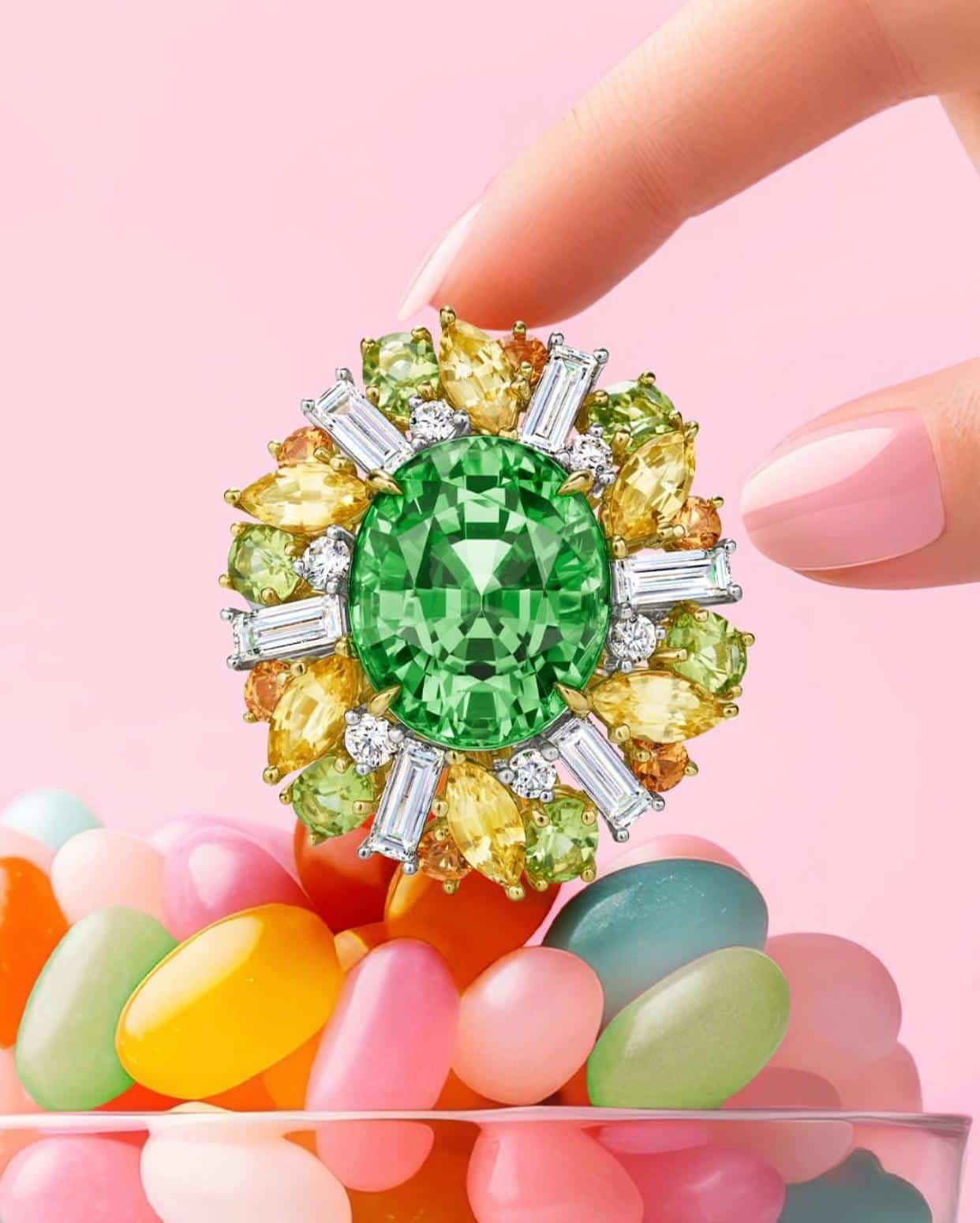
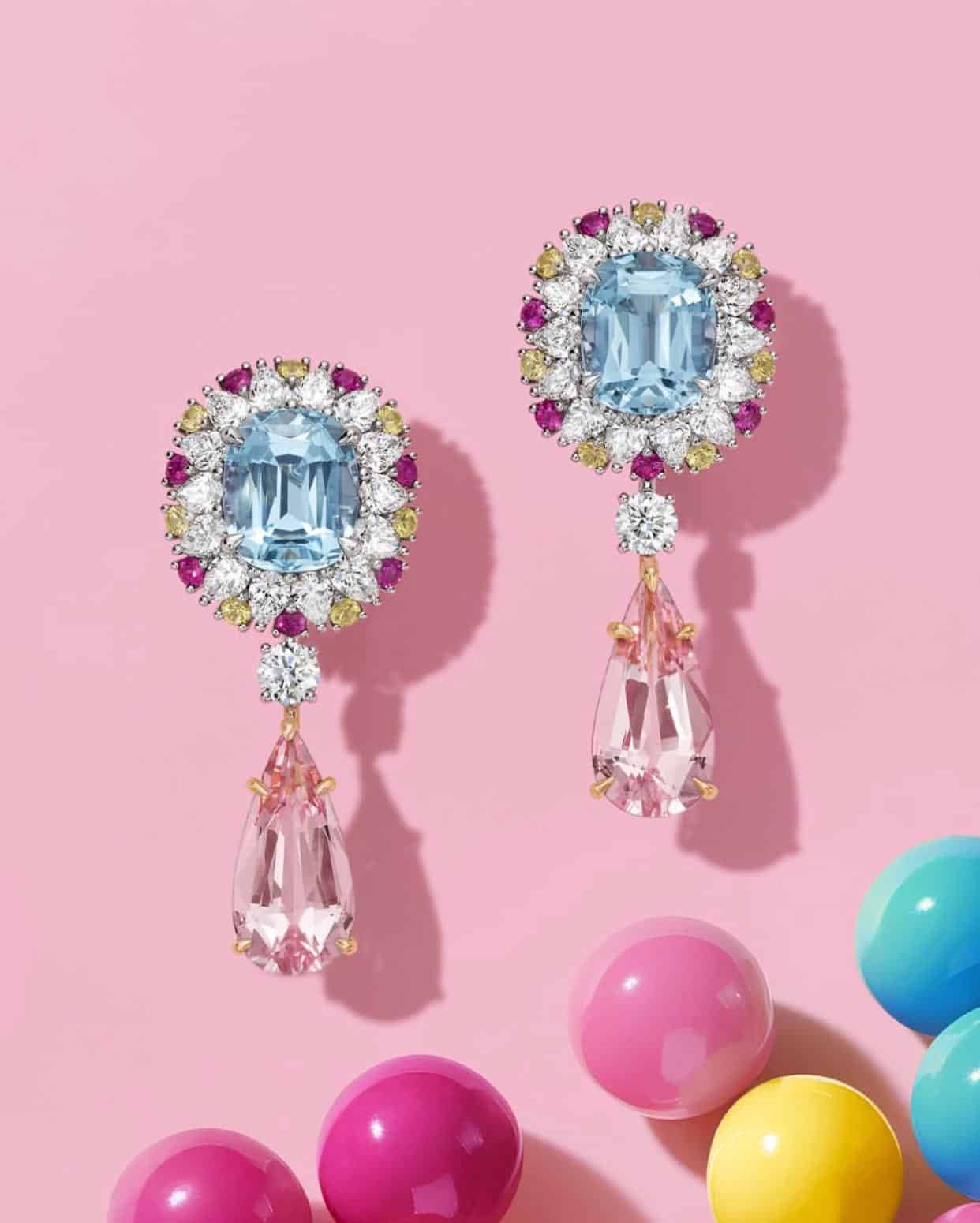
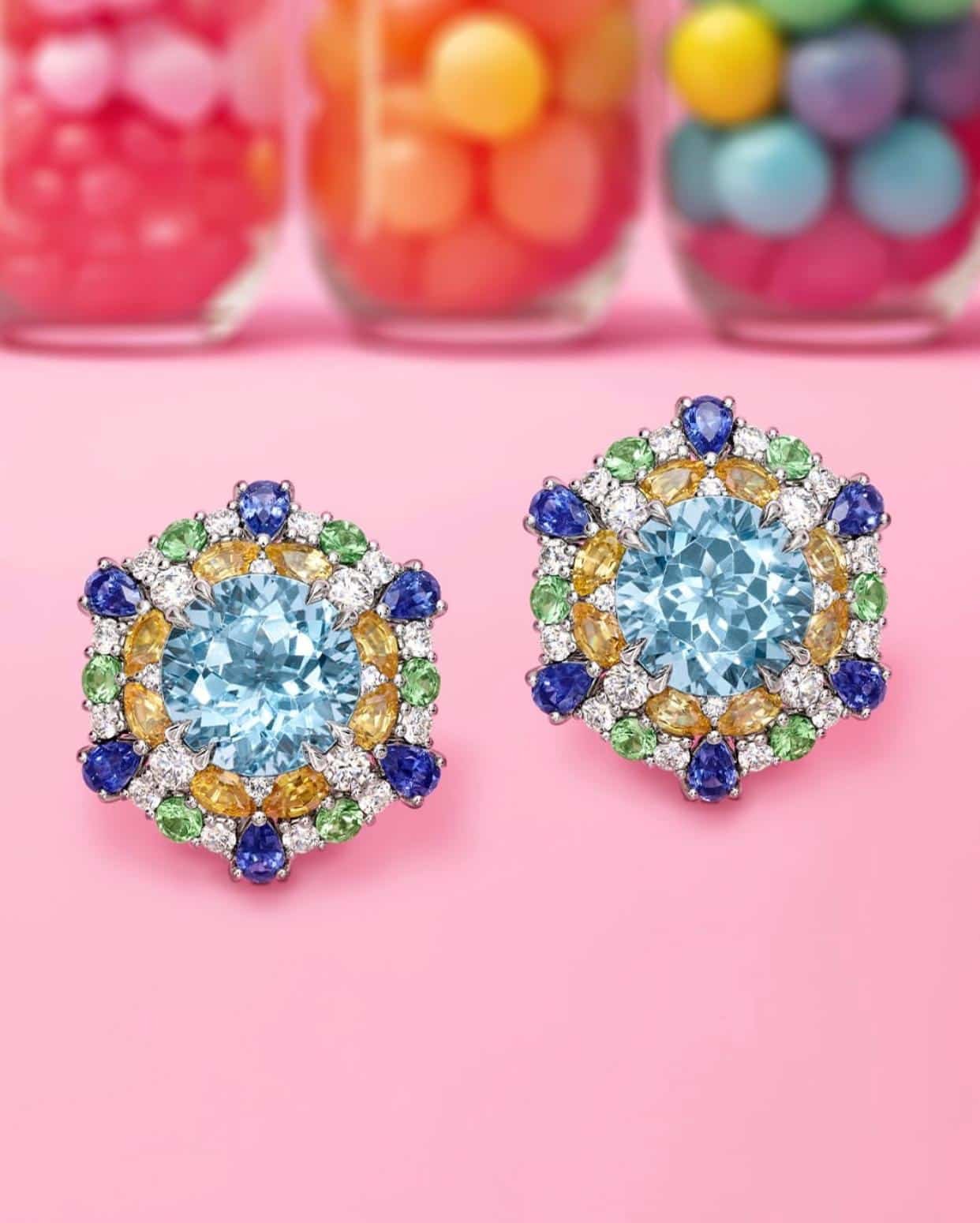
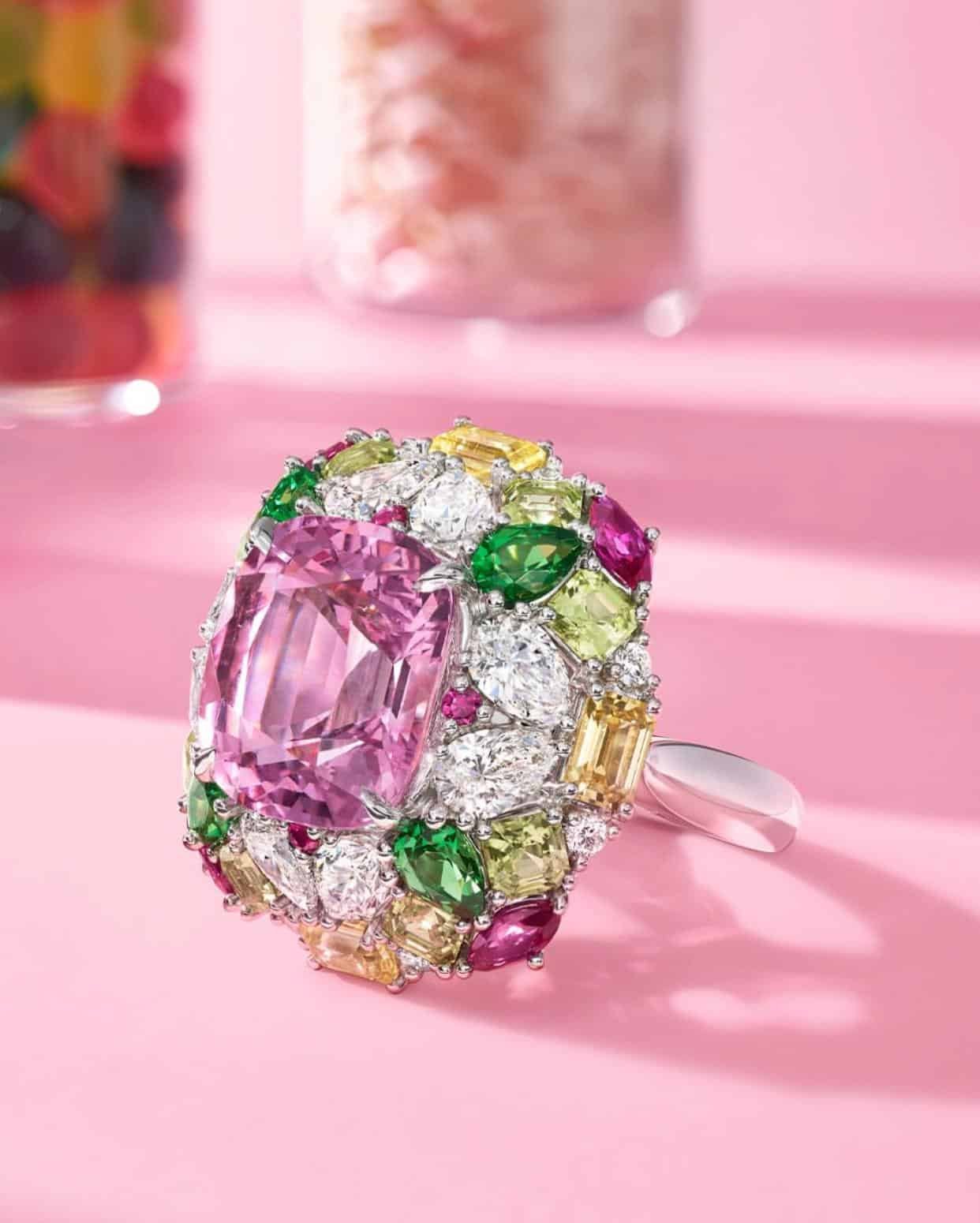
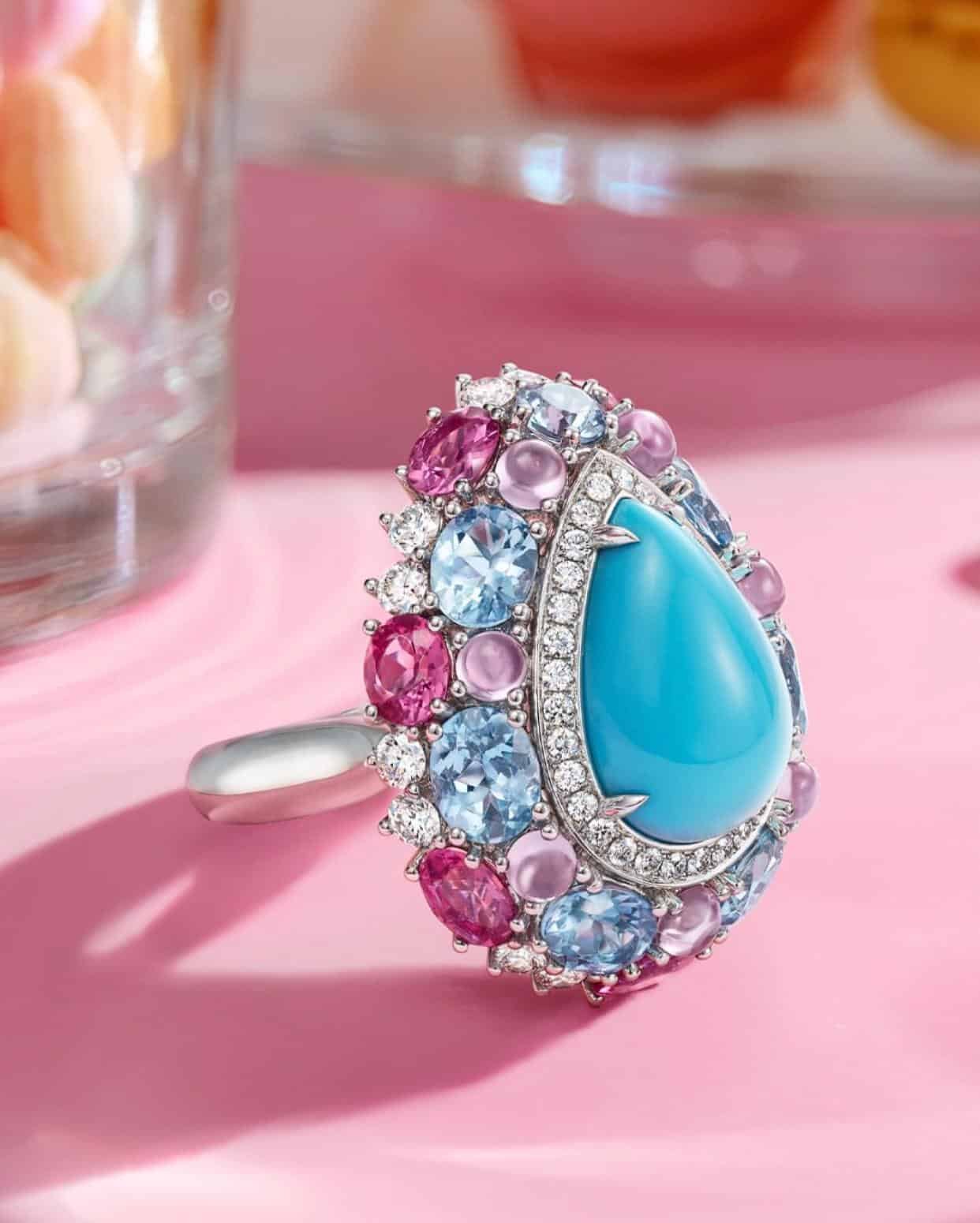
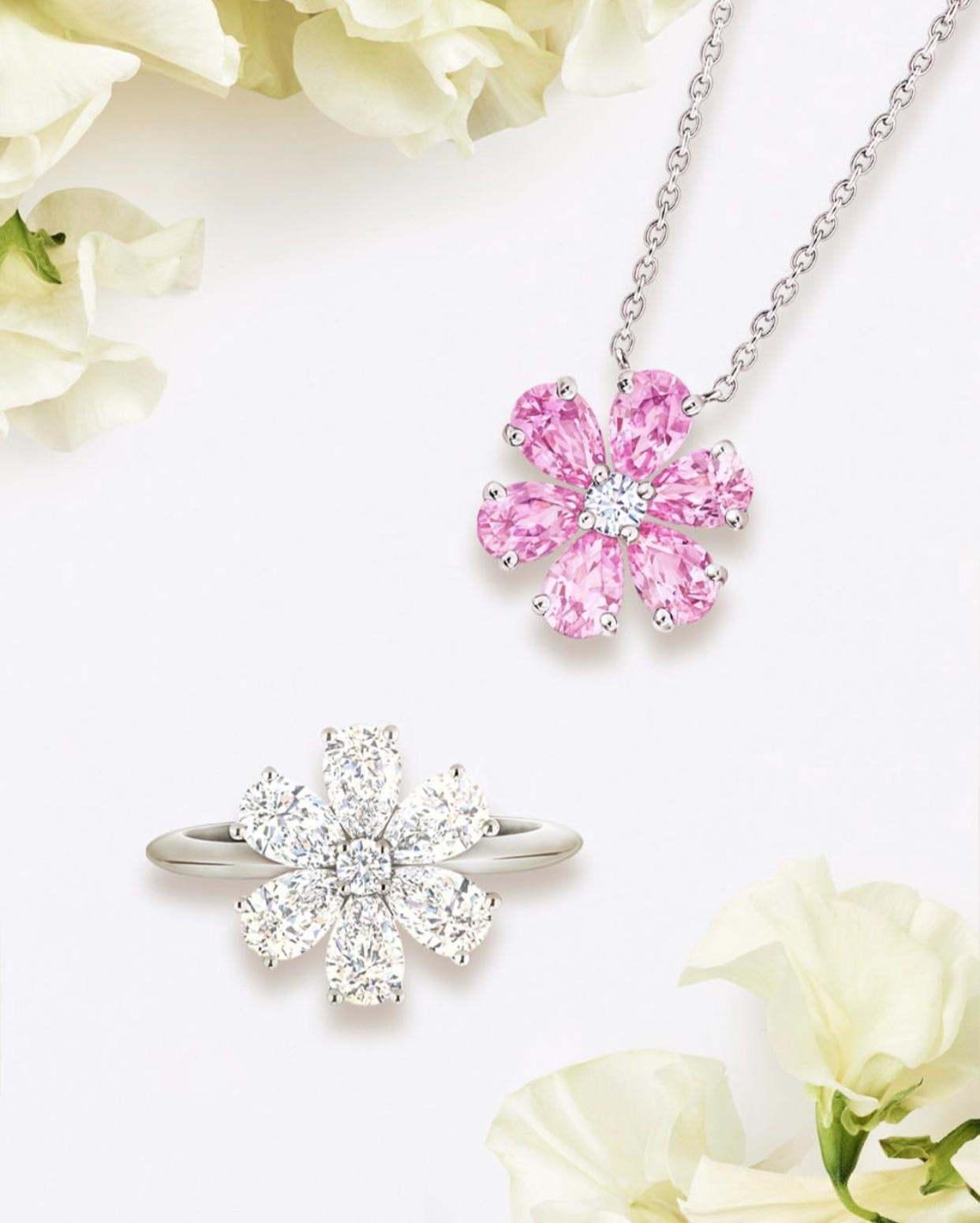
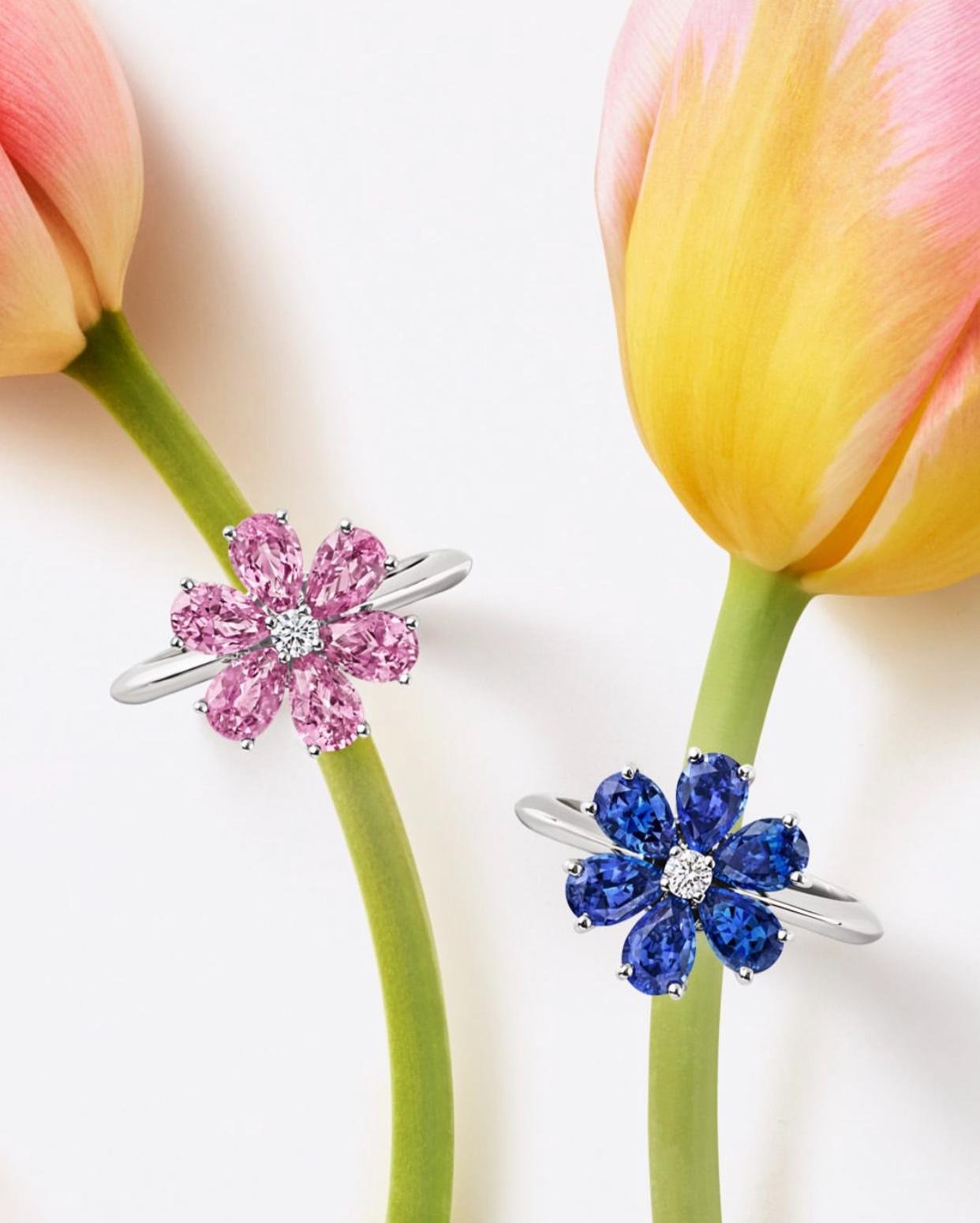
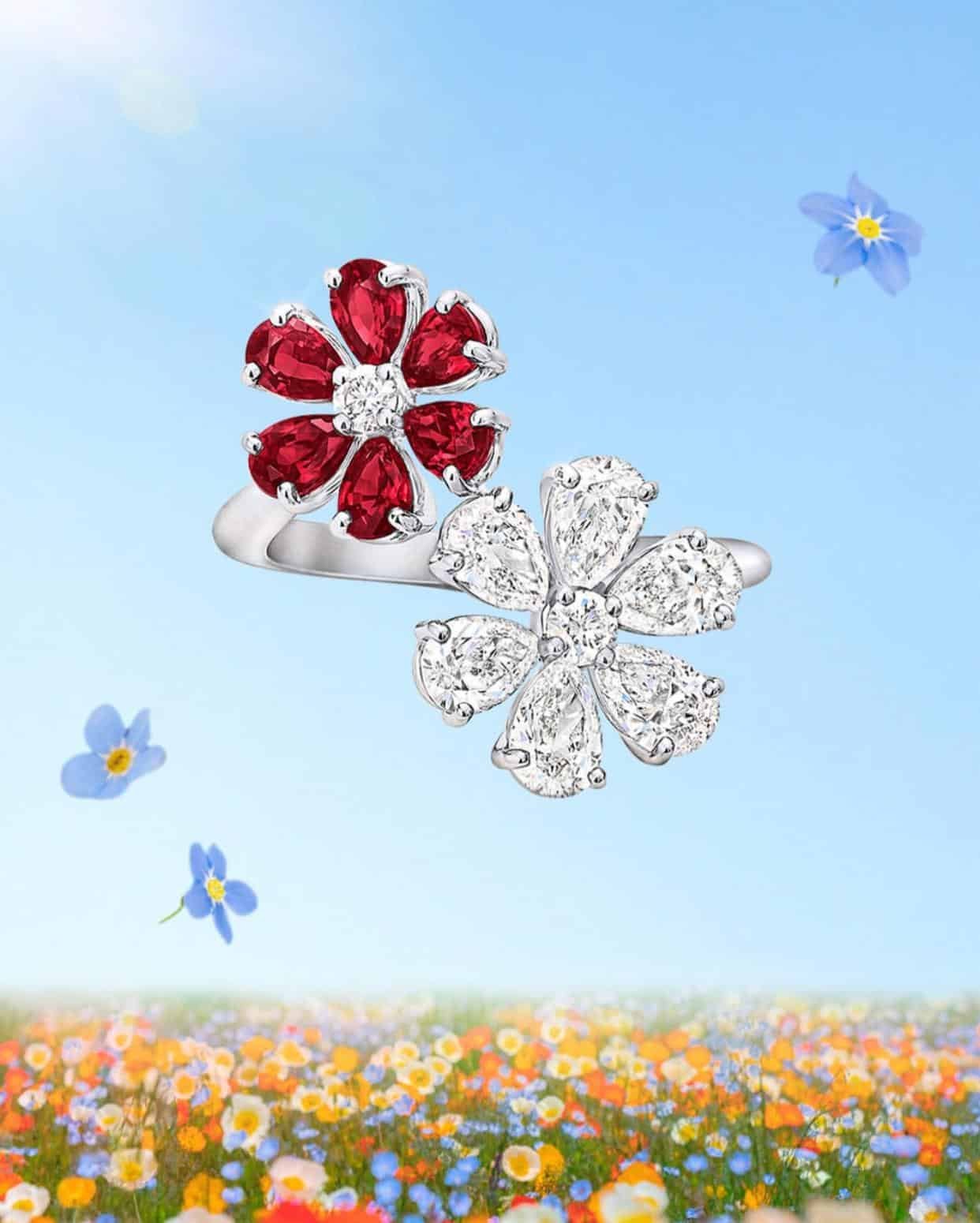
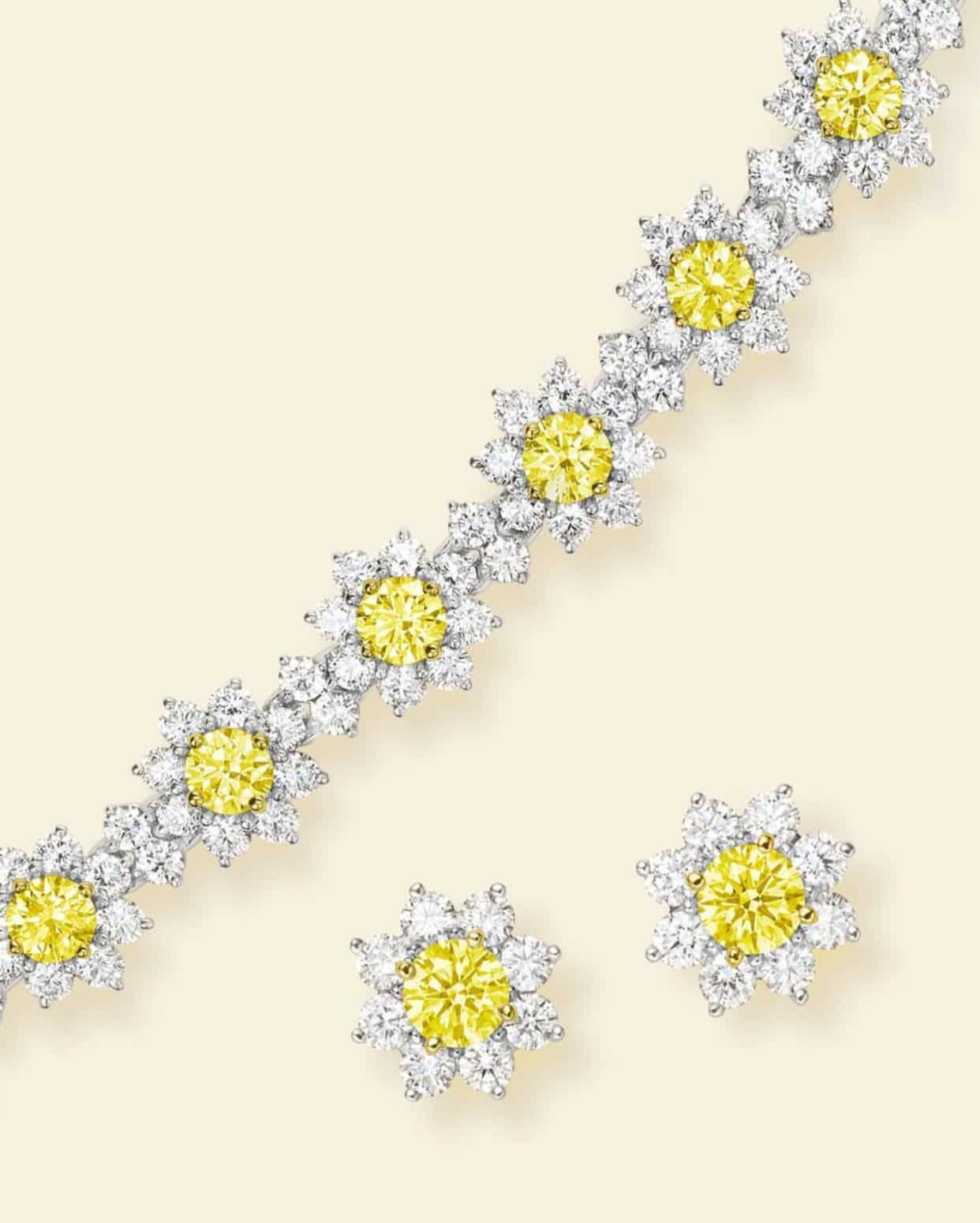
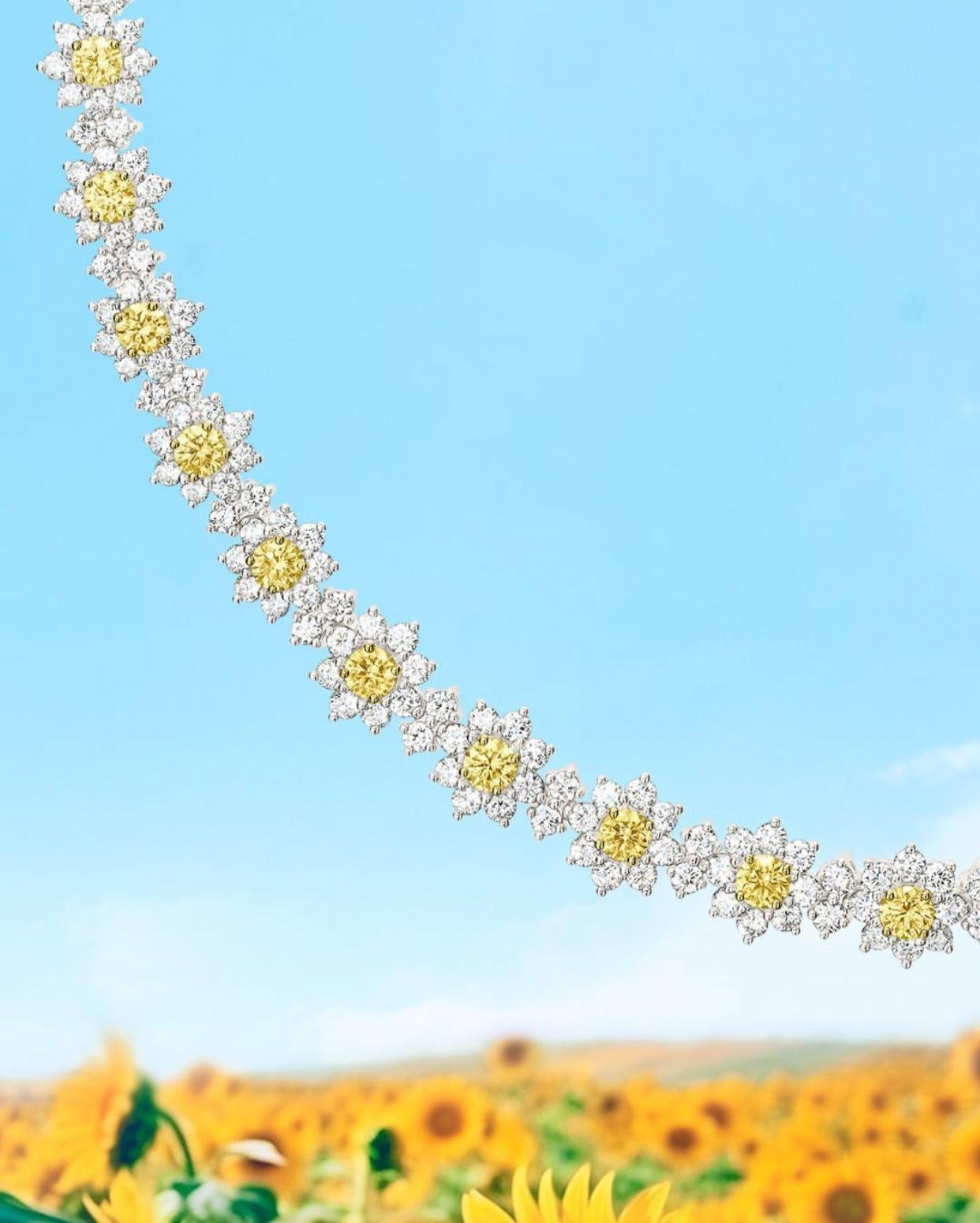
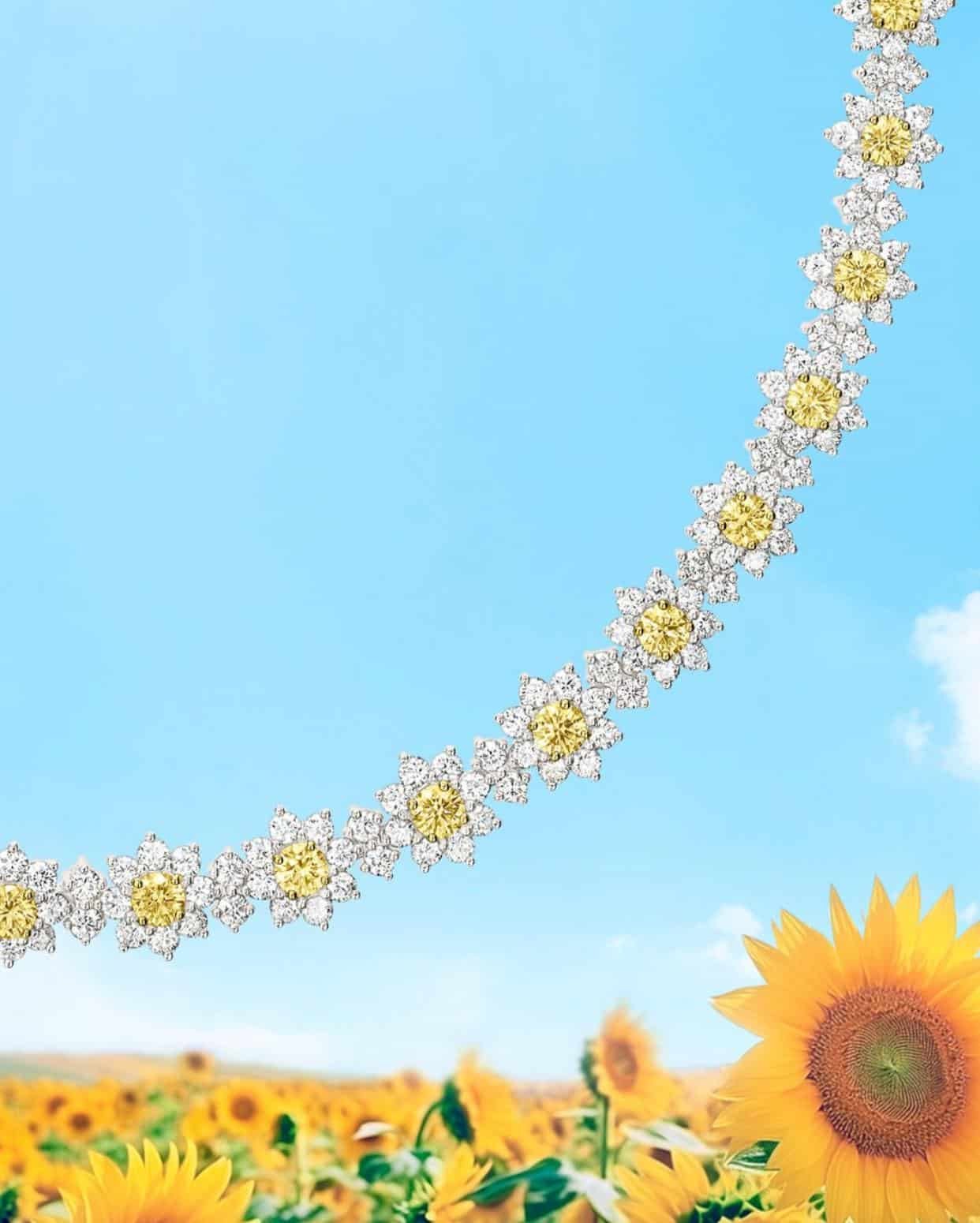
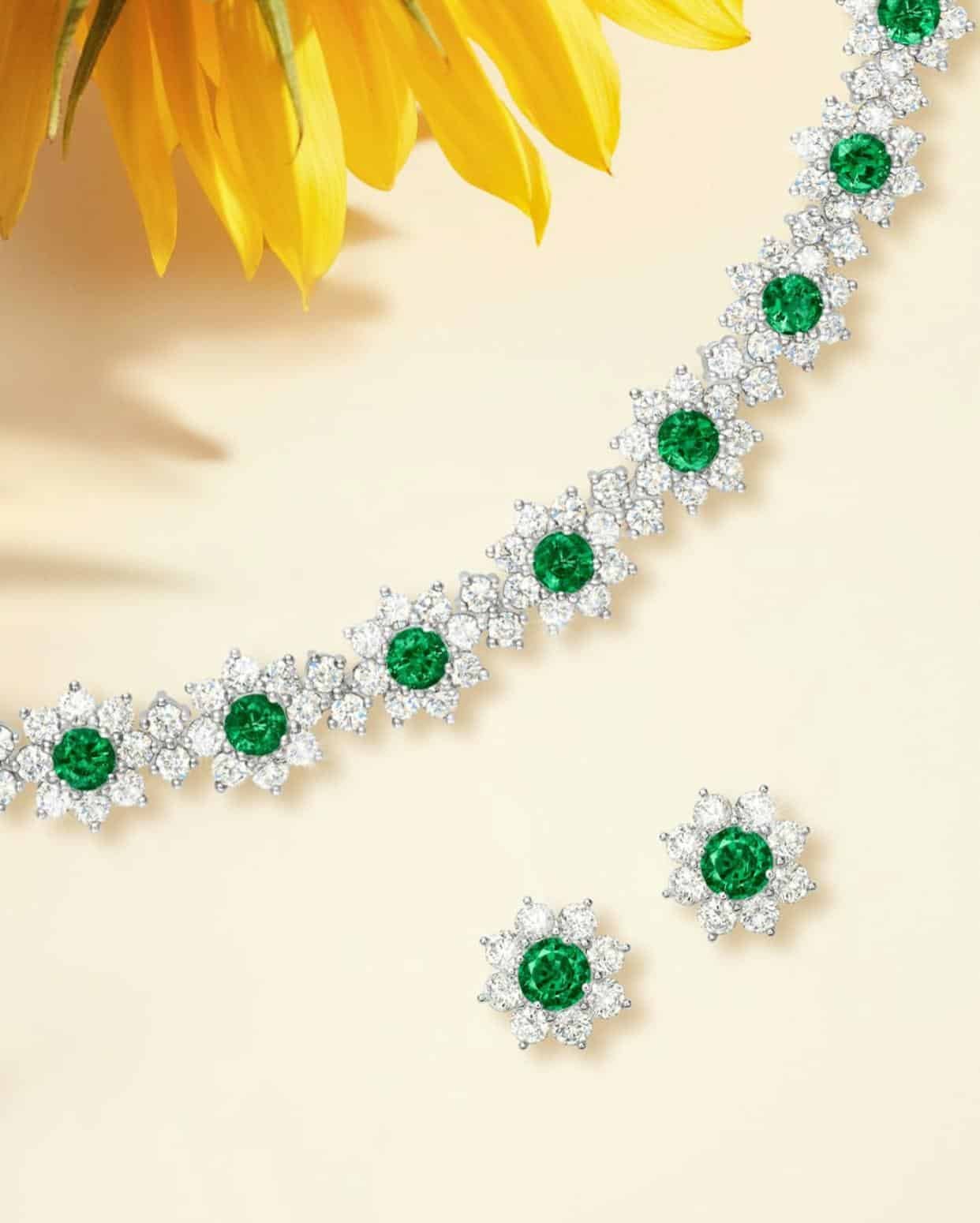
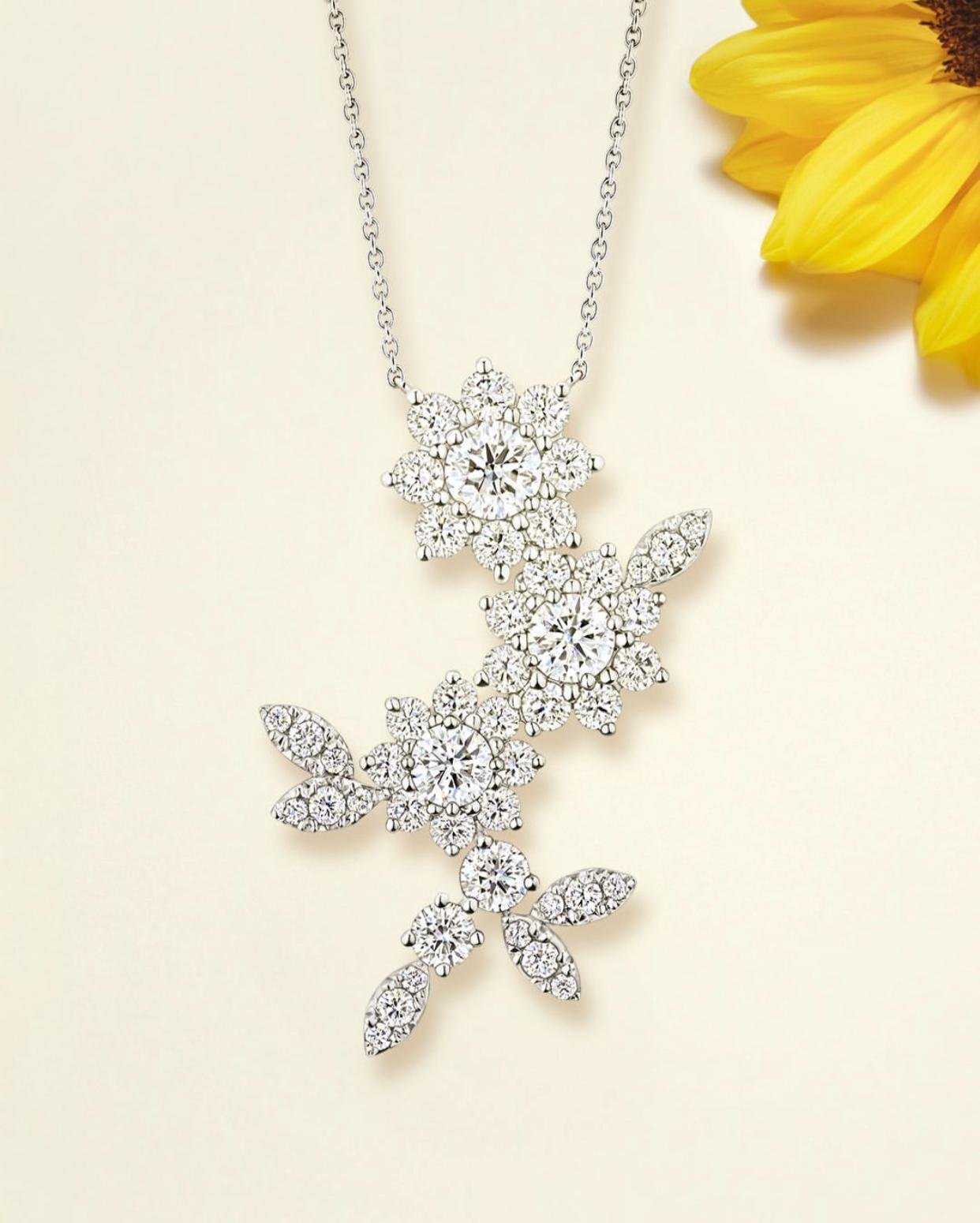
The Winston Cluster was born on a December evening when Harry Winston observed the shimmer of frost on a holly wreath he had hung at his front door. He imagined diamonds arranged in the same organic, three-dimensional way — pear, marquise, and round-cut stones hand-set at varying angles and heights, each catching light from a different direction, the platinum settings reduced to near-invisibility so that the stones appeared to float. The Cluster has been the house's most recognized design since the 1940s — adapted into necklaces, earrings, bracelets, and rings across eight decades without losing its formal logic. A holly wreath, translated into diamonds, worn by the women of several generations.
The Hope Collection is Harry Winston's highest expression — a series of one-of-a-kind pieces built around fancy vivid blue diamonds, in homage to the stone that defined the house's relationship with the Smithsonian. Each piece is handcrafted in the New York atelier: blue diamond center stones spotlighted by pink and colorless diamond surrounds, the platinum settings reduced to the minimum that the Winston style demands. These are not production pieces. They are singular objects, each one a direct continuation of the philosophy Harry Winston established when he acquired the Hope Diamond in 1949 and chose to make it accessible to the world rather than keep it for a single collector.
The New York Collection is Harry Winston's most explicitly autobiographical project — a high jewelry love letter to the city where the founder was born, raised, and built his house. Ten sub-collections, each addressing a specific chapter of New York's architecture and geography: the geometry of Central Park rendered in emeralds and diamonds; the stately brownstones of the Upper West Side neighborhood where Harry Winston grew up, translated into sugarloaf ruby and diamond necklaces; the City Lights of Broadway in vivid colored stones; the Cathedral collection honoring St. Patrick's, across from Winston's first major address at 7 East 51st Street; the Eagle series inspired by the cast-iron eagles of Grand Central Station; the Marble Marquetry pieces nodding to the elaborate marble interiors of the 718 Fifth Avenue salon. A city, made wearable.
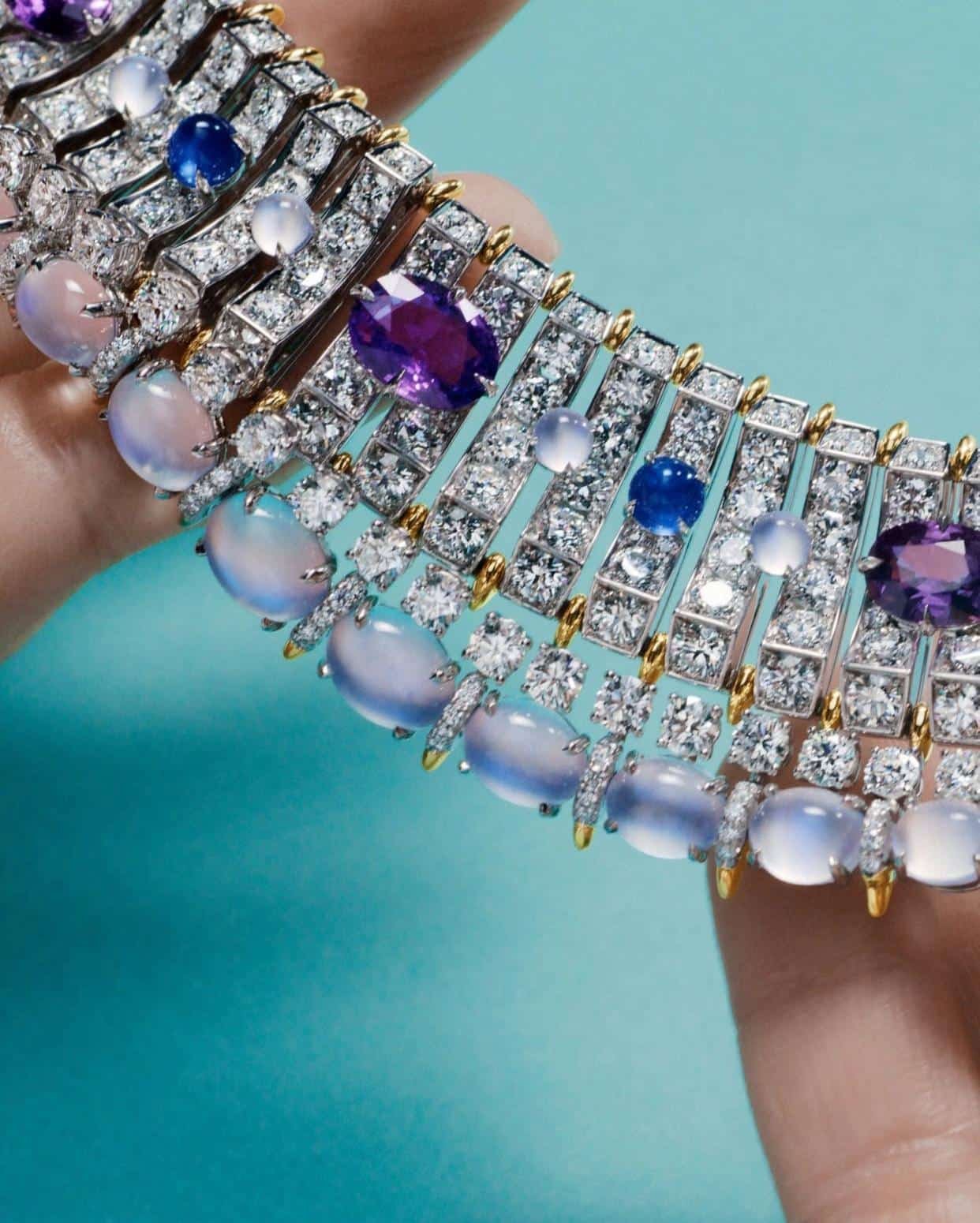
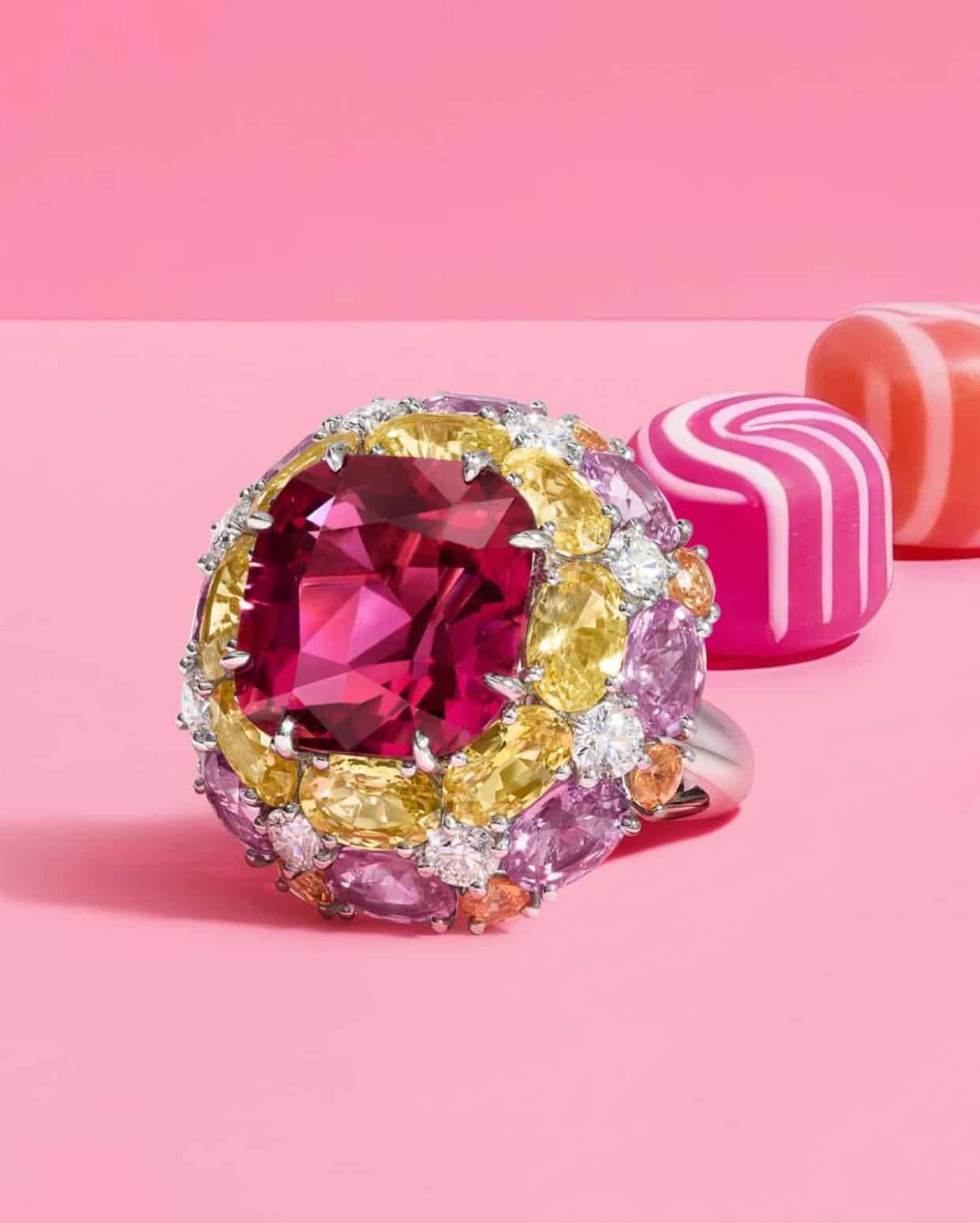
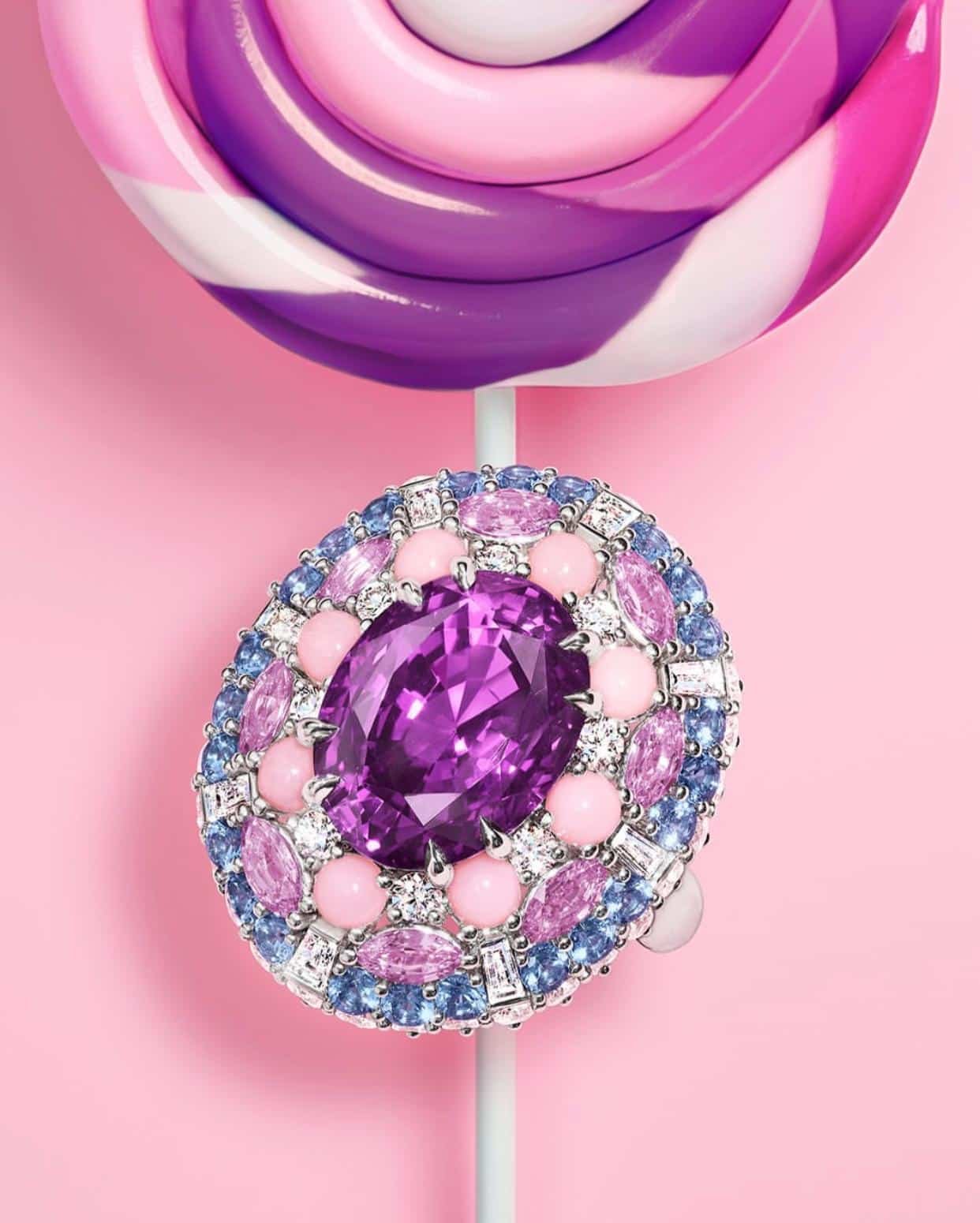
The Incredibles are Harry Winston's most emphatic statement — pieces fashioned from diamonds, rubies, sapphires, and emeralds at a scale and quality that the house describes as unmatched and unrivaled. Each is a singular object, produced in the New York atelier by artisans whose specific skills have been developed over careers dedicated exclusively to this level of work. The Incredibles exist at the point where jewelry becomes something else — where the quality of the stones and the precision of the setting combine to produce objects that are simultaneously jewelry, sculpture, and historical document. They are the direct descendants of the Court of Jewels that Winston toured across America in 1949.
Harry Winston's bridal collection is built on the same philosophy as the high jewelry: the diamond comes first, the setting follows from it. The house favors D Flawless and Type IIa stones — diamonds of exceptional purity and brilliance — set in the minimal platinum wirework that the founder refined in the 1940s. Engagement rings begin at the accessible register and extend into singularly significant stones. It is not coincidental that Elizabeth Taylor, Jackie Kennedy, and Wallis Simpson all wore Harry Winston at the moments that mattered most. The house has understood, from its first day, that a diamond ring is not a piece of jewelry. It is a decision about the future.
The Royal Adornments collection draws from the tradition of ceremonial jewelry — crowns, tiaras, necklaces of state — reimagining the grandeur of historic royal jewels through the Winston lens of exceptional stones and minimal settings. Padparadscha sapphires, Burmese rubies, Colombian emeralds, Kashmir sapphires: the stones that define the collection are chosen for rarity before they are chosen for beauty, with the understanding that at this level, the two are the same thing. A 37.92-carat padparadscha sapphire and diamond necklace from the collection sold at auction for over one million dollars. The house builds at this register because Harry Winston always believed that the finest stones deserved the finest treatment — and that treatment, at its highest expression, is a piece that could be worn by a queen.
Harry Winston mailed the Hope Diamond to the Smithsonian
via the United States Postal Service for sixty-four cents.
When asked why he trusted the mail
with a stone worth millions,
he said: "If you can't trust the United States mail,
who can you trust?"
Harry Winston moved his New York salon to 718 Fifth Avenue — one of the most significant relocations in jewelry history, establishing what became the permanent home of the flagship salon, the design studio, and the house archives. The salon's interior was fitted with elaborate marble detailing selected personally by Winston — marble that now appears as the design source for the Marble Marquetry sub-collection of the New York high jewelry series. The building is the center of gravity around which the entire Winston world revolves: where the stones are examined, where the settings are conceived, where the pieces are made by hand in the atelier above the salon floor, where the collections are presented to collectors who have been coming to this address for generations.
The Winston Philosophy · The Stone First · Always
Everything Harry Winston built — the Court of Jewels, the Hope Diamond donation, the Winston Cluster, the New York Collection, the Incredibles — flows from a single conviction established at the beginning of his career: that a great stone should not serve a design. The design should serve the stone. This is not a modest philosophy. It requires the courage to acquire extraordinary stones before knowing what they will become, to wait for the right stone before committing to a design, to allow a diamond's particular shape and character to determine what surrounds it. It also requires, at the practical level, the ability to recognize the extraordinary in the ordinary — to see in a rough diamond at a pawnshop, or in an estate collection being dissolved by a bank, the thing that everyone else has walked past. Harry Winston had that ability at twelve years old. He never lost it.
718 Fifth Avenue · New York, NY 10019
Winston Cluster · Hope Collection · New York Collection · The Incredibles
Royal Adornments · Bridal · High Jewelry by appointment
New York atelier — all high jewelry handcrafted on-site
Founded 1932 · Harry Winston, Inc. · Swatch Group since 2013
harrywinston.com
Harry Winston bought his first emerald for twenty-five cents
and gave away his greatest diamond for sixty-four.
In between, he passed through his hands
one third of the world's most celebrated stones.
The King of Diamonds never kept the crown.
He always believed it belonged to the stone.
© Harry Winston
© Harry Winston
© Harry Winston
© Harry Winston
© Harry Winston
© Harry Winston
© Harry Winston
© Harry Winston
© Harry Winston
© Harry Winston
© Harry Winston
© Harry Winston
© Harry Winston
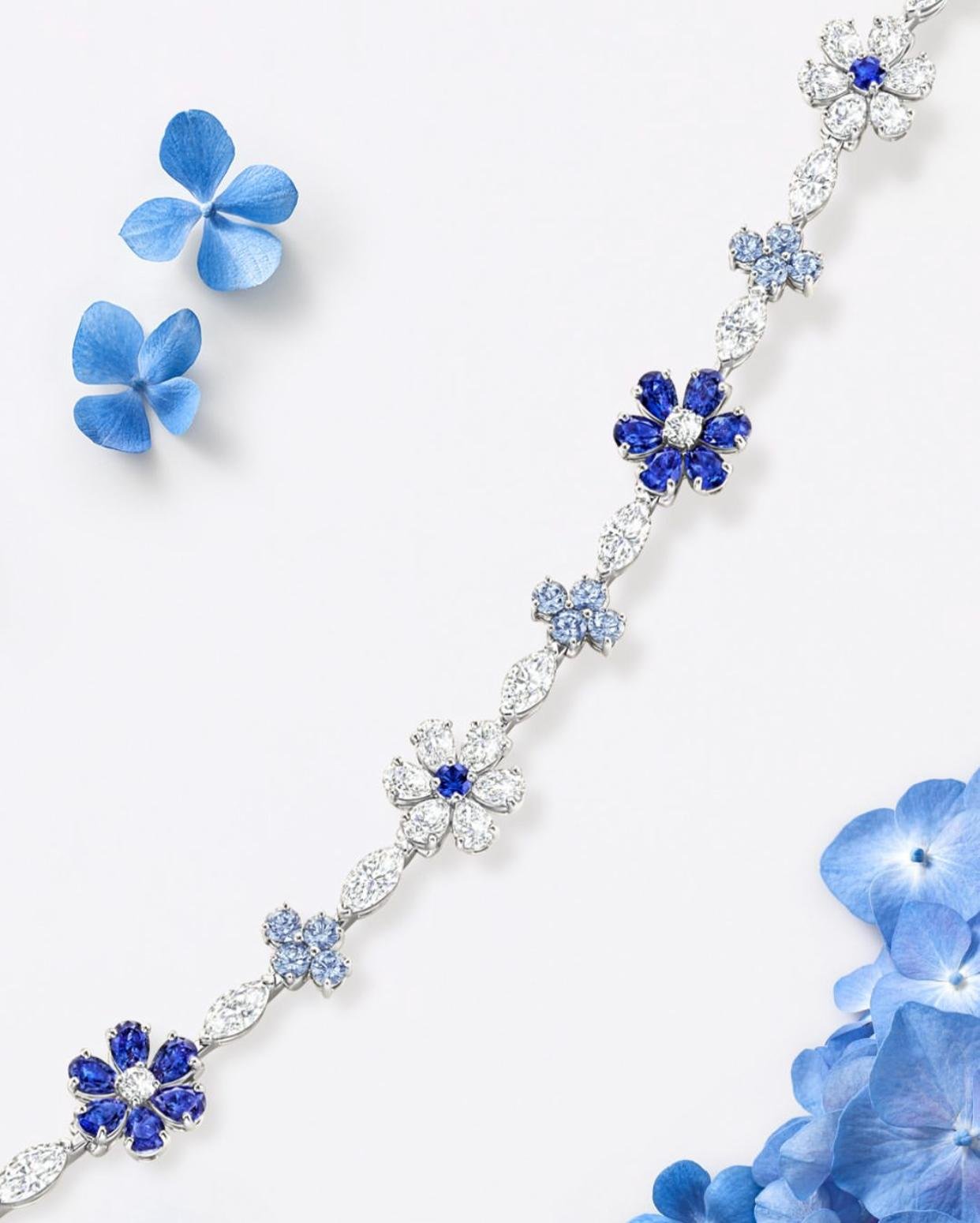
© Harry Winston
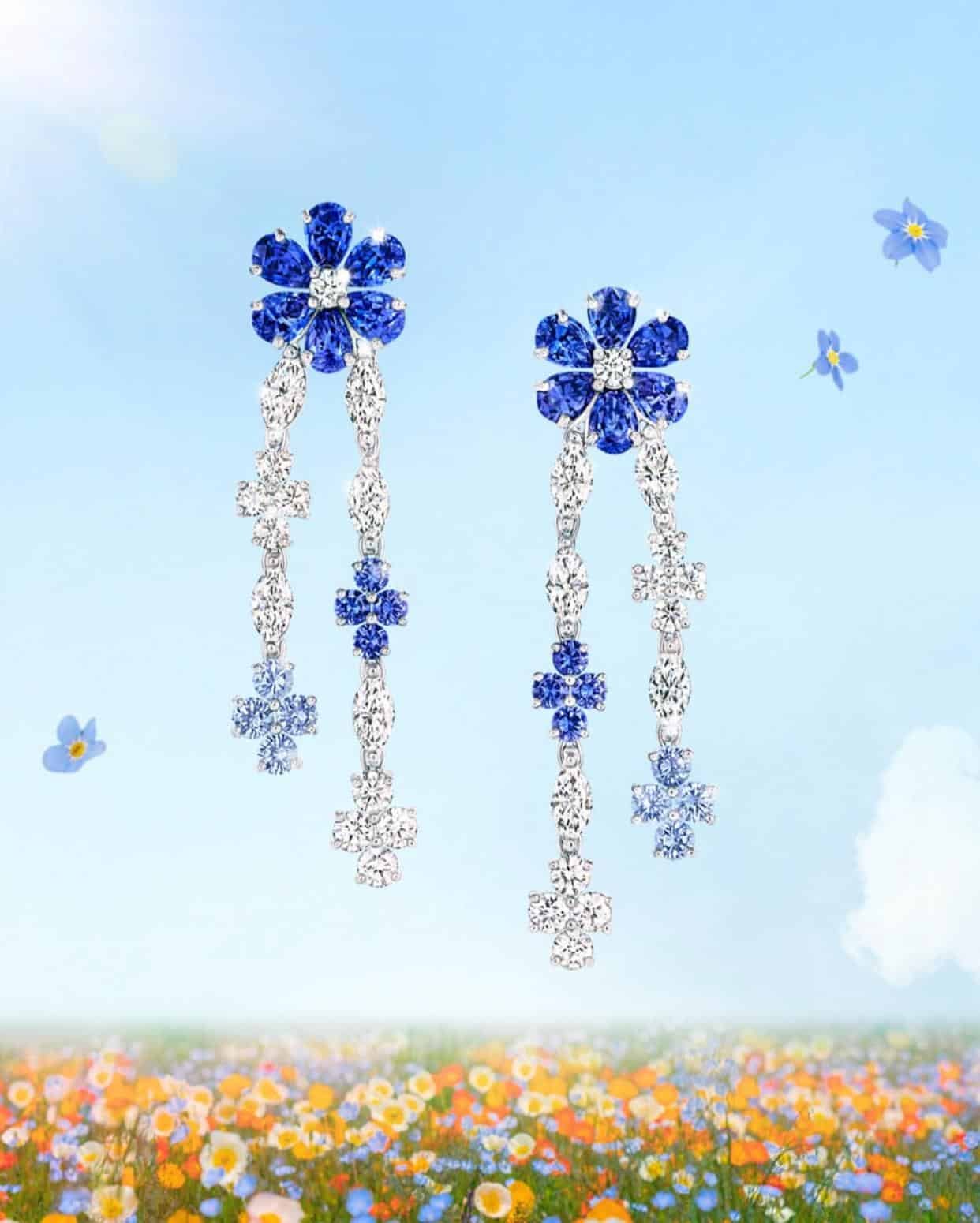
© Harry Winston
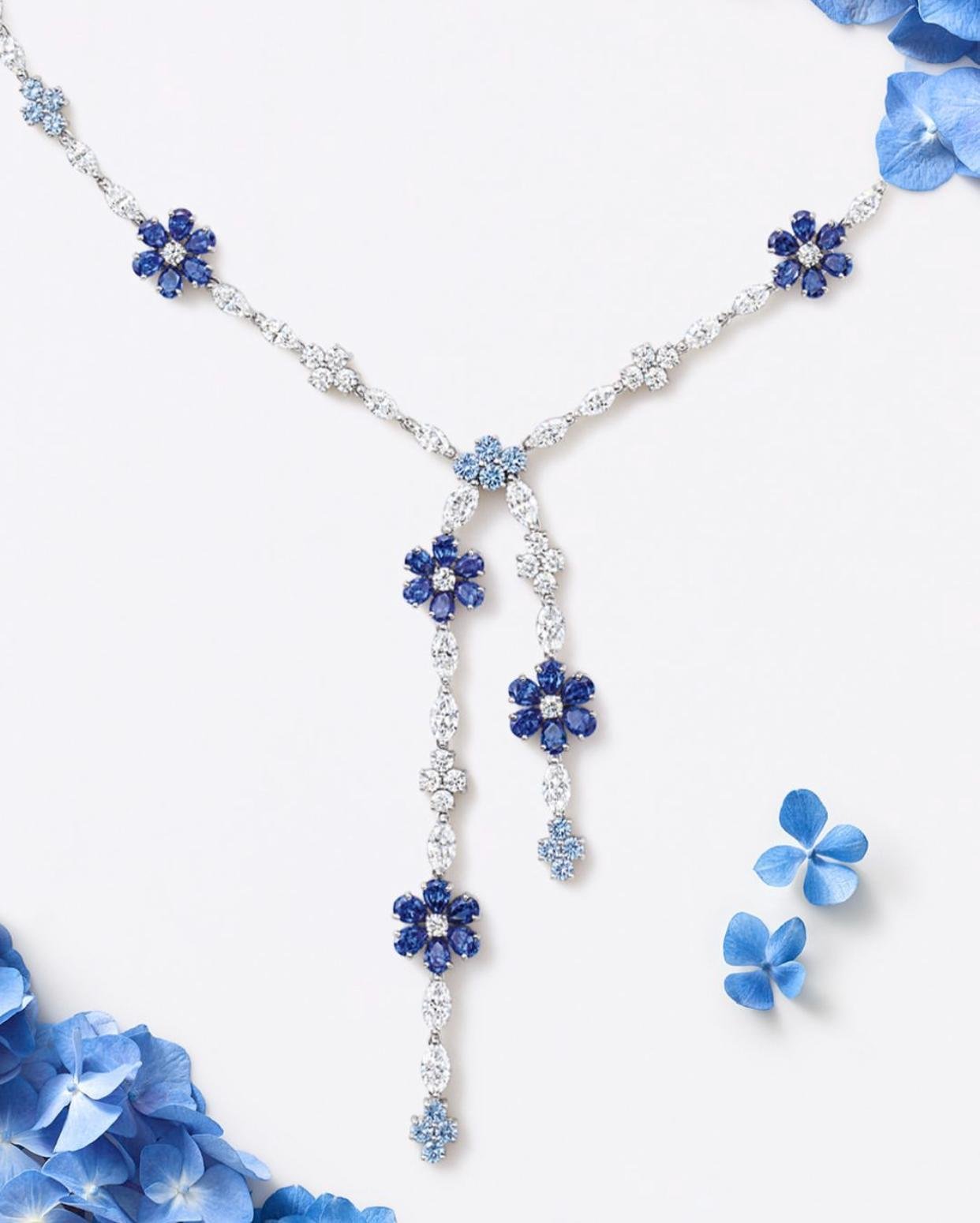
© Harry Winston
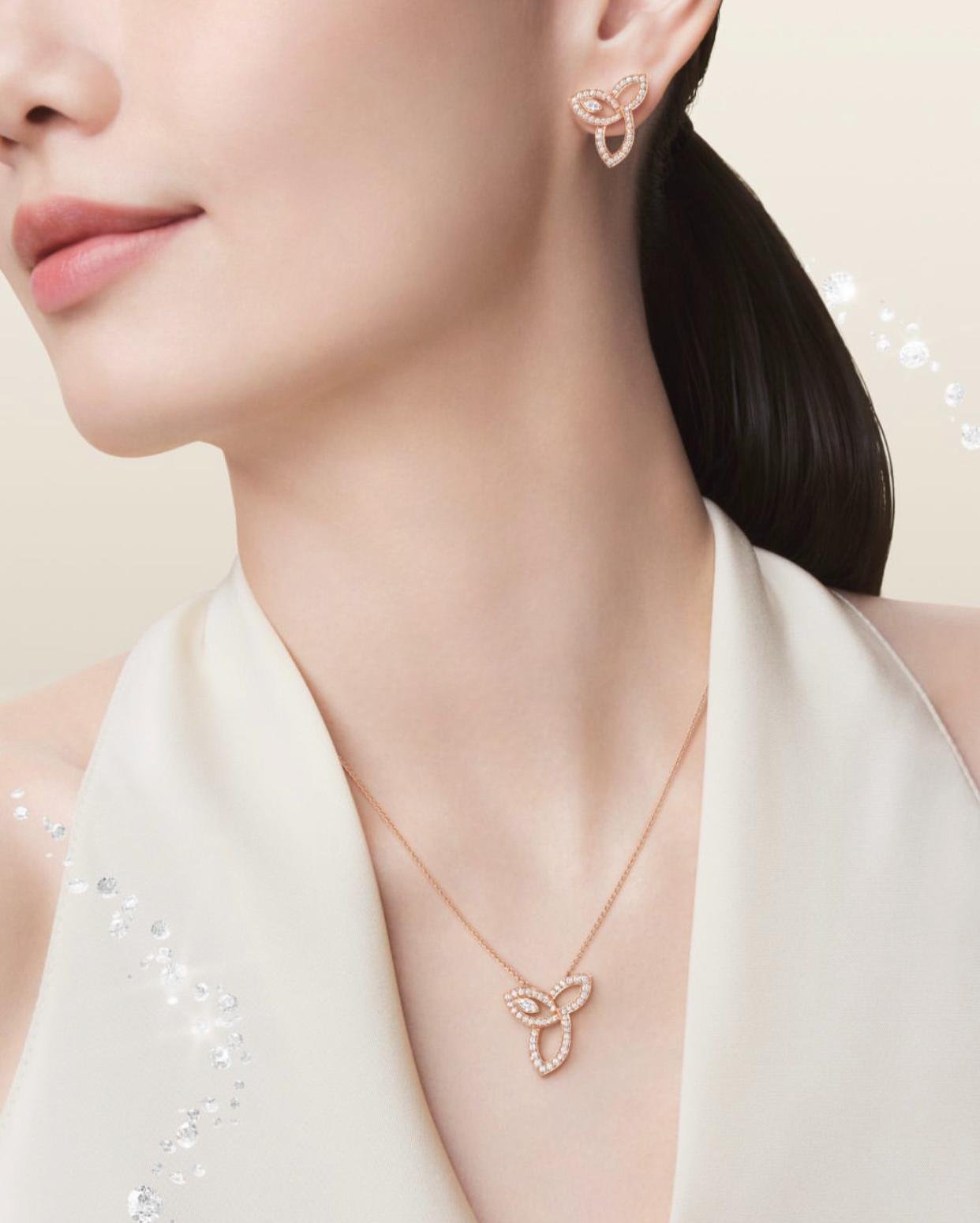
© Harry Winston
© Harry Winston
© Harry Winston
© Harry Winston
© Harry Winston
© Harry Winston
HARRY WINSTON
© Harry Winston