© The New-York EDITION

© The New-York EDITION
© The New-York EDITION
The New York EDITION
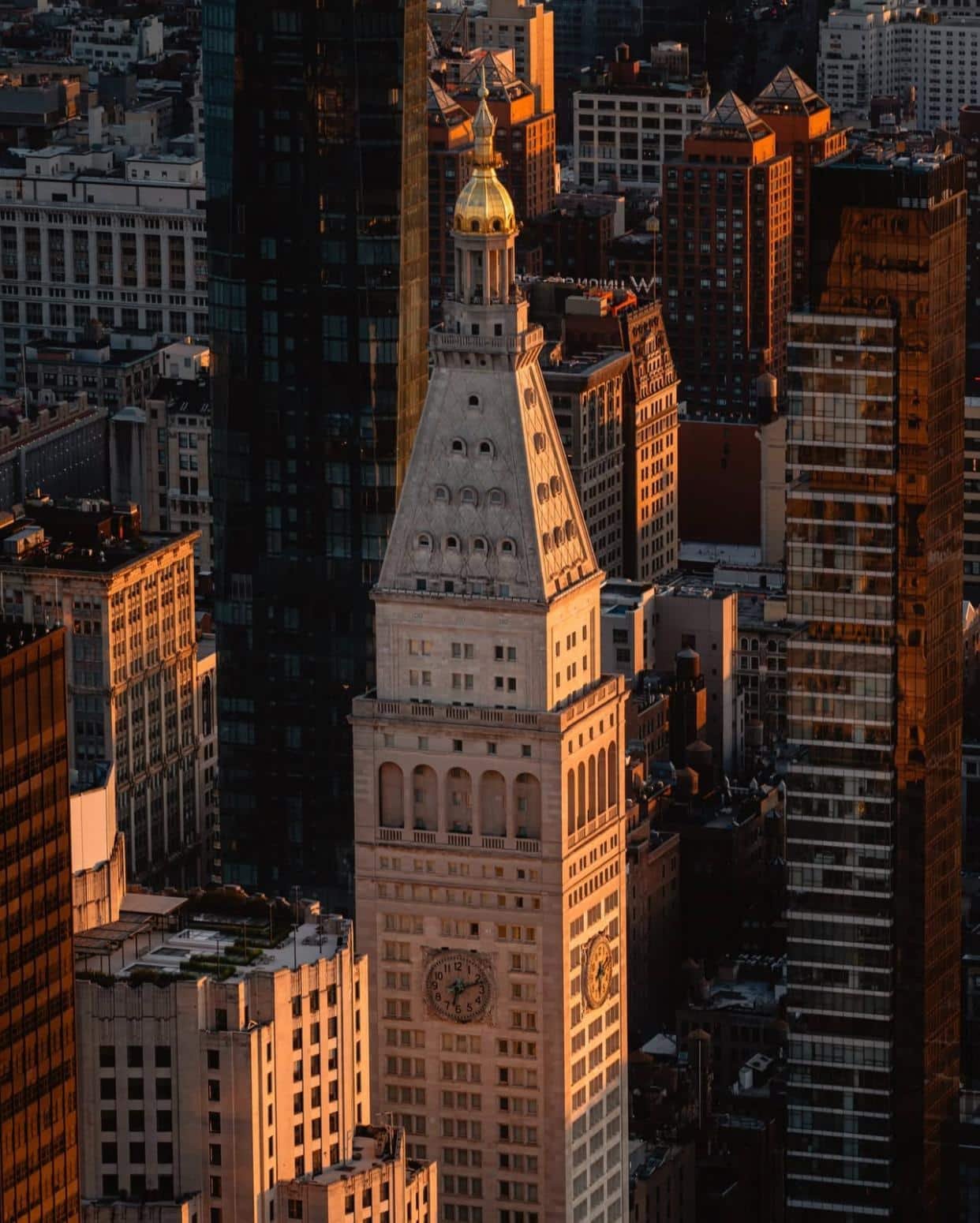
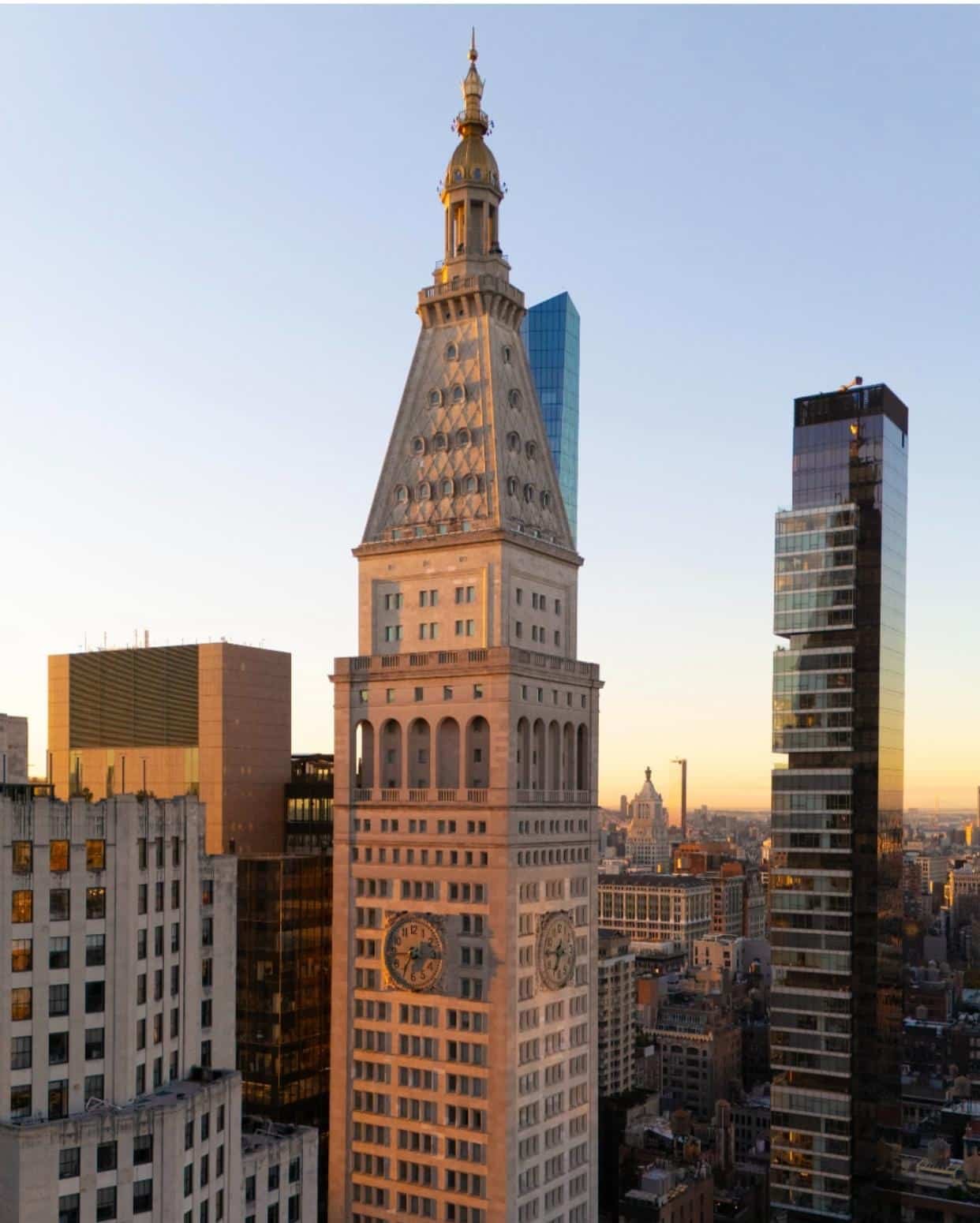
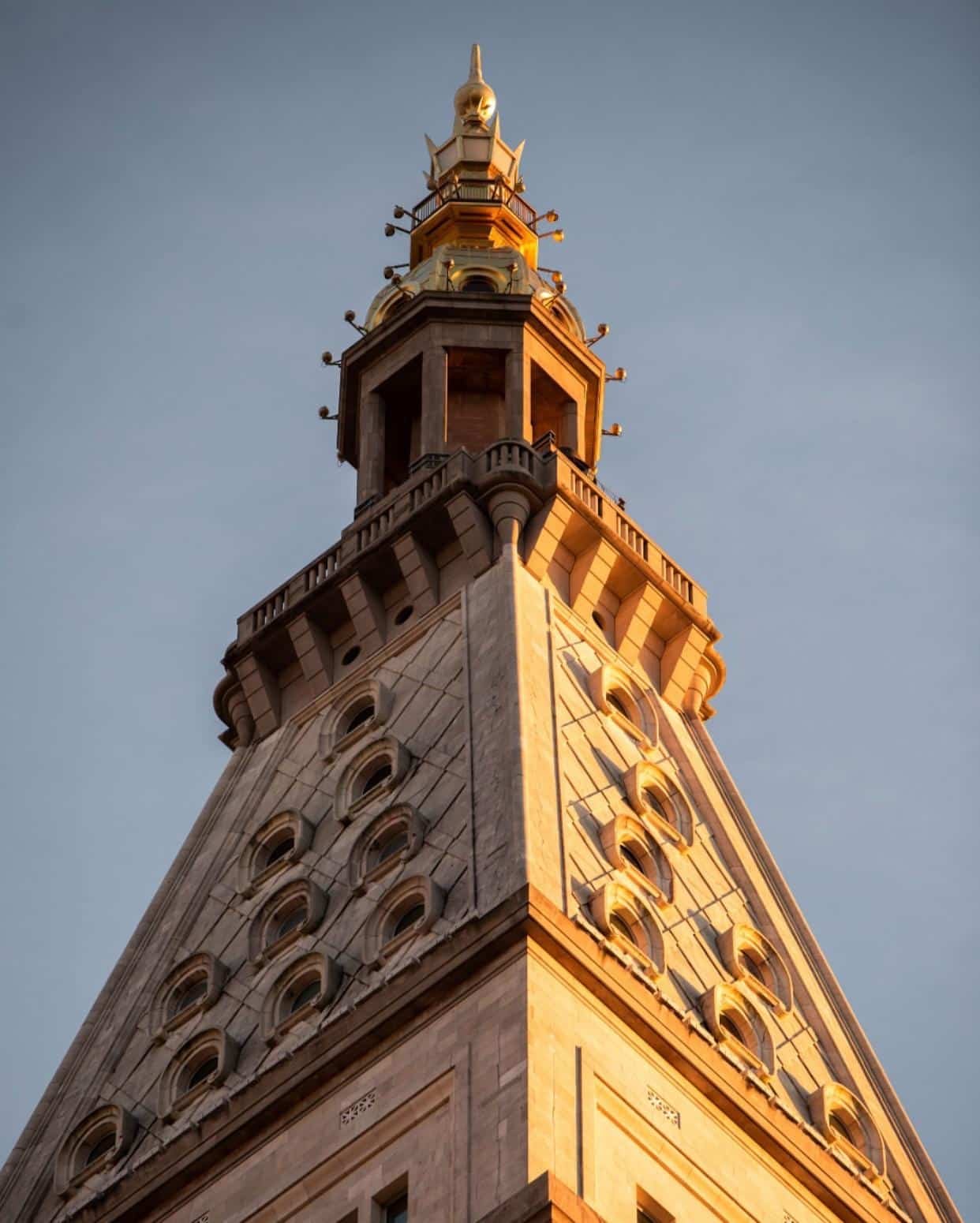
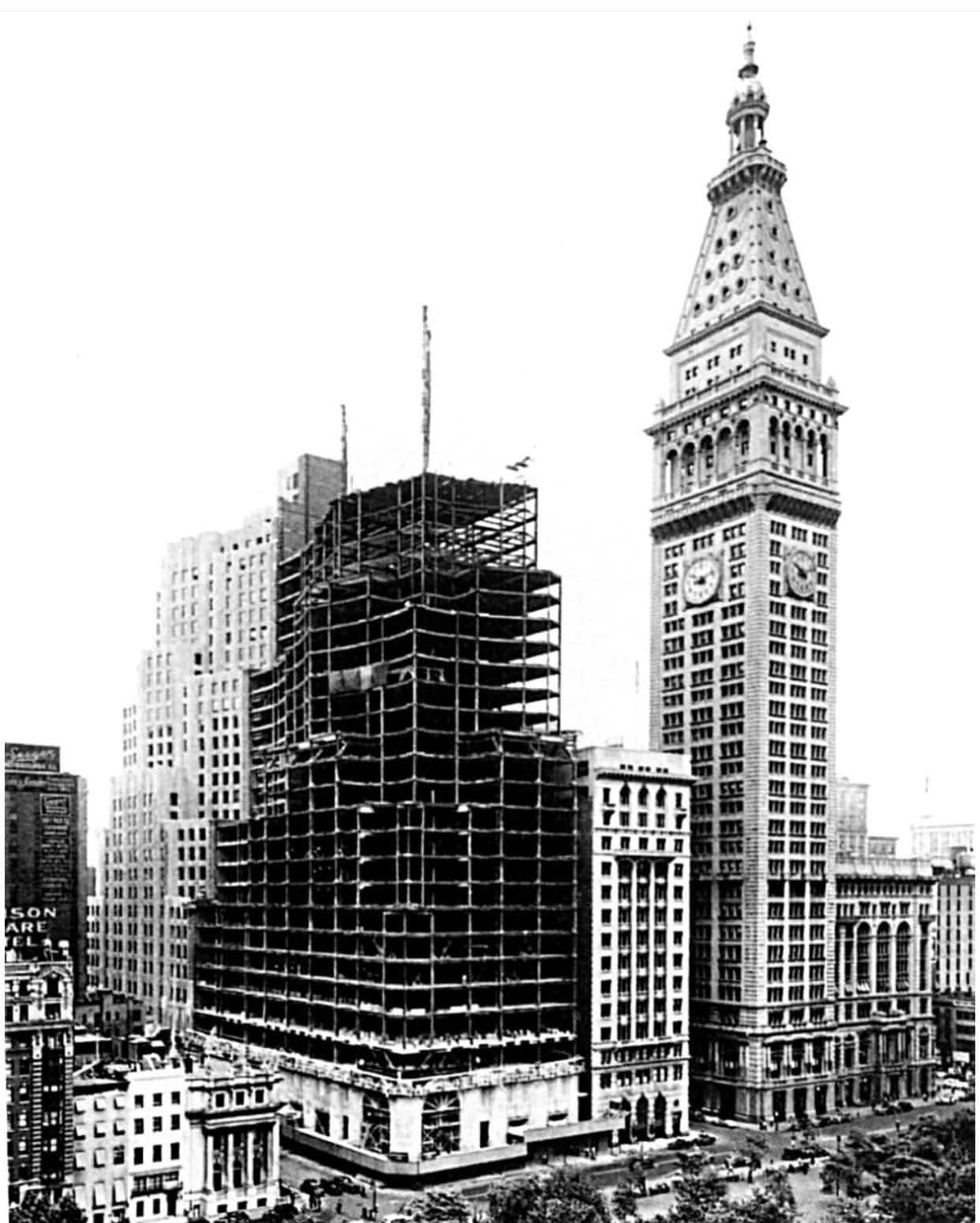
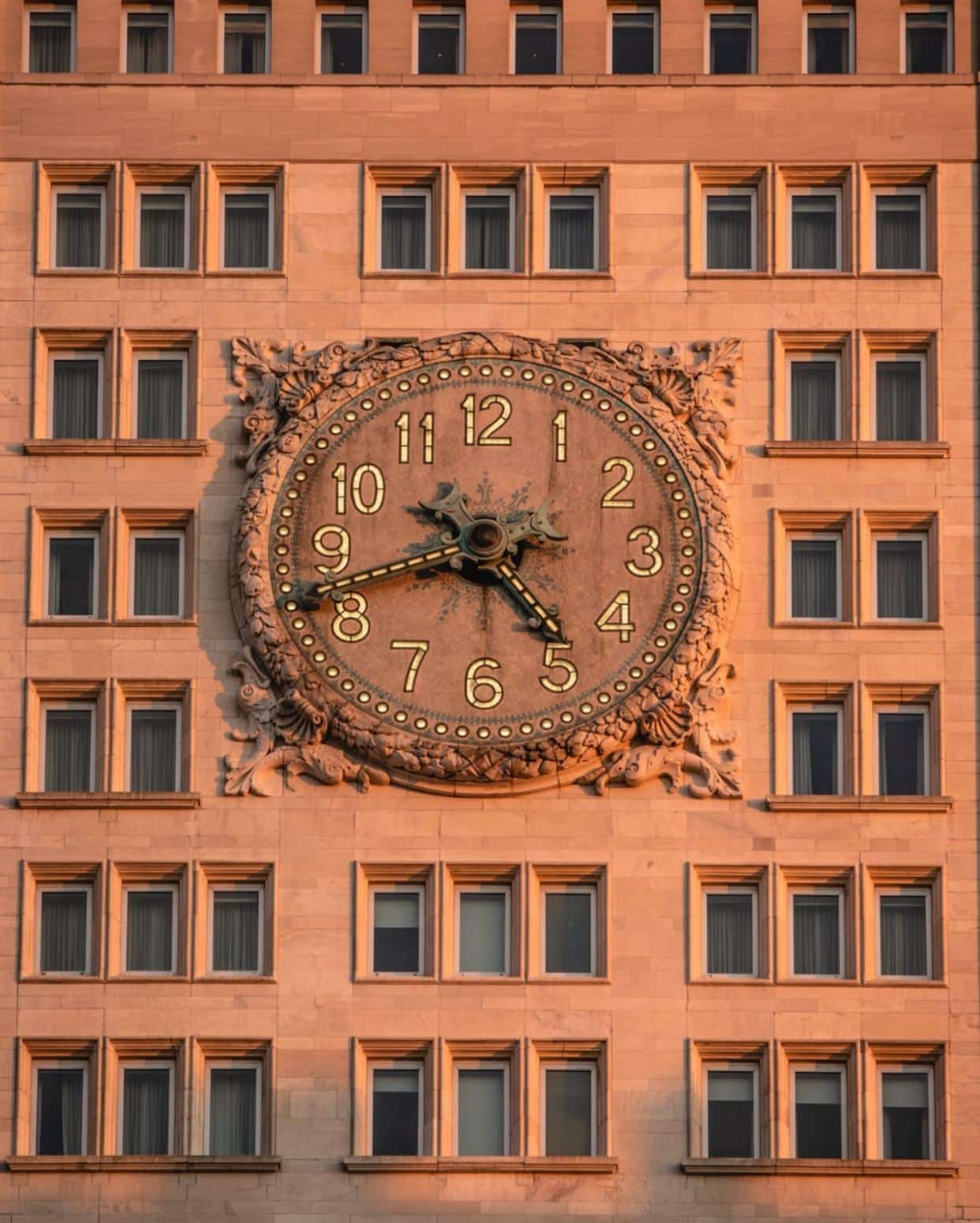
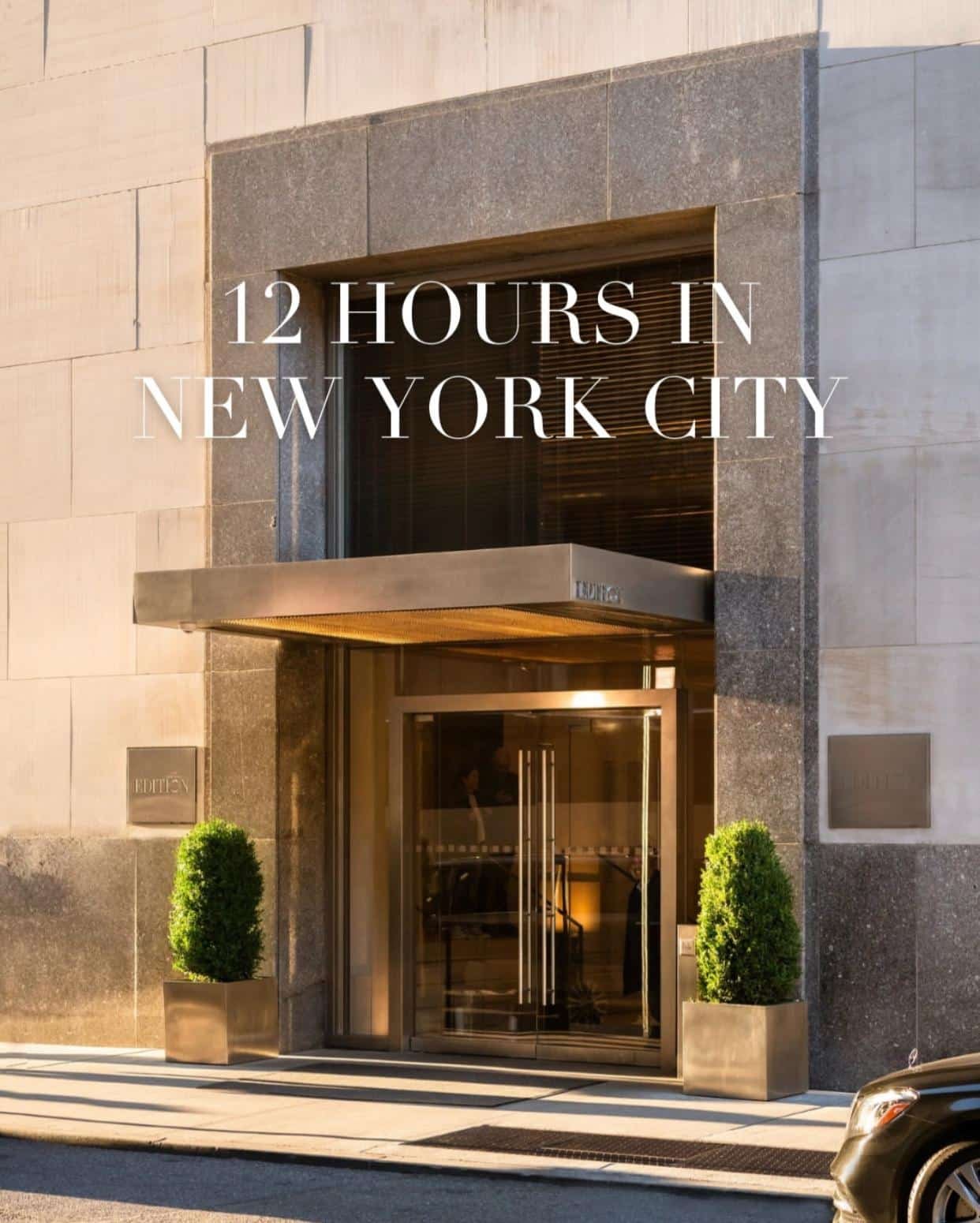
In 1909, Napoleon Le Brun & Sons completed the Metropolitan Life Tower — the tallest building in New York City, modeled after the Campanile of St. Mark's Basilica in Venice. For four years, it held that record. In 2015, Ian Schrager turned it into a hotel. The clocks still keep time on all four sides.
The MetLife Tower · A Building With A Century Of Ambition
The tower at 5 Madison Avenue was, briefly, the tallest thing in the world. Completed in 1909 for the Metropolitan Life Insurance Company, it rose 700 feet above Madison Square Park — a campanile in the Gothic manner, four clock faces visible from every approach, built to announce the confidence of a company that insured a quarter of the American population. The Woolworth Building surpassed it in 1913. The tower remained. Through a century of Manhattan's architectural revisions, it kept its position at the edge of the park — austere, vertical, certain of its own importance.
When Ian Schrager and the Rockwell Group undertook its transformation, the brief was precise: disturb nothing essential, add nothing superfluous, create the alchemy between the inherited grandeur of 1909 and the contemporary design language Schrager has spent forty years refining. The result, which opened in 2015, quotes Baudelaire without attribution — luxe, calme, and volupté, as Architectural Record put it. The building finally has an interior worthy of its exterior. It took a hundred and six years.
The Rooms · 271 Keys · White, Oak, And The City Below
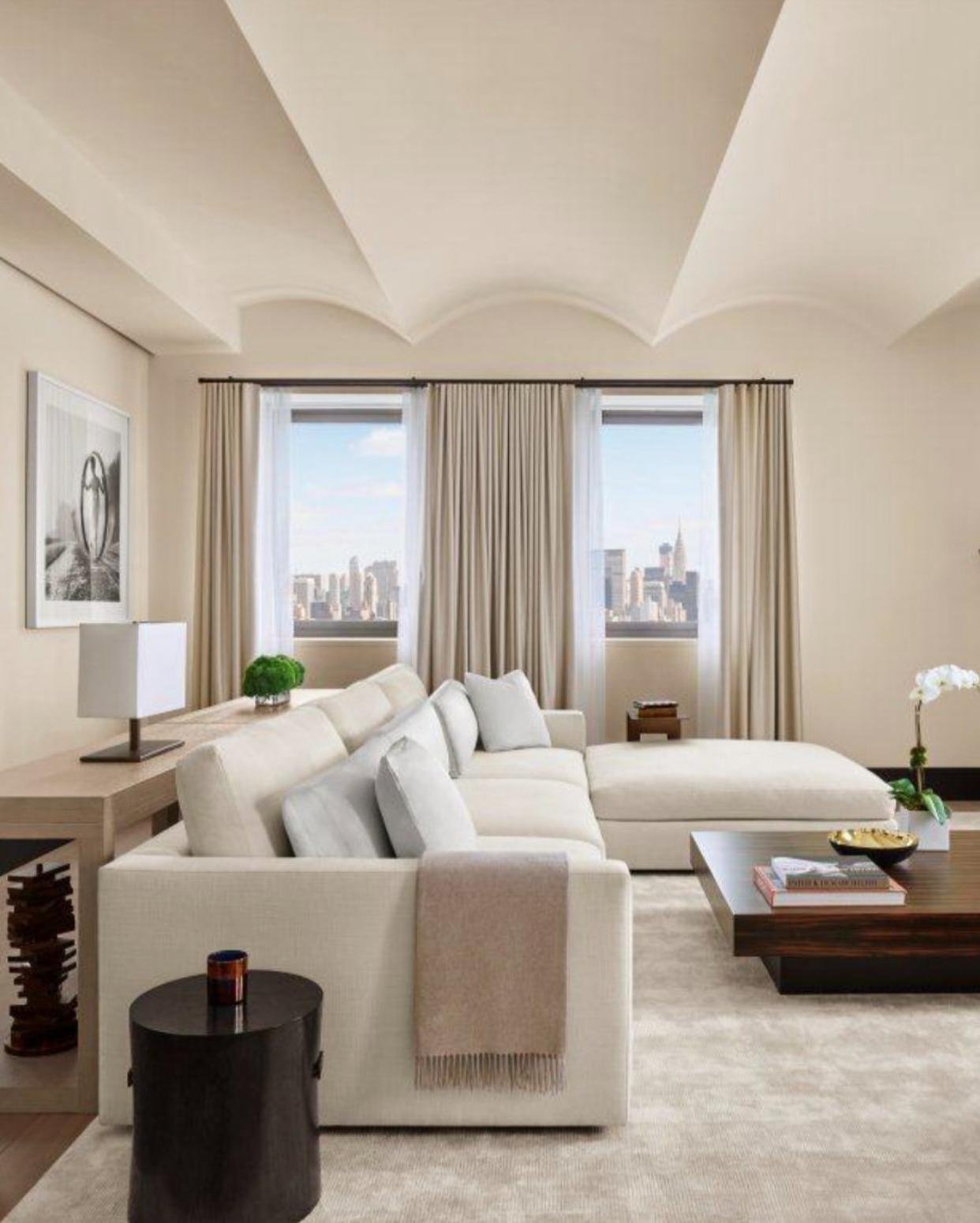
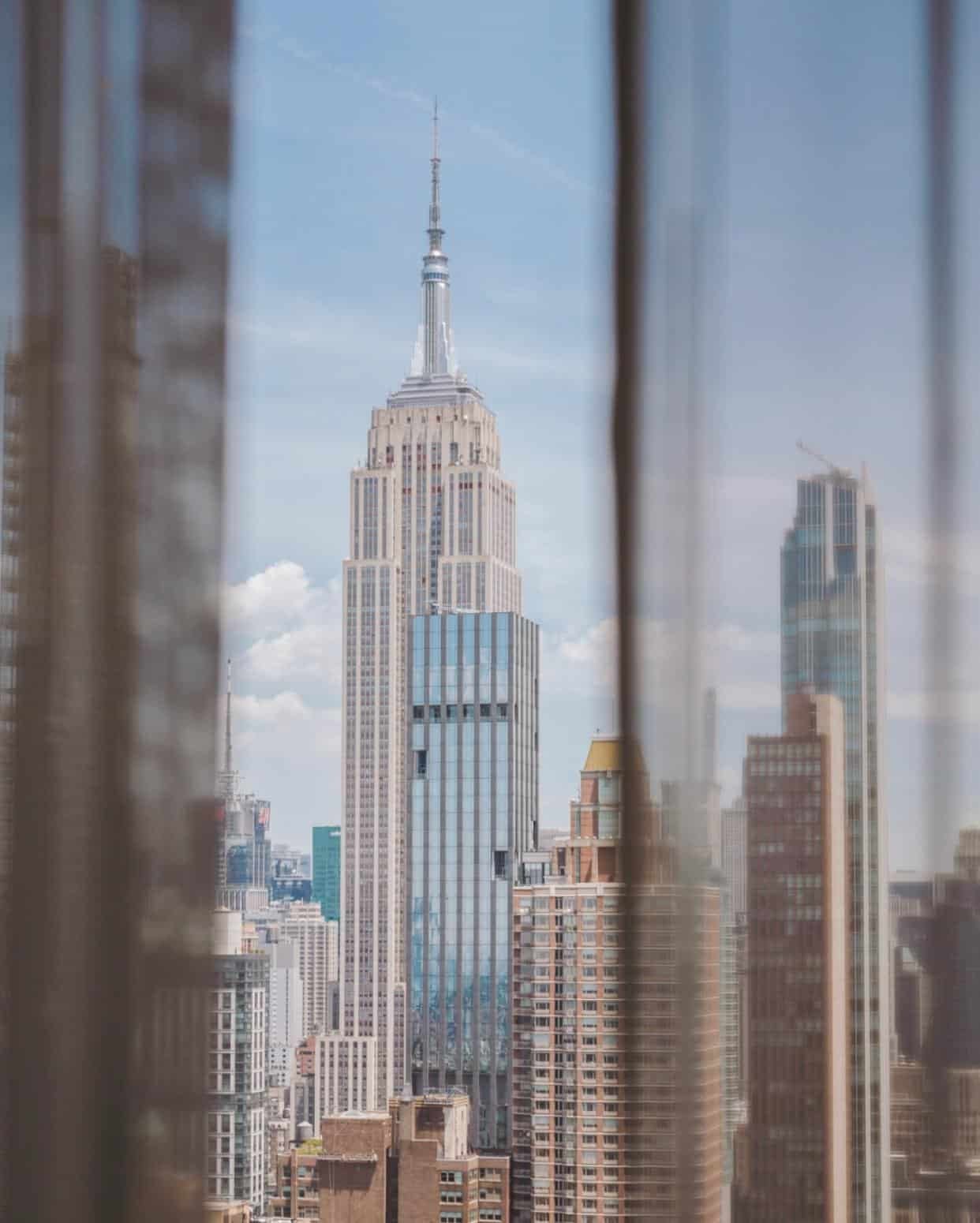
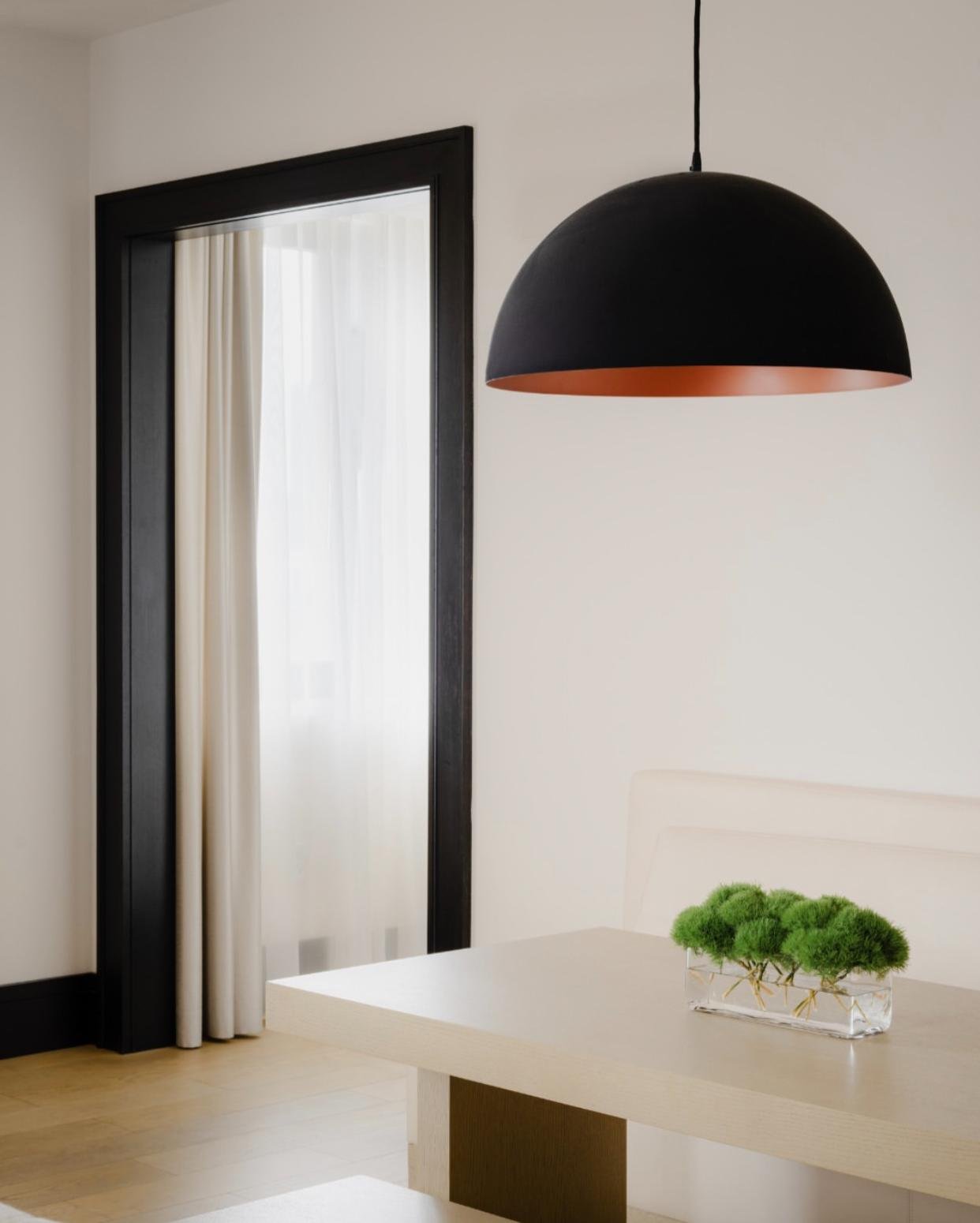
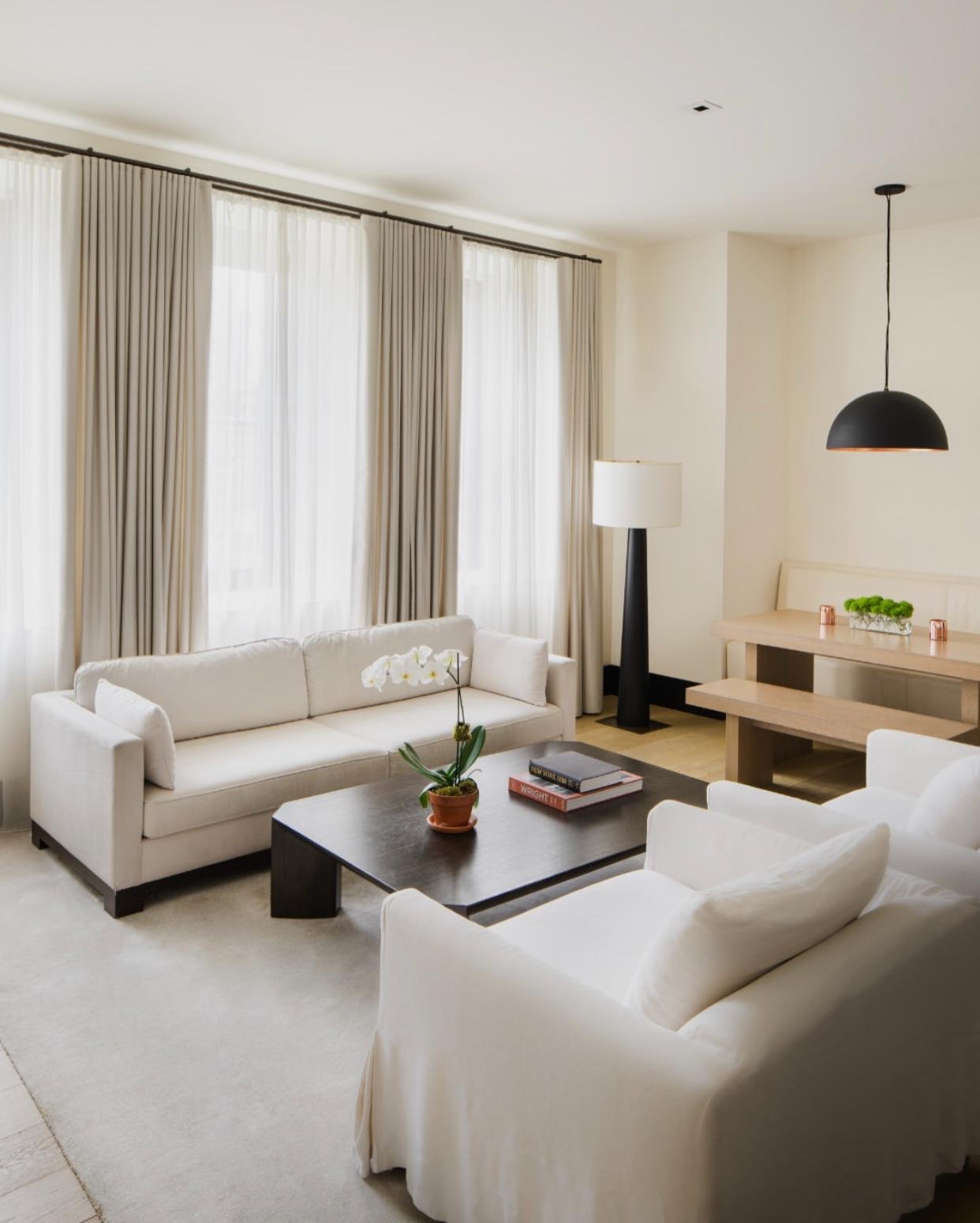
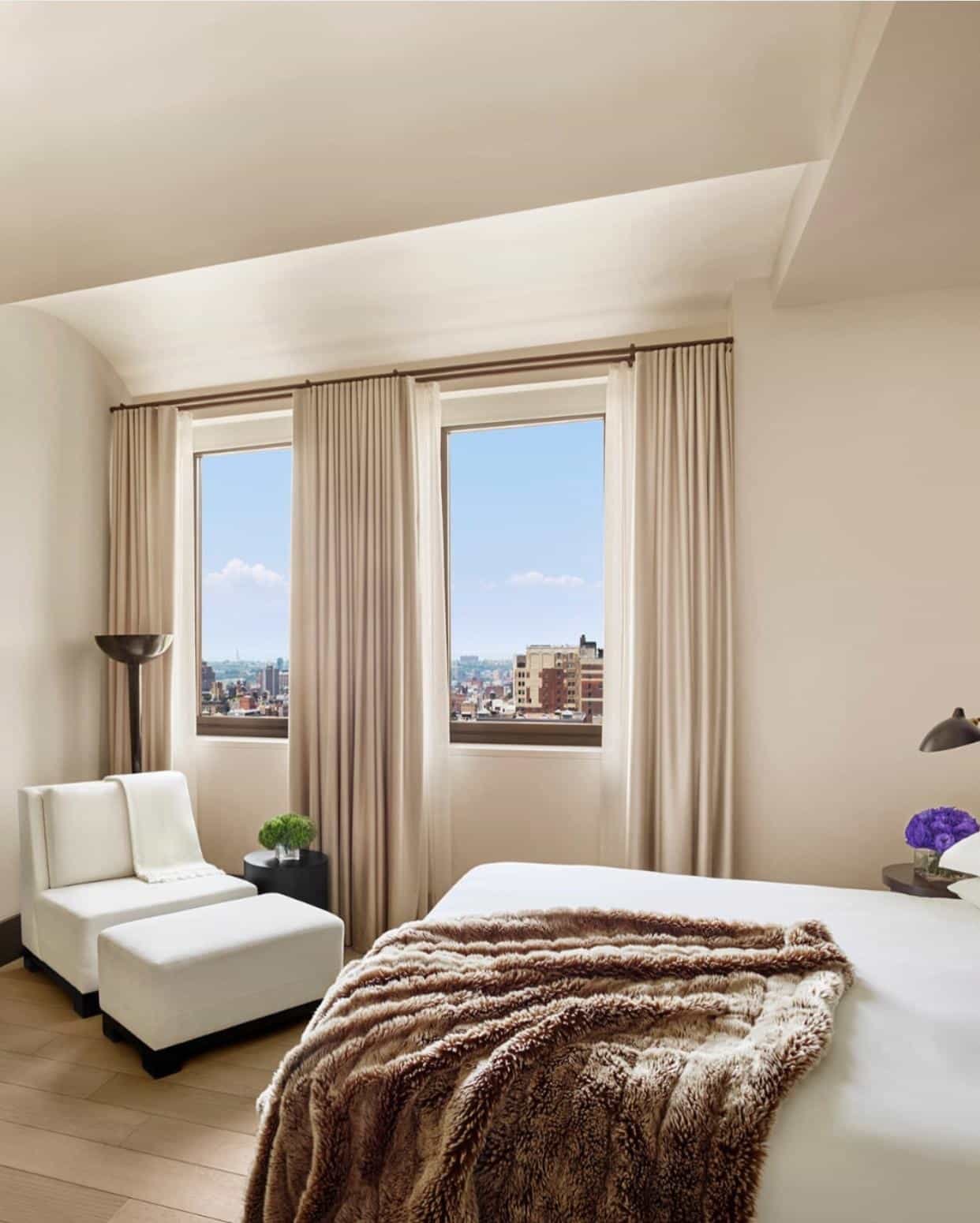
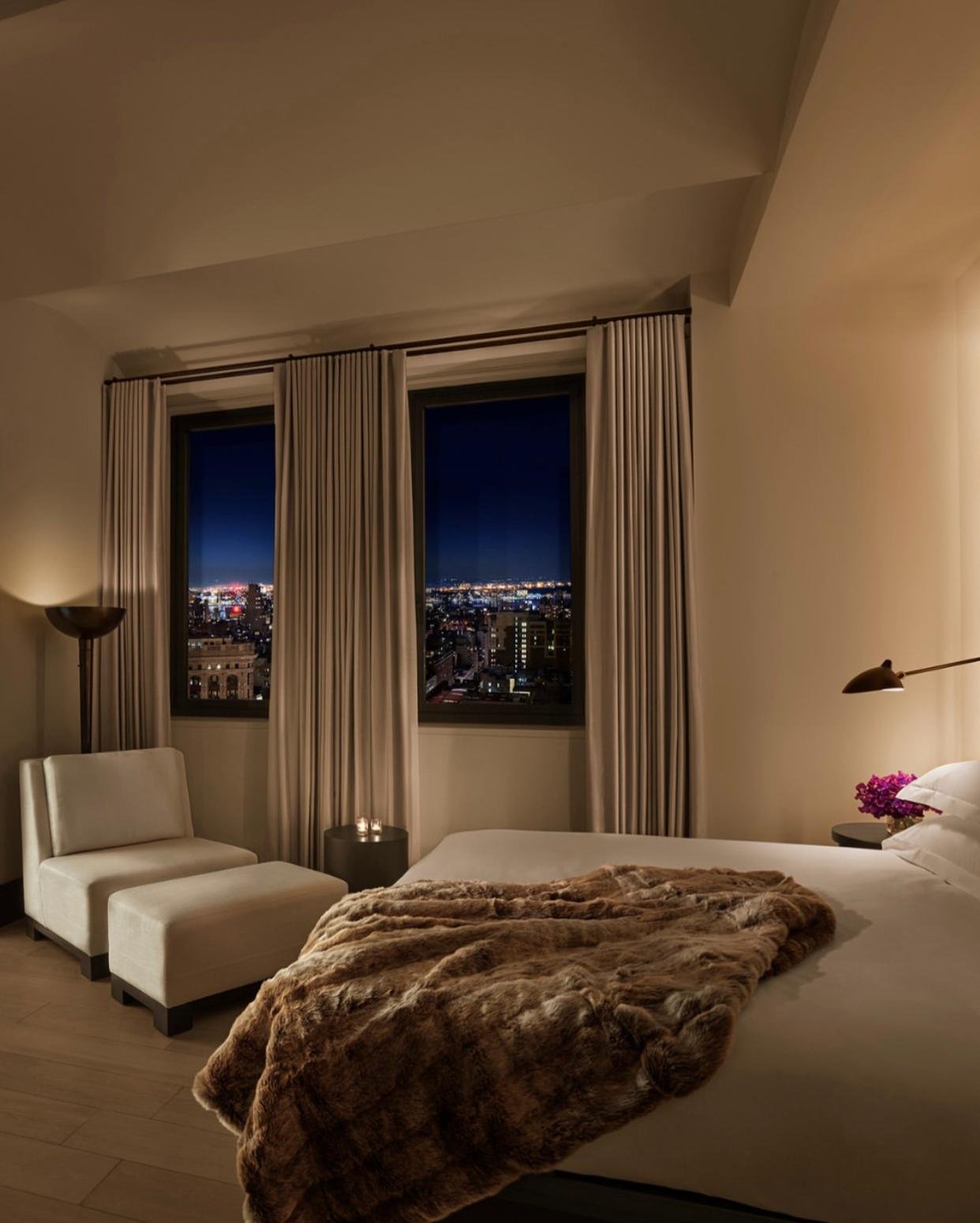
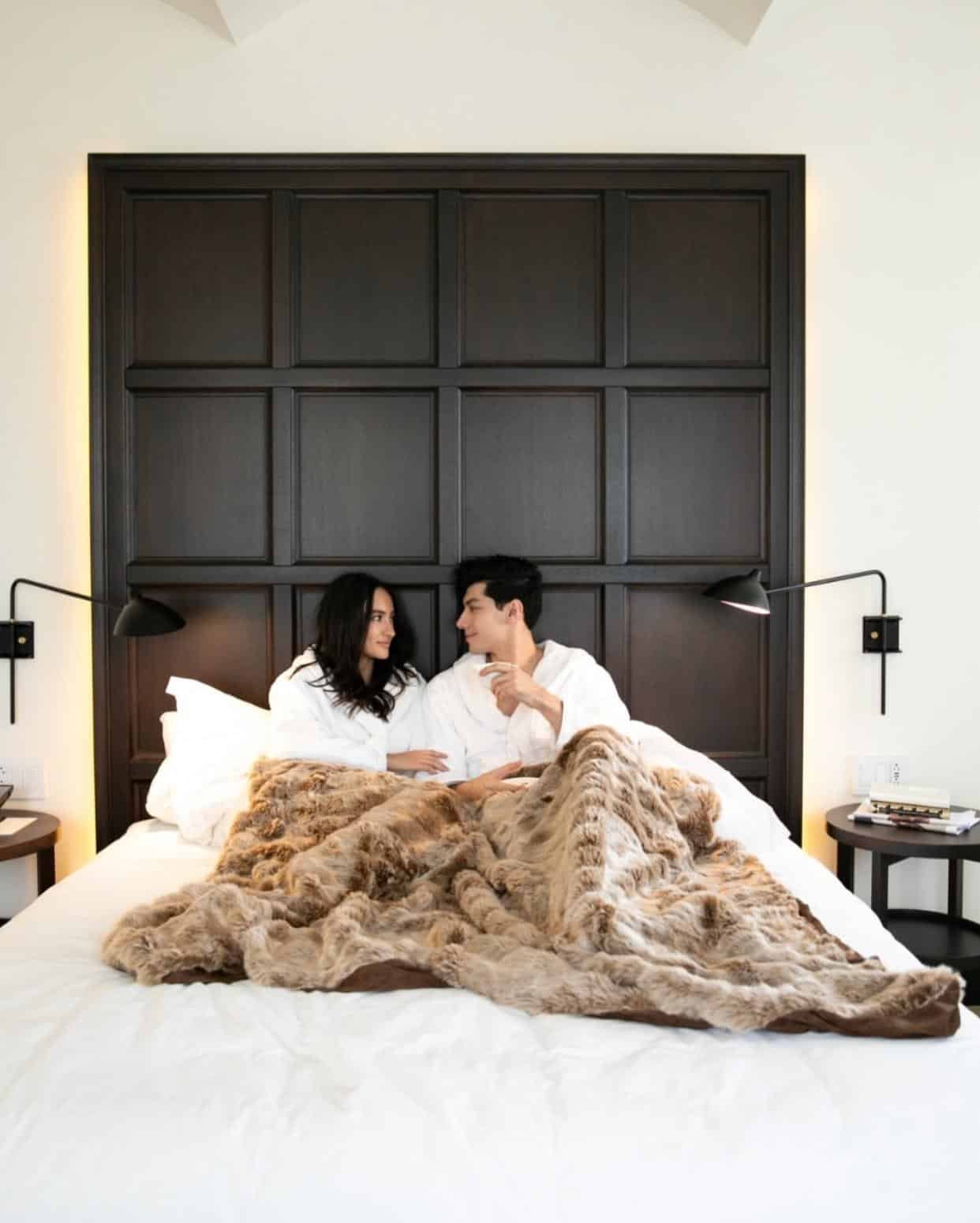
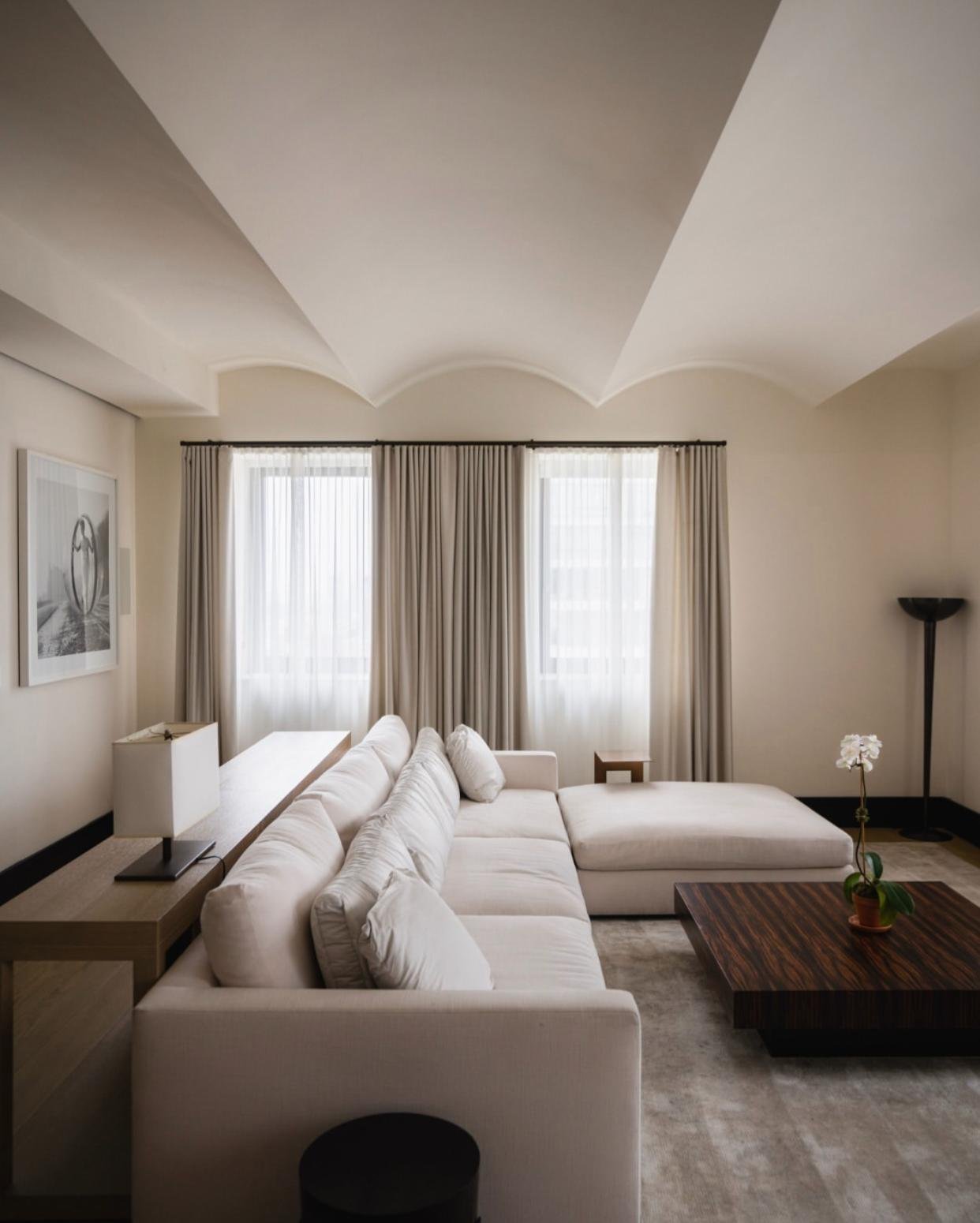
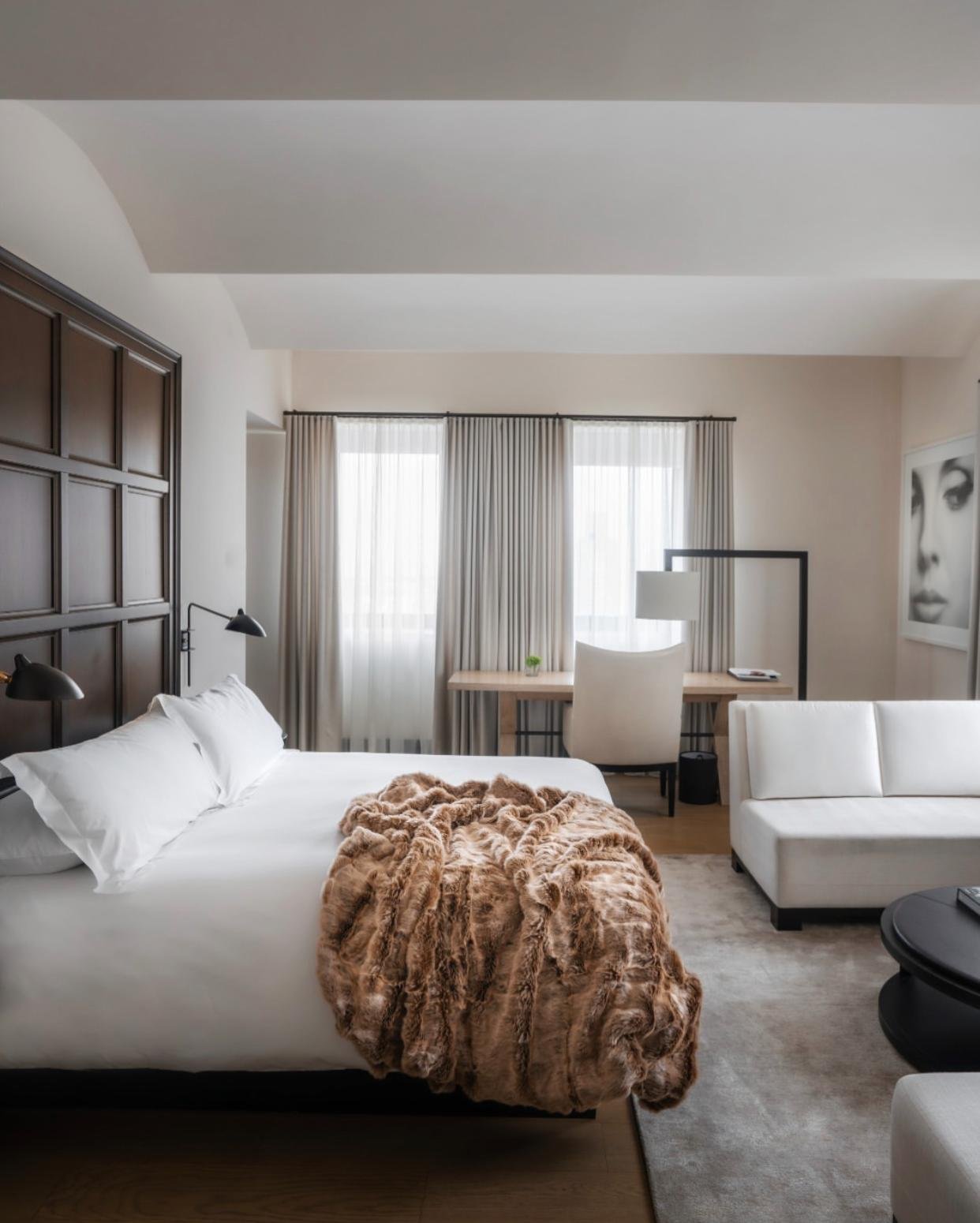
Two hundred and seventy-one rooms and suites in a tone-on-tone palette of oatmeal, silver, and white — a deliberate restraint that throws the views into relief. Oak floors throughout. Dark oak-paneled foyers that read like the entrance to a private apartment. Dark walnut headboards. Barrel-vaulted ceilings, original to 1909, now painted and plastered, low and intimate against the building's height. Oversized windows frame Madison Square Park directly below, the Empire State Building to the north, or the city's full southern skyline. The suites add freestanding soaking tubs and private balconies. Every room feels quieter than it has any right to be, forty stories above one of Manhattan's most animated intersections.
The park-facing rooms look directly onto the canopy of Madison Square Park — one of Manhattan's most composed green spaces, framed by the Flatiron Building to the south and the tower itself to the north. Barrel-vaulted ceilings restored to their 1909 geometry. Tone-on-tone whites. Dark walnut. The room that best captures the EDITION's governing tension: historic structure, contemporary restraint, the city held at the exact right distance.
The upper-floor suites add a private balcony and a freestanding soaking tub to the room's vocabulary — the Empire State Building visible from the bath, the full Midtown skyline from the balcony. At this height, with the tower's mass below and the city extending in every direction, one understands for the first time what the MetLife company was trying to say when they built the highest point in New York. The view was always the point.
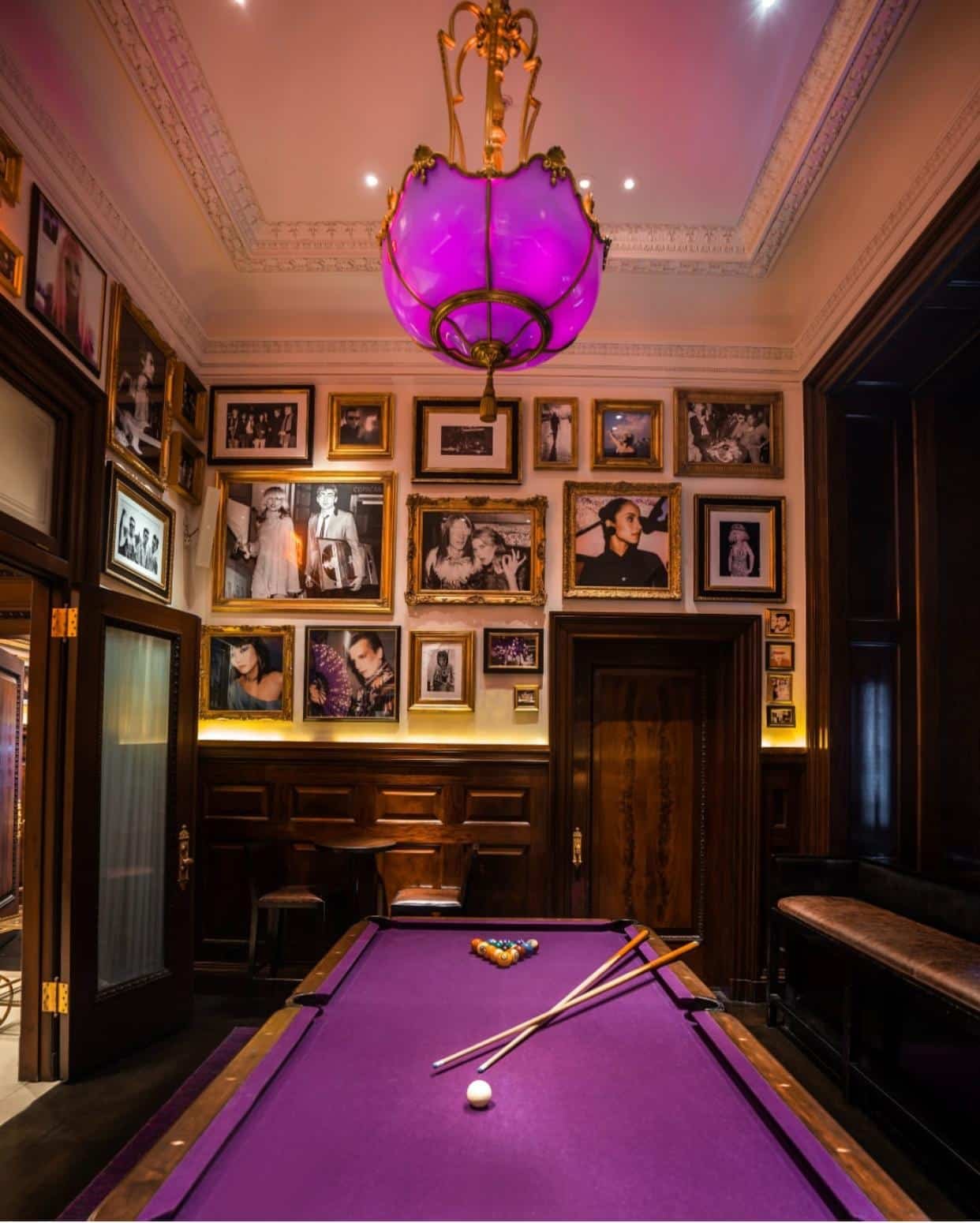
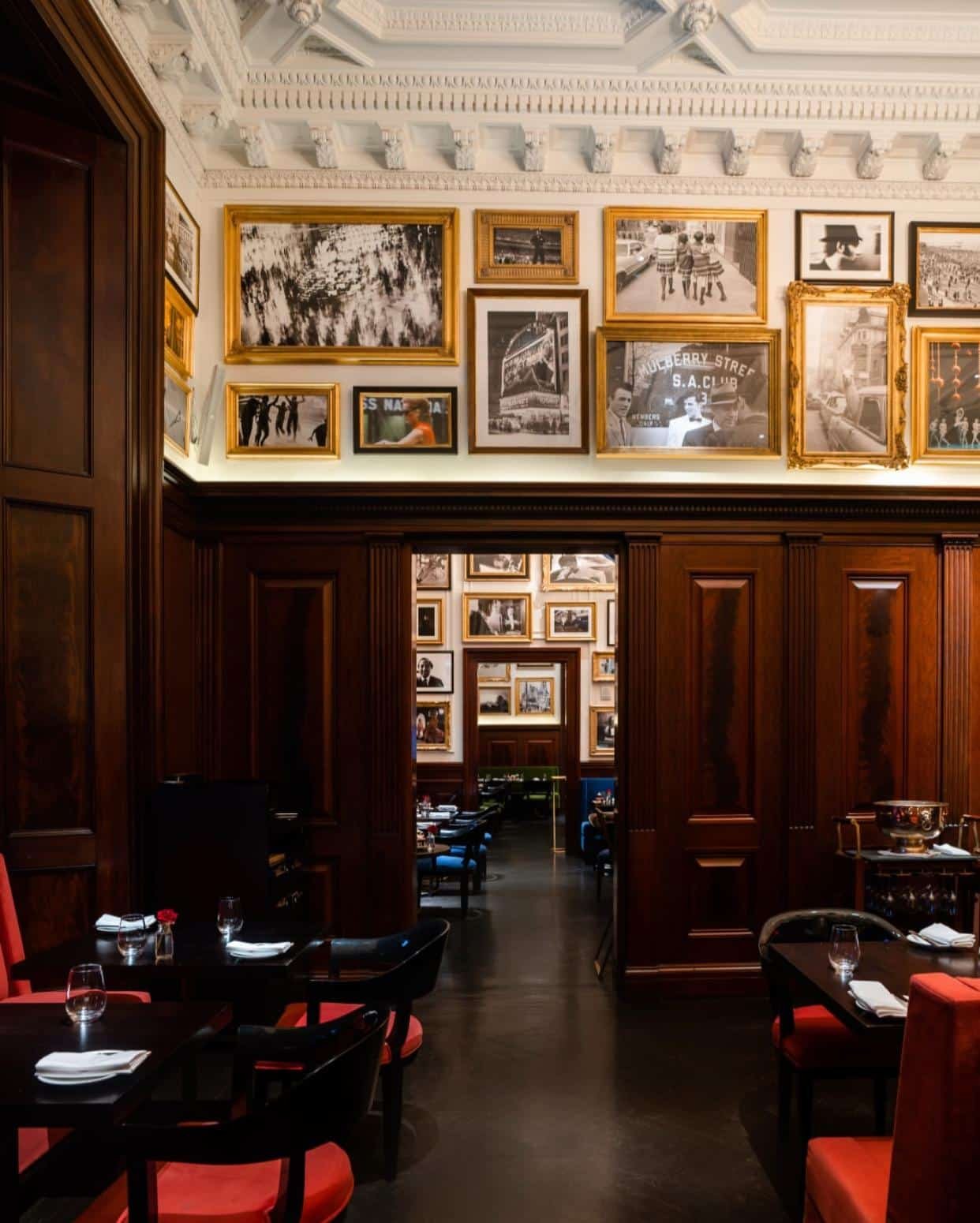
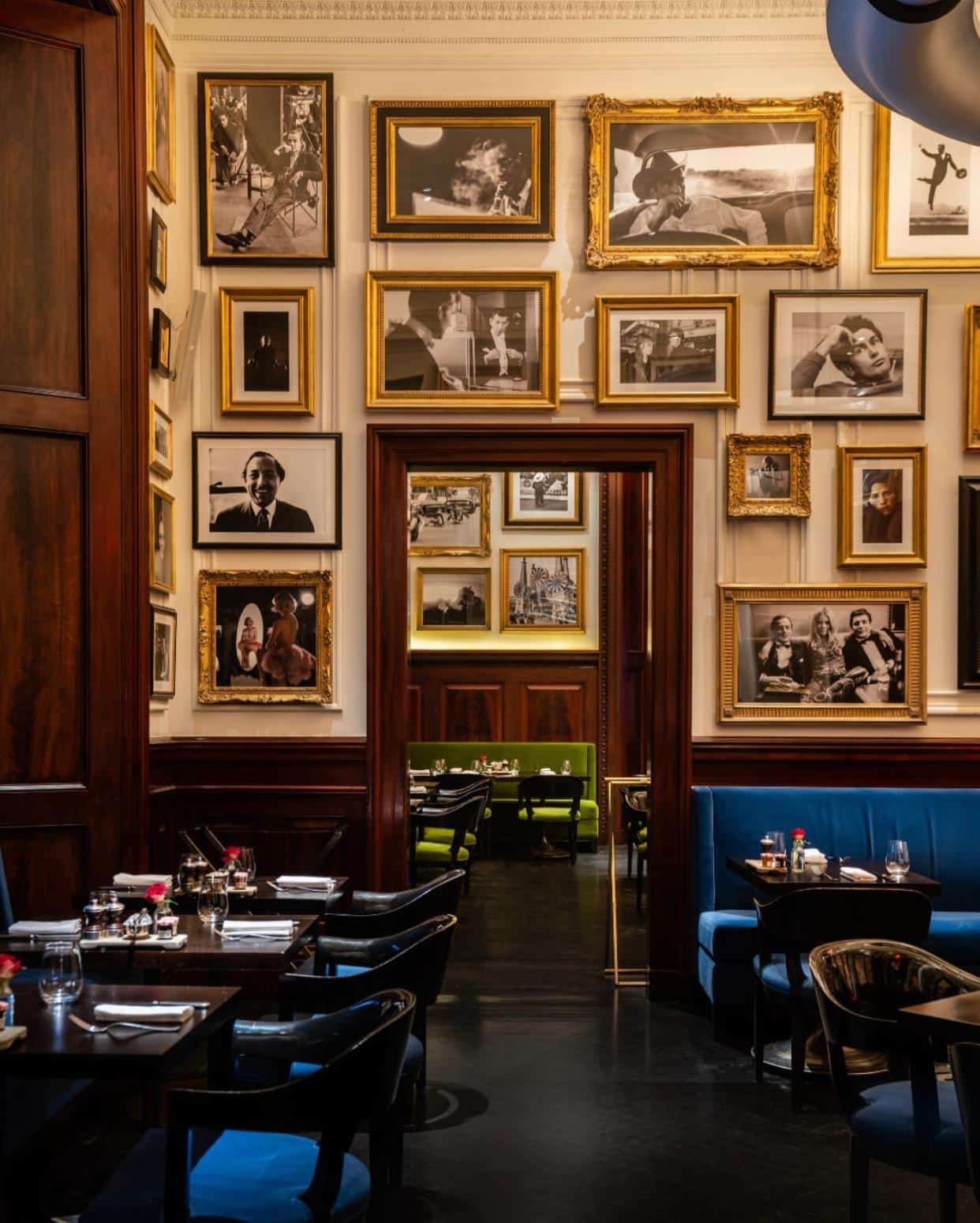
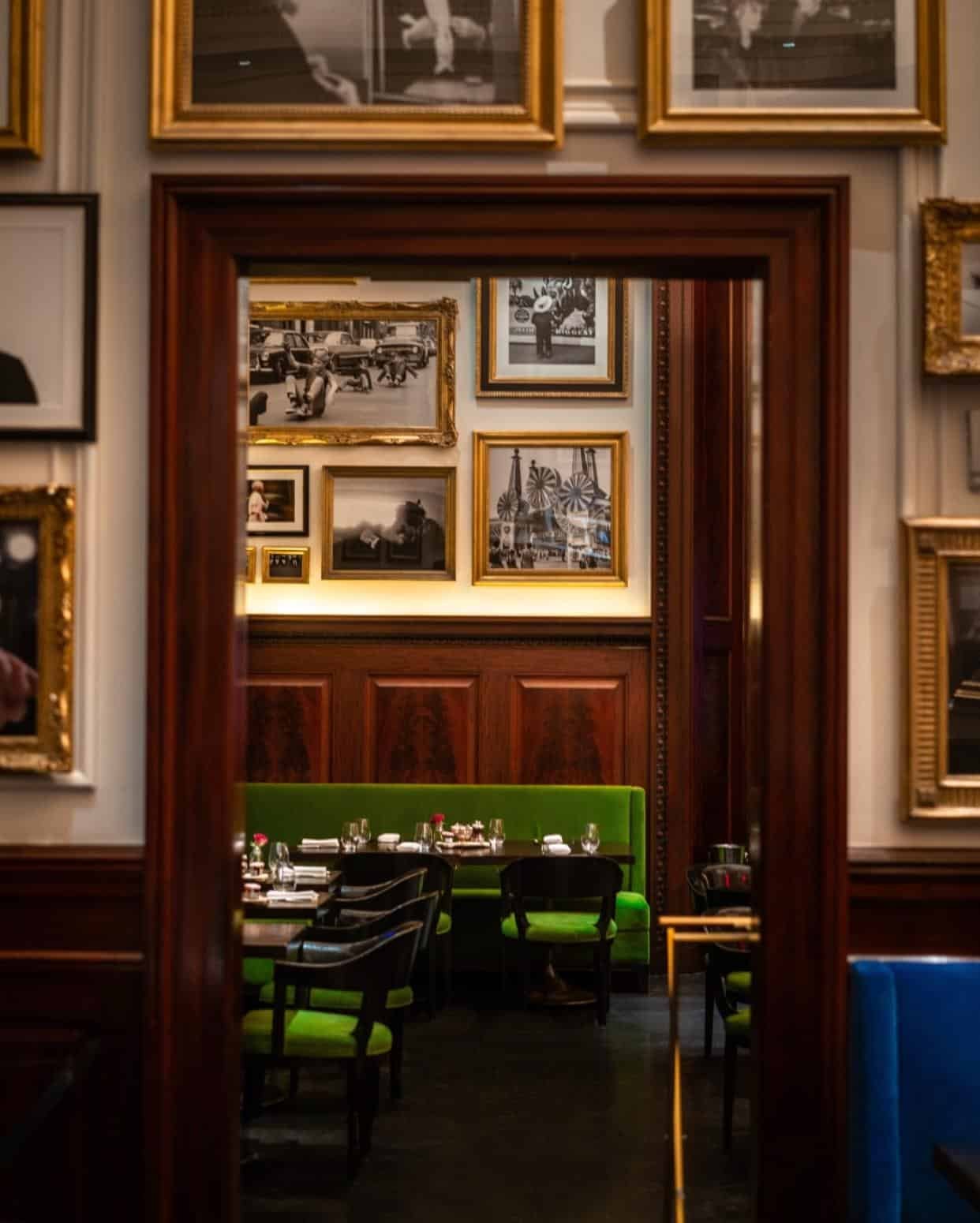
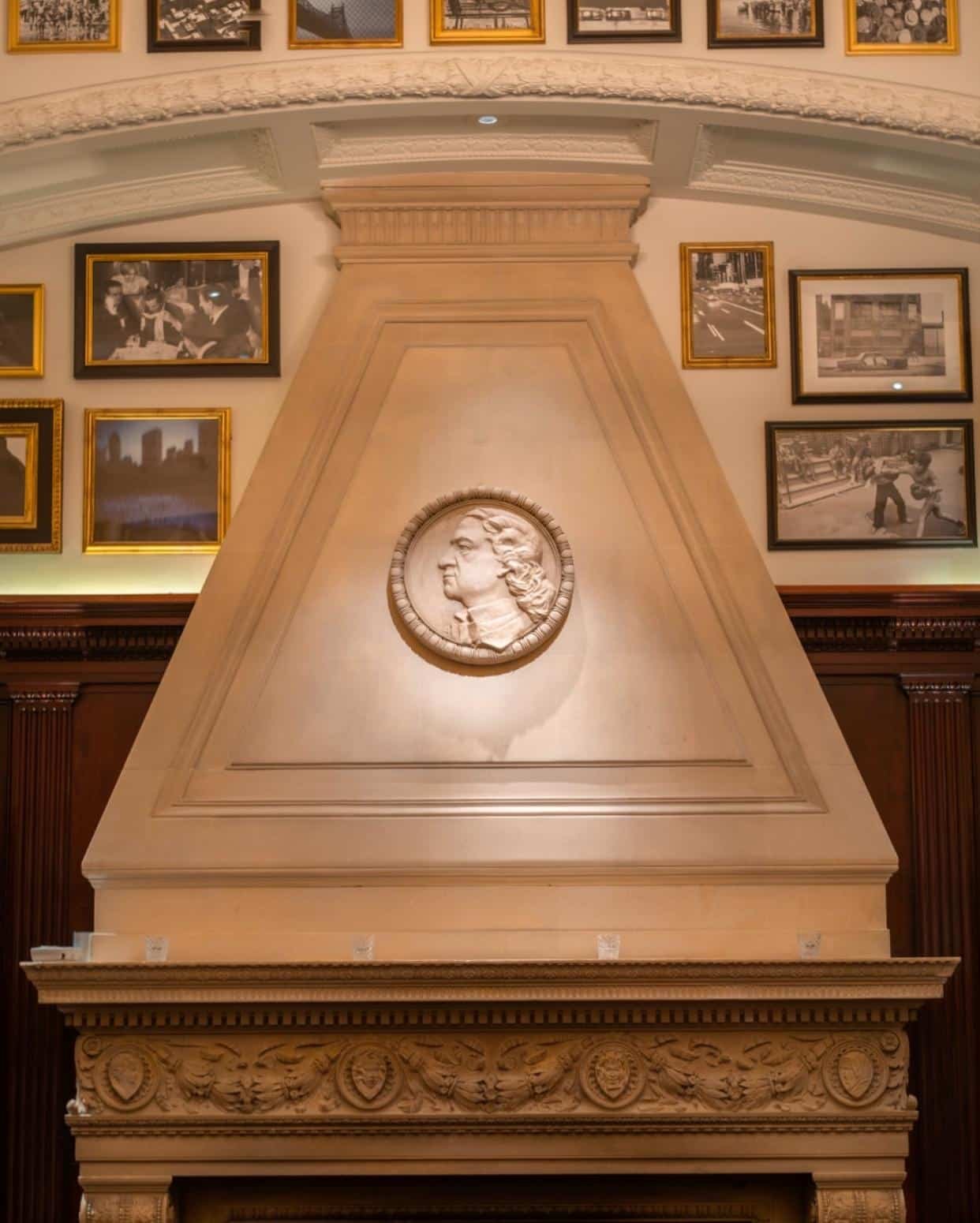
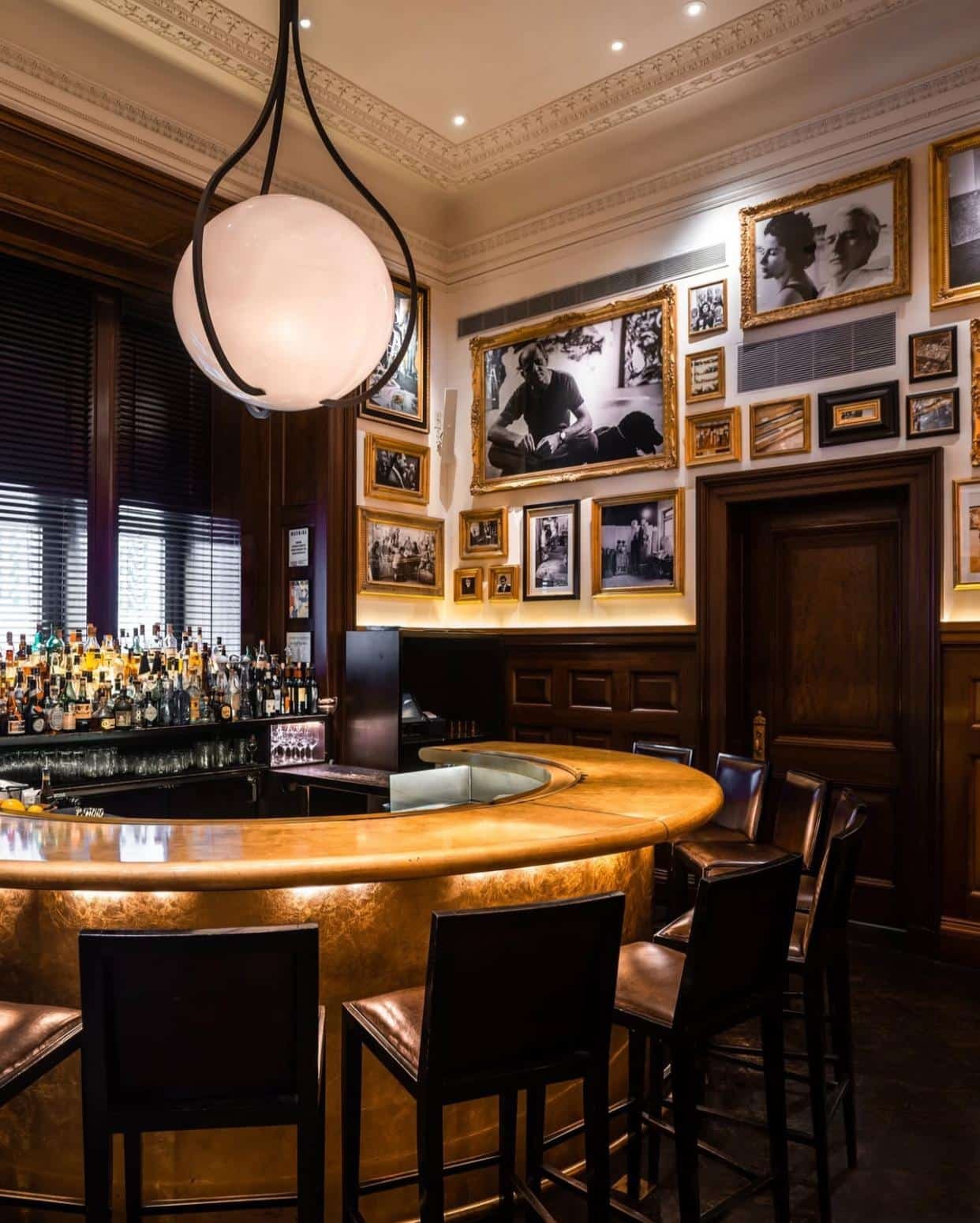
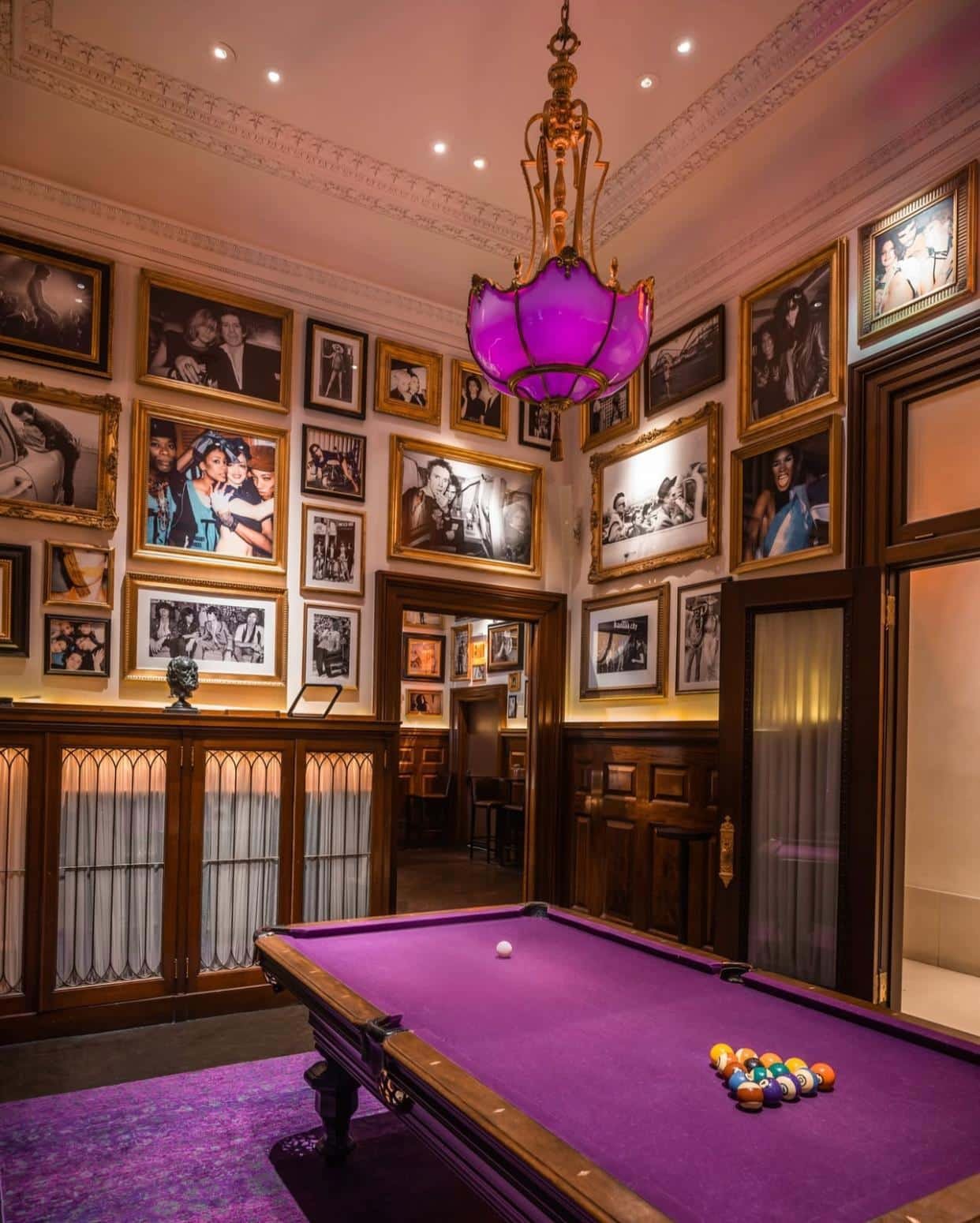
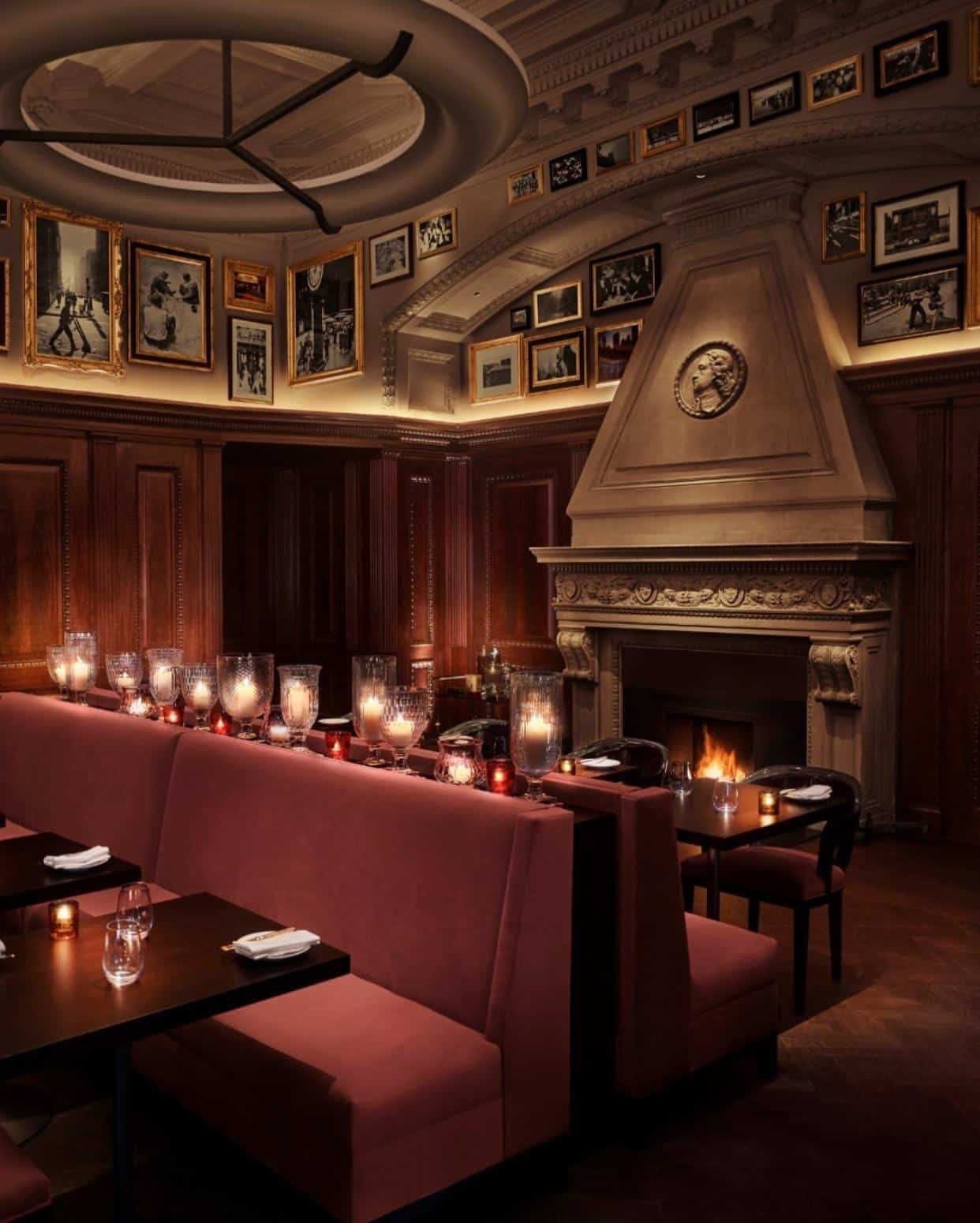
The Clocktower occupies the second floor of the tower — the former executive offices of the Metropolitan Life Insurance Company, a landmarked suite of rooms with restored mahogany wainscoting, original oak floors stained in dark ebony, and deeply molded plaster ceilings. Three intimate dining rooms, each anchored by a chandelier by modernist designer Eric Schmitt. A parlour with a violet billiard table. A library. French-polished custom dining chairs upholstered in royal blue, magenta, and bottle green against the monochrome scheme. A room that manages to be simultaneously dark and vivid — which is, as Schrager noted, what happens when two opposing aesthetics create alchemy rather than noise.
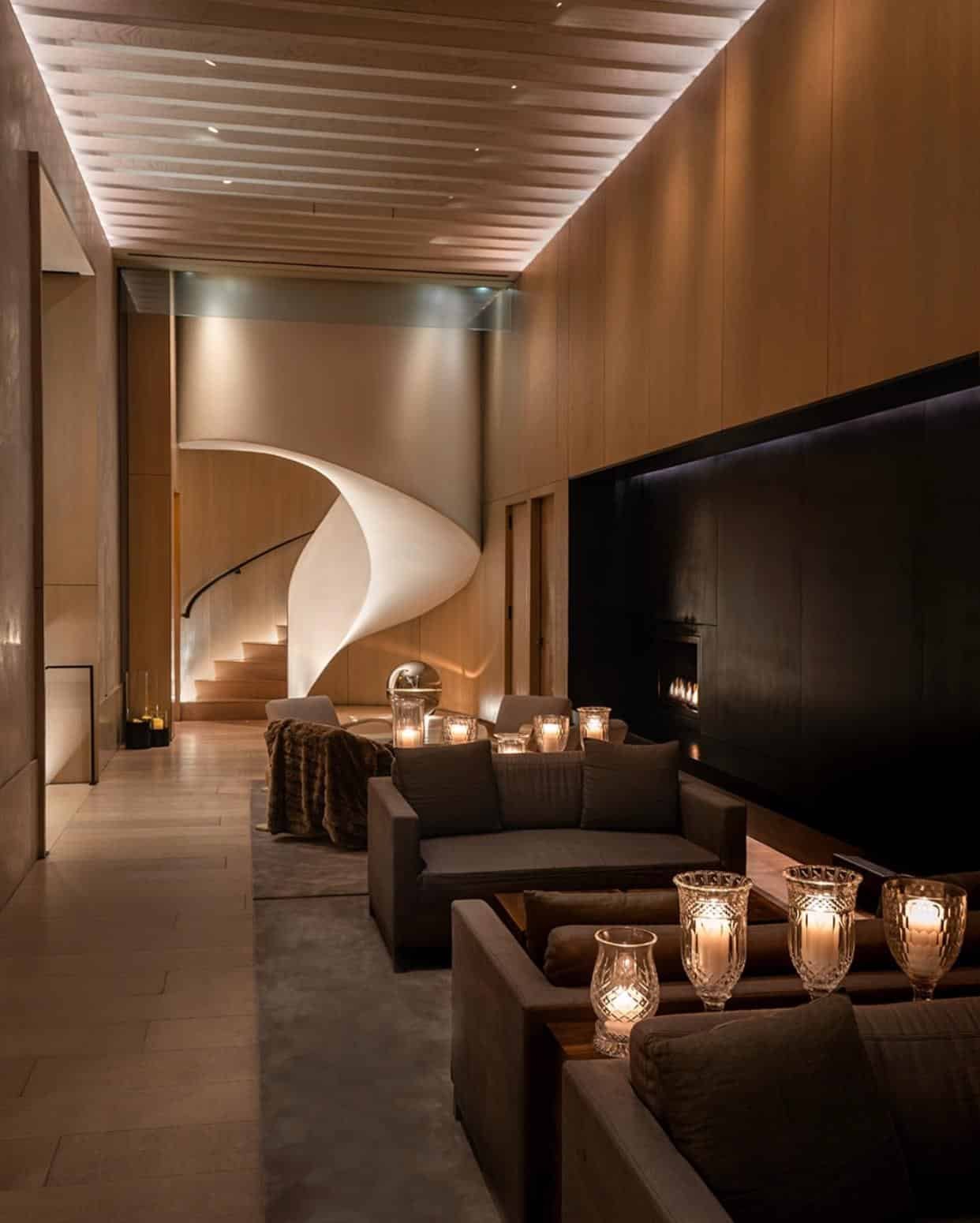
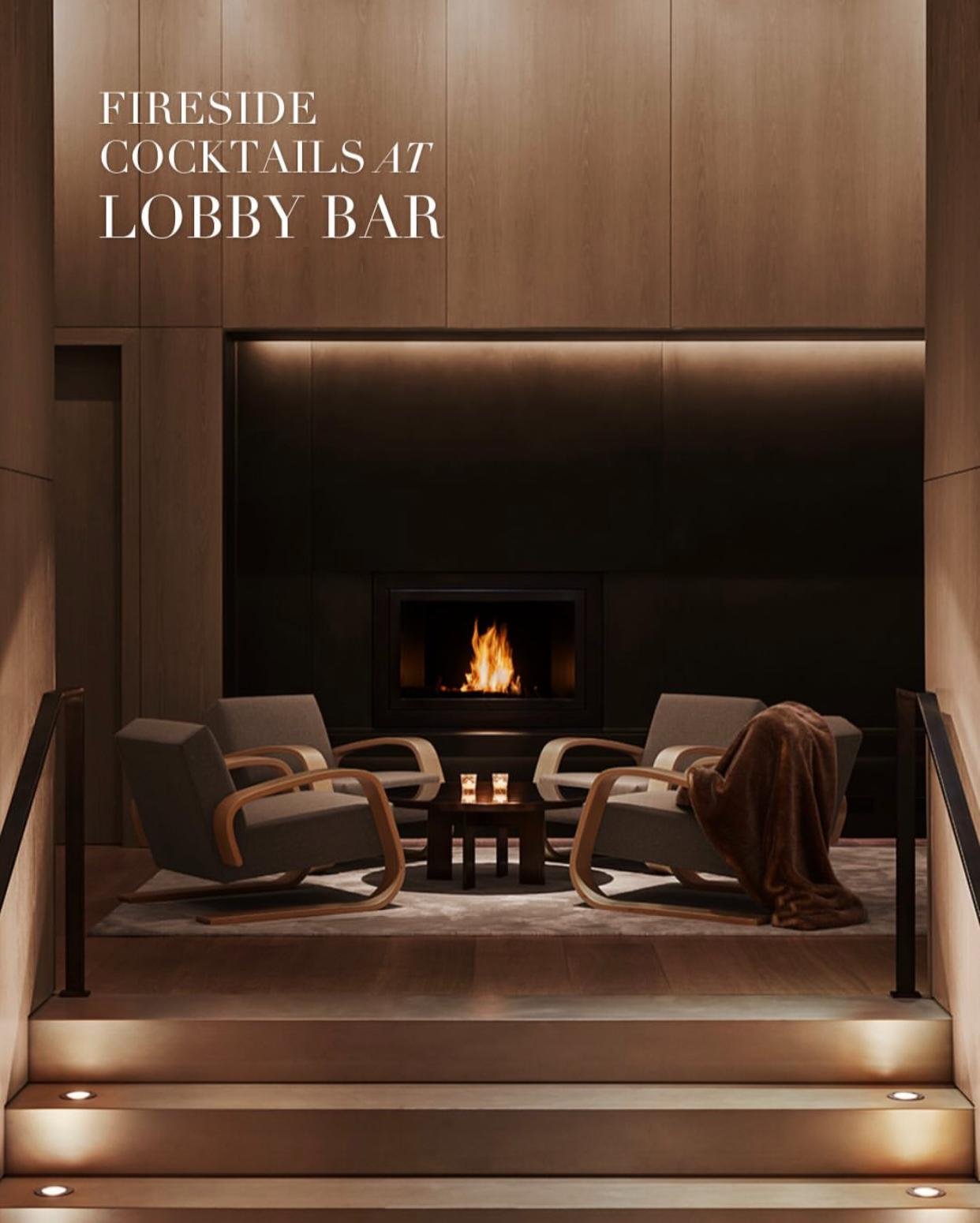
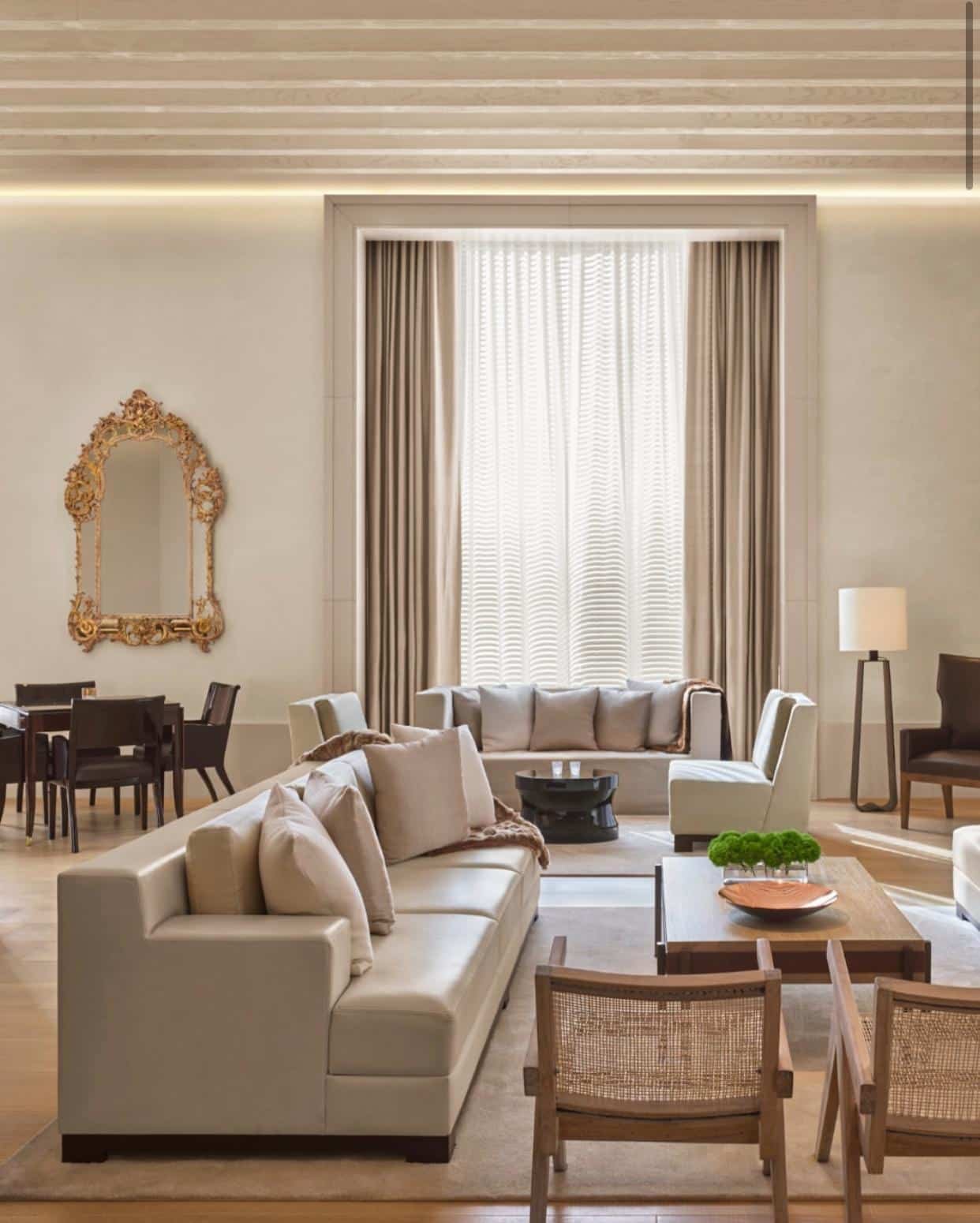
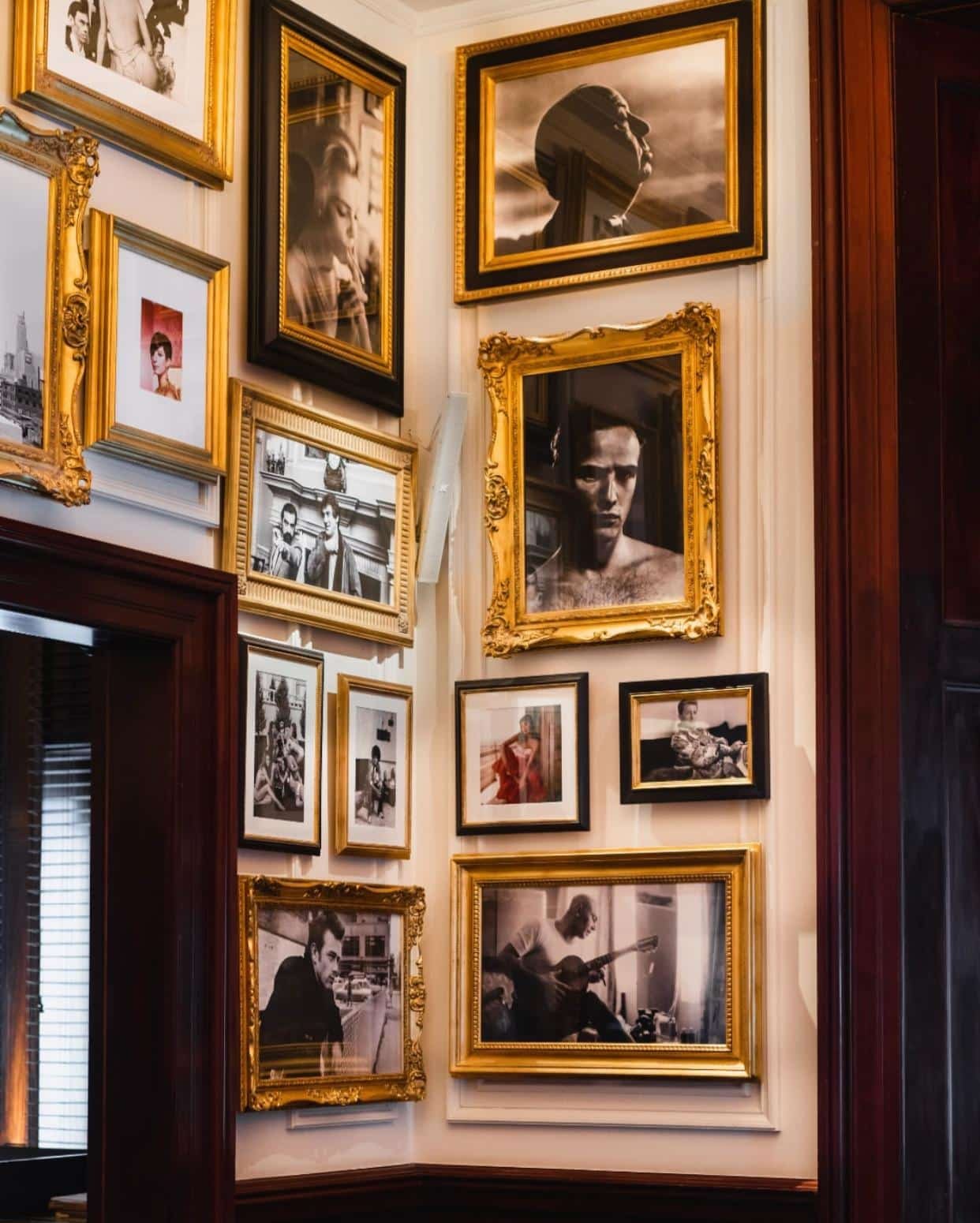
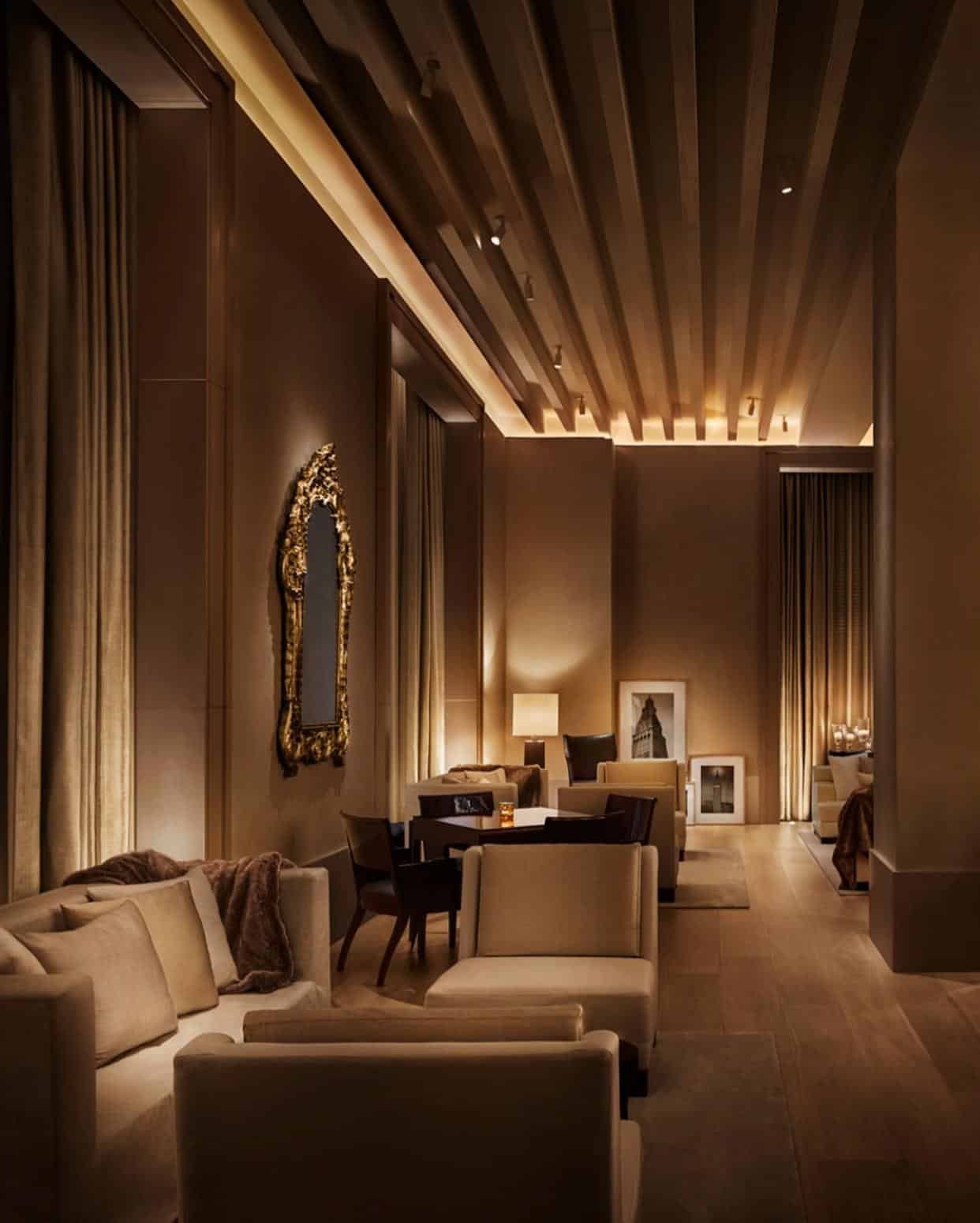
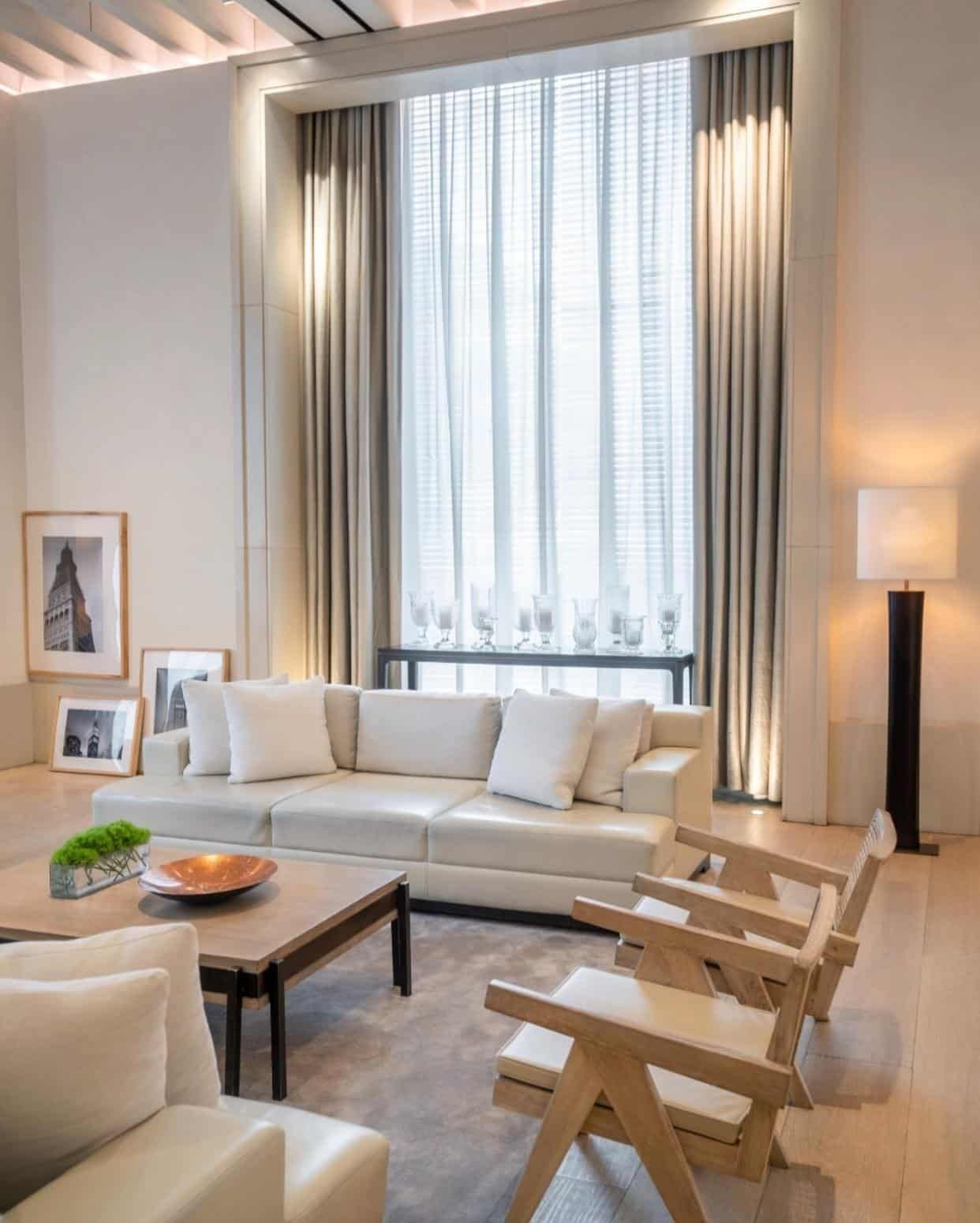
The lobby operates across two distinct registers — a drawing room in dark tones with lush velvet seating and contemporary artwork, and a lobby bar in white that reads as its precise inverse. Schrager describes the pairing as the physical manifestation of yin and yang. Rockwell Group's David Rockwell describes it differently: the space doesn't feel unapproachably minimal, and it doesn't feel kinetic. It feels inviting. Both descriptions are accurate. The lobby is, above all, a room one wants to stay in — which remains the hardest thing to achieve in hotel design, and the most consequential.
The spa at the EDITION occupies a deliberately intimate footprint — two private treatment rooms with showers, a focused menu of restoration and recovery treatments. In a building of this verticality and this history, the spa is not the headline amenity. It is the counterweight: a small, quiet space designed for the guest who has spent a day in the Flatiron District and needs somewhere to slow down before the evening begins. The 24-hour fitness center with Peloton bicycles and Life Cycle equipment provides the alternative register.
The clocktower itself — four faces, each bearing a clock that has kept Madison Square Park's time since 1909 — rises above the hotel floors into a viewing platform with 360-degree sight lines across Manhattan. To the north, the Empire State Building and Midtown. To the south, Lower Manhattan and the harbor. To the west, the Hudson. To the east, the East River and Brooklyn. The campanile of Venice looks across the Adriatic. This one looks across the most concentrated urban landscape in the Western hemisphere. The architects knew what they were doing. So did Ian Schrager.
In 1909, this was the tallest building in New York.
The Woolworth surpassed it in 1913.
The clocks kept running.
Ian Schrager arrived in 2015 and gave the tower
something it had never had — a reason to go inside.
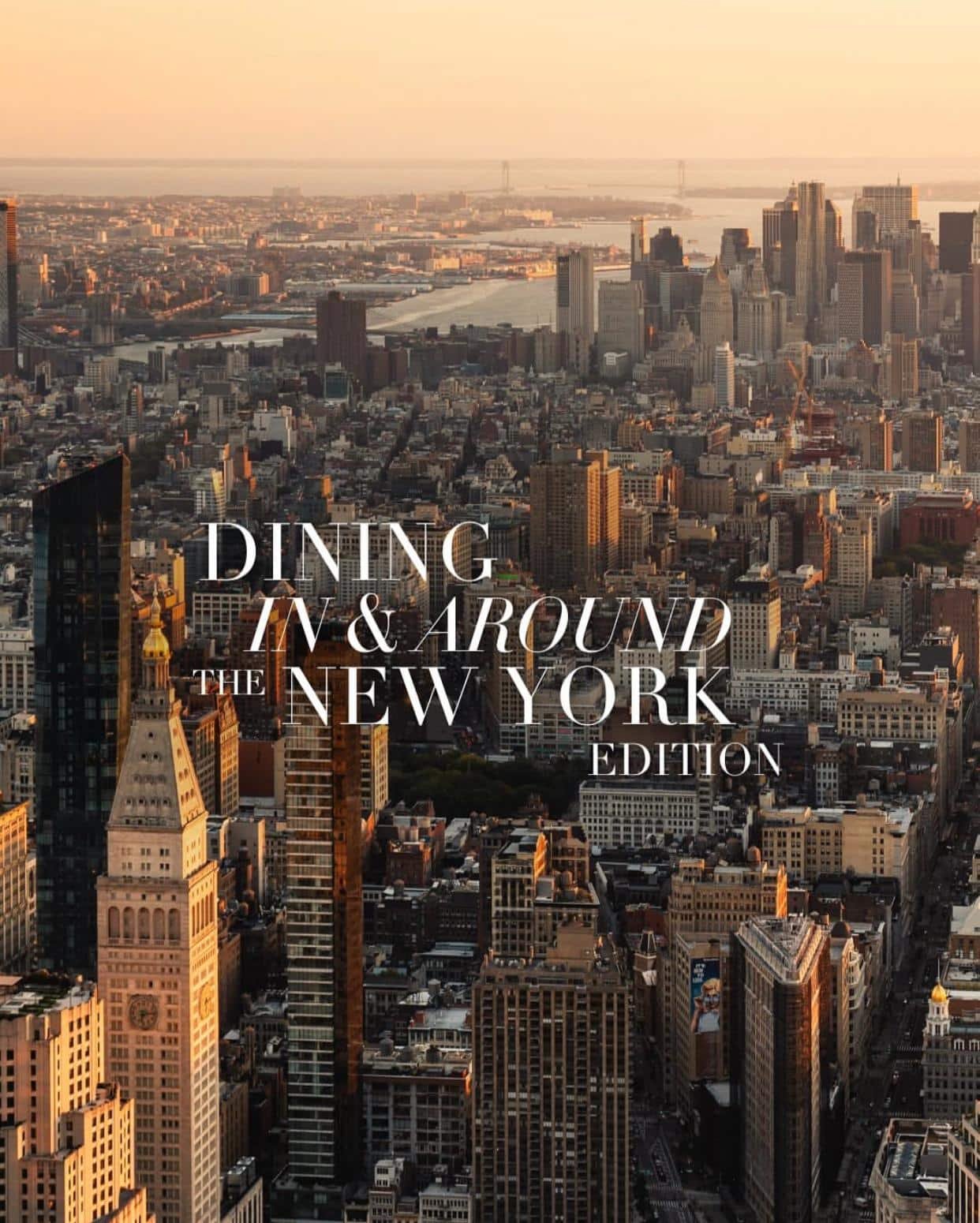
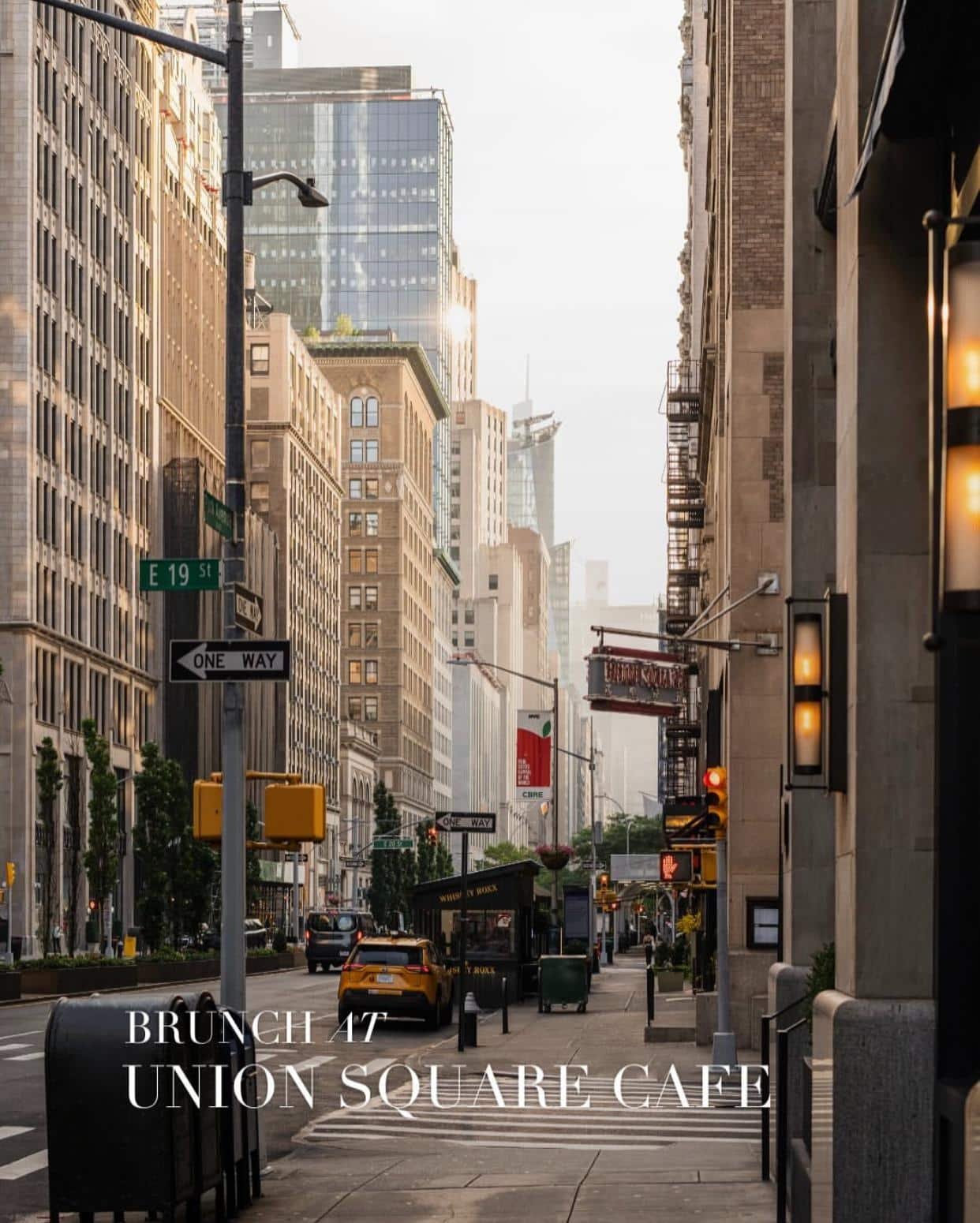
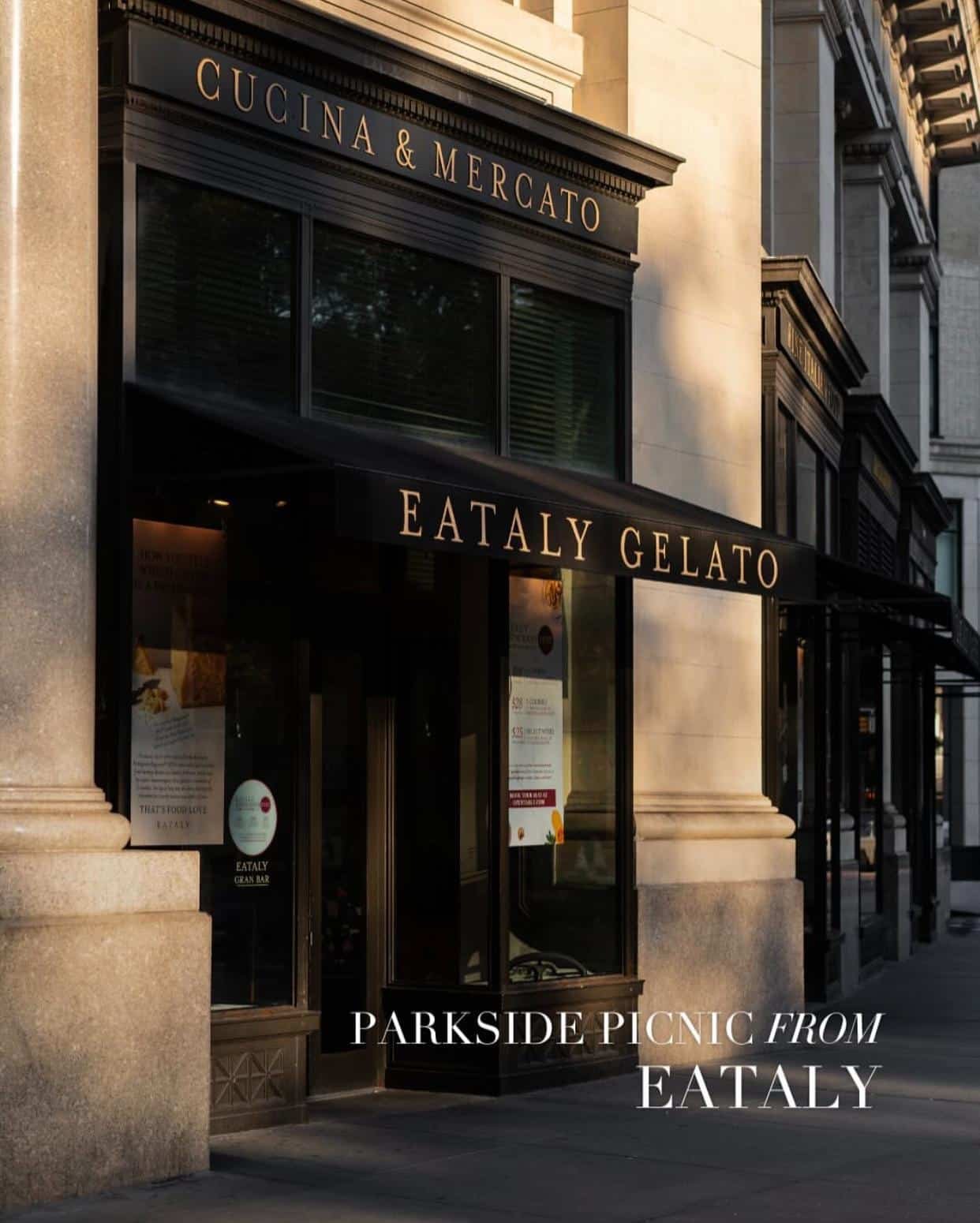
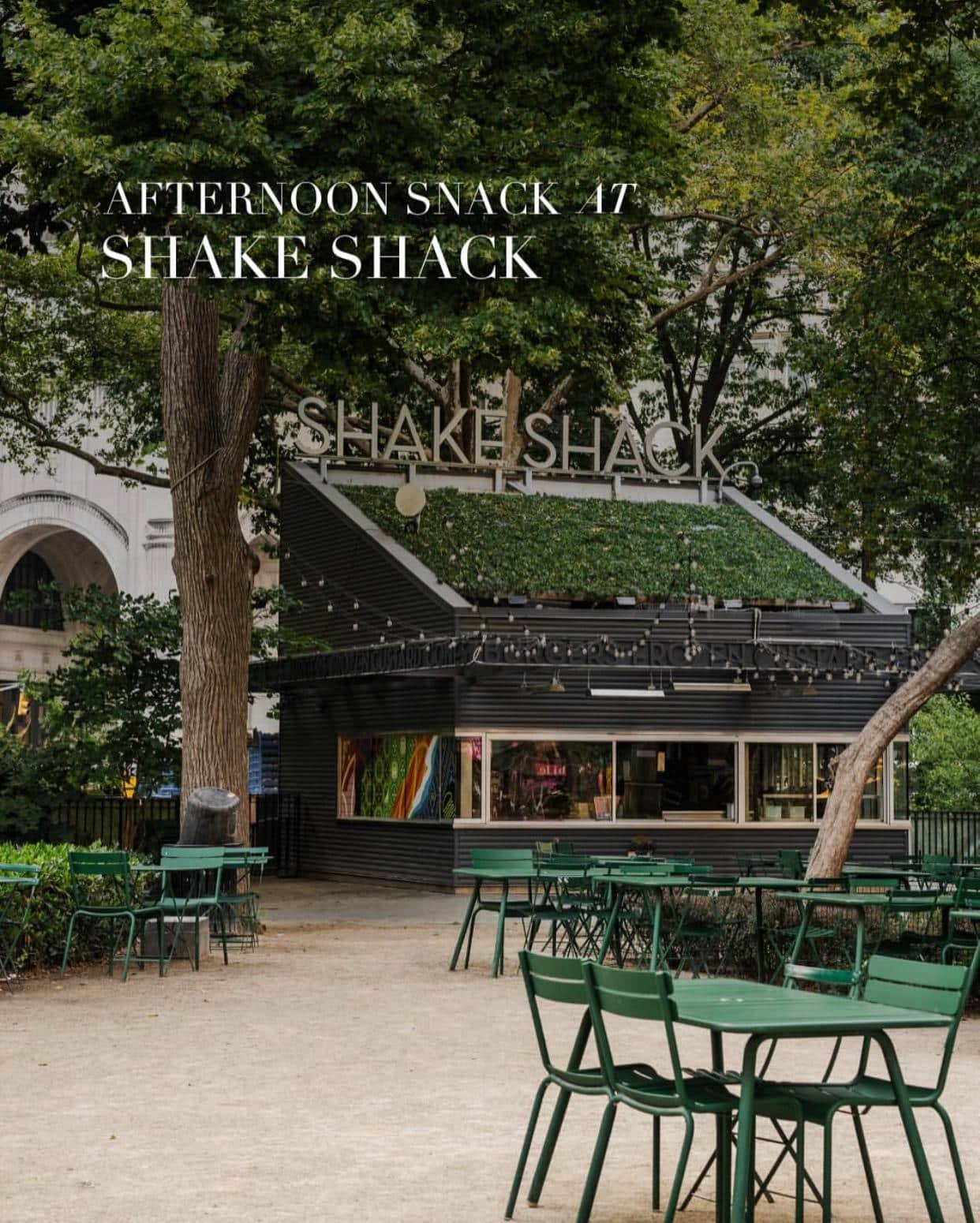
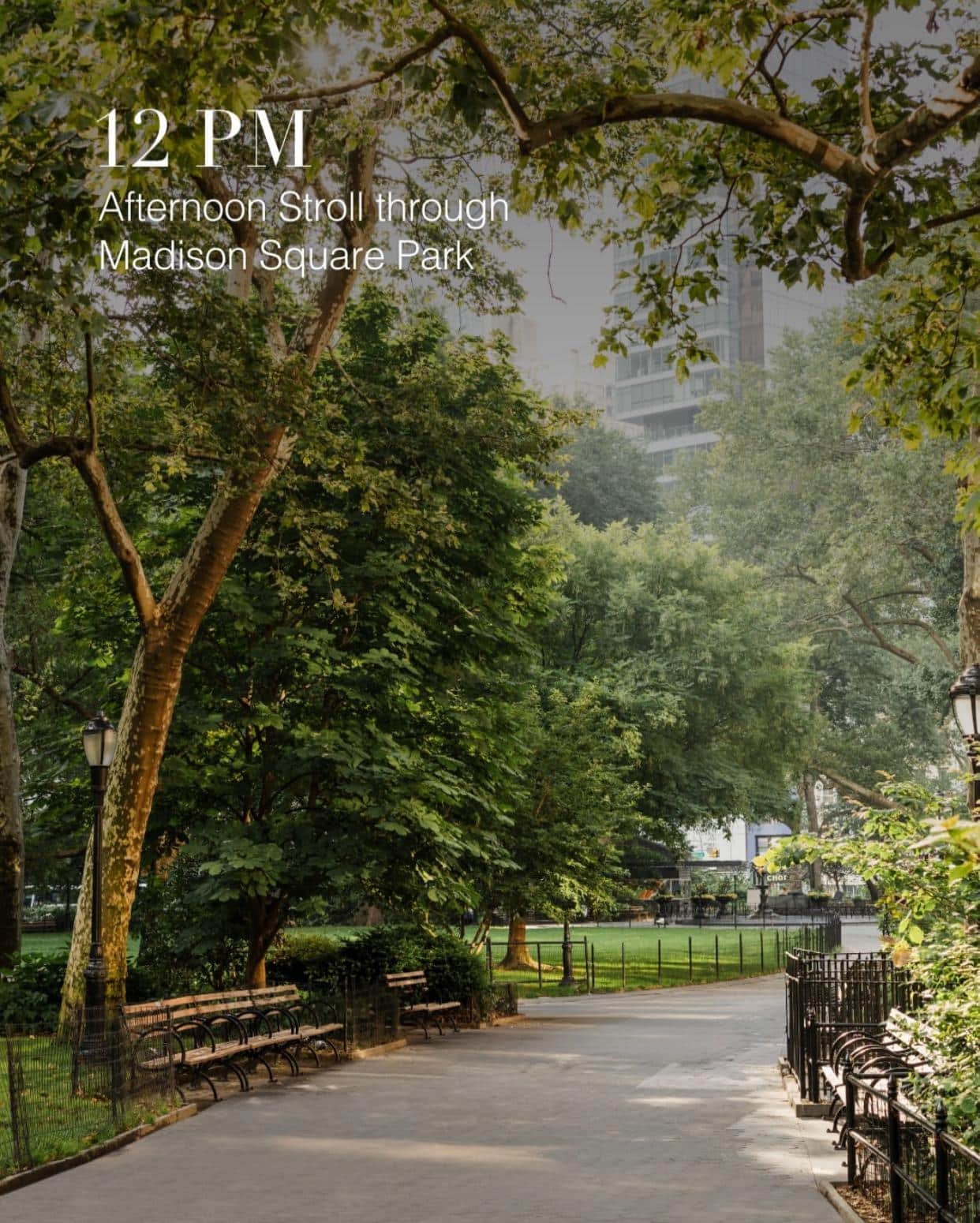
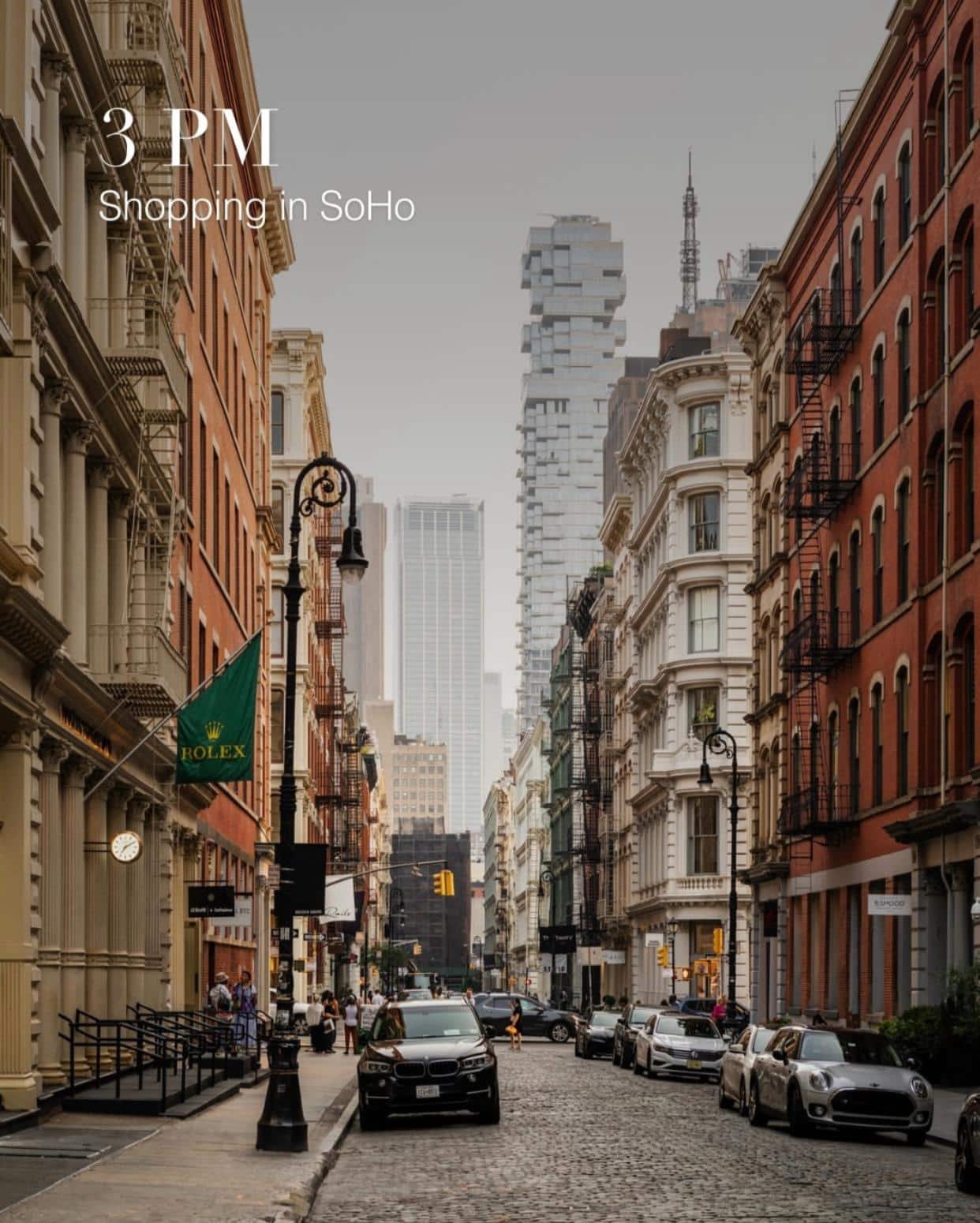
Madison Square Park sits directly at the hotel's feet — eleven acres of landscaped garden at the intersection of Broadway, Fifth Avenue, and 23rd Street, anchored by the Flatiron Building to the south. The park hosts rotating art installations, a seasonal restaurant kiosk, and the kind of foot traffic that comes from being equidistant from Chelsea, Gramercy, and NoMad. The EDITION sits at the precise center of the map that connects Union Square to the south, the Meatpacking District to the west, Greenwich Village below, and Midtown above. It is, in the Flatiron's own geometry, the point where everything converges.
5 Madison Avenue · New York, NY 10010
(Hotel entrance: 24th Street between Madison & Park Avenues)
271 rooms & suites · Park views · Empire State views · Private balconies
The Clocktower Restaurant · Lobby Bar & Drawing Room
The Spa · 24-hour fitness center · Peloton · Green Key Certified
Designed by Ian Schrager & Rockwell Group · Opened 2015
+1 212 413 4200 · editionhotels.com/new-york
Napoleon Le Brun built this tower to last.
He was right — it has outlasted every ambition
that occasioned its construction.
Ian Schrager simply understood
that the best buildings are worth the wait.
© The New-York EDITION
© The New-York EDITION
© The New-York EDITION
© The New-York EDITION
© The New-York EDITION
© The New-York EDITION
© The New-York EDITION

© The New-York EDITION
© The New-York EDITION
© The New-York EDITION
© The New-York EDITION

© The New-York EDITION

© The New-York EDITION

© The New-York EDITION
© The New-York EDITION
© The New-York EDITION
© The New-York EDITION
© The New-York EDITION

© The New-York EDITION
© The New-York EDITION
© The New-York EDITION

© The New-York EDITION

© The New-York EDITION
© The New-York EDITION
© The New-York EDITION
© The New-York EDITION
© The New-York EDITION
© The New-York EDITION

© The New-York EDITION
© The New-York EDITION
© The New-York EDITION
© The New-York EDITION
© The New-York EDITION
© The New-York EDITION
© The New-York EDITION
© The New-York EDITION
© The New-York EDITION

© The New-York EDITION
© The New-York EDITION
© The New-York EDITION
© The New-York EDITION
© The New-York EDITION
© The New-York EDITION

© The New-York EDITION

© The New-York EDITION

© The New-York EDITION

© The New-York EDITION

© The New-York EDITION
© The New-York EDITION
© The New-York EDITION
© The New-York EDITION
© The New-York EDITION
© The New-York EDITION
© The New-York EDITION
© The New-York EDITION
© The New-York EDITION

© The New-York EDITION
© The New-York EDITION

© The New-York EDITION
© The New-York EDITION

© The New-York EDITION
© The New-York EDITION
© The New-York EDITION
© The New-York EDITION
© The New-York EDITION

© The New-York EDITION
© The New-York EDITION
© The New-York EDITION
THE NEW-YORK EDITION
© The New-York EDITION