© Dior
© Dior
© Dior
Dior
In 1966, Edmond Roudnitska composed Eau Sauvage for Christian Dior — a citrus-hesperidic fragrance of such clarity and precision that it effectively defined what French masculine elegance smelled like for the following decade. Everything Dior has done in men's fragrance since has been, in some way, a conversation with that original statement.
The House · Three Eras · One Conviction
Dior's masculine fragrance history unfolds in three distinct periods. The first belongs to Edmond Roudnitska — Eau Sauvage in 1966, a composition that brought the hesperidic freshness of Mediterranean citrus into the masculine vocabulary with a structural precision that had not existed before it. The second belongs to Olivier Cresp and François Demachy — Dior Homme in 2005, with its powdery iris accord that rewrote expectations for what a men's fragrance could be; Fahrenheit in 1988, the most radical masculine composition of the late 20th century, built on violet leaf, gasoline accord, and warm leather in a combination that had no precedent and has found no true successor. The third period belongs to Francis Kurkdjian, appointed Creative Director of Parfums Christian Dior in 2021, who has taken custody of the Sauvage franchise and the Dior Homme line, extending both into new territories while managing the expectations of collectors and loyalists who grew up with earlier formulations.
Sauvage · The Contemporary Phenomenon
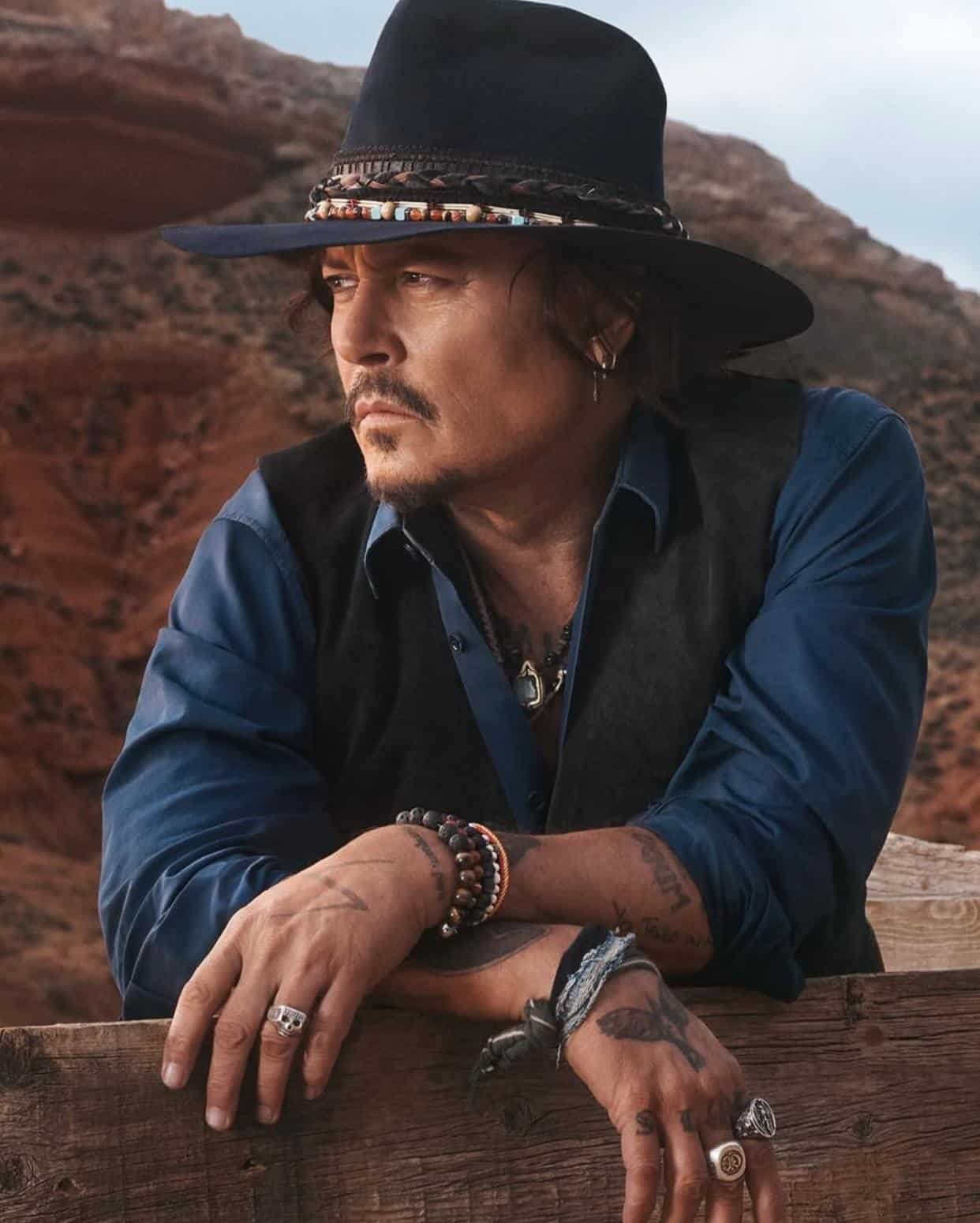
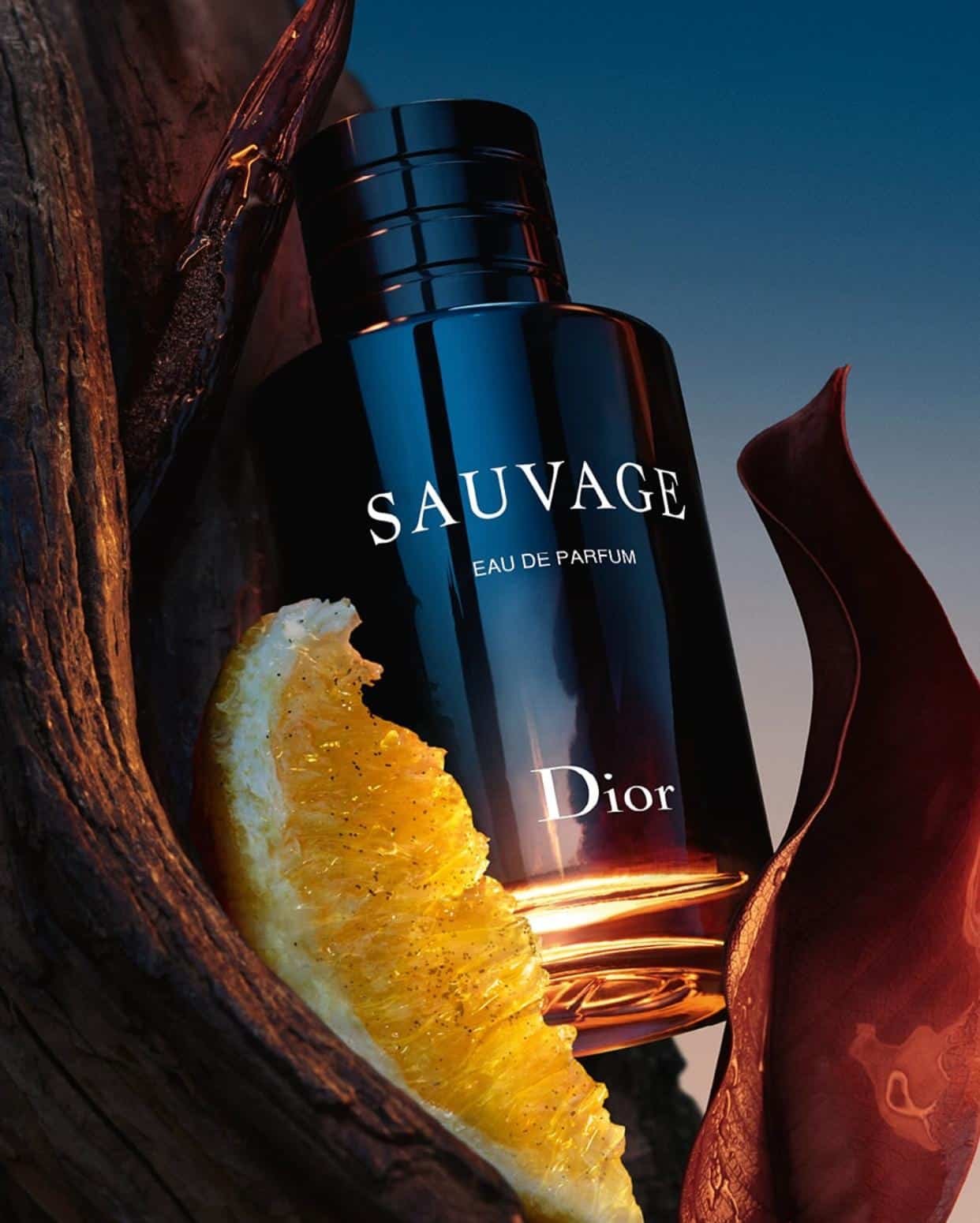
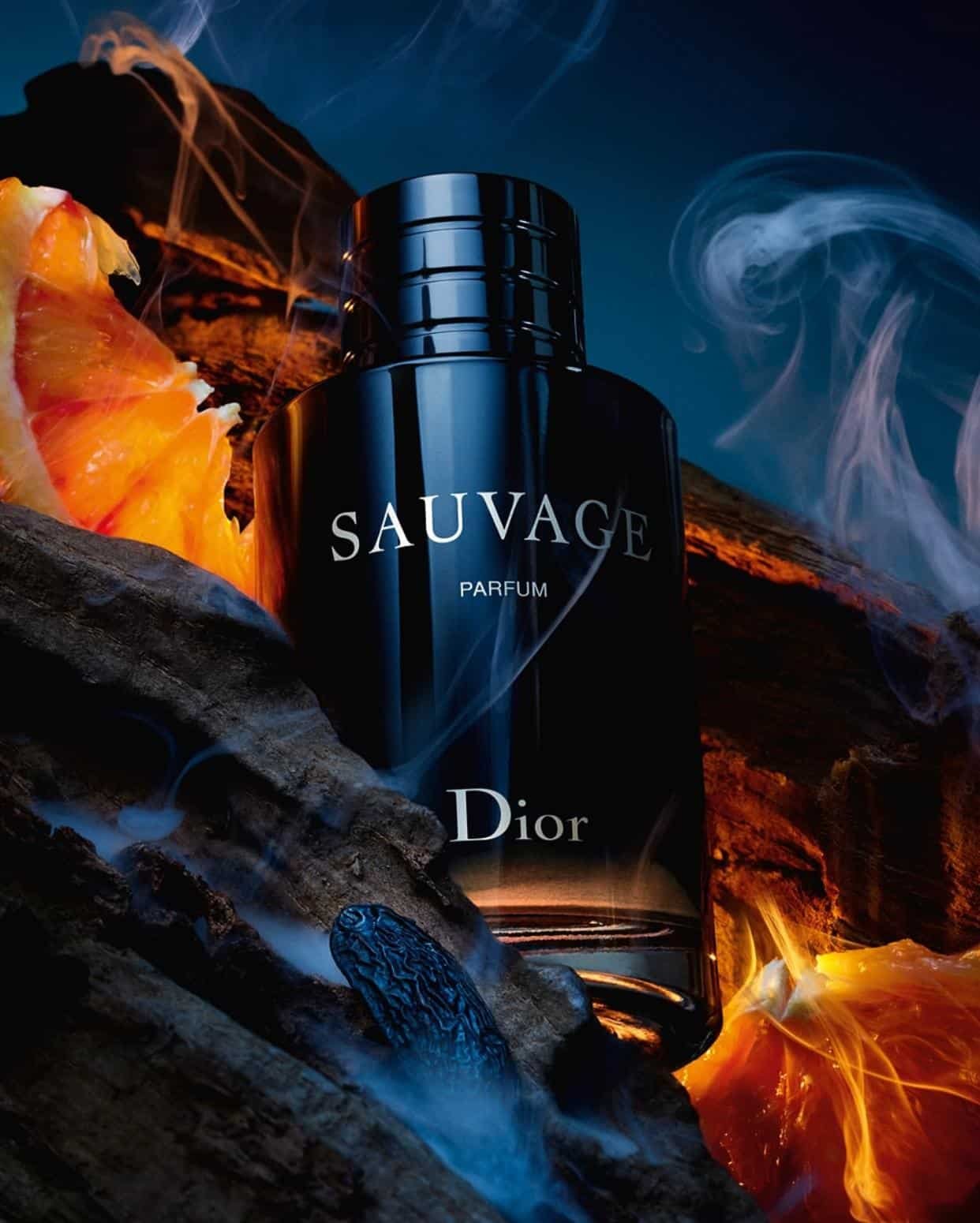
Sauvage arrived in 2015 and became, within a few years, the best-selling men's fragrance in the world. The achievement is not trivial. An aromatic-woody structure built around bergamot, Sichuan pepper, ambroxan, and cedarwood — fresh, powerful, immediately wearable, with the kind of projection that makes itself known without being asked. Francis Kurkdjian composed it with a directness that polarizes collectors but resonates with an audience broader than any luxury fragrance has reached before. The Eau de Parfum deepens the base. The Parfum concentration — darker, drier, more resinous — is the most considered version of the line. In 2024, Kurkdjian released Sauvage Eau Forte: an alcohol-free aquatic formula combining perfumed oil with lavender, spices, and woody musks, sustaining the freshness of an Eau de Toilette with the intensity of an Eau de Parfum. In 2025, Sauvage Rare Blend appeared in an edition of fifteen Baccarat crystal bottles — oud, labdanum, and vanilla assembled using traditional infusion techniques, priced beyond the reach of the conventional market. A provocation as much as a fragrance.
The original Sauvage — fresh, aromatic, immediate. Bergamot and Sichuan pepper on the opening, ambroxan and cedarwood on the base. The fragrance that reached a scale of commercial success that the luxury category rarely achieves without sacrificing the composition. One either accepts that ubiquity as a form of cultural authority, or prefers the versions of the line with more restricted distribution. Both positions are defensible.
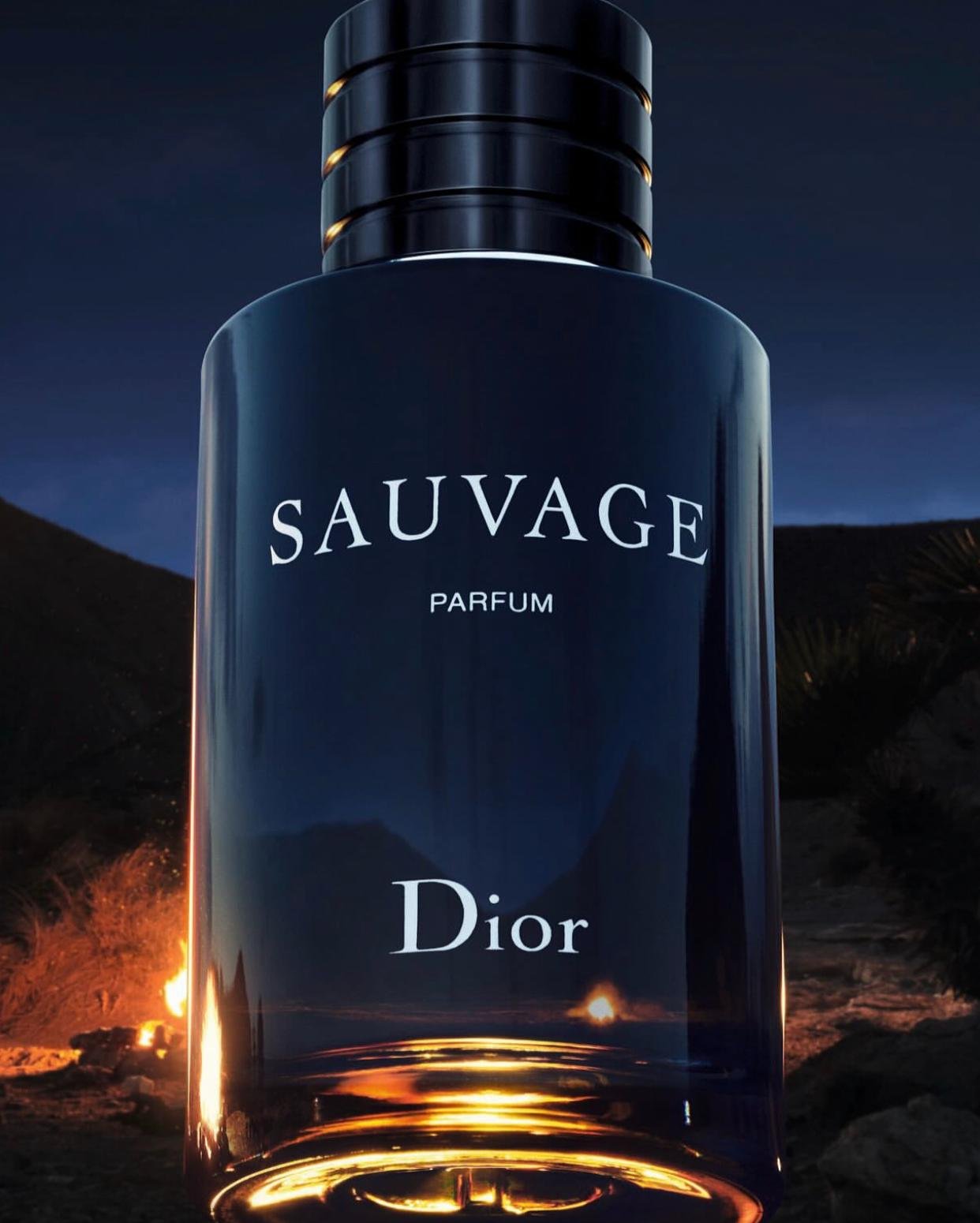
The Parfum concentration is where Sauvage becomes something closer to a collector's fragrance. Darker on the base, drier in the dry-down, with tonka bean and sandalwood replacing some of the aquatic freshness of the Eau de Toilette. The projection is more restrained. The longevity is exceptional. For those who want the Sauvage structure without its most ambient expression, this is the right register.
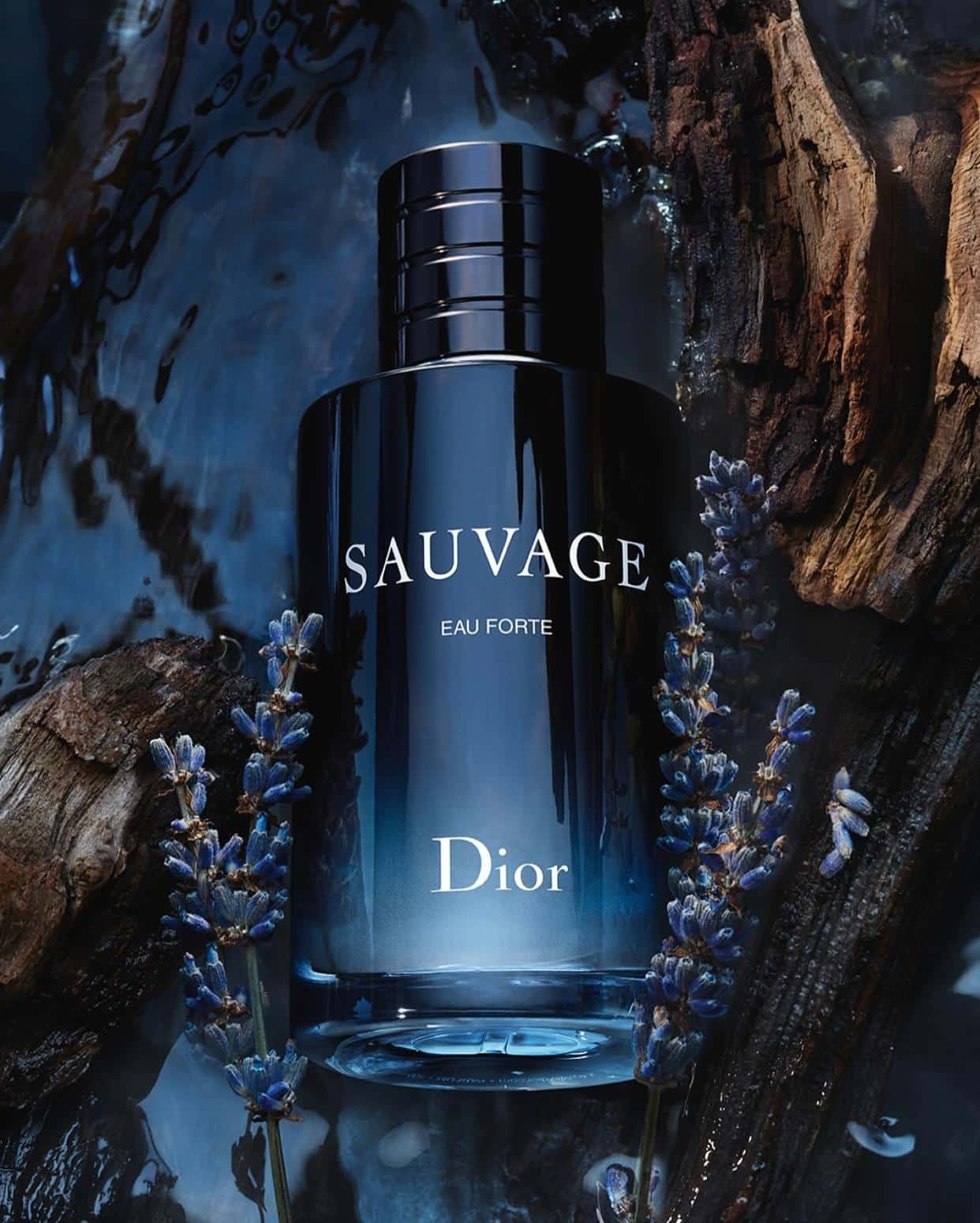
Released in 2024 — an alcohol-free formula that combines perfumed oil with an aquatic-aromatic structure of lavender, spices, and woody musks. The absence of alcohol changes the diffusion entirely: slower, closer to the skin, more persistent without projection. A territory of fresh fougère that Kurkdjian describes as rarely visited in contemporary perfumery. Available in 60ml and 100ml Parfum concentrations. The most technically distinctive release in the Sauvage line.
Fahrenheit remains the most radical masculine composition in the Dior catalogue — a fragrance built on violet leaf, a gasoline-mineral accord, warm honeysuckle, and leather-vetiver in the base. When it appeared in 1988, there was nothing that preceded it and nothing that has successfully replicated it since. It is the Dior masculine most collected by those who study fragrance seriously. Polarizing on the first encounter. Irreplaceable on the hundredth.
When Dior Homme appeared in 2005 with its iris-cocoa-vetiver structure, it rewrote the expectations of what a men's fragrance could contain. A powdery, cosmetic iris — the kind found in women's haute parfumerie — placed at the center of a men's composition. The effect was immediate and lasting: every iris-based men's fragrance that followed is in conversation with Dior Homme, whether it acknowledges it or not. The current version maintains the iris signature while evolving the base toward a cleaner register.
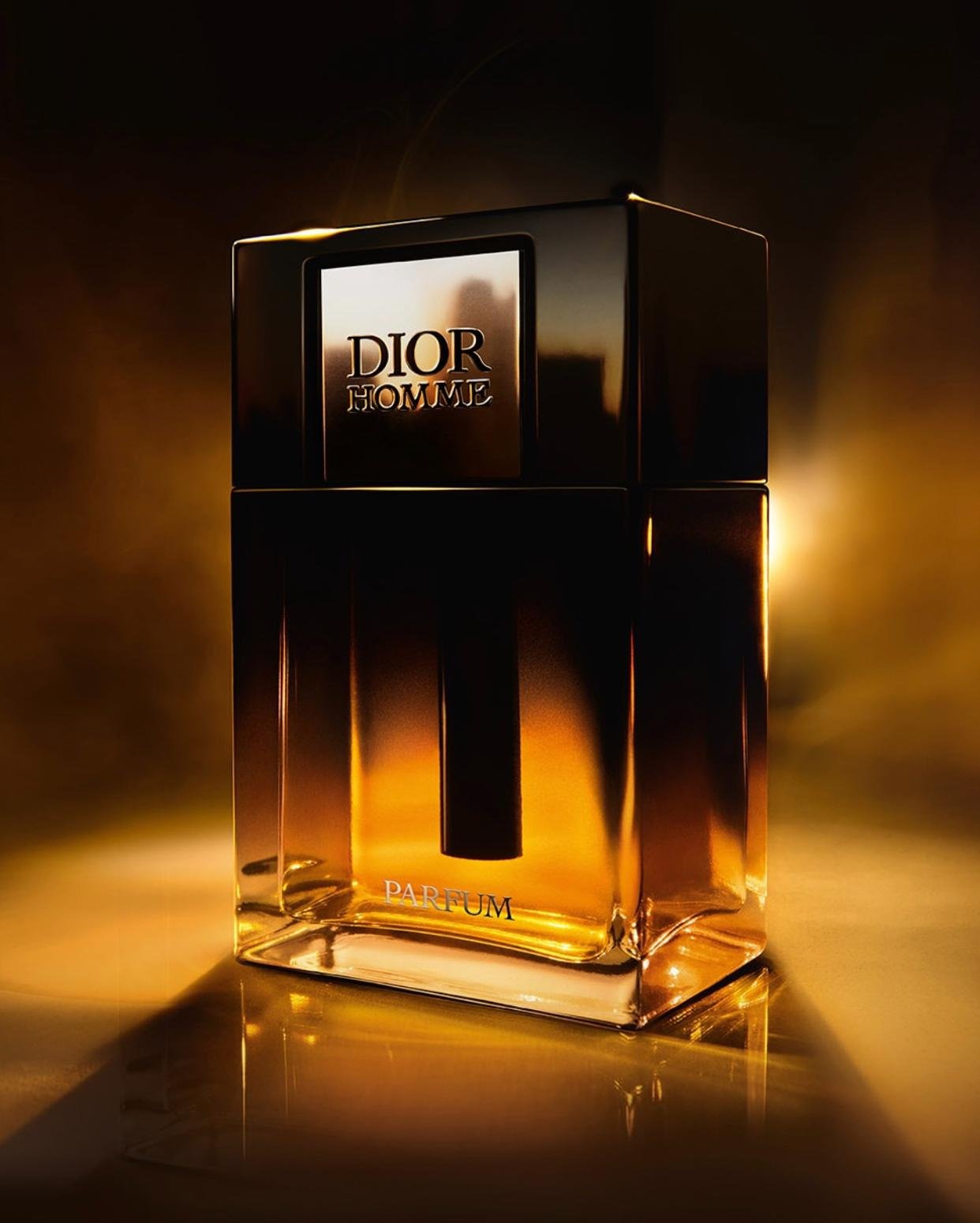
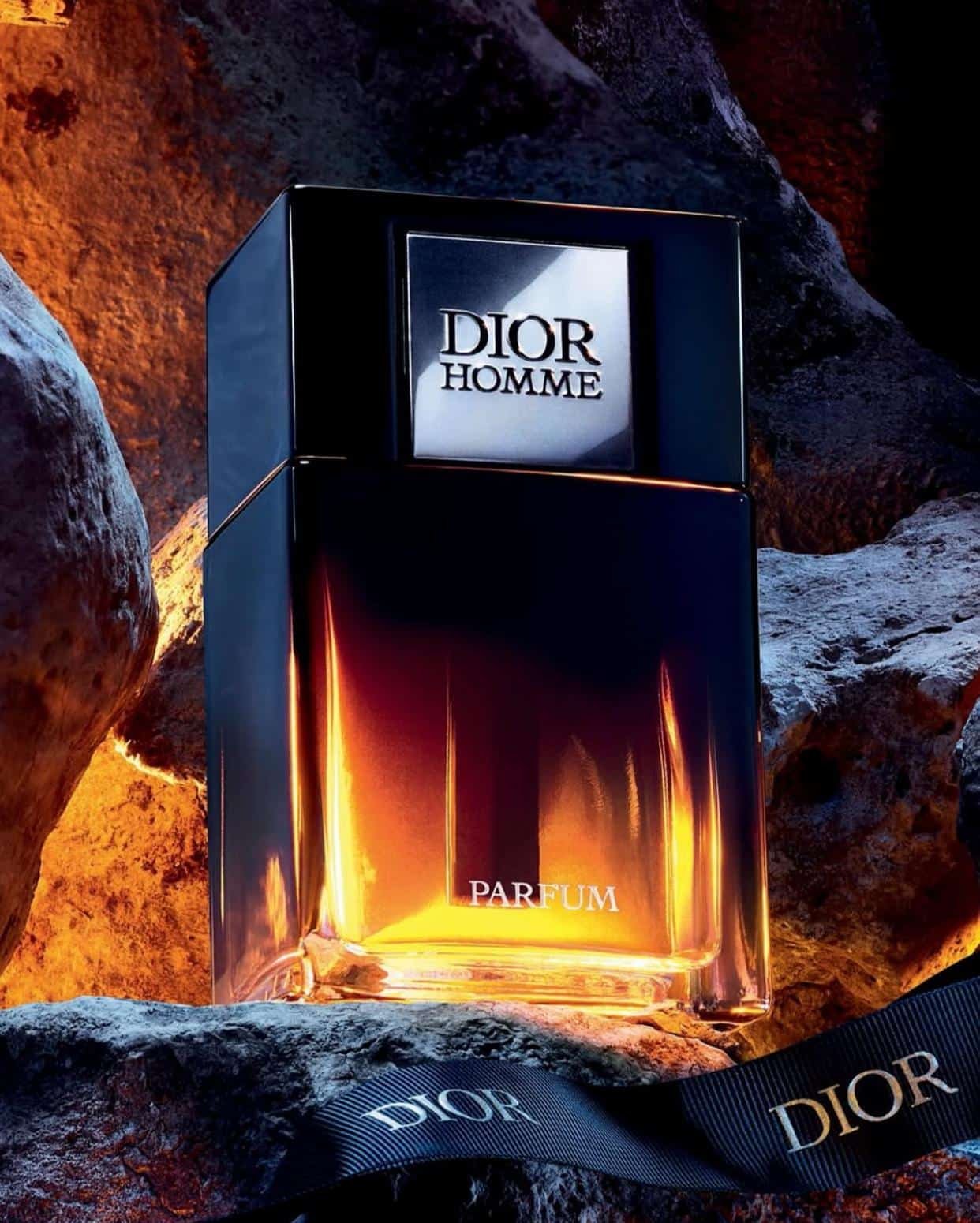
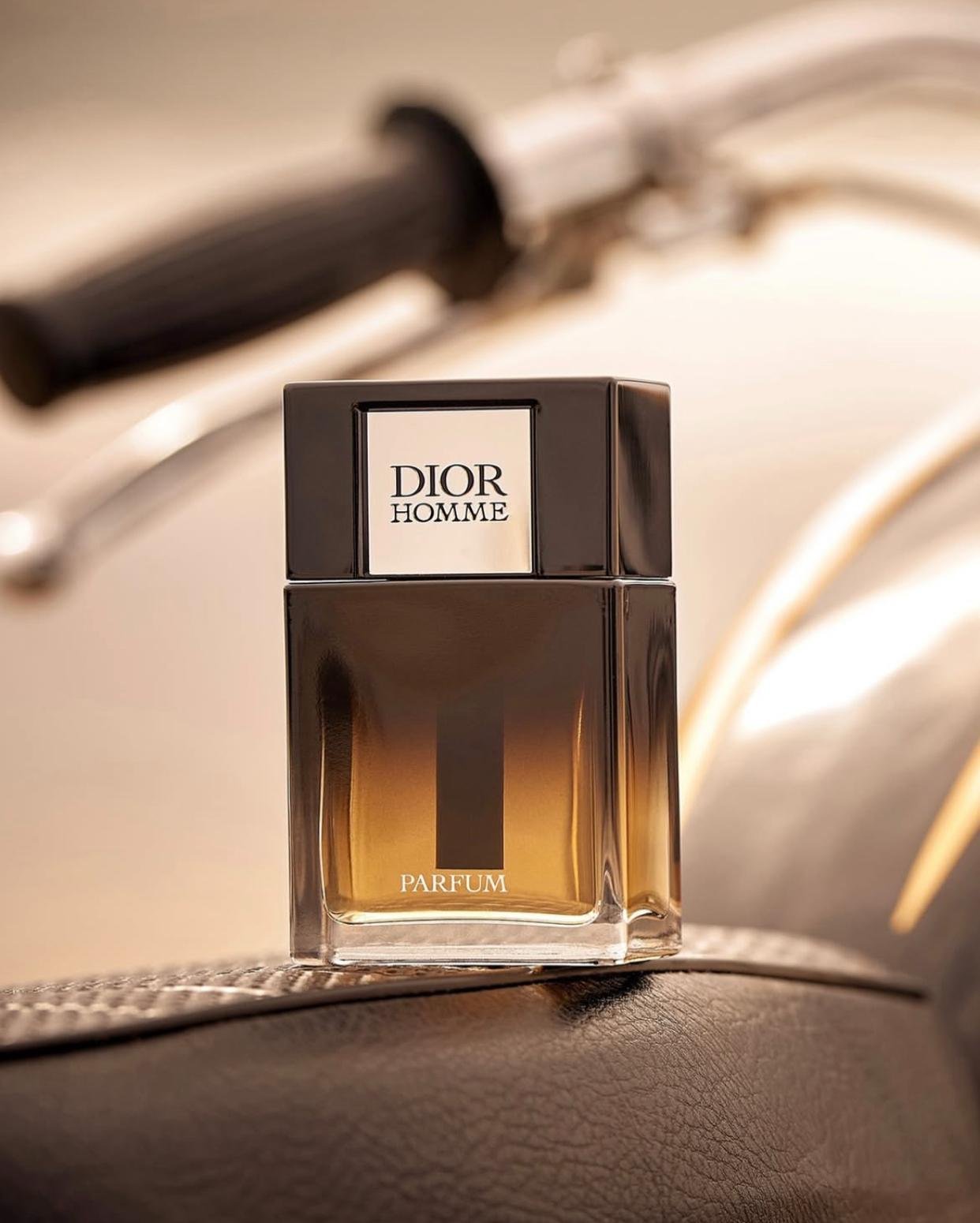
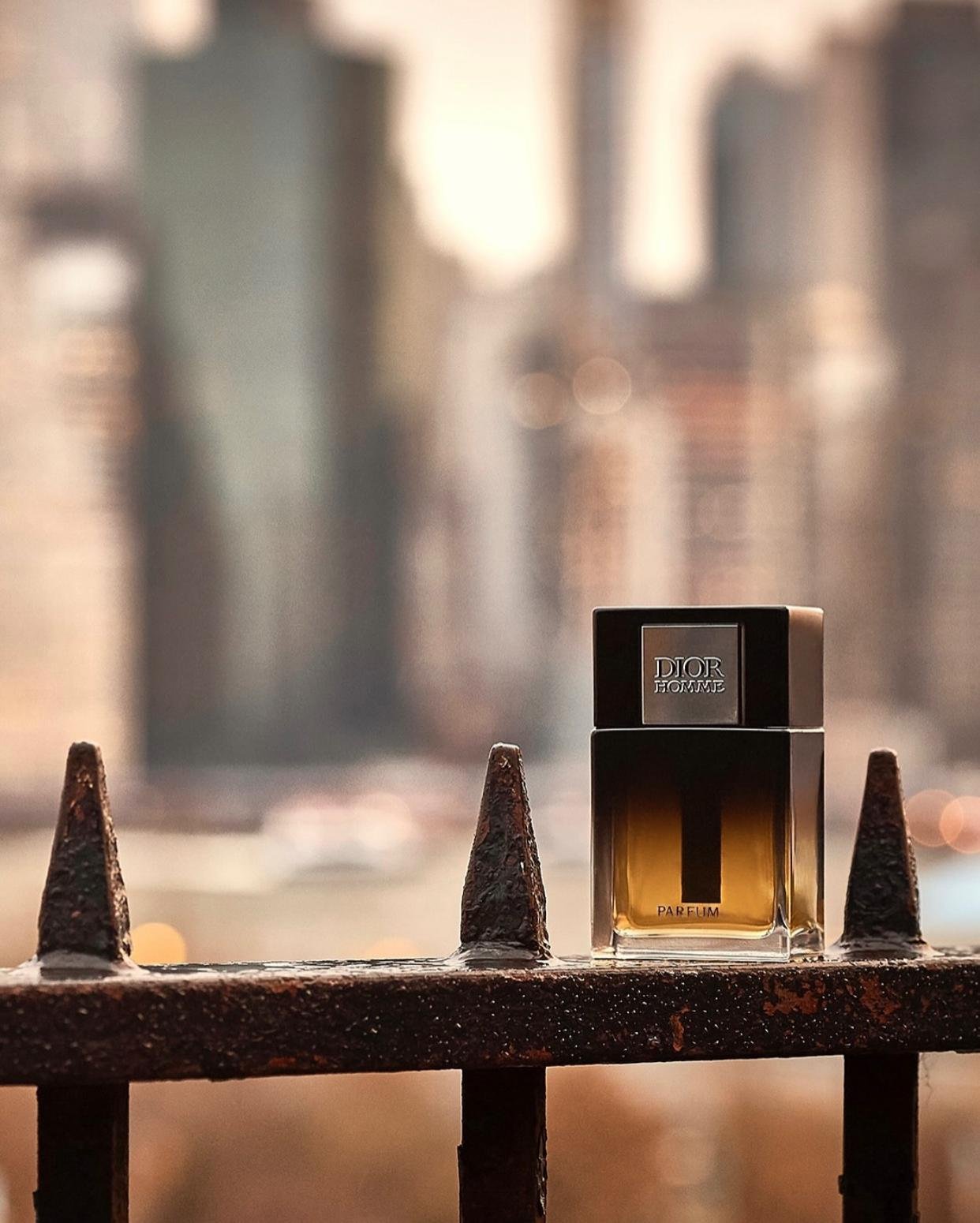
In 2025, Francis Kurkdjian released a new Dior Homme Parfum — a reinterpretation of the 2014 benchmark, approaching the iris note through an architectural lens: cleaner, more modern, with amber and patchouli-vetiver anchoring the base. The composition centers entirely on the iris flower from root to petal. More subtle than its predecessor, more suited to a contemporary sensibility. The flacon carries the silver-plated metal plaque that distinguishes the Dior Homme collection.
Edmond Roudnitska's 1966 composition for Christian Dior remains one of the most important masculine fragrances of the 20th century. Its genius was the use of hedione — a jasmine-derived molecule that had never been used at this concentration in a commercial fragrance — giving Eau Sauvage its characteristic airy, luminous freshness. More than fifty years later, it reads as modern. That is the definition of a classic composition: one that was so far ahead of its context that it has not yet been caught.
La Collection Privée Christian Dior operates beyond the masculine-feminine distinction — a series of compositions conceived as olfactory architecture rather than market propositions. Gris Dior, a chypre of grey rose and oakmoss. Oud Ispahan, a rose-oud of oriental depth. Ambre Nuit, Turkish rose over amber. Bois d'Argent, an iris-patchouli of exceptional refinement. These are the fragrances for those who have moved past the principal collections and want to understand what Dior perfumery is capable of when freed from commercial imperatives.
Edmond Roudnitska used hedione in Eau Sauvage at a concentration
no commercial fragrance had attempted before.
The result was a freshness so luminous
that fifty years later, it still reads as modern.
That is the only definition of a classic that matters.
Francis Kurkdjian became Creative Director of Parfums Christian Dior in 2021, following a career that included the creation of Baccarat Rouge 540 — the most discussed and most imitated luxury fragrance of the last decade — and the founding of his own Maison Francis Kurkdjian in 2009. His appointment at Dior placed him at the helm of one of the largest fragrance portfolios in luxury. His approach is architectural: he thinks about fragrance in terms of structure, clarity, and the relationship between concentration and skin chemistry. His reformulation of Sauvage has been contested by collectors attached to earlier batches. His new Dior Homme Parfum has been praised for its modernity and questioned for its distance from the 2014 benchmark. Both responses confirm that he is working at the center of what matters in contemporary masculine perfumery — which is, in the end, the only position worth occupying.
New York · 21 East 57th Street · The Dior Boutique
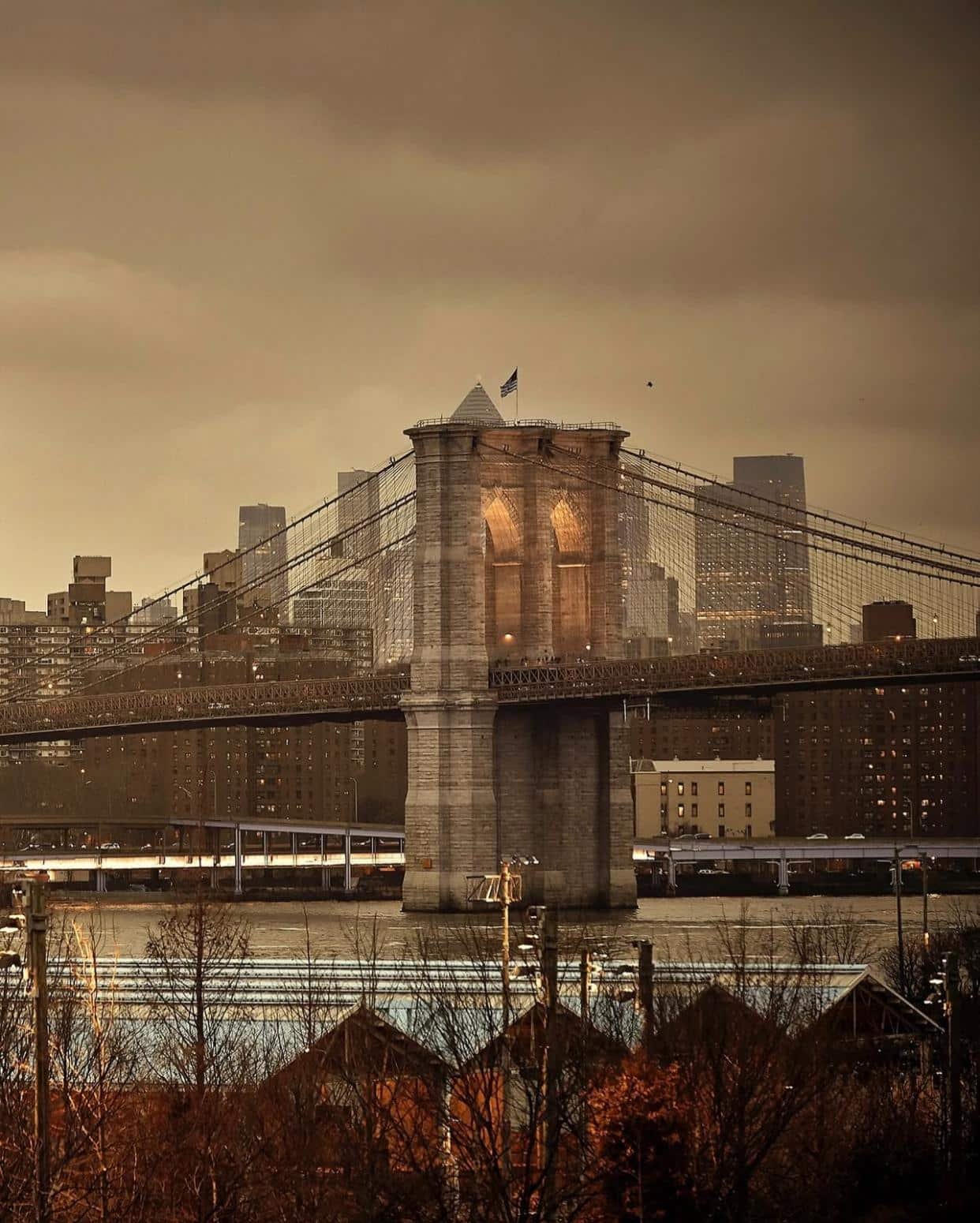
The Dior fragrance presence in New York is anchored on East 57th Street, in Midtown's most concentrated luxury corridor. The men's fragrance consultation at the boutique — structured around olfactory discovery and skin chemistry rather than category navigation — is the right starting point for anyone approaching the Dior masculine portfolio for the first time. The collection's range is significant: from the classical restraint of Eau Sauvage to the radical originality of Fahrenheit to the contemporary scale of Sauvage to the architectural precision of La Collection Privée. They do not all belong to the same conversation. The boutique is the place to discover which conversation one is actually in.
21 East 57th Street · New York, NY 10022
Sauvage · Sauvage Eau Forte 2024 · Sauvage Parfum · Fahrenheit
Dior Homme · Dior Homme Intense · Dior Homme Parfum 2025
Eau Sauvage · La Collection Privée Christian Dior
Gris Dior · Oud Ispahan · Ambre Nuit · Bois d'Argent
dior.com/en_us/beauty/mens-fragrance
Dior has been composing men's fragrance since 1966.
Edmond Roudnitska used a molecule no one had dared use at that concentration.
Olivier Cresp placed iris at the center of a men's composition.
Francis Kurkdjian is rewriting the line from the inside out.
The house has never been interested in staying still.
That is its most consistent characteristic.
© Dior
© Dior
© Dior
© Dior
© Dior
© Dior
© Dior
© Dior
© Dior
© Dior
© Dior
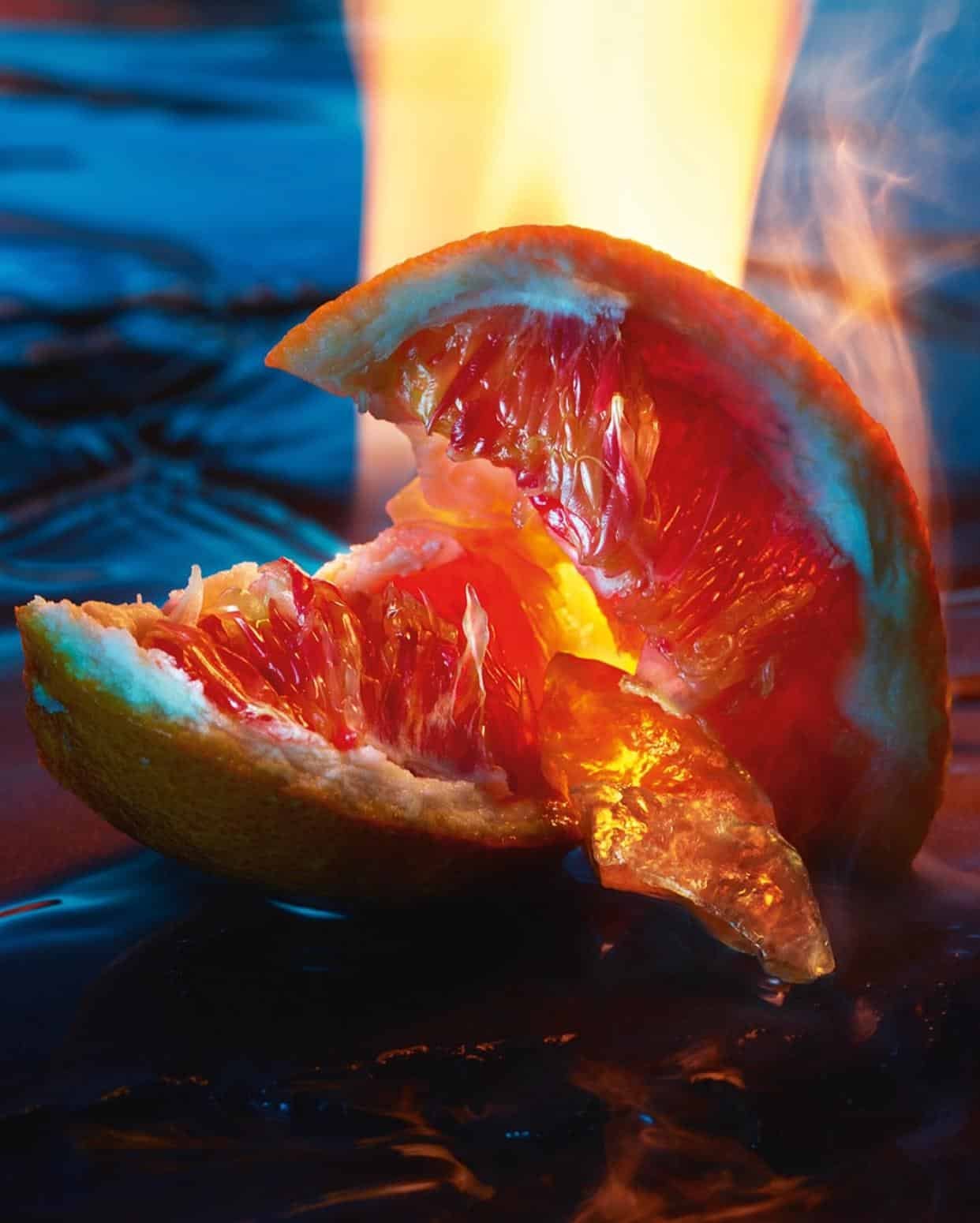
© Dior
DIOR
© Dior