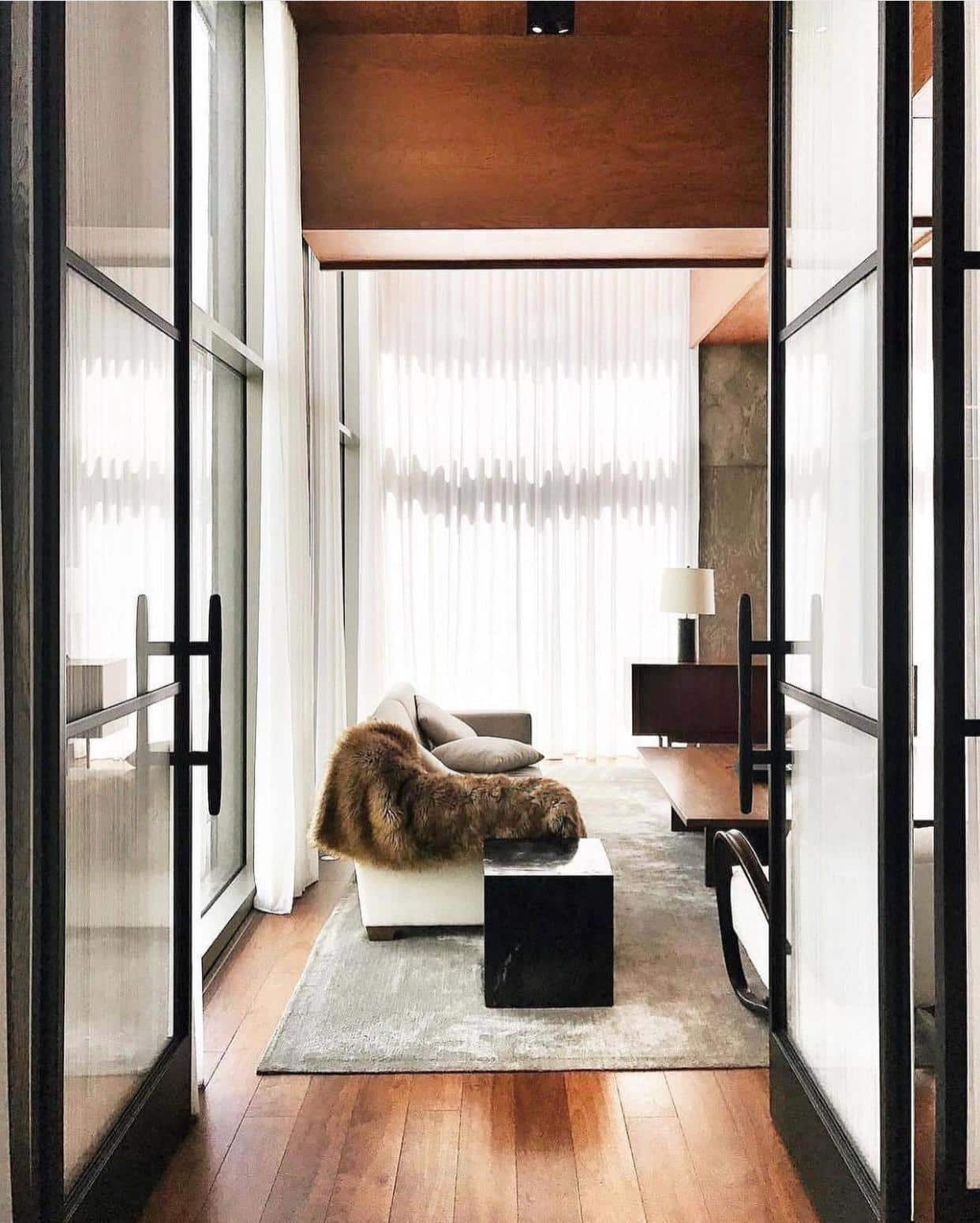
© Public Hotel
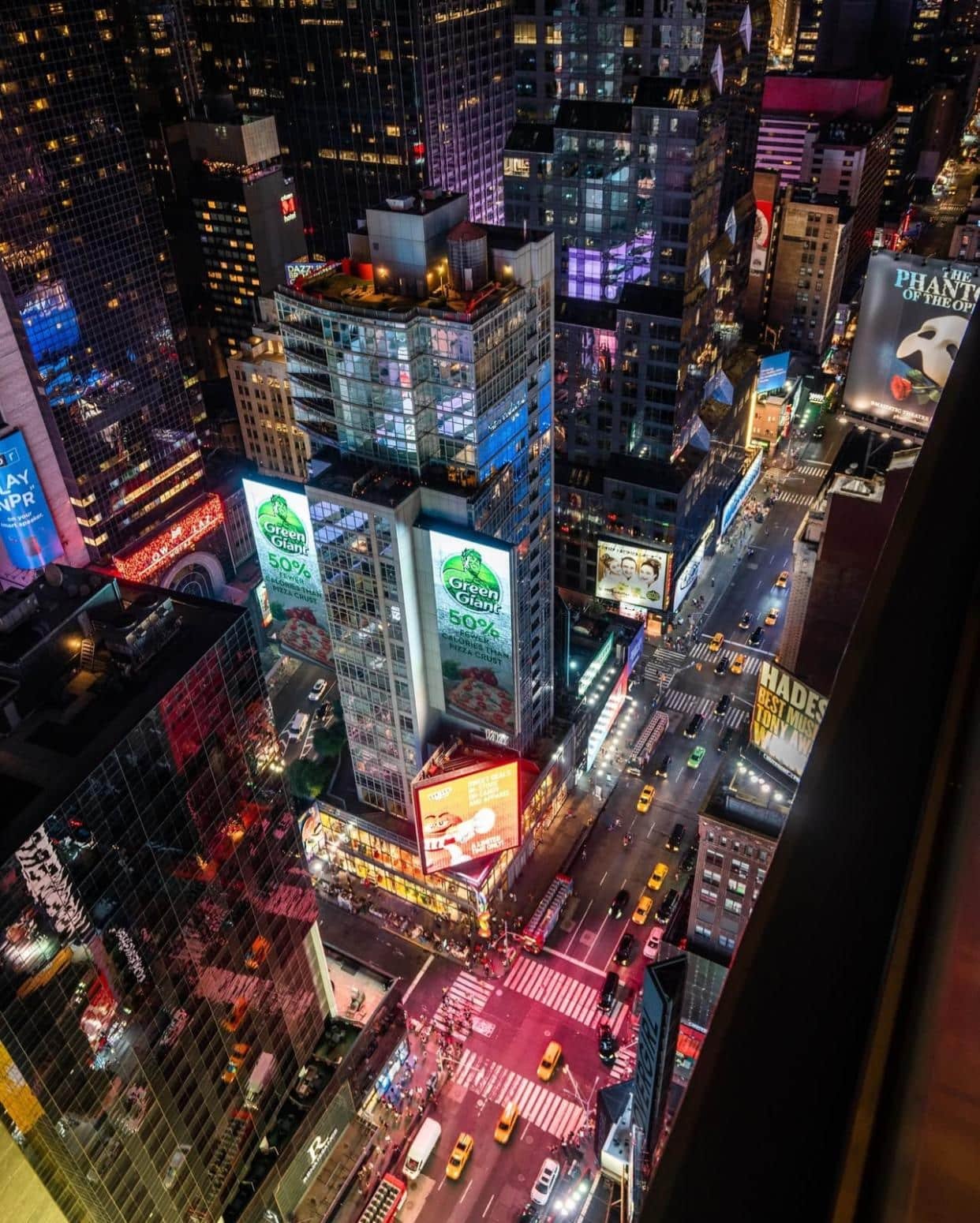
© The Times Square Edition
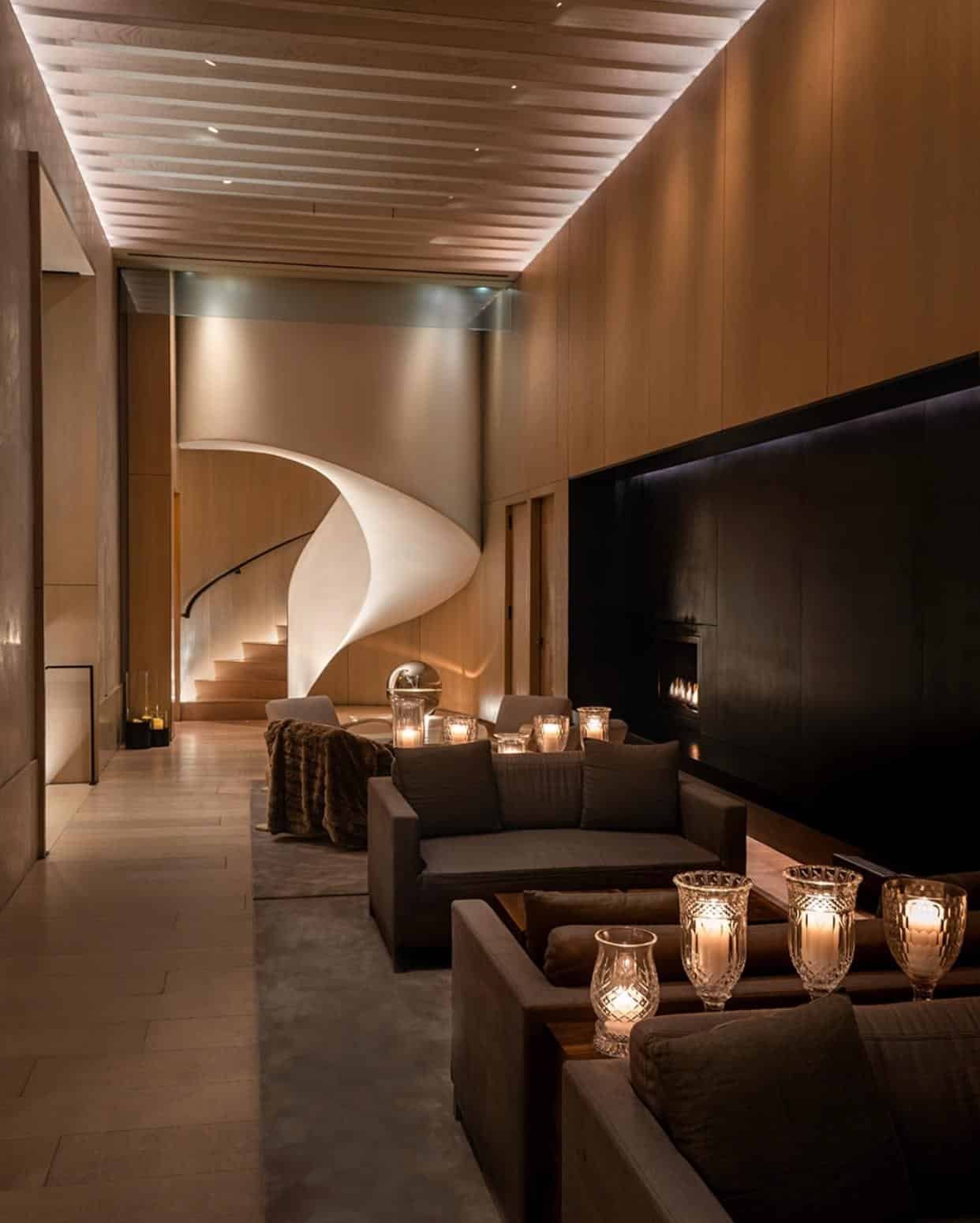
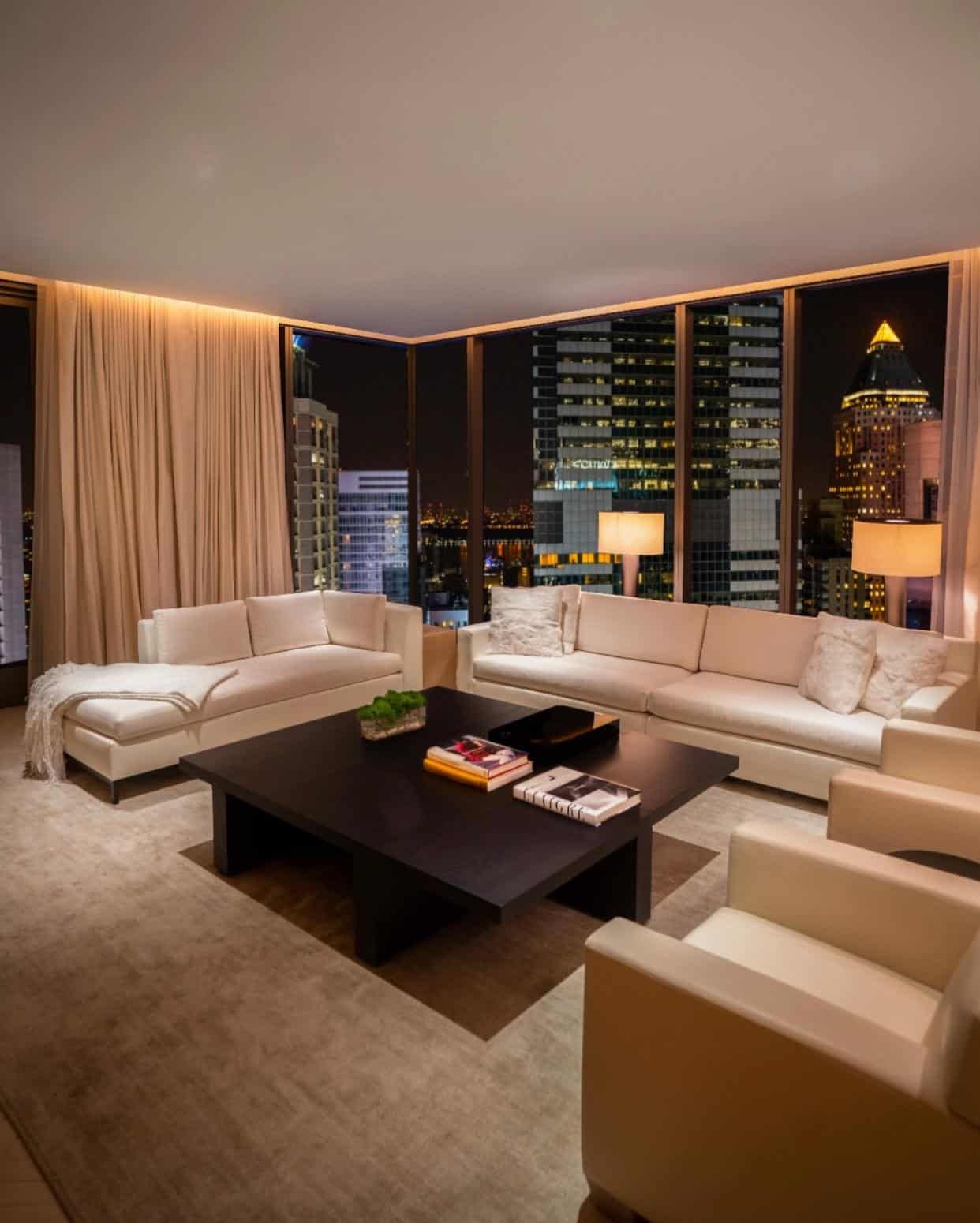
© The New-York Edition
Luxury Hotels
New York
In 1893, William Waldorf Astor demolished his father's mansion on Fifth Avenue and built a hotel in its place — directly beside his aunt Caroline's home, whose social position he resented and whose guests he intended to absorb. The feud produced the Waldorf. Four years later, his cousin John Jacob Astor IV built the Astoria next door, connecting the two buildings through a corridor named Peacock Alley. The combined hotel became the most famous address in America. In 1929 it was demolished to make way for the Empire State Building. In 1931 it was rebuilt on Park Avenue in Art Deco. In 2017 it closed for restoration. In 2025 it reopened. New York's greatest hotel has been destroyed and rebuilt twice. The city considers this unremarkable.
The Gilded Age · The Grand Hotels · The City That Built Hospitality As Architecture
New York invented the grand hotel as a civic institution. The Astor House, opened in 1836 by John Jacob Astor the first — the German immigrant who became America's first multimillionaire through fur trading and Manhattan real estate — was the first luxury hotel in the city and the template for everything that followed. By the Gilded Age, the hotel had become the primary site of New York's social life: the ballroom where Caroline Astor's "Four Hundred" gathered, the restaurant where the Waldorf salad was invented, the corridor where society paraded itself and was seen. The St. Regis, opened in 1904 by John Jacob Astor IV, cost $5.5 million — in marble floors, Waterford crystal chandeliers, Louis XV furniture, and a $300,000 air ventilation system that removed a barrel of dust a day and predated air-conditioning by two decades. The New York Times called it "the most richly furnished and opulent hotel in the world" on the day it opened. The King Cole Bar at the St. Regis served America's first Bloody Mary in 1934, to Russian prince Serge Obolensky. The bartender was Fernand Petiot. The mural behind the bar — Old King Cole by Maxfield Parrish, nine meters wide, painted in 1906 — has been watching that drink be ordered ever since.
The Living Institutions · The Grand Dames Still In Operation
What distinguishes New York's luxury hotel landscape from any other city is not the density of five-star properties — London, Paris, and Hong Kong can match that — but the presence of institutions that have been operating continuously long enough to accumulate a specific weight of history that cannot be replicated or purchased. The Plaza, opened in 1907 at the corner of Fifth Avenue and 59th Street, has been the setting for proposals, divorces, diplomatic negotiations, and the filming of Breakfast at Tiffany's. The Carlyle, opened in 1930 on Madison Avenue, has hosted every American president since Truman and maintained the discretion that made it the preferred New York address of European royalty. The Pierre, opened in the same year on Fifth Avenue beside Central Park, was modeled on a French château — guests including Coco Chanel, Audrey Hepburn, and Yves Saint Laurent passed through it as through a European house that happened to be in Manhattan. These hotels are not landmarks in the architectural sense only. They are participants in the city's history, accumulated over a century of exact, daily, unremarkable excellence.
The Waldorf Astoria closed in 2017 for what became an eight-year, multibillion-dollar restoration — the most expensive hotel restoration in American history. What reopened in 2025 is the building as it was intended in 1931, before decades of modification had buried its details: the 150,000-piece "Wheel of Life" mosaic in the Park Avenue Lobby, uncovered during demolition beneath layers of later floor coverings; the Silver Corridor; the Art Deco ironwork and bronze that architects Schultze and Weaver designed as a civic monument as much as a hotel. The Guerlain spa, spanning 20,000 square feet on the lower floors, opened as part of the restoration — the first Guerlain spa in a New York hotel. The Towers, the upper-floor private residences that once housed Cole Porter (whose suite Frank Sinatra subsequently paid $1 million a year to keep), now operate as the most historically resonant private hotel floors in the city. The Waldorf is not the newest luxury hotel in New York. It is the one the city could not exist without.
John Jacob Astor IV built The St. Regis to surpass every hotel in New York — including the Waldorf he partly owned — and the ambition remains legible in the building's proportions and materials a hundred and twenty years later. The Beaux-Arts facade on 55th Street, the Italian marble lobby with vaulted ceilings, the original ornate mailbox in the lobby with its US federal eagle motif: these are not preserved details but functioning elements of a hotel that has operated continuously since the day it opened. The St. Regis butler service — one butler per floor, available around the clock, trained to anticipate rather than simply respond — set the standard that every subsequent luxury hotel in New York has measured itself against. Salvador Dali lived here with his wife Gala and an undisclosed number of exotic guests. Alfred Hitchcock wandered the hallways frightening other residents with fabricated stories told in elevators. The King Cole Bar has been serving the Bloody Mary since 1934, and the Maxfield Parrish mural is still smiling about everything it has seen since 1906.
Aman New York occupies the Crown Building at 57th Street and Fifth Avenue — a 1921 Beaux-Arts tower whose gilded roof has overlooked the intersection for over a century — and operates according to the brand's fundamental conviction: that the most valuable thing a hotel can provide in a major city is the sensation that the city has receded. Every one of the 83 rooms has a working fireplace, which is an almost impossible amenity in a Manhattan building and the clearest possible statement of intent: this is not a hotel that has decorated around a constraint but one that has resolved an engineering problem in order to provide something that changes how the room feels at night. The spa spans three floors with an indoor pool and treatment rooms lit by candles rather than overhead lighting. The staff-to-guest ratio approaches six to one. The food and beverage program — the Japanese-influenced restaurant, the jazz club — operates at a standard that would sustain each venue independently. Aman New York is the most expensive luxury hotel address in Manhattan. It is priced for guests who have decided that privacy, scale, and the absence of interruption are the relevant variables.
The Plaza was designed by Henry J. Hardenbergh — the same architect who built the original Waldorf and the Dakota Apartments — and opened in October 1907 at the most valuable corner in New York: the junction of Fifth Avenue and the southern edge of Central Park, where the city's formal residential grid meets its great public landscape. The building's French Renaissance château form, its copper roof, its position above the Pulitzer Fountain, give it a silhouette so thoroughly embedded in the visual identity of Manhattan that it functions simultaneously as hotel and as landmark — a building people photograph from outside before they enter. The Palm Court, with its glass ceiling and marble floors, has been the setting for afternoon tea since the opening year. The named suites — Carnegie, Pulitzer, Fitzgerald, Vanderbilt — carry the names of the city's defining figures as naturally as the hotel carries the city's silhouette. Truman Capote held his celebrated Black and White Ball here in 1966, inviting five hundred of what he considered the most interesting people in the world. The Plaza provided the room. The city provided the meaning.
The Carlyle opened in 1930 at 76th Street and Madison Avenue, in the heart of the Upper East Side residential neighborhood rather than in Midtown's hotel corridor, and that address is the whole point. It is not a hotel for visitors who want to be at the center of the city. It is a hotel for people — heads of state, European royalty, artists, bankers — who want to be in New York without being in New York's machinery. Every American president since Harry Truman has stayed here. The Kennedy family used a suite as a private pied-à-terre. The Bemelmans Bar, named for Ludwig Bemelmans who painted the whimsical Central Park mural covering its walls in 1947 in lieu of paying his bill, is the most discreet serious drinking room in Manhattan — a room where the conversations are assumed to be private, which makes them free to be direct. The Café Carlyle hosts the kind of intimate live performance — Bobby Short played here for thirty-four years — that the large hotel venues cannot produce. The Carlyle understands that the most valuable thing it offers is not a room but a context: the conditions under which a certain kind of person can be fully present in the city.
The international luxury brands maintain their most demanding properties in New York because the city demands it — because a guest who has stayed at the Peninsula Hong Kong, the Four Seasons George V, and the Mandarin Oriental Bangkok arrives in New York with a standard already established, and the brand's New York property must meet or exceed it or lose the relationship entirely. The Four Seasons New York, designed by I.M. Pei and reopened after renovation in November 2024, operates on 57th Street — the same block as Aman New York and the flagship boutiques of the great jewelry houses — in a tower whose proportions place it among the most architecturally considered luxury hotels in the city. The Peninsula New York, which completed its own renovation in 2023, operates on Fifth Avenue with the formality that defines the brand globally: the fleet of Rolls-Royces, the butler service, the attention that has nothing to do with trends and everything to do with standards maintained over decades without deviation. The Mandarin Oriental at Columbus Circle, at the southwest corner of Central Park, provides the views of the park and the Hudson beyond that are available at no other address in the hotel corridor. Each of these properties offers what its brand has always offered, at a level the New York market requires — which is to say, at the highest level the brand produces anywhere in the world.
In 1893, William Waldorf Astor
demolished his father's mansion
and built a hotel beside his aunt's house
because he resented her social position.
The feud produced the most famous
hotel name in America.
In 1929 it was torn down
for the Empire State Building.
In 1931 it was rebuilt in Art Déco.
In 2017 it closed again.
In 2025 it reopened.
New York's greatest hotel
has been destroyed twice
and rebuilt both times.
The city considers this
the normal arc of things.
New York's luxury hotel landscape operates across two distinct registers that coexist without resolving into a single identity. The first is the grand institution — the Waldorf, the Plaza, the St. Regis, the Carlyle — buildings that opened between 1893 and 1931, that have been operating continuously through the Depression, the war, the urban decline of the 1970s, and the gentrification of every decade since, and that carry the specific gravity of a city that has been testing hospitality against the expectations of the world's most demanding visitors for over a century. These hotels do not need to be the newest or the most innovative. They need to be exactly what they have always been, at a standard that time has calibrated to the finest possible tolerance. The second register is the new address — Aman New York, the Equinox Hotel at Hudson Yards, the Baccarat Hotel on 53rd Street — buildings that arrived in the last decade with the conviction that luxury hospitality in the 21st century must be reimagined rather than inherited, that the relationship between a guest and a city can be mediated by architecture, wellness, and service in configurations the grand hotels never contemplated. New York is large enough, and demanding enough, to sustain both fully. The guest who requires the weight of history goes to the St. Regis. The guest who requires the most precisely resolved modern luxury experience goes to Aman. The city provides both without apology for the difference.
A family feud produced the Waldorf.
A rivalry with Europe produced the St. Regis.
A fireplace in every room
produced the case for Aman.
A bartender named Fernand Petiot
produced the Bloody Mary in 1934
and the King Cole Bar
has been serving it since.
New York did not set out
to build the finest hotel city in the world.
It set out to be New York —
and the hotels came with it,
one feud,
one vision,
one destroyed mansion
at a time.
AMAN NEW-YORK
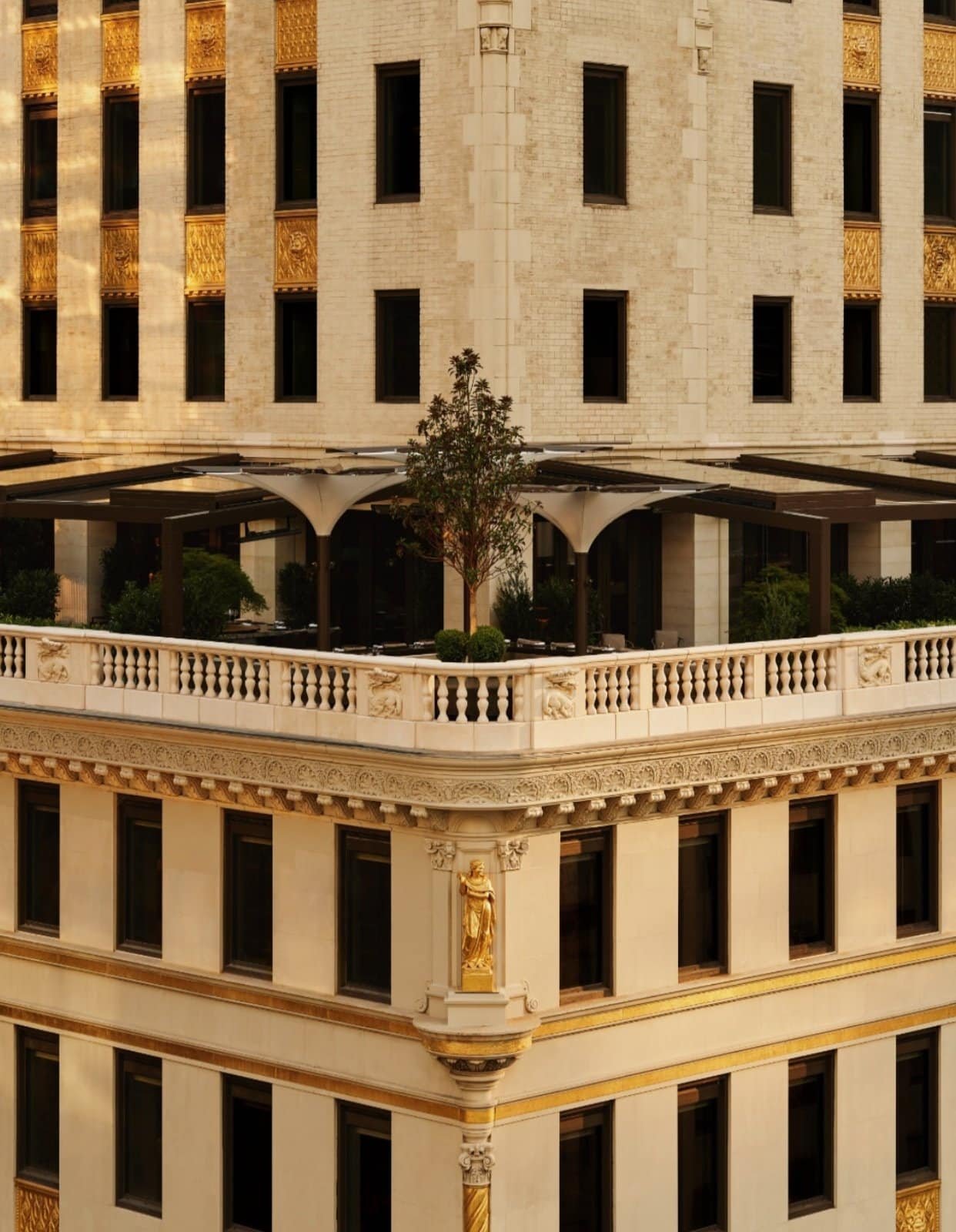
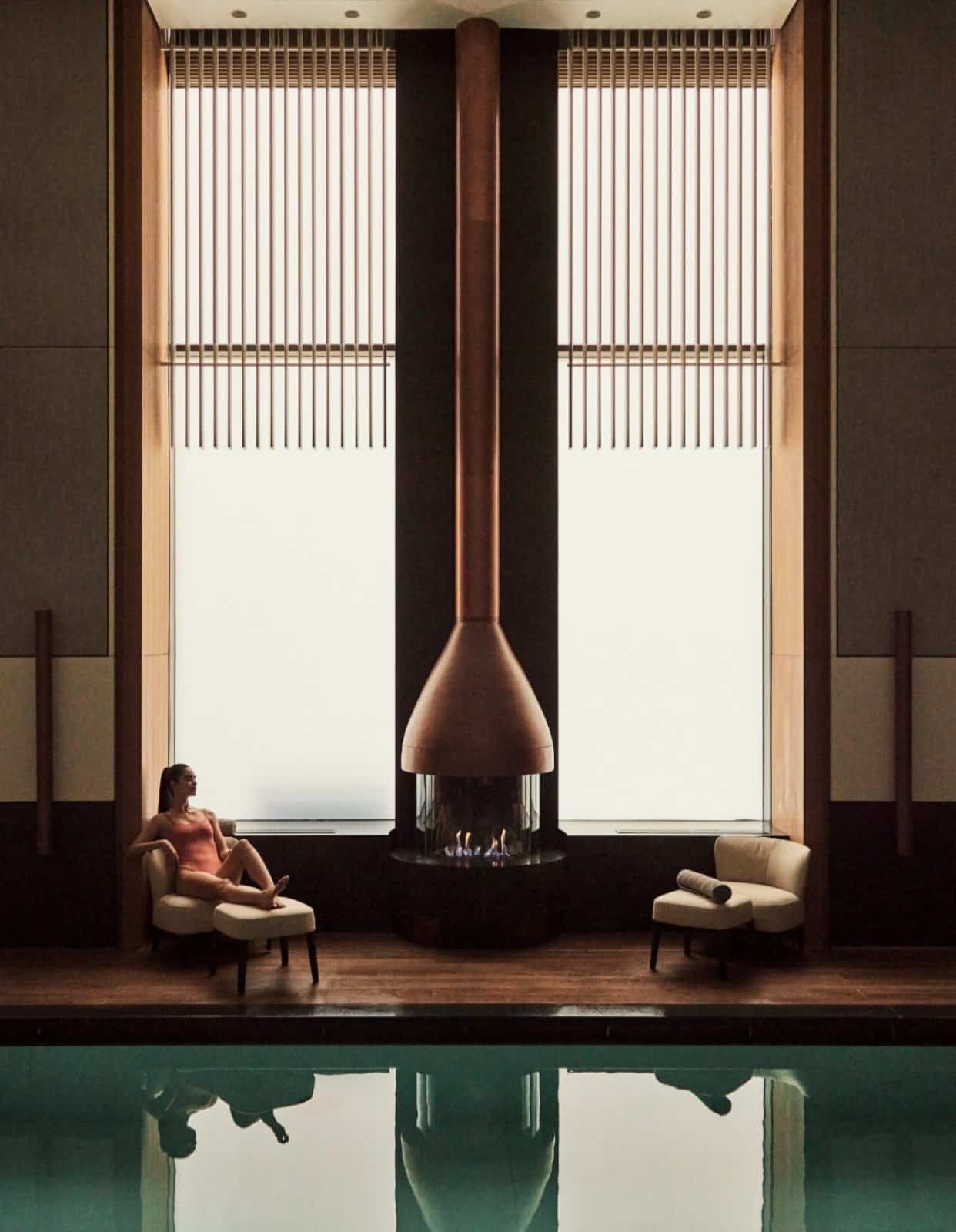
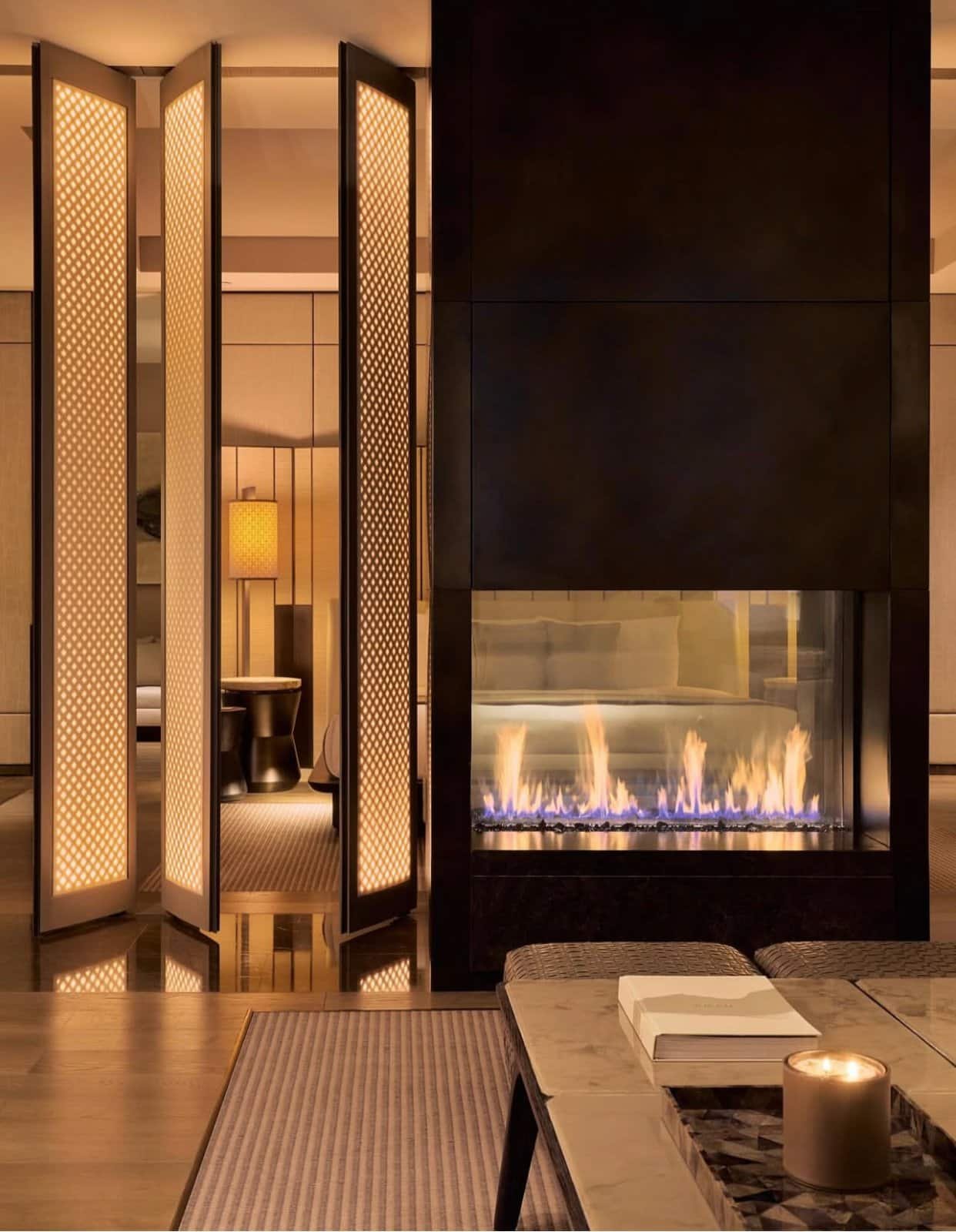
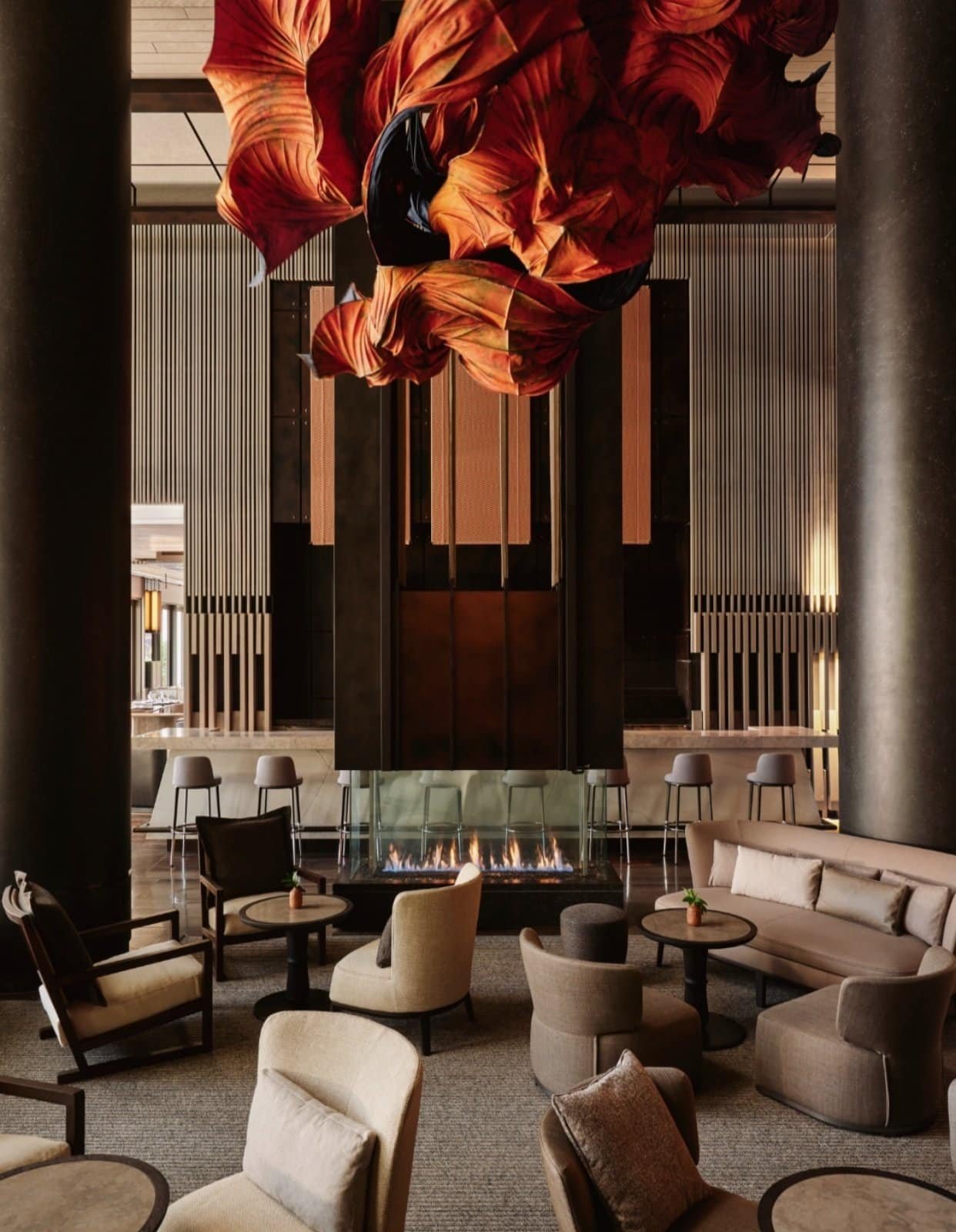
© Aman New-York
ANDAZ 5th AVENUE
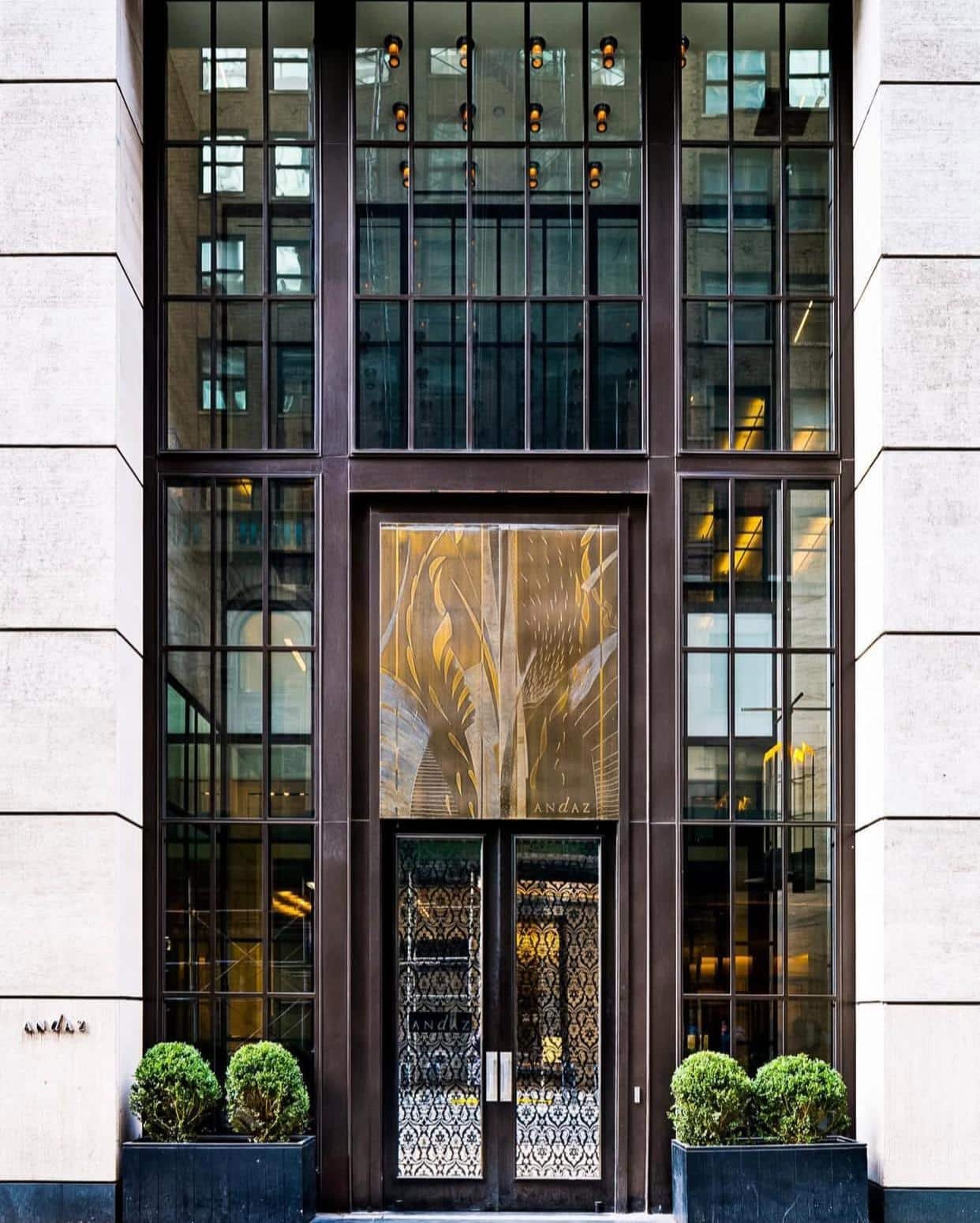
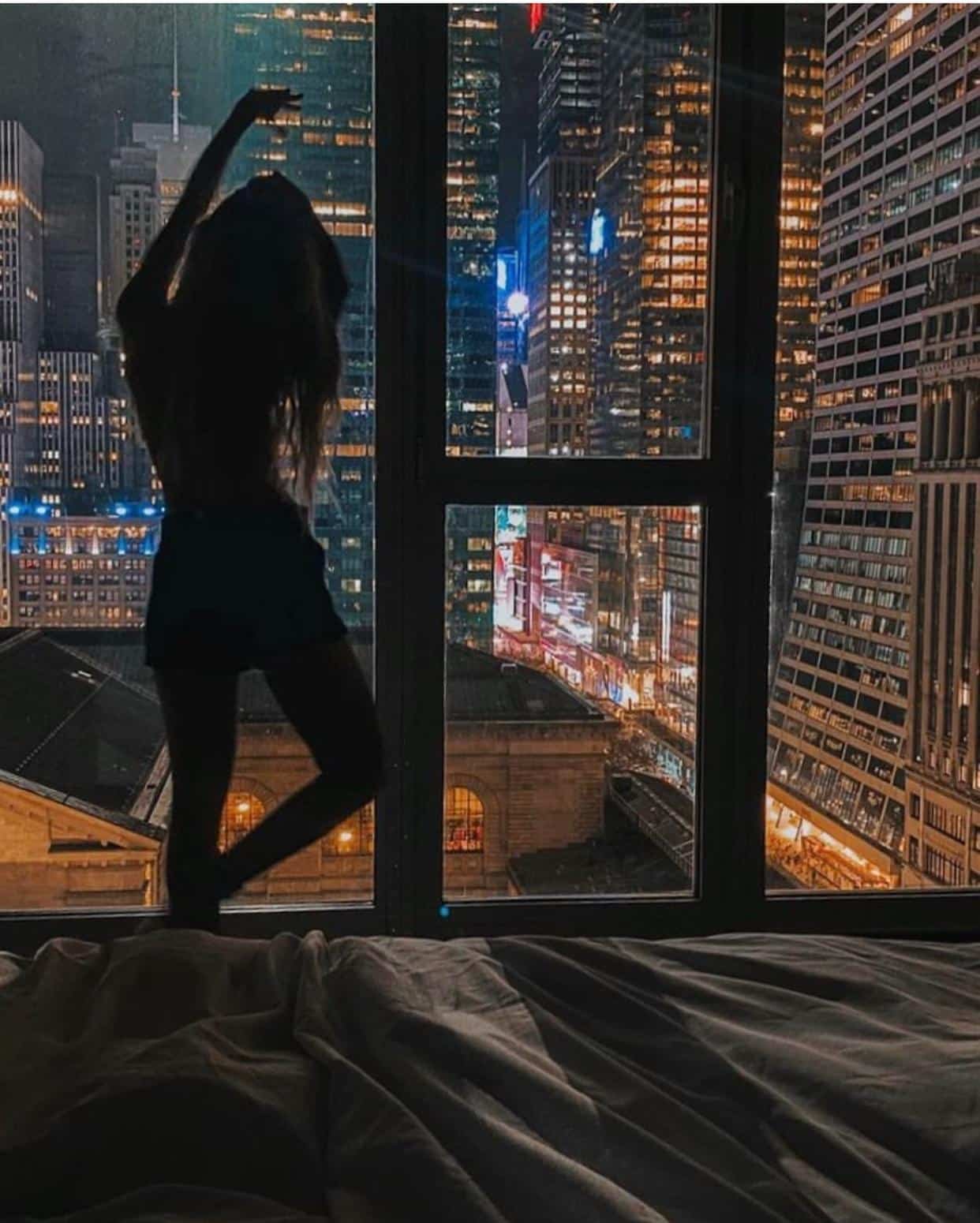
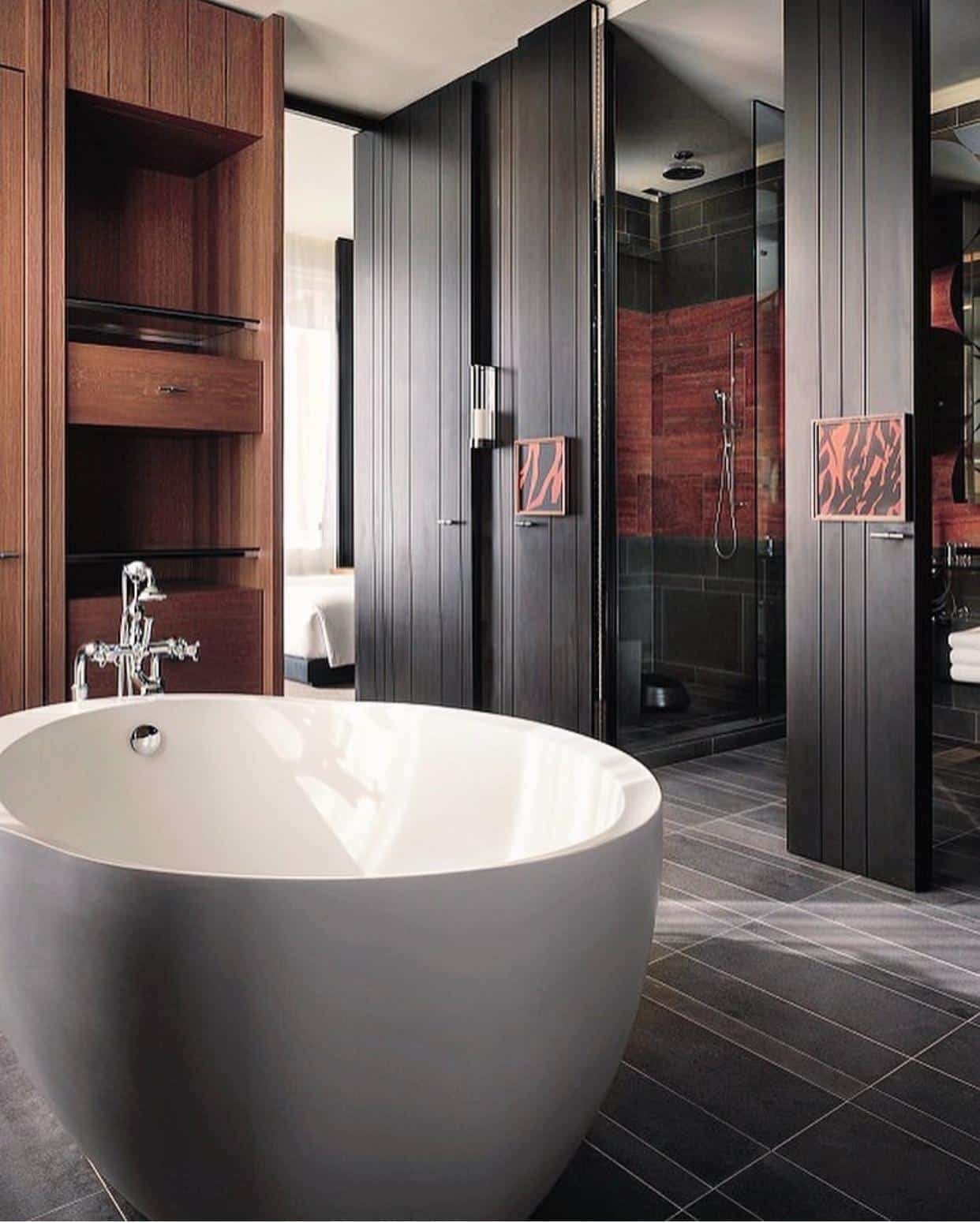
© Andaz 5th Avenue
BACCARAT HOTEL NEW-YORK
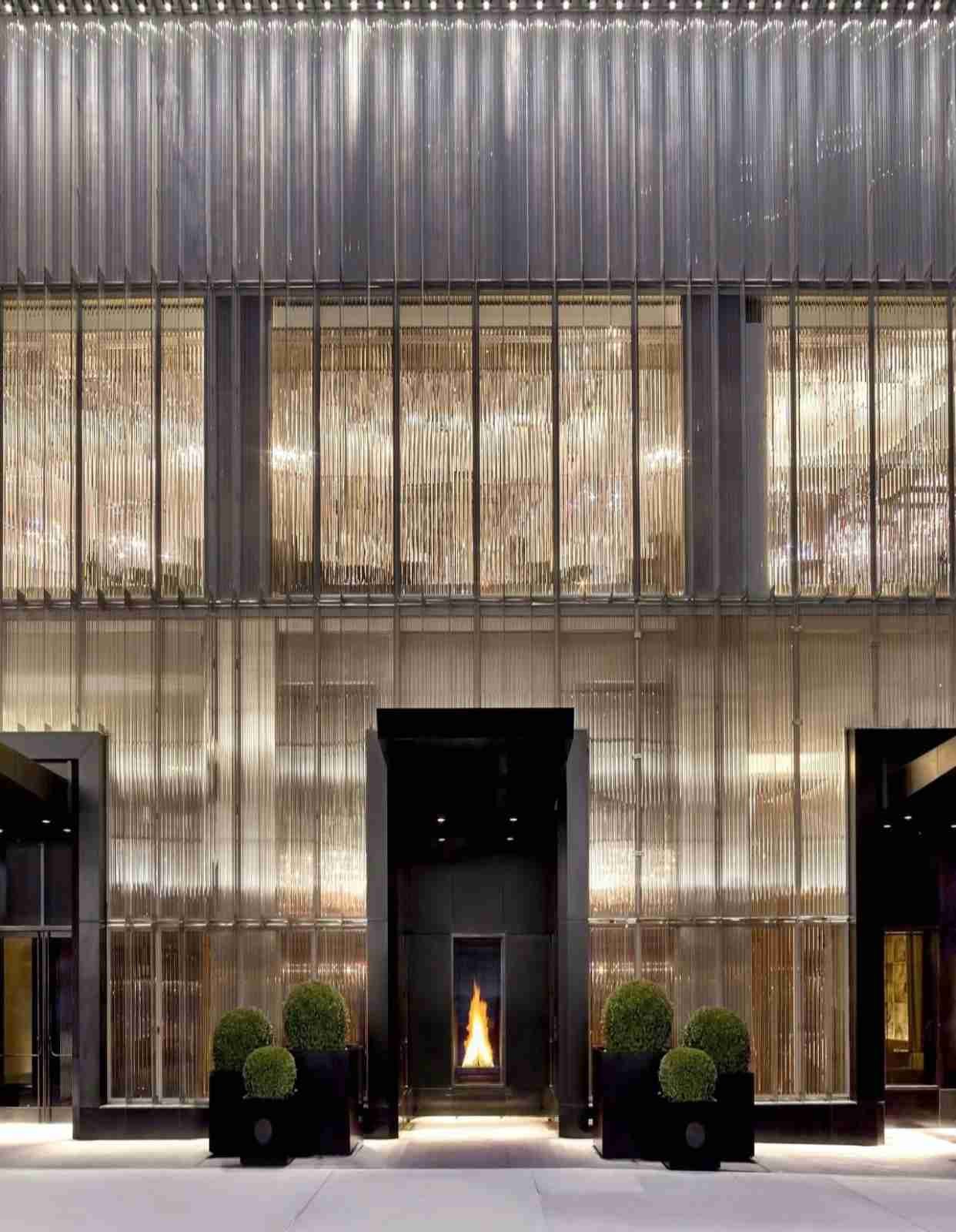
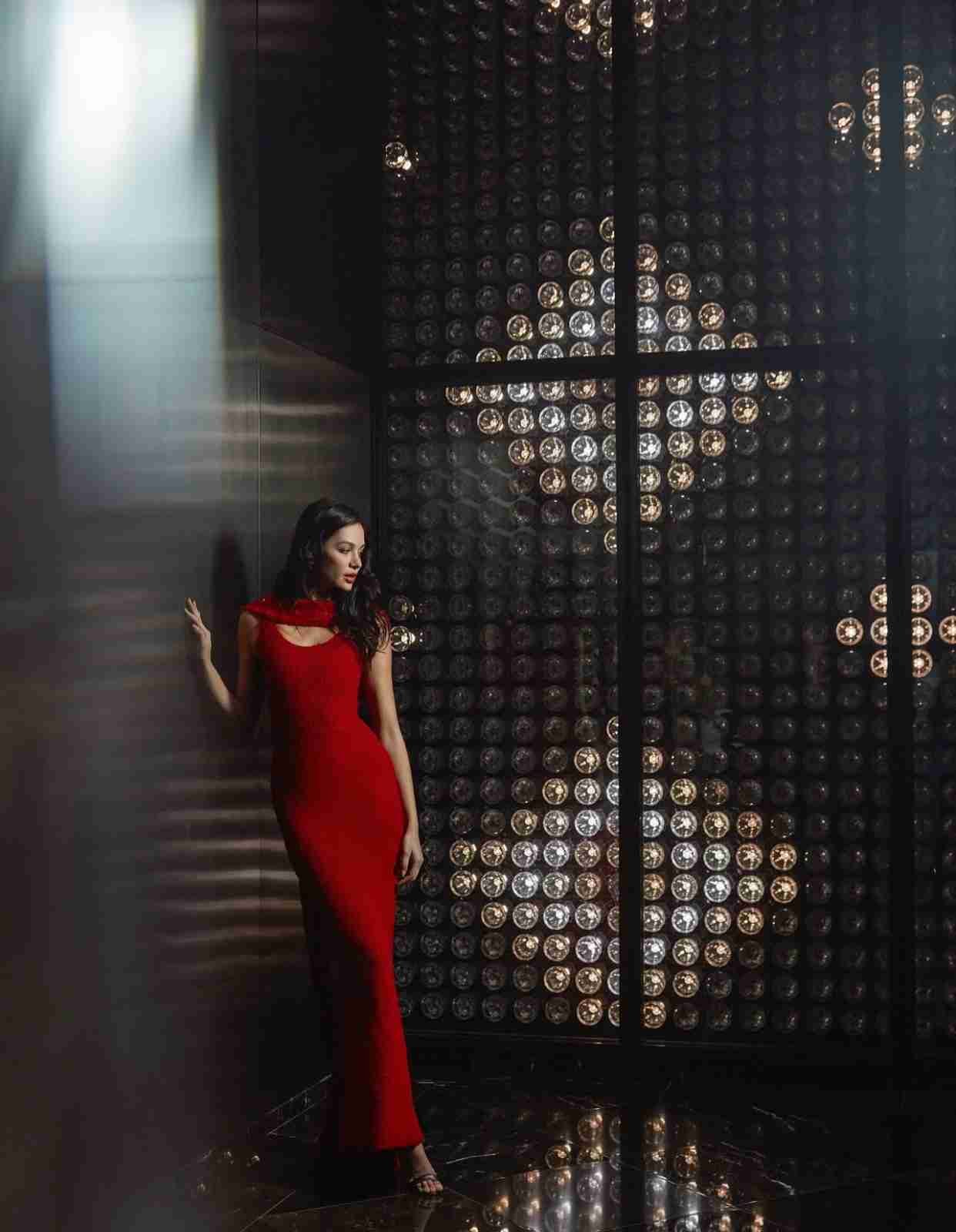
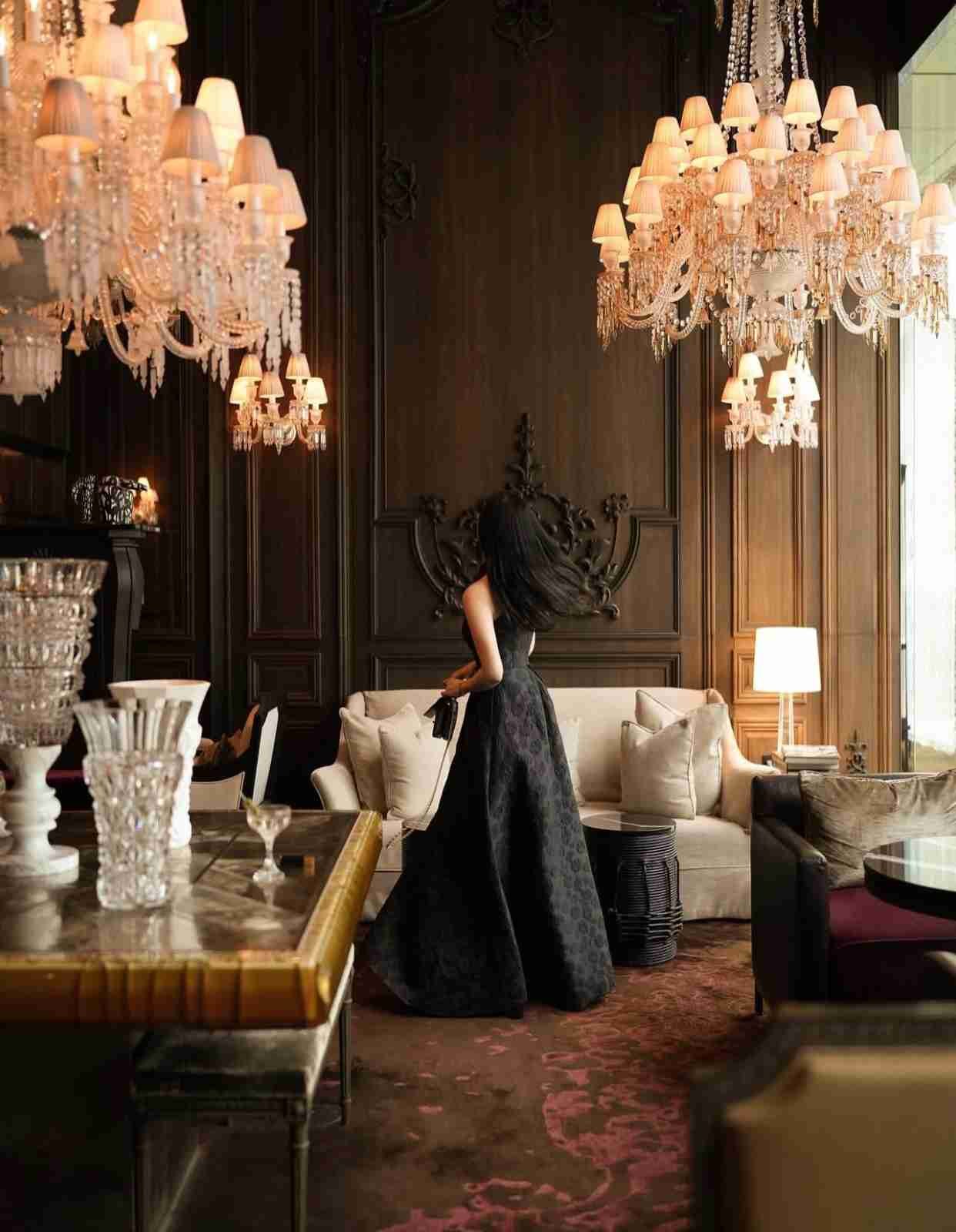
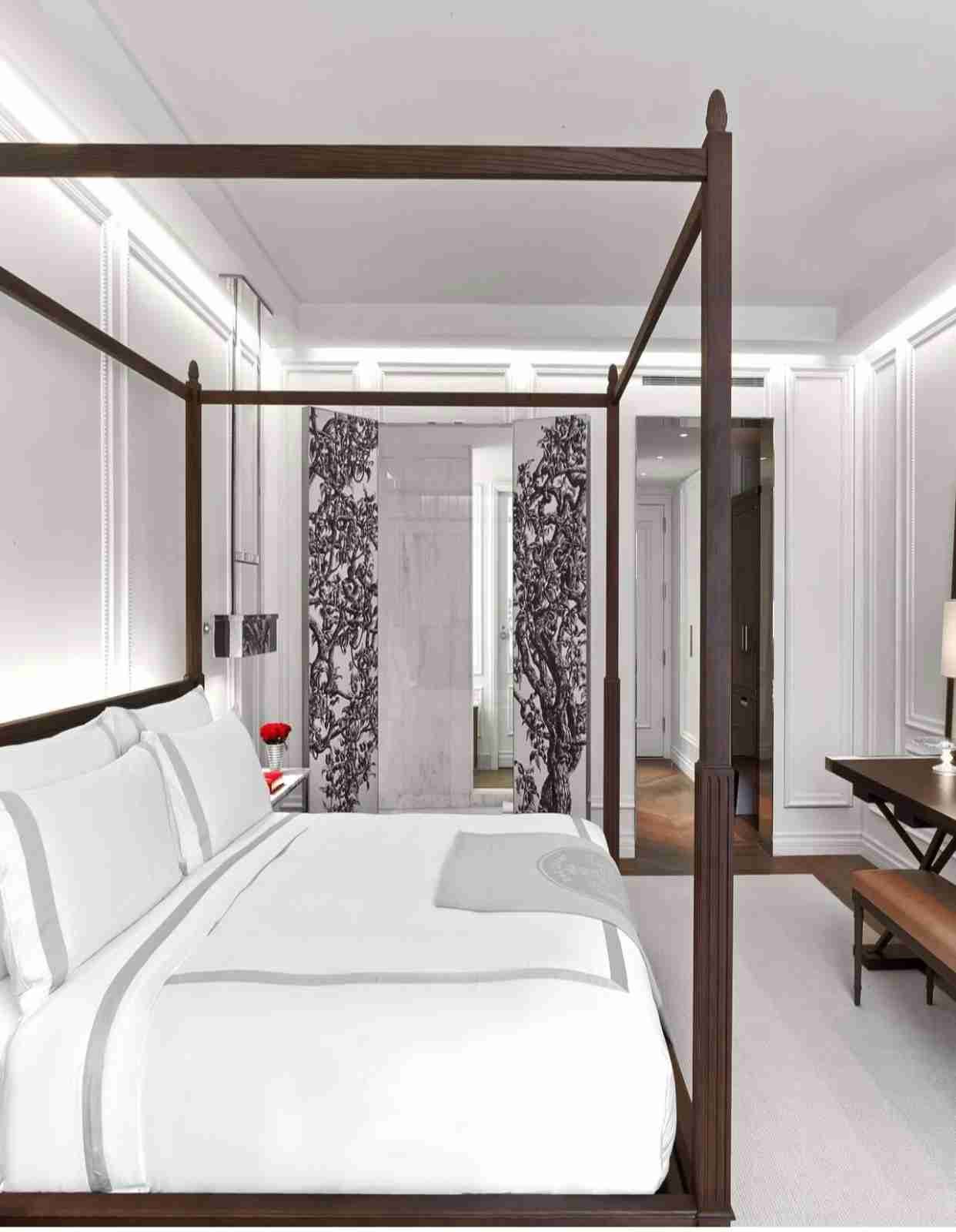
© Baccarat Hotel New-York
EQUINOX HOTEL NEW-YORK
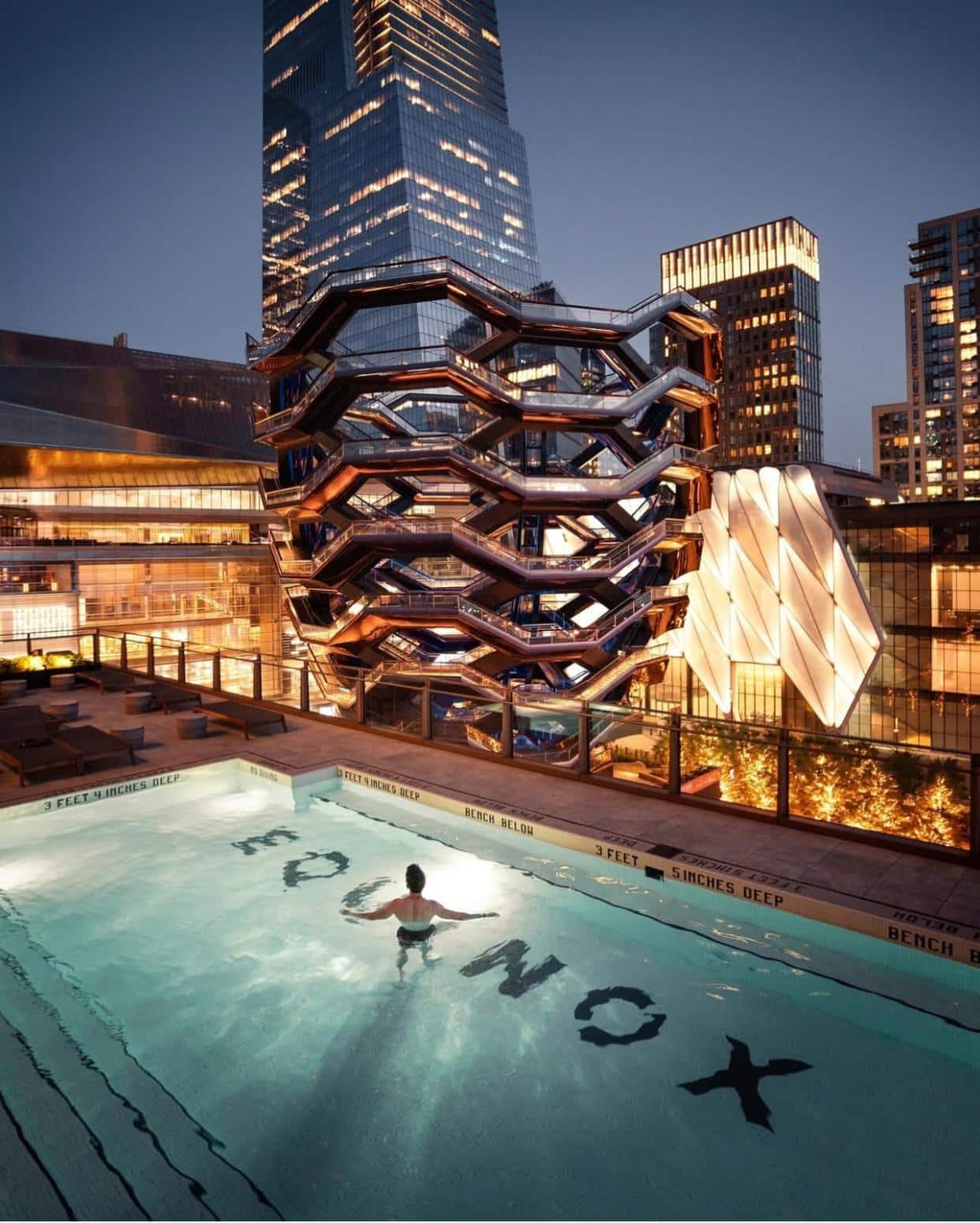
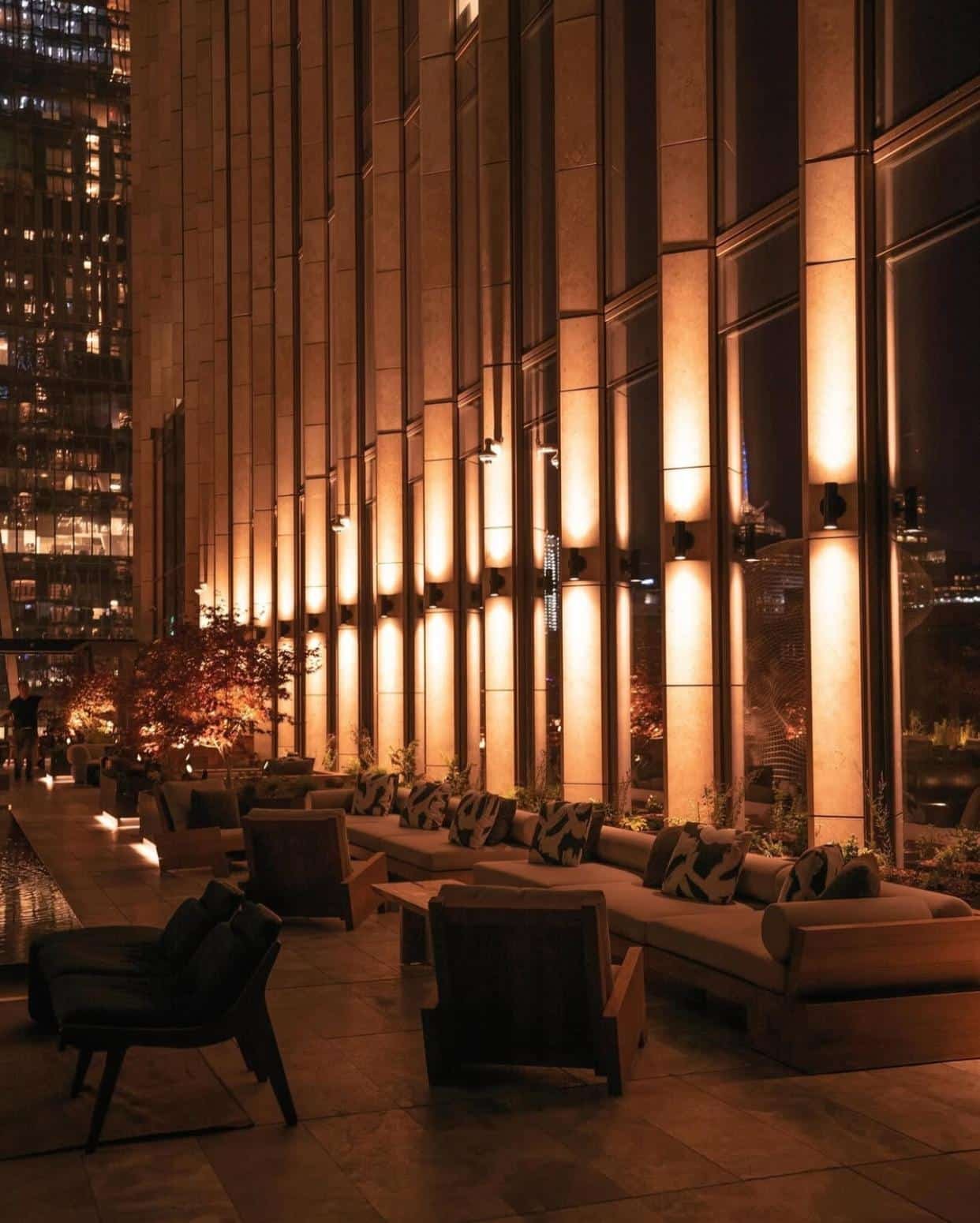
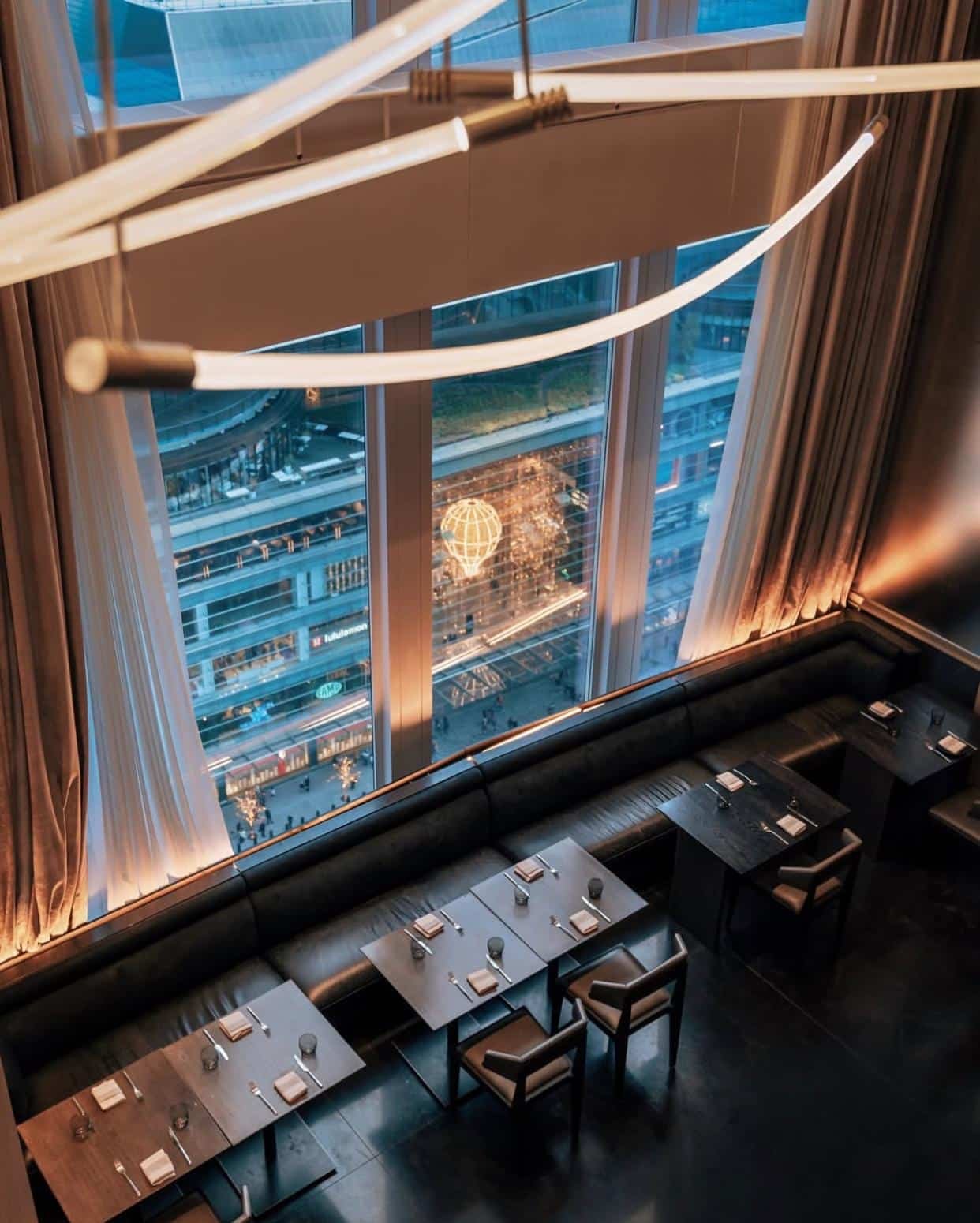
© Equinox Hotel New-York
FASANO 5th AVENUE NEW-YORK
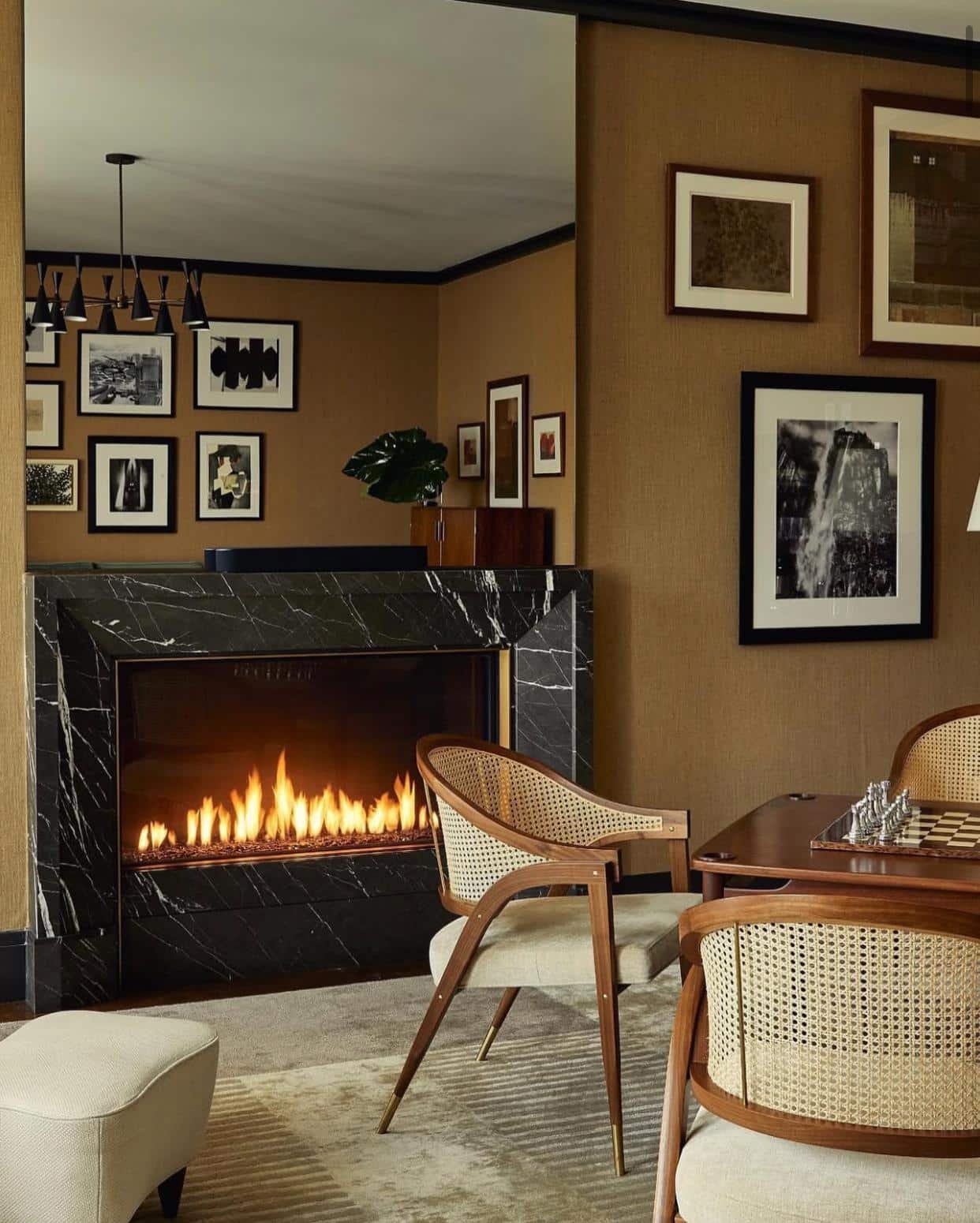
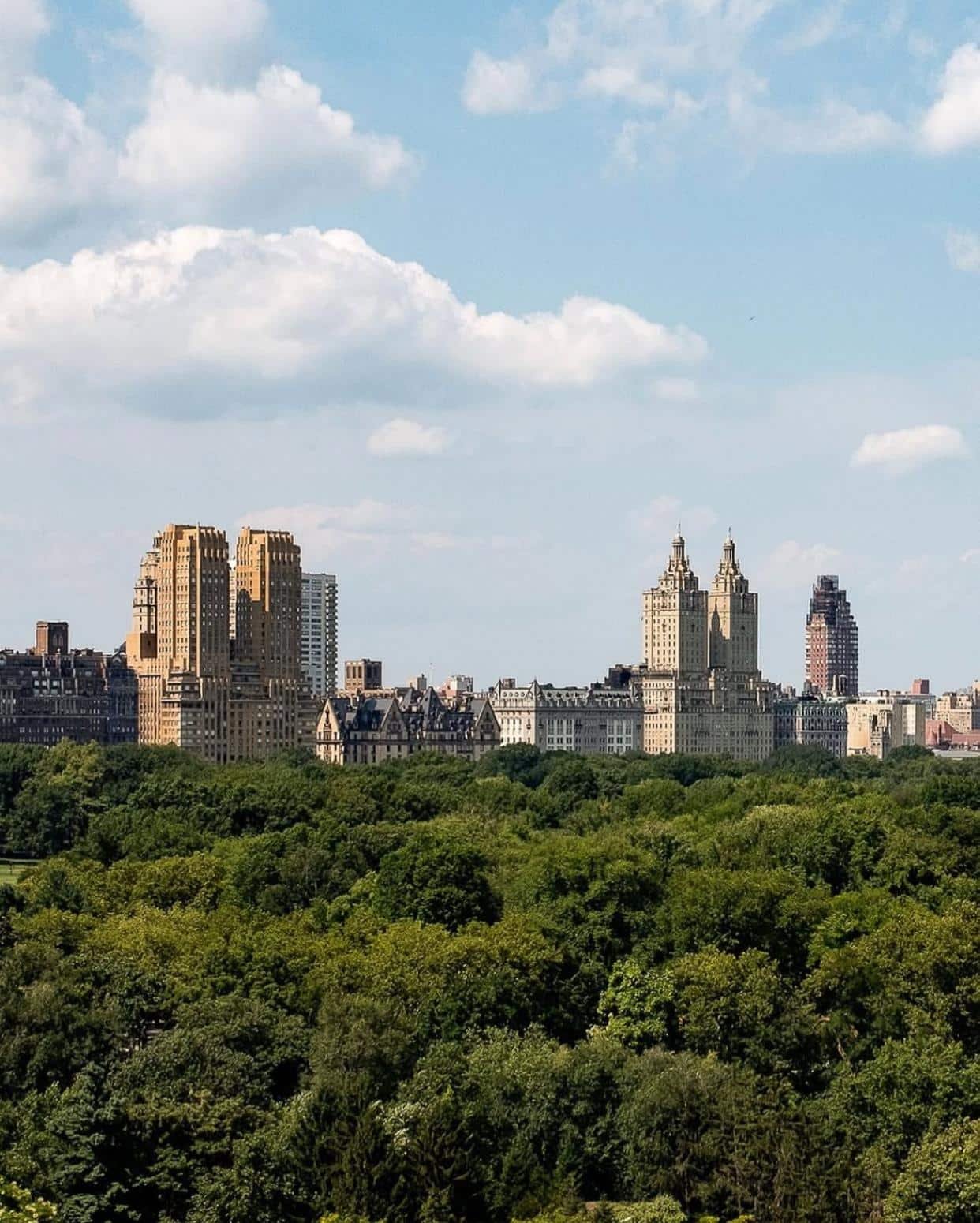
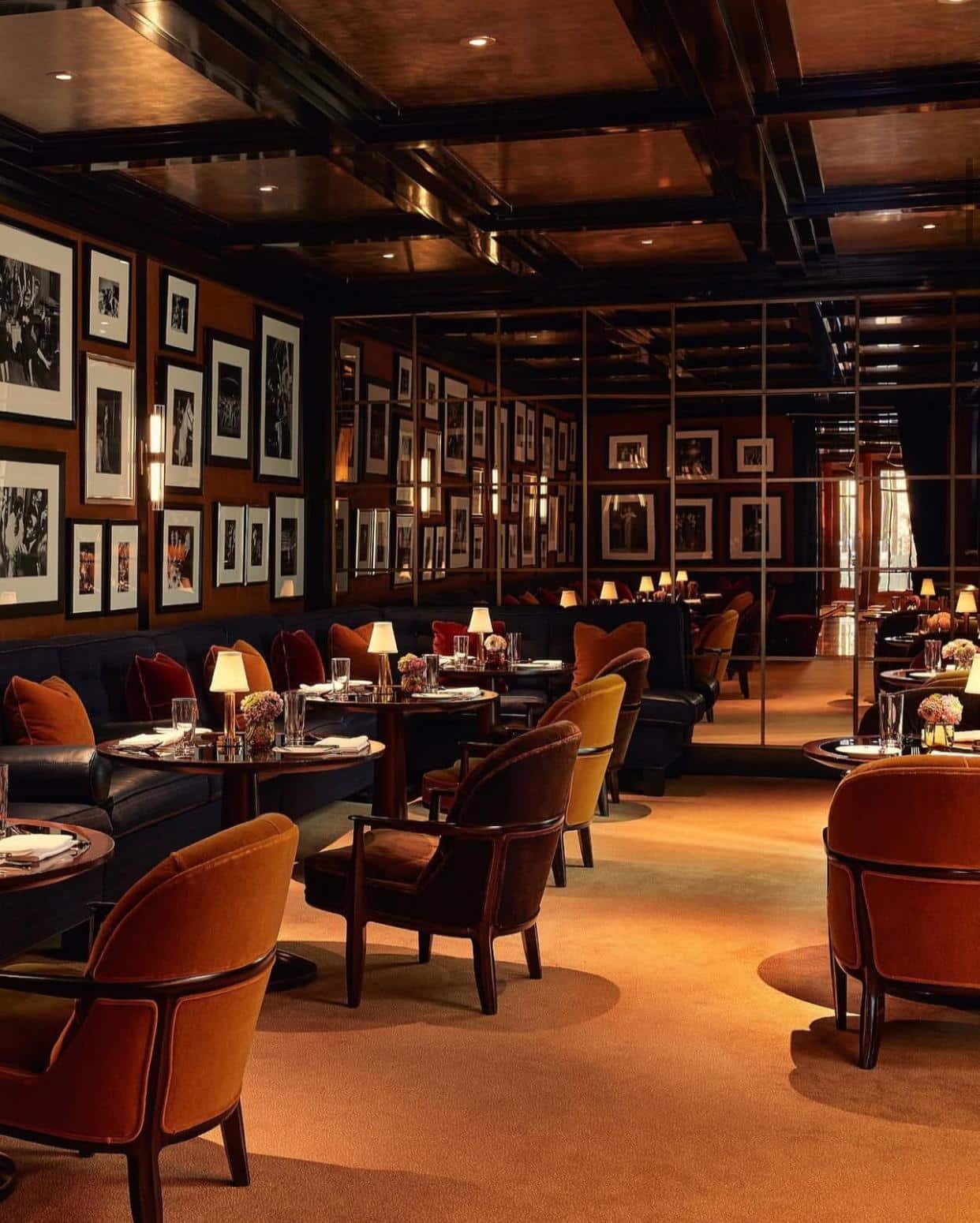
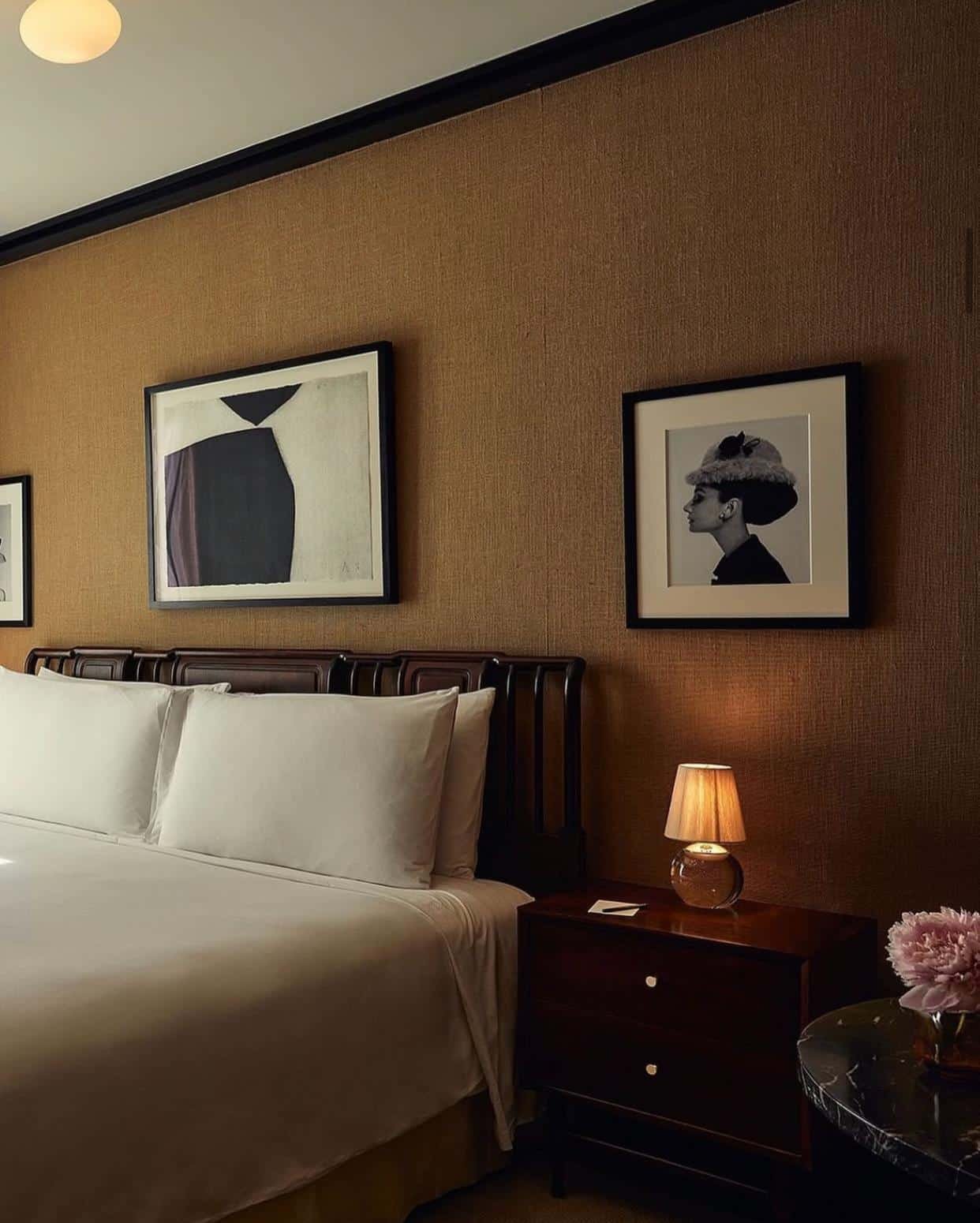
© Fasano 5th Avenue New-York
1 HOTEL BROOKLYN BRIDGE
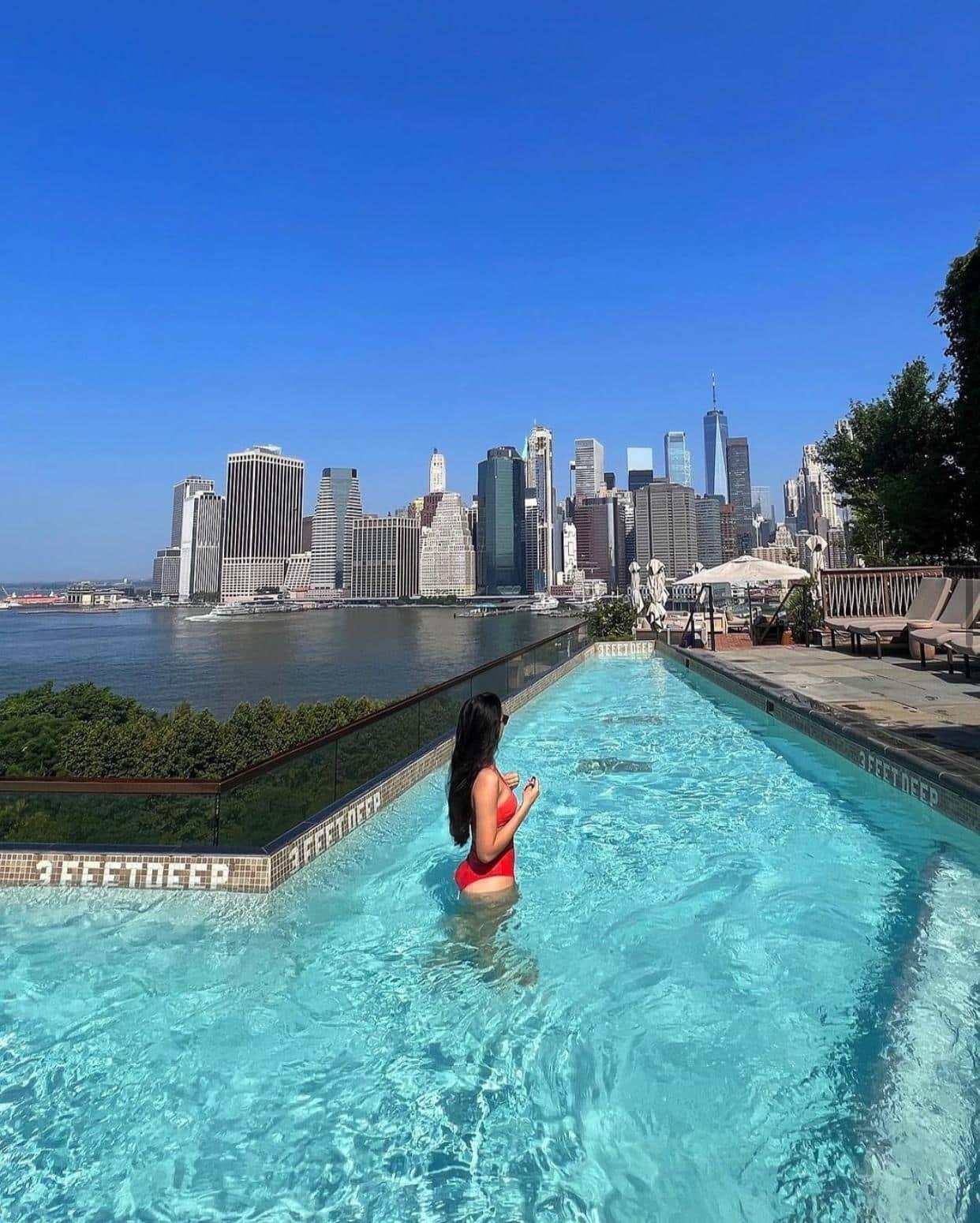
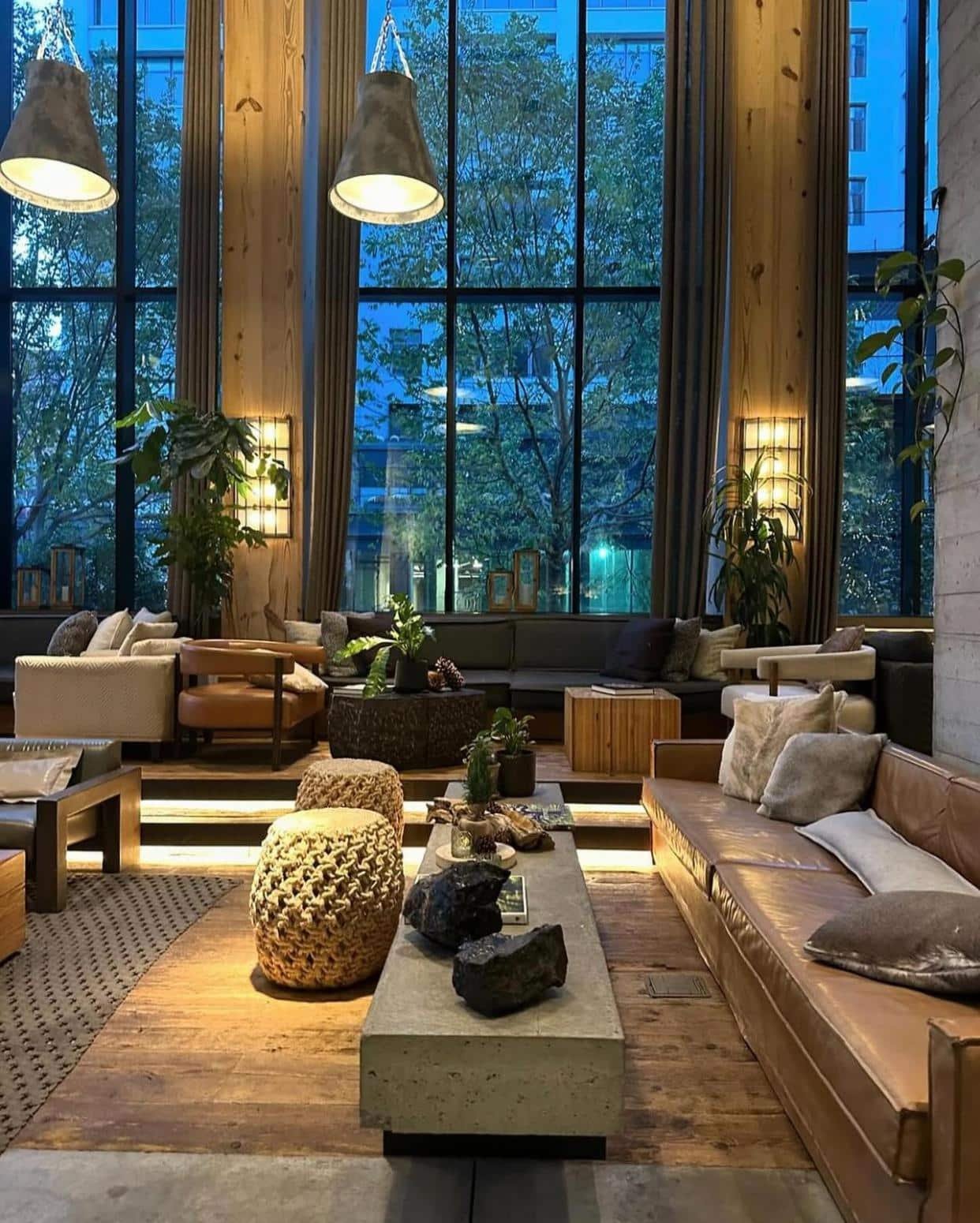
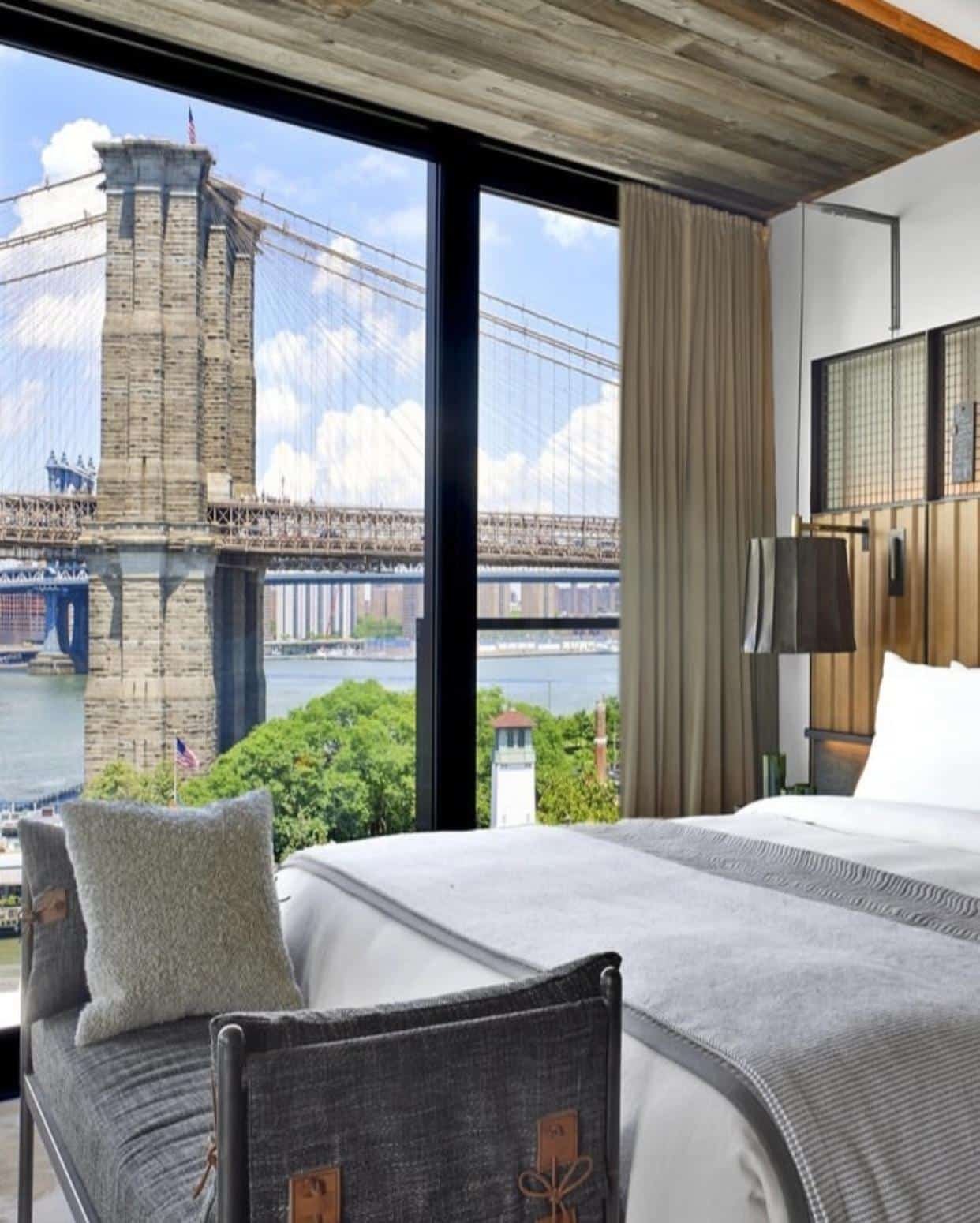
© 1 Hotel Brooklyn Bridge
PUBLIC HOTEL NEW-YORK
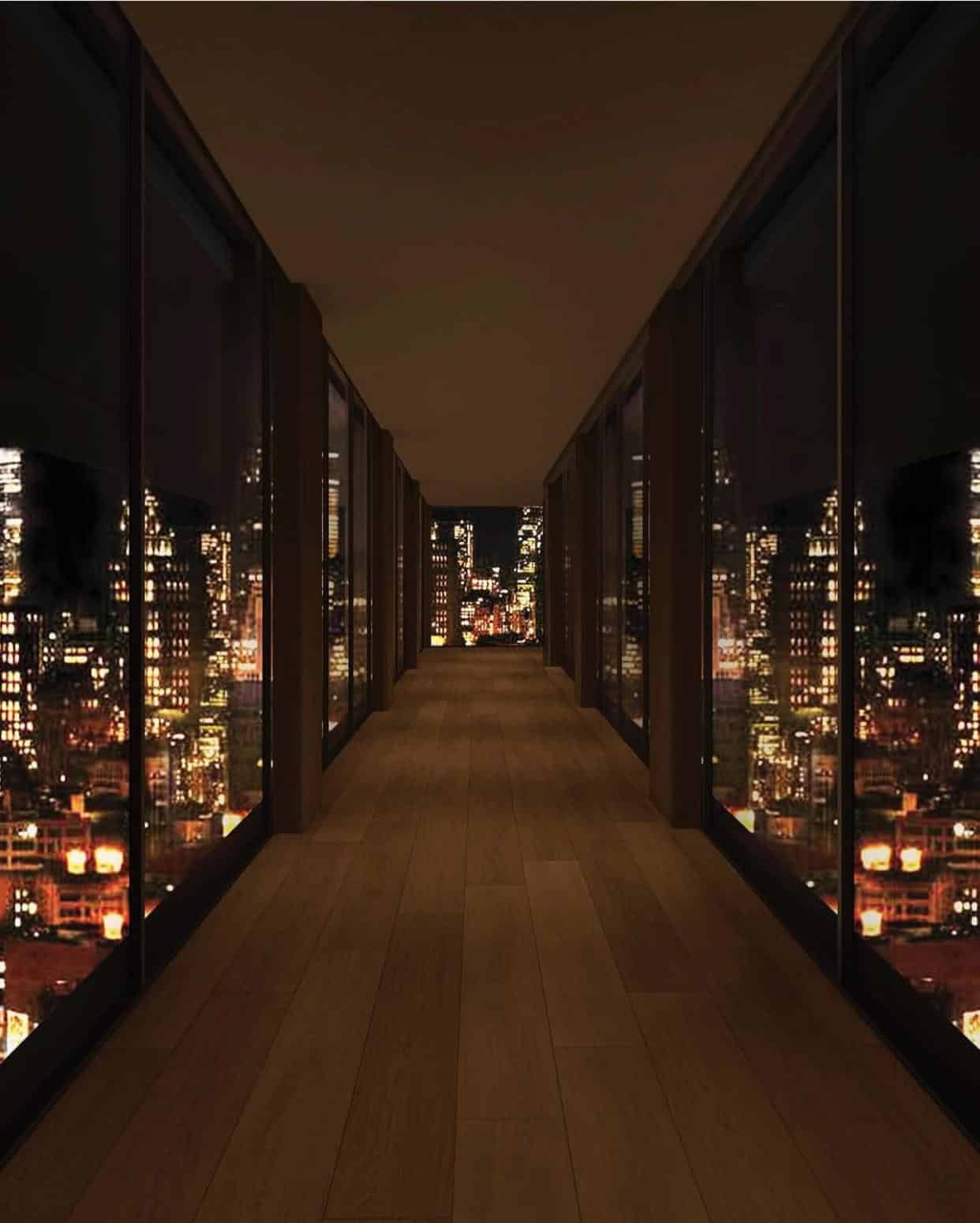
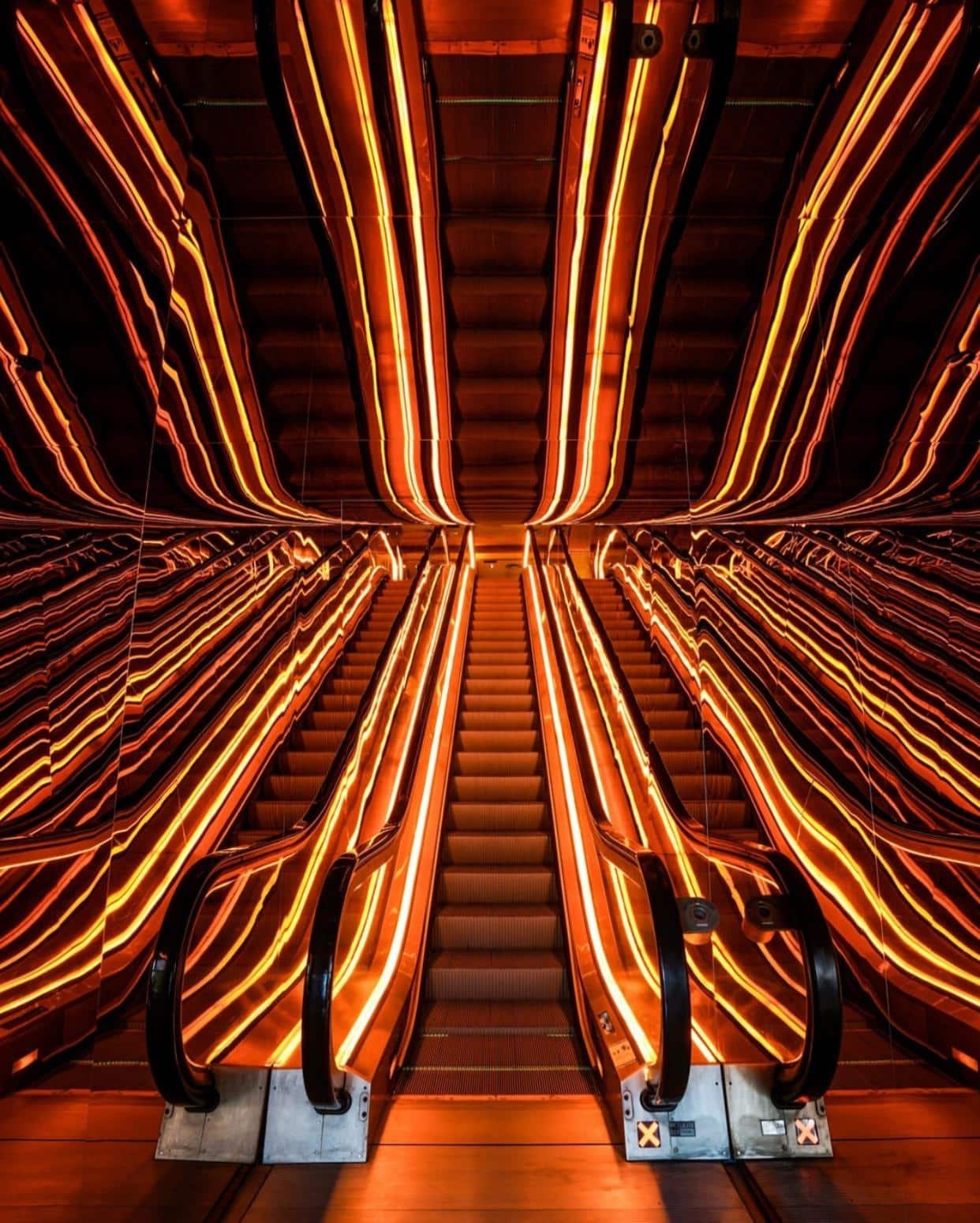
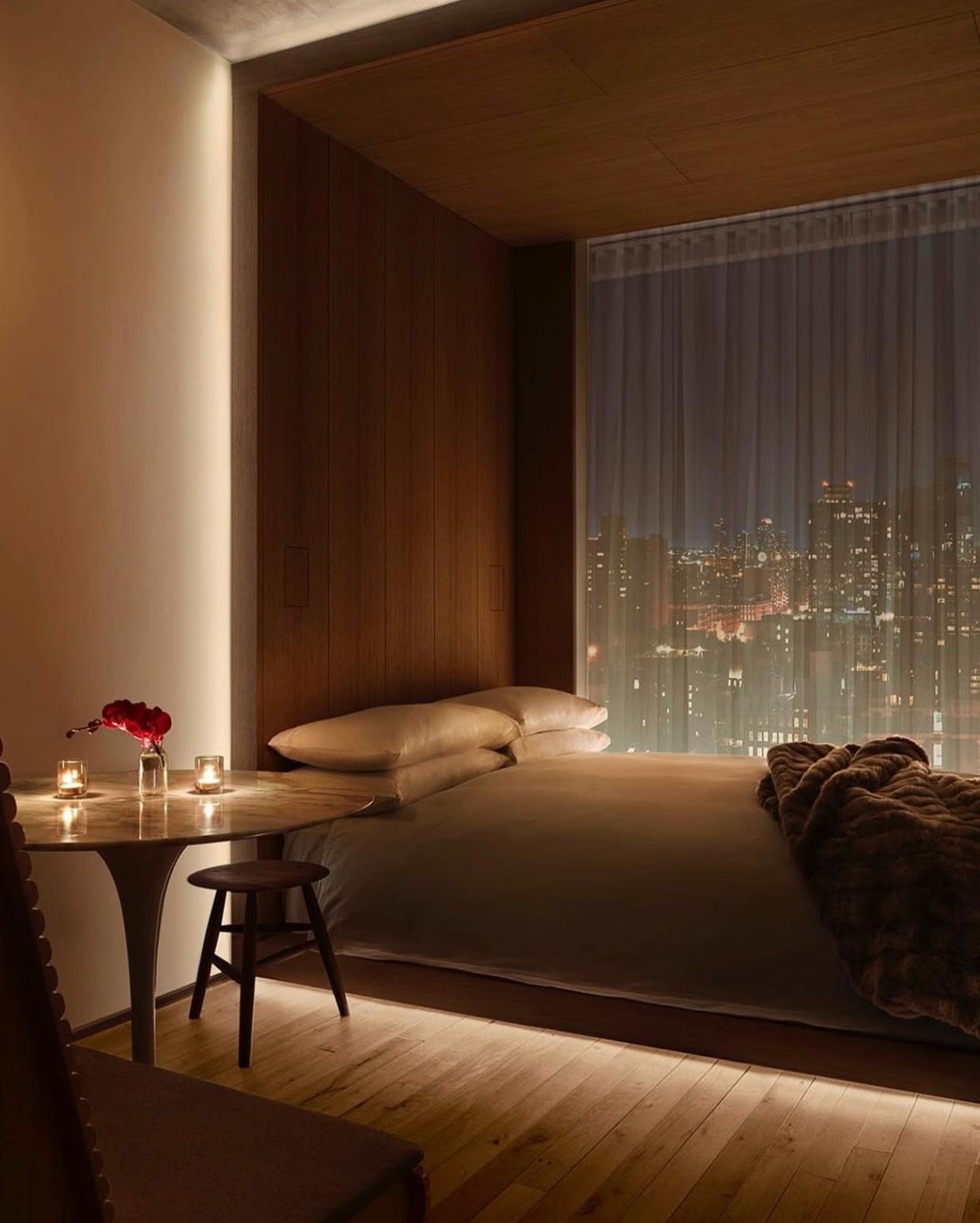
© Public Hotel New-York
THE GREENWICH HOTEL
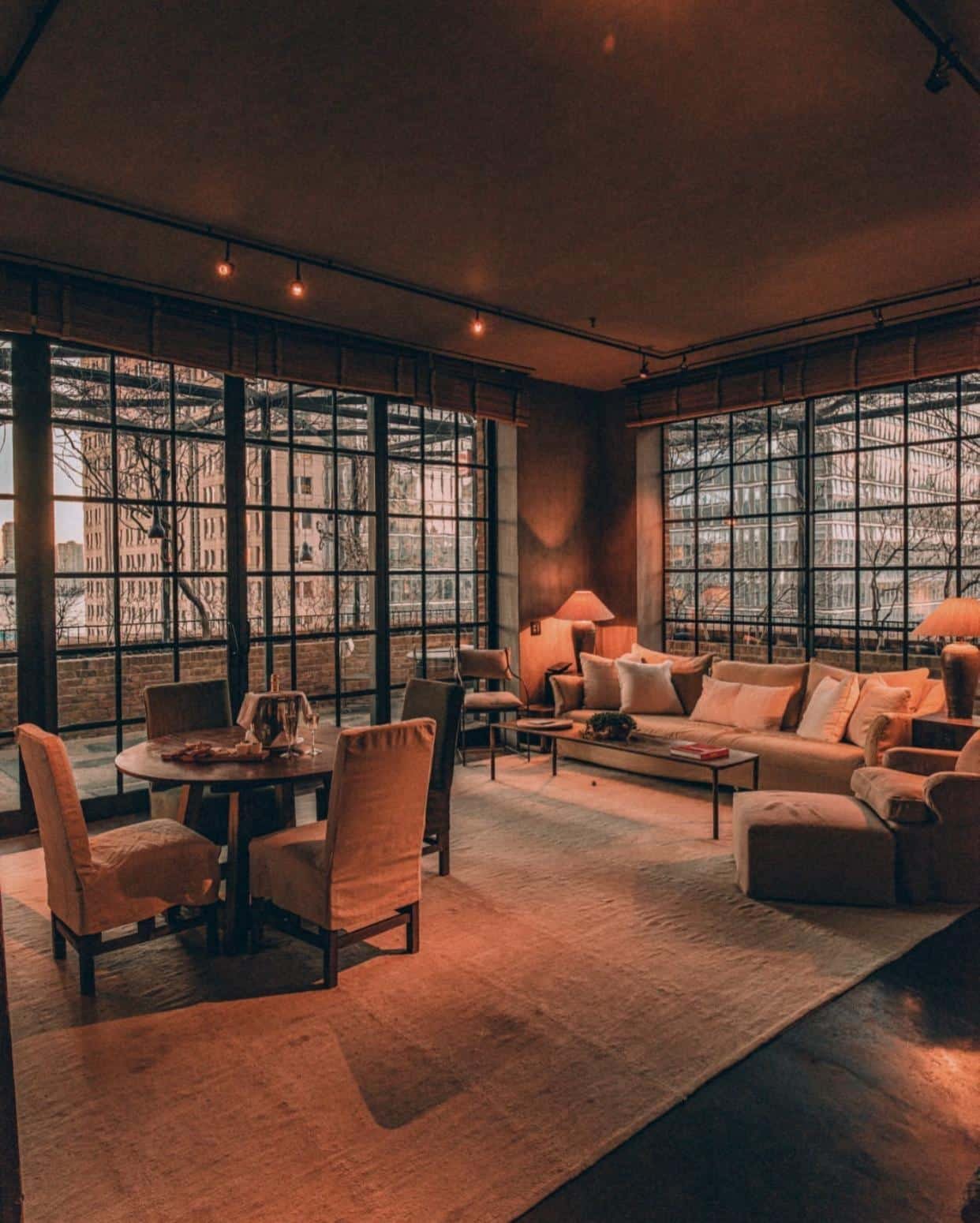
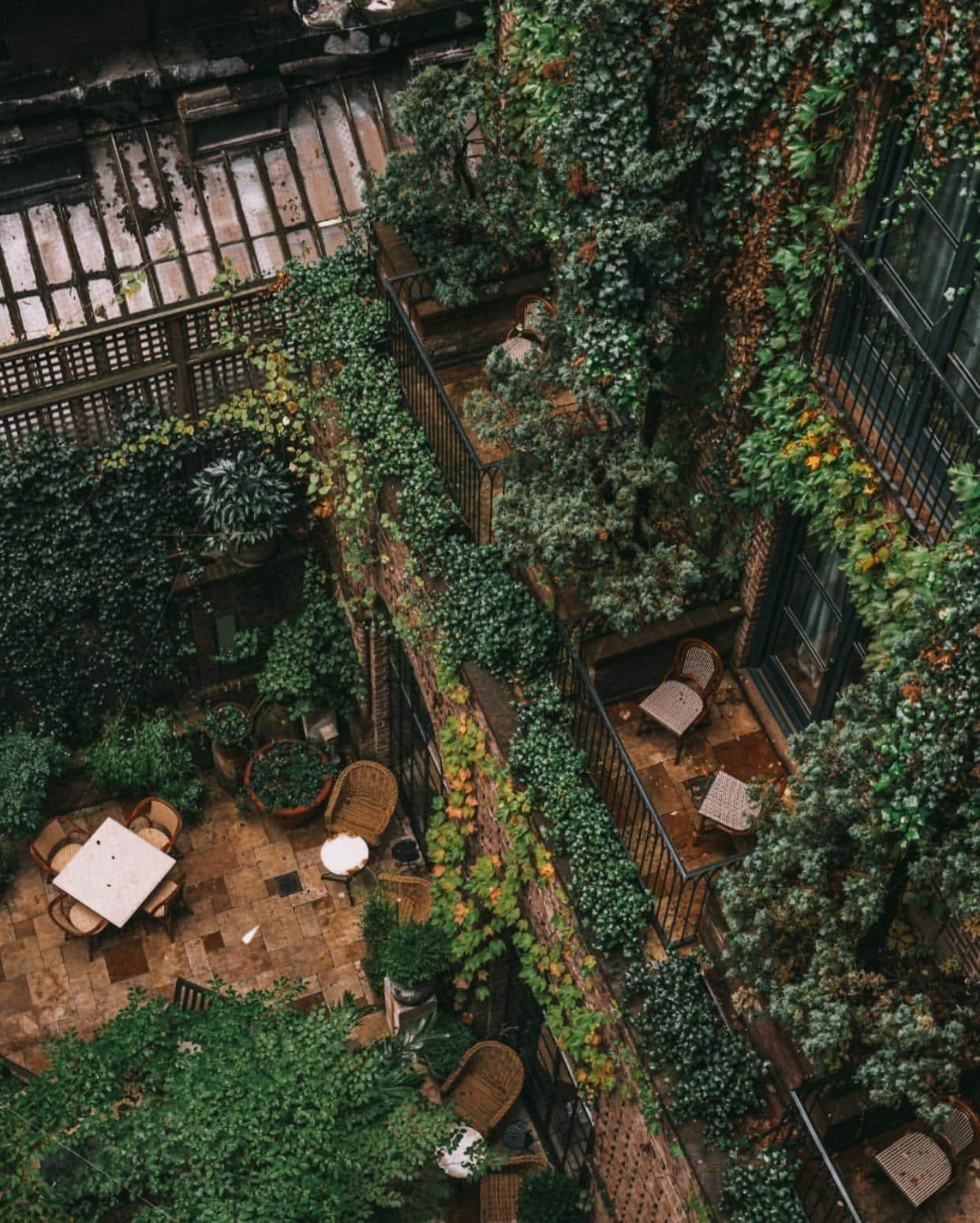
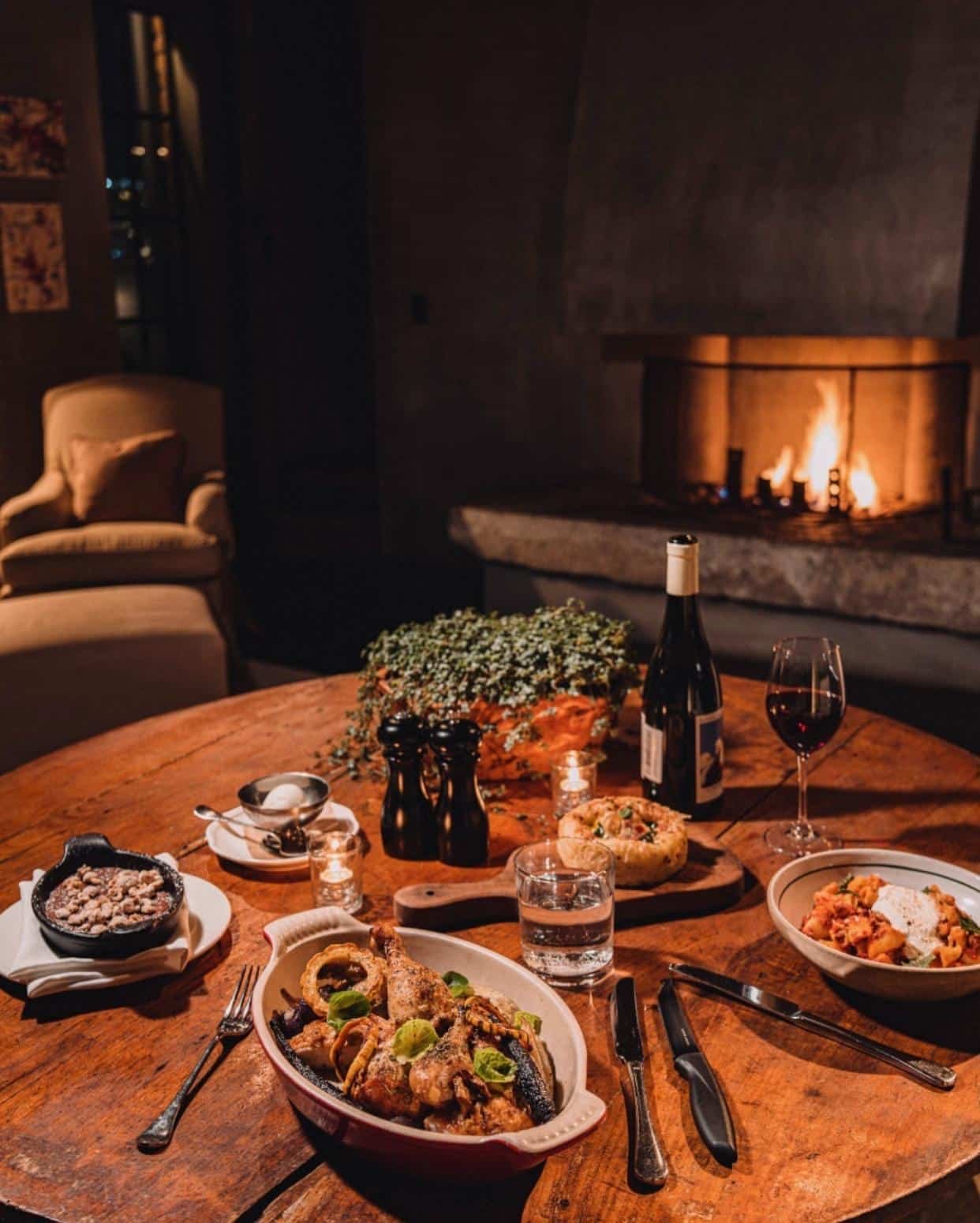
© The Greenwich Hotel
THE NEW-YORK EDITION
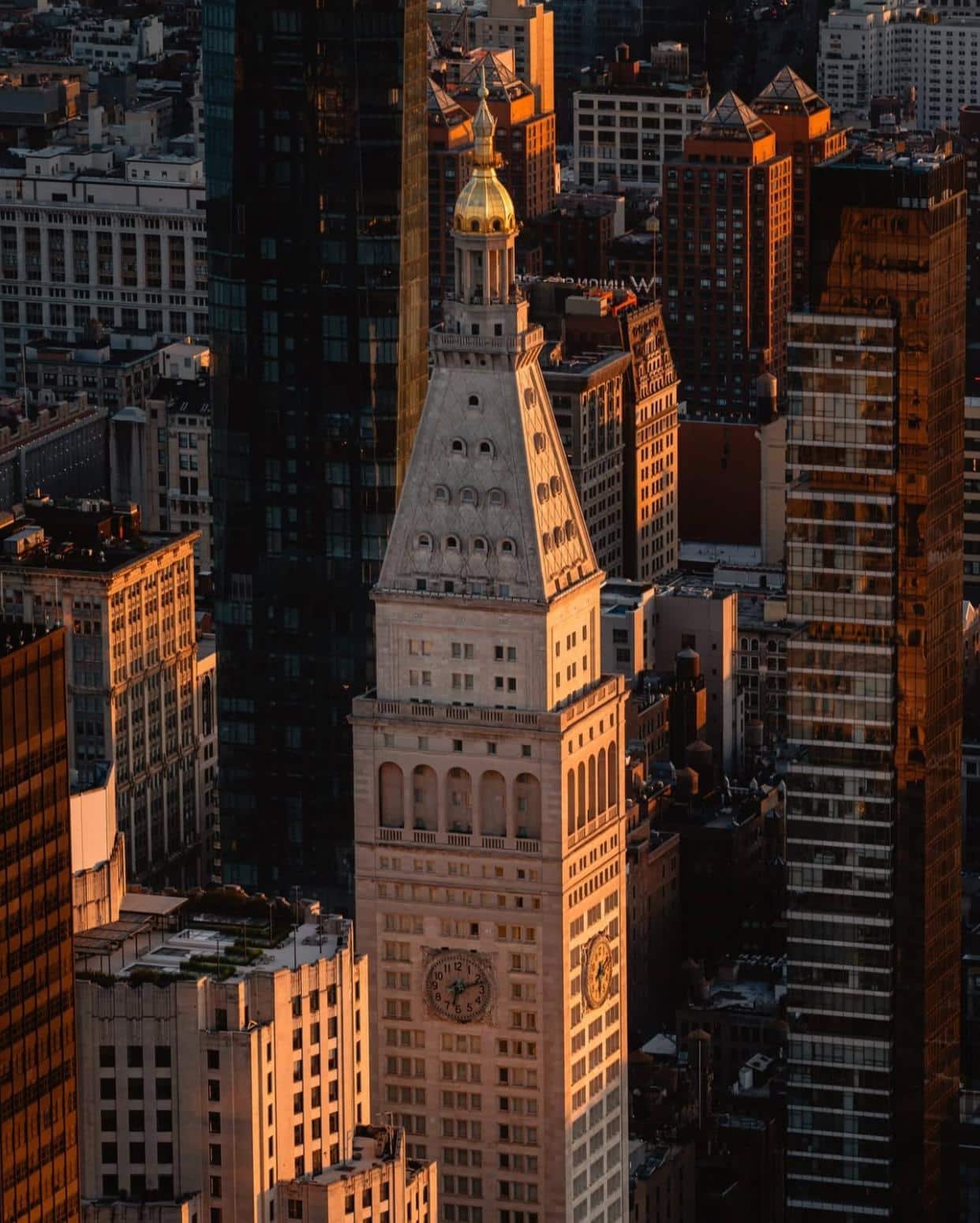
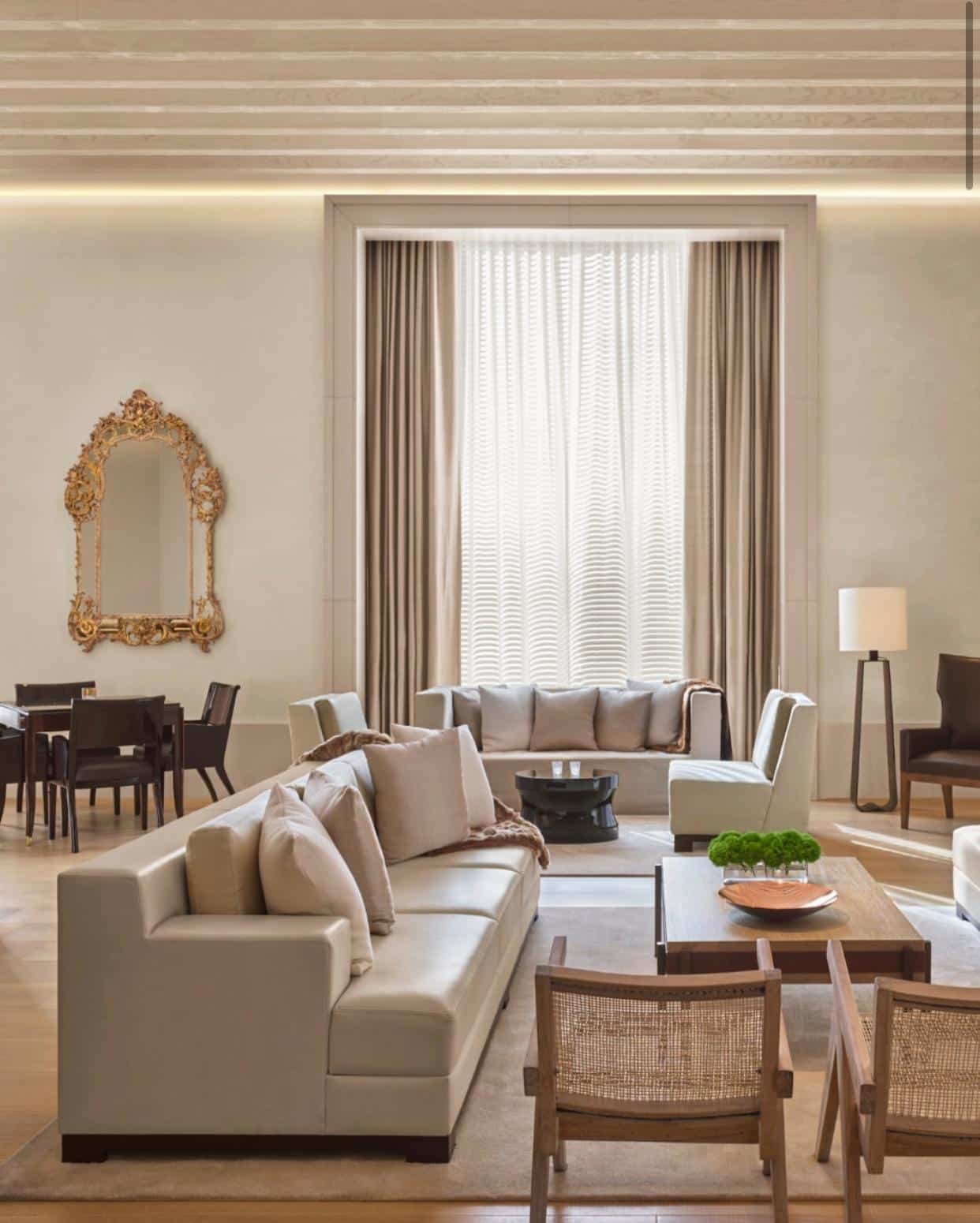
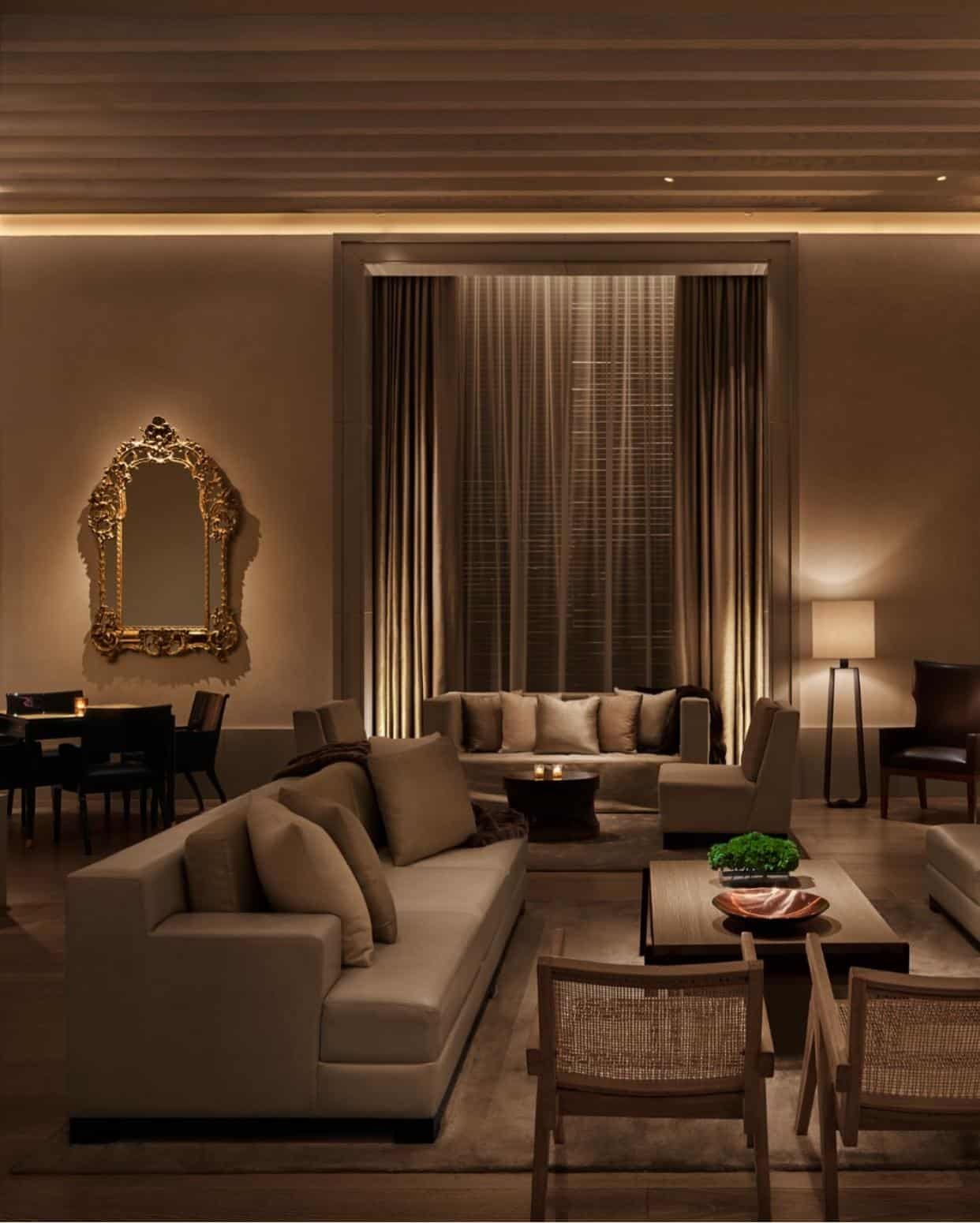
© The New-York Edition
THE TIMES SQUARE EDITION
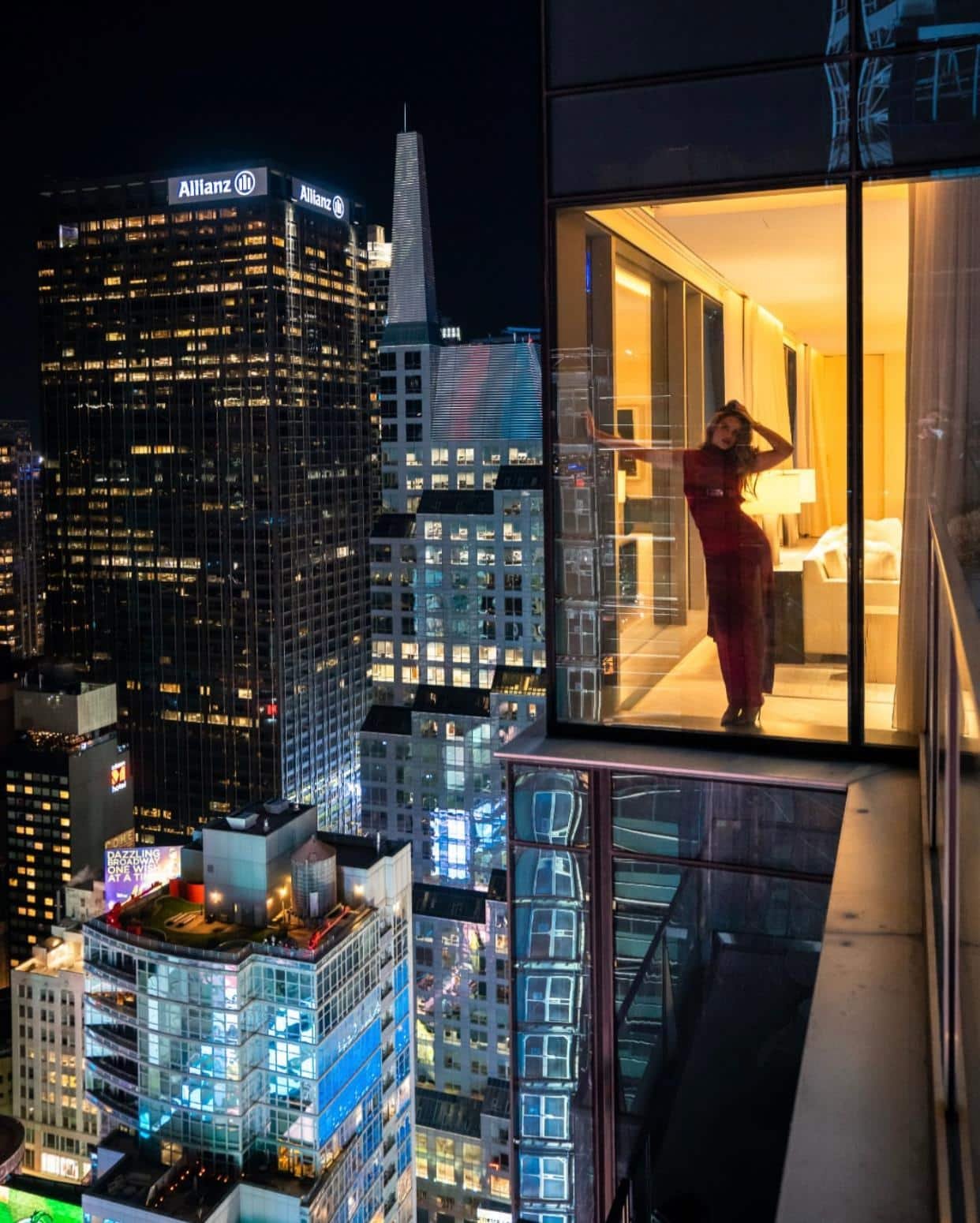
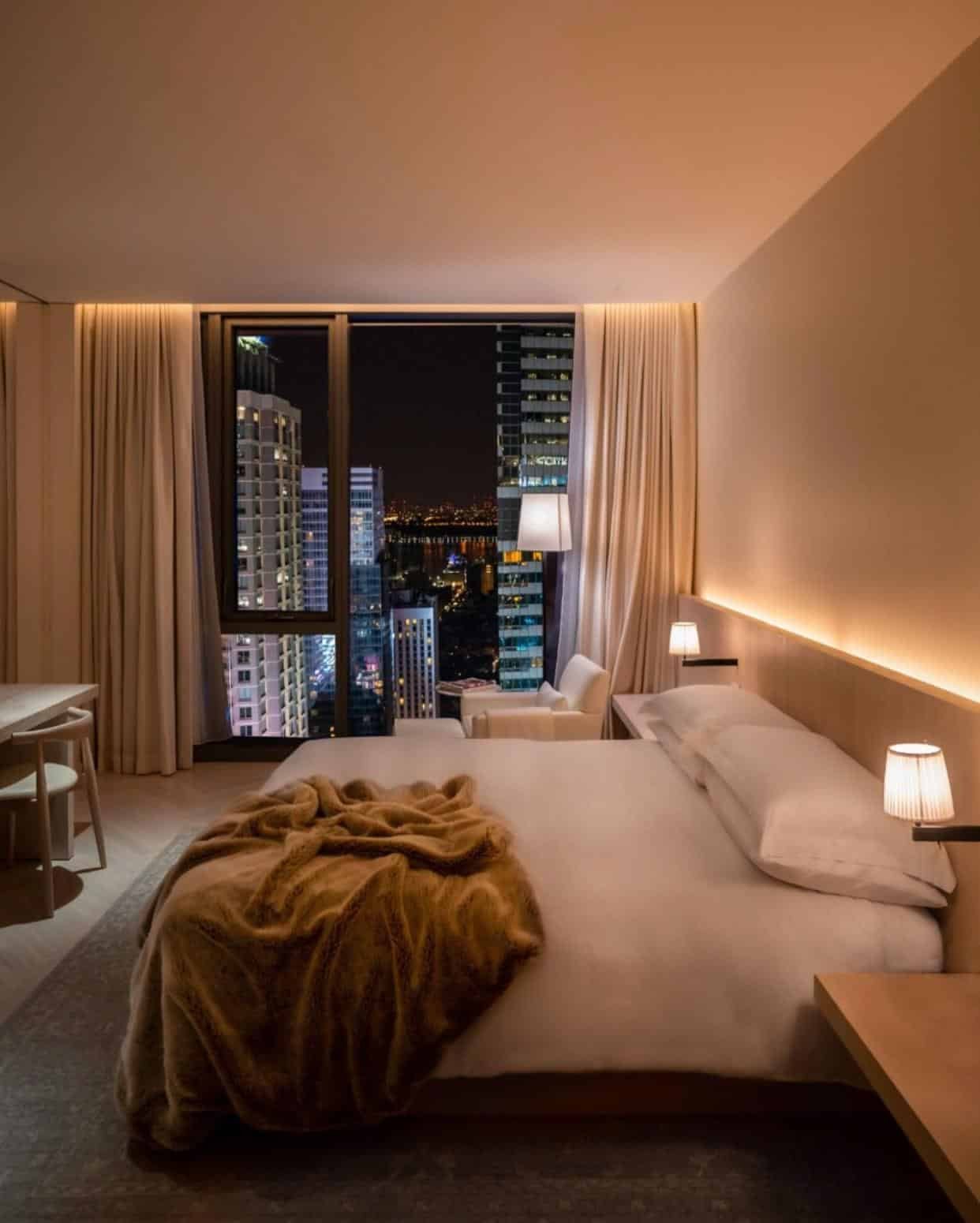
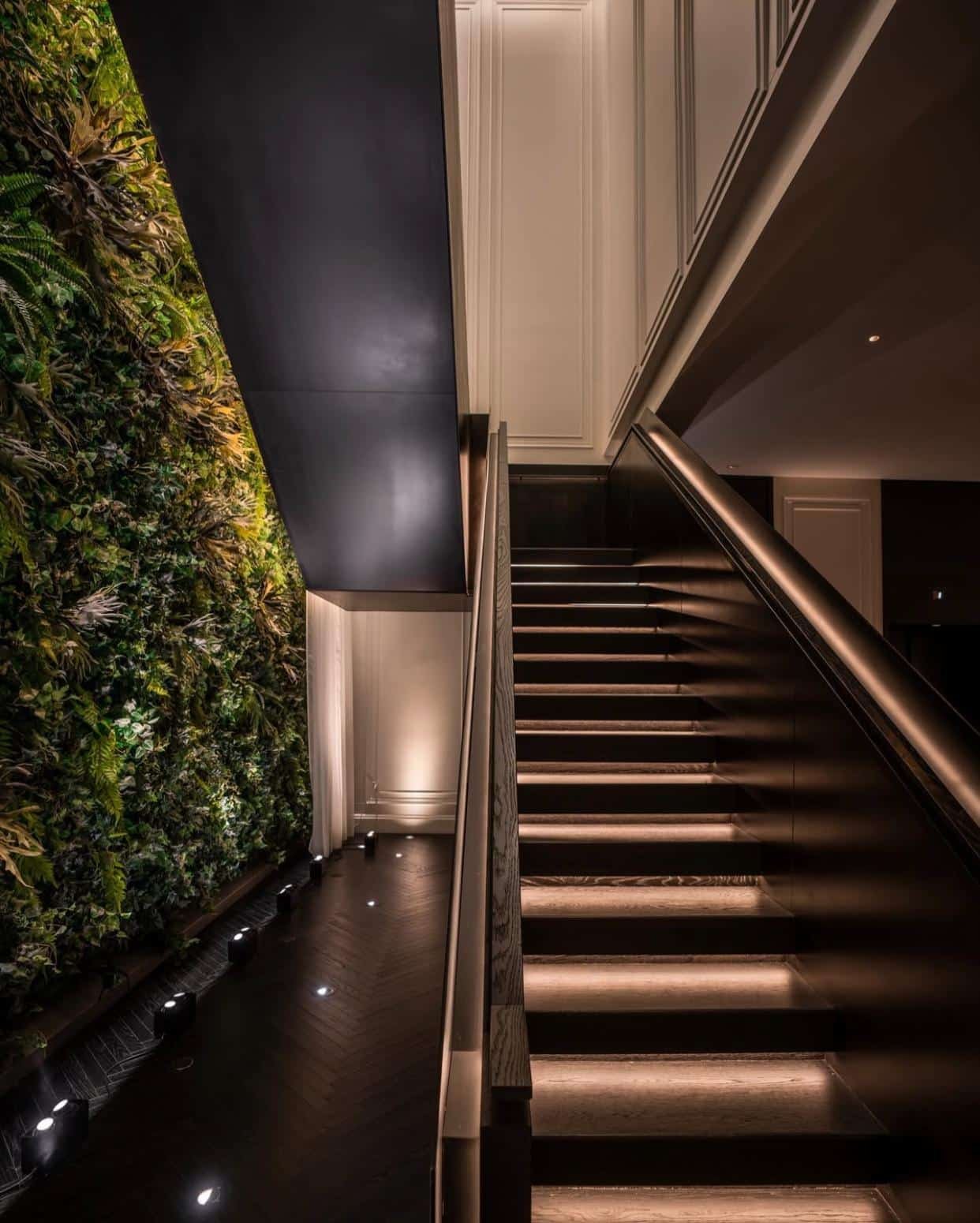
© The Times Square Edition