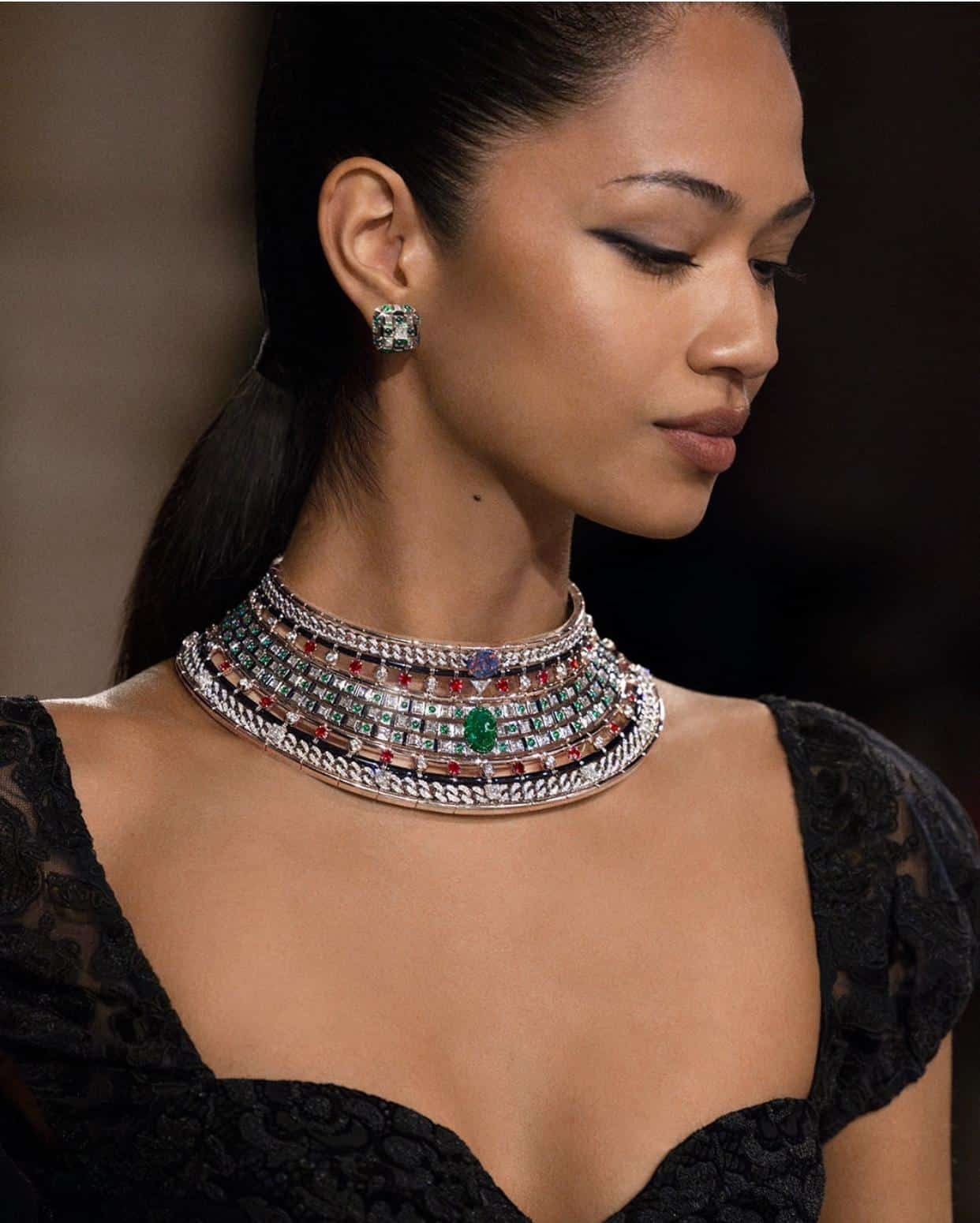
© Louis-Vuitton
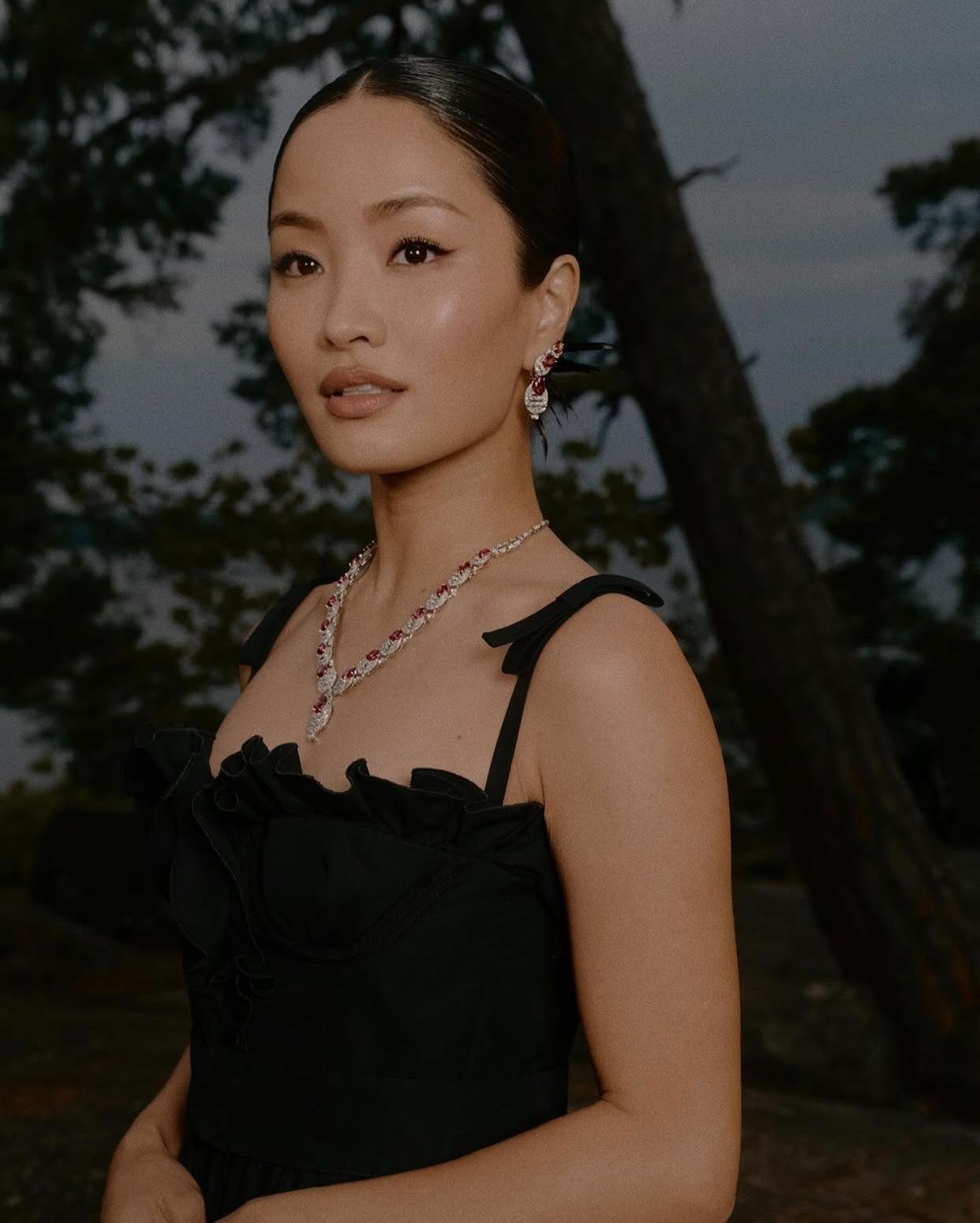
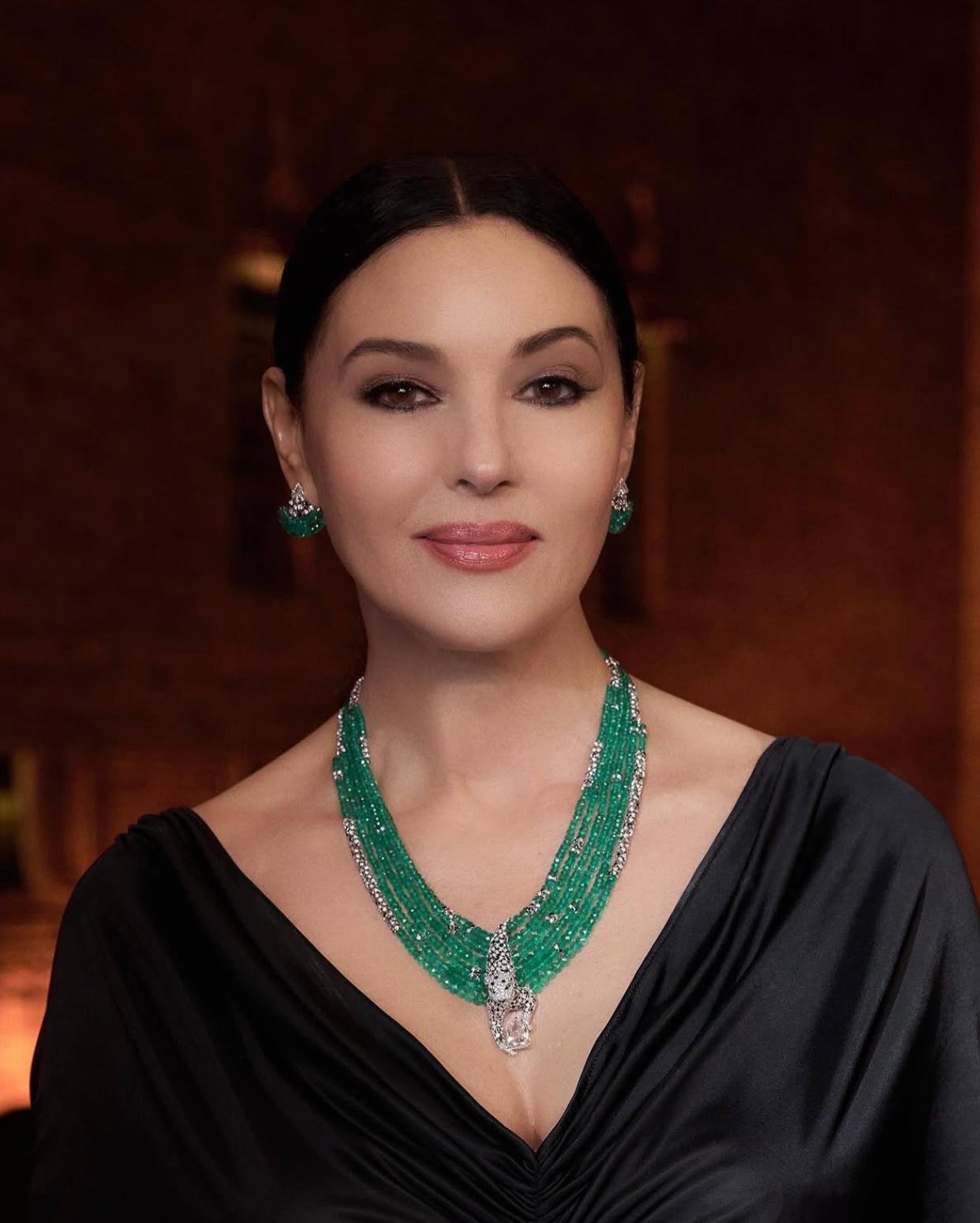
© Cartier
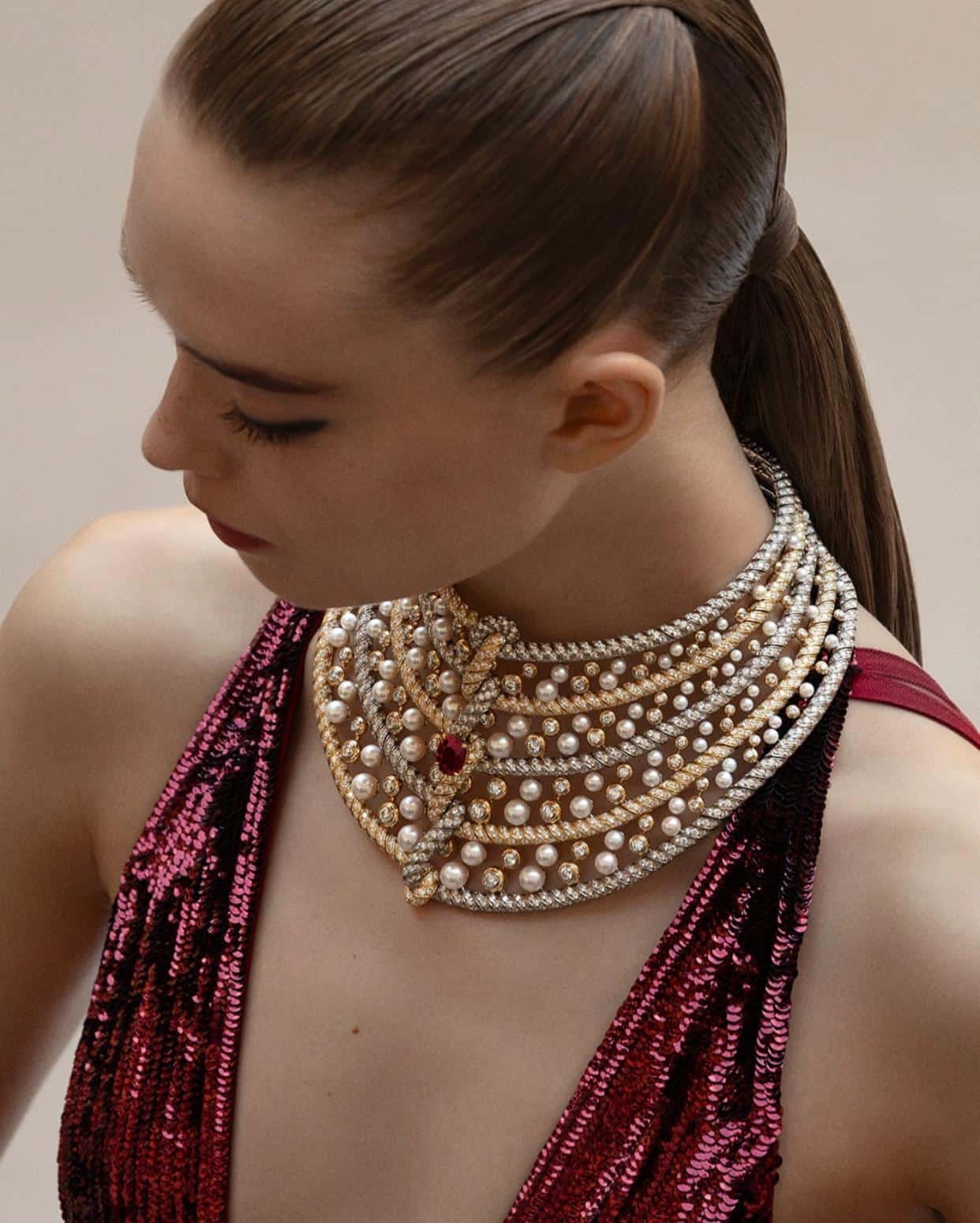
© Louis-Vuitton
High Jewelry
New York
In 1935, Harry Winston purchased the Jonker Diamond — 726 carats, the largest gem-quality diamond ever found in South Africa — and shipped it from Johannesburg to New York by ordinary registered mail. His note on the package read simply: "If you can't trust the US Post Office, who can you trust?" The stone arrived. He had it cut into eleven separate diamonds. That is the New York approach to extraordinary things: direct, confident, and slightly impertinent about the protocol everyone else observes.
The Category · What High Jewelry Is · And What It Is Not
High jewelry — haute joaillerie in French — is not fine jewelry at a higher price. It is a different order of object entirely. Fine jewelry is designed for production: calibrated stones in standard sizes, designs that can be reordered, pieces pulled from inventory when a client needs a replacement. The Cartier Love bracelet, the Tiffany solitaire setting, the Van Cleef Alhambra — beautiful, durable, permanent members of the houses' offer — are fine jewelry. High jewelry is something else. Sotheby's jewelry historian Vivienne Becker defines it as "the haute couture of the jewelry world": collections of thirty to sixty pieces presented seasonally, often one-of-a-kind, beginning with the stone rather than the design. A Graff high jewelry director has been reported to reject a 25-carat certified flawless diamond because it "didn't sing" under northern light. That is the standard. The stones cannot be calibrated or substituted — they are selected for what they specifically are, and the design is built around them. Many high jewelry pieces take over three hundred hours to produce. Many exist as a single object in the world. When they are sold, the design is gone with them.
Harry Winston · Born 1896 · Upper West Side · The New York Philosophy
Harry Winston was born in 1896 on the Upper West Side of Manhattan, the son of Ukrainian Jewish immigrants who ran a small jewelry shop. At twelve years old, he spotted a small green stone in a pawnshop tray that the shopkeeper was selling as glass. He paid twenty-five cents for it — carefully buying a second stone so as not to arouse suspicion about the first. Both were emeralds. He was twelve. By 1920 he had founded the Premier Diamond Company at 535 Fifth Avenue with two thousand dollars saved from selling his father's wares to California oil prospectors. By 1926 he had purchased the estate jewelry collection of Arabella Huntington — widow of railroad magnate Henry Huntington, amassed from the great Parisian houses — for $1.2 million borrowed from banks who initially sent him away because, at five feet one inch in his jaunty cap, they thought he was a messenger boy. He bought the collection and did something no one had done: he took the antiquated Parisian settings apart and remounted the stones in modern platinum, in flexible chain settings that moved with the body. His principle, which he stated plainly and held for his entire career, was: "The stones should dictate the design — not the other way around." This is the inverse of the Place Vendôme tradition. Paris begins with the drawing. New York begins with the stone. Both produce extraordinary things. The philosophies are irreconcilable.
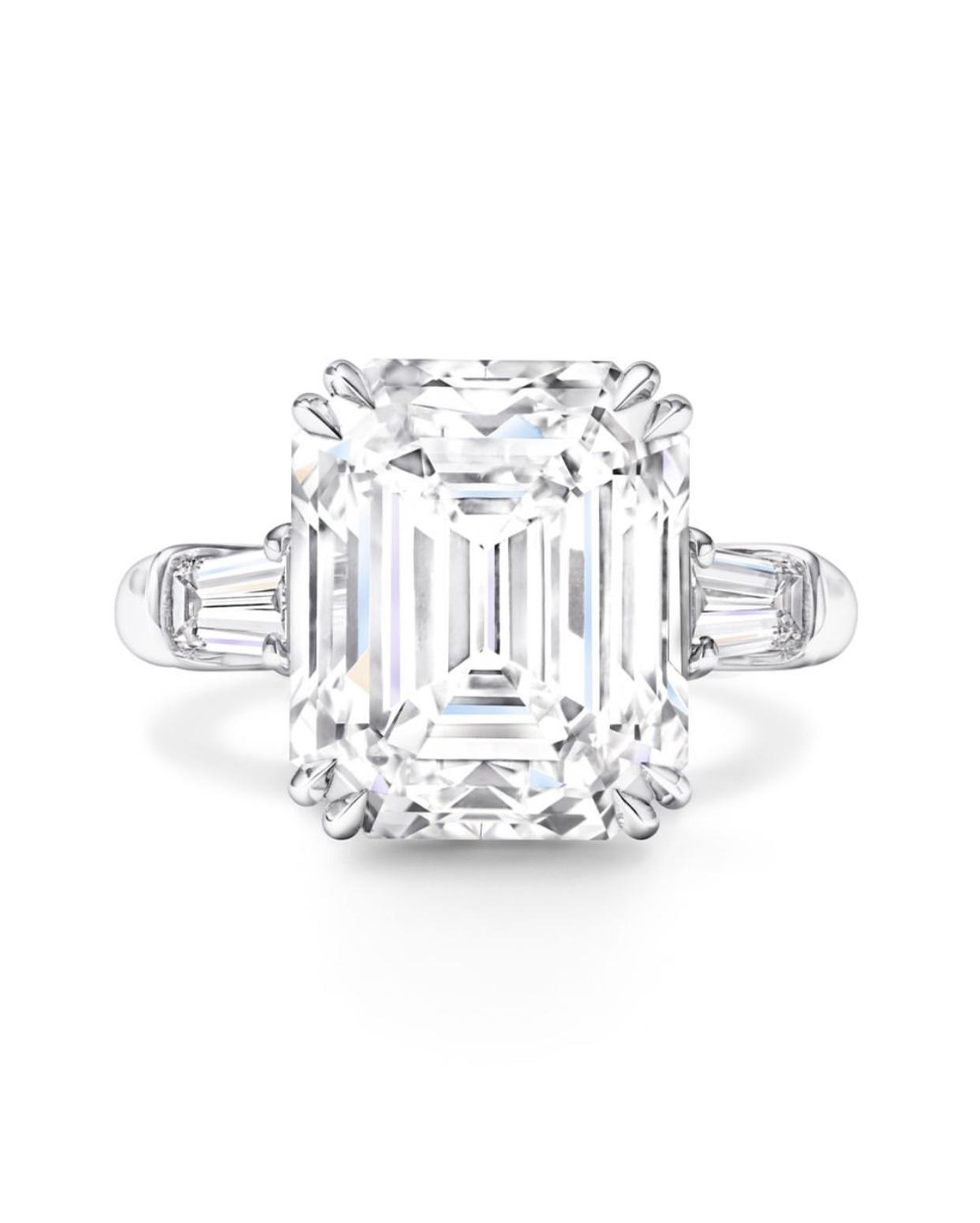
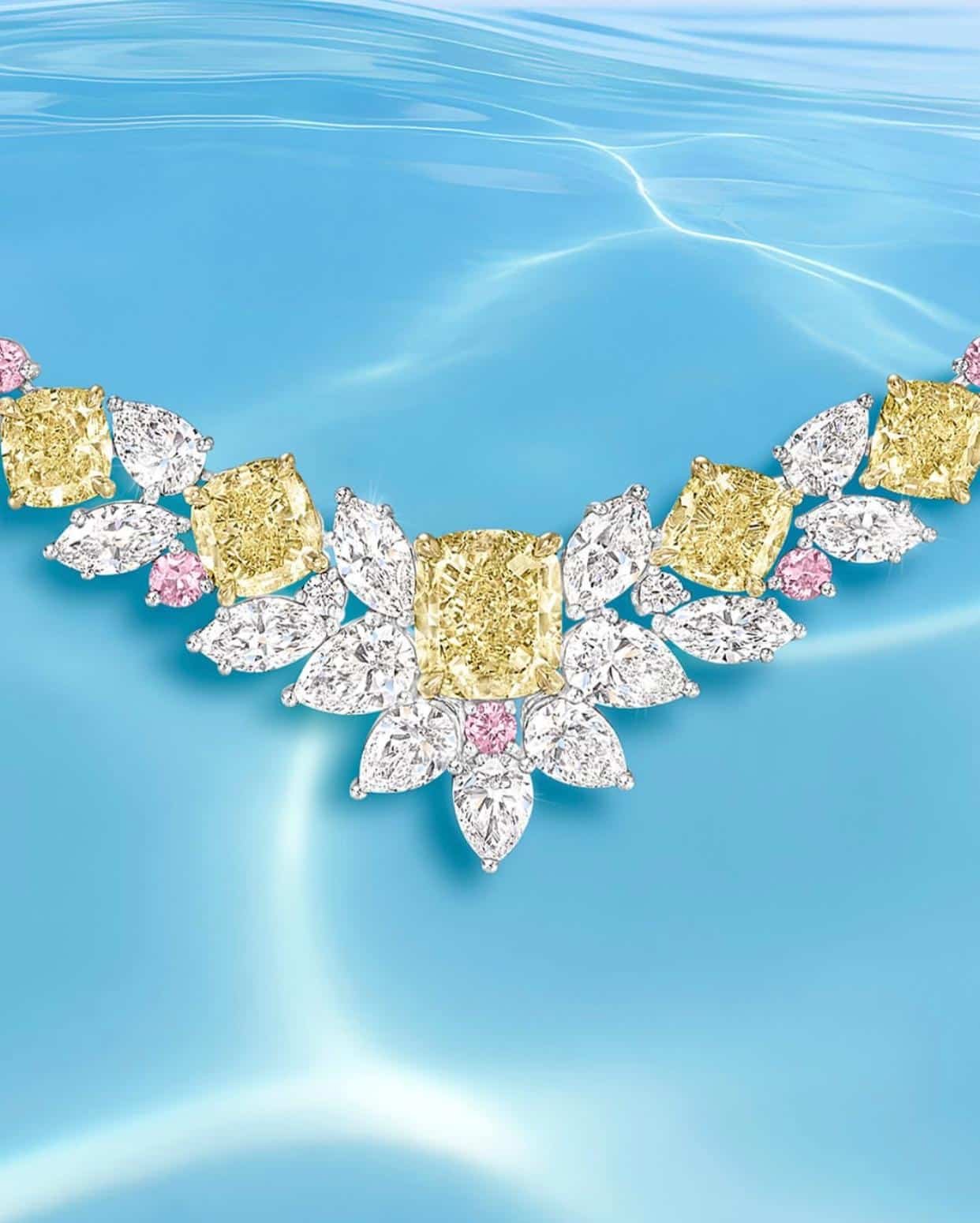
The Harry Winston New York Collection, first unveiled in 2018 and continuously evolving, is the most literal high jewelry translation of a city into precious objects. The 718 Marble Marquetry suite — ten pear-shaped gemstones encircling an emerald-cut diamond — replicates the black-and-white marble detailing that Winston himself chose for his Fifth Avenue salon at number 718. The Brownstone suite translates the terracotta facades of Manhattan's 19th-century townhouses into pavé diamonds and colored gemstones. The Eagle suite takes the cast-iron eagles of Grand Central Station — the building's sculptural guardians — and renders them in colorless and fancy yellow diamonds arranged in wing-like arcs. The Graffiti Collection, for downtown's energy, uses vivid precious gemstones in compositions that reference street art without condescending to it. Each suite is a specific piece of New York architecture or culture, made wearable in the only material that can hold it without diminishing it. Winston was born here. He built his salon here. The city is in the jewelry because it was in the man first.
The great European houses present their high jewelry collections in New York through their Fifth Avenue flagship boutiques, available by private appointment — the same protocol as their Paris presentations, adapted for the city's cadence. Cartier's Magical Creatures collection of 2025 — one-of-a-kind animal motifs with rare gemstone combinations — arrives in New York as it was shown in Paris: as objects requiring the relationship, the appointment, the unhurried conversation about what exists and what can be made. Van Cleef & Arpels, whose Mystery Set technique — stones set with no visible prongs, the mounting hidden beneath the surface — requires over three hundred hours per piece and remains the most technically demanding proprietary setting in high jewelry, presents its seasonal collections in New York with the same reserve as in Paris: not in the window, not on the counter, but in the private salon where the piece can be understood properly. Chanel's 1932 collection — commemorating Gabrielle Chanel's sole fine jewelry collection of that year, pieces starting at $200,000 — is available at 15 East 57th Street to clients who understand what they are looking at. The European houses bring their best to New York because New York has always been one of the few cities with enough serious collectors to merit it.
The great named diamonds of the twentieth century passed through Harry Winston's hands in New York. The Hope Diamond — 45.52 carats, deep blue, one of the most famous objects in the world — Winston acquired in 1949 and carried in his coat pocket to social events for a decade before donating it to the Smithsonian Institution in Washington in 1958. He shipped it by registered mail. The Jonker Diamond of 1935 — 726 carats rough, 11 cut diamonds — he shipped the same way. The Winston Blue, a flawless 13.22-carat blue diamond that sold for a record-breaking $23.8 million at auction in 2014, was a Winston creation. These objects are the reason New York has always been, alongside Paris and Geneva, one of the three addresses of the highest level of the jewelry world. The stones came here because Winston was here. Winston was here because New York is the city where someone born to Ukrainian immigrants in a West Side apartment could, through the precision of his eye and the audacity of his judgment, become the man who carried the Hope Diamond in his coat pocket and decided to give it to the American people.
High jewelry appreciates not primarily because of the stones but because of the story — the provenance, the occasion, the name of the person who wore it, the house that made it, the moment it was made. A one-of-a-kind 2018 piece worn by a significant figure at a significant event may double in value at auction because of that history, not its material content. New York's Sotheby's and Christie's salesrooms are where that appreciation is realized — where a piece that entered the market through a private house presentation, was worn once at a level that gave it a story, and returned years later to the auction block. Sotheby's global head of fashion and handbags has noted the growing appetite for "any piece with a strong story" — and no category has stronger stories than high jewelry, where the provenance of the stone, the name of the house, and the identity of the original owner compound into a value that no gemological certificate alone can capture. New York is where those stories are bought, sold, and sometimes made.
The great fashion houses have developed high jewelry departments that operate at the same level of seriousness as the dedicated jewelry houses — unique pieces, exceptional stones, hundreds of hours of artisan work — while applying the house's design codes and visual intelligence to a category that does not need them to be legible. Dior created pieces exclusively for the House of Dior New York, opened August 2025 at 23 East 57th Street: pink and blue sapphire bracelets and rings from the Bois de Rose fine jewelry line, transformed for this address, available nowhere else. Louis Vuitton's Deep Time high jewelry collection translates the house's trunk-making heritage — the history of travel, the accumulation of distance — into one-of-a-kind pieces whose stones carry geological time as literal content: fossils, meteorite inlays, minerals formed before the existence of the house or the city. Chanel's high jewelry, rooted in Gabrielle Chanel's 1932 collection and her lifelong conviction that the finest stones deserve the lightest possible settings, operates in the same paradox she proposed then: maximum stone, minimum metal, the jewelry that disappears in order to make the person wearing it visible.
Harry Winston created the red carpet loan system in the 1940s — dressing the actresses of Hollywood's golden era in borrowed diamonds for the Academy Awards, creating a culture in which the most extraordinary jewelry in the world circulates through the most photographed women at the most photographed moments, producing the provenance that makes the pieces more valuable. The Met Gala, held annually at the Metropolitan Museum of Art in New York, is the American event that most intensely concentrates this dynamic in the present day: the most significant high jewelry collections in the world are worn in a single evening by a small number of women in a single room in a single city. The photographs from that evening are studied globally. The pieces worn there acquire a layer of cultural meaning that affects their auction value for decades afterward. New York did not invent the idea that jewelry should be worn in public by people whose visibility confers meaning on the object. But it perfected the infrastructure — the event, the loan, the photograph, the auction — that turns a worn piece into a historical piece. That infrastructure is a New York invention.
In 1935, Harry Winston shipped
the 726-carat Jonker Diamond
from South Africa to New York
by ordinary registered mail.
His note read:
"If you can't trust the US Post Office,
who can you trust?"
He was born on the Upper West Side
to Ukrainian immigrants.
At twelve, he paid twenty-five cents
for what the pawnshop called glass.
It was an emerald.
His principle for his entire career:
"The stones should dictate the design —
not the other way around."
That is the New York philosophy.
Paris begins with the drawing.
New York begins with the stone.
High jewelry is, in the end, about singularity — the one stone in millions that has the particular color and internal life that cannot be replicated, set by the one artisan whose three hundred hours of work cannot be contracted out to another pair of hands, owned by the one person who wanted it precisely enough to pay what it cost. New York understands singularity better than any other city on earth, because the city itself is built on the conviction that the exceptional individual — the immigrant with a sharp eye and twenty-five cents, the boy who wasn't taken seriously in the bank meeting, the man who shipped a diamond by post — can become the person who defines a category. Harry Winston was not trained in Paris. He did not apprentice at Place Vendôme. He learned by looking at stones in pawnshops and estate sales, by understanding that the value was in the material before it was in the name. The great European houses brought their haute joaillerie tradition to New York because the city was ready for it — had always been ready for it — and because its auction rooms, its social events, its culture of singular ambition created the conditions in which the highest jewelry could find its fullest meaning. A stone in a Paris window is a beautiful object. A stone worn to the Met Gala, photographed on a woman who understood what she was carrying, sold twenty years later at Sotheby's with full documentation of where it has been — that is something else. New York makes that something else possible.
A boy paid twenty-five cents for an emerald
on the Upper West Side
because he could see what it was.
He grew up to ship
the Jonker Diamond by registered mail
and carry the Hope Diamond in his coat pocket
to dinner parties
before giving it to the Smithsonian.
His principle never changed:
the stone comes first.
At 718 Fifth Avenue,
the marble he chose for his salon
has been set in ten pear-shaped diamonds
encircling an emerald cut.
The city is in the jewelry.
It was always going to be.
BVLGARI
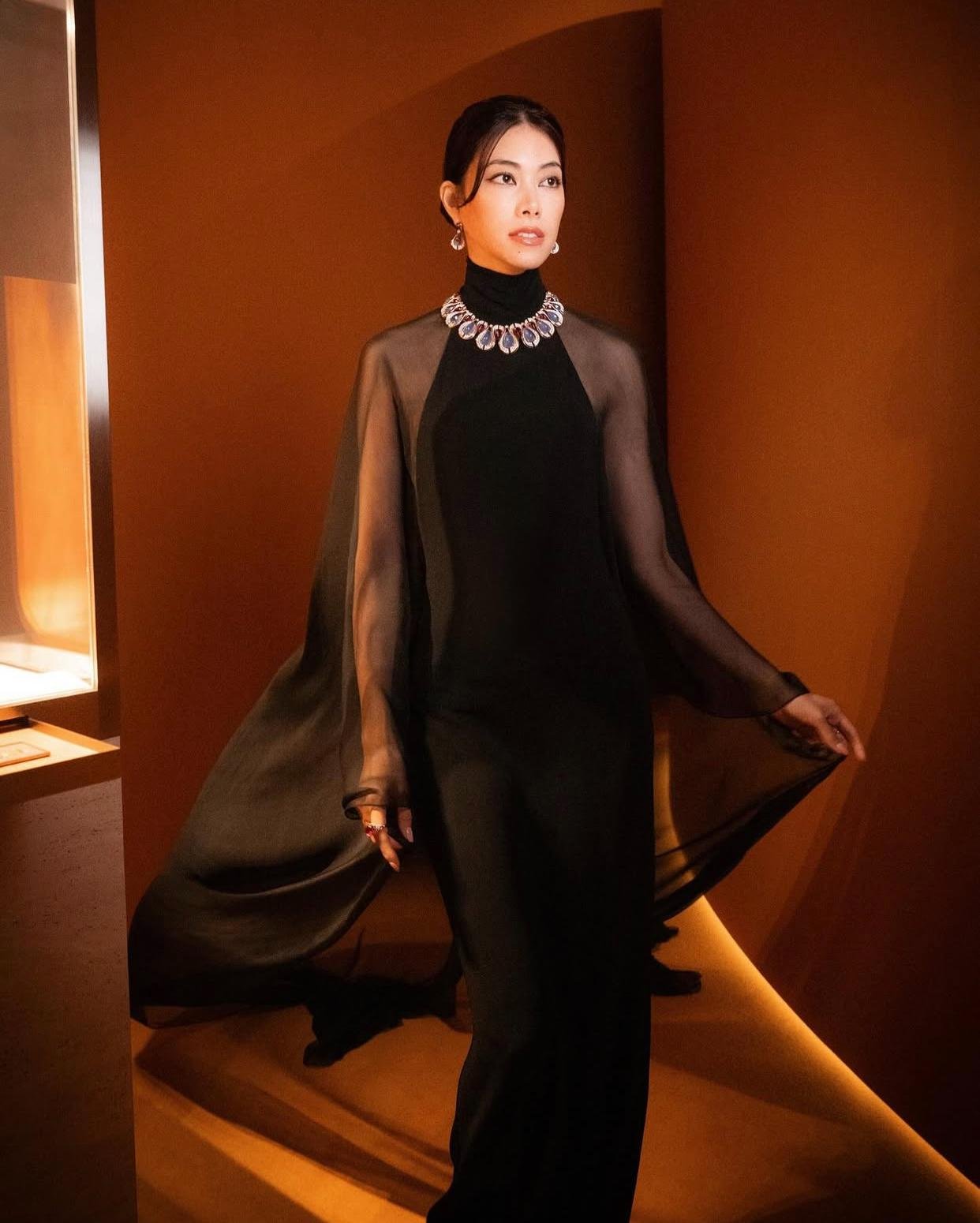
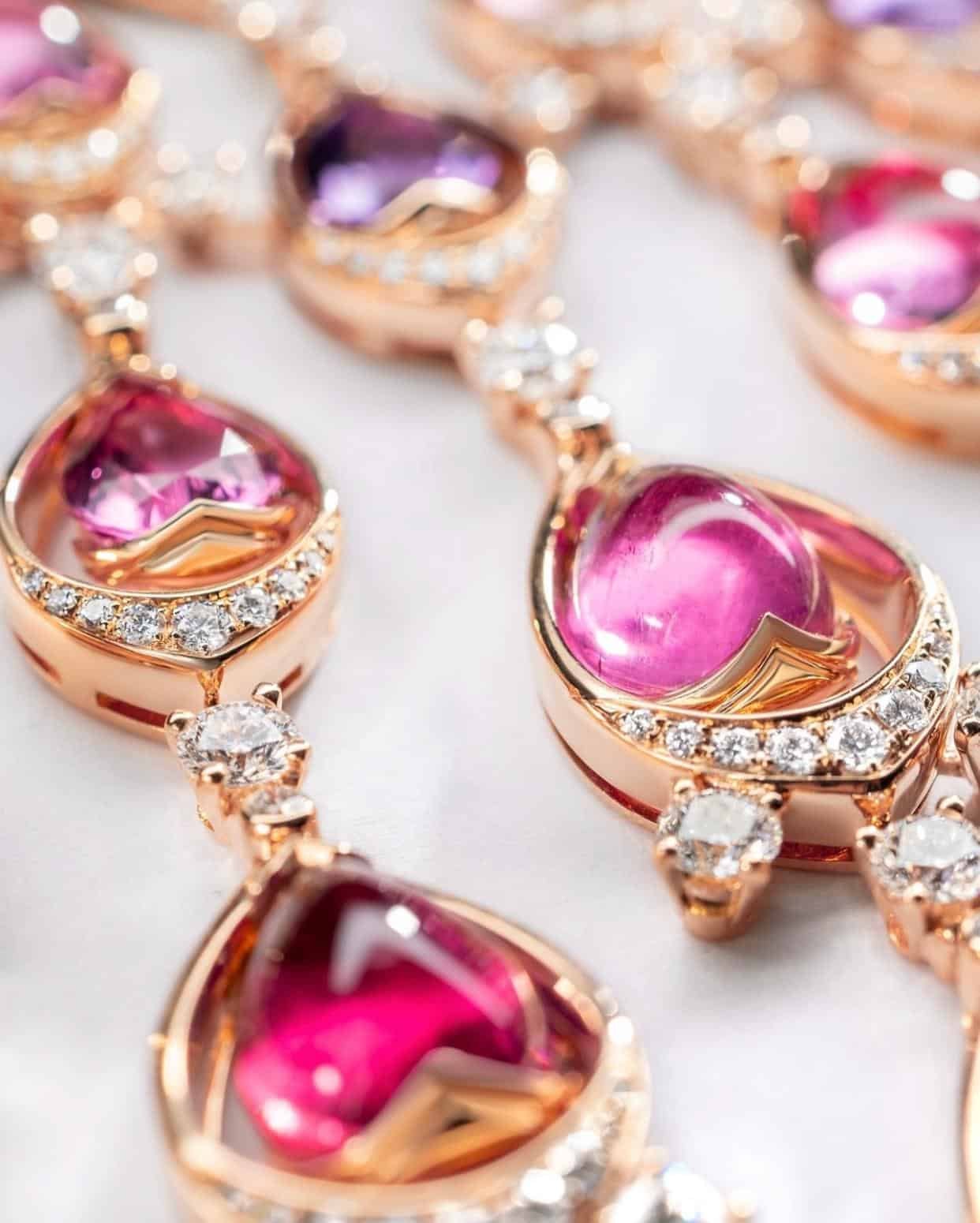

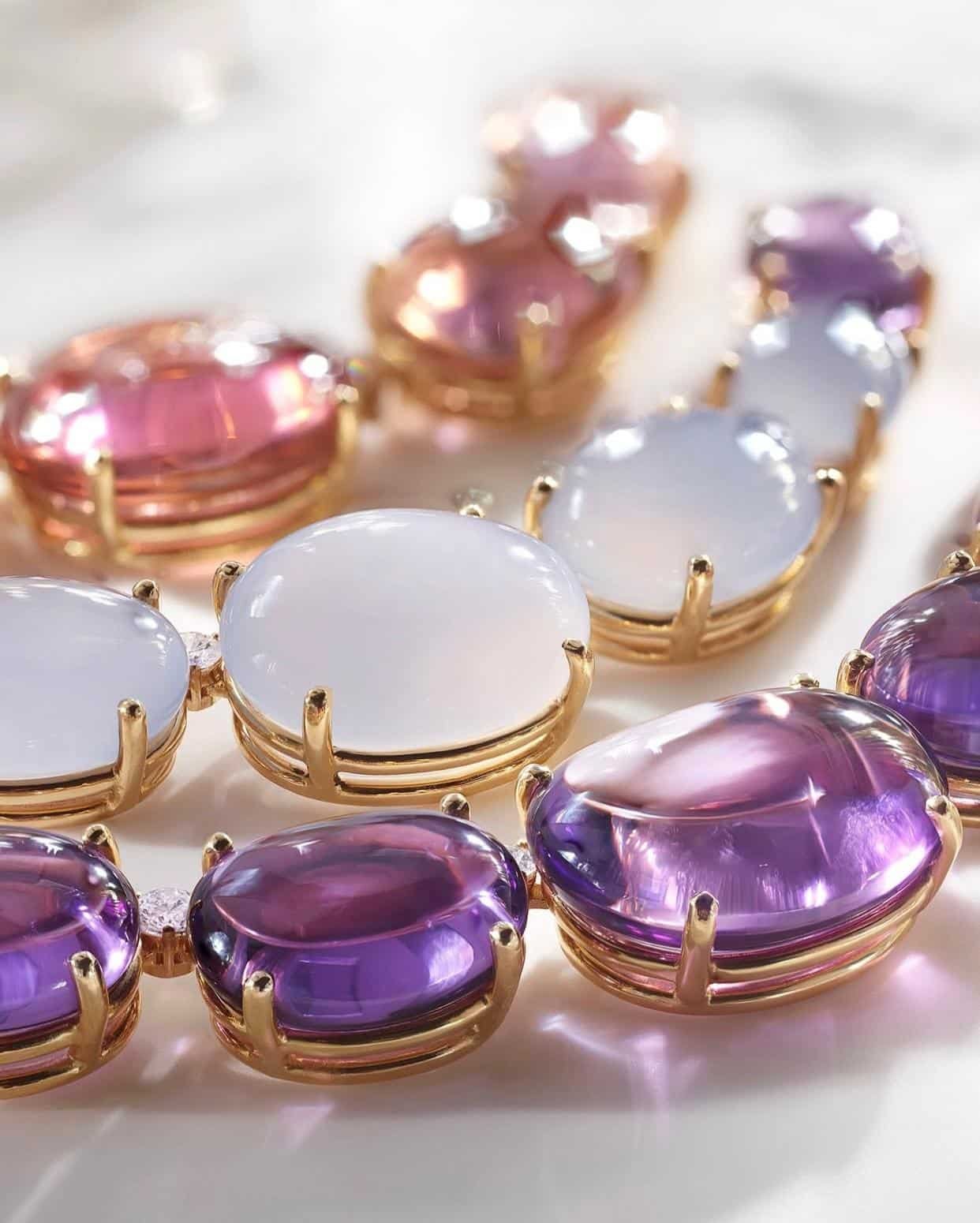
© Bvlgari
CARTIER
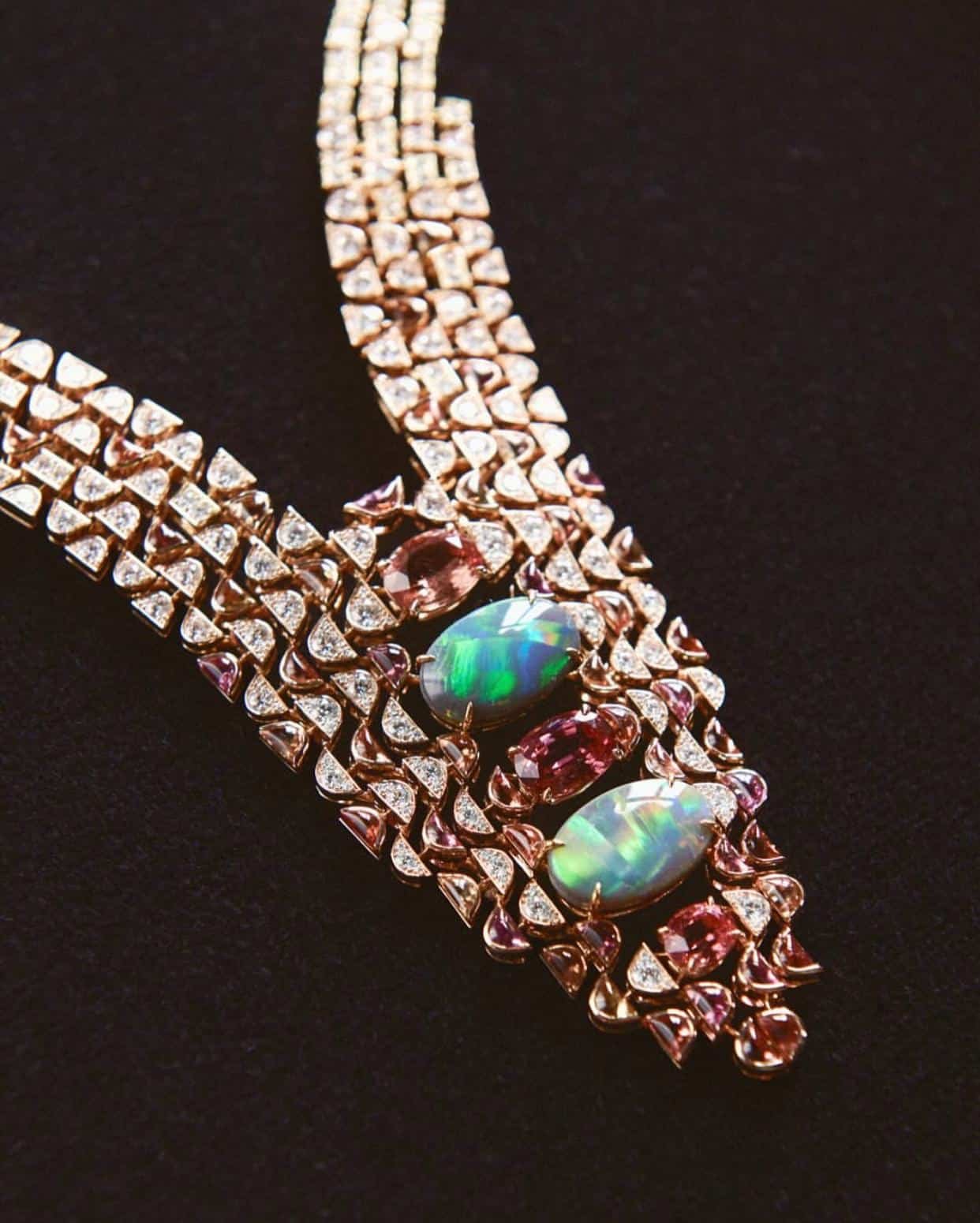
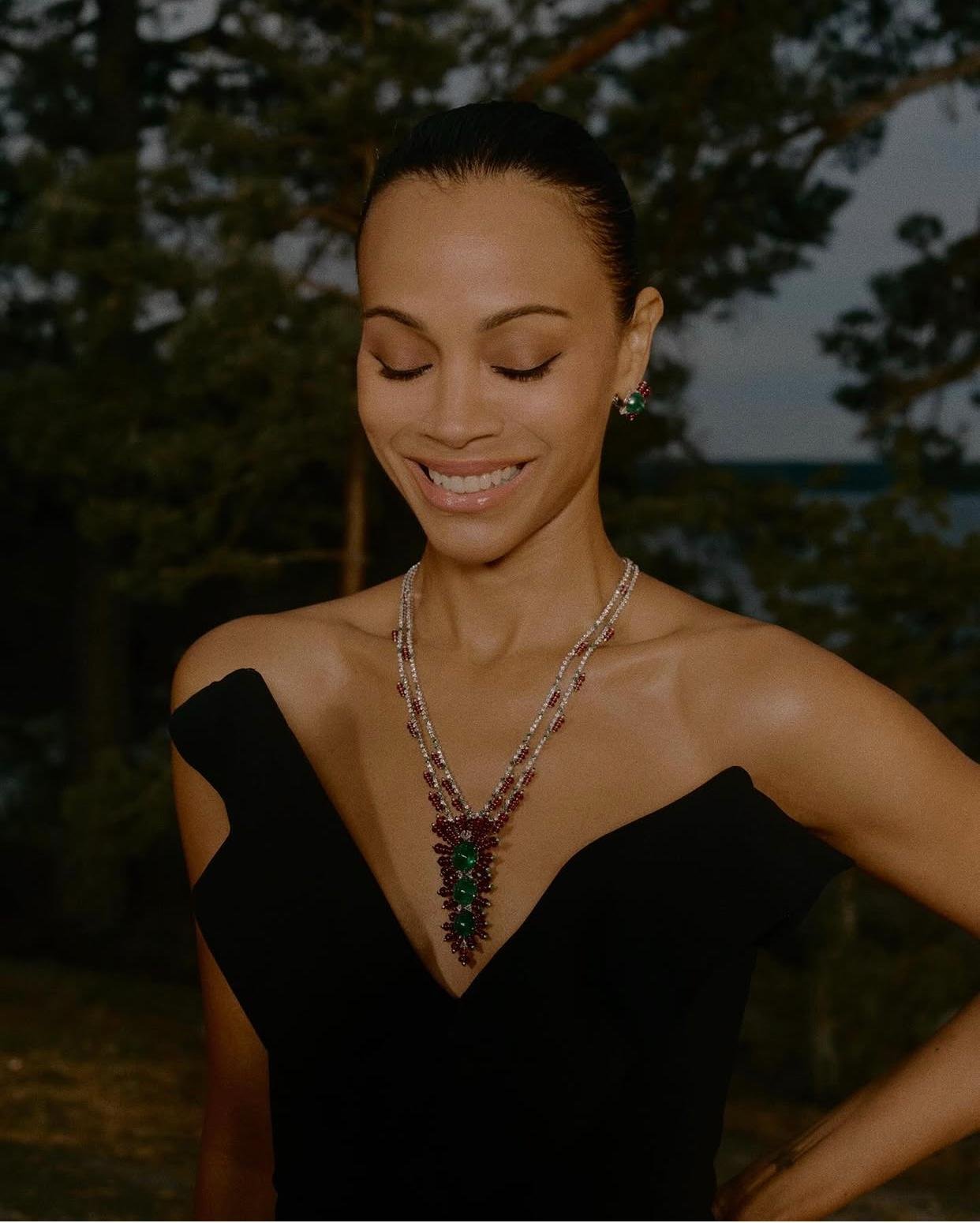
© Cartier
HARRY WINSTON
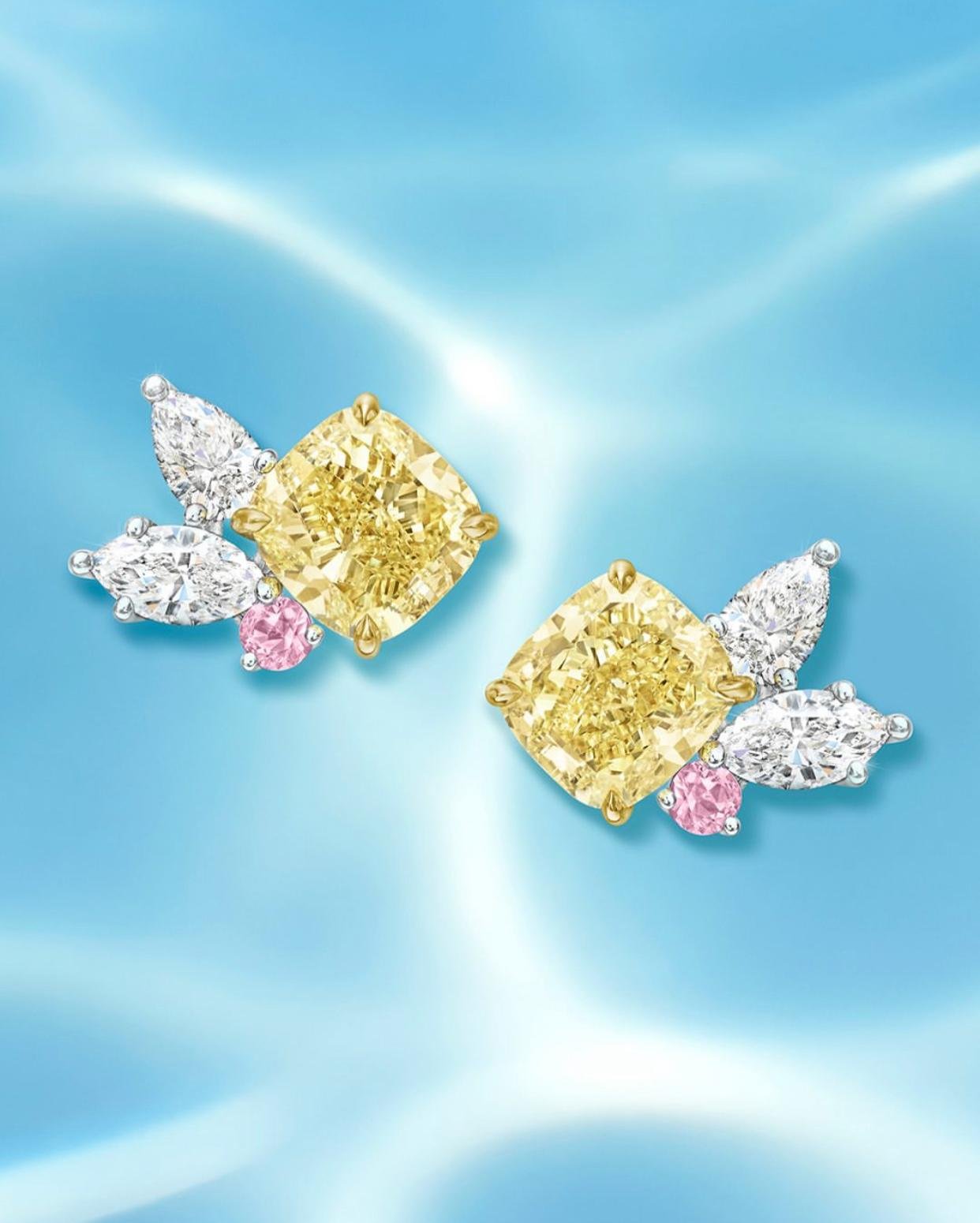
© Harry Winston
LOUIS-VUITTON
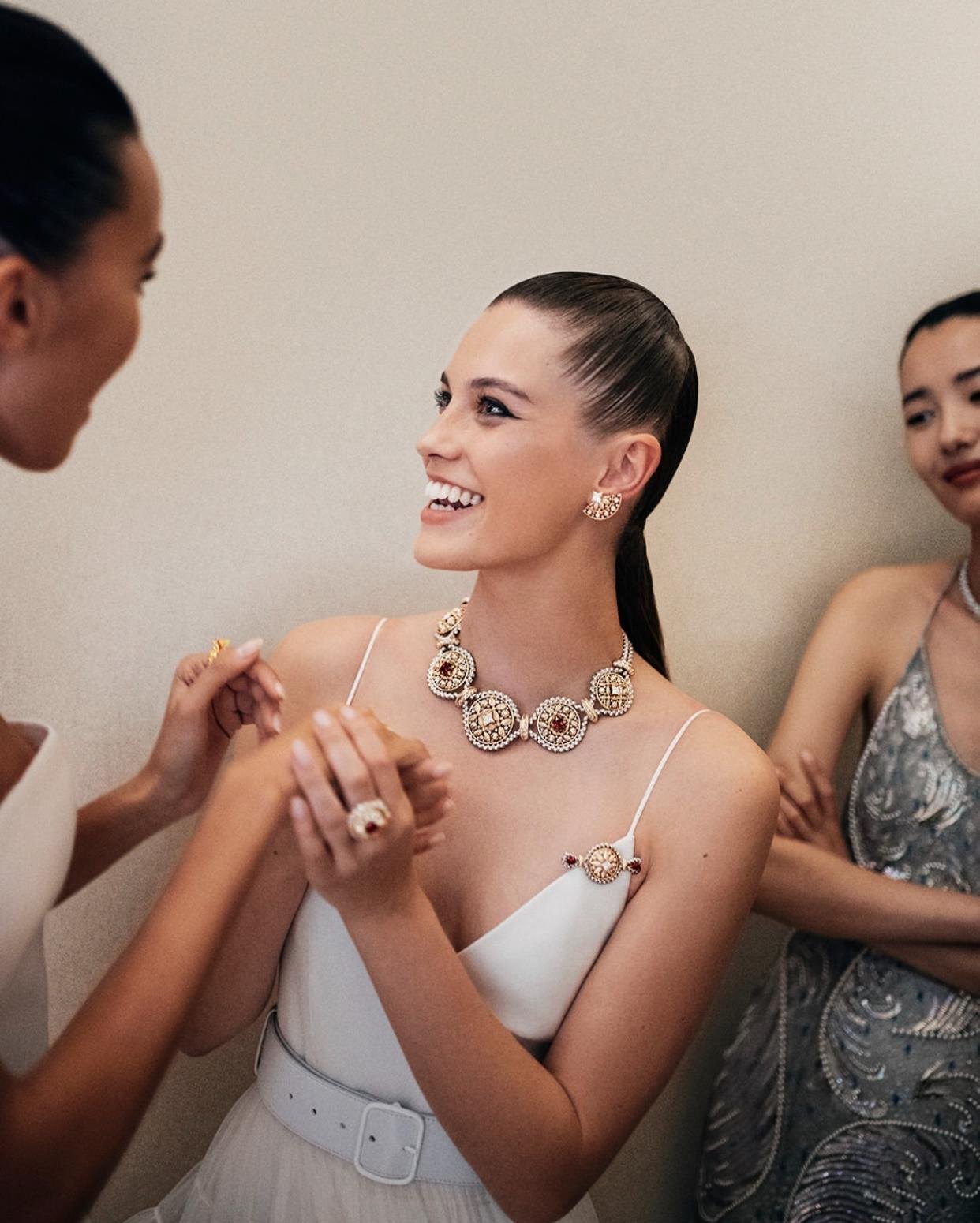

© Louis-Vuitton
TIFFANY & CO
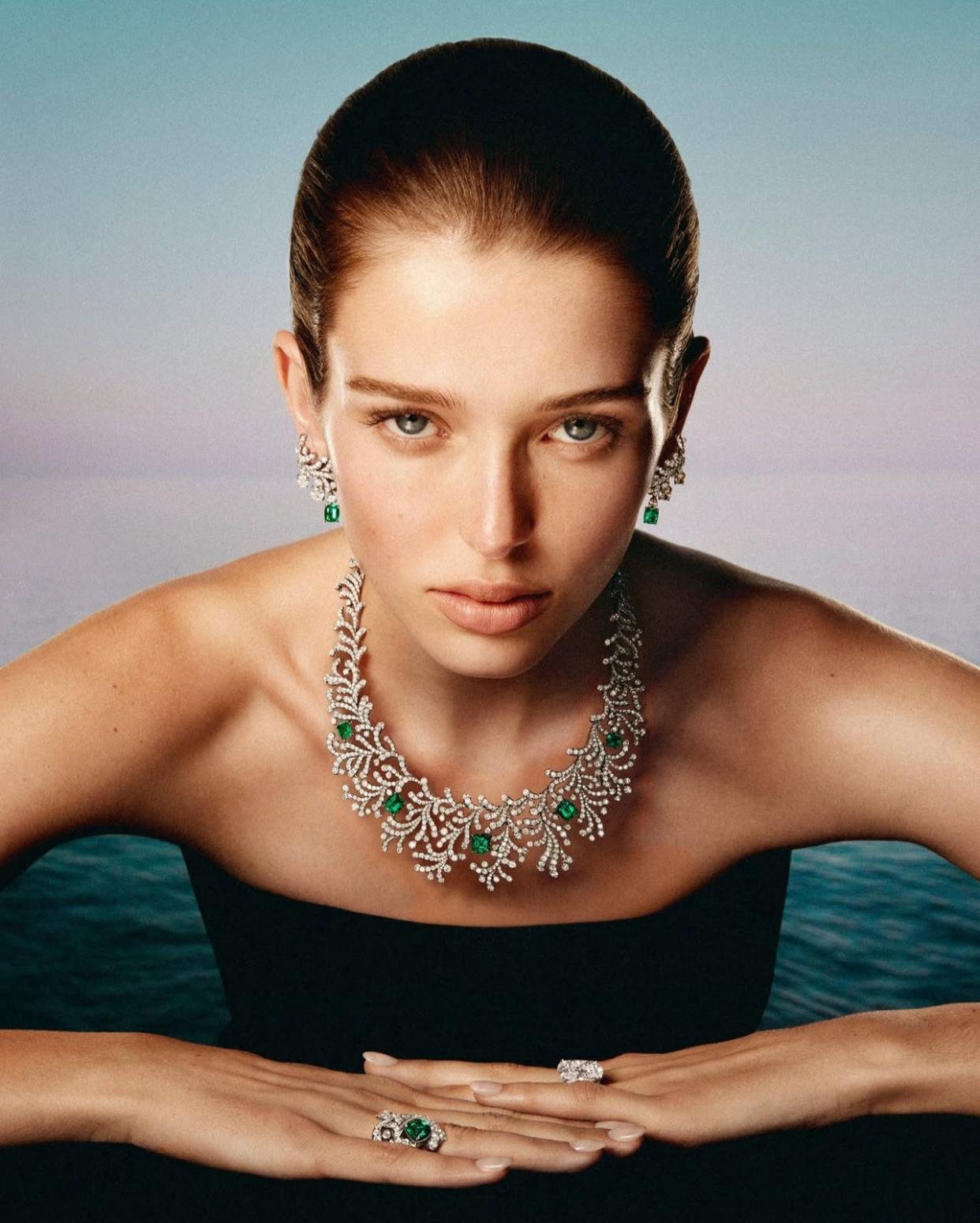
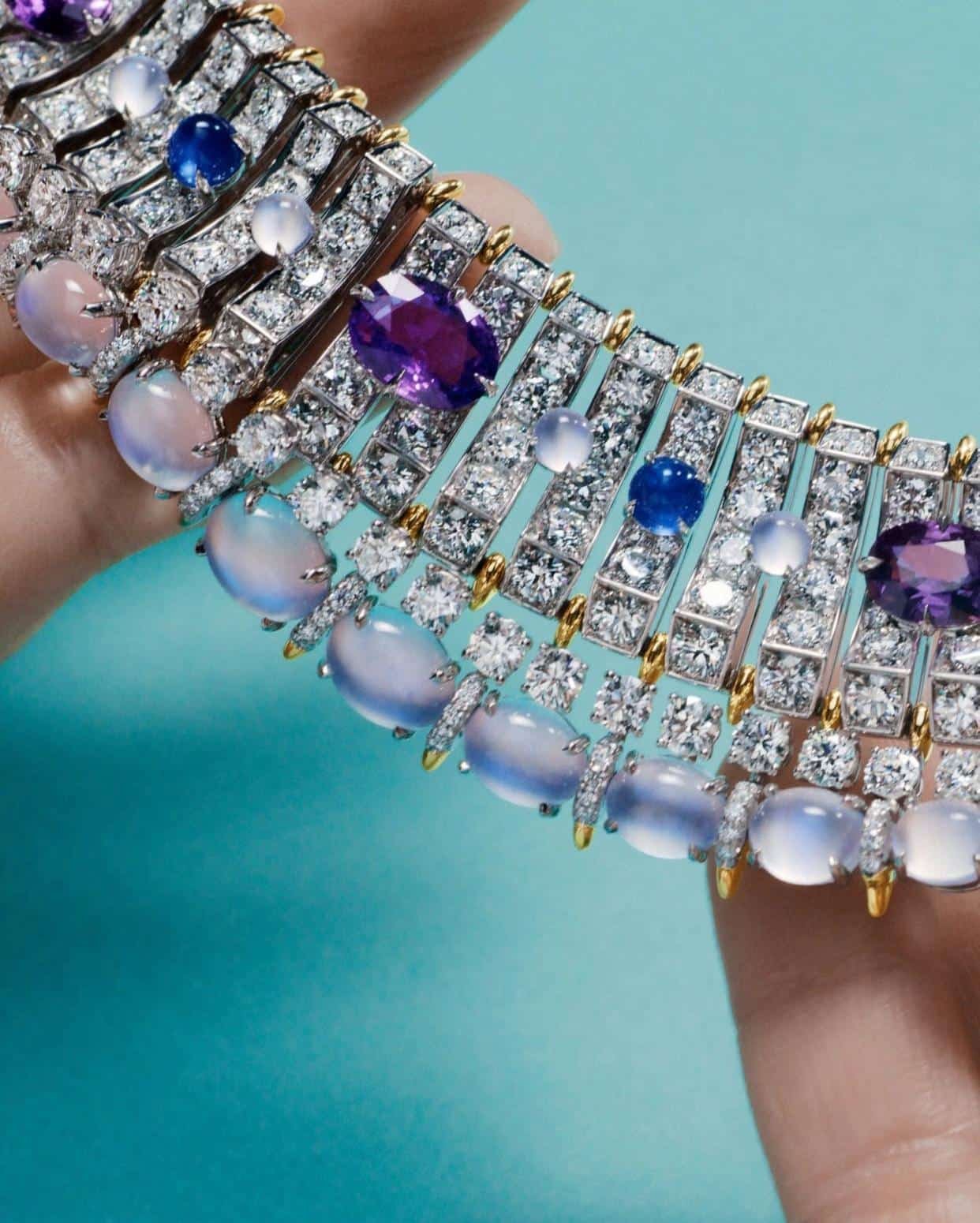
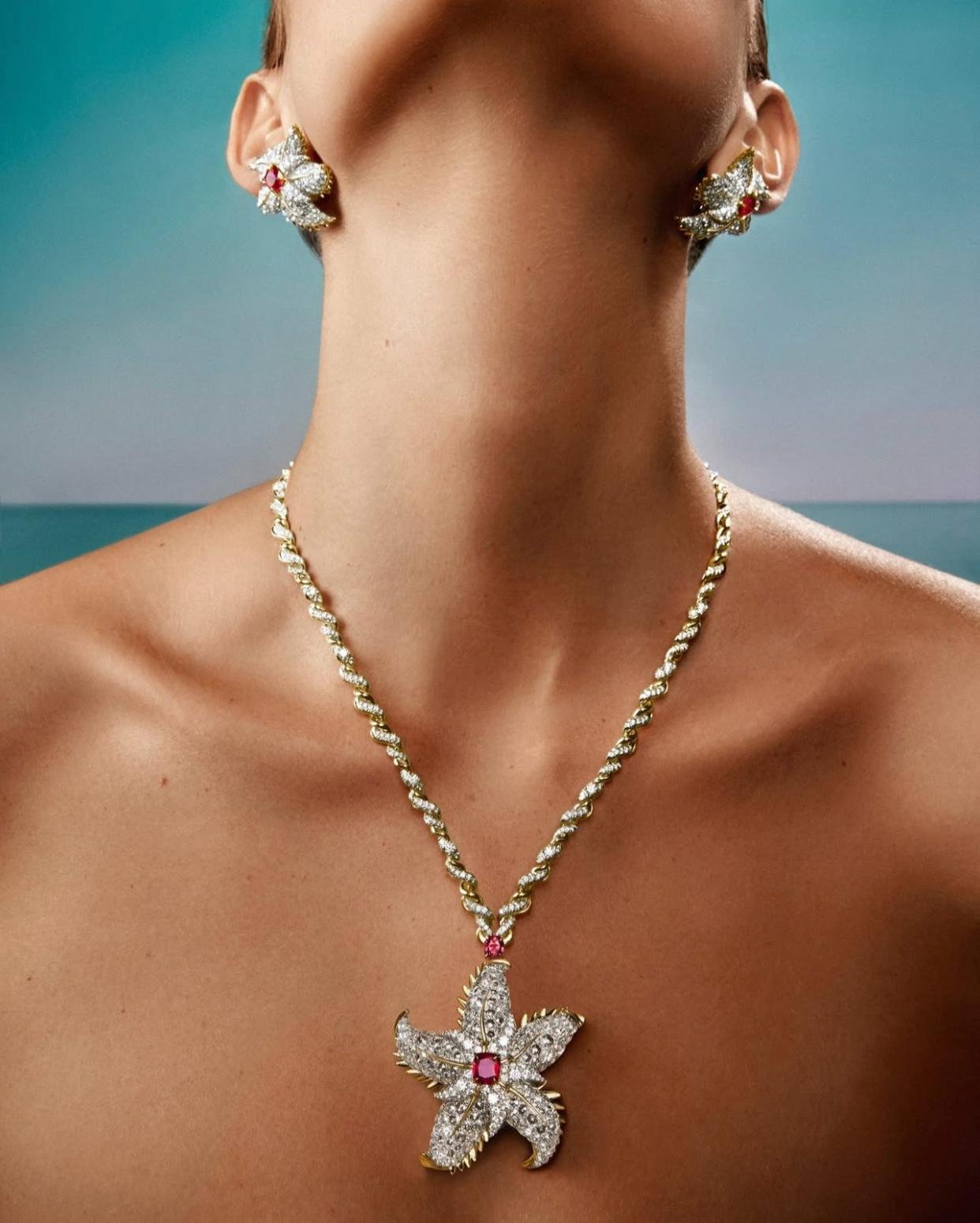
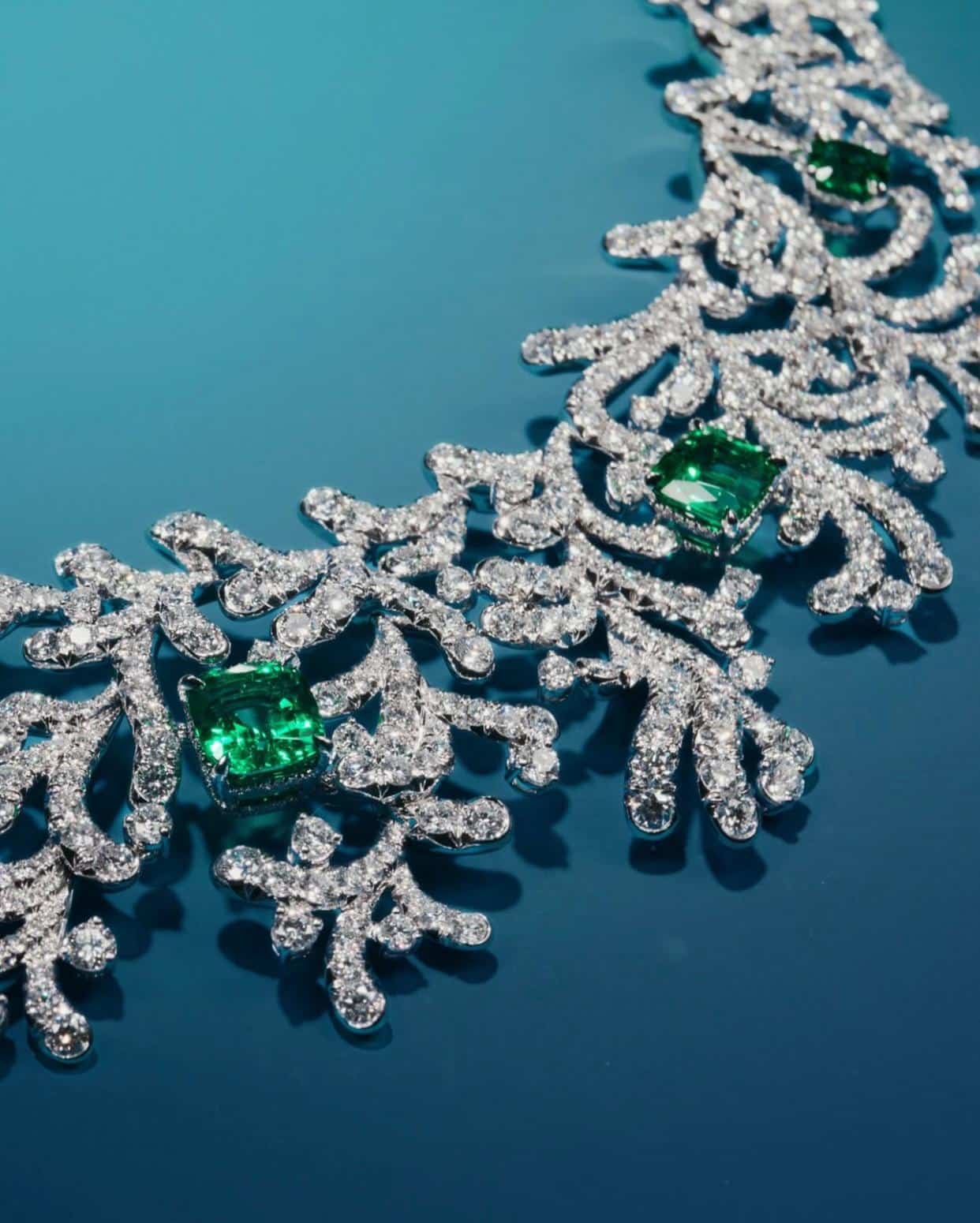
© Tiffany & Co